
Our verdict
Akasaka Tan-tei brings Okinawa kaiseki into central Tokyo’s formal dining register, a category that is rarer than sushi, tempura, or kappo at this level. Its 2026 Opinionated About Dining Recommended listing gives it a useful external marker, while Chef Kenji Iikura’s kitchen frames Ryukyu ingredients and drinking culture through a composed multi-course lens.

Pearl is the En Primeur Club membership app — saves, bookings, and concierge access live there. Same editors, same standards.
- Address
- Japan, 〒107-0052 Tokyo, Minato City, Akasaka, 6 Chome−16−11 浜ビル 1F
- Phone
- +81 3-3584-6646
- Hours
- Mon–Fri 5–10:30 PMSat–Sun Closed
- Website
- akasaka-tantei.com
- Directions
- Get directions
- Booking
- Book on TableCheck
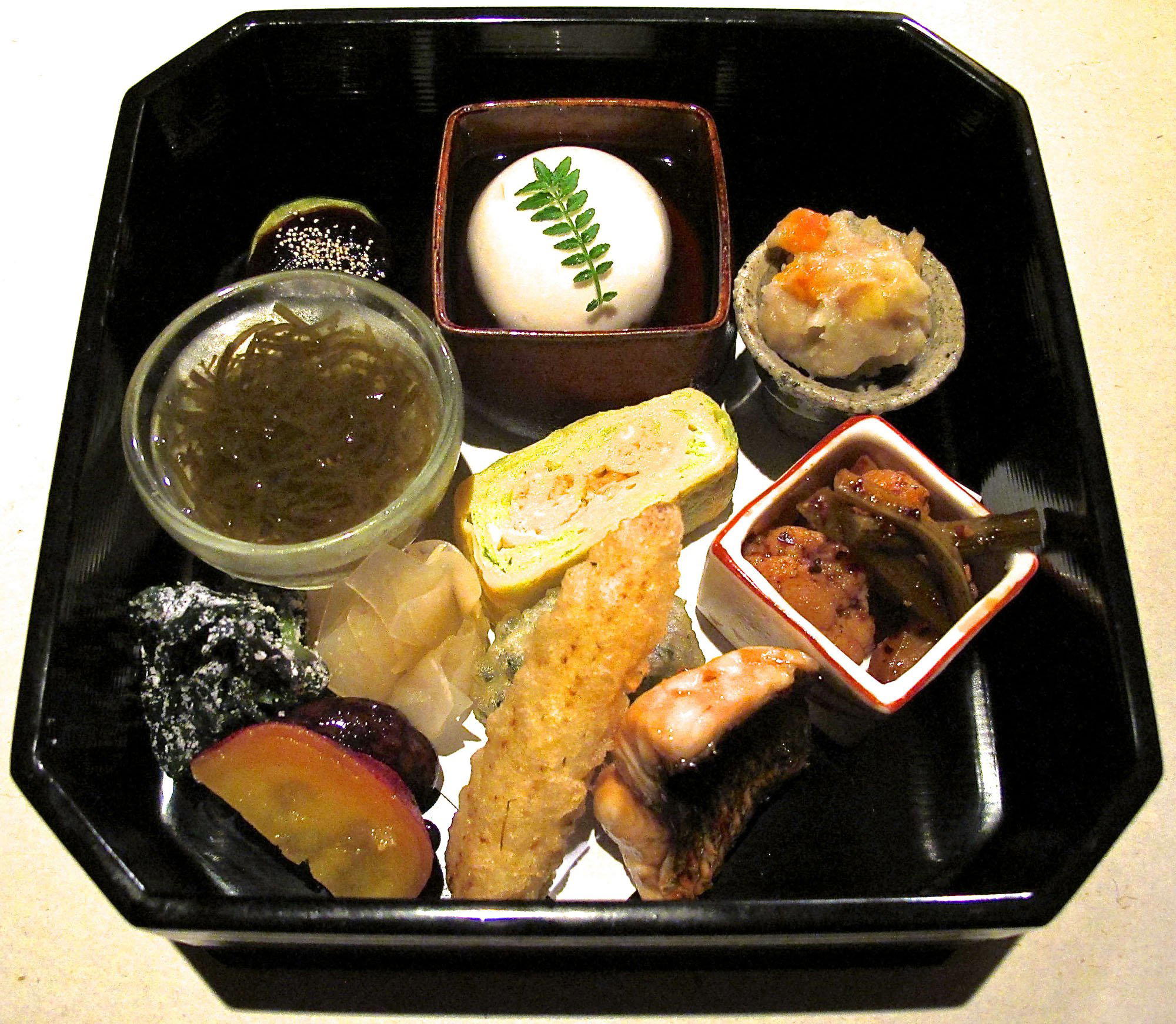
The menu
What to order
- Ishigaki beef
- Yaeyama beef
- Island fish
- Yanbaru pork
- Seasonal Okinawan vegetable courses
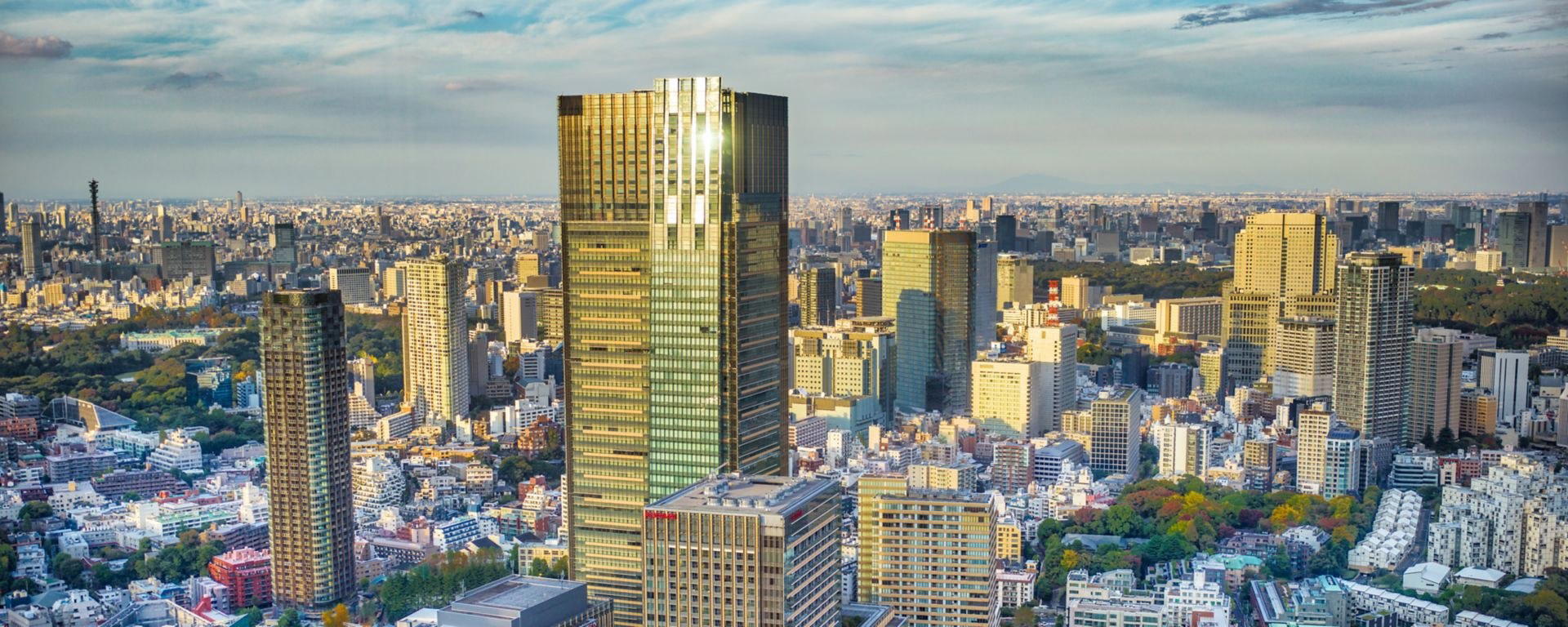
Tokyo after dark has a particular restaurant rhythm: office towers empty, side streets narrow, and small dining rooms become the serious part of the evening. In that setting, Okinawa kaiseki reads differently from the city’s more familiar prestige formats. The point is not counter theatre or luxury protein escalation. It is a regional vocabulary translated into Tokyo formality, with island ingredients, restrained pacing, and drinks that can carry as much meaning as the food.
That makes Akasaka Tan-tei a useful address for diners who already understand Tokyo’s standard high-end categories and want a meal that moves on another axis. Okinawan cooking is often associated with longevity food, pork culture, bitter melon, seaweed, tofu, and awamori rather than the Edo-mae canon. Kaiseki, by contrast, is a structure of sequence, season, temperature, and restraint. The tension between those two traditions is the draw here: Ryukyu identity organized with the discipline of a Tokyo dining room.
Okinawa kaiseki in Tokyo, with the drinks doing real work
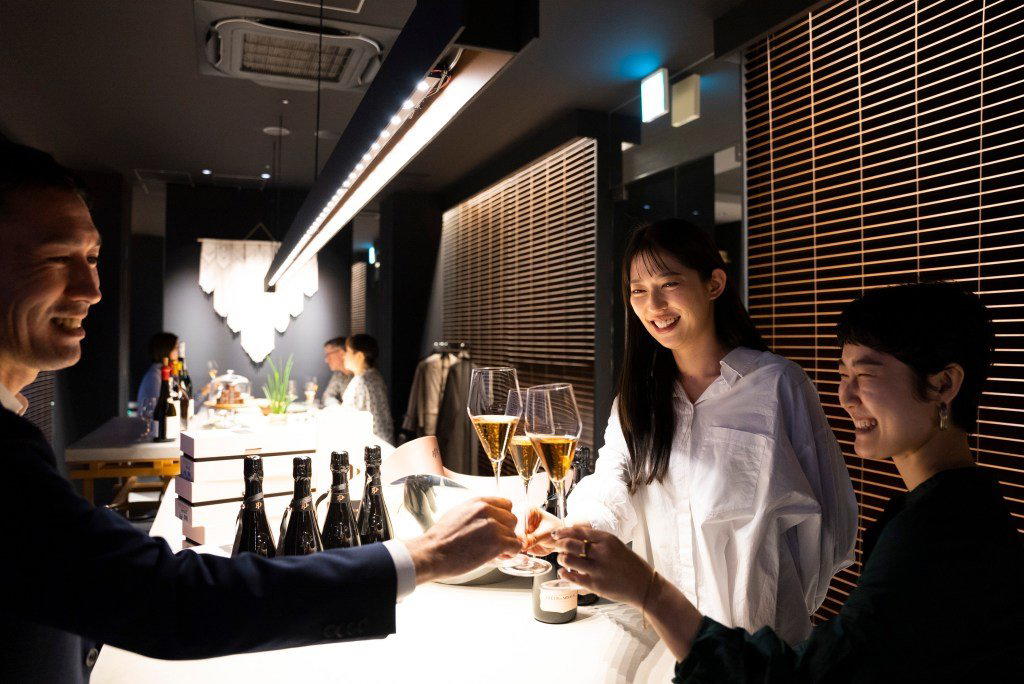
Tokyo’s premium dining culture is dense with omakase counters and French-Japanese tasting menus, but Okinawa kaiseki occupies a narrower lane. The cuisine brings a southern Japanese pantry into a city that often prizes precision over warmth. In that context, the beverage programme matters. Okinawan food has a natural relationship with awamori and shochu, while kaiseki service can also support sake pairings when the meal shifts through lighter, saltier, richer, and more umami-led courses.
The editorial reason to pay attention is not simply that drinks are available. It is that this cuisine asks a different pairing question from sushi or tempura. Sake can underline delicacy and fermentation; shochu can handle earthier notes and fat; awamori, Okinawa’s rice-based distilled spirit, brings the meal closer to its regional source. A restaurant working in this category has to decide whether beverages behave like a Tokyo luxury signal or like a cultural anchor. Here, the stronger read is the latter: the meal’s identity is clearer when the glass does not try to flatten Okinawa into a generic kaiseki template.
Chef Kenji Iikura’s name is attached to the kitchen, but the more interesting story is the format itself. Okinawan cooking in Tokyo can easily become casual, nostalgic, or izakaya-adjacent. Kaiseki changes the stakes. It asks diners to consider Okinawa not as a holiday shorthand, but as a serious regional cuisine with enough depth to sustain progression across courses. That is a more ambitious position than simply importing island dishes to the capital.
Tokyo gives regional cooking a formal city frame
Tokyo is a fitting city for this kind of restaurant because it can support both business dining and small, focused dining rooms with a high degree of discretion. The city does not always need spectacle to sell a meal. It rewards restaurants that make sense to regulars, visiting executives, and Tokyo diners who already know the difference between a famous address and a compelling one.
Akasaka Tan-tei’s inclusion as Recommended in Opinionated About Dining’s 2026 Japan restaurant list gives the restaurant a concrete external signal without overinflating the claim. OAD’s Japan coverage tends to reward serious dining rooms across a wide range of formats, not only globally familiar Michelin-style luxury. For an Okinawa kaiseki restaurant, that recognition matters because the category is less visible internationally than Tokyo sushi, ramen, yakitori, or French-Japanese tasting menus.
The appeal, then, is partly educational. A diner moving through Tokyo by genre will find the familiar hierarchy easy enough: sushi for technique, tempura for timing, yakitori for fire, kaiseki for seasonality. Okinawa kaiseki complicates that map. It brings in a region shaped by maritime trade, subtropical agriculture, and a drinking culture distinct from mainland sake orthodoxy. The meal is valuable because it broadens the definition of what a serious Tokyo dinner can be.
How to place it within a Tokyo itinerary
This is not the address to use as a first lesson in Tokyo dining if the goal is breadth in a single night. It makes more sense after the obvious categories have already been covered, when a diner can appreciate why an Okinawan framework in Tokyo feels different from standard kaiseki. The better question is not whether it replaces sushi or yakitori. It does not. The reason to come is that it fills a quieter gap in the city’s dining conversation.
For planning across the city, use Our full Tokyo restaurants guide as the main map, with adjacent planning from Our full Tokyo hotels guide, Our full Tokyo bars guide, Our full Tokyo wineries guide, and Our full Tokyo experiences guide. Nearby and broader Japan listings can widen the route without forcing a false comparison: other casual restaurants, specialist counters, cafés, curry shops, and grill-focused dining rooms all point to different corners of the city’s range.
Beyond Tokyo, the useful comparison is geographic breadth rather than cuisine match. Japan’s dining map can stretch across many regions and formats, from formal Japanese dining to casual cafés, curry specialists, and contemporary small restaurants. For readers tracking Japanese drink culture outside Japan, overseas examples show how sake, casual rice formats, and Japanese dining ideas travel into another market without needing to be treated as direct peers.
The verdict is disciplined rather than grandiose: Akasaka Tan-tei is for diners who want Tokyo to reveal a regional Japanese register that gets less international attention. Its value sits in the meeting point between Okinawan culinary memory, kaiseki order, and a drinks culture that should be treated as part of the meal’s argument, not an accessory.
Frequently asked questions
Who is the chef at Akasaka Tan-tei?
The chef associated with Akasaka Tan-tei is Kenji Iikura.
What type of food is Akasaka Tan-tei known for?
Akasaka Tan-tei serves Okinawa Kaiseki cuisine.
What's Akasaka Tan-tei's location?
Tokyo.
Do I need a reservation for Akasaka Tan-tei?
OAD names Akasaka Tan-tei Recommended for 2026. For a Tokyo restaurant serving Okinawa Kaiseki, advance booking is the sensible approach.
What's the defining dish or idea at Akasaka Tan-tei?
The defining idea is Okinawa Kaiseki, prepared under chef Kenji Iikura in Tokyo. That puts regional Okinawan structure inside a formal kaiseki framework rather than a standard multi-course Japanese menu.
In Context
Comparable venues nearby, for context on price, style, and recognition.
| Venue | Cuisine | Price | Awards | Notes |
|---|---|---|---|---|
| Akasaka Tan-teiThis venue — the venue you are viewing | Okinawan Kaiseki | $100–150 | Not listed | Not listed |
| torisawa | Yakitori Omakase | $100–150 | Tabelog 100 #37 | Meguro, Yakitori Omakase |
| Kuzushi Teppan AVAGURA Kanda ten | Modern Teppanyaki | $50–100 | Tabelog 100 #100 | Chiyoda, Modern Teppanyaki |
| Zakuro Ginza ten | Traditional Wagyu Shabu-shabu & Sukiyaki | $50–100 | Tabelog 100 #57 | Chūō, Traditional Wagyu Shabu-shabu & Sukiyaki |
| Tokyo Shokuniku Ichiba Chokusou Niku Yakiya D-29 Hiroo ten | Yakiniku / Japanese BBQ | $100–150 | Tabelog 100 #91 | Shibuya, Yakiniku / Japanese BBQ |
| Nodoguro Senmon Ginza Nakamata | Nodoguro-focused Japanese set-course dining | $50–100 | Tabelog 100 #25 | Chūō, Nodoguro-focused Japanese set-course dining |
Recognition history
Dated appearances from independent guides and award organizations, with the underlying list record or original source where available.
Opinionated About Dining Top Restaurants in Japan Recommended
Opinionated About Dining


Akasaka Tan-tei
The wine
- Wine program
- Curated wine list
- Extensive wine list
- Sommelier-led
- Sake program
Details
- Intimate
- Sophisticated
- Elegant
- Cozy
- Business Dinner
- Celebration
- Special Occasion
- Private Event
- Date Night
- Group Dining
- Private Dining
- Standalone
- Sake Program
- Extensive Wine List
- Sommelier Led
- Local Sourcing
- Prix Fixe
- Set Menu
- Tasting Menu
- Wine
- Awamori
- Sake
- Pescatarian Friendly
Current opening hours
- Monday
- 5–10:30 PM
- Tuesday
- 5–10:30 PM
- Wednesday
- 5–10:30 PM
- Thursday
- 5–10:30 PM
- Friday
- 5–10:30 PM
- Saturday
- Closed
- Sunday
- Closed
Hours can change for holidays and private events. Last verified .
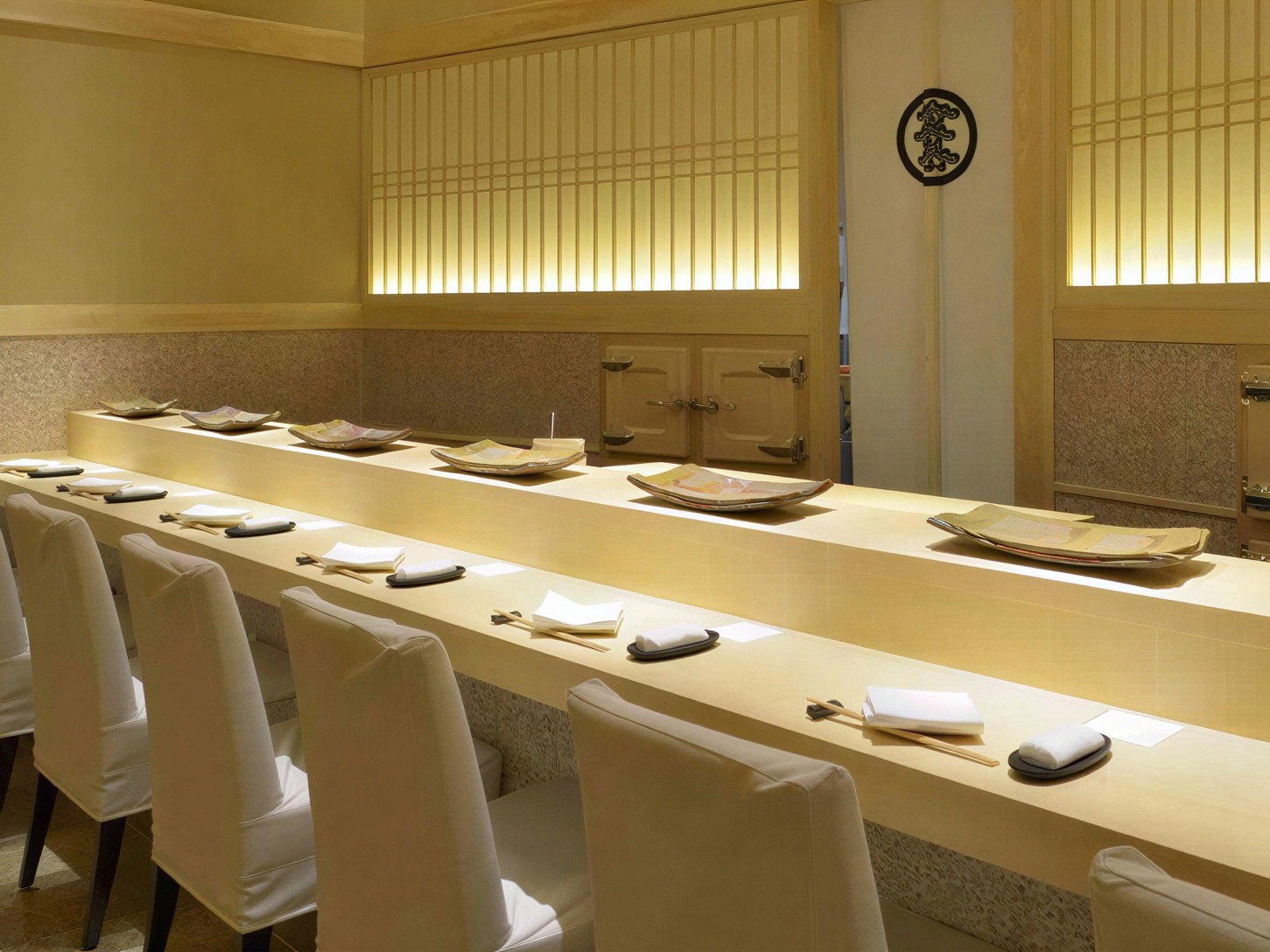
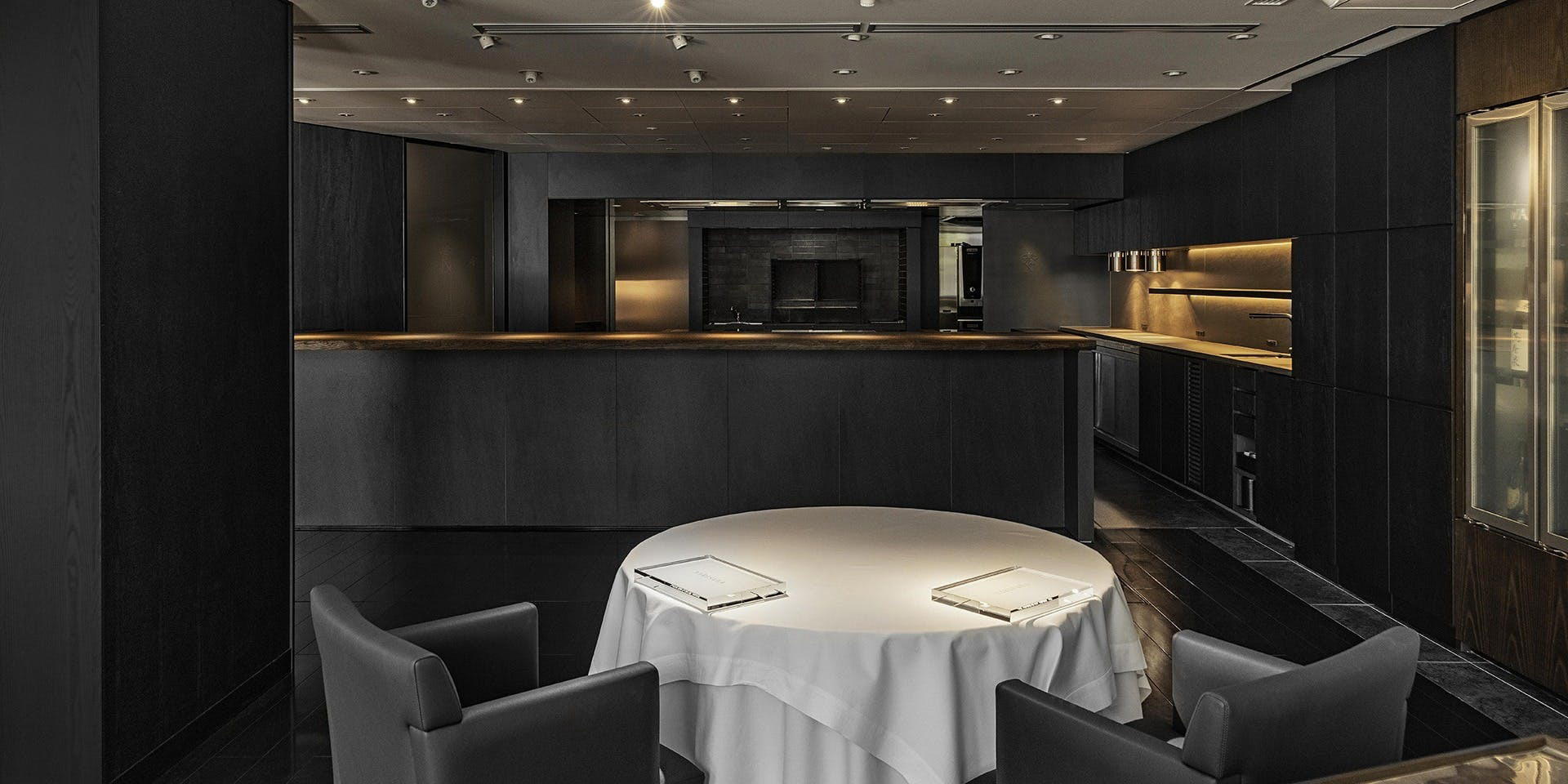
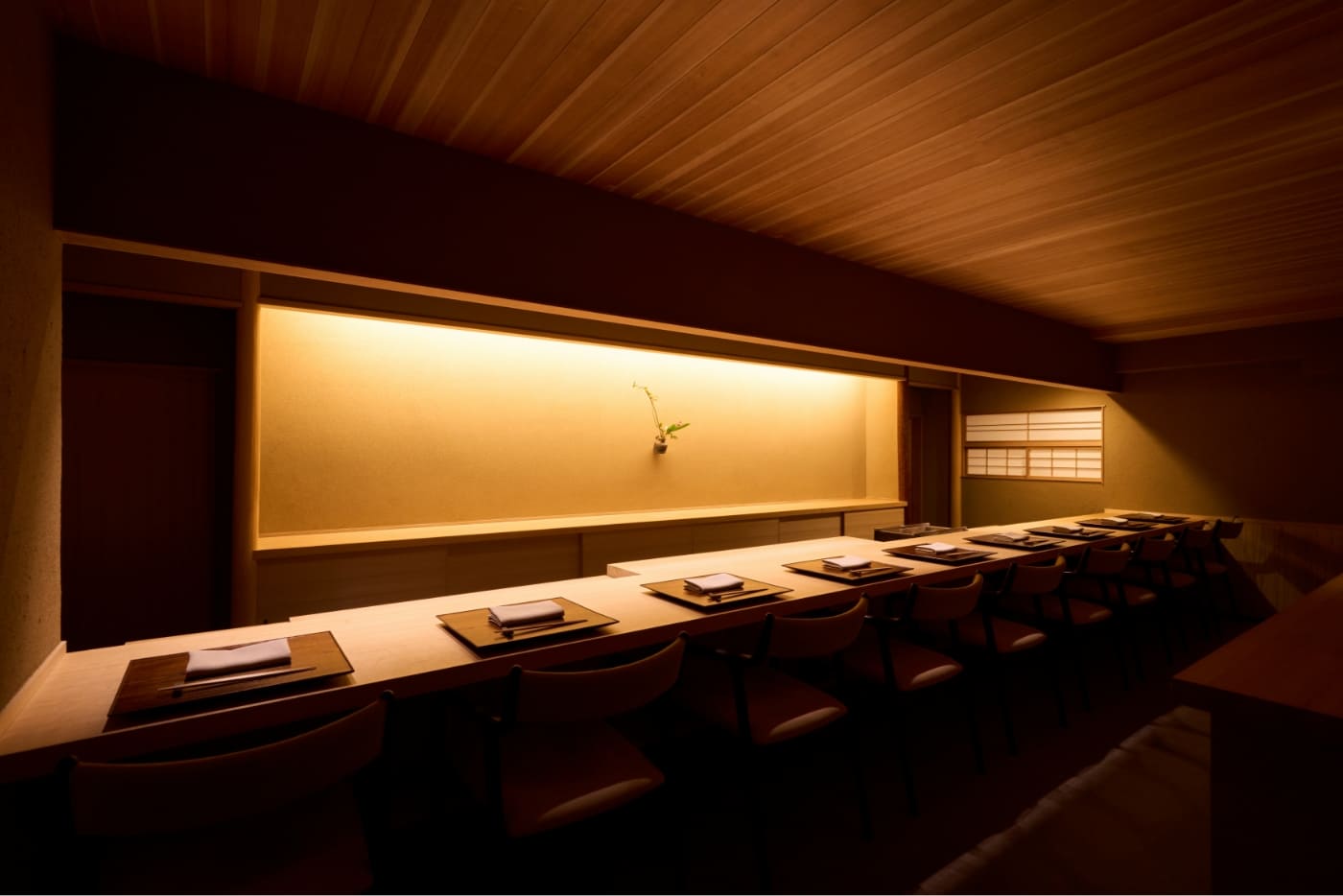
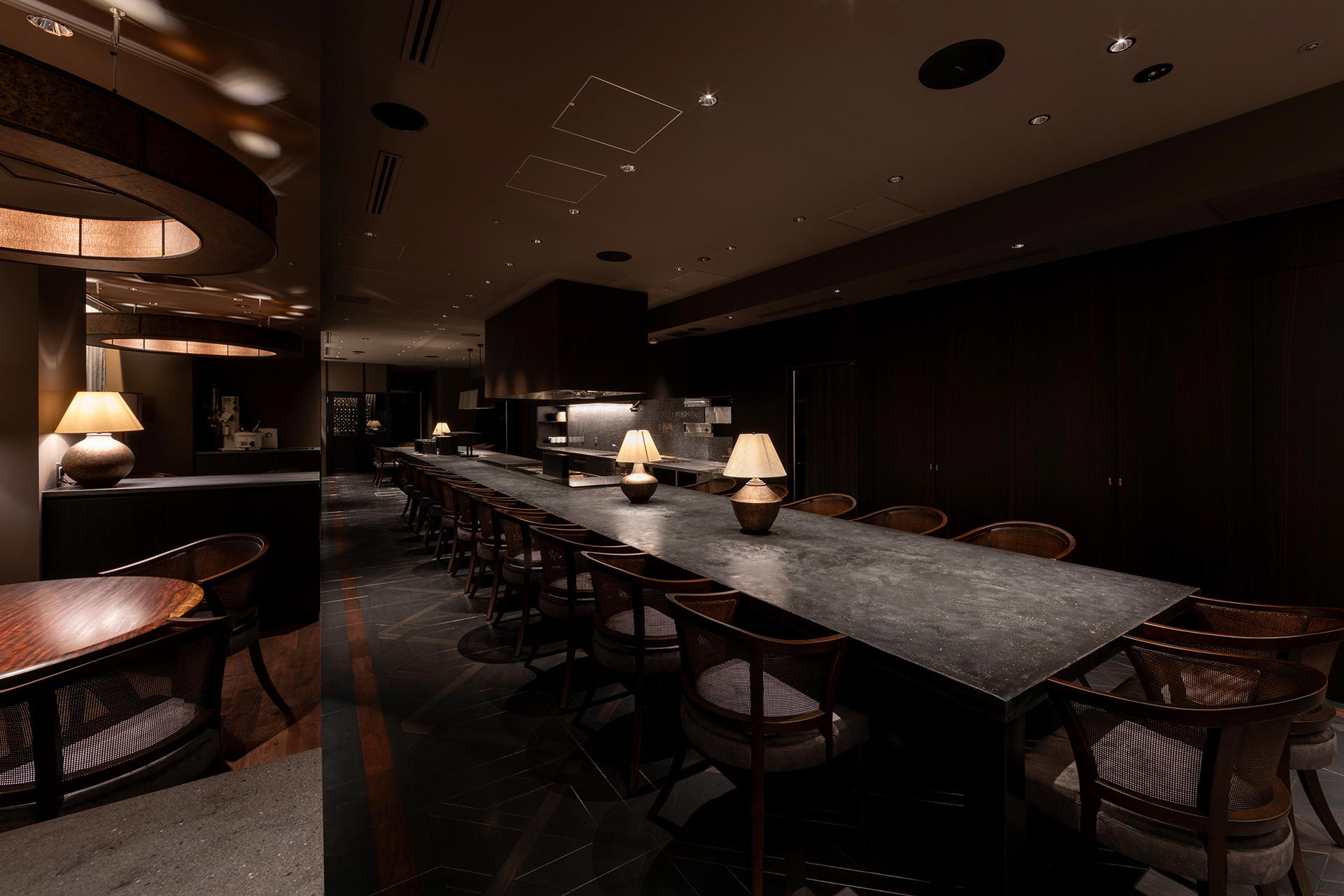
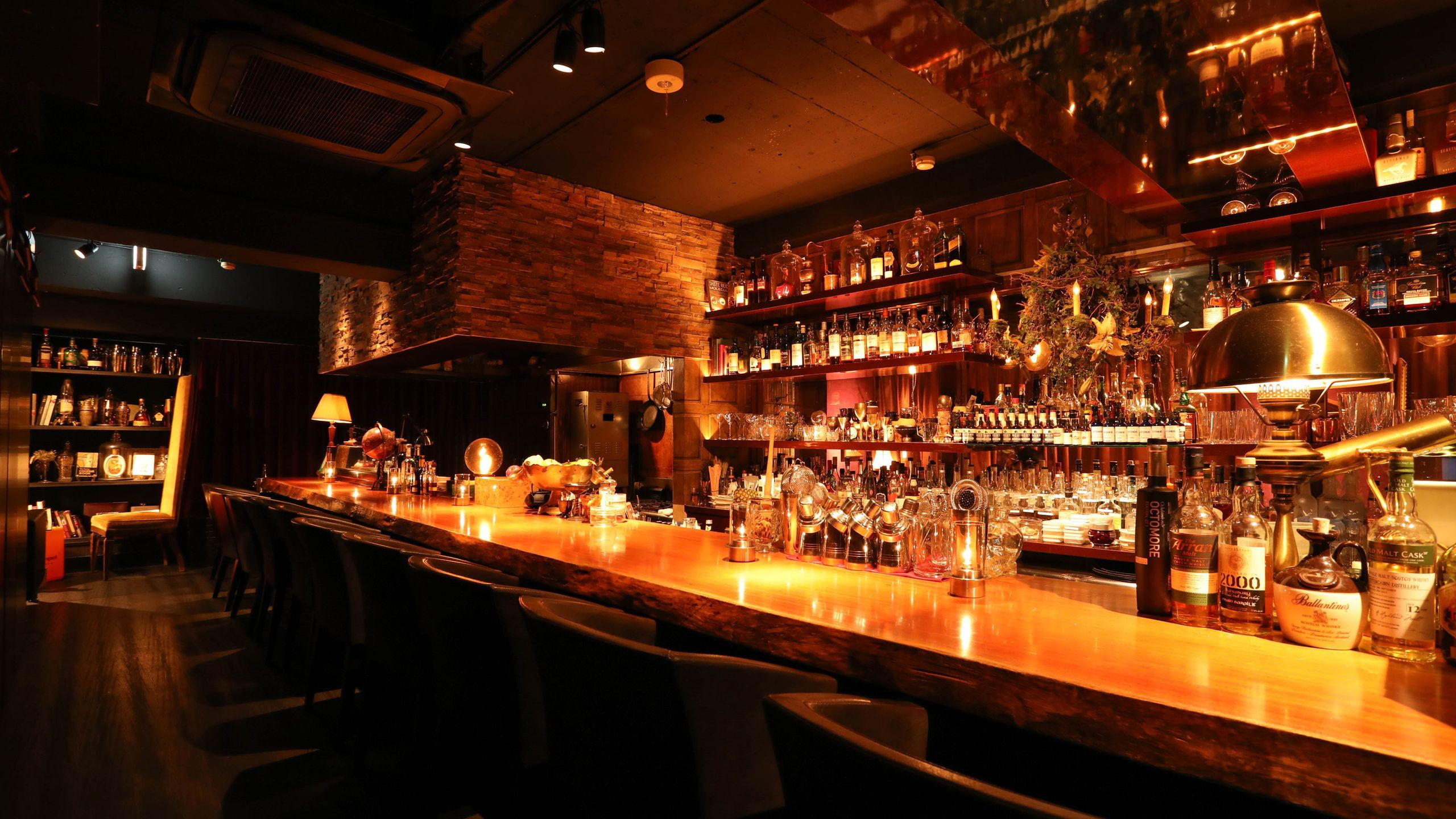
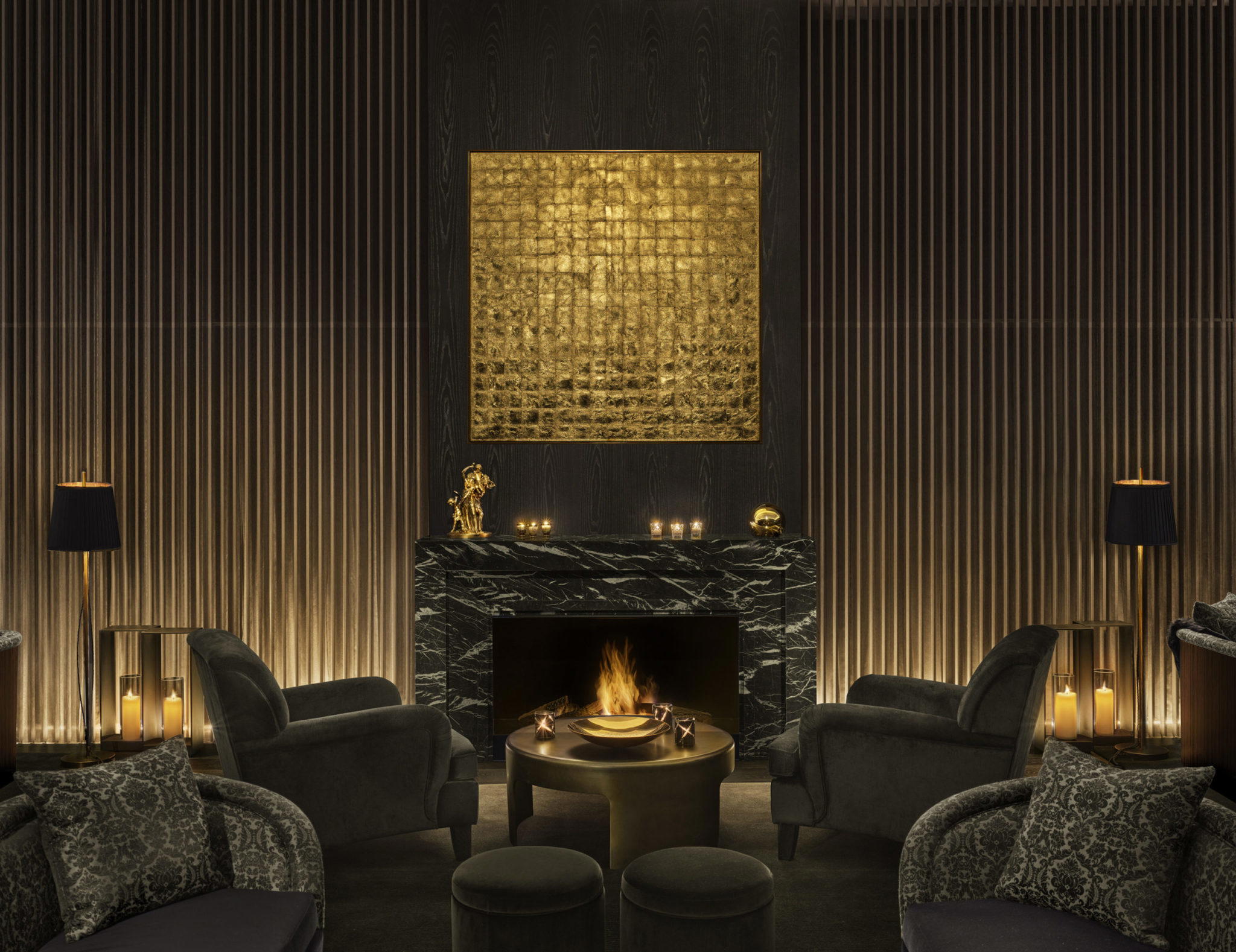
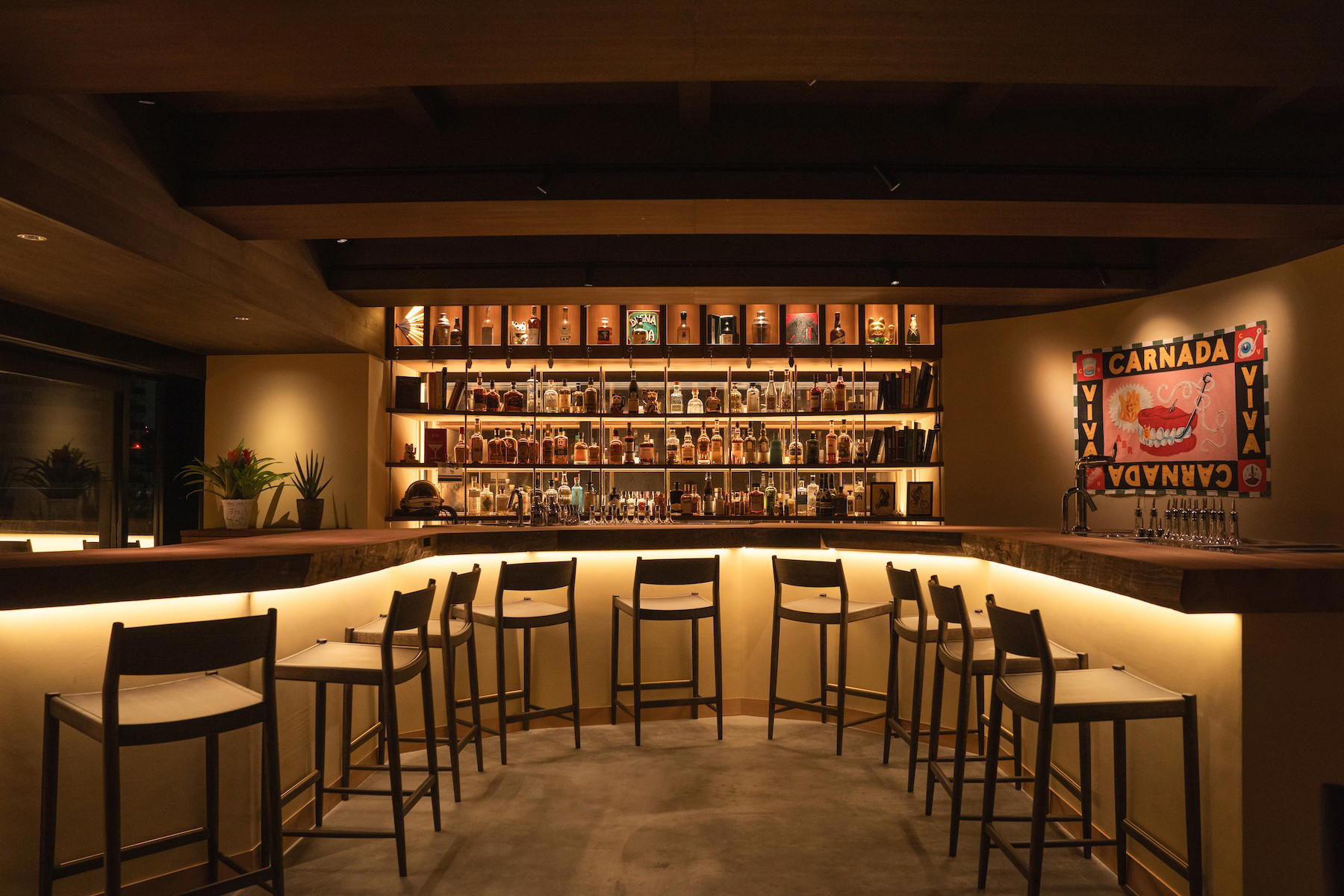
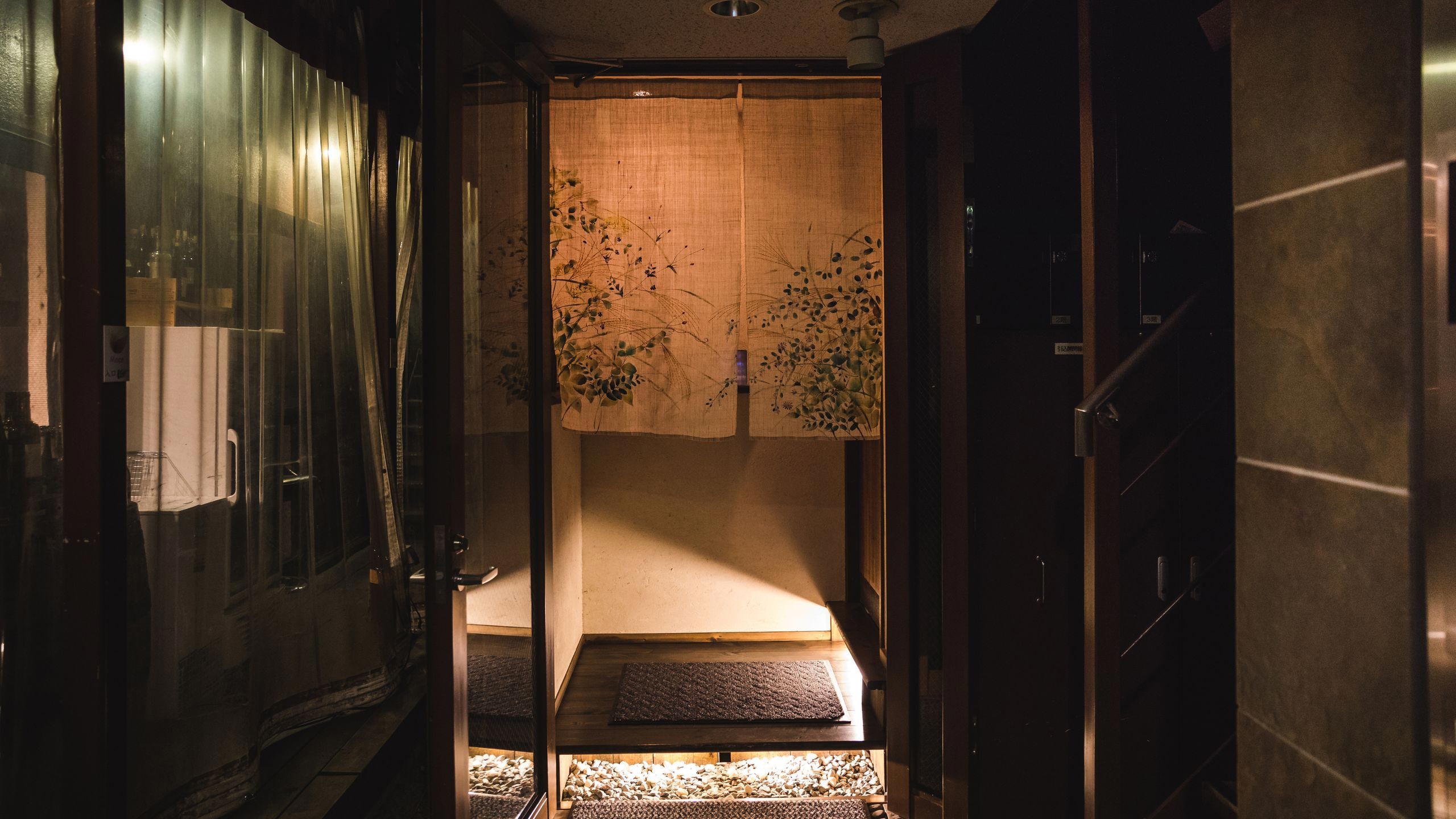
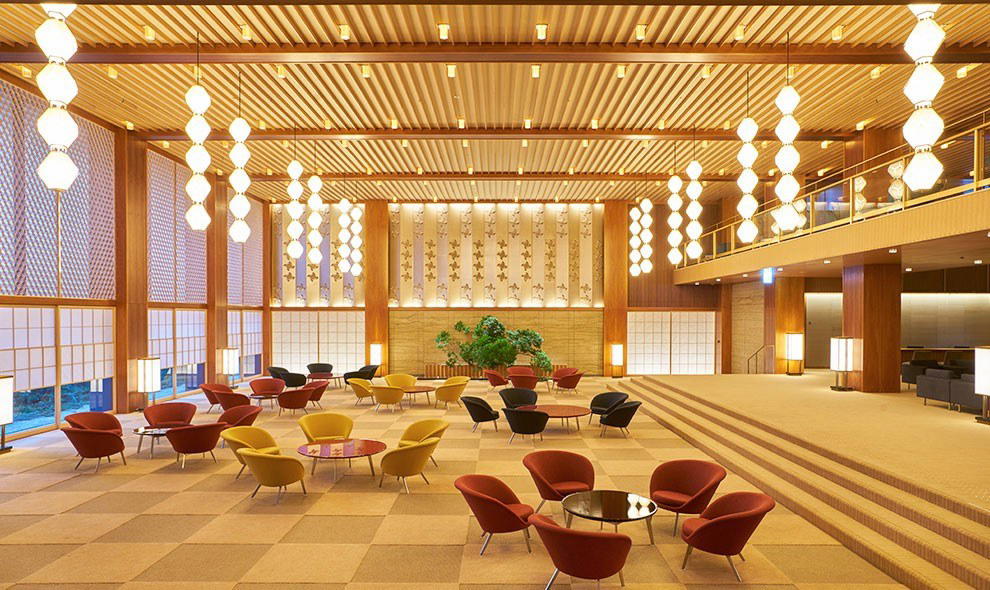
A secluded, luxury hideaway with earth-toned walls and wood accents, tea-room-style private rooms, and an atmosphere suited to special occasions and business meals.