Tabelog 100 #30
Our verdict
Aji no Nakamura sits in Tokyo’s izakaya tradition at the more polished end of the form: fish-led Japanese cooking, sake and shochu in serious rotation, and a room built for both counter rhythm and group dining. Its selection for Tabelog 100 Izakaya EAST in 2024 and 2025 places it among the city’s closely watched tavern-format restaurants rather than casual after-work drinking rooms.

Pearl is the En Primeur Club membership app, where members save venues, book tables and use the concierge.
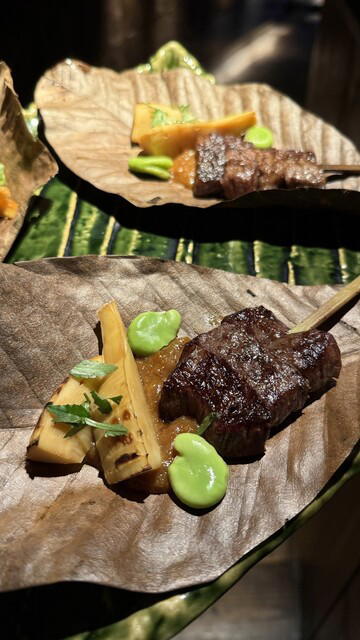
The menu
What to order
- Seasonal omakase course
- Wagyu dishes
- Donabe rice (e.g., white asparagus donabe rice)
- Seasonal sashimi and grilled fish
In Nishiazabu, the izakaya ritual changes register. The neighbourhood’s dining rooms tend to trade neon and speed for lower voices, longer meals, and the kind of pacing that lets a table move from first drink to shared plates without the pressure of a formal tasting menu. Aji no Nakamura belongs to that Tokyo category: not a pub in the loose English sense, not a kappo counter either, but a fish-conscious Japanese tavern where the meal is built through sequence, appetite, and drinking rhythm.
Tokyo’s izakaya culture is often misunderstood by visitors because the word covers a wide field. At one end are smoke-filled standing bars and beer-led chains; at the other are restaurants where the format remains social and shared, but the cooking, sake list, and room discipline belong to a higher bracket. The Tabelog 100 Izakaya EAST selections in 2024 and 2025 put Aji no Nakamura in that second camp. The point is not ceremony for its own sake. It is a dinner where the table decides its pace, but the kitchen still has a clear hierarchy of fish, seasonal Japanese cooking, and drink compatibility.
Nishiazabu's quieter izakaya grammar: fish, sake, and a slower table
The local context matters. Nishiazabu and Hiroo sit between embassy-town discretion, affluent residential streets, and serious destination dining. Nearby comparisons underline the spread: Chiune and hakunei occupy more contemporary, high-concept territory, while Waketokuyama represents a more classical Japanese register. Against that field, Aji no Nakamura reads as a tavern-format answer to the same neighbourhood appetite for controlled quality, with less theatre and more social flexibility.
The kitchen’s stated emphasis on fish gives the meal its centre of gravity. That does not require inventing a signature dish to understand the appeal. In a Tokyo izakaya at this level, fish is not just a course category; it shapes how the table orders, how sake enters the meal, and how heavier dishes are delayed until the group has settled. Sake, shochu, and wine are all part of the drinks program, which signals a broader drinking culture than the beer-highball default. For diners who read izakaya as a sequence rather than a menu scan, that matters.
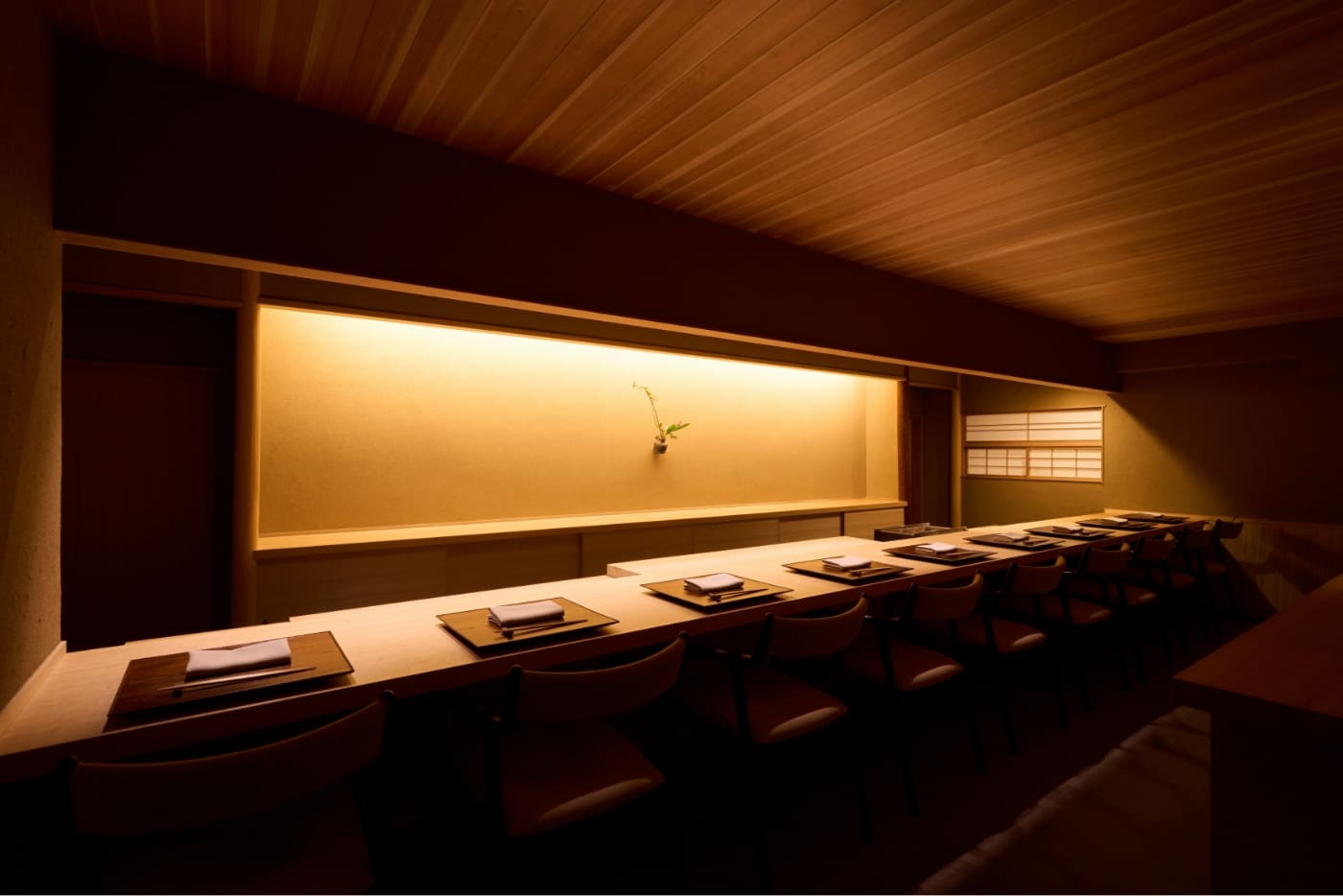
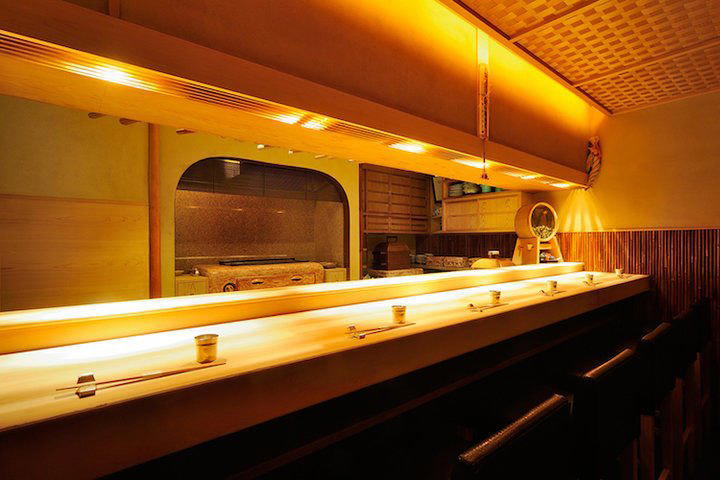
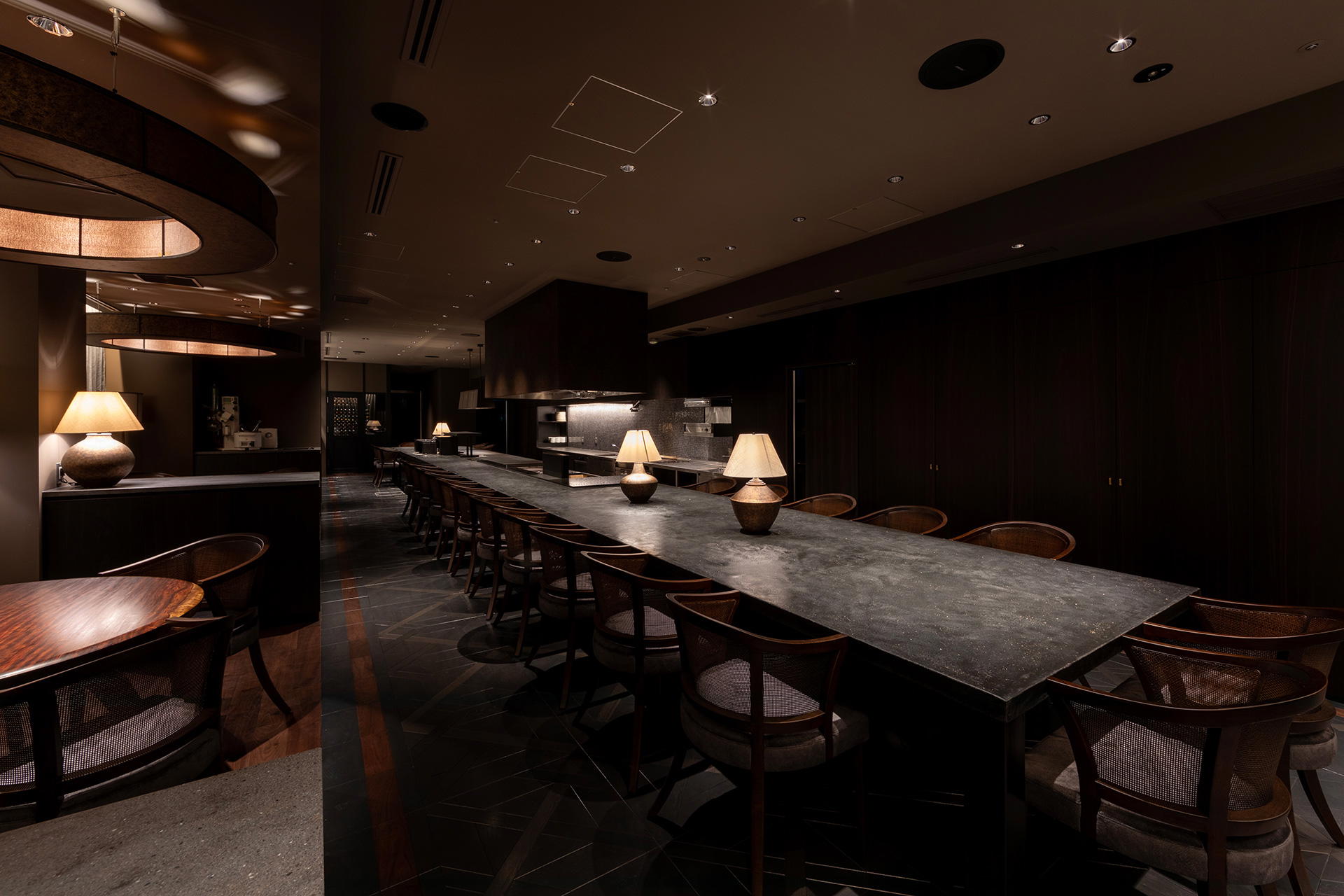
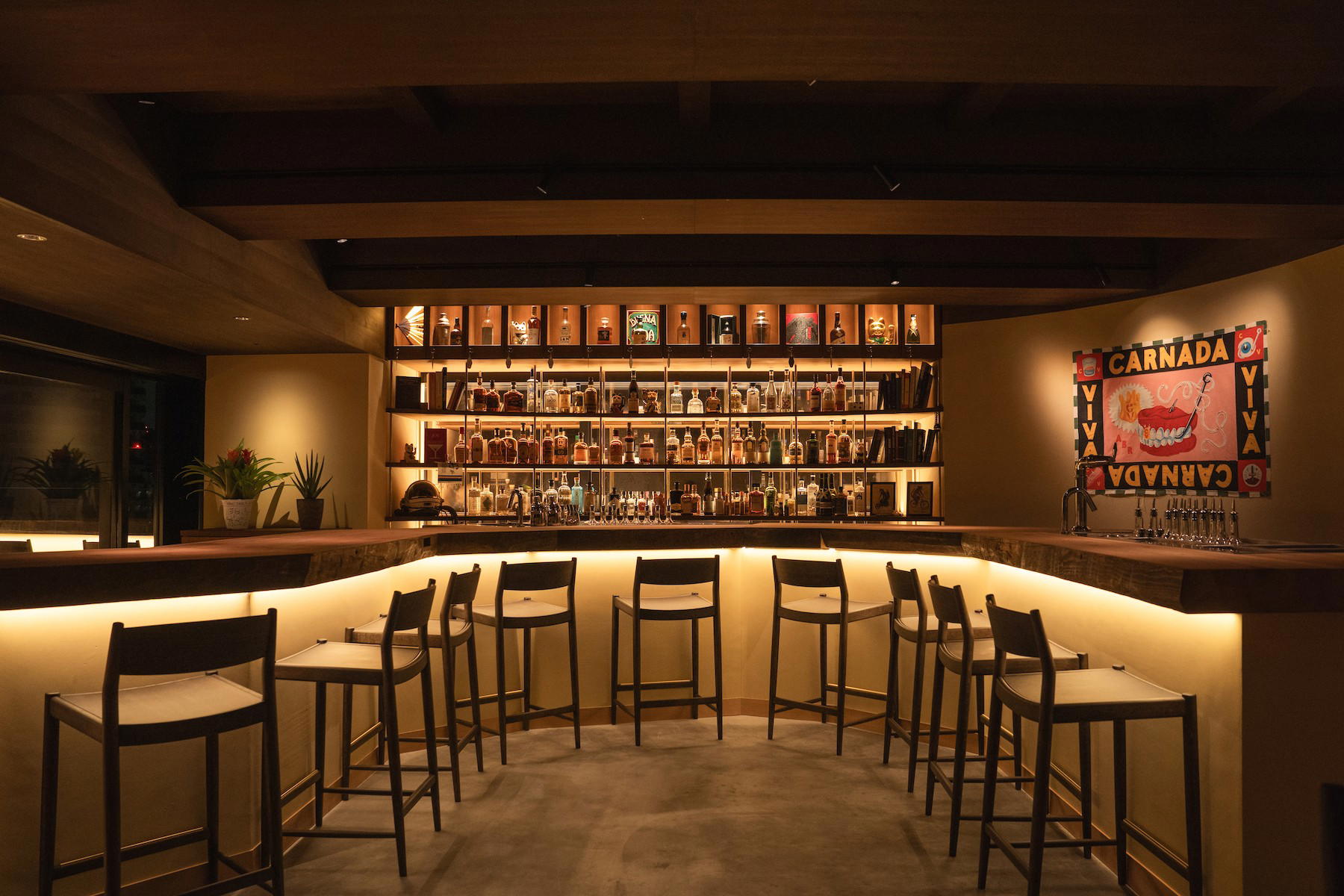
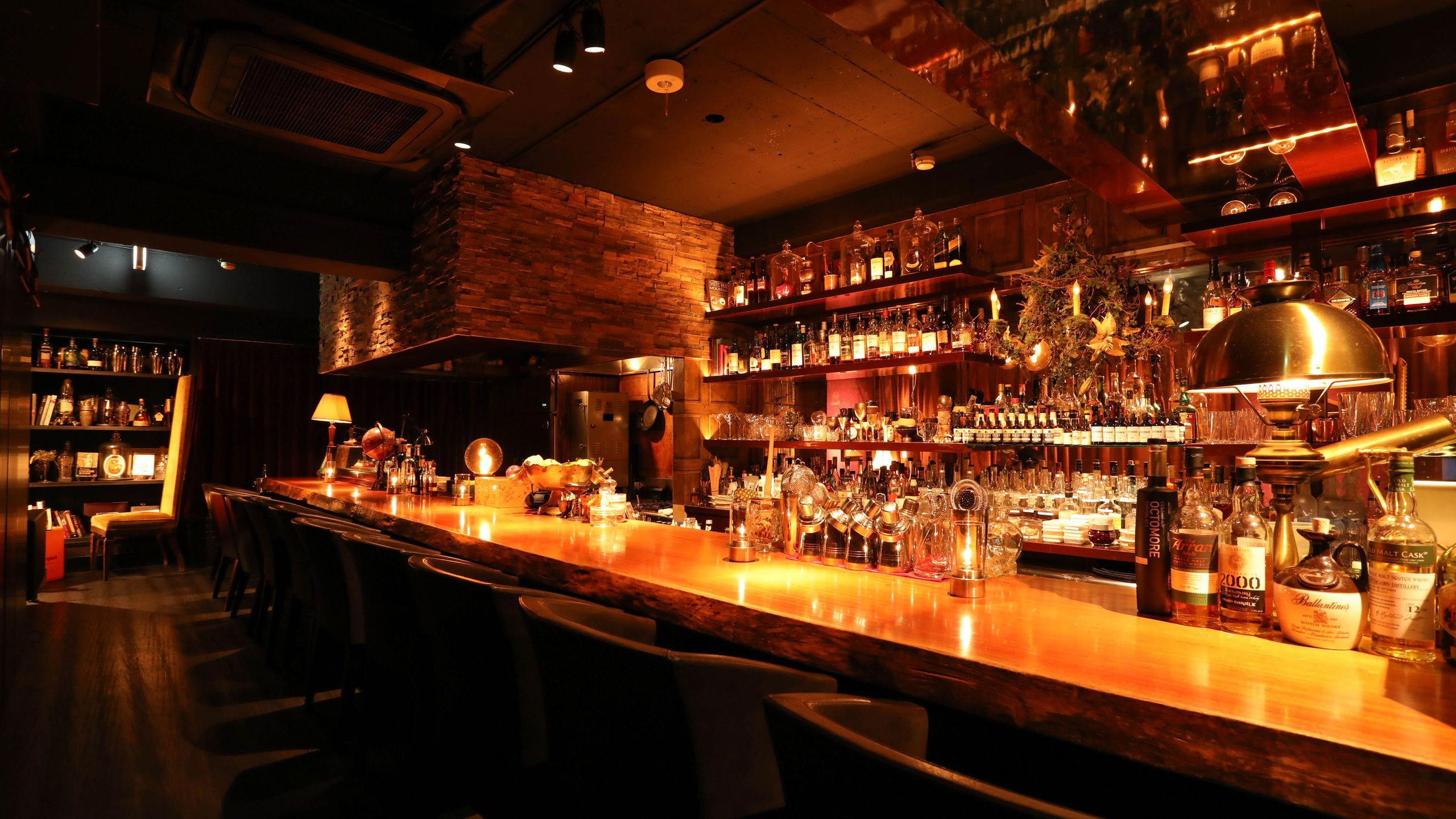
Room supports several versions of the same ritual. Counter seating keeps the meal closer to the kitchen’s tempo, while table seating and semi-private rooms suit the group-driven side of izakaya dining. That range is useful in Tokyo, where many restaurants force a choice between intimate counter seriousness and group convenience. Here, the format allows both, without pushing the experience into hotel-restaurant stiffness.
The meal works when the table orders like regulars, not tourists
A good izakaya dinner depends less on finding a single famous plate than on ordering with progression. Start lighter, let drinks set the pace, move through fish and Japanese dishes, then add richer items only when the table needs them. That is the custom this category rewards. The more polished the izakaya, the more obvious it becomes when a table orders too much at once: pacing collapses, hot dishes cool, and the conversation turns into plate management.
Aji no Nakamura’s recognition by Tabelog is useful here because it points to consistency inside a difficult category. Izakaya rankings are not measuring the same virtues as sushi counters or French tasting menus. They reward a balance of cooking, drink, atmosphere, and repeatability. A score of 3.65 on Tabelog, paired with consecutive Tabelog 100 Izakaya EAST selections, places the restaurant in a serious local conversation while keeping it outside the more internationally codified Michelin-style narrative.
The etiquette is simple but worth observing. Strong fragrances can interfere with the dining room, especially where fish and sake are central, and the restaurant may ask heavily perfumed guests to refrain from dining. That is not preciousness; it is part of the shared-room logic that underpins Japanese dining at this level. The same applies to noise, pacing, and over-ordering. Izakaya culture is relaxed, but not careless.
Where it fits in a Tokyo itinerary
For travellers building a Tokyo food schedule, this is the kind of dinner that sits well between more rigid reservations. It offers Japanese cooking with structure, but not the fixed-script pressure of an omakase counter. It also gives a clearer view of how Tokyo residents use higher-end izakaya: as places for friends, family, and business-adjacent meals where the room can absorb different group sizes and the evening is not defined by a chef’s monologue.
That makes it a useful contrast to narrower formats across the city. Yakitori specialists such as 124. KAGURAZAKA (Yakitori) concentrate pleasure through repetition and grill timing; seafood-leaning casual rooms such as . 鮪と炭火焼き うお炭 秋葉原店 point toward a different drinking culture; curry shops such as 3 Chome no Curry Ya San compress the meal into a single-dish obsession. Aji no Nakamura is broader, and that breadth is the editorial point: it shows how much range the izakaya label can hold when the room, drinks, and kitchen are all treated seriously.
Its appeal is strongest for diners who want a Japanese evening meal with adult pacing rather than spectacle. The format suits a small group better than a solo checklist approach, though counter seating keeps the option open for those who prefer a closer read of the room. Families also have a clearer path here than at many small Tokyo counters, with child access defined by day and age rather than an outright exclusion.
Use it as a Nishiazabu anchor, then build the rest of the city around sharper contrasts. For broader planning, see Our full Tokyo restaurants guide, Our full Tokyo bars guide, Our full Tokyo hotels guide, Our full Tokyo experiences guide, and Our full Tokyo wineries guide. Other useful contrasts include 12/10 Shinjuku ten, 2D Cafe, -Grilled beef Sukiyaki- KAMAKURA TANUKIAN 鎌倉 たぬき庵 in Kamakura.cafe in Osaka.know in Kumamoto, (Shoku) Vietnam in Kawasaki, [Curry Senmon Ten] Maruyama Kyoju. in Sapporo, [ki:] in Kyoto, Jōdo Saké Bar in Los Angeles, and Onigiri Time in Pasadena.
Frequently asked questions
How do I find Aji no Nakamura?
Aji no Nakamura is located in Tokyo.
What should I budget for a meal at Aji no Nakamura?
Pricing at Aji no Nakamura is listed as JPY 8,000 - JPY 9,999.
When can I go to Aji no Nakamura?
Hours at Aji no Nakamura: Mon: 5:30–10:30 PM; Tue: 5:30–10:30 PM; Wed: Closed; Thu: 5:30–10:30 PM; Fri: 5:30–10:30 PM; Sat: 5:30–10:30 PM; Sun: 5:30–10:30 PM.
What is Aji no Nakamura known for?
Aji no Nakamura is known for fish-focused izakaya cooking in Nishiazabu, Tokyo, and for its Tabelog 100 Izakaya EAST 2025 selection. The price range sits at JPY 8,000–9,999, which places it in the comfortable mid-range for a dinner built around drinks and shared plates.
How does Aji no Nakamura handle allergies?
The restaurant notes a fragrance policy, asking guests wearing strong perfumes or fragrances to refrain from visiting. For food allergies, the safest approach is to contact Aji no Nakamura directly at 03-6434-1007 before booking, especially if the party needs detailed guidance around fish or other ingredients.
Is Aji no Nakamura a family-friendly restaurant?
Yes, the house accepts children, including babies and preschoolers, with weekend and holiday time rules for younger children. Its 63 seats, private rooms, and counter make it workable for family dinners, and the hours run Monday, Tuesday, Thursday through Sunday from 5:30 PM to 10:30 PM.
The Quick Read
Comparable venues to anchor price and recognition.
| Venue | Cuisine | Price | Awards | Notes |
|---|---|---|---|---|
| Aji no NakamuraThis venue (the venue you are viewing) | Modern Japanese Izakaya | $50–100 | Tabelog 100 #30 | Not listed |
| Chiune | Innovative Japanese-French Fusion Omakase | $200–300 | Tabelog Silver #16 | Innovative |
| hakunei | Modern French-Japanese Fusion | $200–300 | 1 Michelin Star | Contemporary |
| Azabu Kogaiken Hiroo honten | Japanese-style Western (yoshoku) restaurant | $20–30 | Tabelog 100 #44 | JPY 2,000 - JPY 2,999 JPY 1,000 - JPY 1,999 |
| Waketokuyama | Seasonal Omakase Kaiseki | $150–200 | 1 Michelin Star | Japanese |
| K+ | Modern Italian Fine Dining | $100–150 | Tabelog 100 #49 | Not listed |
Recognition history
Dated appearances from independent guides and award organizations, with the underlying list record or original source where available.
Tabelog 100 #30 · No. 30
Tabelog · Tabelog 100 - Izakaya - EAST - 2025