Agreste occupies a quiet address in Gràcia, Barcelona's most residential upper-village quarter, positioning itself within the city's growing tier of neighbourhood-rooted restaurants that operate well outside the Eixample fine-dining circuit. The menu architecture here signals intent before a dish arrives: this is cooking organised around proximity and season rather than technique as spectacle. For travellers who have worked through Barcelona's Michelin tier, Agreste represents a different kind of argument.
 Discover on Pearl
Pearl is the En Primeur Club membership app — saves, bookings, and concierge access live there. Same editors, same standards.
- Address
- Carrer de Funoses-Llussà, 2, Gràcia, 08023 Barcelona, Spain
- Phone
- +34932135005
- Website
- serrashotel.com
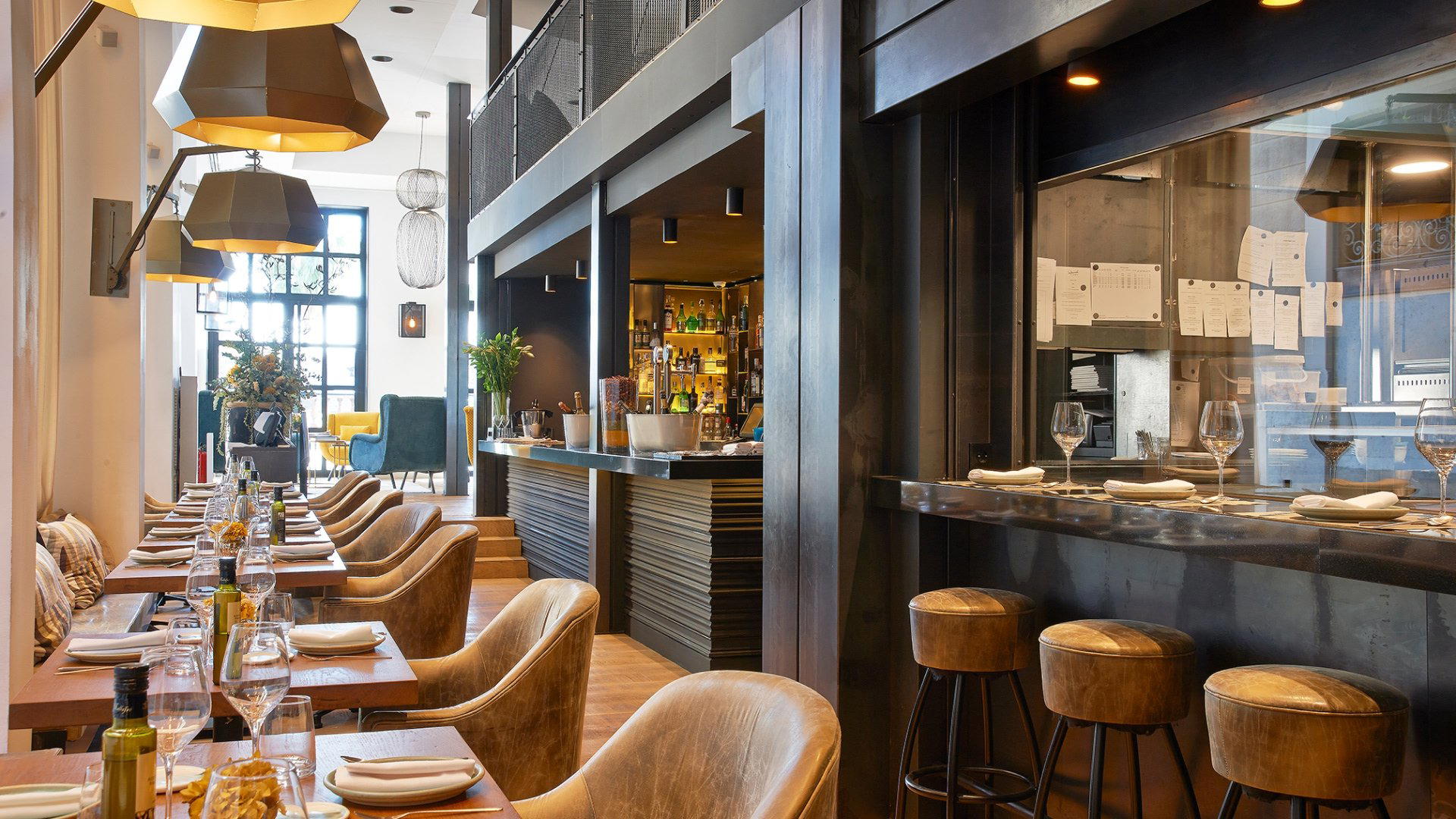
Gràcia's Quieter Register
Agreste is a restaurant in Barcelona's Gràcia quarter, serving Italian-Catalan Fine Dining at about $95 per person. Barcelona's fine-dining conversation tends to anchor itself south and west: the Eixample addresses where Cocina Hermanos Torres, Disfrutar, and Lasarte have built their reputations, or the modernist spectacle of Enigma. Gràcia sits above all of that, literally and tonally. The barrio retains a village logic that the grid city below abandoned long ago: narrow streets, neighbourhood squares, residents who actually live there. Carrer de Funoses-Llussà is that kind of address. Arriving at Agreste, you are not walking into an institution announcing itself. You are walking into a street that is still, in the leading sense, just a street.
That physical context is not incidental. In Barcelona, as in most European cities with a developed restaurant culture, where a kitchen chooses to operate communicates something about what it intends to cook. The Eixample tier, represented by ABaC and its peers, signals ambition measured in Michelin stars and tasting-menu length. A Gràcia address signals a different hierarchy of priorities: neighbourhood trust, seasonal rhythm, cooking that does not need a vaulted ceiling to justify itself.
Menu Architecture as Position Statement
The way a restaurant organises its menu is, in practice, a set of editorial decisions. Course count, the relationship between protein and vegetable, whether the kitchen telegraphs its sourcing or leaves it implicit, each choice places the restaurant inside a culinary argument. Spain's most discussed kitchens at the top of the market tend toward maximalist architecture: long tasting sequences where technique accumulates meaning, as at El Celler de Can Roca in Girona or Mugaritz in Errenteria, where conceptual ambition shapes every sequence.
Agreste's position in Gràcia suggests a counter-argument to that model. Neighbourhood restaurants in Barcelona operating at a serious level have, over the past decade, increasingly built menus around market proximity rather than technique density. The Boqueria and the Mercat de l'Abaceria are within reach; so are the smaller specialist suppliers who do not sell to hotel kitchens. A menu built on that logic tends to be shorter, more seasonal in its rotations, and more willing to let a single good ingredient carry a course rather than surrounding it with technical elaboration.
This is not a lesser ambition. It is a different one, and, across Spain's regional cooking scene, it has produced some of the country's most compelling tables. Ricard Camarena in València and Aponiente in El Puerto de Santa María both demonstrate how a tightly argued menu, one with a clear sourcing logic and a restrained course count, can communicate as much as a twenty-plate sequence. The architecture of restraint, when executed with conviction, is its own form of precision.
Gràcia in the Barcelona Restaurant Map
Understanding Agreste requires understanding Gràcia's role in the broader city. Barcelona's dining geography has, over the past fifteen years, become more distributed. The Sant Pere and Born quarters developed their own serious restaurant identity in the 2010s. Poble Sec, anchored by Tickets and its siblings, became a destination in its own right. Gràcia followed a different path: quieter, less driven by tourism infrastructure, more reliant on a local clientele with high standards and regular habits.
Restaurants that survive in Gràcia tend to do so because the neighbourhood uses them. That is a harder test than tourist footfall, and it produces a different kind of kitchen discipline. The cooking has to earn repeat visits from people who live five minutes away and will notice if the seasonal menu does not actually change with the season. For visitors arriving from elsewhere, this neighbourhood accountability is a useful signal: it means the kitchen is not coasting on novelty or reputation alone.
For context on how Barcelona compares within Spain's wider fine-dining field, the reference points extend well beyond the city. Quique Dacosta in Dénia, Arzak in San Sebastián, Azurmendi in Larrabetzu, Martin Berasategui in Lasarte-Oria, Atrio in Cáceres, and DiverXO in Madrid define the upper tier of Spanish restaurant ambition. Agreste does not compete in that field. It occupies a different bracket: serious neighbourhood cooking in one of Spain's most food-literate cities, where the competition is not other starred restaurants but the very high baseline that Barcelona diners take for granted.
The Gràcia Dining Experience: What to Expect
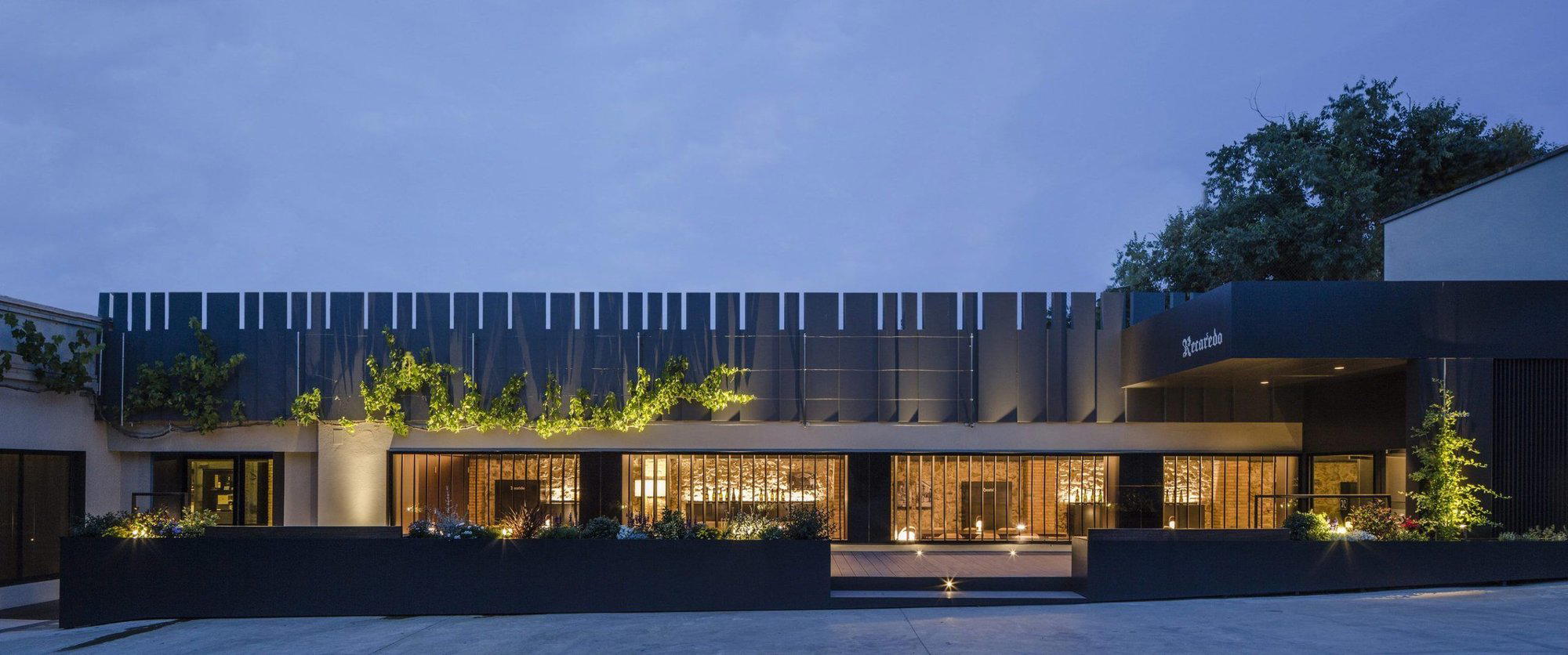
A restaurant at this address in this barrio will typically operate with a room scale and a service register that match the neighbourhood. Gràcia does not do grand rooms. The spatial logic is intimate: fewer seats, a closer relationship between kitchen rhythm and table pacing, a wine list that tends toward producers with a story rather than names that appear on hotel menus. The physical experience of eating in Gràcia is different from eating in the Eixample, and that difference is architectural as much as culinary.
Internationally, the closest conceptual parallel might be the neighbourhood-anchored tasting format at Lazy Bear in San Francisco, where a non-traditional format and a specific community context define the experience as clearly as the cooking does. Or, at a different price register, the precise ingredient focus that made Le Bernardin in New York City a reference point: the idea that a single category of ingredient, handled with total conviction, can anchor an entire menu identity.
Planning a Visit
Agreste is at Carrer de Funoses-Llussà, 2, in the upper Gràcia quarter. The address sits comfortably above the Diagonal and is most easily reached on foot from the Fontana or Lesseps metro stops on the L3 line. Gràcia restaurants at this level of seriousness tend to book ahead, particularly for weekend services, and a neighbourhood room of this type is unlikely to absorb walk-ins on short notice. Visiting mid-week reduces friction. The dress code is business casual.
Cuisine Context
Comparable venues nearby, for context on price, style, and recognition.
| Venue | Cuisine | Price | Awards | Notes |
|---|---|---|---|---|
| AgresteThis venue — the venue you are viewing | Italian-Catalan Fine Dining | $$$$ | , | |
| Mirabe | Modern Mediterranean with Panoramic Views | $$$ | , | Sant Gervasi - la Bonanova |
| El Patrón | Mediterranean Seafood Fusion | $$$ | , | Sant Gervasi - Galvany |
| 2254 restaurant | Mediterranean Tapas with Italian, French & Spanish Influences | $$$ | , | la Dreta de l'Eixample |
| Winter Garden @ El Palace Hotel | Mediterranean Rooftop Dining | $$$$ | 1 recognition | la Dreta de l'Eixample |
| Restaurant Brisa | Mediterranean Seafood & Tapas | $$$ | , | la Barceloneta |
Continue exploring
More in Barcelona
Restaurants in Barcelona
Browse all →
Bars in Barcelona
Browse all →
Hotels in Barcelona
Browse all →



At a Glance
- Elegant
- Sophisticated
- Romantic
- Modern
- Date Night
- Special Occasion
- Business Dinner
- Waterfront
- Open Kitchen
- Hotel Restaurant
- Extensive Wine List
- Craft Cocktails
- Sommelier Led
- Farm To Table
- Organic
- Local Sourcing
- Waterfront
Bright, contemporary space with waterfront views overlooking Port Vell; refined yet approachable atmosphere with attentive professional service.