
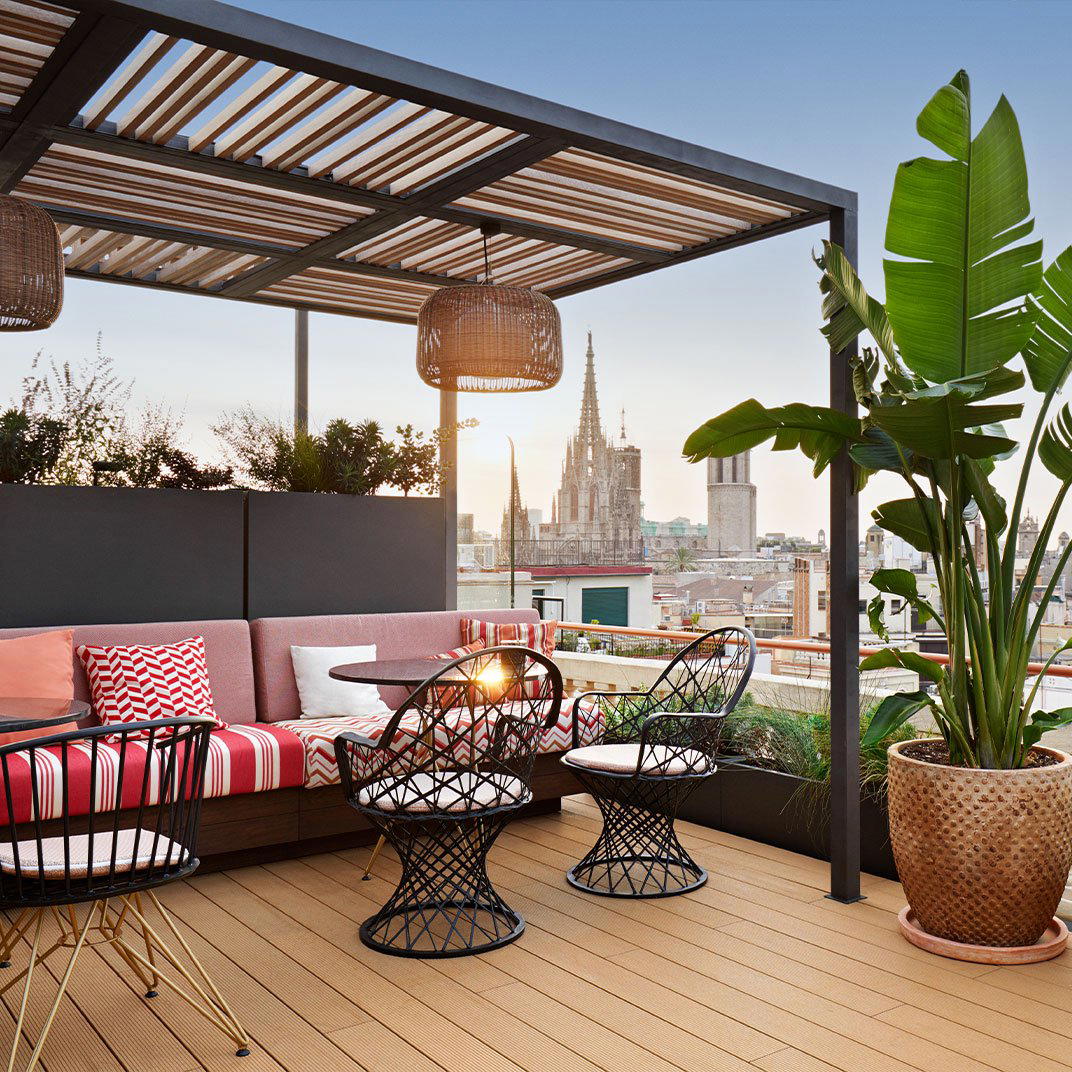
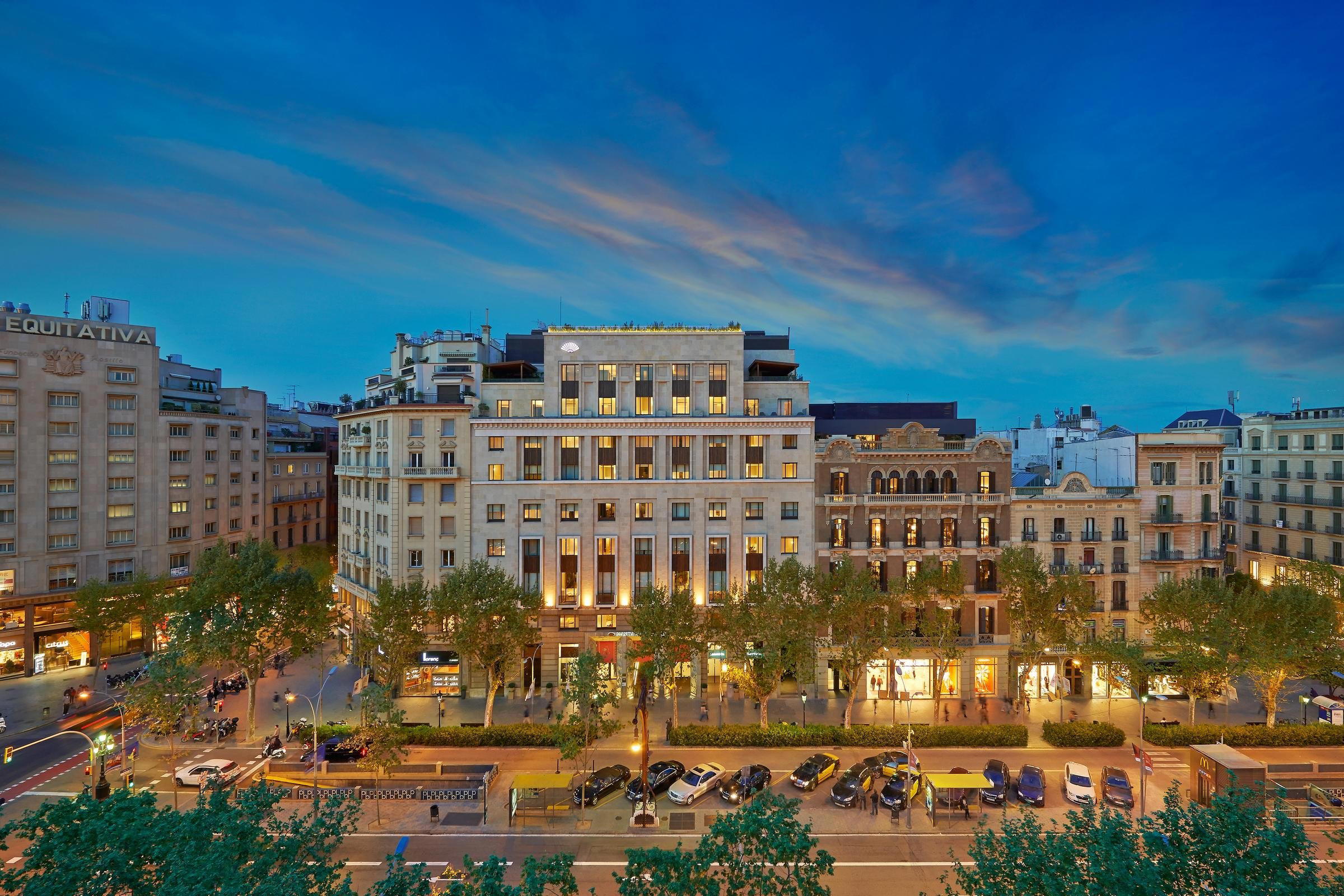
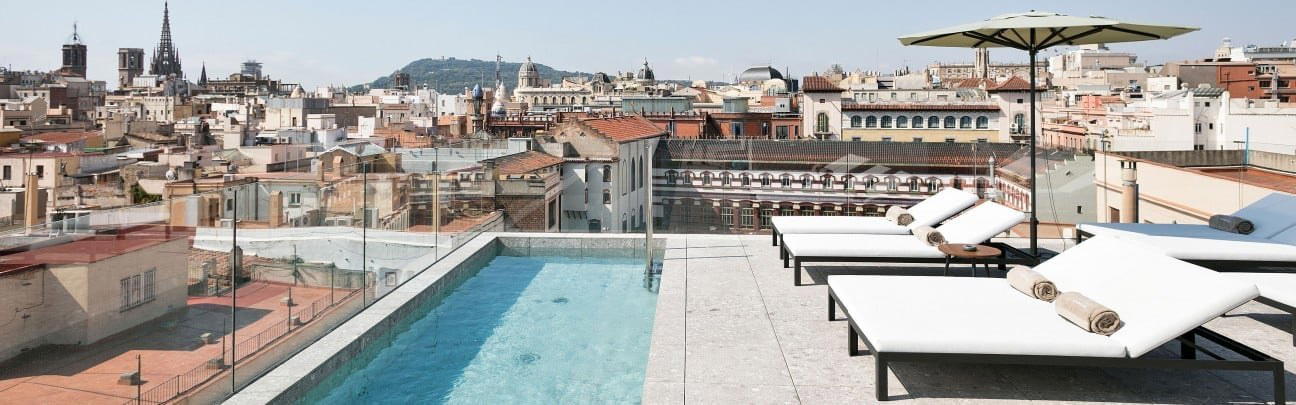
El Palace Hotel's rooftop Winter Garden sits above the Eixample grid with views across Barcelona that frame a tasting menu built on precise, tightly constructed plates. The kitchen's approach to vegetables as supporting architecture rather than centrepiece sets it apart from the city's more technique-forward creative dining rooms. Booking through the hotel is the standard route for a room that fills quickly on warm evenings.
Pearl is the En Primeur Club membership app — saves, bookings, and concierge access live there. Same editors, same standards.
- Address
- Gran Via de les Corts Catalanes, 668, Eixample, 08010 Barcelona, Spain
- Phone
- +34 935 10 11 30
- Website
- hotelpalacebarcelona.com
- Directions
- Get directions
 Saves & bookings on Pearl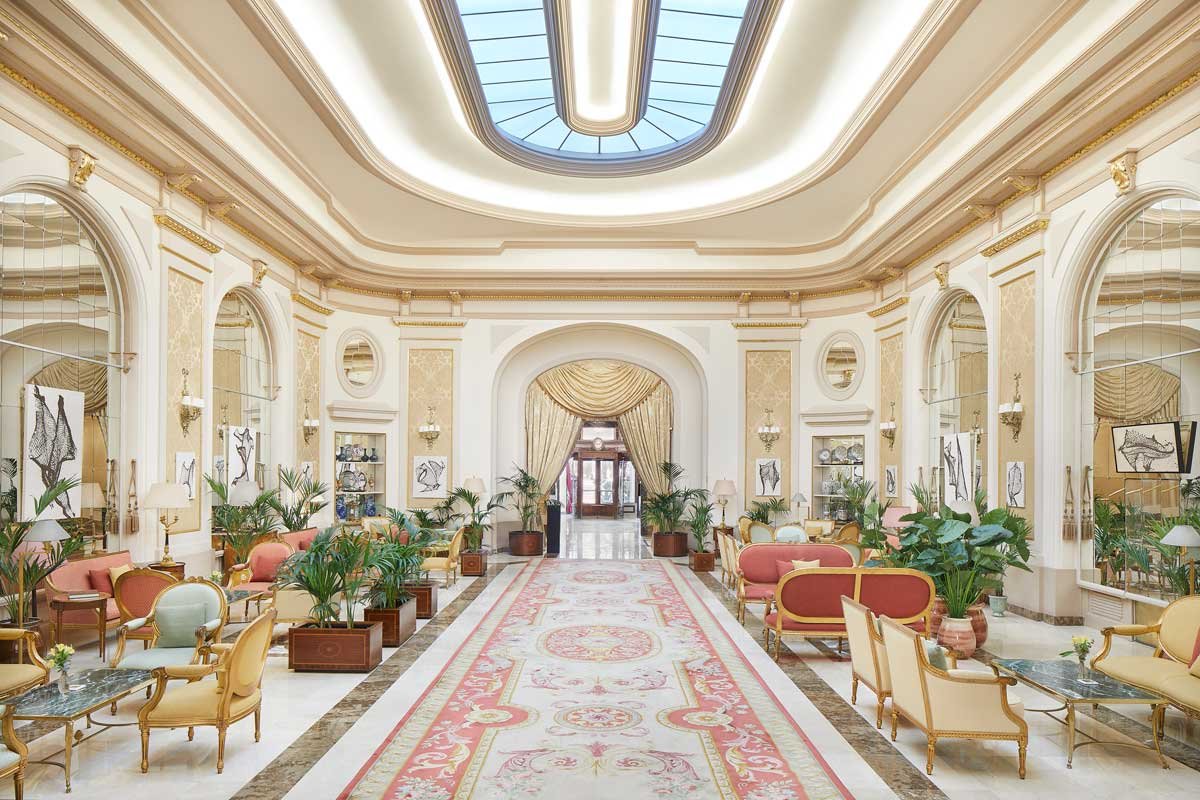
Above the Eixample: What Rooftop Dining Means in Barcelona
Barcelona's hotel dining has long occupied a middle ground between destination restaurant and convenient fallback. The rooftop tier is different. At altitude, with the Eixample's orthogonal grid spreading below and the city dissolving into haze toward Montjuïc, the setting changes what you expect from the plate and how you receive it. El Palace Hotel's Winter Garden operates inside that compressed negotiation between view and kitchen, and the result is a dining room that earns attention on both terms.
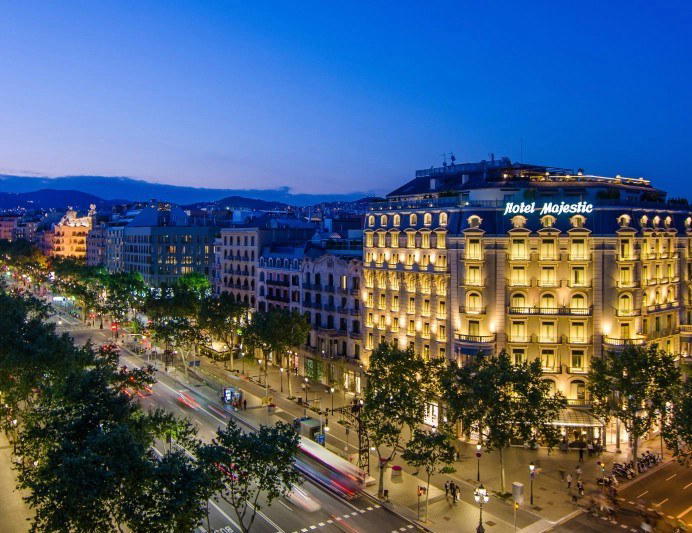
The hotel itself stands on the Gran Via de les Corts Catalanes in the Eixample. The rooftop is a dedicated dining room, and the tasting menu format signals that clearly.
The Sourcing Argument: Vegetables as Architecture
Spanish fine dining at the leading end has spent two decades in conversation with the land. From the Basque Country to Catalonia, the question of where ingredients come from and how much they should direct the menu has shaped competitive positioning across the sector. Barcelona's leading creative kitchens, including Disfrutar and Cocina Hermanos Torres, tend to place technique and conceptual ambition at the front of their identity.
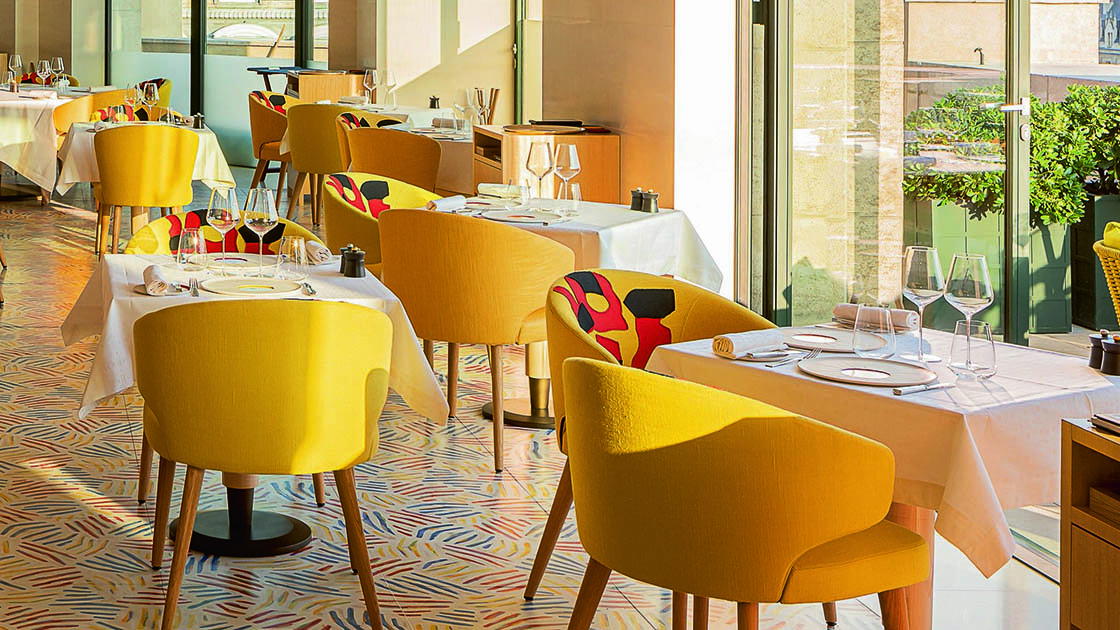
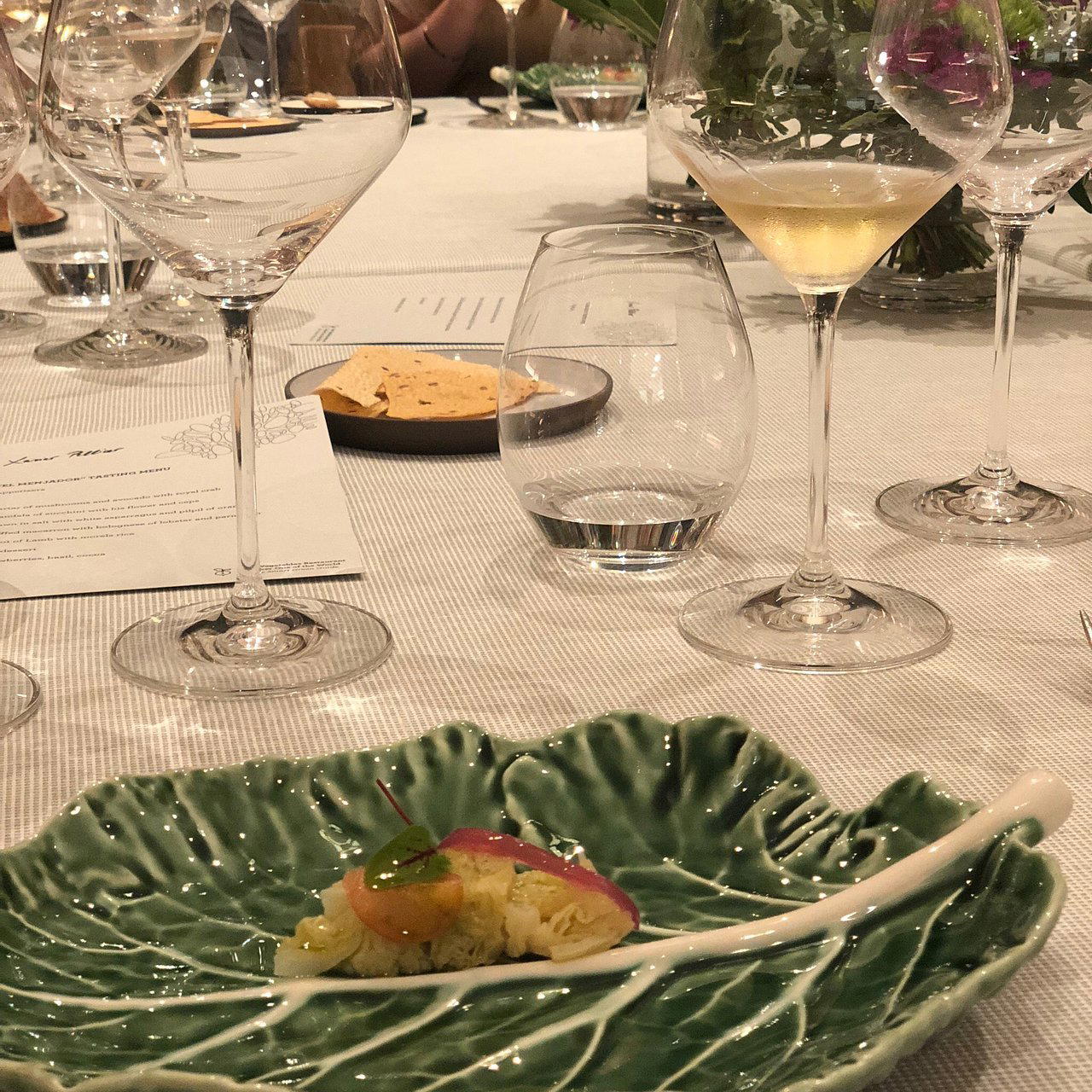
Winter Garden takes a different position. Reviewers point to a kitchen where vegetables function as structural support. A combination of sweet potato, chestnut purée, and spiced bread crumble cited in critical notes illustrates the point: each component brings a specific textural or flavour function, none of them soft filler. The supporting cast is treated with the same exactness as the lead protein.
That approach has become more significant as Barcelona's dining public has grown more attentive to vegetable cookery, partly as a reaction to the heavier technique-led menus that dominated the city's leading tables through the 2010s. Kitchens that can make the secondary elements sing without converting entirely to a vegetable-forward identity occupy a distinct and currently commercially useful position.
Tight Creations: What the Format Tells You
The tasting menu structure at this altitude rewards a particular kind of attention. Each course arrives as what reviewers describe as a tight creation, small in footprint, high in internal logic. This is not the maximalist progression style that characterises some of the city's larger creative rooms. Enigma and ABaC operate with a different kind of ambition, one that asks the diner to surrender to a longer, more theatrically constructed sequence. Winter Garden's format implies a tighter arc, which suits the rooftop context: the view is already providing a significant share of the sensory load.
Tasting menus in hotel rooftop settings across Europe have often struggled with a familiar trap, as the kitchen becomes secondary to the setting. The critical notes on Winter Garden suggest the kitchen is not making that concession.
Barcelona's Rooftop Tier in Context
Barcelona now has several rooftop dining propositions across its hotel stock, and they segment clearly by what they are actually selling. Some are primarily bar operations with food as an afterthought. Some are poolside operations that close or thin out as the season shifts. A smaller group operates with a proper culinary program that can sustain critical attention through the year. Winter Garden sits in this last group, which places it in a niche competitive set where the comparisons are not primarily with other hotel rooftops but with the city's broader tasting-menu circuit.
That circuit includes some of Spain's most decorated addresses. Lasarte operates at three Michelin stars under Martín Berasategui's oversight, positioning it alongside national reference points like Berasategui's own house in Lasarte-Oria and El Celler de Can Roca in Girona. Winter Garden is not competing directly at that level of institutional recognition, but its format and critical reception place it inside the serious dining conversation.
Across Spain more broadly, the question of what hotel dining can achieve at the serious end has been answered repeatedly in the affirmative. Arzak in San Sebastián and Azurmendi in Larrabetzu anchor the Basque end of that argument. Aponiente in El Puerto de Santa María makes the case for southern Andalusia. Internationally, the template for what a hotel-adjacent fine dining room can deliver at full seriousness is set by rooms like Le Bernardin in New York. Winter Garden operates on a different scale but within the same argument: that a dining room inside or above a hotel can maintain culinary ambition without defaulting to the hotel's commercial logic.
Planning Your Visit
El Palace Hotel's Gran Via address puts the Winter Garden within easy reach of the Eixample's central metro network, with Passeig de Gràcia a short walk west. For guests staying elsewhere in Barcelona, the hotel entrance on Gran Via de les Corts Catalanes is the practical access point. Because the rooftop operates on a tasting menu format and draws both hotel guests and Barcelona diners, securing a table in advance is the sensible approach, particularly through warmer months when rooftop demand across the city runs high. Booking directly through El Palace is the standard channel. For anyone structuring a broader Barcelona dining itinerary, our full Barcelona restaurants guide maps the full range from casual to formal. Those extending their trip should also consult our Barcelona hotels guide, bars guide, wineries guide, and experiences guide for a complete picture of what the city offers across categories.
A Quick Peer Check
Comparable venues nearby, for context on price, style, and recognition.
| Venue | Cuisine | Price | Notes |
|---|---|---|---|
| Winter Garden @ El Palace HotelThis venue — the venue you are viewing | Mediterranean Rooftop Dining | $$$$ | Not listed |
| Torre d'Alta Mar | Modern Mediterranean Fusion | $$$$ | Port Vell |
| Tragaluz | Modern Mediterranean Italian | $$$ | la Dreta de l'Eixample |
| Tragaldabas | Modern Mediterranean with Spanish Fusion | $$$ | la Nova Esquerra de l'Eixample |
| Restaurant Brisa | Mediterranean Seafood & Tapas | $$$ | la Barceloneta |
| Els Tres Porquets | Mediterranean Tapas | $$$ | Provencals del Poblenou |
Recognition history
Dated appearances from independent guides and award organizations, with the underlying list record or original source where available.
We're Smart World 1 Radish
We're Smart World
Continue exploring
More in Barcelona
Restaurants in Barcelona
Browse all →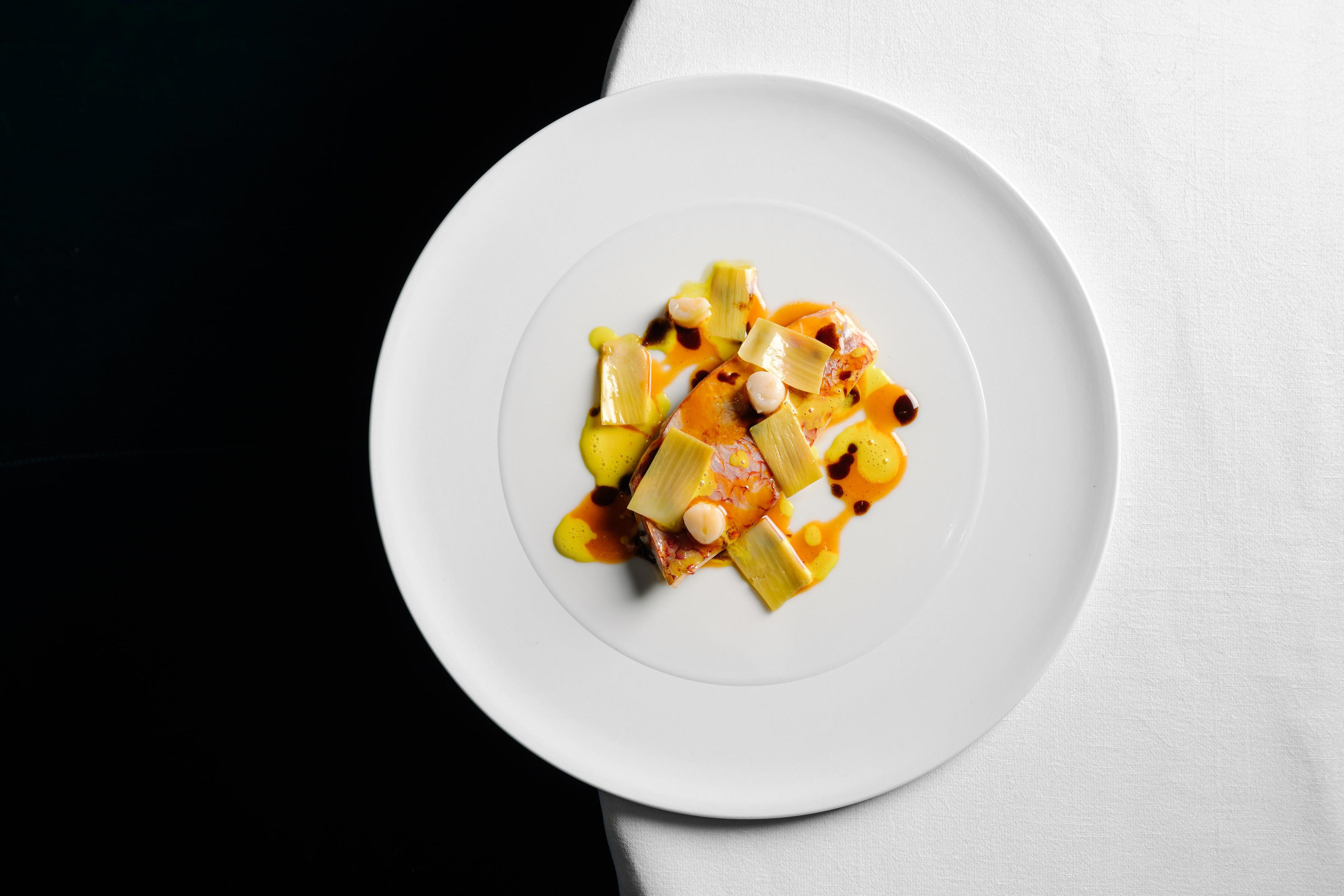
Bars in Barcelona
Browse all →
Hotels in Barcelona
Browse all →
At a Glance
- Elegant
- Romantic
- Scenic
- Sophisticated
- Date Night
- Special Occasion
- Celebration
- Rooftop
- Hotel Restaurant
- Terrace
- Historic Building
- Panoramic View
- Craft Cocktails
- Skyline
Current opening hours
- Monday
- 12–11:30 PM
- Tuesday
- 12–11:30 PM
- Wednesday
- 12–11:30 PM
- Thursday
- 12–11:30 PM
- Friday
- 12–11:30 PM
- Saturday
- 12–11:30 PM
- Sunday
- 12–11:30 PM
Hours can change for holidays and private events. Last verified .
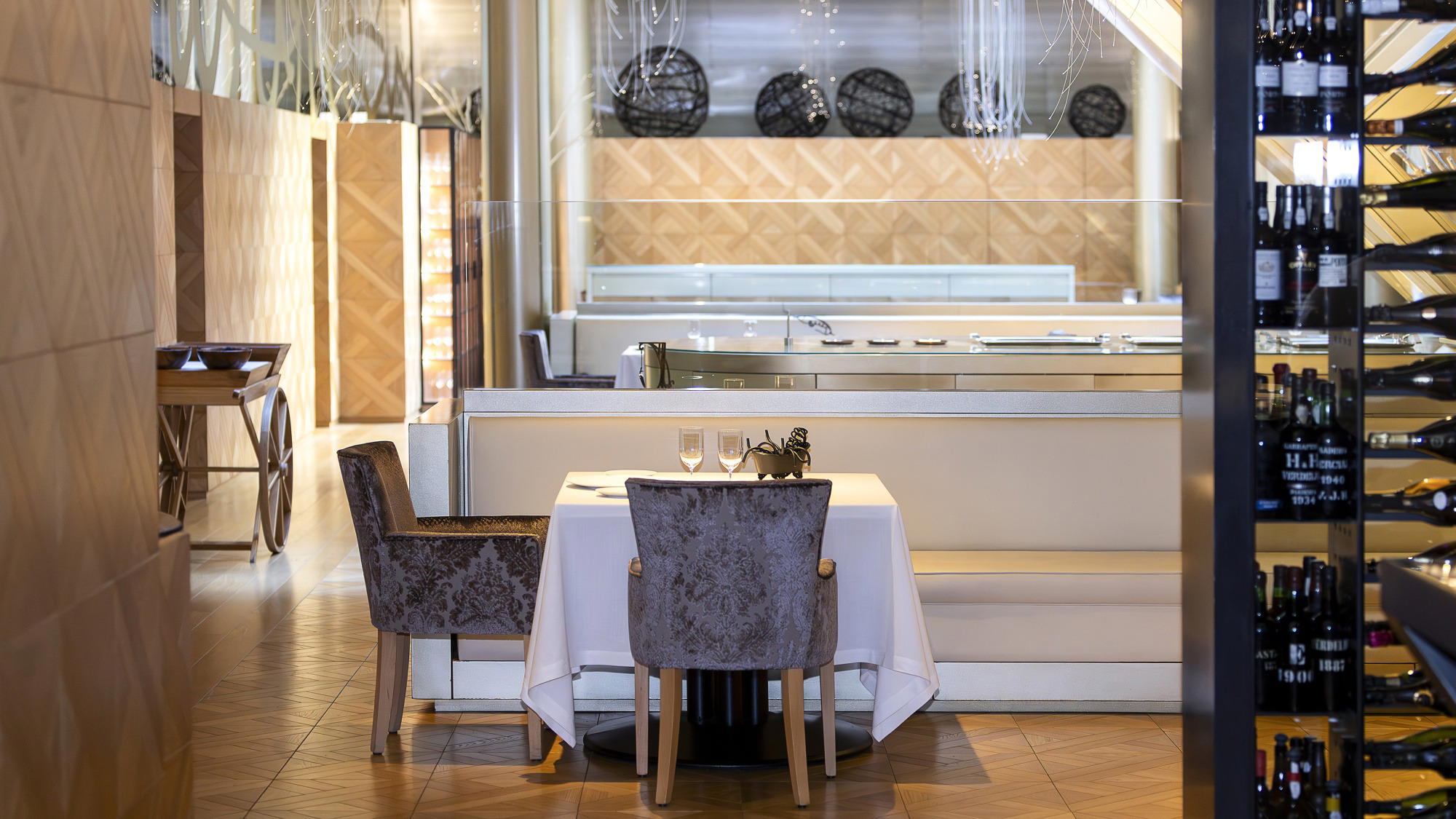
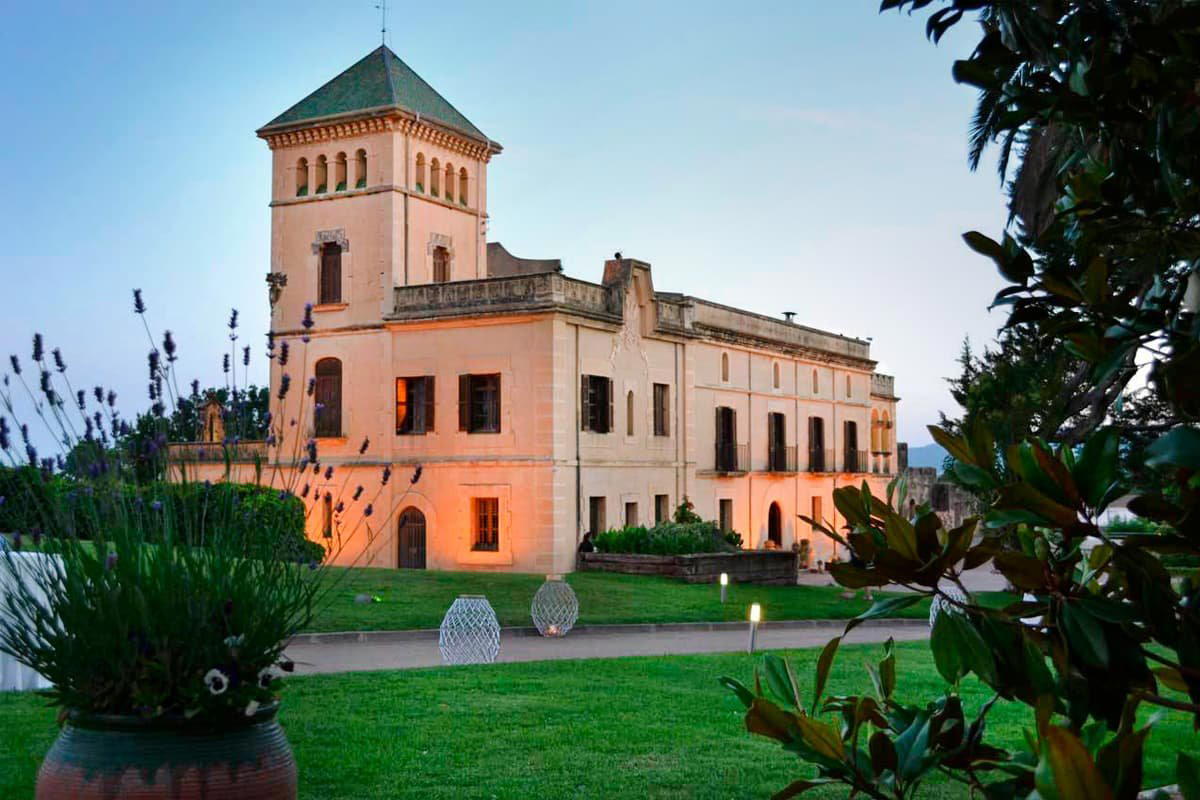
Elegant and atmospheric rooftop setting with beautiful lighting, lovely seating areas, and a sophisticated vibe ideal for special occasions.