
Tabelog 100 #50
Our verdict
Hiroshima’s French dining scene is smaller and more locally legible than Tokyo or Osaka, which makes Tabelog recognition carry particular weight. EPURE sits in Kyobashicho near Inari Machi, with a 2025 Tabelog French WEST 100 selection placing it among the region’s more closely watched French rooms.

Pearl is the En Primeur Club membership app, where members save venues, book tables and use the concierge.
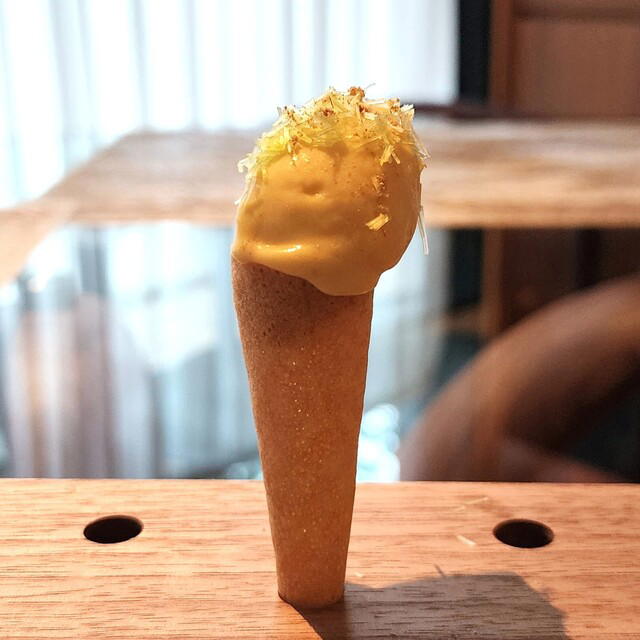
Hiroshima puts dinner in a different register from the city’s rush and late-night drinking corridors. In Hiroshima, its better small restaurants can offer fewer passersby, more intent, and less arrival theatre. EPURE fits a Hiroshima pattern: a French address built on place and restraint rather than hotel-dining scale or capital-city spectacle.
French cooking in regional Japan has long been shaped by proximity: seafood from inland seas, vegetables from surrounding prefectures, and a culture comfortable with course-by-course pacing. Hiroshima adds pressure. Internationally, the city is better known for oysters, okonomiyaki, nearby sake country, and the emotional weight of its history than for formal French dining. A French restaurant here must earn attention through execution and consistency, not a vast luxury district.
Hiroshima gives French dining a quieter frame
Read this address not as a provincial echo of Tokyo French, but as a smaller-city answer to the same question: how much polish can a restaurant deliver without losing neighbourhood scale? Hiroshima has serious dining rooms, though its premium tier is less crowded and performative than the capital’s. Nearby comparison points pull in different directions: some other Hiroshima dining rooms work more casual or locally rooted lanes, while French dining sits between discipline and comfort.
The 2025 Tabelog French WEST 100 selection is the hard signal, placing the restaurant in a regional French conversation rather than merely a local one. That matters in western Japan, where Kyoto, Osaka, Kobe, Fukuoka, and Hiroshima compete across different dining economies. A Tabelog score of 3.91 is another useful marker in Japan’s rating culture, where scores above the mid-threes often indicate sustained diner confidence rather than casual enthusiasm.
Within Hiroshima, the comparison set is deliberately uneven. MASUKI occupies a different category, while ル・トリスケル sits in the French orbit but belongs to its own local context. This is not a league table. Hiroshima’s serious dining choices are category-specific: French, other formal cooking, specialist counters, patisserie, and local institutions do not compete for the same evening; they compete for the same traveller with one or two open dinners.
The appeal is course structure, not spectacle
Modern French dining in Japan often succeeds when it stops imitating Paris and works with Japanese expectations of seasonality, portioning, and pacing. That does not require a named signature dish or heavily publicised chef narrative. It requires a room that sustains attention across multiple courses, with enough technical control for a formal dinner and enough local grounding to avoid feeling imported wholesale.
That is why the Tabelog category matters: French WEST is not a generic restaurant list, but a cuisine-specific selection across a broad region. In a city where visitors often prioritise local staples, a French dinner must make its case against the pull of Hiroshima cooking. EPURE is strongest for diners who have covered the city’s canonical flavours and want to see how Hiroshima’s quieter premium restaurants interpret European technique.
A chef-centred story is not necessary to understand the appeal. Too much contemporary restaurant writing turns every dining room into a personality study. In Hiroshima, the more interesting story is the local ecosystem: specialist formats and a clientele able to support formal ambition without metropolitan noise. For travellers, the decision is less about chasing a name than choosing a style of evening.
Anyone mapping a fuller Hiroshima itinerary should build contrast, not repetition. Pair a French dinner with sake-focused or local Japanese addresses, then use daytime stops to understand the city’s confectionery register. Other contemporary Hiroshima dining can add further reference points. The result is a more accurate reading of Hiroshima than a single grand dinner could provide.
How to place it in a Hiroshima itinerary
The practical decision is timing. This French address works better as the day’s anchor meal than as an add-on after heavy sightseeing. Hiroshima suits travellers using the city as a base for wider regional travel or onward rail movement. The setting does not demand a full night; it rewards arriving with appetite and leaving the schedule uncluttered.
For readers building a city file, the wider EP Club Hiroshima guides are more useful than forcing every meal into one category. Start with Our full Hiroshima restaurants guide, then layer in Our full Hiroshima hotels guide, Our full Hiroshima bars guide, Our full Hiroshima wineries guide, and Our full Hiroshima experiences guide depending on the trip.
For broader Japan planning, the lesson is how regional specificity changes the value of a French table. A formal meal in one city, an izakaya-grill format in another, or a café stop elsewhere answers a different travel need. So do casual international formats, specialist counters, and Japanese-inspired restaurants outside Japan. Even beyond Hiroshima, category clarity matters: formats travel, translate, and change audience expectations.
The verdict is simple: this is a Hiroshima French dinner for travellers who care about regional recognition, neighbourhood scale, and a calmer form of technical dining. It belongs in an itinerary after the obvious local food rituals, not before them. That sequencing gives the meal context, making a serious restaurant in Hiroshima more than a name on a list.
Frequently asked questions
Where do I go for EPURE?
Hiroshima.
What are EPURE's hours?
Check EPURE directly for current opening hours before you go.
Is EPURE more mid-range or high-end?
Pricing at EPURE is listed as JPY 10,000 - JPY 14,999.
What do critics highlight about EPURE?
The main point of recognition is its Tabelog 100 French WEST 2025 selection, which places EPURE among the region’s more closely watched French rooms. The Tabelog listing also gives a score of 3.91 and a JPY 10,000–14,999 dinner budget.
The Essentials
Comparable options at the same price tier.
| Venue | Cuisine | Price | Awards | Notes |
|---|---|---|---|---|
| EPUREThis venue (the venue you are viewing) | French Fine Dining | Not listed | Tabelog 100 #50 | Not listed |
| MASUKI | Authentic Chinese Small Plates | $100–150 | Tabelog Bronze #261 | Chinese, JPY 20,000 - JPY 29,999 |
| a tes souhaits | French Patisserie | $10–20 | Tabelog 100 #35 | Patisserie |
| Eizan | Seasonal Kaiseki Omakase | $150–200 | Tabelog Bronze #60 | Not listed |
| ル・トリスケル | Classic French Fine Dining | $50–100 | Not listed | Not listed |
Recognition history
Dated appearances from independent guides and award organizations, with the underlying list record or original source where available.
Tabelog 100 #50 · No. 50
Tabelog · Tabelog 100 - French - WEST - 2025
Continue exploring
More in Hiroshima
Restaurants in Hiroshima
All restaurants in Hiroshima →
Bars in Hiroshima
All bars in Hiroshima →
Details
- Elegant
- Sophisticated
- Intimate
- Quiet
- Romantic
- Date Night
- Celebration
- Special Occasion
- Business Dinner
- Standalone
- Sommelier Led
- Local Sourcing
- A La Carte
- Set Menu
- Wine
Current opening hours
- Monday
- 6–9 PM
- Tuesday
- Closed
- Wednesday
- 6–9 PM
- Thursday
- 6–9 PM
- Friday
- 6–9 PM
- Saturday
- 6–9 PM
- Sunday
- 6–9 PM
Hours can change for holidays and private events. Hours as of .
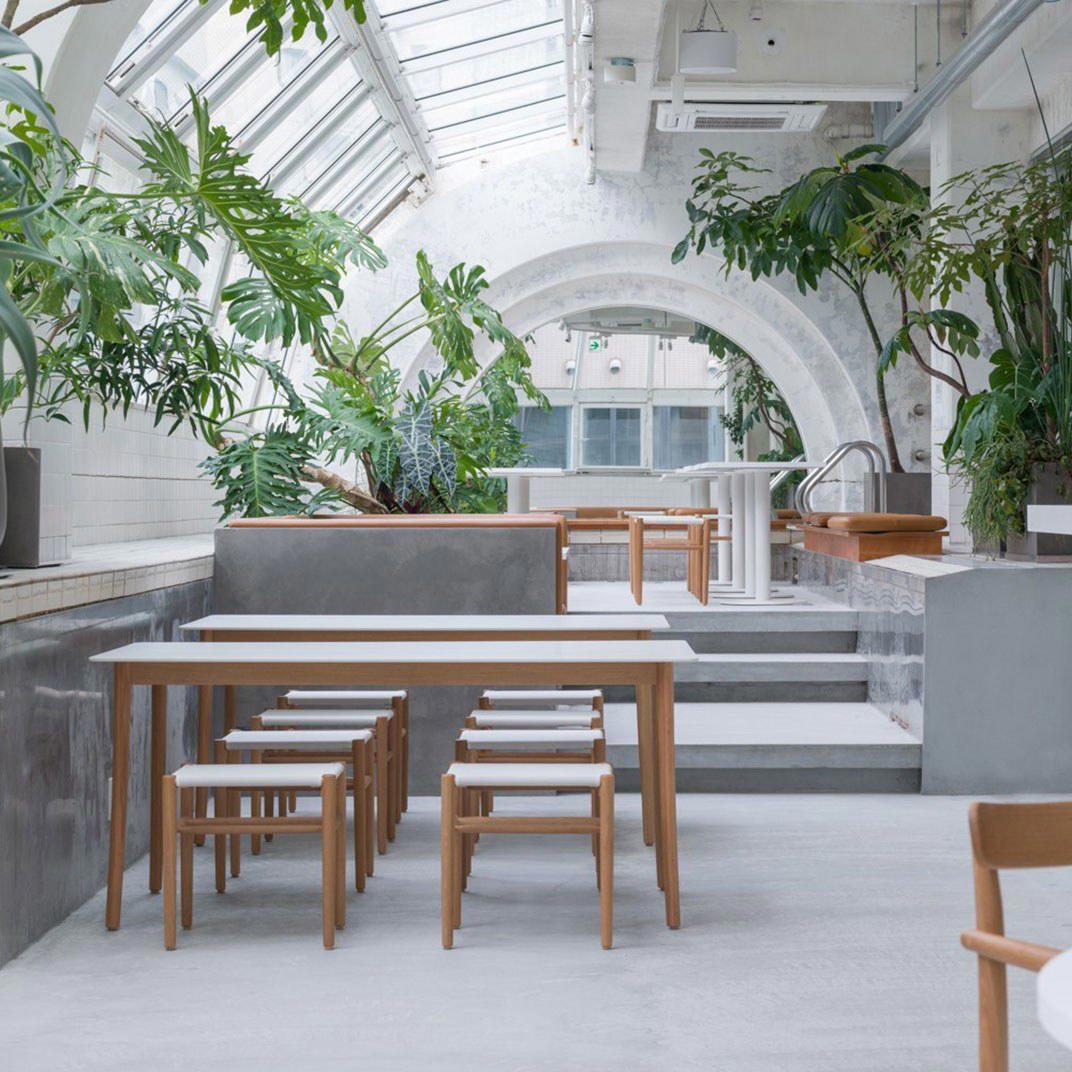
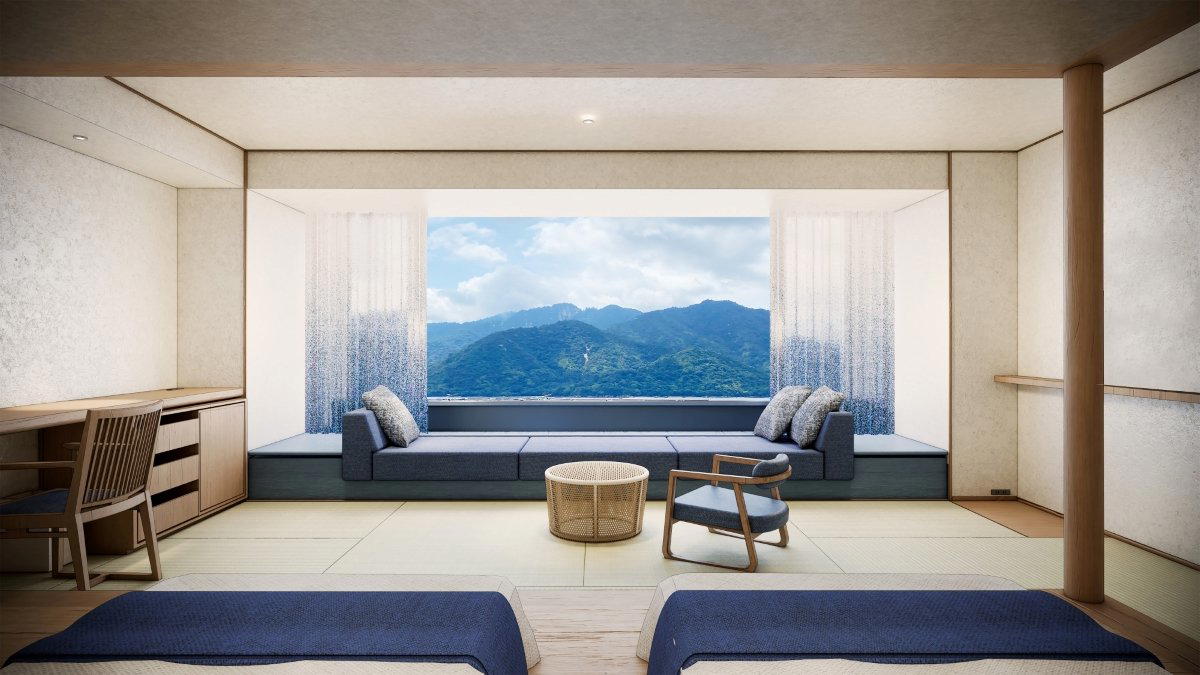
Refined and intimate, with a calm, elegant dinner atmosphere that suits a quiet special-occasion meal.