Our verdict
Located in Hiroshima's Higashi Ward, 日本料理 笹木三は Ushibonmachi district Japanese dining, where the broader tradition of washoku hospitality shapes the experience. Sparse public data makes advance research advisable before visiting. For context on Hiroshima's fine dining scene and comparable kaiseki and Japanese cuisine addresses, consult the EP Club Hiroshima guide.

Pearl is the En Primeur Club membership app, where members save venues, book tables and use the concierge.
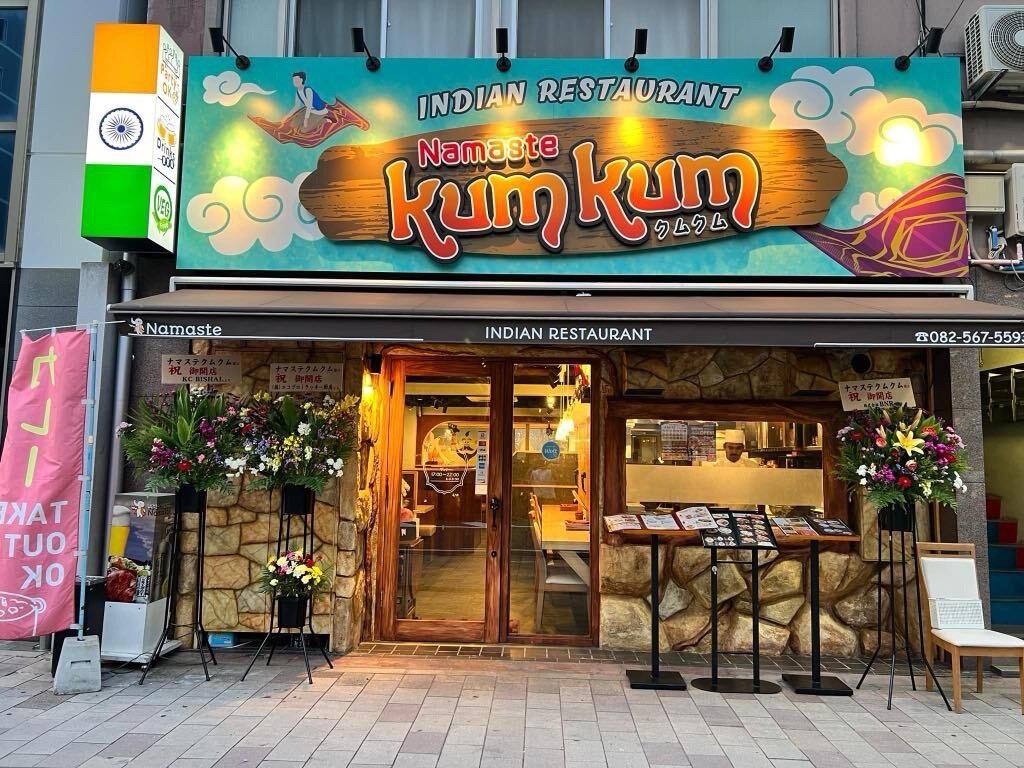
Higashi Ward and the Geography of Hiroshima Fine Dining
Hiroshima's restaurant geography splits, broadly, between the city centre's dense commercial strip around Naka Ward and the quieter residential pockets of Higashi Ward, where a different rhythm governs the dining room. In Ushitahonmachi, the density of foot traffic that drives visibility in Naka Ward is absent; the venues that establish themselves here tend to do so through local reputation, returning clientele, and the kind of word-of-mouth that precedes any published listing. 日本料理 笹木三 operates within that setting, at 3-2-20 Ushitahonmachi, a residential address in a ward that sits outside Hiroshima's typical tourist circuit but inside the city's working fabric of neighbourhood-anchored dining.
This geography matters when interpreting what a Japanese cuisine address in Higashi Ward actually represents. The restaurant is not positioning against the city-centre kaiseki counters that draw bullet-train visitors; it is more plausibly serving a local clientele for whom proximity, regularity, and the specific sensibility of a neighbourhood washoku house are the relevant criteria. That distinction shapes how a visitor should approach both the decision to go and the experience of arriving.
Washoku in Context: What Japanese Cuisine in Hiroshima Means
Japan's washoku tradition was inscribed on UNESCO's Intangible Cultural Heritage list in 2013, a formal acknowledgment of what Japanese cooks and diners had long understood: that the cuisine is less a set of techniques than a codified relationship between season, ingredient, and restraint. In Hiroshima, that relationship takes on specific regional character. The Seto Inland Sea, immediately accessible from the city, produces oysters, sea bream, and small fish that have shaped local cooking for centuries. The mountainous interior of Hiroshima Prefecture contributes its own produce, including mushrooms, river fish, and mountain vegetables that appear in season-driven menus across the city's Japanese restaurants.
The kaiseki format, in its strictest interpretation, runs from a Kyoto-derived sequence of small courses governed by season and technique. Venues operating in that mode, including Chiso Sottakuito and Eizan elsewhere in Hiroshima, work within a recognisable structure that allows direct comparison. Broader Japanese cuisine addresses occupy a more flexible register, drawing from multiple regional traditions without committing to the full kaiseki sequence. Where 日本料理 笹木三 sits within that spectrum is not determinable from the available public record, which makes direct contact with the venue the appropriate first step for any visitor with format-specific expectations.
Placing 日本料理 笹木三 in Hiroshima's Japanese Dining Tier
Hiroshima's Japanese cuisine scene extends from fast, accessible teishoku sets to multi-course precision counters that price against Osaka and Kyoto peers. In the mid-to-upper tier, the city has several addresses that reward serious attention. CHILAN operates in a distinct register, as does Denko Sekka and the Chinese-format MASUKI. What Hiroshima does not have, in the way that Kyoto or Tokyo does, is a deep concentration of starred Japanese restaurants in a single walkable neighbourhood; the better addresses are distributed, and finding them requires research rather than proximity.
That absence is not automatically a signal about quality, many smaller Japanese restaurants in residential wards do not maintain a significant digital profile, and the absence of aggregated data is a feature of neighbourhood-embedded dining rather than a mark against it. What it does mean for the visitor is that assumptions based on comparable addresses elsewhere in the city are unreliable until confirmed. Comparable regional benchmarks worth consulting include Gion Sasaki in Kyoto for understanding what Kansai-tradition kaiseki looks like at award level, and HAJIME in Osaka for the upper boundary of Japanese cuisine precision in the region.
The Seto Inland Sea and Seasonal Ingredient Logic
Hiroshima's ingredient context is specific enough to reward knowing before you arrive. The city's oyster production is the most prominent externally, but the Seto Inland Sea's broader contribution to local cooking includes sea bream, conger eel, and small silvery fish that feature differently across seasons. Spring brings wakame and clams; autumn pushes mushrooms and root vegetables from the prefecture's interior. A Japanese cuisine address in Hiroshima that takes seasonality seriously will reflect these shifts in ways that an equivalent Tokyo counter, drawing from a more aggregated national supply chain, may not.
Beyond Hiroshima, the pattern of Japanese cuisine anchored to regional seafood and mountain produce plays out differently across western Japan. Goh in Fukuoka works with northern Kyushu's distinct ingredient vocabulary; Abon in Ashiya occupies a different register in the Hanshin corridor. The geography of ingredient sourcing is one of the more instructive frameworks for understanding why Japanese restaurants in regional cities feel categorically different from their Tokyo equivalents, even when executing similar formats.
Planning a Visit: What to Know Before You Go
Ushitahonmachi sits in Higashi Ward, north of central Hiroshima; reaching it from the city's main transport hubs typically involves either a local bus or a short taxi ride, as the tram network that connects many central neighbourhoods does not extend as far east. That logistical note matters for visitors building a day across multiple addresses: Higashi Ward dining requires deliberate scheduling rather than spontaneous inclusion in a central-city circuit.
Because no booking method, phone number, website, hours, or pricing information is available in the public record the practical advice is direct: treat advance contact as necessary rather than optional. Smaller Japanese cuisine addresses in residential areas frequently operate on fixed seatings, seasonal closure patterns, or a reservation-only basis that is not immediately apparent from the address alone. The experience of arriving without confirmed access at such venues is different from the flexibility that a larger restaurant affords.
For visitors building a wider Hiroshima itinerary, the EP Club Hiroshima restaurants guide covers the city's dining addresses with fuller comparative context. Those extending into western Japan more broadly may find useful reference points at Harutaka in Tokyo, akordu in Nara, affetto akita in Akita, Aji Arai in Oita, Ajidocoro in Yubari District, and Akakichi in Imabari. For those arriving from further afield with reference points in Western fine dining, Le Bernardin in New York City and Lazy Bear in San Francisco represent the kind of precision-format dining culture whose Japanese equivalents share a structural seriousness, even when the cuisine and context differ substantially.
Frequently asked questions
Where do I go for 日本料理 喜多丘?
日本料理 喜多丘 is located at Japan, 〒732-0066 Hiroshima, Higashi Ward, Ushitahonmachi, 3 Chome−2−20 牛田グランドハイツ, Hiroshima.
What should I eat at 日本料理 笹木三?
The venue is positioned within Hiroshima's washoku tradition, meaning the menu is likely to follow seasonal logic tied to the Seto Inland Sea. Hiroshima's oyster harvest, along with local freshwater fish and mountain vegetables from the surrounding Chugoku region, typically anchor the ingredient rotation at this level of Japanese dining. Confirm the current course composition directly with the restaurant when booking.
Do they take walk-ins at 日本料理 喜多丘?
Reservations are recommended for 日本料理 喜多丘 in Hiroshima. Confirm current policy via the venue's official channels.
What's 日本料理 喜多丘 best at?
日本料理 喜多丘 is best approached by focusing on the core concept and signature offerings.
Can 日本料理 喜多丘 accommodate dietary restrictions?
Dietary accommodations can vary. Flag restrictions in advance via the venue's official channels.
Price and Positioning
| Venue | Cuisine | Price | Awards |
|---|---|---|---|
| æ¥æ¬æç åå¤ä¸This venue (the venue you are viewing) | Sarawak-Style Café | Not listed | Not listed |
| Nakashima | Traditional Japanese Kaiseki | $50–100 | Tabelog Bronze #308 |
| Tenko Honten | Traditional Edomae Tempura | $50–100 | Not listed |
| Chiso Sottakuito | Modern Japanese Omakase | $200–300 | Tabelog Silver #15 |
| Eizan | Seasonal Kaiseki Omakase | $150–200 | Tabelog Bronze #60 |
| NAKADO | Modern French | $150–200 | Tabelog Bronze #303 |
Continue exploring
More in Hiroshima
Restaurants in Hiroshima
All restaurants in Hiroshima →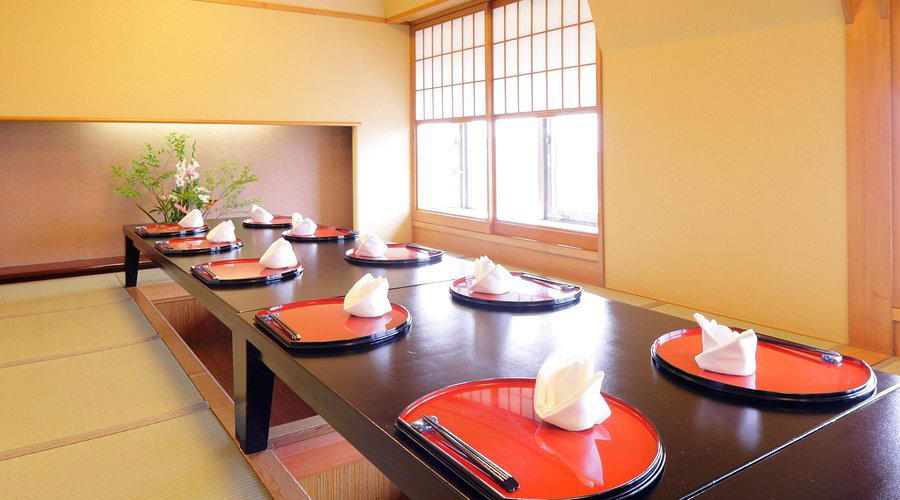
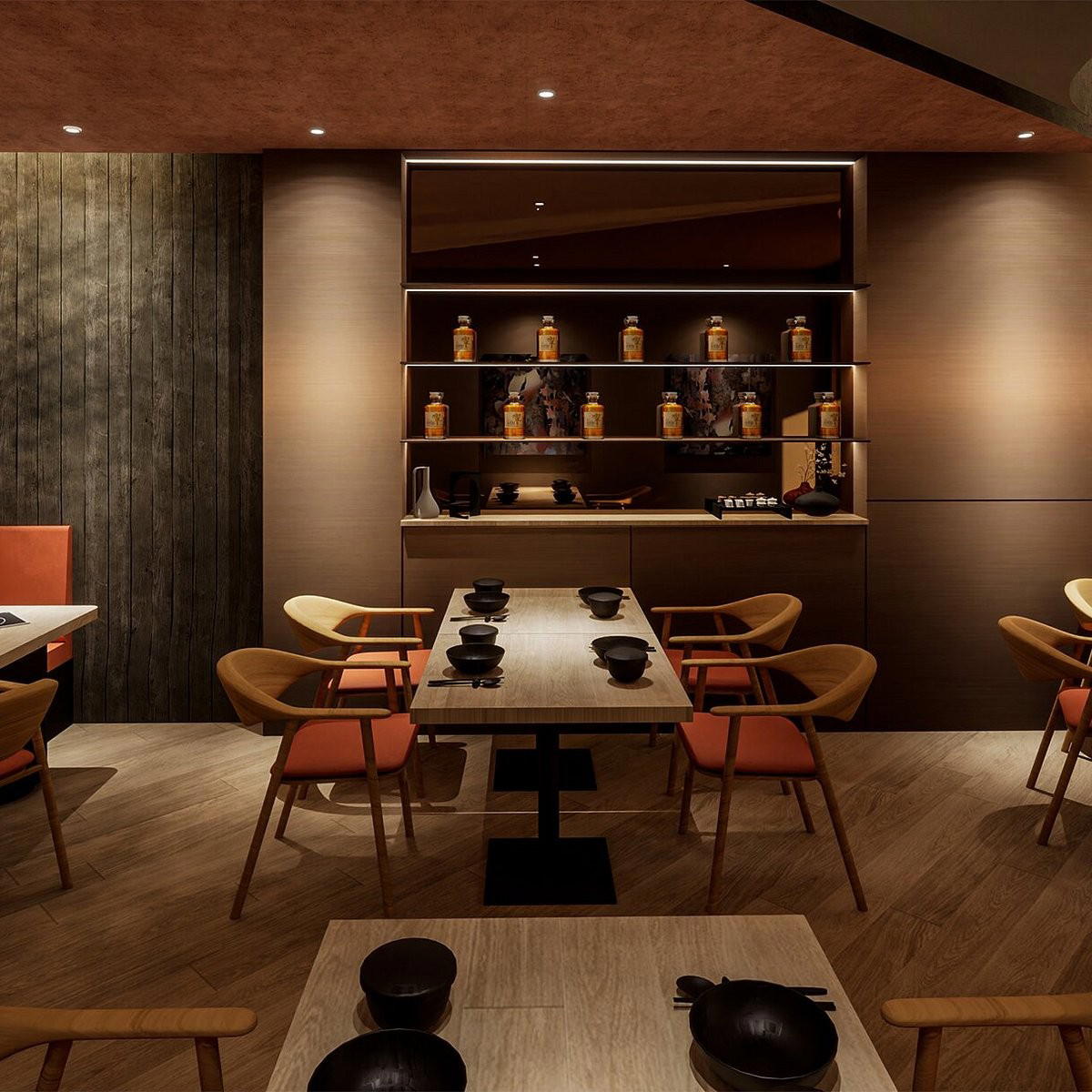
Bars in Hiroshima
All bars in Hiroshima →
Details
- Casual Hangout
- Group Dining
- Family
- Craft Cocktails
- A La Carte
- Small Plates
- Coffee
- Tea
Casual and trendy atmosphere with a welcoming environment for groups and families.