Our verdict
In the hillside streets above Onomichi's harbour, 岩礁 東山 occupies a position that reflects broader patterns in Hiroshima Prefecture's quieter, more considered dining tradition. The kitchen draws on the Seto Inland Sea's seasonal catch and the agricultural hinterland of western Honshu, placing it within a small cohort of regional restaurants where provenance does the heavy lifting.

Pearl is the En Primeur Club membership app — saves, bookings, and concierge access live there. Same editors, same standards.
- Address
- 1 Chome-12-14 Kubo, Onomichi, Hiroshima 722-0045, Japan
- Phone
- +81 848-37-7474
- Website
- daijiro7474.wixsite.com
- Directions
- Get directions
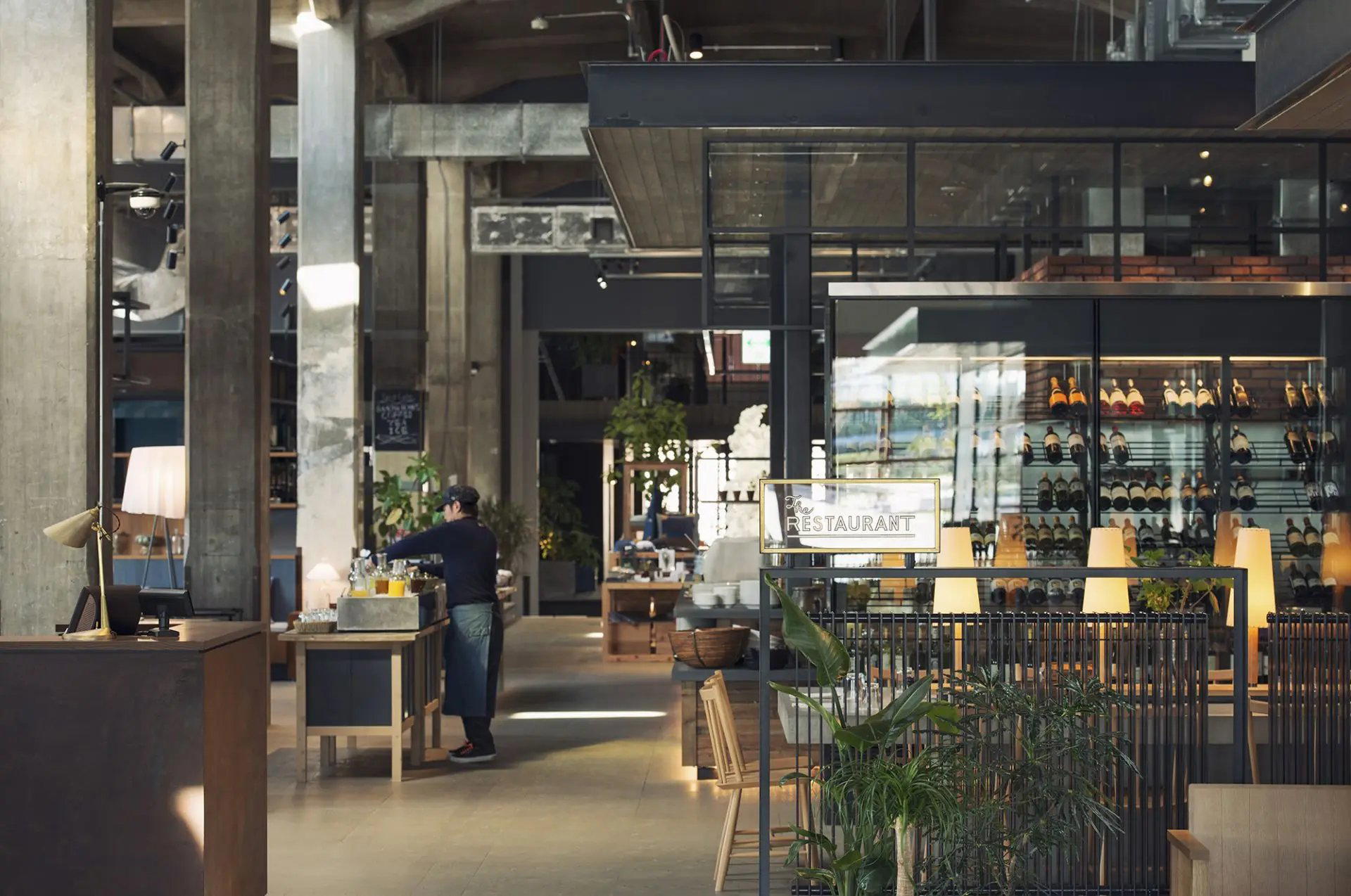
Where the Seto Inland Sea Meets the Table
Onomichi sits at a particular intersection of geography and food culture that few Japanese cities can replicate. The Seto Inland Sea, historically one of Japan's most productive fisheries, runs along the city's southern edge, and the surrounding hills of Hiroshima Prefecture supply a distinct agricultural vocabulary: citrus from Innoshima, octopus from the channels between islands, oysters from the wider Hiroshima coast. Restaurants that work seriously in this city do so against that backdrop, and the ones that earn attention are typically those willing to let the provenance of their ingredients carry the narrative of a meal. Our full Onomichi restaurants guide maps that broader pattern across the city's dining scene.
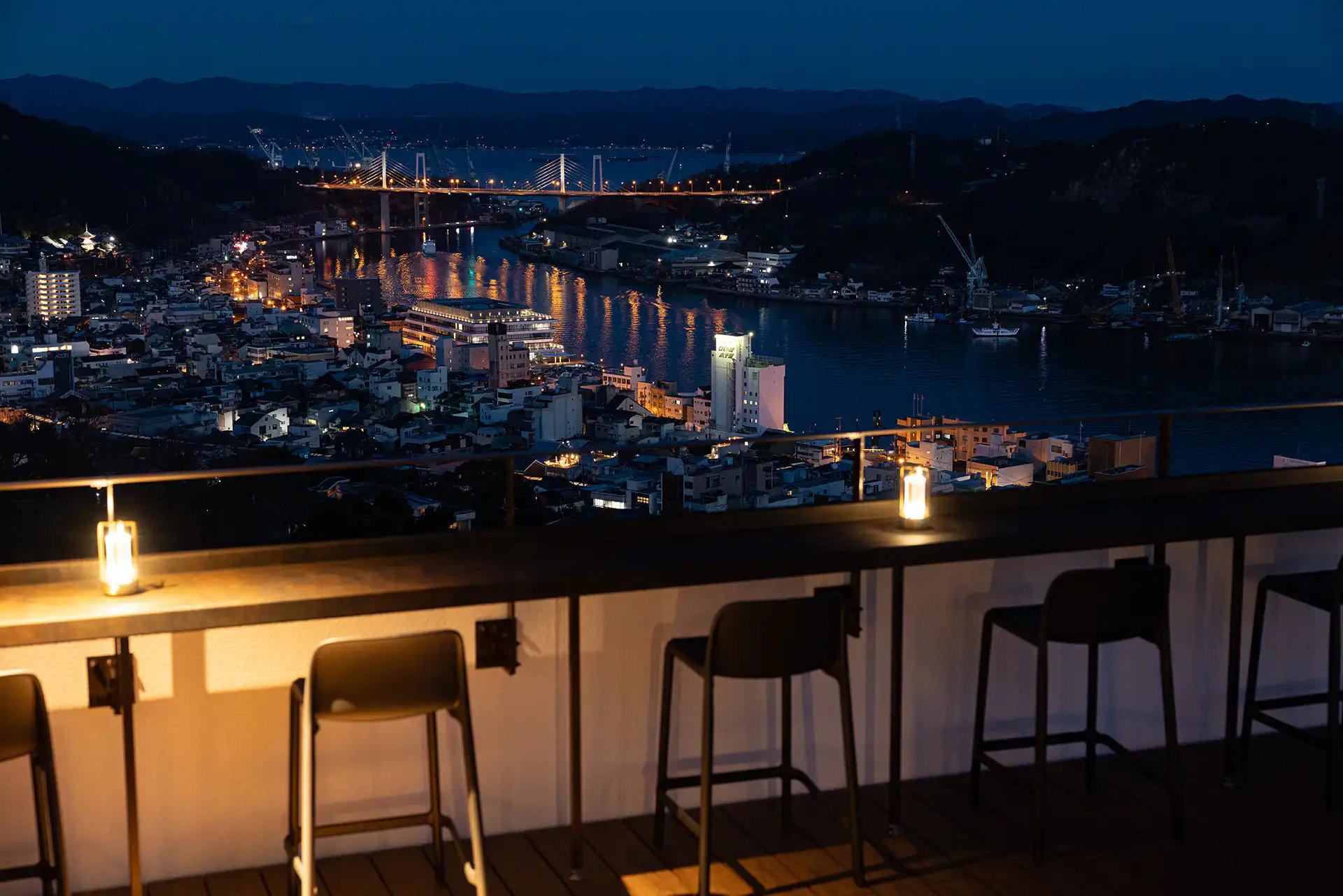
岩礁 東山, addressed at 1 Chome-12-14 Kubo in the upper residential folds of the city, operates within that tradition. The address itself signals something: Kubo sits away from the tourist corridor along the waterfront, in the quieter lanes where daily life in Onomichi continues largely undisturbed by the cyclists and day-trippers who arrive via the Shimanami Kaidō. Arriving on foot requires an engagement with the city's vertical topography — the stepped alleys and narrow passes that give Onomichi much of its atmospheric texture.
The Ingredient Logic of the Inland Sea
Across Japan's regional dining scene, the restaurants that attract sustained attention outside major metropolitan centres tend to share a structural commitment: the menu derives from what the surrounding geography produces, season by season, rather than from a fixed culinary concept imposed upon sourced ingredients. This is more demanding than it sounds. It requires relationships with local fishermen, farmers, and foragers that take years to build, and it demands that a kitchen recalibrate its technique according to what arrives rather than what is planned.
The Seto Inland Sea context matters here in specific ways. The sheltered water between Honshu, Shikoku, and Kyushu produces seafood with characteristics that differ markedly from Pacific or Japan Sea catches: the tidal complexity creates shellfish with concentrated flavour, and species like tai (sea bream) and tako (octopus) are harvested with methods that have remained largely unchanged for generations. Kitchens anchored to this region work with a seasonal rhythm tied to those patterns. For comparison, the ingredient-led philosophy driving recognition at destinations like Goh in Fukuoka or the produce-first framing at akordu in Nara illustrates how this approach scales across different Japanese regional contexts, each anchored to a distinct local supply chain.
What distinguishes a place like 岩礁 東山 within Onomichi's smaller dining ecosystem is the specificity of that local supply chain. This is not a city with the density of specialist suppliers that Osaka or Tokyo offers. The ingredient relationships that sustain a kitchen here are necessarily narrower and more direct, which, when it works, produces food that reads as genuinely site-specific rather than generically seasonal.
Regional Context and the Hiroshima Dining Bracket
Hiroshima Prefecture's dining identity in the national conversation tends to cluster around a few reference points: okonomiyaki in the prefectural capital, oyster production on the coast, and, more recently, a small group of destination restaurants that have drawn attention from critics operating outside the region. Denko Sekka in Hiroshima represents one node of that recognition within the city itself. Onomichi occupies a different register: smaller in scale, more reliant on its architectural and geographic character than on institutional dining infrastructure.
The broader Chugoku and Shikoku dining scene remains comparatively underrepresented in major award frameworks relative to the Kansai and Kanto concentrations. Restaurants operating at a serious level in cities like Onomichi do so without the peer density that supports, say, Kyoto's kaiseki ecosystem, where venues like Gion Sasaki operate within a defined competitive and traditional context. In Onomichi, the frame of reference is narrower, which places more weight on the individual kitchen's integrity and on the quality of its sourcing relationships.
That positioning connects 岩礁 東山 to a cohort of regional Japanese restaurants that function more as expressions of a specific place than as entries in a metropolitan dining hierarchy. For readers familiar with the high-concentration precision of Tokyo's leading counters, such as Harutaka, or the formal innovation of Osaka destinations like HAJIME, the register here is different in kind, not just in scale. The ambition is geographic rather than competitive.
How This Fits the Wider Regional Pattern
Across Japan's secondary and tertiary cities, a recognisable pattern has emerged over the past decade: restaurants in places defined by a specific natural resource (a fishery, a mountain agricultural zone, a craft fermentation tradition) increasingly frame their menus around that resource rather than around imported culinary frameworks. This mirrors developments visible in other regional Japanese contexts, from the seafood-driven kitchens of the San'in coast to the agricultural-led menus appearing in Tohoku. It is a departure from the mid-century model where prestige cooking in regional Japan often meant approximating metropolitan styles with local ingredients.
Venues occupying this newer position, such as 湖麺屋ポニョ in Takashima and 三本木 川島制 in Nanao, each anchor their identity to a particular regional supply. 岩礁 東山 fits within that pattern, operating in a city whose geographic specificity, the narrowing of the Inland Sea, the hillside character, the island-chain hinterland, provides a more legible sense of place than most urban dining addresses can claim.
Planning a Visit
Onomichi is accessible by shinkansen to Fukuyama, followed by a local train to Onomichi Station, placing it within a manageable day-trip or overnight range from both Hiroshima and Osaka. The Kubo area where 岩礁 東山 is located sits above the main commercial strip and is leading reached on foot, which takes visitors through some of the city's more characterful residential lanes. Given the limited venue data available at publication time, including no confirmed hours, booking channel, or price range, prospective diners should verify current operating details directly with the restaurant before visiting. Onomichi's dining scene is small enough that the most reliable intelligence often travels through the same local networks as the ingredients themselves.
Frequently asked questions
Does 岩礁 東山 work for a family meal?
Onomichi's dining culture, particularly in the Kubo area at addresses like 1 Chome-12-14, tends toward smaller, deliberate formats rather than large group tables. The broader Onomichi scene suits adults and older children who engage with seafood-led, regionally specific cooking.
Is 岩礁 東山 better for a quiet night or a lively one?
Kubo sits away from the waterfront tourist corridor, which means the surrounding streets run notably quieter than central Onomichi after dark. The address at 1 Chome-12-14 places 岩礁 東山 in a residential-commercial pocket where the pace reflects the city's generally unhurried register. Expect an atmosphere shaped by that neighbourhood character rather than anything resembling the energy of a Hiroshima city centre venue.
What should I order at 岩礁 東山?
What the Seto Inland Sea context does establish is a regional pattern: fish from these protected waters, bivalves, and seasonal preparations tied to the fishing calendar. Ordering according to what the kitchen is currently emphasising, rather than arriving with a fixed list, aligns with how this style of Japanese regional restaurant tends to operate best.
How does 岩礁 東山's location in Kubo, Onomichi compare to dining closer to the waterfront?
The Kubo address places 岩礁 東山 roughly one neighbourhood removed from the harbour-facing streets where Onomichi's more tourist-oriented cafes and ramen shops cluster. That separation is meaningful: restaurants in this part of the city draw a higher proportion of local and regional visitors rather than day-trippers arriving by ferry or bicycle. For anyone coming from Fukuyama by local train, Onomichi Station is the practical starting point, with Kubo reachable on foot or by taxi.
Side-by-Side Snapshot
Comparable venues nearby, for context on price, style, and recognition.
| Venue | Cuisine | Price | Awards | Notes |
|---|---|---|---|---|
| 割烹 東山This venue — the venue you are viewing | Traditional Japanese Robatayaki | Not listed | Not listed | Not listed |
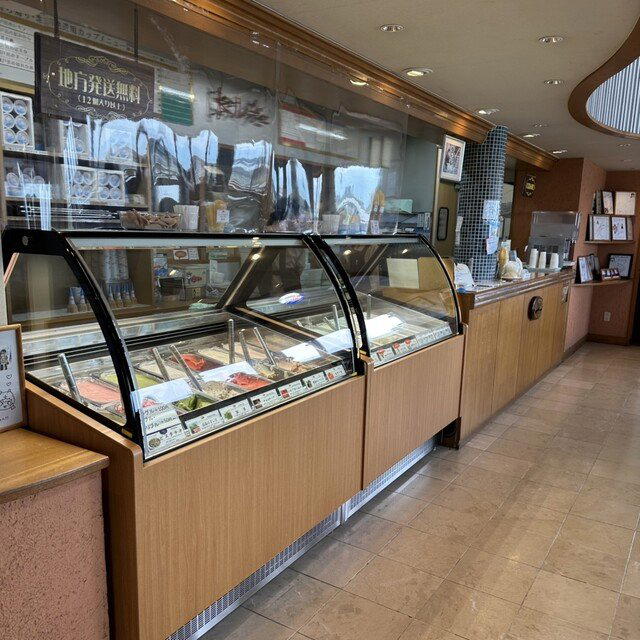
| Karasawa | Handmade Japanese ice cream & monaka shop | $1–10 | Tabelog 100 #45 | Tsuchido |
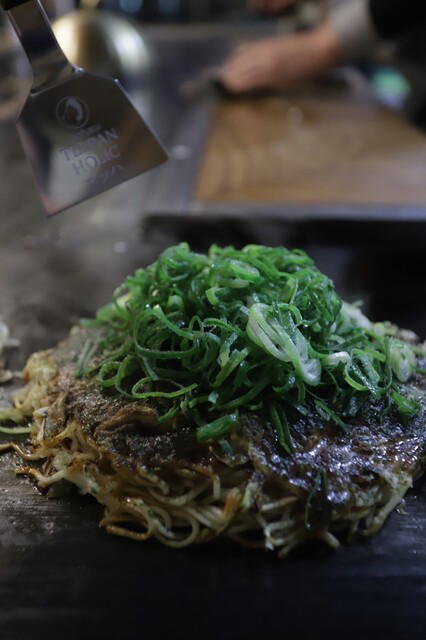
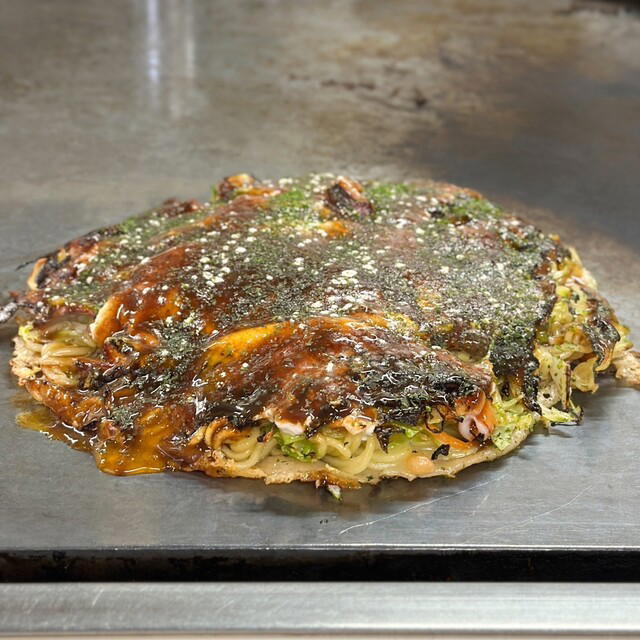
| Okonomiyaki Murakami | Hiroshima-Style Okonomiyaki | $10–20 | Tabelog 100 #99 | Onomichi |
| Dolce Honten | Gelato Cafe | $1–10 | Tabelog 100 #90 | Setoda-cho Hayashi |
| やまざと | Traditional Japanese Soba | Not listed | Not listed | 西祖谷山村 |
| Tengoku | Retro Japanese Cafe | $1–10 | Not listed | Asakusa |

Details
- Casual Hangout
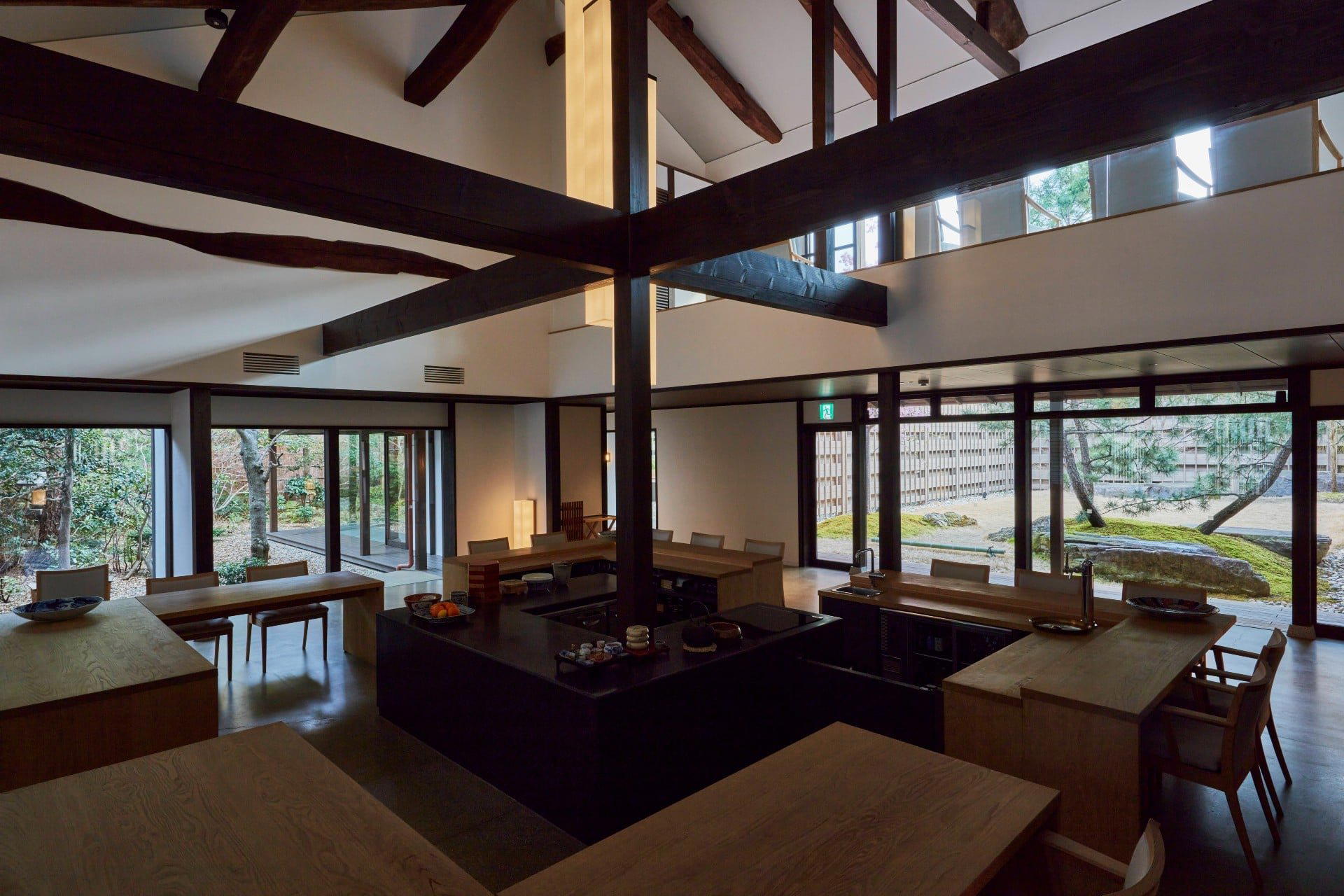
- Open Kitchen
- Sake Program
- Local Sourcing
- A La Carte
- Sake
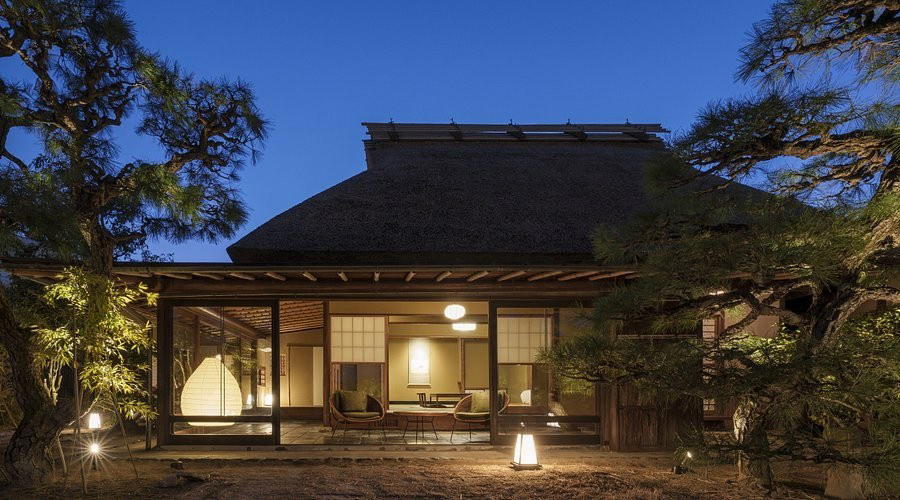
Cozy and rustic with warm grill ambiance