Weiyou Xiamen Wei sits within Xiamen's closely watched tier of restaurants where Fujian culinary tradition meets considered modern presentation. The dining ritual here follows the unhurried pacing that defines serious Chinese table culture, with a menu rooted in the Min cuisine lineage that has shaped southeastern coastal cooking for centuries. For visitors mapping the city's premium dining circuit, this is a measured, context-rich option worth understanding before you book.
Pearl is the En Primeur Club membership app — saves, bookings, and concierge access live there. Same editors, same standards.
- Address
- Xiamen, China
- Directions
- Get directions
 Saves & bookings on Pearl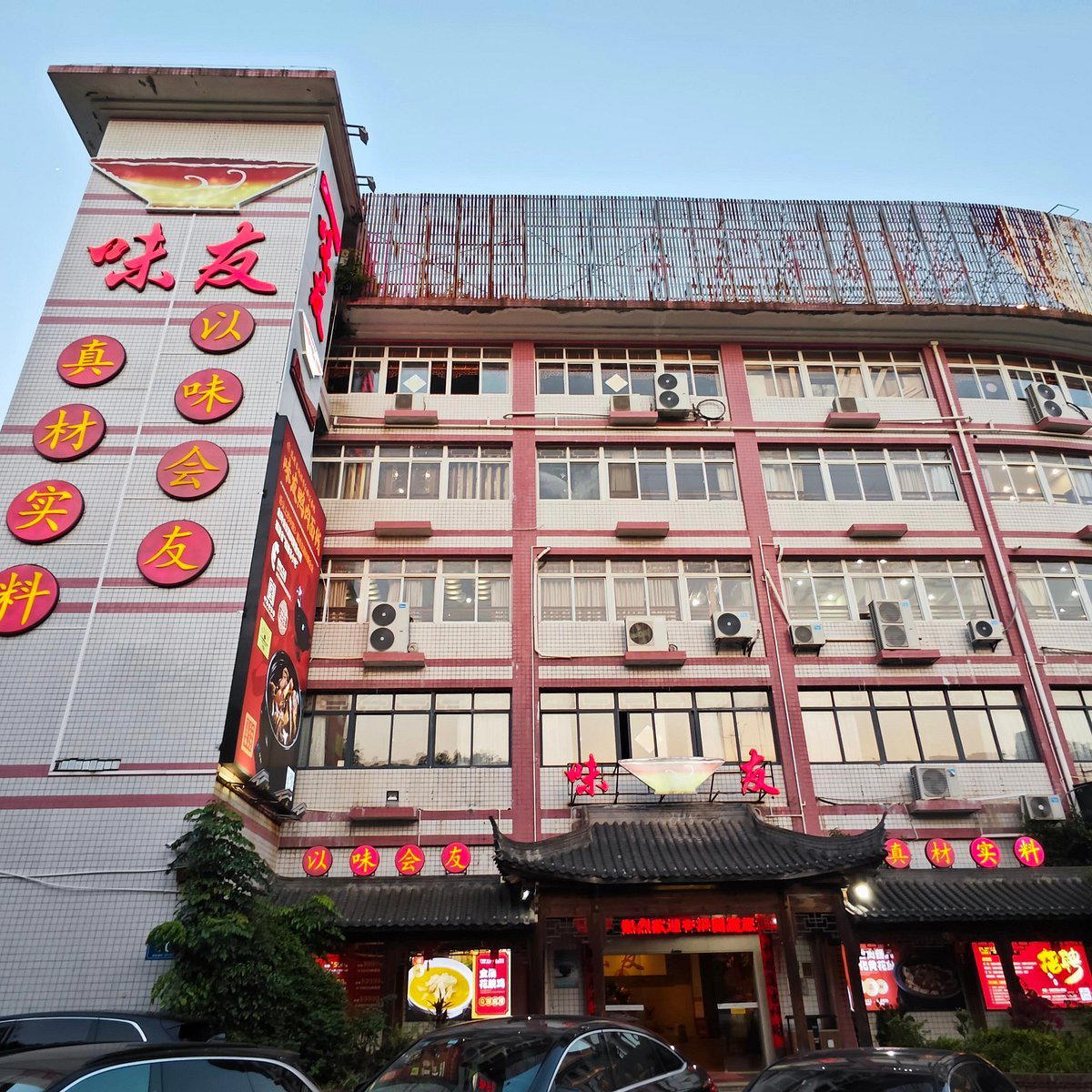
The Ritual of the Fujian Table
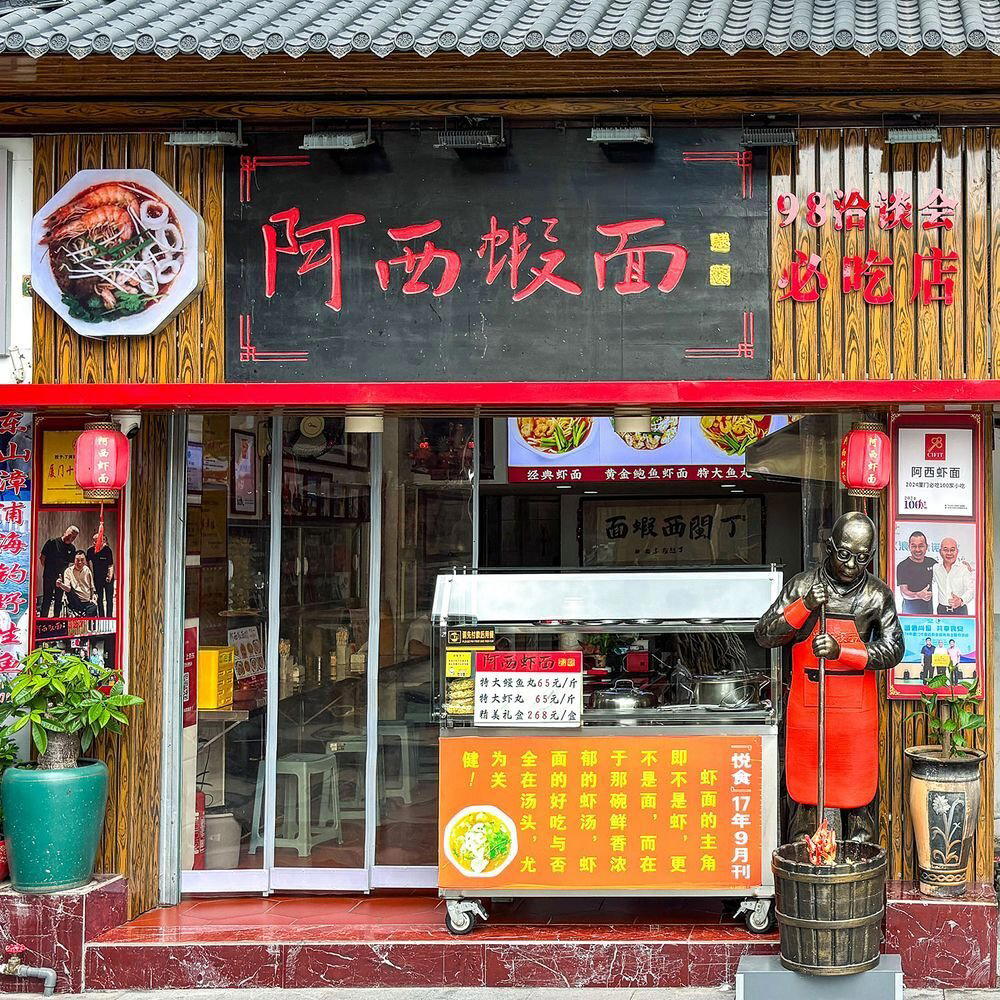
Across southern China's coastal provinces, the meal is not an event that begins when the first dish lands. It begins earlier: in the arrangement of tea, in the choreography of who sits where, in the particular silence that falls when a whole fish is placed at the table's centre. Fujian dining culture, more than almost any other regional tradition in China, encodes social intelligence into the act of eating. The tempo is deliberate, the progression of flavours follows logic rather than accident, and the table itself functions as a kind of conversation. Weiyou Xiamen Wei is a restaurant in Xiamen serving Xiamen Local Specialties at a price tier of about US$10 per person. It operates within that tradition, in a city where Min cuisine, the broad culinary family indigenous to Fujian province, remains the dominant reference point for serious restaurant-going.
Where Weiyou Xiamen Wei Fits in Xiamen's Dining Scene
Xiamen's restaurant market has stratified noticeably over the past decade. At the lower end, a dense network of neighbourhood spots serves the rice congee, oyster omelettes, and braised pork that form the everyday backbone of local eating, venues like 1980 Shaorouzong occupy that more accessible tier. The middle register has expanded with restaurants that dress Min cuisine in contemporary formats while keeping price points within reach of regular dining. Above that sits a smaller, more considered set of rooms where the cooking is expected to carry weight, the service is structured, and the guest is assumed to have some familiarity with the tradition. Weiyou Xiamen Wei is positioned in that upper-middle to premium bracket, comparable in intent to Hokklo and Yanyu (Jiahe Road), both of which take Fujian cooking seriously without reducing it to spectacle.
The broader pattern across Chinese cities is that regional cuisine restaurants in this tier compete less on novelty and more on command of fundamentals: stock clarity, seasoning control, the handling of delicate proteins, and the internal logic of a meal's sequence. In Xiamen, where seafood sourcing is genuinely close and the Min culinary tradition runs deep, those fundamentals are also the local benchmark. Diners arriving from other Chinese cities may find the comparison instructive: the coastal restraint of Fujian cooking shares more with the measured precision you encounter at Xin Rong Ji in Beijing or Ru Yuan in Hangzhou than it does with the bolder registers of Sichuan or Cantonese cooking.
The Architecture of a Fujian Meal
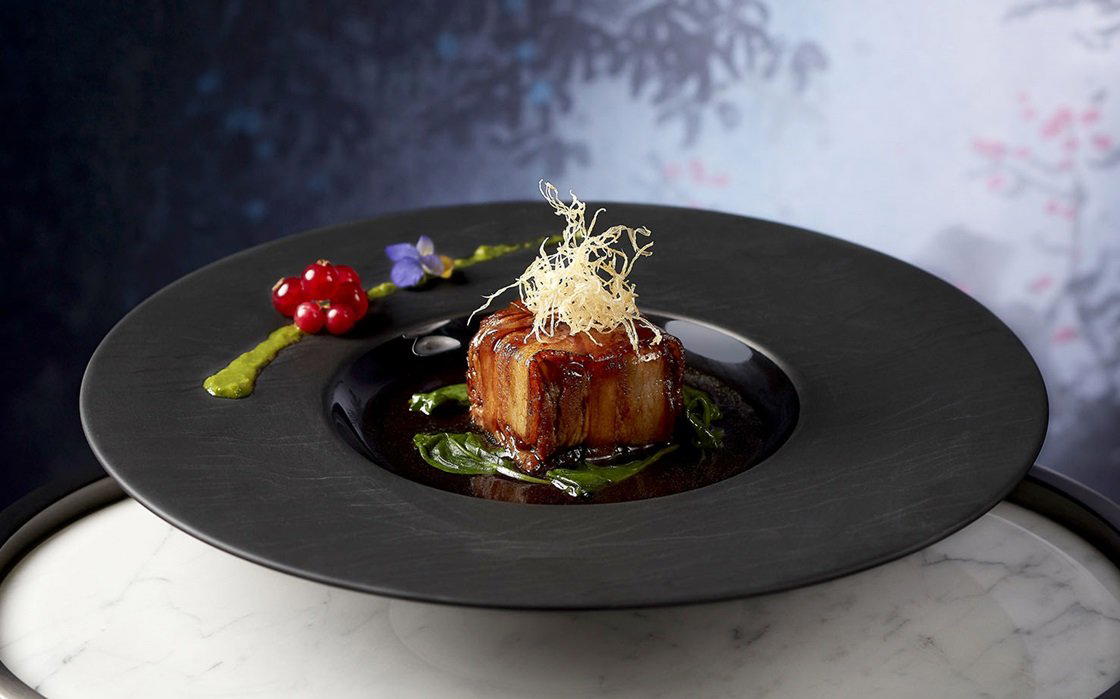
Understanding how a meal is meant to unfold at a restaurant like this requires some familiarity with Min cuisine's internal grammar. The tradition prizes light broths over heavy sauces, fresh seafood over preserved proteins, and a kind of textural subtlety that rewards attention. A properly sequenced Fujian meal typically moves from cleaner, more delicate preparations toward richer, more complex ones, with rice arriving relatively late, a structural choice that keeps the palate engaged through the earlier courses. This is not a cuisine that announces itself loudly. Its pleasures are cumulative.
The dining ritual also involves a different relationship with time than most Western fine dining. Courses are not timed to the minute. Dishes arrive when they are ready, which in a kitchen taking umami-building stocks and seafood timing seriously means the pace can vary. Experienced diners at this level of Xiamen restaurant treat that variability as a feature rather than a flaw. It is, in a direct sense, how the food stays worth eating. Comparisons to the unhurried sequencing found at Chef Tam's Seasons in Macau or the considered pacing at 102 House in Shanghai are useful here: serious Chinese table culture, at this tier, shares a philosophy of purposeful patience.
Xiamen's Position in the Wider Chinese Fine Dining Conversation
Xiamen does not attract the same volume of international food press as Shanghai, Beijing, or Guangzhou. That relative quietness is part of what keeps its premium dining tier coherent. The city's serious restaurants, including Fleurs Et Festin with its Chao Zhou orientation and the historically rooted 1927 Dong Yuan Si Chu, draw primarily on local and regional clientele rather than trophy-hunting tourists. That means the cooking is calibrated for people who eat Min cuisine regularly and notice when it's done well or poorly. It is a more demanding audience in some respects, and restaurants that survive in that environment tend to have earned their standing through consistency rather than hype.
For the travelling diner, this creates a particular kind of opportunity. Xiamen's premium circuit, see our full Xiamen restaurants guide for a broader map, rewards the visitor who takes time to understand what the local tradition values, rather than arriving with expectations shaped by Cantonese or Sichuan reference points. The parallels with other regional-specialty fine dining rooms are instructive: Imperial Treasure Fine Chinese Cuisine in Guangzhou operates in a different culinary register but occupies a similar position as a serious custodian of regional form. Jiangnan Wok‧Rong in Fuzhou, a short journey up the Fujian coast, offers a useful point of comparison for travellers curious about how the broader Min culinary family expresses itself across different cities.
Planning a Visit
Booking a day or two ahead is advisable, particularly for weekend lunch, when family-format dining puts pressure on capacity at rooms across this tier. If you're combining this with visits to other serious Xiamen addresses, Hokklo and Yanyu (Jiahe Road) represent complementary angles on Fujian cooking that together give a clearer picture of what the city's premium tier currently looks like. For context beyond Xiamen, Dingshan·Jiangyan in Suzhou and Shang Palace in Yangzhou illustrate how comparable regional-cuisine ambitions play out in different parts of eastern and southern China.
Cuisine and Recognition
Comparable venues nearby, for context on price, style, and recognition.
| Venue | Cuisine | Price | Notes |
|---|---|---|---|
| Weiyou Xiamen WeiThis venue — the venue you are viewing | Xiamen Local Specialties | $$ | Not listed |
| Ludao Seafood Restaurant (鹭岛餐厅•闽南菜(鼓浪屿店)) | Minnan Seafood | $$ | 鼓浪屿商圈 |
| 珍珍海蛎煎 | Authentic Minnan Street Food | $ | 思明区 (Siming District) |
| 1980 Shaorouzong | Xiamen Roasted Pork Zongzi and Satay Noodles | $$ | Siming District |
| 好德来姜母鸭 | chinese | Not listed | Xiamen |
| Huang Zehe Peanut Soup | Traditional Fujianese Peanut Soup | $ | Zhongshan Road |
Continue exploring
More in Xiamen
Restaurants in Xiamen
Browse all →

At a Glance
- Lively
- Casual Hangout
- Group Dining
Casual and bustling atmosphere suitable for group meals with a focus on local flavors.