纳西靓菜坊 sits inside Lijiang's Old Town, where Naxi culinary traditions have been shaped by centuries of trade along the Tea Horse Road. The kitchen draws on ingredients and techniques specific to the Naxi ethnic minority of Yunnan, making it a reference point for visitors wanting to move beyond generic Yunnan fare and engage with the region's more specific food culture.
Pearl is the En Primeur Club membership app — saves, bookings, and concierge access live there. Same editors, same standards.
- Address
- Lijiang, 云南
- Directions
- Get directions
 Saves & bookings on Pearl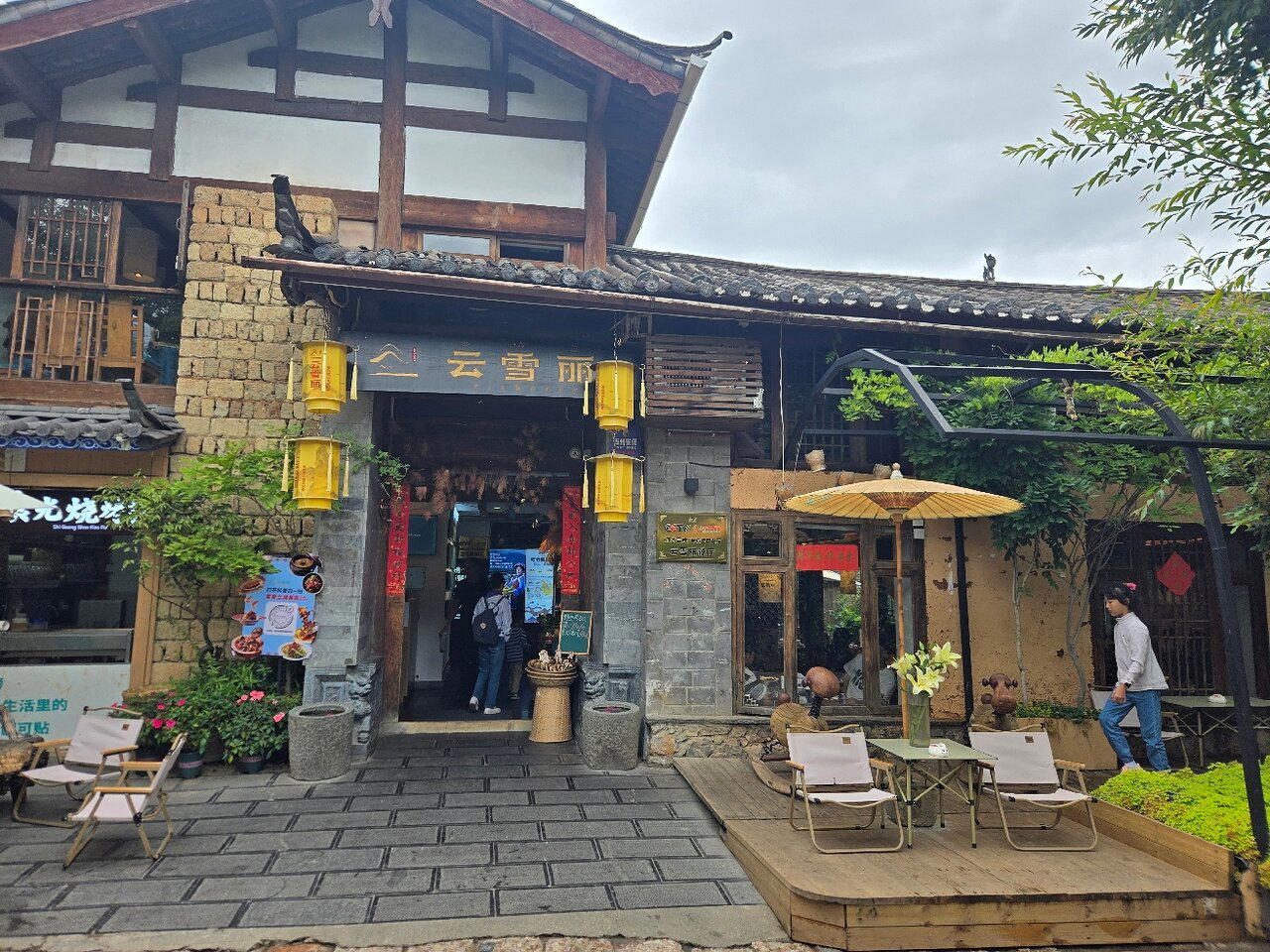
Naxi Food in Lijiang: What the Tradition Actually Means
Lijiang's Old Town operates under a particular culinary tension. Tourism pressure has pushed many kitchens toward a softened, tourist-facing version of Yunnan food: dried ham on decorative platters, sweet yak cheese, and dishes that gesture at local identity without committing to it. Against that backdrop, restaurants that maintain a working connection to Naxi cooking occupy a different position entirely. The Naxi people, one of the region's historically dominant ethnic groups, developed a cuisine shaped by altitude, trade routes, and a matrilineal social structure that gave women significant control over domestic and commercial food production. That history is embedded in the cooking itself, not just the decor.
纳西靓菜坊 operates within this context. The name signals the positioning directly: 纳西 (Naxi) is an ethnic and cultural identifier, not simply a geographic one. For visitors working through a Lijiang restaurants guide, the distinction matters. Lijiang has dozens of restaurants claiming Yunnan authenticity; only a smaller subset anchor that claim specifically to Naxi culinary heritage, which predates and differs from the broader Yunnan category in specific ways.
The Naxi Kitchen: Ingredients, Technique, and Altitude
Naxi cuisine developed at elevations above 2,400 metres, which shaped both the ingredient base and the preservation methods the culture relied on. Pork cured at altitude, wild mushrooms harvested from surrounding mountains, river fish from the Jade River system, and foraged greens that change significantly by season form the structural backbone of the cuisine. The Tea Horse Road, which passed through Lijiang for centuries as a central waypoint between Yunnan's tea-producing lowlands and Tibet, introduced trading relationships that brought spices and techniques from multiple directions. That layered influence distinguishes Naxi cooking from both the chili-forward intensity of Sichuan (represented in the Chinese dining scene by restaurants like 小锅巴纳西美食, which takes a more casual approach to the same regional palette) and the refined Cantonese register found at venues like Imperial Treasure Fine Chinese Cuisine in Guangzhou.
Where Cantonese kitchens prize delicacy and Sichuan cooking is built on aromatic heat, Naxi food tends toward earthier, more fermented flavour profiles. Preserved meats, lacto-fermented vegetables, and dishes that use the full animal reflect a cuisine historically shaped by cold winters, seasonal scarcity, and the practical demands of mountain life. These are not presentation techniques borrowed from outside; they are structural to how the food works.
Lijiang's Dining Scene and Where Naxi-Specific Kitchens Fit
Lijiang's restaurant market has stratified noticeably over the past decade. The Old Town's cobblestone lanes now support a range of formats: international coffee chains, fusion operations targeting younger domestic tourists, hotpot chains, and a shrinking core of kitchens that serve food recognisable to local Naxi families. The last category operates with limited marketing, no app-driven delivery infrastructure, and pricing that reflects local rather than tourist economics. That positioning is both a signal of authenticity and, practically speaking, a reason these venues remain less visible to international visitors arriving through standard booking platforms.
By comparison, the high-end end of Chinese regional dining has moved toward elaborate tasting formats and chef-driven narratives. Xin Rong Ji in Beijing and Xin Rong Ji in Chengdu represent the premium tier of regional Chinese cuisine within major urban centres. Chef Tam's Seasons in Macau sits at the fine-dining end of Cantonese-rooted cooking. 纳西靓菜坊 does not compete in that tier. It operates in the category where cultural specificity, not production value, is the primary differentiator.
What to Eat: Ordering Priorities at a Naxi Table
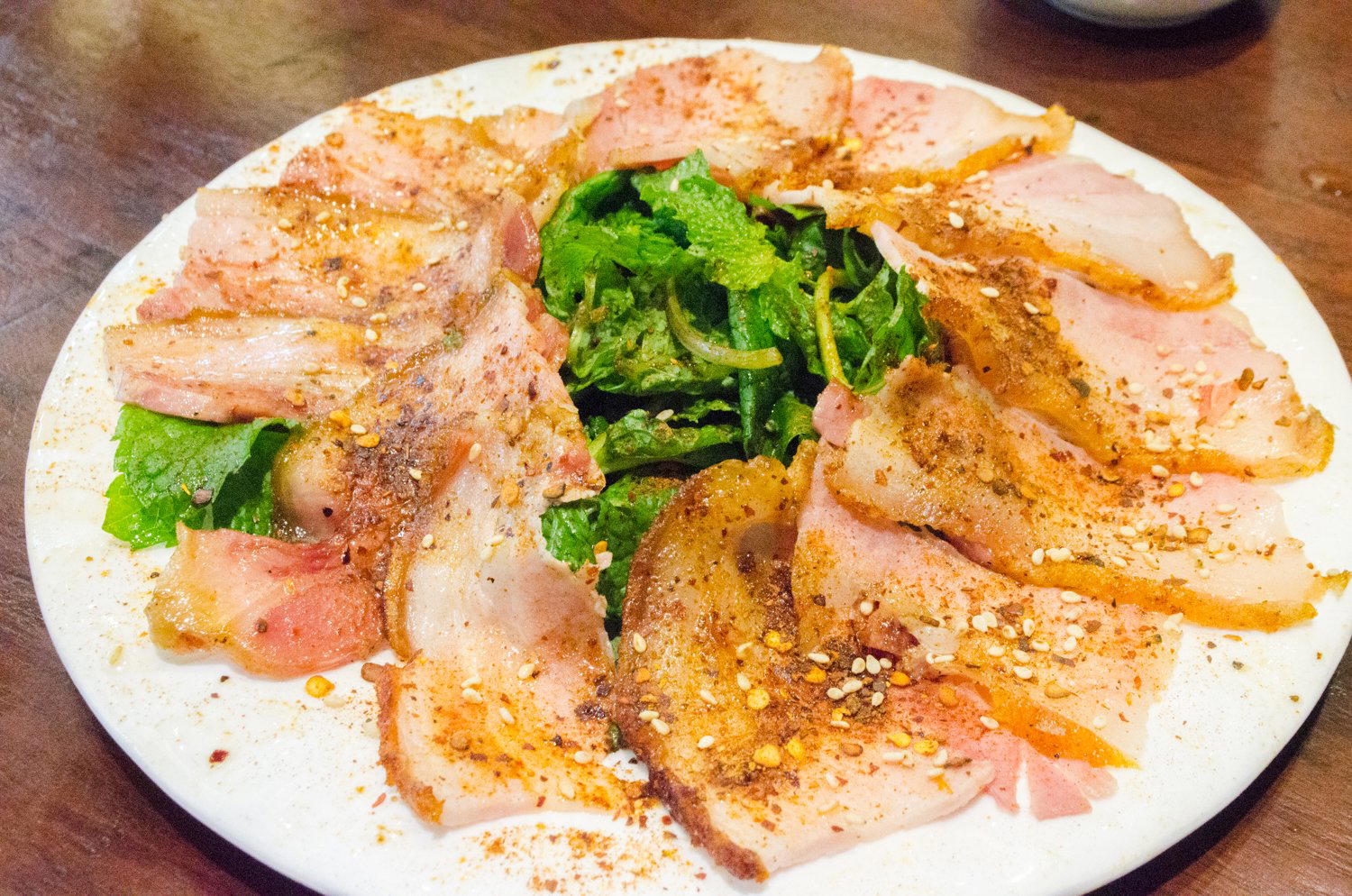
At a Naxi kitchen in Lijiang, the ordering logic differs from what applies at a Cantonese or Shanghainese restaurant. The protein anchors are cured and preserved rather than fresh-caught or live-tank. Lijiang's琵琶猪 (pipa pig), a whole cured pork preparation specific to the region, appears in various preparations across the Naxi menu tradition and represents one of the clearest expressions of the cuisine's preservation culture. Wild mushroom dishes shift by season; the summer and autumn windows, roughly July through October, produce the widest and most interesting mushroom variety in Yunnan's markets. Cold-dressed dishes using foraged mountain greens, often seasoned with local pepper and sesame, function as palate references rather than starters in the Western sense.
For visitors whose experience of Chinese regional food has been shaped primarily by urban fine dining, including technically accomplished operations like Ru Yuan in Hangzhou or 102 House in Shanghai, the register here will read as markedly different. Less composed, more direct, and grounded in ingredient provenance rather than kitchen transformation. Neither approach is more legitimate than the other; they are simply doing different things.
Planning Your Visit
Lijiang Old Town is accessible by air via Lijiang Sanyi Airport, with connections from Kunming (approximately 50 minutes), Chengdu, and several other major Chinese hubs. The Old Town itself is pedestrianised, meaning most restaurant access is on foot from guesthouses and hotels in the area. For visitors combining Yunnan food research with broader China itineraries, the contrast with urban Chinese fine dining at venues like Dai Yuet Heen in Nanjing, Dingshan·Jiangyan in Suzhou, or Shang Palace in Yangzhou is instructive. Those kitchens represent the formal end of Chinese regional dining; Naxi cooking in Lijiang represents the ethnically specific end of the same broad tradition.
Walk-in access is the practical default. The Old Town's restaurant strip sees its heaviest foot traffic during the May Day and National Day golden weeks (early May and early October), as well as in July and August when domestic summer travel peaks. Visiting outside those windows, particularly in late October through November or in March before the spring crowds, gives a clearer read on a kitchen's everyday output rather than its volume-pressure performance. Local Old Town Home in Kashgar to Fleurs Et Festin in Xiamen, where local-facing kitchens operate differently under tourist-season pressure.
Pricing, Compared
Comparable venues nearby, for context on price, style, and recognition.
| Venue | Cuisine | Price | Notes |
|---|---|---|---|
| 纳西靓菜坊This venue — the venue you are viewing | Lijiang Ancient Town, Naxi Cuisine | $$ | Not listed |
| 小锅巴纳西美食 | Not listed | $$ | Lijiang Ancient Town, Naxi Yunnan Cuisine |
| Kong Yiji | Not listed | $$ | Dianmen, Traditional Zhejiang / Shaoxing Cuisine |
| Tongheju | Yuetan, Authentic Shandong Cuisine | $$ | Not listed |
| 府城人家·中餐厅 | 台州府城, Traditional Taizhou Chinese | $$ | Not listed |
| 私膳坊·私房菜 | Nanping, Chinese Private House Cuisine | $$ | Not listed |



At a Glance
- Rustic
- Cozy
- Casual Hangout
- Family
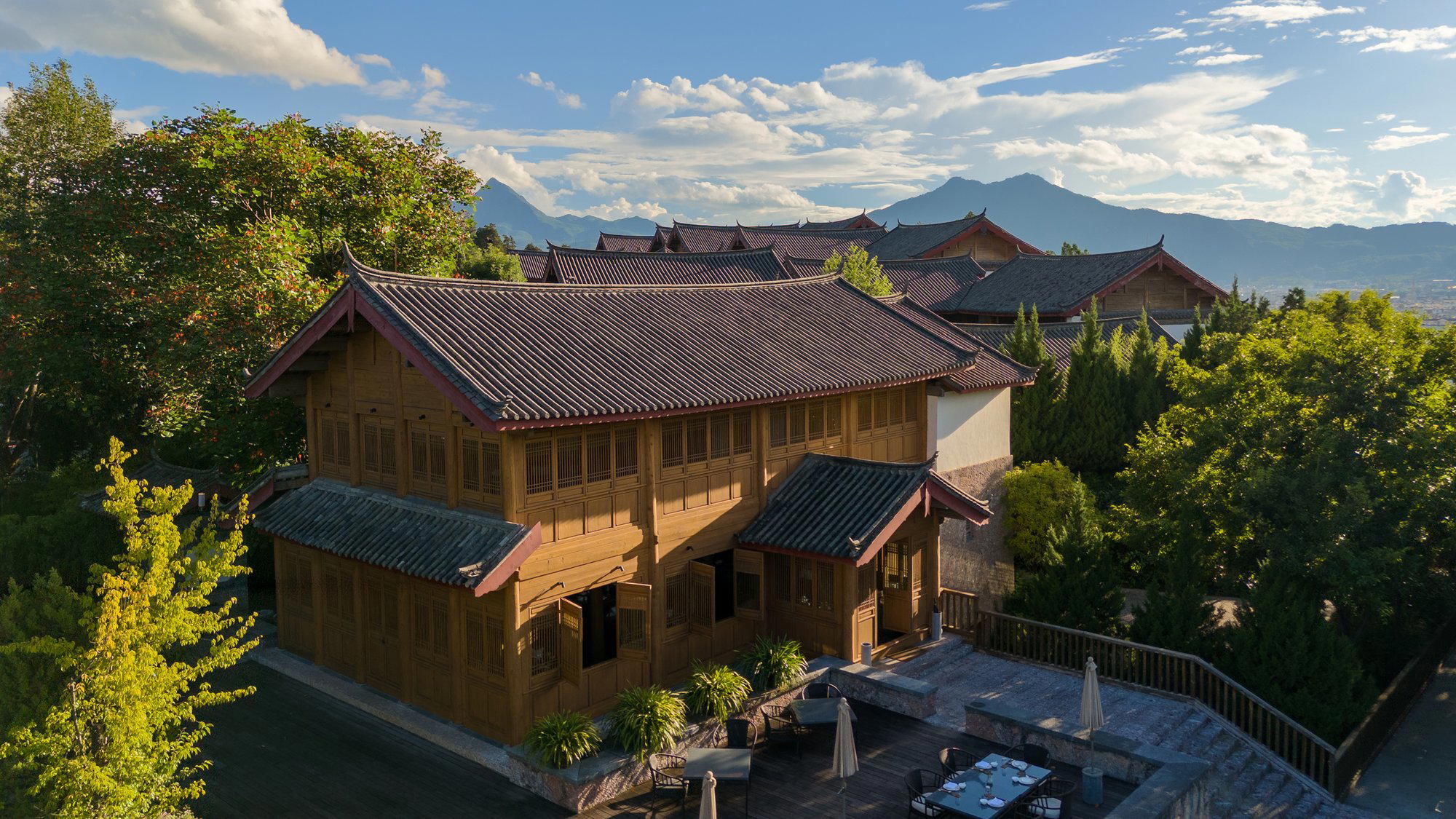
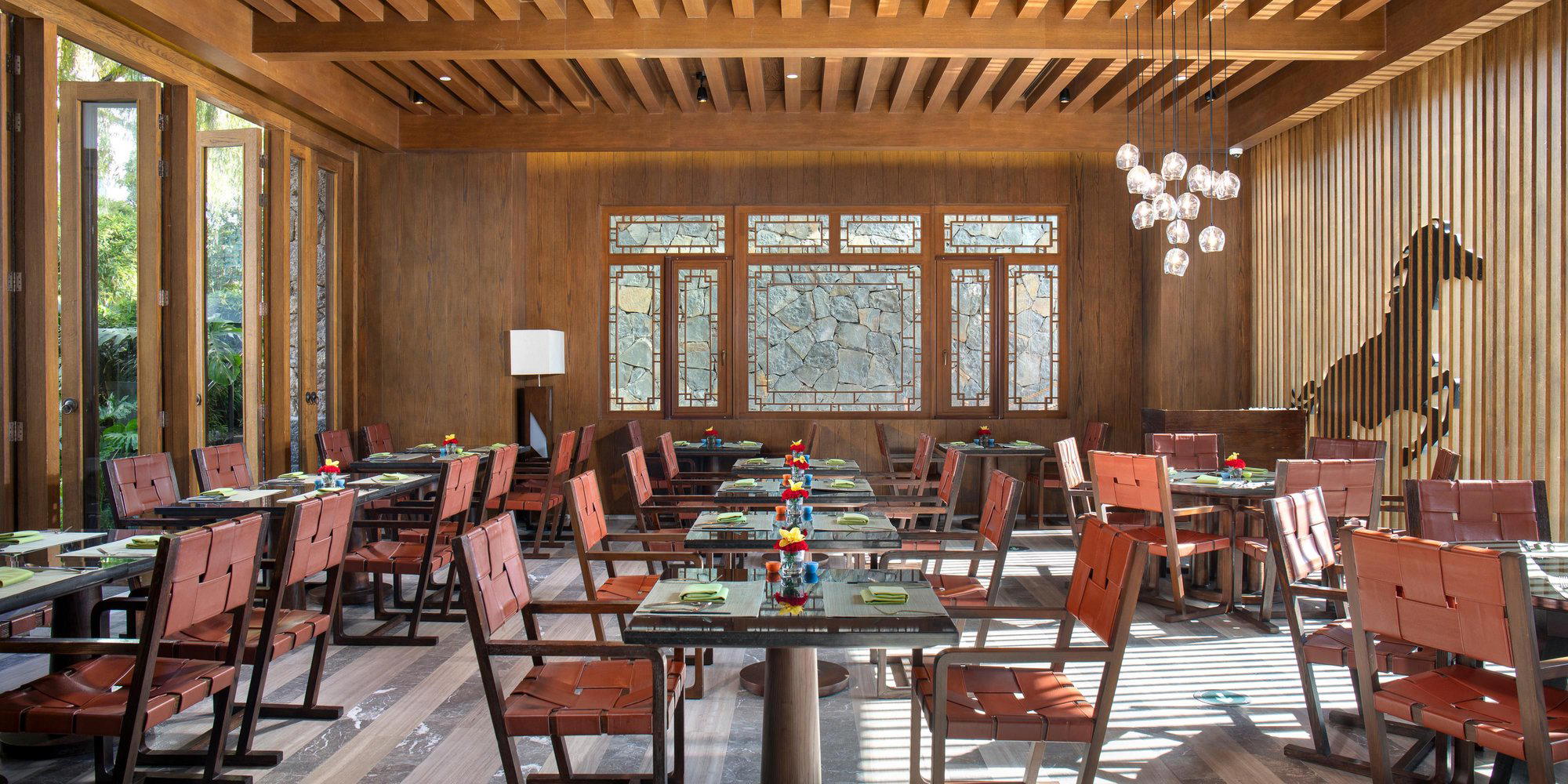
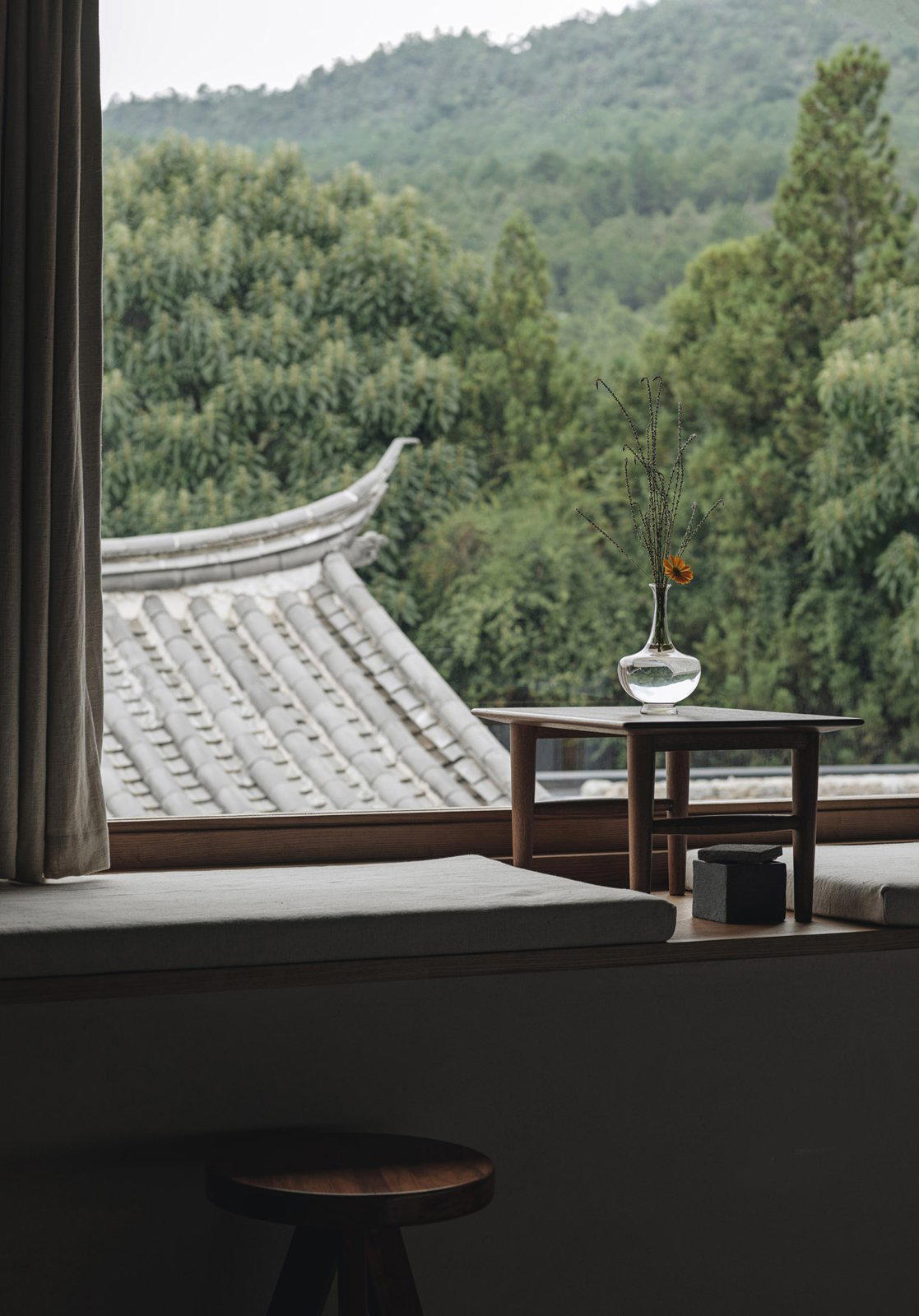
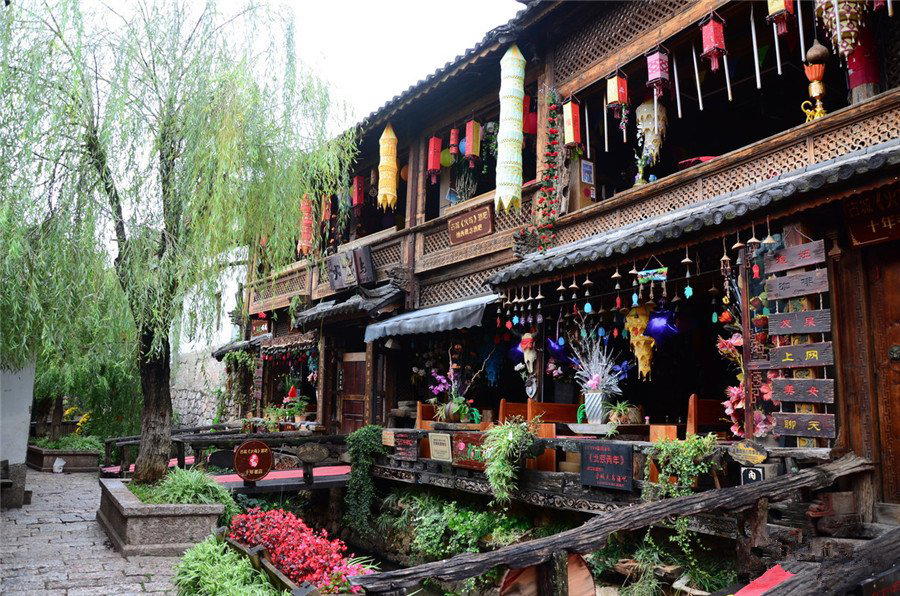
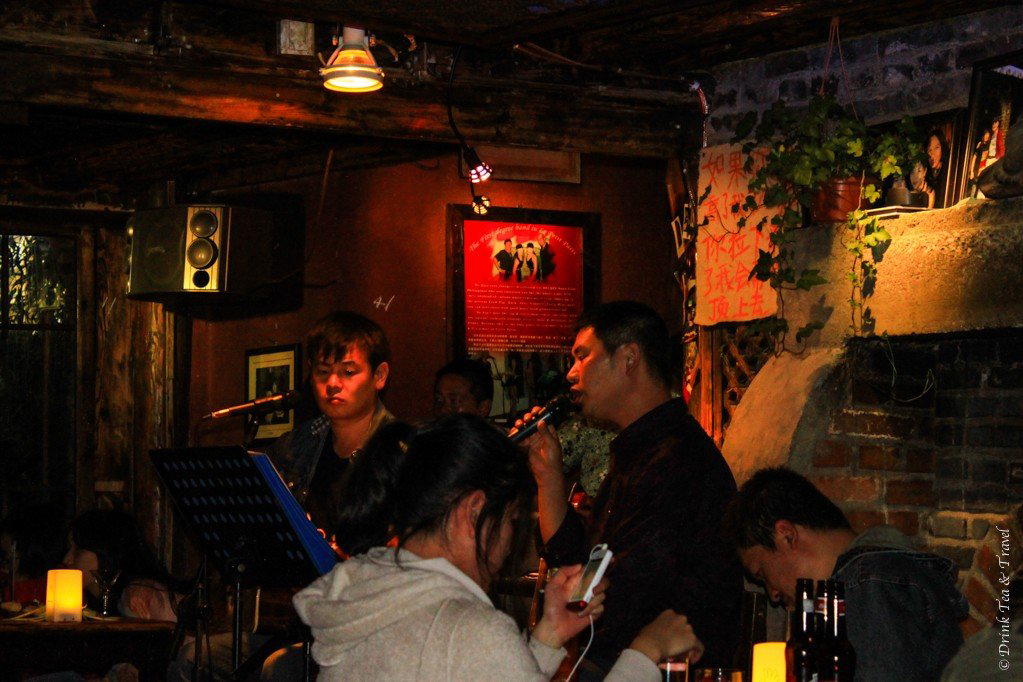
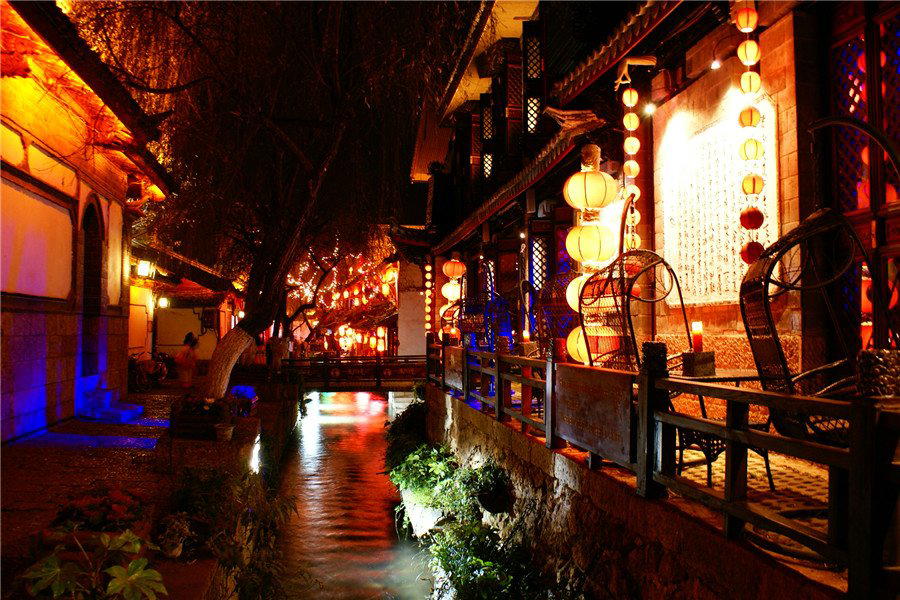
Traditional Naxi rustic atmosphere.