In Lijiang's Old Town, 小锅巴纳西美食 represents a strand of Yunnan dining built around Naxi culinary tradition, the kind of cooking that draws its character from highland ingredients and centuries of ethnic minority foodways rather than from chef reputation or tasting-menu format. For travellers moving through one of China's most historically layered cities, it offers a grounded alternative to the tourist-facing restaurants that now dominate the old quarter.
Pearl is the En Primeur Club membership app — saves, bookings, and concierge access live there. Same editors, same standards.
- Address
- 丽江市, 云南, 674100
- Directions
- Get directions
 Saves & bookings on Pearl
Where Naxi Foodways Meet the Yunnan Highlands
Lijiang's old town sits at roughly 2,400 metres above sea level, and that altitude shapes everything about the food grown and eaten here. The Naxi people, one of Yunnan's most culturally distinct ethnic groups, with their own pictographic script and a culinary tradition that never collapsed into the broader Yunnanese mainstream, built a larder around what the plateau and surrounding mountain ranges could sustain: cured meats, dry-aged cheese, highland mushrooms, buckwheat, and river fish from tributaries of the Jinsha. 小锅巴纳西美食 operates within that tradition, at an address in Lijiang's 674100 postal district, and the logic of the cooking connects back to those source materials rather than to any borrowed culinary framework. 小锅巴纳西美食 is a casual Naxi Yunnan restaurant in Lijiang, located at 丽江市, 云南, 674100.
The name gives away the format. 小锅巴 (xiǎo guō bā) refers to the crispy rice crust that forms at the bottom of a clay pot, a texture that appears across multiple Yunnan cooking styles and signals a preference for slow, fire-adjacent techniques over precision kitchen work. That kind of cooking is ingredient-dependent by definition: if the rice isn't grown at the right altitude with the right water, the crust doesn't behave the same way. Naxi cuisine sits in that category of regional cooking where sourcing and method are inseparable, which places venues like this one in a different conversation from the metro dining tracked by awards bodies in Beijing or Shanghai.
The Sourcing Logic of Highland Yunnan Cooking
Understanding what ends up on the table at a Naxi restaurant requires understanding how Yunnan's ingredient geography works. The province is one of China's most biodiverse, running from tropical river valleys in the south to Tibetan plateau terrain in the northwest, and Lijiang sits near the northern end of that range. At this elevation, cultivated ingredients tend toward the earthy and preserved: Yunnan ham (xuānwēi or nòngzhuǎng cured varieties), aged goat cheese known as rubing, dried mushrooms including porcini-adjacent species that grow along the Hengduan mountain slopes, and a range of highland greens that shift with the season. Wild-foraged supply is real here in a way it isn't in coastal cities, the surrounding mountains genuinely contribute to restaurant larders through informal local networks, not as a marketing claim.
That sourcing dynamic sets Lijiang's better informal restaurants apart from the tourist-circuit venues selling sanitised Yunnan platters. Naxi cooking in particular retained its ingredient specificity longer than some other regional traditions because the community remained geographically concentrated and economically self-sufficient through much of the twentieth century. The food at venues in this category reflects that continuity, dishes like stone-pot tofu, river fish prepared simply with local aromatics, and stir-fries built around seasonal highland vegetables rather than standardised commodity produce.
For context on how ingredient-led regional Chinese cooking operates at a more formal register, Xin Rong Ji (Xinyuan South Road) in Beijing and Xin Rong Ji in Chengdu represent the premium end of that sourcing-forward approach, where provenance claims are institutionalised and the dining format is built around them. At the other end of the price spectrum, venues like Local Old Town Home in Kashgar illustrate how ethnic minority culinary traditions across China's western and southwestern regions tend to survive at the informal, community-embedded level rather than through fine dining upscaling. 小锅巴纳西美食 belongs to that latter pattern: the interest is in authenticity of sourcing and tradition, not in format sophistication.
Lijiang's Dining Split and Where This Venue Fits
Lijiang operates a pronounced two-tier restaurant market. The old town's main pedestrian corridors, Sifang Square and the lanes radiating from it, are now largely occupied by cafes selling Yunnan coffee, tourist-friendly hotpot chains, and restaurant hybrids that prioritise Instagram-ready presentation over cooking integrity. The second tier, found on side streets and in the residential fringes of the protected zone, contains the smaller, less-promoted venues where locals still eat with regularity. Pricing in this tier tends to be significantly lower than in the tourist corridor, and the gap in sourcing quality is frequently the inverse of what the price differential would suggest.
A restaurant named around a specific cooking technique (the clay pot rice crust) rather than around a general cuisine category is making a positioning statement, even informally. It signals that the food has a point of specificity, that the kitchen's identity is tied to a particular preparation rather than to a broad menu sweep. That specificity is often a more reliable indicator of quality in this tier of regional Chinese dining than any formal credential.
For those travelling through Yunnan with broader dining interests, 纳西靓菜坊 represents another node in Lijiang's Naxi food scene, and our full Lijiang restaurants guide maps the broader range of options across price points and neighbourhood zones. For reference on how Chinese regional cooking performs at the premium formal tier across the country, Ru Yuan in Hangzhou, Imperial Treasure Fine Chinese Cuisine in Guangzhou, and Dai Yuet Heen in Nanjing each anchor their respective city's higher-end Chinese dining conversation. Chef Tam's Seasons in Macau and Dingshan·Jiangyan (Xiangcheng) in Suzhou show how Chinese culinary traditions are being reframed for contemporary premium audiences, a trajectory that Naxi cooking has not yet followed at any meaningful scale, which is part of what makes venues operating in its original register worth seeking out.
Planning a Visit
小锅巴纳西美食 is walk-in friendly, which places it in the neighbourhood category typical of informal Yunnan dining. Lijiang's old town is compact and navigable on foot; the venue's postal district (674100) covers the core heritage zone. Arriving during shoulder hours, mid-morning or between the main lunch and dinner services, gives a stronger chance of immediate seating and, often, more attentive service in smaller kitchens. Lijiang itself is a year-round destination, though spring (March to May) and autumn (September to October) tend to bring stable weather and the widest seasonal produce range, which matters particularly for a cuisine built around what the mountains supply at any given time.
Travellers combining this with broader Yunnan itineraries might find it useful to cross-reference dining options at different price points. For formal Chinese dining at the high end of the national spectrum, 102 House in Shanghai, Ensue at in Shenzhen, and Jiangnan Wok·Rong in Fuzhou set a useful benchmark for understanding where informal regional venues sit relative to that tier. At the international end, Le Bernardin in New York City and Atomix in New York City illustrate the kind of sourcing rigour and technique specificity that can exist at formal scale, a useful frame for appreciating how much craft can operate quietly at the informal end of the spectrum in places like Lijiang.
Side-by-Side Snapshot
Comparable venues nearby, for context on price, style, and recognition.
| Venue | Cuisine | Price | Notes |
|---|---|---|---|
| 小锅巴纳西美食This venue — the venue you are viewing | Naxi Yunnan Cuisine | $$ | Not listed |
| 纳西靓菜坊 | Naxi Cuisine | $$ | Lijiang Ancient Town |
| Peijie Hotpot | Authentic Chongqing Hotpot | $$ | Yuzhong District |
| Fami-Li-Hood Kitchen 家里人 | Home-Style Beijing Chinese | $$ | Huairou |
| Zapar Restaurant | Xinjiang Regional Chinese | $$ | Kuqa |
| Wu Long Shan Zhai | Authentic Hunan & Tujia Regional Cuisine | $$ | Wulingyuan District |



At a Glance
- Rustic
- Cozy
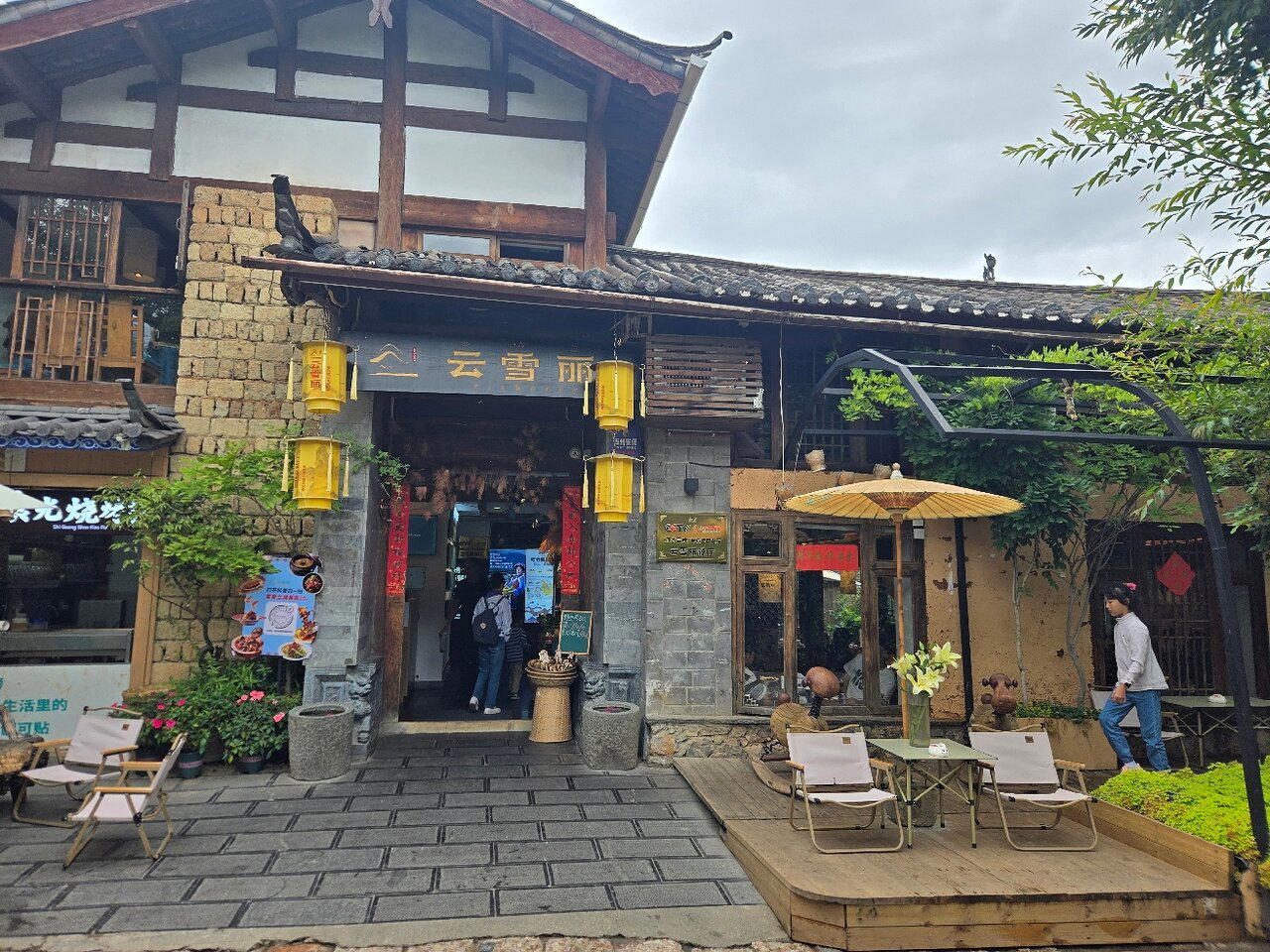
- Casual Hangout
- Family
- Historic Building
- Local Sourcing
- Street Scene
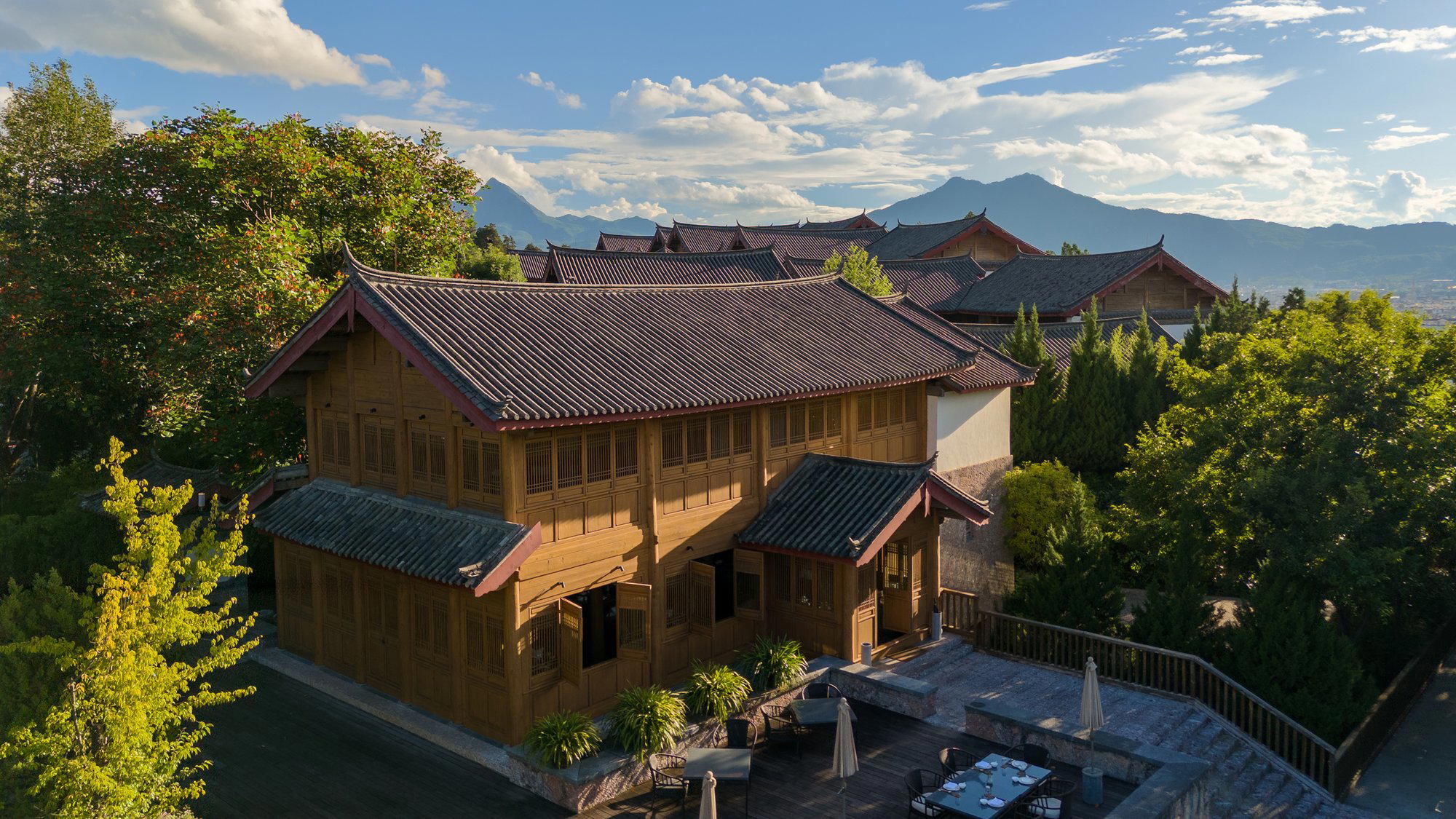
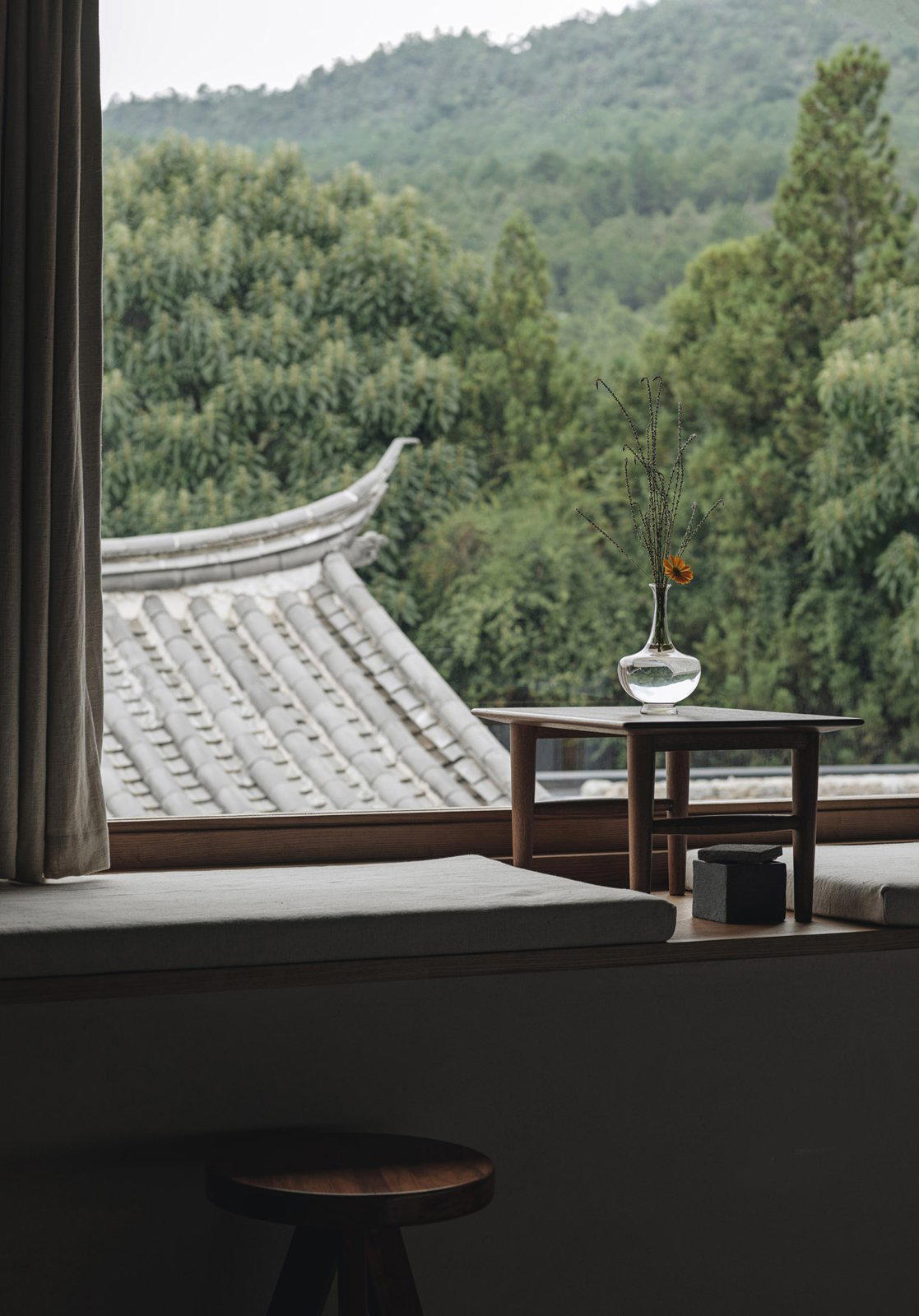
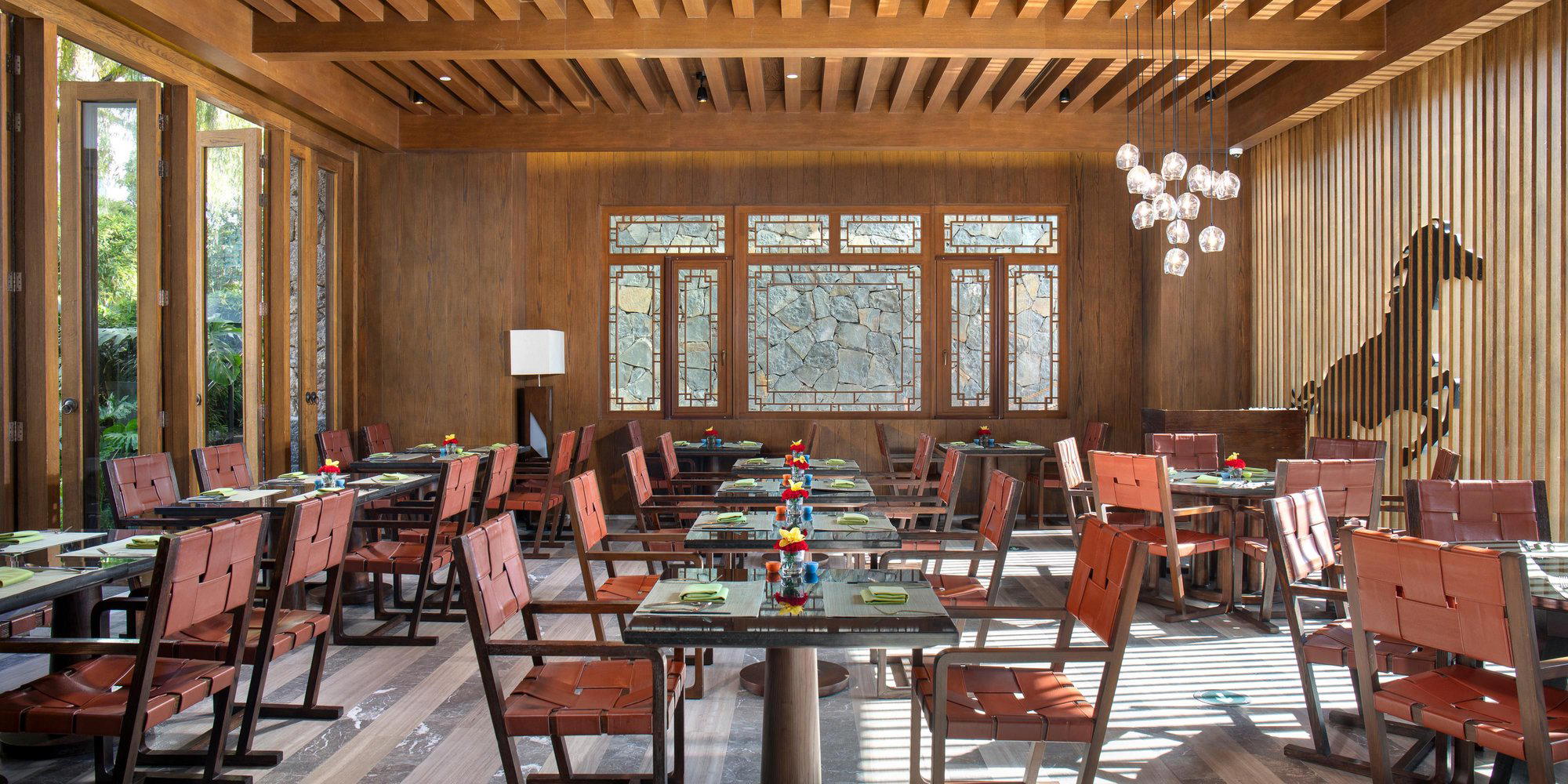
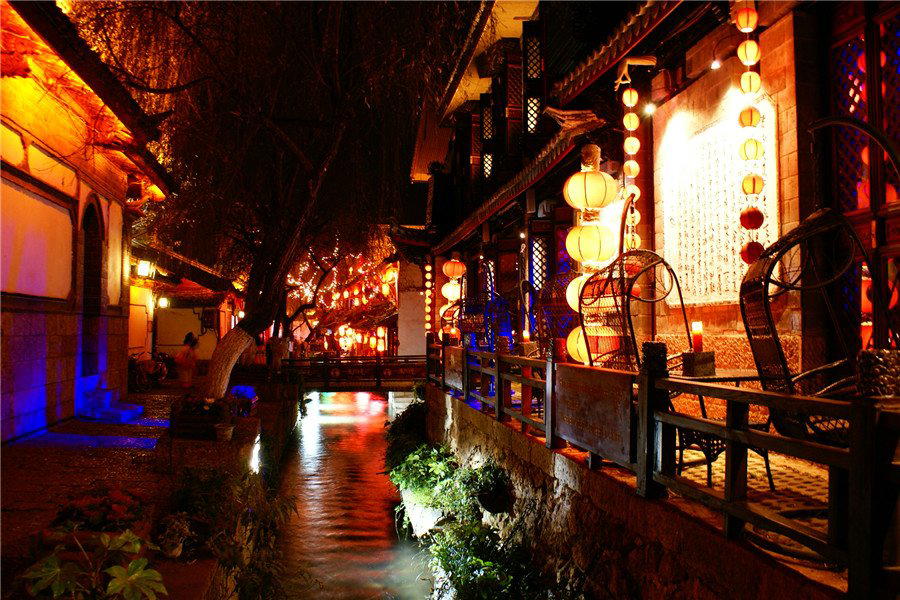
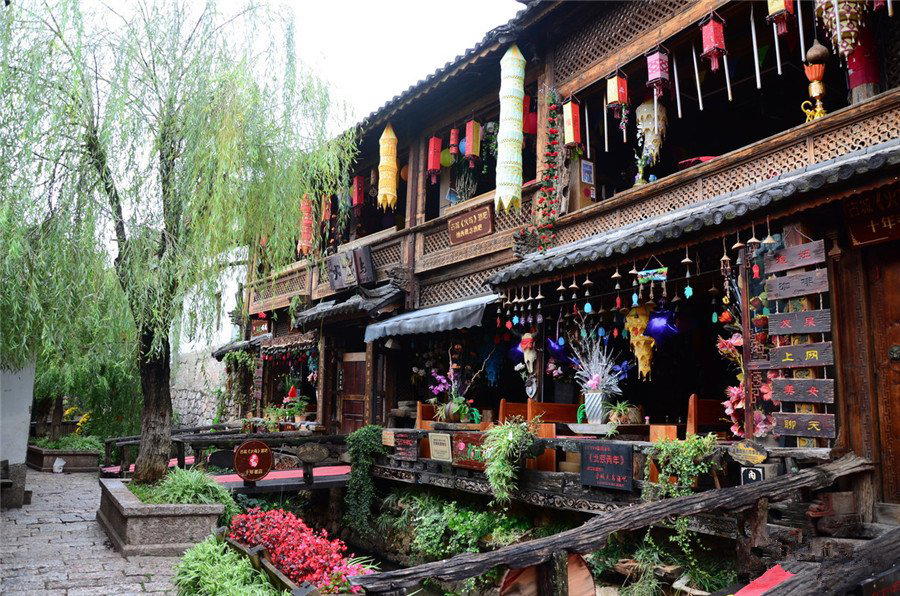
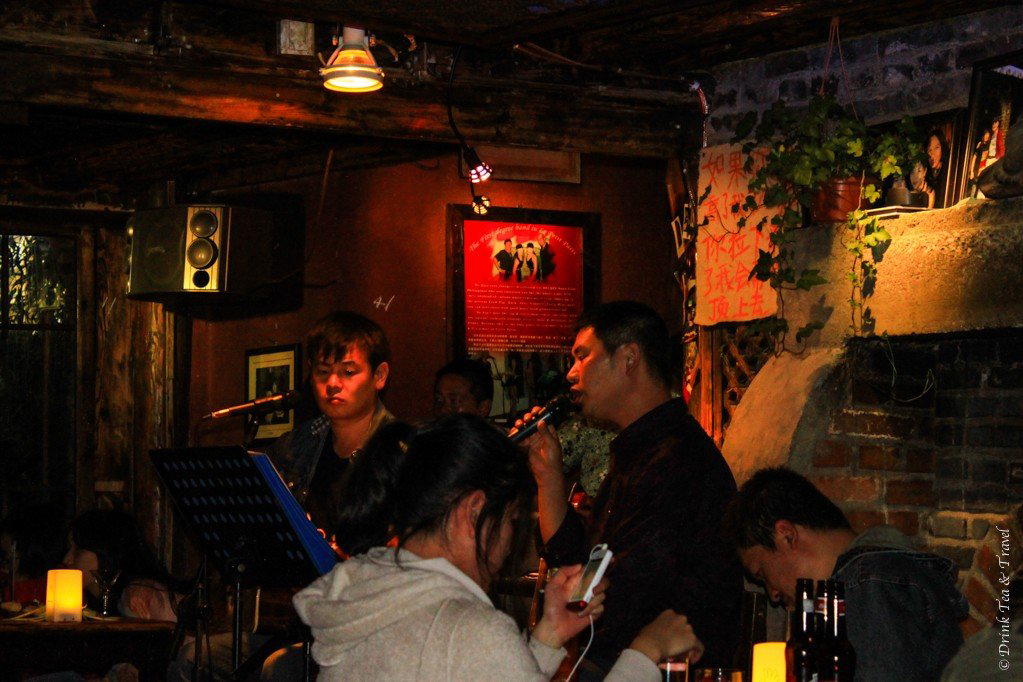
Cozy and traditional Naxi atmosphere in a small two-story venue located on a beautifully decorated street.