

Moliere occupies the ground floor of a residential building in Sapporo's Miyagaoka district, positioning it outside the city's central dining corridor and within a quieter, design-conscious tier of the local restaurant scene. The address places it alongside a comparable set that values considered space and deliberate format over visibility and volume. For Sapporo dining beyond the obvious, it represents a measured alternative to the city's better-known French and kaiseki establishments.
Pearl is the En Primeur Club membership app — saves, bookings, and concierge access live there. Same editors, same standards.
- Address
- Japan, 〒064-0959 Hokkaido, Sapporo, Chuo Ward, Miyagaoka, 2 Chome−1−1 ラファイエット宮ケ丘 1F
- Phone
- +81 11-631-3155
- Website
- sapporo-moliere.com
- Directions
- Get directions
 Saves & bookings on Pearl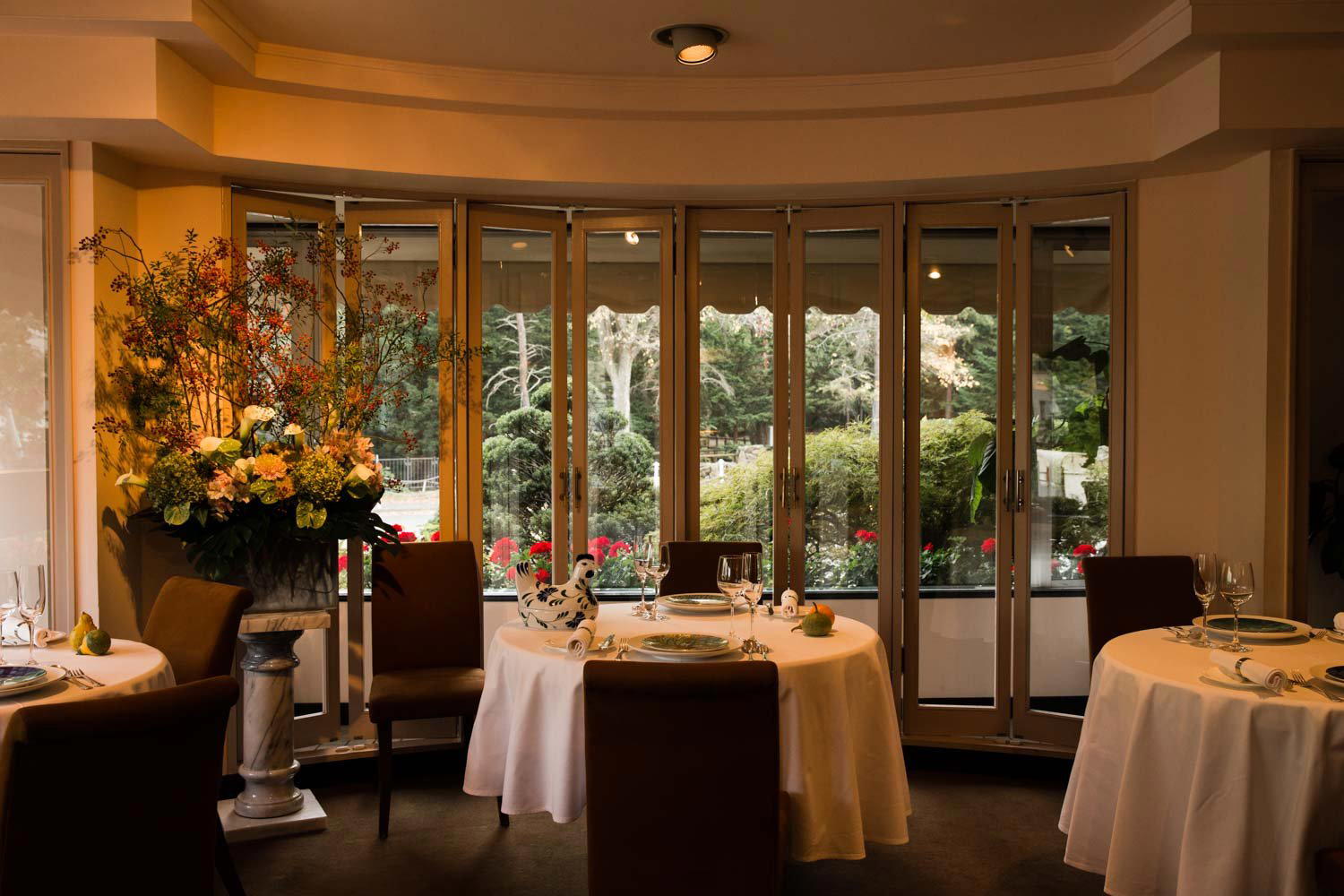
A Room at the Edge of the City
Sapporo's most discussed restaurants tend to cluster around Susukino and the Odori corridor, where foot traffic and visibility reinforce reputation. Miyagaoka, by contrast, is a residential district on the city's western slope, and a restaurant choosing that address is making a statement about its intended audience before anyone walks through the door. Moliere sits on the ground floor of a low-rise building called Lafayette Miyagaoka.
Restaurants that operate without the gravitational pull of a commercial district tend to rely on format, cooking quality, and physical environment to hold their audience. French technique has a sustained presence in Sapporo's premium dining scene, sitting alongside kaiseki as one of the city's two dominant frameworks for serious tasting menus. Venues like Hanakoji Sawada (Kaiseki) represent the Japanese tradition at the summit of that spectrum, while French-leaning establishments occupy a parallel tier, often drawing on Hokkaido's agricultural depth as their larder.
The Physical Container
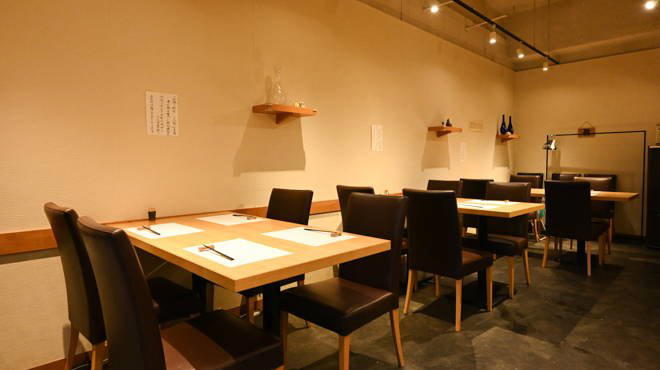
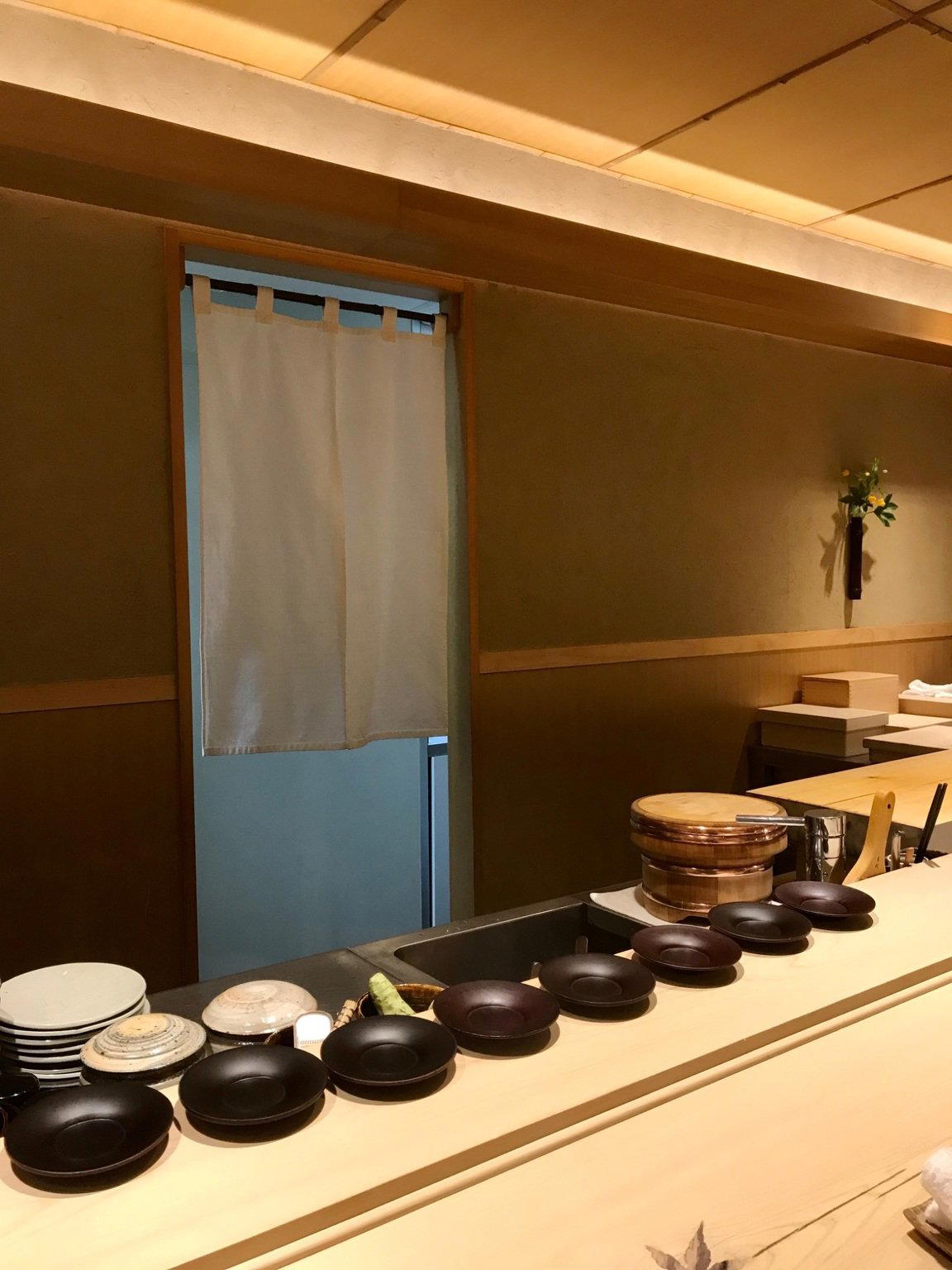
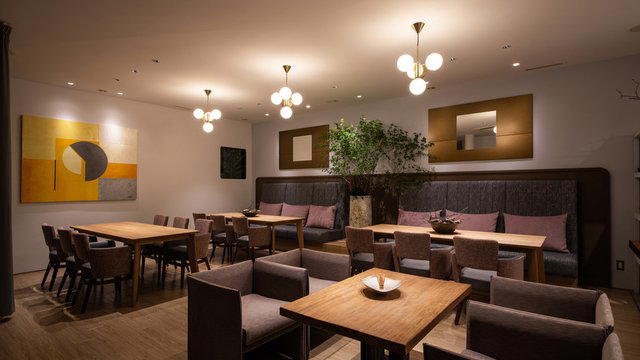
Ground-floor restaurant spaces within residential buildings have a particular spatial grammar in Japan. They are often compact, with ceilings constrained by the floor above, and they tend to work with that compression rather than against it. The result is an intimacy that larger purpose-built dining rooms can struggle to manufacture. At the address Moliere occupies, the surrounding residential character of Miyagaoka means the exterior approach is quiet, the street narrow by city-centre standards, and the transition from neighbourhood to dining room is abrupt in a way that heightens the sense of entering a distinct space.
In cities where premium dining increasingly competes on experience architecture as much as on plate, that spatial compression can become an asset. The shift is visible across Japan's serious restaurant tier: counters and small rooms have displaced the grand dining room as the preferred format for high-commitment meals. Arima (Sushi) in Sapporo operates within that counter-driven logic, as does aki nagao, where the physical scale of the room is itself part of the editorial proposition. Moliere's building-embedded format places it in a related conversation about how space shapes expectation.
Sapporo as a Dining City
Hokkaido's capital has built a credible reputation on the strength of its ingredient supply: Yubari melon, Rishiri kelp, local dairy, Hokkaido lamb, snow crab from the Sea of Japan and Okhotsk. That larder has drawn serious cooks to the city and given local restaurants a procurement advantage over counterparts in Tokyo or Osaka, where the same Hokkaido ingredients arrive with additional logistics and cost. The result is a dining scene where French and Japanese fine dining formats both perform above what a city of Sapporo's size might otherwise sustain.
That context matters when placing any serious Sapporo restaurant in a national frame. The city's leading tables are not operating in isolation from the wider Japanese fine dining conversation. Harutaka in Tokyo, HAJIME in Osaka, and Gion Sasaki in Kyoto each represent the ceiling of their respective city's category. Sapporo's equivalent tier, which includes venues like Higebozu and Hidetaka, is measured against the same national standard, not a regional one. A restaurant at Miyagaoka is entering that conversation by virtue of format and location choice alone, regardless of specific menu decisions.
Planning a Visit
Miyagaoka sits west of Sapporo's central station area, accessible by car or taxi from the city centre in under fifteen minutes depending on traffic. Advance reservation is essential; arriving without a booking can mean no table available. Visitors comparing options across Japan's western cities might also consider akordu in Nara, Goh in Fukuoka, or 1000 in Yokohama as part of a broader itinerary across Japan's serious dining circuit.
The Minimal Set
Comparable venues nearby, for context on price, style, and recognition.
| Venue | Cuisine | Price | Notes |
|---|---|---|---|
| MoliereThis venue — the venue you are viewing | Chūō, French with Hokkaido Influences | $$$$ | Not listed |
| La Sante | Not listed | $$$ | Chūō, Seasonal French using Hokkaido ingredients |
| 鮨こいせ | Chūō, Edomae-style Omakase Sushi | $$$$ | Not listed |
| L’Espérance | Chūō, Vegan French Fusion | $$$ | Not listed |
| Steak & Wine Ishizaki | Not listed | $$$$ | Chūō, Teppanyaki Wagyu Steakhouse with Wine Pairings |
| 月下翁 | Chūō, japanese | $$$$ | Not listed |
Recognition history
Dated appearances from independent guides and award organizations, with the underlying list record or original source where available.
Opinionated About Dining Top Restaurants in Japan Highly Recommended
Opinionated About Dining
Relais Chateaux Award
Relais Chateaux
Continue exploring
More in Sapporo
Restaurants in Sapporo
Browse all →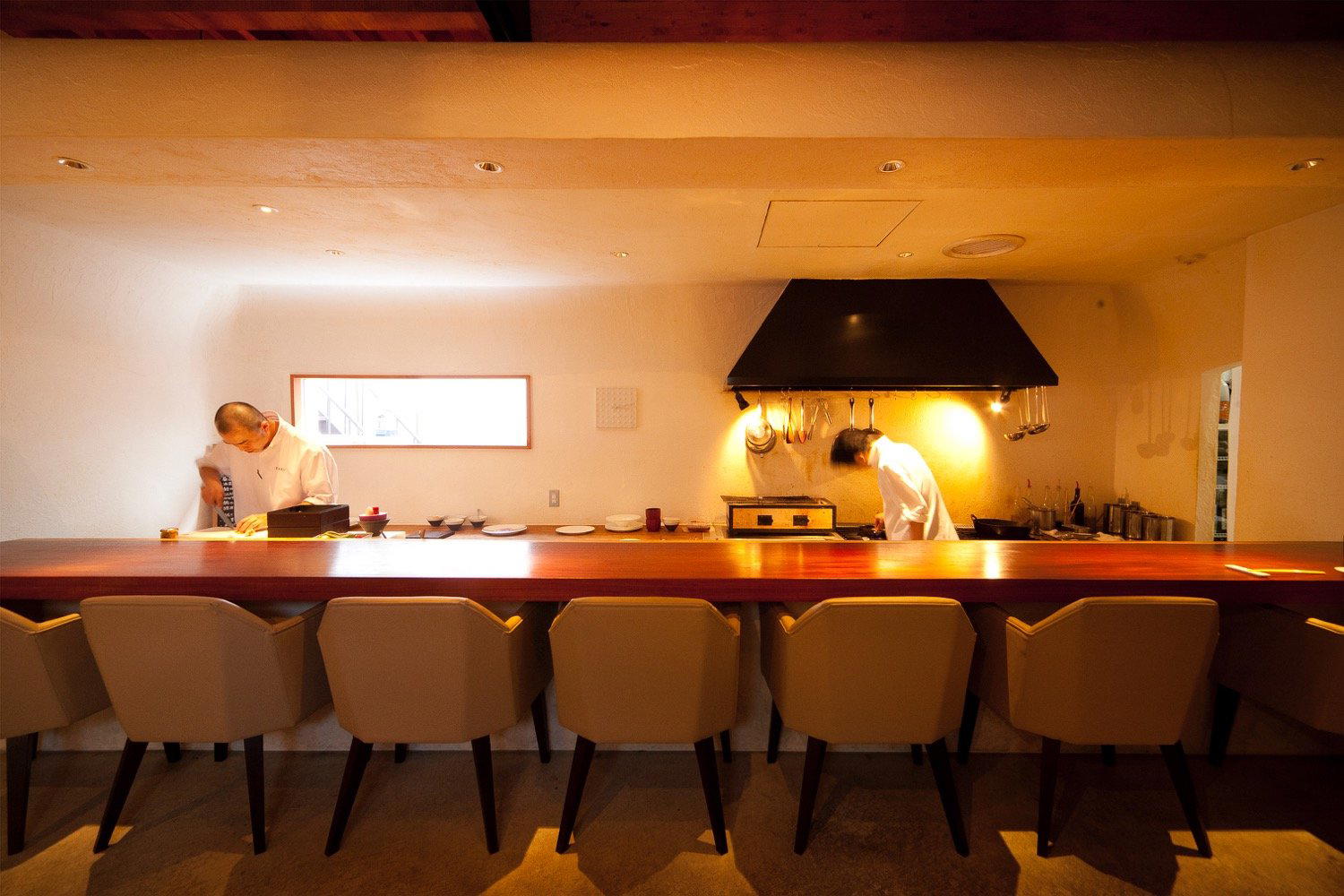
At a Glance
- Elegant
- Intimate
- Sophisticated
- Cozy
- Date Night
- Special Occasion
- Business Dinner
- Open Kitchen
- Garden
- Sake Program
- Local Sourcing
- Garden
Current opening hours
- Monday
- 11:30 AM–3 PM, 5:30–9 PM
- Tuesday
- Closed
- Wednesday
- Closed
- Thursday
- 11:30 AM–3 PM, 5:30–9 PM
- Friday
- 11:30 AM–3 PM, 5:30–9 PM
- Saturday
- 11:30 AM–3 PM, 5:30–9 PM
- Sunday
- 11:30 AM–3 PM, 5:30–9 PM
Hours can change for holidays and private events. Last verified .
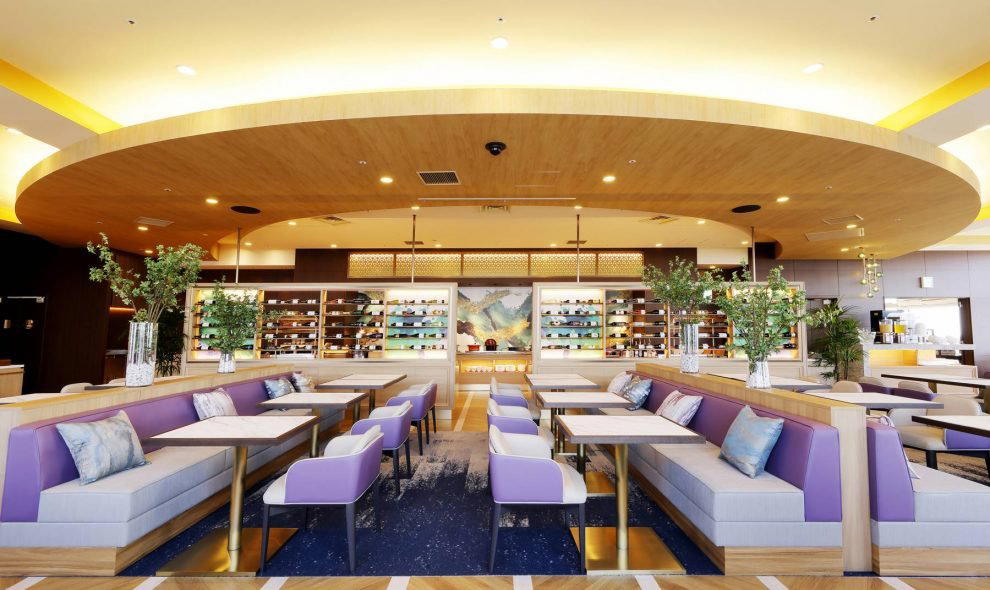
Light-filled dining room with large windows overlooking Maruyama Park garden, elegant and cozy atmosphere with seasonal motifs.