Barbazan
Barbazan sits on Nevsky Avenue, placing it inside Saint Petersburg’s central dining corridor rather than a destination-only restaurant district. With no public awards, chef, cuisine label, or price band attached, the useful read is contextual: judge it against the city’s ingredient-led bistro current, where provenance, seasonality, and restraint matter more than theatrical plating.
Pearl is the En Primeur Club membership app — saves, bookings, and concierge access live there. Same editors, same standards.
- Address
- Nevsky Ave, 49, St Petersburg, Russia, 191025
- Phone
- +7 812 322-50-00
- Website
- radisson.ru
- Directions
- Get directions
 Saves & bookings on Pearl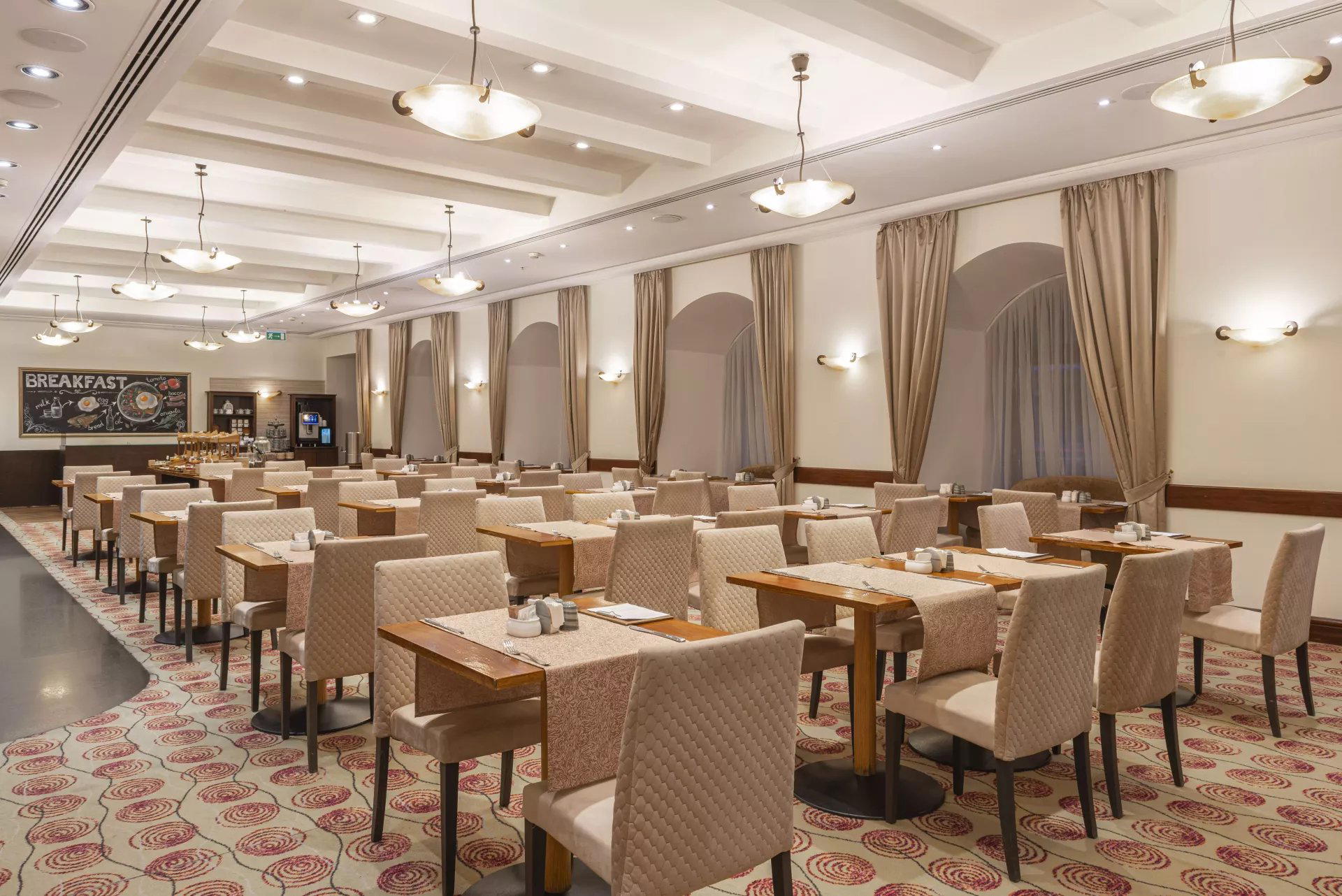
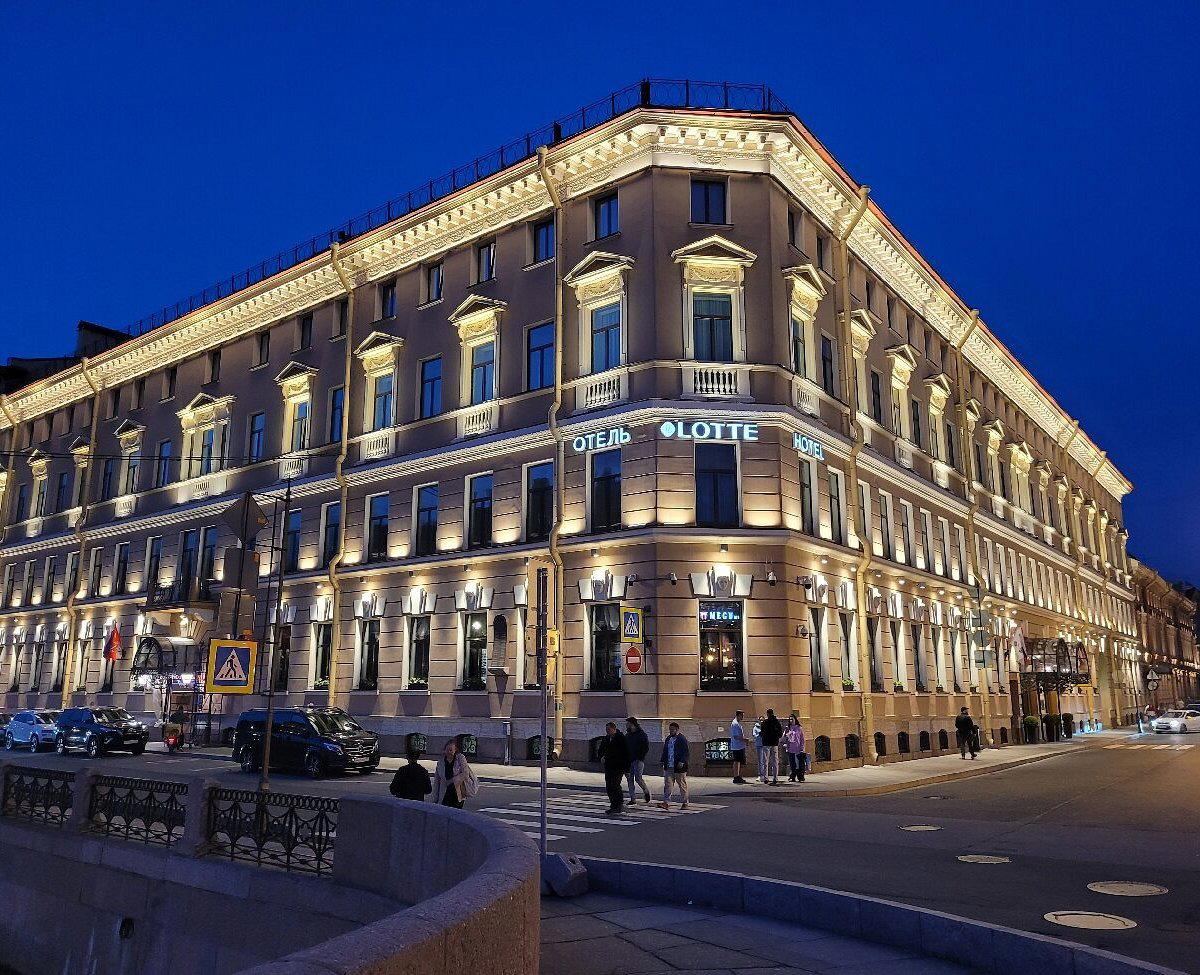
Nevsky Avenue changes register quickly: department-store frontage, hotel lobbies, late-night traffic, and restaurant rooms that have to compete with the city’s main promenade before a plate reaches the table. In that setting, Barbazan belongs to a central Saint Petersburg pattern where the room is part of the proposition. A restaurant on this stretch is not only feeding diners; it is absorbing the pace of the avenue and translating it into a format that can work for residents, hotel guests, and visitors moving through the historic core.
The sharper question is not whether the room has atmosphere, but what kind of kitchen can hold its ground here. Saint Petersburg dining has long been split between ceremonious Russian rooms, international comfort formats, and newer bistro cooking that treats sourcing as the argument. The ingredient-led lane is the more interesting one in 2026. It asks whether a kitchen can make sense of a northern city’s pantry without turning every menu into folklore: fish from cold waters, dairy and cultured elements, mushrooms, berries, roots, pickles, smoked notes, and grains that suit a climate with a short growing season and a long appetite for preservation.
Nevsky Avenue dining rewards kitchens with a clear sourcing point of view
Ingredient sourcing matters more in Saint Petersburg than casual visitors often expect. The city is not built around a Mediterranean market rhythm, and its strongest contemporary cooking usually comes from discipline rather than abundance. Menus in this bracket tend to succeed when they understand restraint: acidity used to cut richness, fermentation used for depth, and local or regional produce handled without museum-piece nostalgia. A restaurant in Barbazan’s position needs that clarity because the central location brings a mixed audience. The plate has to be legible to a first-time visitor and credible to someone who already knows the difference between a generic “Russian” menu and a kitchen working with northern ingredients in a current idiom.
That distinction also explains why Saint Petersburg’s dining map cannot be read only through old grandeur. Palkin and Imperial Restaurant represent the city’s more formal historical register, where Russian dining is tied to ritual, roomcraft, and a sense of occasion. Little Sicily and Social Club point in other directions, toward international ease and social dining. Barbazan sits in the middle of that conversation: central, contemporary, and better assessed through what its sourcing priorities imply than through a single cuisine label.
For travellers building a food itinerary, the comparison should be functional rather than hierarchical. 1913 and Astoria Cafe make sense when the day is shaped around hotel-district polish. BeefZavod answers a different craving, with meat and industrial energy doing the heavy lifting. Bellevue is the name to weigh when view and setting are central to the plan. Birch (Gastro-bistro) and Birch in St. Petersburg belong to the city’s more contemporary restaurant conversation. Barbazan is better used as a Nevsky Avenue anchor, particularly when the brief is centrality plus a kitchen that should be read through product and season rather than spectacle.
The city's northern pantry is the more useful lens than cuisine labels
Saint Petersburg’s geography gives its restaurants a different set of strengths from Moscow’s capital-driven dining scene or the southern Russian table. The Baltic climate, access to northern fish routes, and long preservation traditions create a cuisine culture where texture, acidity, smoke, and temperature matter. That does not mean every serious restaurant needs to perform heritage cooking. In fact, the better modern rooms often do the opposite: they use the region’s logic while avoiding costume drama.
That is the frame through which Barbazan is worth reading. Without public awards or a named chef attached, the trust signal is contextual rather than trophy-based: address, neighbourhood, and the demands of operating on Saint Petersburg’s primary avenue. A central restaurant here has to survive comparison with hotel dining, heritage Russian rooms, and compact modern kitchens that attract informed locals. Ingredient sourcing becomes the sorting mechanism. If the menu leans into northern produce with restraint, it belongs to the more serious bistro current; if it relies on generic international shorthand, it becomes another Nevsky convenience stop. The distinction is visible across the city’s stronger tables, where provenance and editing increasingly matter more than luxury cues.
Travellers comparing Russian dining beyond Saint Petersburg will find the same sourcing question expressed differently. "Fusion" Restaurant in Krasnogorsk, Acapella Restaurant in Moscow, Adzhikinezhal' in Novosibirsk, Alanskaya Kukhnya in Krasnodar, and BEEFSTROGANOFF GRILL in Yekaterinburg each sit in regions with different product identities and dining expectations. Saint Petersburg’s advantage is not abundance alone; it is the tension between imperial dining memory, northern restraint, and a younger appetite for smaller, sharper restaurant formats.
How to place Barbazan in a Saint Petersburg itinerary
Use Barbazan as a central restaurant decision, not a trophy reservation. Its Nevsky Avenue position makes it practical when the day is already built around museums, hotels, shopping streets, or late-evening movement through the historic core. For a broader read on the city, pair it with the full Saint Petersburg dining map rather than treating one meal as definitive: Our full Saint Petersburg restaurants guide gives the restaurant context, while Our full Saint Petersburg hotels guide, Our full Saint Petersburg bars guide, Our full Saint Petersburg wineries guide, and Our full Saint Petersburg experiences guide help shape the rest of the trip.
The wider lesson is that Saint Petersburg dining rewards sequencing. A formal Russian room tells one story; a hotel cafe tells another; a contemporary bistro on Nevsky has to prove itself through editing, sourcing, and usefulness. For travellers extending the itinerary outside Russia, the contrast with compact Japanese-leaning formats such as Jōdo Saké Bar in Los Angeles and Onigiri Time in Pasadena is instructive: those places narrow the brief around a specific drinking or snack culture, while Saint Petersburg’s central restaurants often carry a broader civic role. Barbazan’s value sits there, in the pressure of location and the expectation that a modern kitchen should express where it is without turning the meal into a history lesson.
In Context: Similar Options
Comparable venues by cuisine and price in the same metro.
| Venue | Cuisine | Price |
|---|---|---|
| Barbazan | This venue | Not listed |
| Palkin | Russian | Russian |
| пробка - Probka | Russian Cuisine | Russian Cuisine |
Continue exploring
More in Saint Petersburg
Restaurants in Saint Petersburg
Browse all →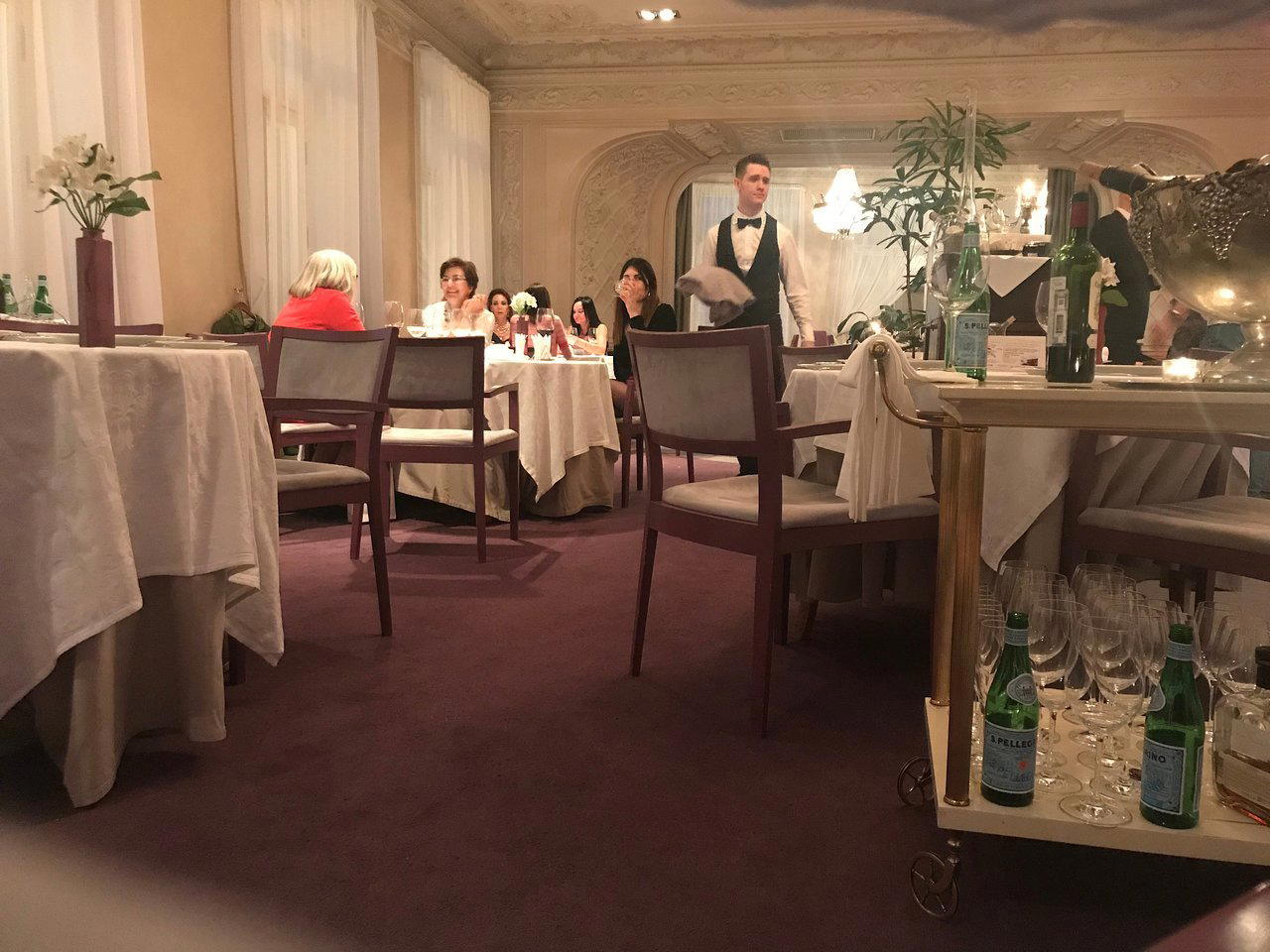
Bars in Saint Petersburg
Browse all →

Hotels in Saint Petersburg
Browse all →
At a Glance
- Elegant
- Classic
- Sophisticated
- Cozy
- Business Dinner
- Group Dining
- Family
- Celebration
- Brunch
- Hotel Restaurant
- Wine Cellar
- Extensive Wine List
- Sommelier Led
- Local Sourcing
- Street Scene
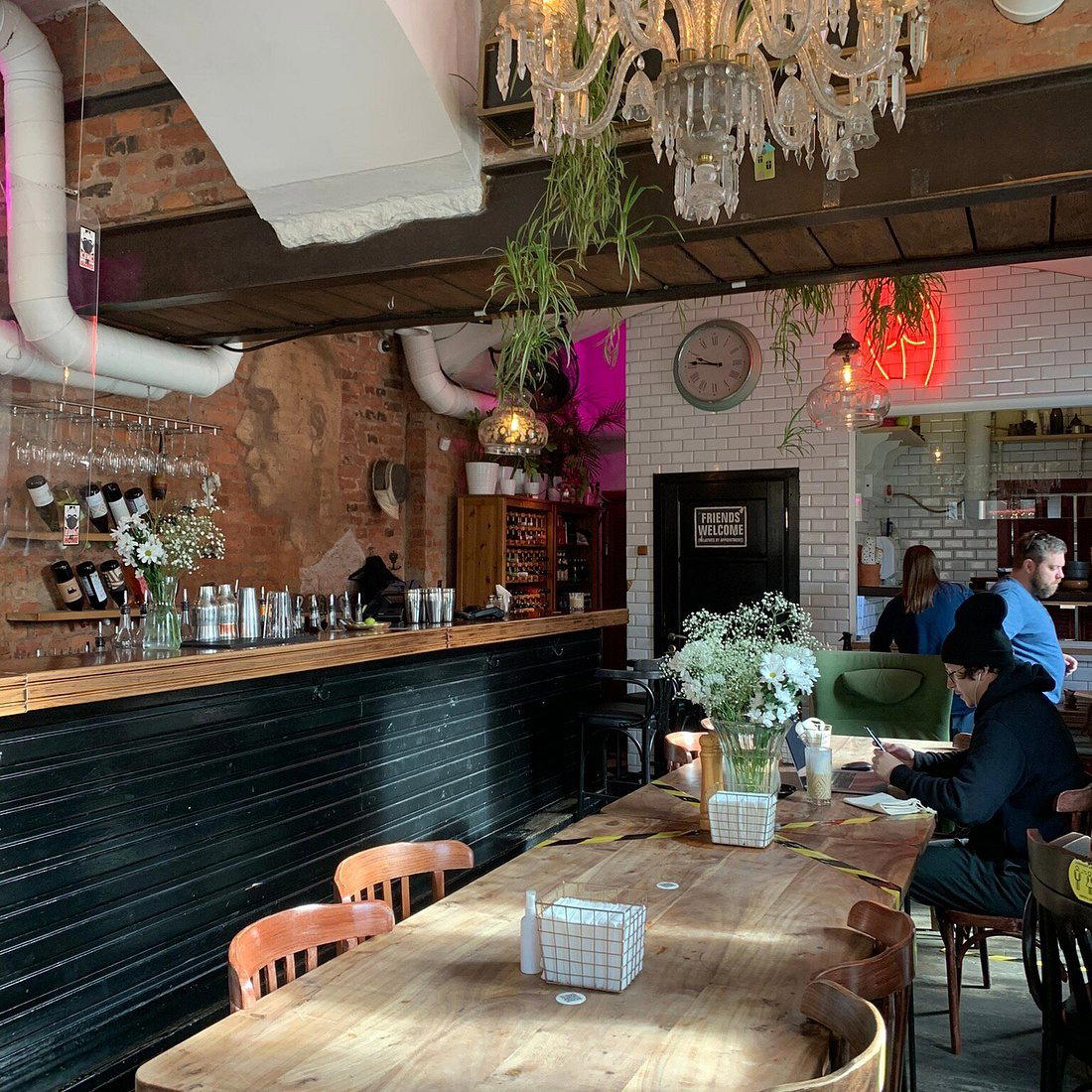
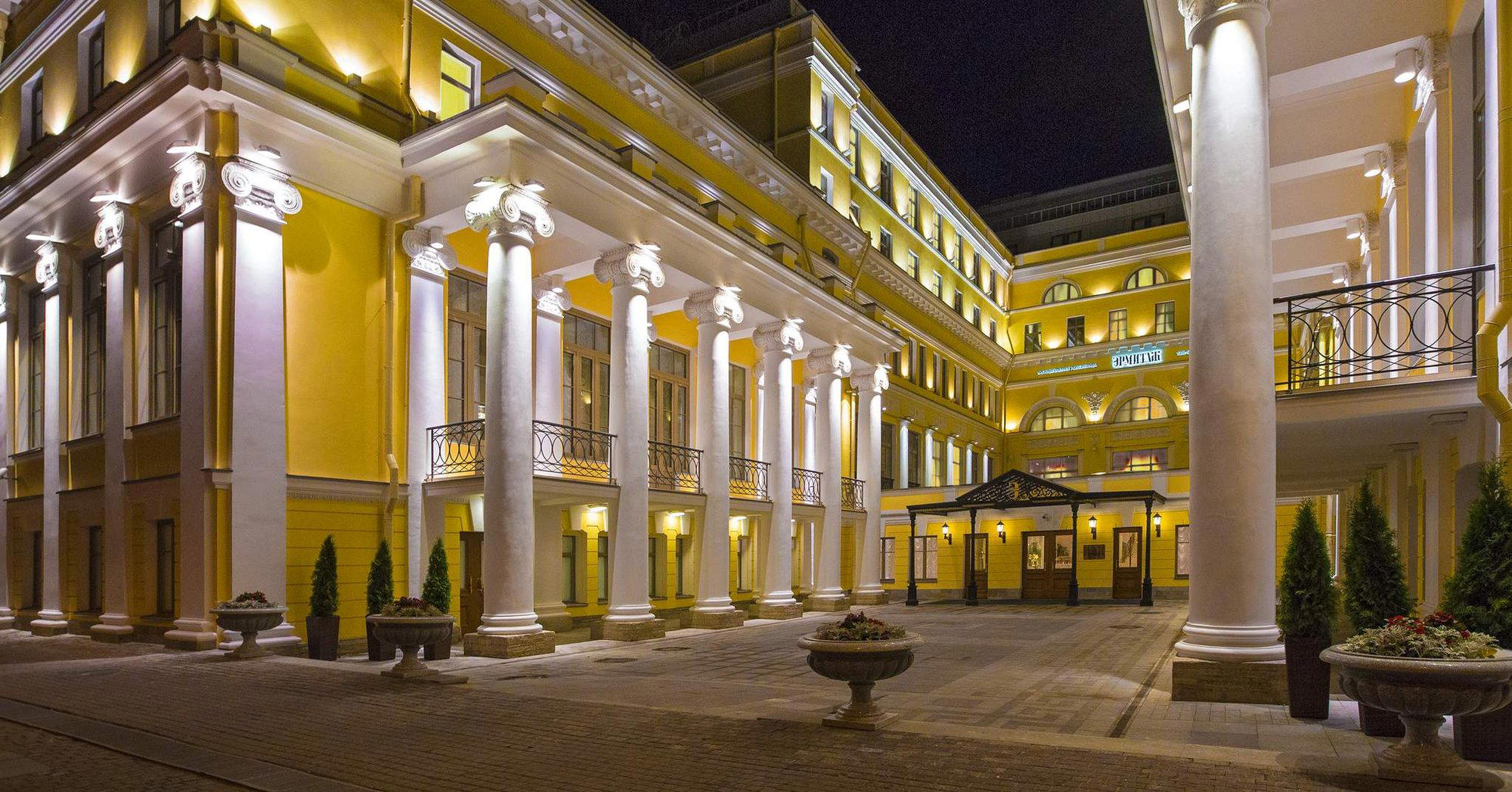
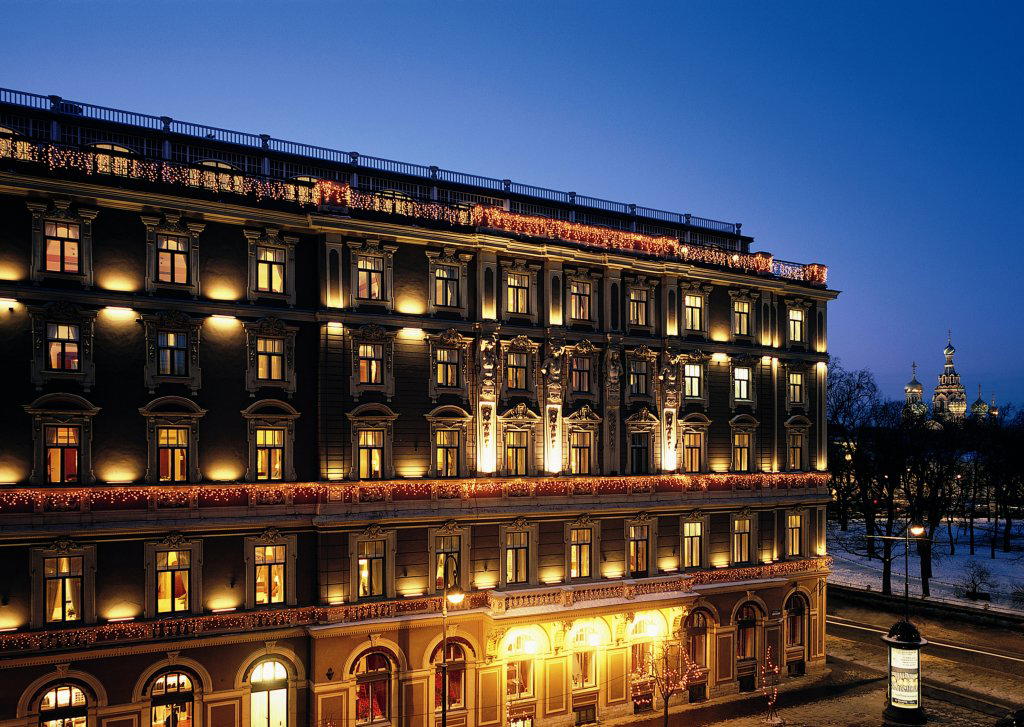
Refined and atmospheric, with Italian chandeliers, greenery, contemporary artwork, and a long banquet-hall layout; sources also describe restful olive-green tones and a glass-walled wine cellar, with live guitar music in the evenings.