Yakiniku Masachan operates in Nishinari Ward, one of Osaka's most working-class and least tourism-facing neighbourhoods, where the yakiniku tradition runs on proximity and repetition rather than ceremony. The restaurant sits within a local dining culture that prioritises daily use over occasion dining, placing it in a different register from the city's more decorated grill rooms.
Pearl is the En Primeur Club membership app — saves, bookings, and concierge access live there. Same editors, same standards.
- Address
- 3 Chome-8-21 Tsurumibashi, Nishinari Ward, Osaka, 557-0031, Japan
- Phone
- +81665620273
- Directions
- Get directions
 Saves & bookings on Pearl
Nishinari and the Yakiniku Counter That Doesn't Court the City Centre
Osaka's yakiniku scene divides along a clear fault line. The restaurants that appear in international guides and hotel concierge recommendations are concentrated in Namba, Shinsaibashi, and the denser commercial corridors of Chuo Ward. South of that, in Nishinari, a ward more associated with day labourers, long-term local residents, and a certain civic frankness that the tourist belt lacks, the grill culture operates on different terms. Here, the measure of a yakiniku restaurant is not its wagyu grade or its sake list; it is whether the same people come back every week. Yakiniku Masachan, a restaurant in Osaka's Nishinari Ward at 3 Chome-8-21 Tsurumibashi, serves traditional yakiniku and horumon at a casual, appointment-only counter.
Nishinari's dining rooms tend to be small, utilitarian, and built around repeat custom. The ward's isolation from the main tourist flows has preserved a kind of restaurant that the central wards have largely lost: places whose economics depend on neighbourhood loyalty rather than discovery traffic. That model shapes everything about how such restaurants operate, from portion logic to pricing to the way staff calibrate hospitality. It is a register that visitors from outside Osaka often misread as informal when it is, in fact, highly practiced.
Yakiniku's Position in Osaka's Broader Grill Tradition
Japan's yakiniku tradition has Korean roots, the word itself is a Japanese rendering of Korean barbecue practice, formalised into a distinct Japanese dining category during the postwar decades. Osaka, with one of Japan's largest Zainichi Korean communities historically concentrated in areas including Ikuno Ward to the east, developed a particularly dense yakiniku culture that predates the cuisine's fashionable reinterpretation in Tokyo's upscale districts. The city's older grill rooms carry that history in their menus and atmosphere without necessarily advertising it.
That context matters when positioning a restaurant like Yakiniku Masachan. Nishinari's proximity to Ikuno and its working-class character place it within the older, less decorated strand of Osaka yakiniku, the version that existed before the category acquired Michelin attention and premium wagyu marketing. Venues like HAJIME in Osaka represent the city's haute-cuisine trajectory; Nishinari yakiniku represents something older and considerably less mediated. Both are Osaka, but they describe entirely different relationships between food and occasion.
The Sustainability Argument for Neighbourhood Grill Culture
The sustainability conversation in Japanese dining tends to focus on the obvious targets: tuna stocks, the carbon footprint of luxury ingredient logistics, the waste embedded in lengthy tasting menus. What that conversation often misses is the structural efficiency of the neighbourhood restaurant model. A yakiniku restaurant in Nishinari that serves the same ward residents several times a week operates with a supply logic quite different from destination restaurants sourcing to impress infrequent visitors.
Regulars create predictable demand. Predictable demand reduces over-ordering. Reduced over-ordering cuts food waste at the source rather than at the plate. This is not a formal sustainability programme, it is the organic result of a business model built on locality and repetition. The grill format itself is relevant here too: yakiniku's portion-by-portion cooking rhythm means diners cook only what they will eat, in real time, at the table. Waste is structurally harder to accumulate than in kitchen-plated formats where dishes are prepared in advance and return partly consumed.
Ajikitcho Bunbuan and Calendrier operate at a level where ingredient sourcing involves long-distance logistics and seasonal luxury procurement. But it does mean that the environmental calculus of a Nishinari neighbourhood yakiniku room and a Michelin-starred kaiseki counter are genuinely different, and the neighbourhood model carries efficiencies that rarely get named.
Ethical sourcing at this tier looks different from the farm-provenance narratives that appear in high-end menus. In working-class grill culture, the relationship with suppliers is typically long-standing and local by necessity: small-volume buyers in peripheral wards often source from regional wholesalers rather than the premium supplier networks available to central restaurants. That proximity carries its own accountability, even without the language of sustainability attached to it.
How Nishinari Compares to Osaka's Other Dining Districts
Visitors who have spent time in Osaka's central dining districts and then move into Nishinari notice the shift in atmosphere immediately. The density of neon, the tourist-facing signage, the menu boards in multiple languages, all of that recedes. What replaces it is quieter and more functional. The restaurants here are not performing hospitality for first-time visitors; they are delivering it to people who already know what they want.
That distinction matters for the kind of experience a visitor should expect. Ajihei Sonezaki, Aka to Shiro, and Az represent Osaka dining that has been shaped, at least in part, by outside attention and critical recognition. A Nishinari yakiniku room has not been shaped by that attention and has no particular interest in acquiring it. The experience is calibrated entirely for its existing audience. Visitors who understand that frame tend to find it rewarding; those expecting the hospitality conventions of a destination restaurant will find the register unfamiliar.
Planning a Visit
Yakiniku Masachan is located at 3 Chome-8-21 Tsurumibashi in Nishinari Ward, reachable from central Osaka via the Osaka Metro Sakaisuji Line to Tanimachi Kyuchome or by surface transport south from Namba. The ward is not on most visitor itineraries, which means the restaurant operates without a tourist buffer; Japanese language ability or a willingness to communicate through gesture and pointing will be useful. The restaurant is appointment only, with casual dress appropriate. Hours are Tuesday through Saturday from 5 to 11 PM, with Monday and Sunday closed. Expect about $50 per person.
Booking and Cost Snapshot
Comparable venues nearby, for context on price, style, and recognition.
| Venue | Cuisine | Price | Notes |
|---|---|---|---|
| Yakiniku MasachanThis venue — the venue you are viewing | Not listed | $$ | Not listed |
| Yakiniku Rikimaru Sennichimae | Chūō, All-You-Can-Eat Yakiniku | $$ | Not listed |
| 鮨 Shizuku | Not listed | $$ | Chūō, Casual Japanese with Seasonal Osaka Flavors |
| Moeyo Mensuke Ramen | Fukushima, Duck & Shellfish Ramen | $$ | Not listed |
| 料理屋 稲家 | Kita, Japanese Restaurant | Not listed | Not listed |
| ä¼è¦çº æ «å±± | Chūō, Traditional Japanese Restaurant | Not listed | Not listed |
Continue exploring
More in Osaka
Restaurants in Osaka
Browse all →




Bars in Osaka
Browse all →

Hotels in Osaka
Browse all →




Wineries in Osaka
Browse all →
At a Glance
- Cozy
- Classic
- Intimate
- Group Dining
- Casual Hangout
- Special Occasion
- Chefs Counter
- Open Kitchen
Current opening hours
- Monday
- Closed
- Tuesday
- 5–11 PM
- Wednesday
- 5–11 PM
- Thursday
- 5–11 PM
- Friday
- 5–11 PM
- Saturday
- 5–11 PM
- Sunday
- Closed
Hours can change for holidays and private events. Last verified .
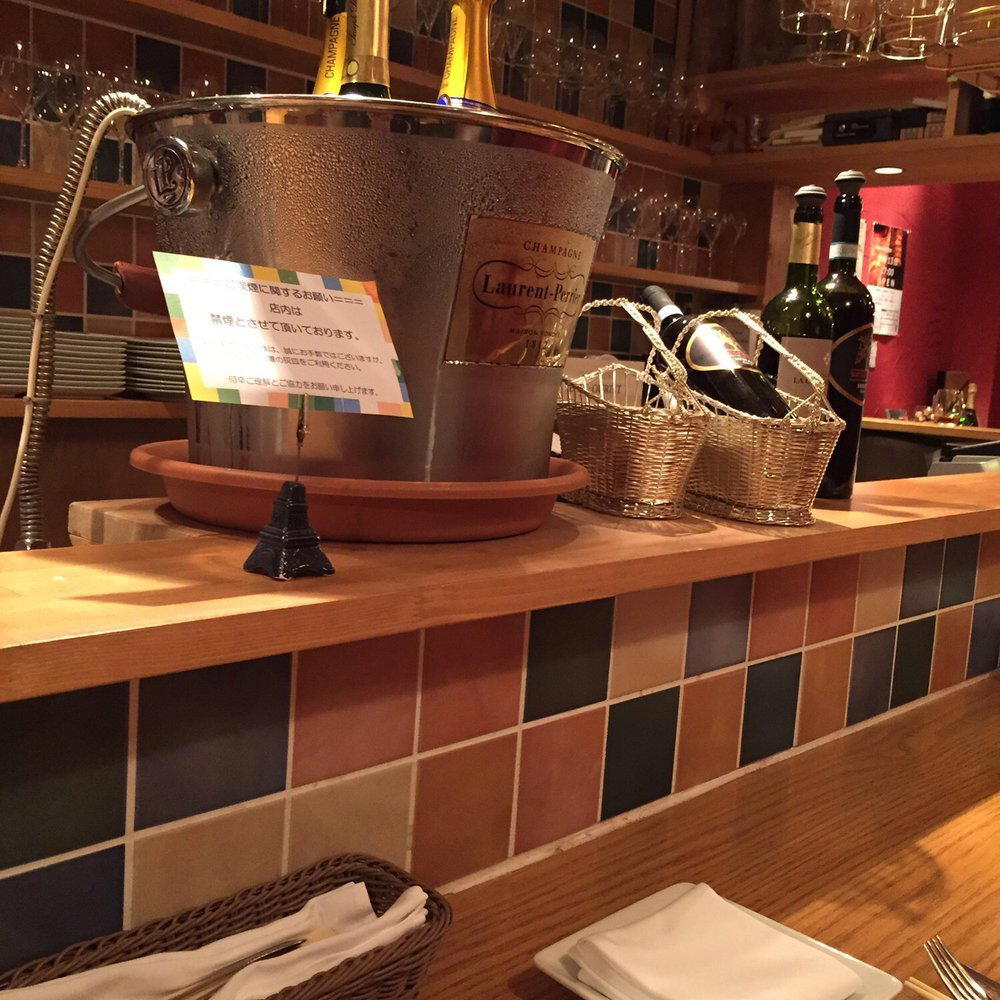
Cozy, home-like atmosphere with counter seating and a smoky, traditional Japanese izakaya feel. Intimate setting with wooden accents and an open, welcoming space despite its exclusivity.