Our verdict
素食小土窯烤餐, located on Lixing Road in Taoyuan District, sits within a regional dining scene increasingly shaped by locally sourced, plant-forward cooking traditions. The restaurant's name signals a wood-fired or earthen-oven approach to vegetarian cuisine, placing it alongside a small cohort of Taiwanese eateries that treat heat source and ingredient provenance as the central cooking argument. Visitors travelling from Taipei or Taichung will find it a considered stop in northern Taiwan's quieter dining circuit.

Pearl is the En Primeur Club membership app, where members save venues, book tables and use the concierge.
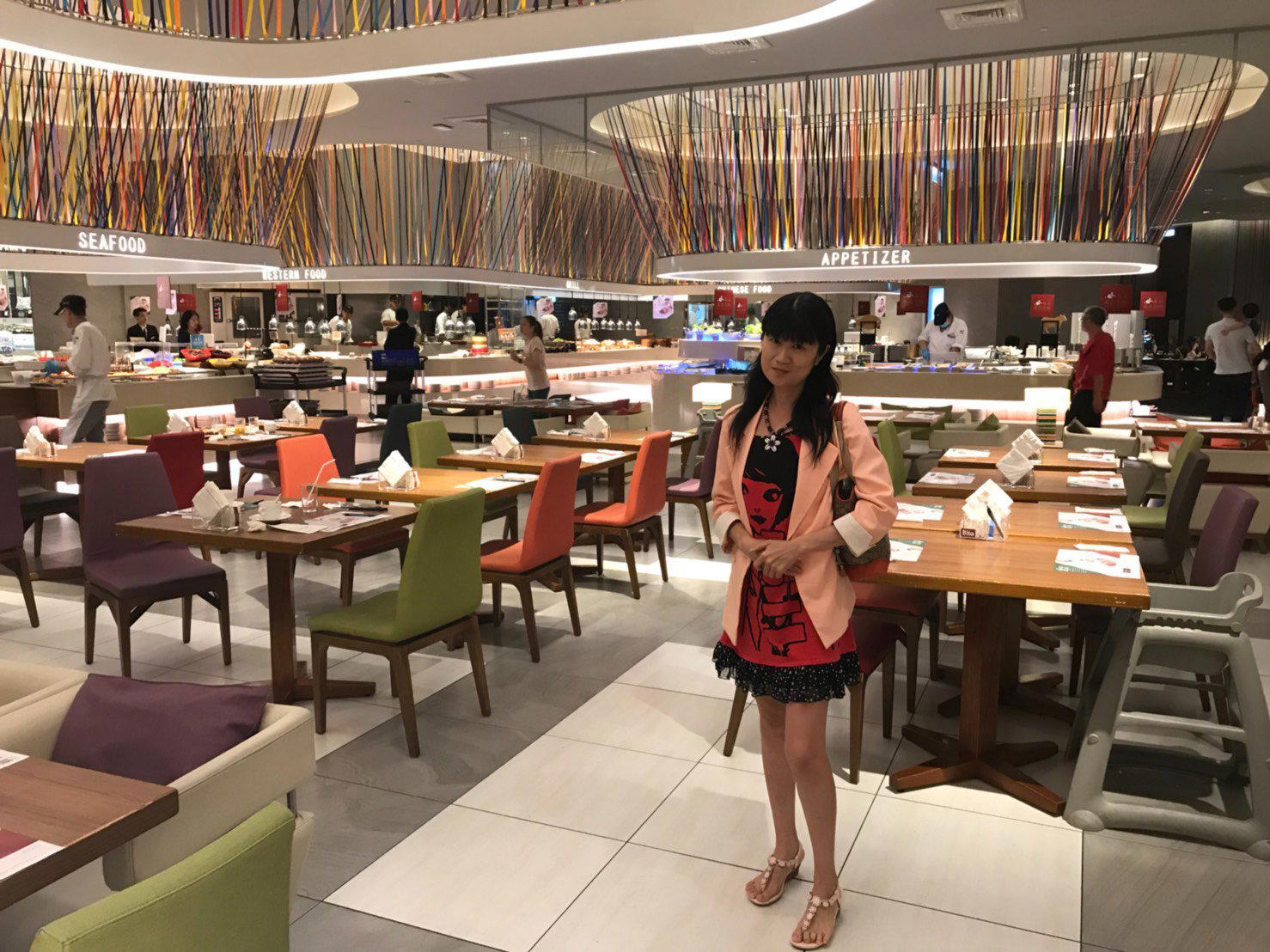
Earthen Heat and Vegetable Provenance: Taoyuan's Quieter Dining Argument
Taoyuan District occupies an unusual position in Taiwan's dining geography. Sandwiched between the density of Taipei's restaurant culture to the north and the more self-consciously destination-driven scenes of Taichung and Tainan to the south, it functions as a transit zone that most food-focused travellers pass through rather than stop in. That pattern is worth questioning. A smaller cohort of restaurants along Lixing Road and the surrounding residential corridors operates at a register closer to neighbourhood institution than tourist destination, and 素食小土窯烤餐 sits within that cohort. Its name, combining 素食 (vegetarian), 小土窯 (small earthen kiln or clay oven), and 烤餐 (roasted meal), signals a cooking approach that puts heat source and raw material at the centre of the argument, which is a different proposition from the Taipei fine-dining circuit or the Michelin-chasing kitchens further south.
The Logic of the Clay Oven in Taiwanese Vegetarian Cooking
Taiwan's vegetarian restaurant tradition is broader and more varied than its international reputation suggests. Buddhist-influenced 素食 culture has produced everything from temple canteen cooking to inventive plant-based menus at addresses like logy in Taipei, where modern European technique and Asian ingredient sourcing intersect. The earthen kiln format, using retained radiant heat rather than direct flame or gas, sits in a distinct subcategory. It draws from a rural cooking tradition in which the oven itself shapes what can and cannot be cooked: slower, more even heat transfer favours root vegetables, dense gourds, fermented grain preparations, and bread-adjacent doughs rather than quick-sear protein cookery. The constraint becomes the cuisine's character.
In that sense, 素食小土窯烤餐's format aligns more closely with the logic of wood-fired restaurants globally than with the typical Taiwanese buffet-style 素食 operation. Where the latter tends toward abundance and variety, the kiln approach implies a shorter, more ingredient-specific menu. The discipline of working within a single heat source forces attention to provenance: if the oven does most of the editorial work, what goes into it matters proportionally more. That is the sourcing argument the restaurant's name makes, even before a dish is served.
Northern Taiwan's Ingredient Geography
Taoyuan sits at an elevation and latitude that gives it access to both coastal lowland produce and the foothills of the central mountain range. The agricultural corridor running from Taoyuan toward Hsinchu, where Bebu in Hsinchu County has built a reputation around regional ingredient specificity, and further along toward Miaoli supports sweet potato cultivation, taro, pumpkin varieties, and winter greens that perform well under retained-heat cooking. This is not the same ingredient vocabulary as the southern plains around Tainan, where Amei draws on a different regional larder, nor the mountain-foraged sourcing argument that defines restaurants like Akame in Wutai Township and AKAME in Neipu.
Northern Taiwan's vegetable geography tends toward starchy, cold-tolerant crops in autumn and winter, and more delicate leafy production in spring. A kitchen built around a clay kiln and a vegetarian sourcing philosophy would logically follow that seasonal rhythm, working with what holds up structurally under radiant heat rather than forcing produce into a format that doesn't suit it. The question of when to visit matters accordingly: the transition months of October through December and March through May typically align leading with the crop cycles that suit this cooking method.
Placing 素食小土窯烤餐 in the Regional Dining Picture
Taiwan's most discussed fine-dining addresses, JL Studio in Taichung, with its modern Singaporean frame, or GEN in Kaohsiung, occupy a different tier and competitive set from a neighbourhood kiln restaurant in Taoyuan District. That comparison is not a slight; it clarifies the category. 素食小土窯烤餐 operates at the register of local specialist rather than destination fine dining, and should be evaluated against that peer group. In that tier, the relevant questions are consistency of sourcing, the technical discipline of the kiln itself, and whether the menu composition shows genuine understanding of what retained-heat cooking does differently from conventional kitchen methods.
For travellers already passing through Taoyuan, whether connecting through Taiwan Taoyuan International Airport or using the district as a base for day trips into the northern foothills, the restaurant on Lixing Road represents a coherent stop rather than a detour. Those seeking the broader northern Taiwan dining picture should also consider Chi Yuan in New Taipei and the seafood-led operation at åéæµ·é®®å°é¤¨ in Gongliao District for a fuller sense of the region's range. Our full Taoyuan District restaurants guide maps these options by neighbourhood and format.
For context on how earthen-oven and open-fire approaches are handled at the fine-dining level internationally, Lazy Bear in San Francisco offers a useful comparison point: a kitchen that treats the cooking vessel and heat source as the primary editorial statement, with sourcing provenance narrated explicitly to guests. The format logic, if not the price point, is recognisably similar.
Planning a Visit
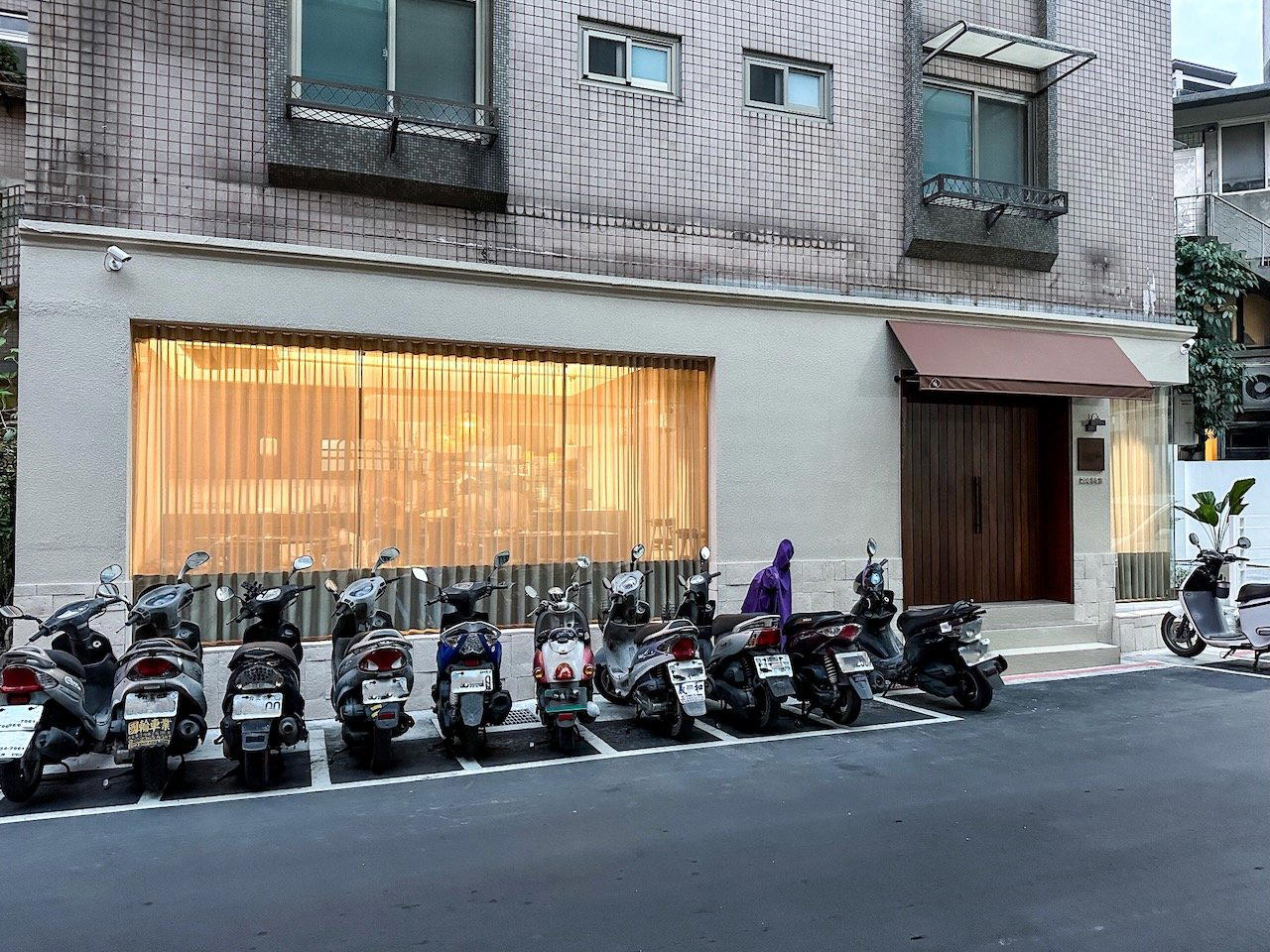
素食小土窯烤餐 is located at No. 658巷, Lixing Road, Taoyuan District, a residential address that sits away from the district's main commercial corridors, making a map application or pre-saved route advisable before travelling. Given the format implied by the name, a small-capacity, kiln-based operation, calling ahead or visiting in person to confirm availability is a reasonable precaution, particularly for groups larger than two or three. Comparable specialist restaurants in this category across Taiwan, such as Dongmen Rice Noodle Soup in Hsinchu City and Shen Yen in Yilan, tend to operate with limited seating and informal reservation systems, and this restaurant likely falls within that pattern.
Frequently asked questions
Is 素食小土窯烤餐 child-friendly?
The residential setting on Lixing Road, Taoyuan District, away from the district's main commercial corridors, suggests a quieter, lower-footfall environment that tends to suit families. The vegetarian format also means the menu avoids meat, which some parents find practical for younger diners.
What part of town is ç´ çæå°éµæ¿ç in?
ç´ çæå°éµæ¿ç is located at No. 658è, Lixing Rd, Taoyuan District, Taoyuan City, Taiwan 330, Taoyuan District.
What's the best way to book ç´ çæå°éµæ¿ç?
Reservations are recommended for ç´ çæå°éµæ¿ç in Taoyuan District. Confirm current policy via the venue's official channels.
What should I expect atmosphere-wise at 素食小土窯烤餐?
The address at No. 658巷, Lixing Road places the restaurant in a residential pocket of Taoyuan District, removed from the district's busier commercial zones. That location points toward a low-key, neighbourhood character rather than a destination-dining room with conspicuous production values. The clay oven format, a cooking method associated with heat-intensive, unhurried preparation, reinforces the impression of a kitchen-forward operation rather than a room built around spectacle.
Comparable Spots, Quickly
| Venue | Cuisine | Price | Awards | Notes |
|---|---|---|---|---|
| ç´ çæå°éµæ¿çThis venue (the venue you are viewing) | ç´ çæå°éµæ¿ç | Not listed | Not listed | Not listed |
| JL Studio | Modern Singaporean Cuisine | $100–150 | 3 Michelin Stars · World's 50 Best #50 | Modern Singaporean, Singaporean |
| logy | Modern Japanese-Taiwanese Fusion Omakase | $100–150 | 2 Michelin Stars · World's 50 Best #22 | Modern European, Asian Contemporary |
| Le Palais | Fine Dining Cantonese | $150–200 | 3 Michelin Stars · La Liste Top Restaurants | Cantonese |
| Taïrroir | Taiwanese-French Fusion Fine Dining | $150–200 | 3 Michelin Stars · La Liste Top Restaurants | Taiwanese/French, Taiwanese contemporary |
| Mudan Tempura | Michelin-Starred Tempura | Not listed | 2 Michelin Stars · La Liste Top Restaurants | Tempura |
Continue exploring
More in Taoyuan
Restaurants in Taoyuan
All restaurants in Taoyuan →
Bars in Taoyuan
Browse all →


Hotels in Taoyuan
Browse all →


Wineries in Taoyuan
Browse all →
Details
ç´ çæå°éµæ¿ç