Our verdict
Old Arbor Freshly Marinated Dried Tofu is a Taoyuan institution built around one of Taiwan's most demanding preserved-soy traditions. The shop specialises in marinated dried tofu, a product whose quality lives or dies by the soybeans behind it and the patience of the brine. For visitors tracing Taiwan's street-food depth beyond the obvious night-market circuit, this is a useful stop.

Pearl is the En Primeur Club membership app, where members save venues, book tables and use the concierge.

The menu
What to order
- Marinated dried tofu
Dried Tofu as a Craft Product: Where Taiwan's Preserved-Soy Tradition Stands
Taiwan's dried-tofu trade sits at an interesting intersection of agricultural heritage and street-level gastronomy. Unlike fresh tofu, which turns over daily and rewards immediacy, marinated dried tofu (滷豆干) is a patience product. The pressing, the brine, the spice profile, the duration of the soak: each variable accumulates into the final result, and shortcuts show. Across the island, the gap between a factory-produced dried tofu and a shop-made version with a considered marinade is as legible to the palate as the gap between mass-market soy sauce and a small-batch barrel-aged equivalent. Old Arbor Freshly Marinated Dried Tofu in Taoyuan operates in that second category, representing a style of Taiwanese food production that prioritises the source material and the process over convenience or volume.
Taoyuan itself is an underappreciated city for this kind of food. Located between Taipei and Hsinchu, it functions as a transit hub for much of northern Taiwan, which has historically meant that its street-food and traditional-snack culture developed independently of tourist pressure. Shops here tend to serve a local clientele with formed opinions, which keeps quality standards honest in a way that tourist-facing venues don't always manage. For a broader map of what northern Taiwan's food scene looks like across price points and formats, our full Taoyuan restaurants guide covers the territory.
Soybeans, Brine, and the Logic of the Marinade
The editorial angle on a shop like this is ingredient sourcing, and with good reason. Dried tofu quality is almost entirely upstream of the cooking. The soybean variety matters: Taiwanese producers with access to domestic or carefully selected imported beans can achieve a denser, less bitter curd than commodity alternatives allow. Pressing time affects texture in ways that no amount of marinade can correct after the fact. A tofu block that has been under-pressed retains too much moisture and absorbs brine unevenly; one that has been over-pressed becomes fibrous and resistant. The sweet spot is narrow, and it requires attention at the production stage, not just the seasoning stage.
The marinade itself in traditional Taiwanese dried tofu typically involves soy sauce, rice wine, sugar, and a spice blend that varies by shop but often includes star anise, cinnamon, and dried chilli. The depth of colour on the finished product is a reliable visual indicator of brine concentration and soak time. A pale block suggests a short marinade or a diluted brine; a deep mahogany finish, with a slightly tacky surface, suggests the longer process. At shops with institutional knowledge and a regular production rhythm, the marinade develops complexity over repeated use, as successive batches of tofu season the liquid further. This is not unlike the logic of a continuously maintained ramen tare or a long-running fermentation culture: the history of the process becomes part of the flavour.
This kind of soy-product craft finds parallels across East Asia, from Kyoto's carefully aged yuba houses to the fermented tofu traditions of Sichuan and the dried beancurd skin preparations of Cantonese cuisine. Taiwan's marinated dried tofu sits in that lineage but reads distinctly local, shaped by the soy sauce traditions of southern Fujian and the spice vocabulary of Taiwanese braised cooking (滷味). For those interested in how soy-based preservation and flavouring techniques map across Taiwan's food culture more broadly, the contrast with fresh-tofu and douhua traditions is instructive. Chenggong Douhua in Chenggong represents the other end of the soy spectrum: soft, fresh, immediate.
Where This Fits in Taiwan's Wider Food Picture
Taiwan's dining scene in 2024 covers a genuinely wide range. At the premium end, restaurants like JL Studio in Taichung and logy in Taipei operate at the level of international fine-dining conversation, with tasting menus that reference Taiwanese ingredients through a global technique lens. Further south, GEN in Kaohsiung and A Xia in Tainan anchor the serious end of regional Taiwanese cooking in their respective cities. But the country's food identity does not begin or end with fine dining. The preserved-food traditions, the braised-meat shops, the tofu specialists, and the regional snack cultures are the substrate from which the more visible restaurant scene draws. A shop focused on marinated dried tofu is not an alternative to that fine-dining tier; it is part of the same food logic at a different scale.
That broader Taiwanese street-food and artisan-snack category includes Ah Zhen Rou Bao in Lukang, which operates on similar principles of process-led, single-product focus, and the traditional Taiwanese cuisine approach of Golden Formosa Taiwanese Cuisine in 士林, which contextualises these ingredient traditions within a more formal dining framework. Closer to Taoyuan's geography, Hómee (好饗廚房) in 大園區 offers another data point on how northern Taiwan's food producers are framing local-ingredient narratives for a contemporary audience.
For reference beyond Taiwan, the logic of a single preserved or fermented soy product done with genuine craft attention maps to the same category of serious simplicity that distinguishes, say, a focused izakaya from a general Japanese restaurant. The commitment to one thing, done correctly, using sourced ingredients, is a different kind of credibility signal than a broad menu or a decorated dining room. At the international fine-dining level, chefs at places like Le Bernardin in New York City have long argued that single-product focus and sourcing discipline are the foundation of any serious kitchen. The principle scales down to a dried-tofu shop in Taoyuan without losing its logic.
Planning Your Visit
Taoyuan is accessible from Taipei via the Taiwan High Speed Rail, with Taoyuan HSR Station serving as the main entry point for visitors from the capital, roughly 20 minutes by high-speed service. The city's MRT system connects the HSR station to the broader urban area. Because specific hours, address, and booking details for Old Arbor Freshly Marinated Dried Tofu are not confirmed in current listings, visiting during mid-morning or early afternoon on weekdays is generally the lower-risk approach for traditional snack shops of this type in northern Taiwan, where sell-out scenarios are common by late afternoon. No reservation infrastructure is expected for a shop in this category; this is walk-in territory, and the practical question is timing rather than booking lead time.
Frequently asked questions
Is Old Arbor Freshly Marinated Dried Tofu child-friendly?
Dried tofu shops in Taiwan generally run as open-format counters with no alcohol service and simple, mild-flavoured products, making them practical stops for families. The marinated dried tofu format at Old Arbor in Taoyuan fits that mould. There is nothing in the concept that would make it unsuitable for children, and the snack-scale portions suit all ages.
What's the vibe at Old Arbor Freshly Marinated Dried Tofu?
Old Arbor operates in the register of a neighbourhood craft-food shop rather than a sit-down restaurant. In Taoyuan's street-food culture, that means a working counter, a focus on the product itself, and customers who arrive knowing what they want. Expect function over atmosphere, with the product doing the talking.
How does marinated dried tofu from a shop like Old Arbor differ from the packaged versions sold in Taiwanese supermarkets?
Fresh-marinated dried tofu is produced in smaller batches and served close to the point of marination, which means the brine has not had time to flatten out the soy's texture or flavour. Supermarket versions are typically pasteurised and preserved for shelf stability, which changes both the firmness and the marinade absorption. Old Arbor's position in Taoyuan as a dedicated producer rather than a packaged-goods seller is the structural distinction worth understanding before you visit.
What's the must-try dish at Old Arbor Freshly Marinated Dried Tofu?
The shop's identity is freshly marinated dried tofu, which is the product to order. Taiwan's dried tofu tradition centres on the marinade as the primary variable distinguishing one producer from another, so the in-house brine formula is the reason to visit. Specific item names and current menu details are not publicly listed.
How far ahead should I plan for Old Arbor Freshly Marinated Dried Tofu?
Booking infrastructure is not documented for Old Arbor, which is consistent with how most Taiwanese dried-tofu counters operate, as walk-in stops rather than reservation venues. If you are travelling from Taipei, Taoyuan is a direct ride on the Taiwan High Speed Rail, so the logistics are simple enough to treat this as a same-day decision.
What do critics highlight about Old Arbor Freshly Marinated Dried Tofu?
No formal critical record or awards are currently documented for Old Arbor. In the context of Taiwan's street-food scene, dried-tofu producers of this type tend to build reputation through word-of-mouth and repeat local custom rather than guide coverage, which is itself a signal about how the shop positions itself.
Can Old Arbor Freshly Marinated Dried Tofu accommodate dietary restrictions?
Dried tofu is inherently plant-based, which makes Old Arbor naturally relevant for vegetarian and vegan visitors. The marinade ingredients would determine suitability for those with soy allergies or specific dietary requirements, and those details are not publicly listed. Checking directly at the counter in Taoyuan is the practical route.
A Quick Peer Check
| Venue | Cuisine | Price | Awards | Notes |
|---|---|---|---|---|
| Old Arbor Freshly Marinated Dried TofuThis venue (the venue you are viewing) | Taiwanese Dried Tofu Specialty | Not listed | Not listed | Not listed |
| JL Studio | Modern Singaporean Cuisine | $100–150 | 3 Michelin Stars · World's 50 Best #50 | Modern Singaporean, Singaporean |
| logy | Modern Japanese-Taiwanese Fusion Omakase | $100–150 | 2 Michelin Stars · World's 50 Best #22 | Modern European, Asian Contemporary |
| Le Palais | Fine Dining Cantonese | $150–200 | 3 Michelin Stars · La Liste Top Restaurants | Cantonese |
| Taïrroir | Taiwanese-French Fusion Fine Dining | $150–200 | 3 Michelin Stars · La Liste Top Restaurants | Taiwanese/French, Taiwanese contemporary |
| Mudan Tempura | Michelin-Starred Tempura | Not listed | 2 Michelin Stars · La Liste Top Restaurants | Tempura |
Continue exploring
More in Taoyuan
Restaurants in Taoyuan
All restaurants in Taoyuan →
Bars in Taoyuan
Browse all →
Hotels in Taoyuan
Browse all →

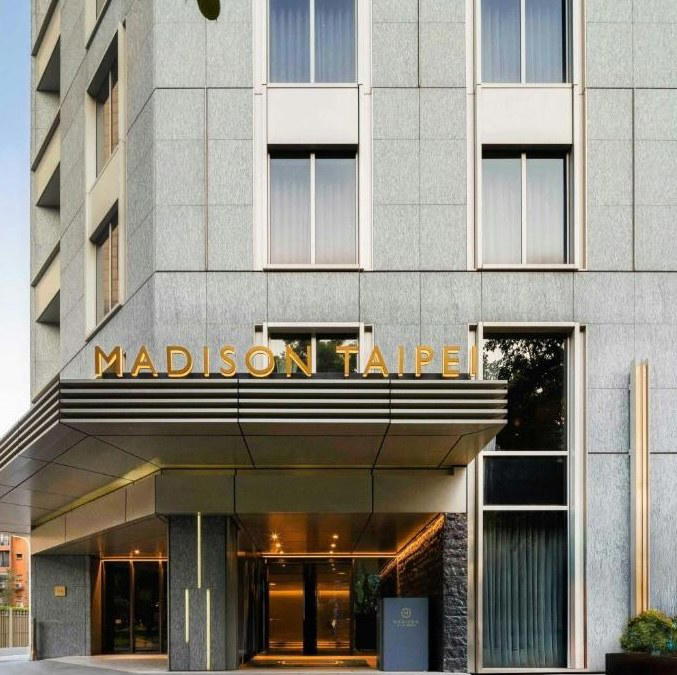
Wineries in Taoyuan
Browse all →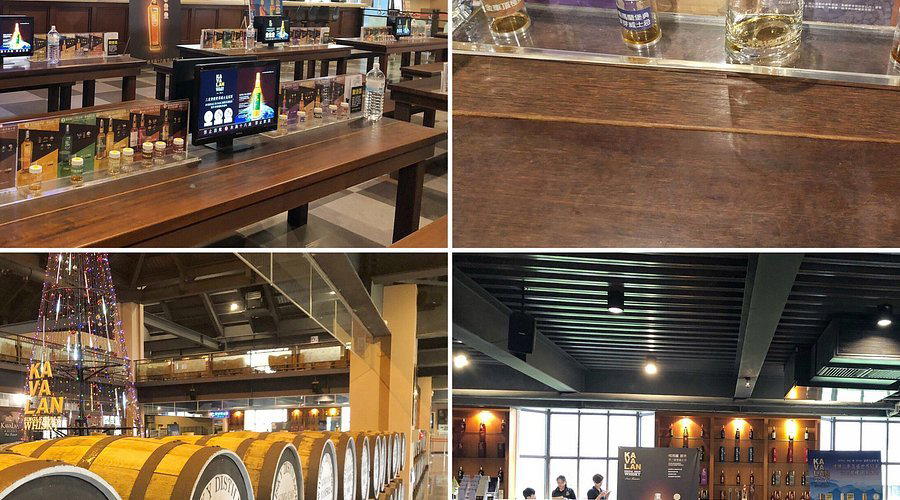
Details
- Rustic
- Classic
- Solo
- Casual Hangout
- Standalone
- A La Carte
- Vegetarian Friendly
Casual, low-key, and conversational, with a simple street-food feel rather than a formal dining atmosphere.