On Minzu Road in Lukang, 越南小吃 鹿港民族路 brings Vietnamese street food into one of Taiwan's most historically layered market towns. The setting places Southeast Asian flavors alongside the temple-district snack culture that has defined Lukang for centuries. For visitors already exploring Changhua's food corridors, it offers a counterpoint worth factoring into any afternoon route.
Pearl is the En Primeur Club membership app — saves, bookings, and concierge access live there. Same editors, same standards.
- Address
- 鹿港鎮, Changhua 505
- Directions
- Get directions
 Saves & bookings on Pearl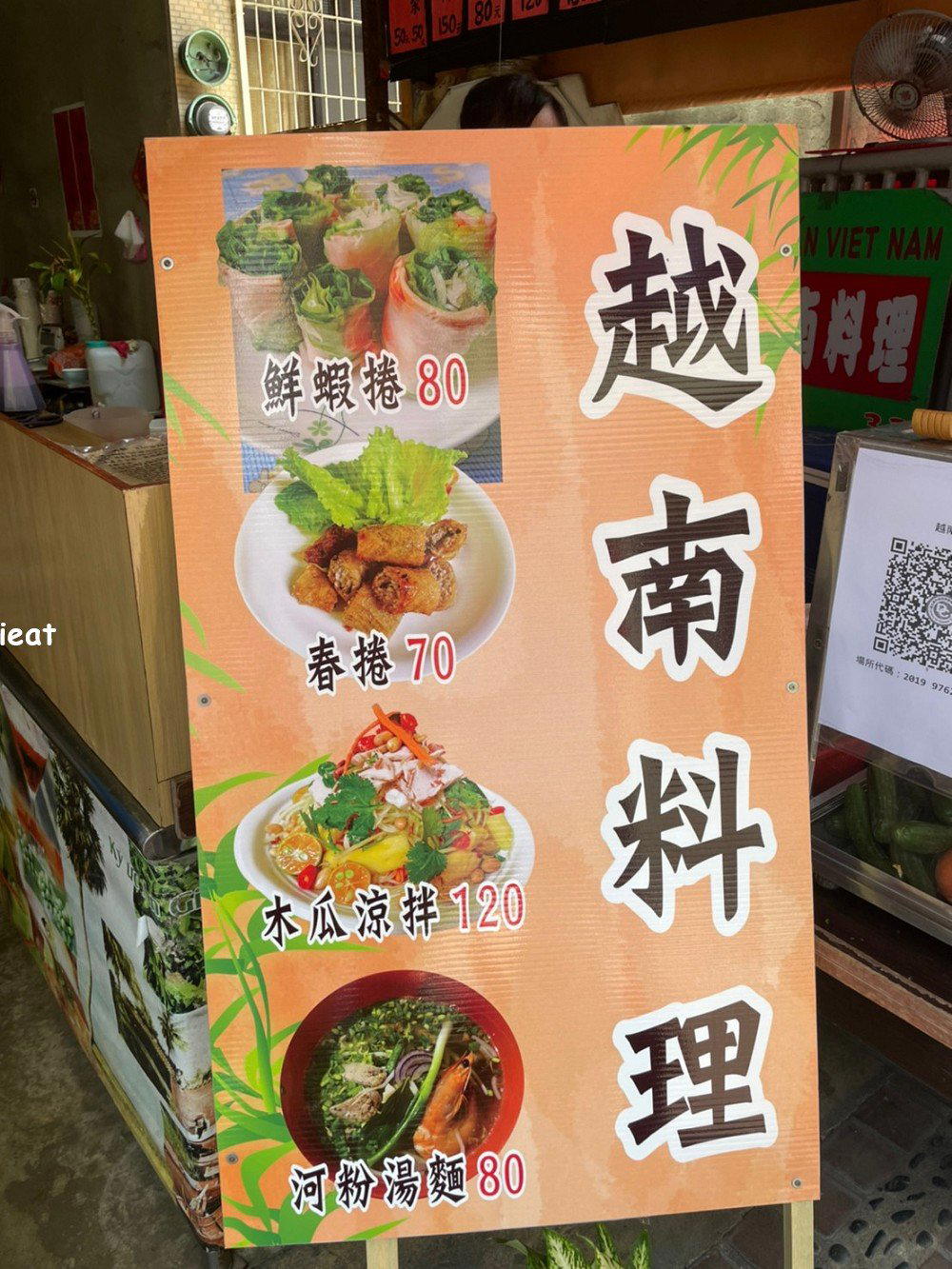
Where Lukang's Street Food Logic Meets Southeast Asian Ritual
Lukang's Minzu Road runs through the kind of market district that requires slow walking. The street's rhythm, storefronts open to the pavement, the smell of braised pork shifting to sesame, then back again, has been set by centuries of Hokkien merchant culture, and most visitors come expecting to eat their way through baozi, oyster vermicelli, and bean curd desserts. 越南小吃 鹿港民族路 is a Vietnamese street food stall in this corridor, serving everyday dishes shaped by migrant worker communities and cross-cultural households in Taiwan's smaller cities.
越南小吃 鹿港民族路 operates within that migration of flavors, sitting on Minzu Road in Lukang's 505 postal district and drawing from the Vietnamese street food tradition that prizes herbs, broth clarity, and the kind of acidic brightness that cuts through humid afternoon heat. The ritual of eating Vietnamese food well has always been partly about the table: condiment plates arrive before the bowl, you build the flavor yourself, and the meal moves at a pace that resists the quick-turnaround model of many Taiwanese snack stops. That slower engagement is itself a distinguishing detail in a corridor where most transactions are fast.
Vietnamese Street Food and the Customs That Shape It
Across Taiwan's provincial cities, Vietnamese cooking has largely arrived through two channels: formal restaurant groups targeting urban dining districts, and informal street-level operations where the food is closer to what you'd encounter in Hanoi or Ho Chi Minh City's market lanes. The second category, by virtue of lower overhead and family-run operations, tends to preserve the customary elements of the cuisine more faithfully. The pacing is unhurried. The herb plates are generous. The broth, if the kitchen is running pho, has usually been cooking since early morning.
This style of Vietnamese eating carries its own etiquette, distinct from the formal tasting formats found at Michelin-recognized tables like JL Studio in Taichung or logy in Taipei. There is no prescribed sequence, no wine pairing architecture, no single authoritative voice from a chef's counter. Instead, the diner assembles: tear the herbs, squeeze the lime, add the chili at your own threshold. The meal is collaborative in a way that more structured formats are not, and for visitors accustomed to Taiwan's temple-district snack culture, the adjustment in pace is part of what makes this category of eating interesting.
For comparison within Lukang's immediate food scene, venues like 阿振肉包 and 王罔麵線糊 represent the deeply local Hokkien-derived tradition that most visitors come to the town to access. Ah Zhen Rou Bao in Lukang similarly anchors itself in the pork bun lineage that Lukang has refined across generations. Vietnamese snack operations on the same street occupy a different position: they're not competing with that tradition so much as running parallel to it, drawing a local clientele that wants Southeast Asian flavors without traveling to a larger city.
Placing Lukang in Taiwan's Broader Food Geography
Changhua County sits between Taichung and Tainan on Taiwan's western coastal plain, a region more associated with temple towns and rice culture than with destination dining in the international sense. The city of Changhua itself also has Southeast Asian dining that reflects the county's everyday appetite for these cuisines. Lukang, as the county's most historically significant town, attracts day-trippers from Taichung, forty minutes north, and from elsewhere in Changhua, people who arrive for the temple circuit and Mazu worship culture, and who eat their way through Minzu Road before heading back.
That visitor pattern matters for understanding when and how to approach the street. Weekday mornings are quieter. Weekend afternoons, particularly during temple festival periods, compress the foot traffic significantly. The snack vendors on Minzu Road operate within this rhythm, and operations like 越南小吃 鹿港民族路 occupy a gap in the offering that becomes more apparent when the traditional pork bun and oyster vermicelli lines stretch long.
The broader Taiwan context for Vietnamese food sits somewhere between regional specialty and everyday staple. Unlike the fine-dining Vietnamese interpretations found in Taipei's Da'an district, the provincial street-food version has embedded itself into local markets and night markets throughout central and southern Taiwan. Towns like Lukang, with significant communities tied to cross-strait and Southeast Asian migration histories, have absorbed this food quietly. It rarely makes the food media circuit in the way that GEN in Kaohsiung or A Xia in Tainan do, but that absence from the awards apparatus doesn't diminish its relevance to the actual eating life of the town.
Planning Your Visit
Minzu Road in Lukang is walkable from the main temple complex, and the corridor is leading approached on foot. Parking in central Lukang is constrained, particularly on weekends, and the street-level format of vendors like 越南小吃 鹿港民族路 means arrival by scooter or on foot is one practical approach. No contact details or booking infrastructure are publicly listed for this venue, which is consistent with the walk-in, counter-service format common to Vietnamese street food operations of this type. Seating, if available, is likely shared and informal. For visitors planning a food-focused day in Lukang, the sensible approach is to treat this as one stop in a longer Minzu Road circuit rather than a destination requiring advance planning. Arriving outside peak temple-tourism hours, early weekday mornings or after the main lunch window, gives you the leading read on what's running that day.
At the restaurant, that means arriving ready for a casual walk-in meal.
Where It Fits
Comparable venues nearby, for context on price, style, and recognition.
| Venue | Cuisine | Price | Notes |
|---|---|---|---|
| 越南小吃 鹿港民族路This venue — the venue you are viewing | Traditional Taiwanese Mienxian Hu (Mie Line Paste) | $ | Not listed |
| 王罔麵線糊 | Traditional Taiwanese Mi Fen Hu | $ | Lukang |
| 老龍師肉包 | Traditional Taiwanese Steamed Pork Buns | $ | Lukang |
| 阿振肉包 | Traditional Taiwanese Steamed Buns | $ | Lukang |
| the old royal thai 老 泰國古典餐廳 | 老皇家泰國古典料理 | $$ | Lukang |
| Bunker 1942 | WWII-Themed Bar | $$ | Da’an District |
At a Glance
- Classic
- Solo
- Casual Hangout
- Standalone
- Street Scene
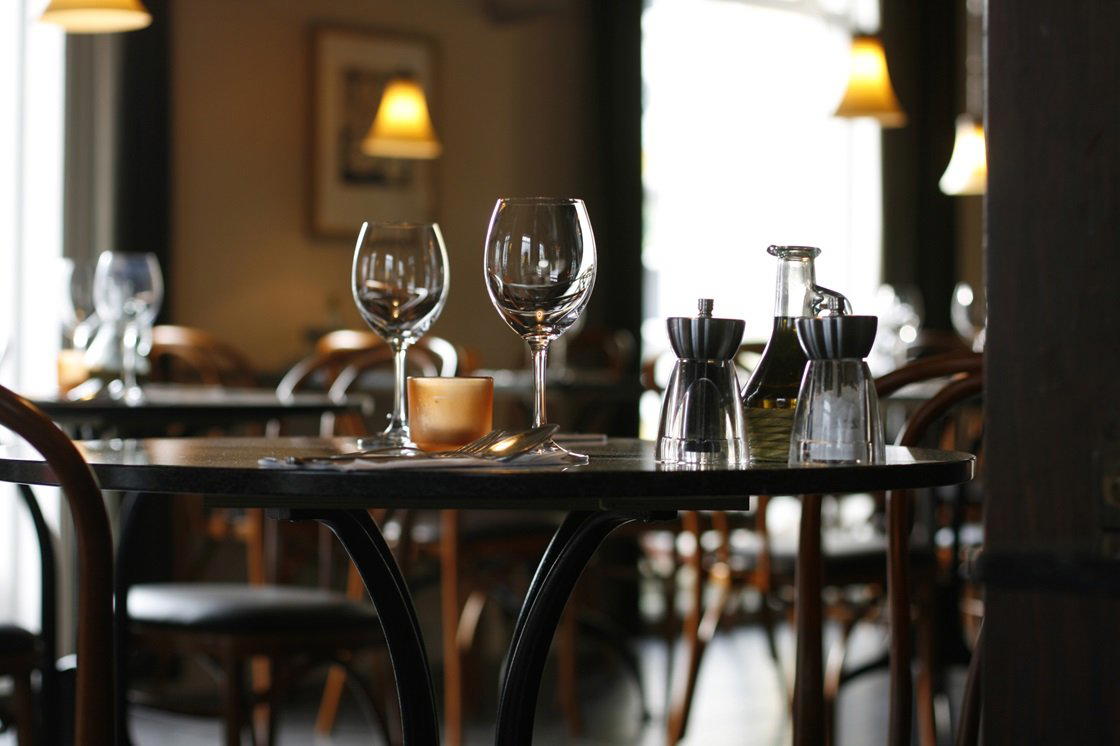
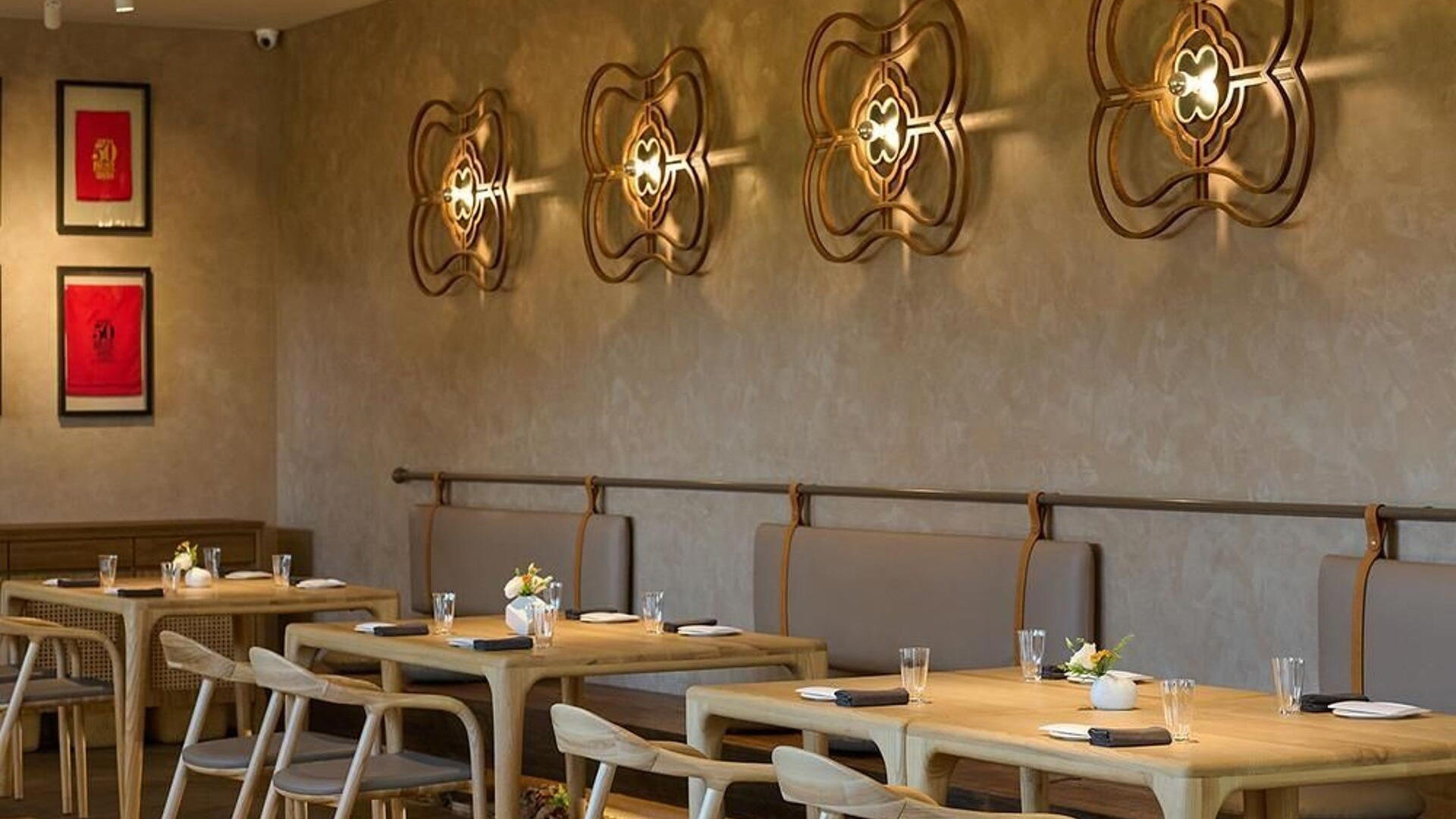
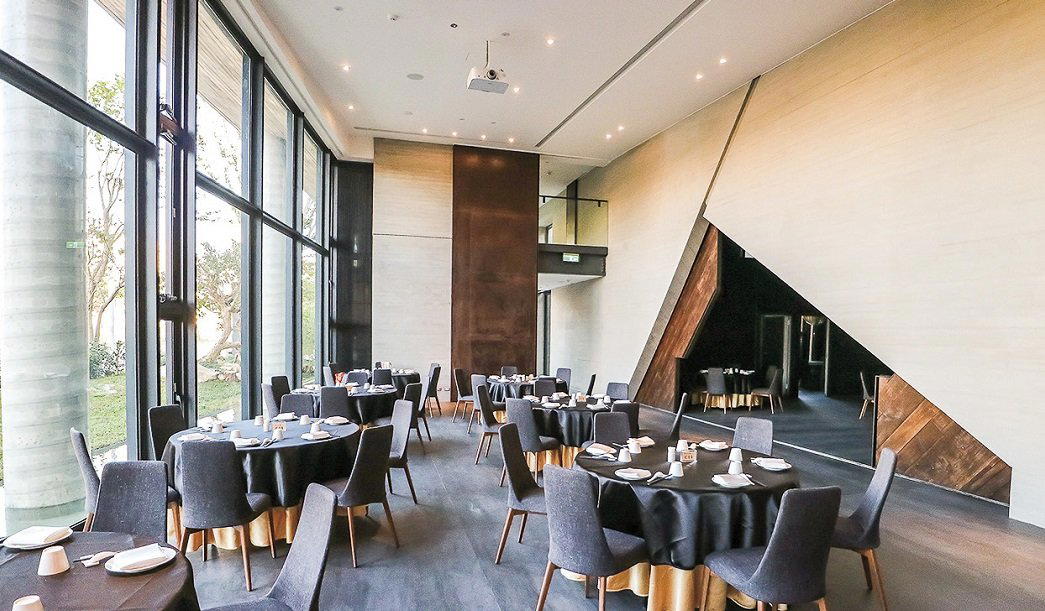
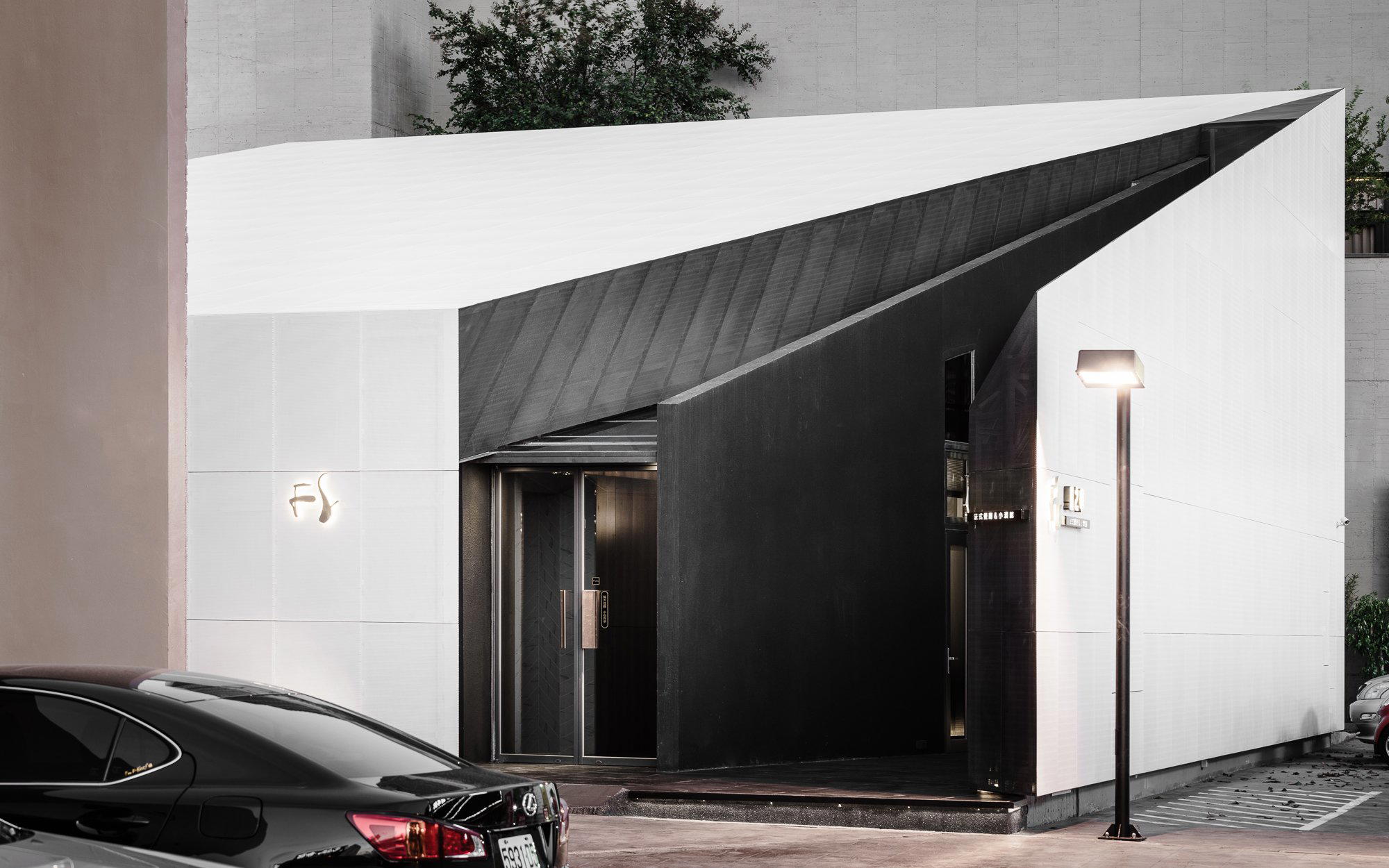
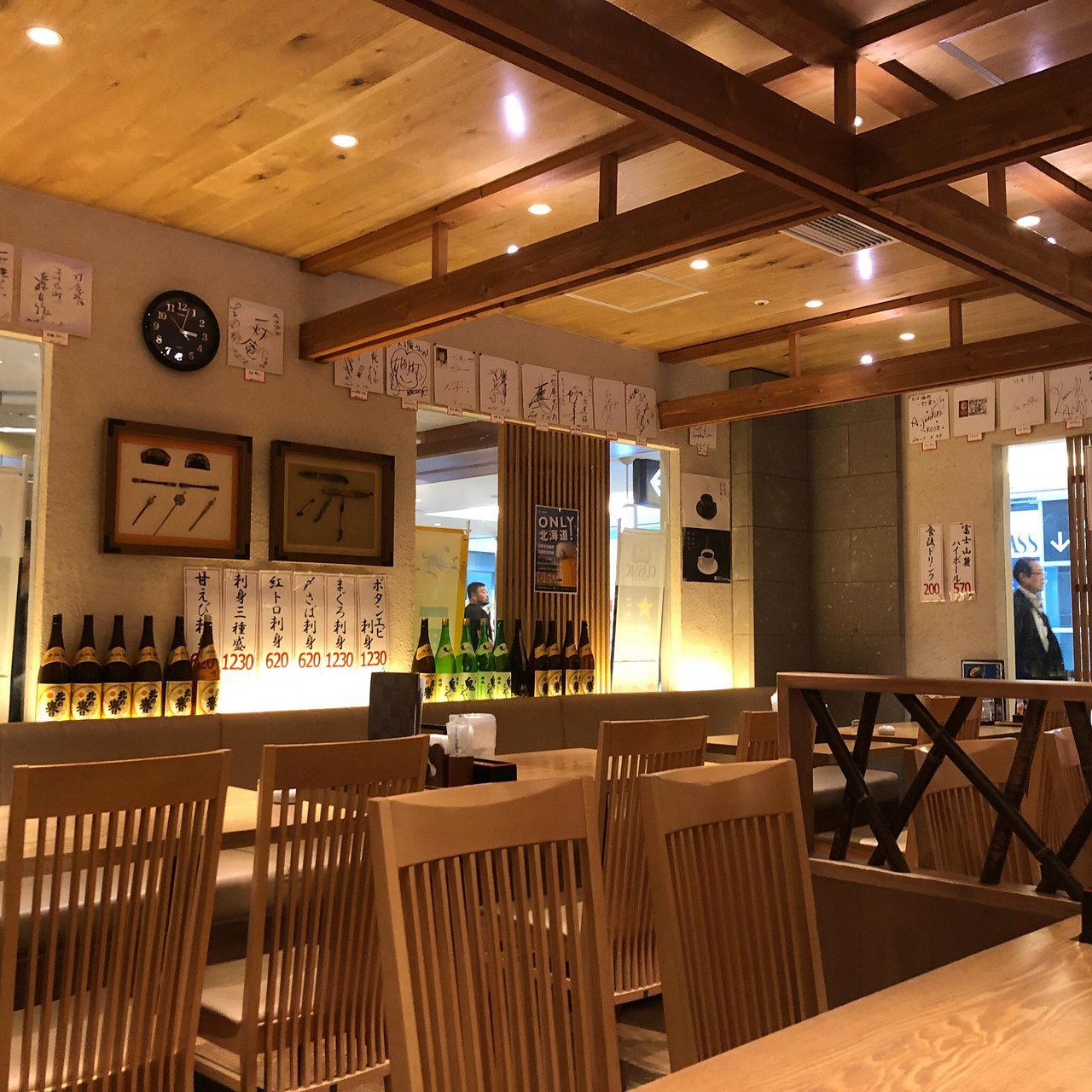
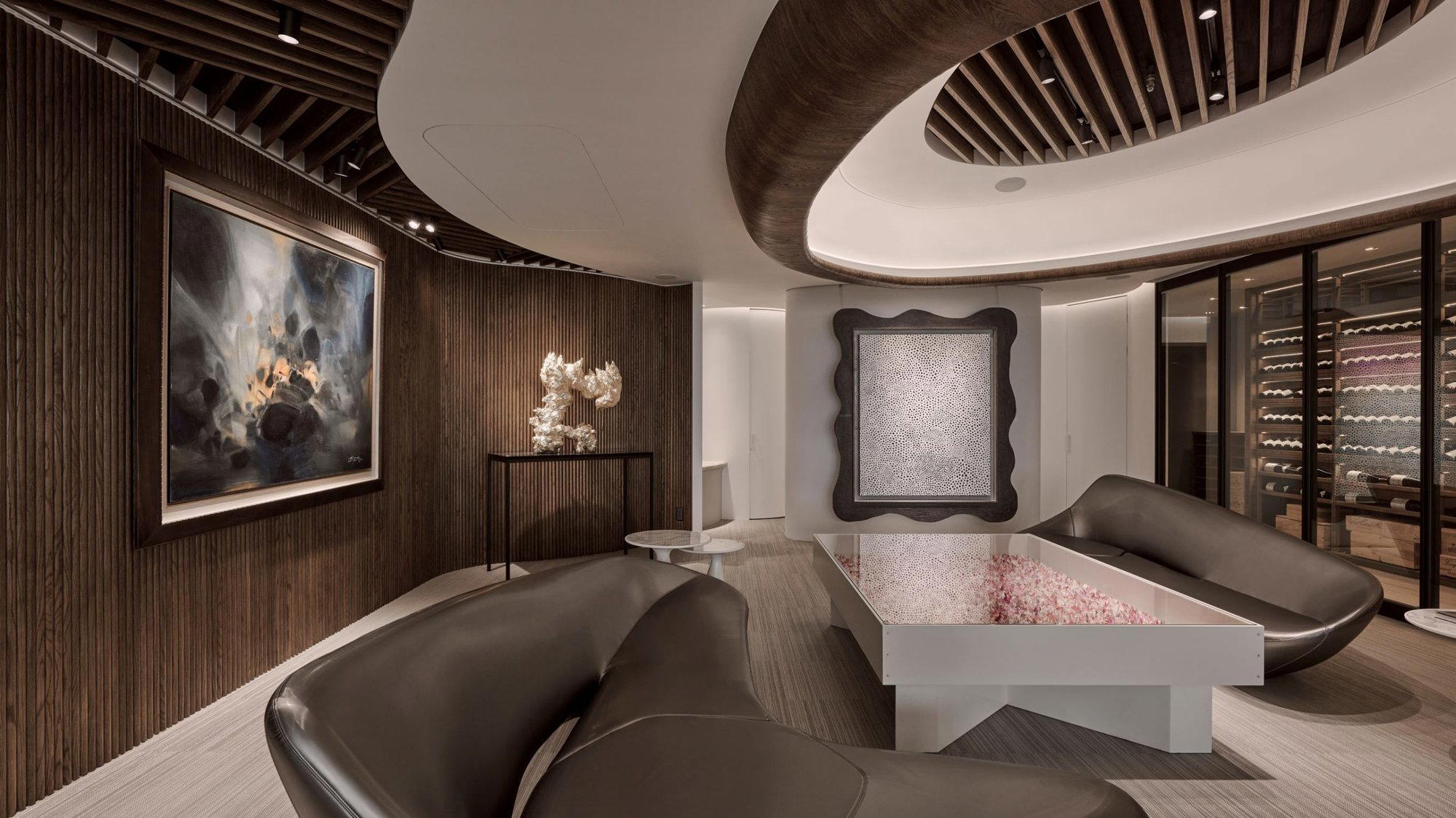
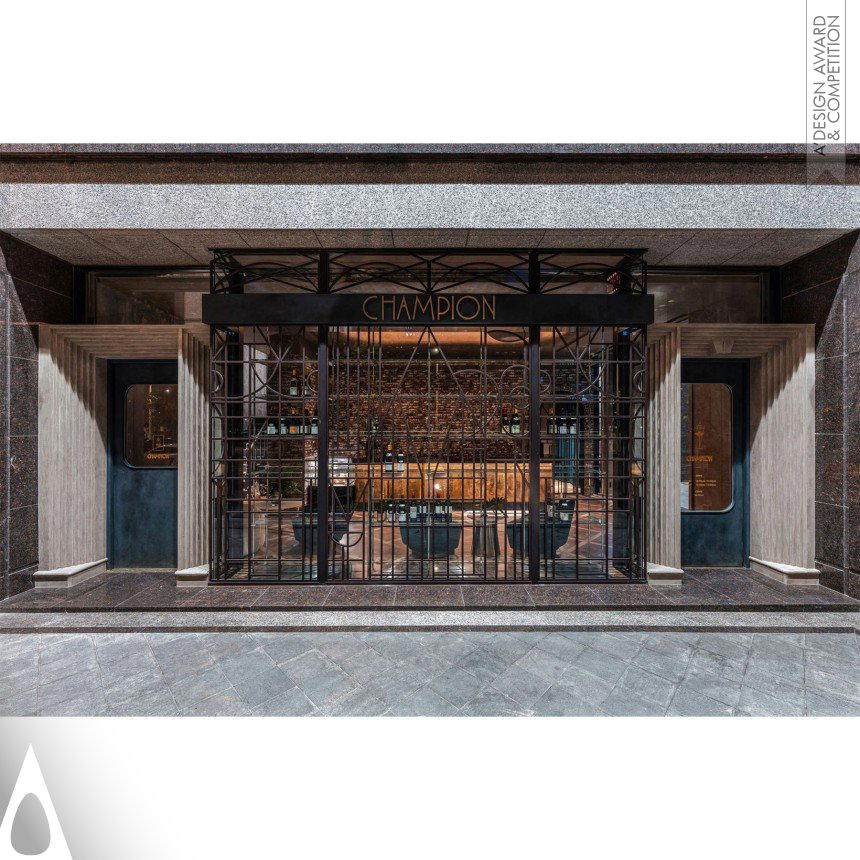
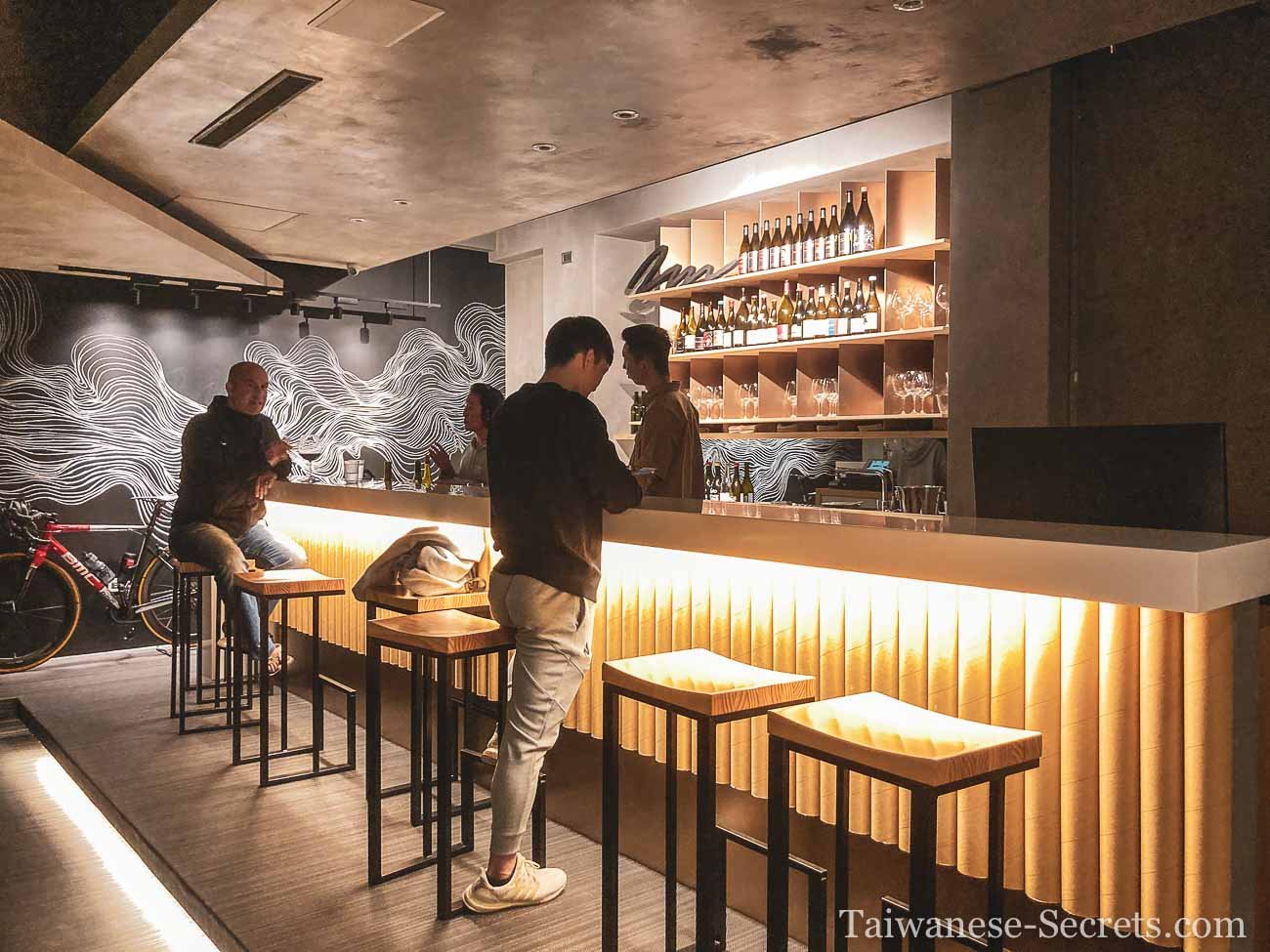
Casual, small, counter-service setting with a conversational atmosphere in a market-town food corridor.