Laimei Luzi occupies a high-floor address in Putuo District's Jing'an-adjacent corridor, drawing a repeat clientele that treats the room as a standing appointment rather than an occasion. The crowd here signals something specific about Shanghai's mid-to-upper Chinese dining tier: the city's regulars know where to anchor loyalty, and this address holds its place in that rotation.
Pearl is the En Primeur Club membership app — saves, bookings, and concierge access live there. Same editors, same standards.
- Address
- China, 501å·68F501å·CN ä¸æµ·å¸ 浦ä¸æ°åº é¶åä¸è·¯ é®æ¿ç¼ç
- Phone
- +862168816789
- Website
- lameloise.com.cn
- Directions
- Get directions
 Saves & bookings on Pearl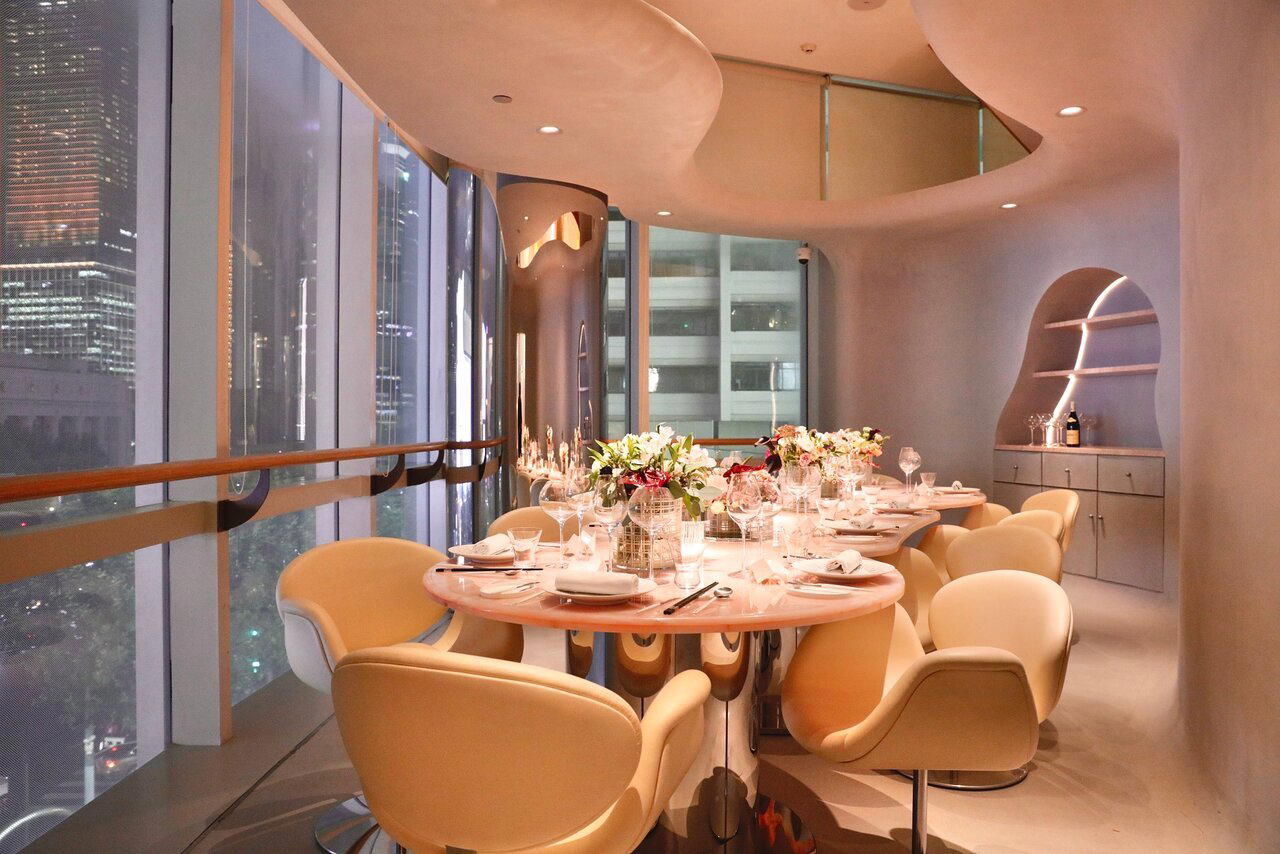
Who Keeps Coming Back, and Why
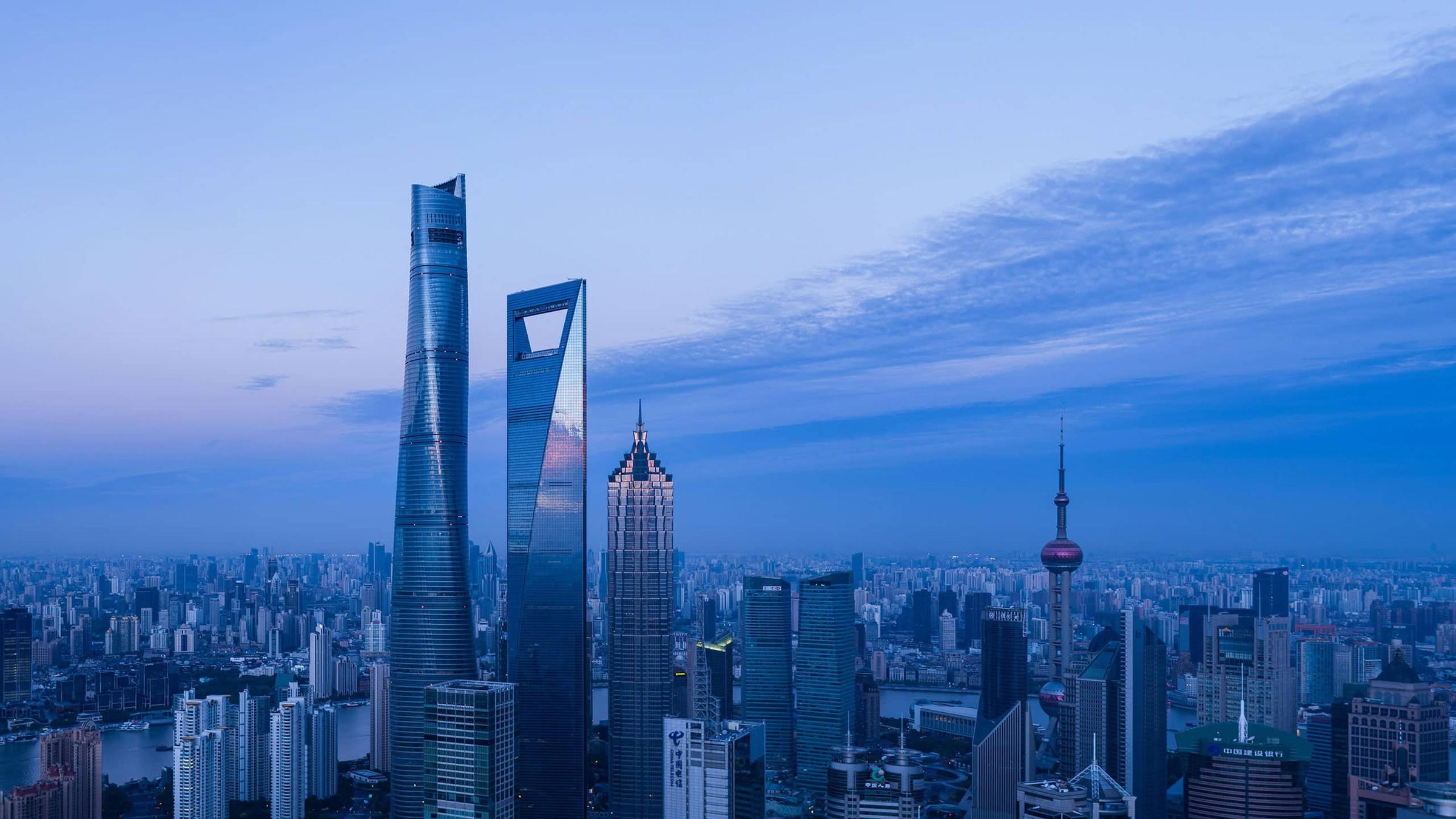
Shanghai's Chinese dining scene has always sorted itself by loyalty rather than hype. Laimei Luzi is a French Contemporary restaurant in Shanghai, priced at tier 4. The city generates enough new openings each season to keep the curious occupied indefinitely, but the addresses that matter to locals tend to be the ones that drop off the novelty circuit entirely. Laimei Luzi, positioned on the 68th floor of a tower in Pudong New Area along its commercial spine, occupies that second category. Its regulars are not drawn by a recent review cycle or a social media moment. They return because the address has earned a fixed position in their dining rotation.
That pattern of repeat custom is not incidental. In Shanghai's upper-mid Chinese dining tier, the regulars' table is a reliable signal of kitchen consistency. A room that fills with new faces every week is a room running on marketing. A room that fills with the same faces is a room running on product. Laimei Luzi reads as the latter, which places it in a peer group that includes some of the city's most quietly trusted Chinese houses.
The Address and What It Signals
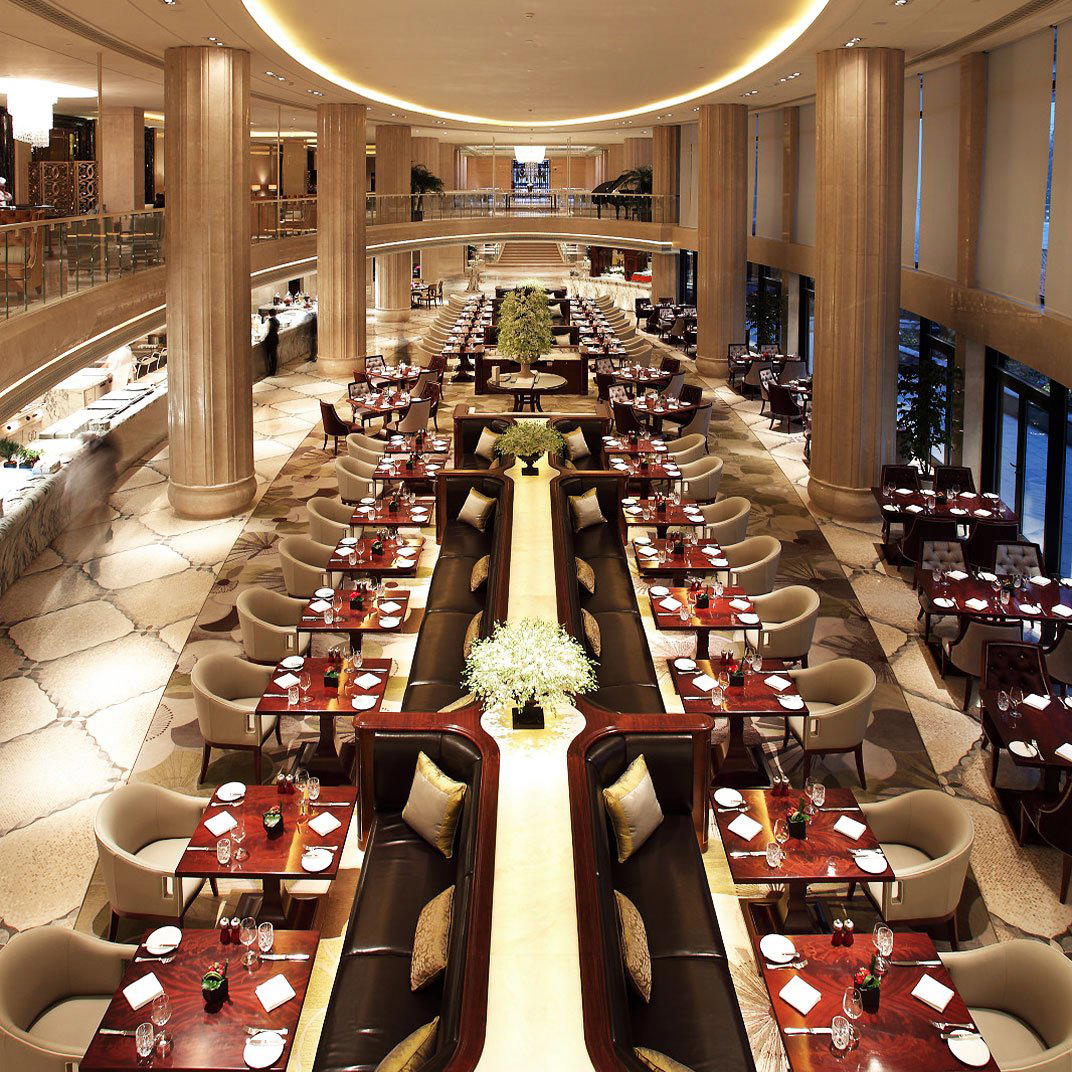
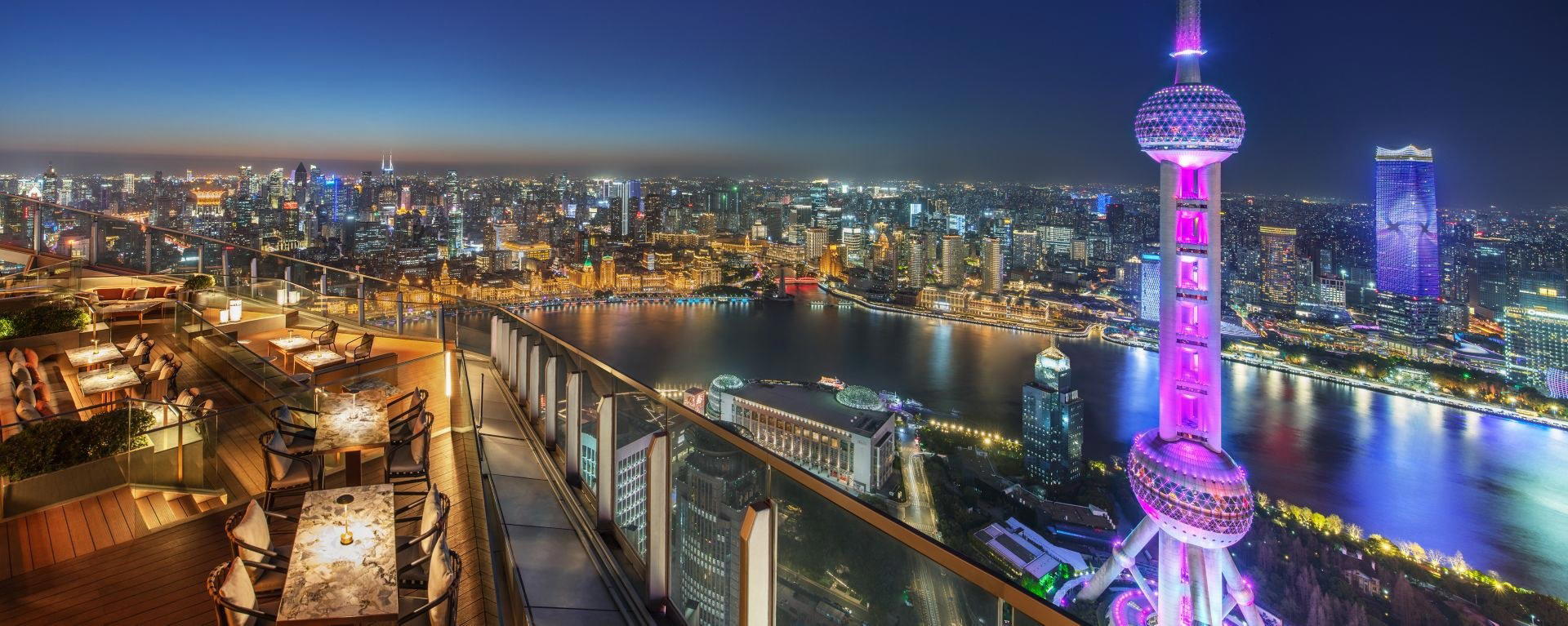
High-floor Chinese restaurants in Shanghai occupy a specific social function. The elevation is not incidental to the offer: it frames private dining, business entertainment, and the kind of meal where the view is part of the social currency. Putuo District's commercial towers along this corridor have become home to a cluster of Chinese-cuisine operations that target exactly this format. The guest arriving at the restaurant is not looking for a casual bowl of noodles. The setting declares a price tier and an occasion type before a menu has been opened.
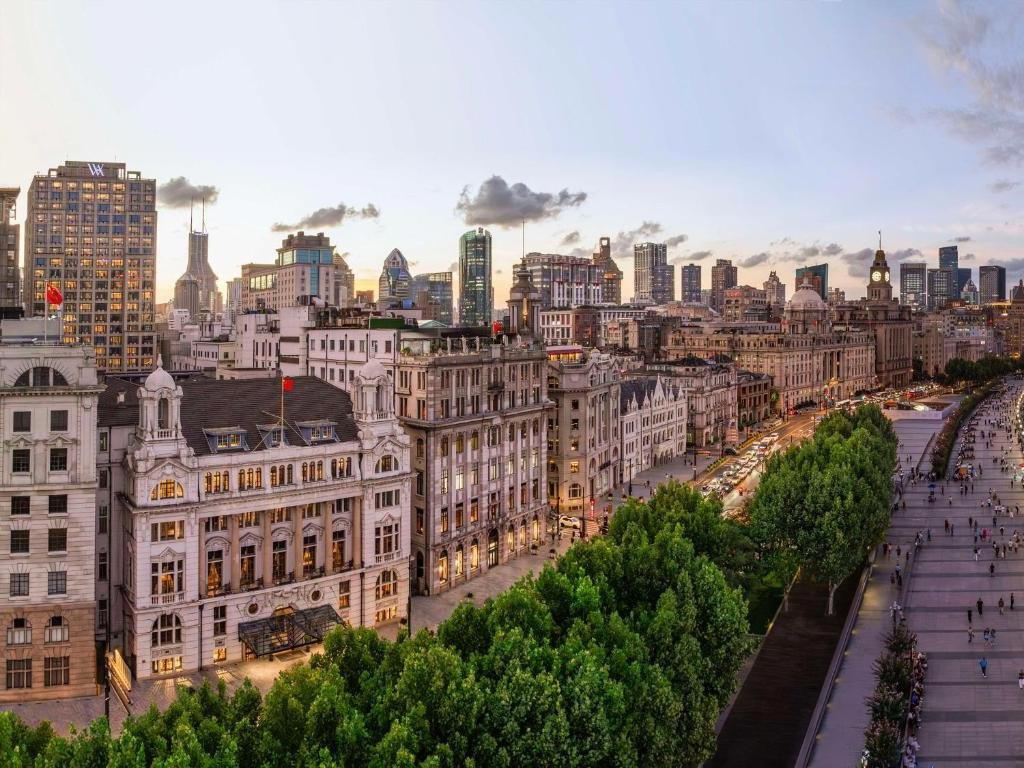
This positions the restaurant within a broader Shanghai trend: the drift of serious Chinese dining away from the historic Bund-adjacent cluster and into the city's expanding commercial districts. Areas like Putuo and the western Jing'an perimeter have absorbed a generation of openings that serve local business clientele and residential regulars rather than hotel-hotel visitors. For context, the Bund remains home to international and fusion flagships, while addresses in these newer commercial towers tend to anchor Chinese-cuisine formats with a more specifically local clientele mix. That distinction matters when reading the regulars: the crowd at the restaurant is, by location logic, a Shanghai crowd rather than a touring one.
What the Regulars Know
In Chinese restaurants of this tier, the menu visible to a first-time diner is rarely the menu that regulars order from. The unwritten rotation at addresses like this typically runs through seasonal preparations, kitchen-recommended banquet sets, and dishes that require advance notice or a relationship with the front-of-house. Shanghai's upper Chinese dining tier shares this structure with comparable rooms in other Yangtze Delta cities. The approach at Xin Rong Ji on West Nanjing Road operates similarly, where regulars navigate toward off-menu or staff-recommended preparations as a matter of course.
The regulars' perspective at the restaurant is not a secret protocol. It is simply the product of accumulated visits. A table that has eaten here across multiple seasons will have identified which preparations travel leading from kitchen to table at that elevation, which banquet formats suit their guest count, and which staff members to greet by name. That kind of knowledge accumulates at addresses with consistent kitchen teams and stable menus anchored by tradition rather than frequent seasonal reinvention. For the first-time visitor, one direct path to the regulars' experience is to state your preference for the kitchen's own selection at the point of booking, a standard request at Chinese restaurants of this format.
Placing Laimei Luzi in Shanghai's Chinese Dining Tier
Shanghai's Chinese dining spectrum is wider than most international visitors expect. At the formal fine-dining tier, addresses like Fu He Hui operate at ¥¥¥¥ price points with internationally recognised credentials in vegetarian Chinese cuisine. At the contemporary Chinese crossover end, Taian Table applies modern European technique to Chinese ingredients. The city's Cantonese contingent, represented by addresses like 102 House, serves a clientele that skews toward Hong Kong and Guangdong diaspora.
The restaurant operates at a point in this spectrum that is harder to classify from the outside. Its tower address and high-floor format suggest a Chinese banquet and private dining orientation, which in Shanghai typically means a price tier well above casual but calibrated to business entertainment norms rather than tasting-menu prestige. The comparable format in other Yangtze Delta cities is well-documented: Ru Yuan in Hangzhou and Dingshan Jiangyan in Suzhou represent the same tower-and-banquet format applied to their respective regional cuisines. The broader Chinese fine dining picture across the region also includes addresses like Imperial Treasure Fine Chinese Cuisine in Guangzhou and Dai Yuet Heen in Nanjing, each anchoring a similar business-dining register in their respective cities.
For Shanghai visitors who want to cross-reference the city's Chinese dining with the international tier, the contrast is instructive. 8 1/2 Otto e Mezzo Bombana operates a Michelin-recognised Italian program in the same city, while Le Bernardin in New York and Atomix in New York offer a point of comparison for how high-end tasting formats differ from Chinese banquet structures entirely. The format at the restaurant is neither of those things. It serves a Shanghai dining need that those rooms do not address.
Planning Your Visit
Putuo District's tower cluster is most accessible by metro from the central Jing'an or Zhongshan Park interchange stations, with the building at 501 Jing'an Zhong Road identifiable by its height. Visitors should allow time to reach the 68th floor from street level. Booking in advance is advisable for dinner, particularly for groups: the high-floor format at Chinese restaurants of this tier fills quickly on weekend evenings and holiday periods, when business entertainment and family banquet bookings compress available tables. Walk-in access for smaller parties at lunch may be more flexible, though this varies by season.
Cuisine-First Comparison
Comparable venues nearby, for context on price, style, and recognition.
| Venue | Cuisine | Price | Notes |
|---|---|---|---|
| Laimei LuziThis venue — the venue you are viewing | French Contemporary | $$$$ | Not listed |
| Three on the Bund - Jean Georges Shanghai | Modern French with Asian Influences | $$$$ | Lan Ni Du |
| House of Rong | Taizhou Seafood / Chinese Fine Dining | $$$$ | Jing'an District |
| ZIFUHUI | High-End Cantonese Private Dining | $$$$ | Zhoujiaqiaq |
| 58° 扒房 | Modern French Steakhouse | $$$$ | Ti Lan Qiao |
| Taian Men | Contemporary French with Pan-Asian Influences | $$$$ | Jing An Si |
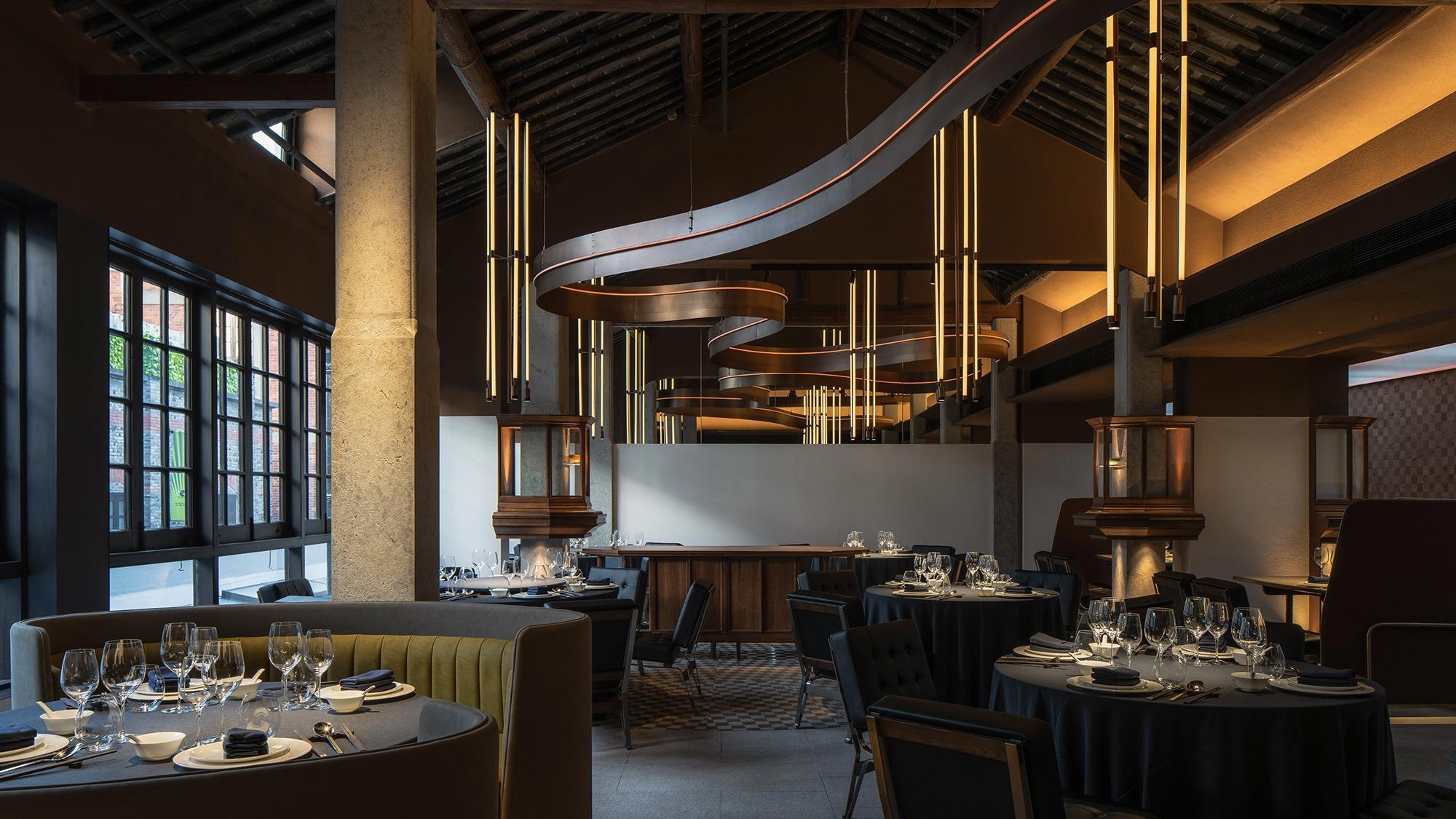
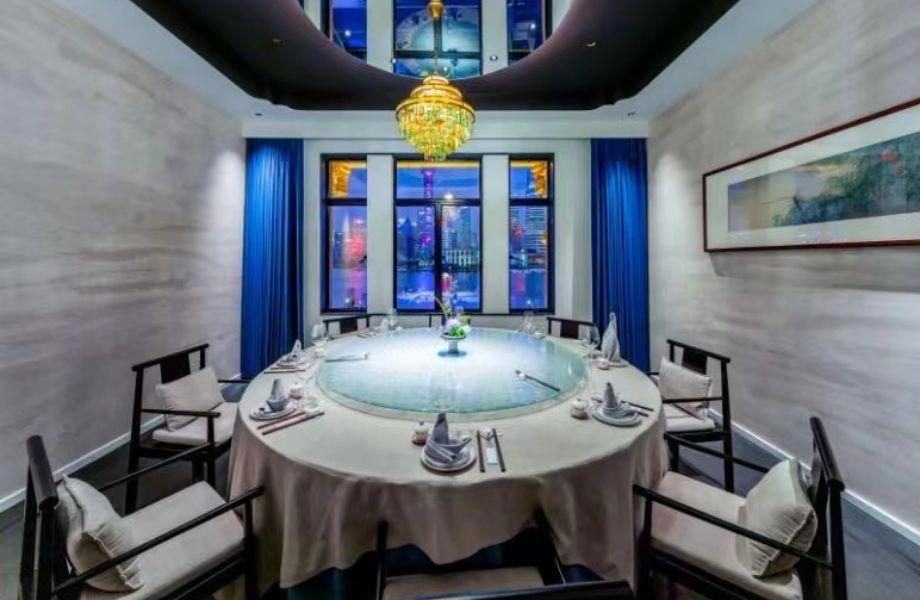
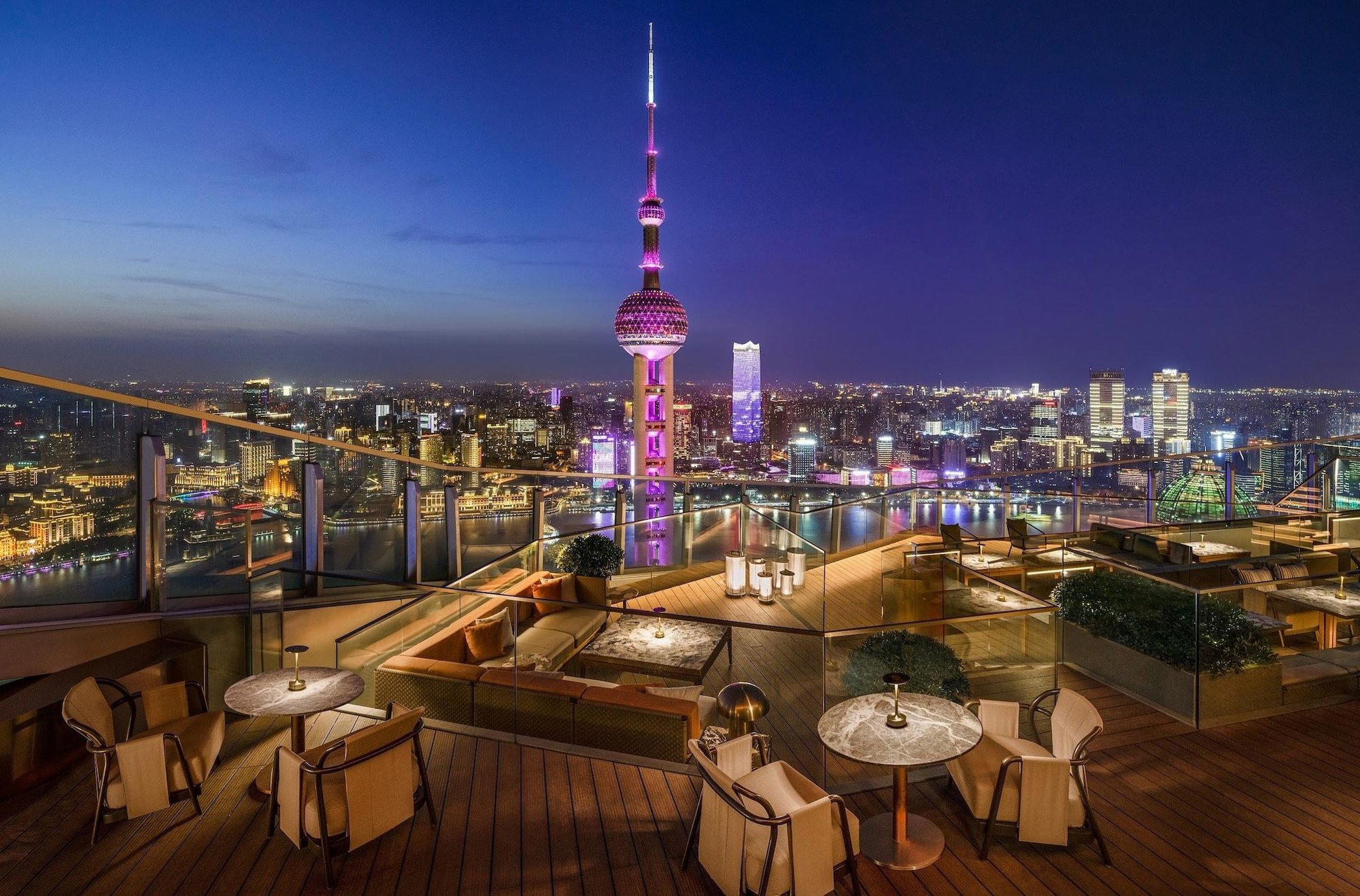
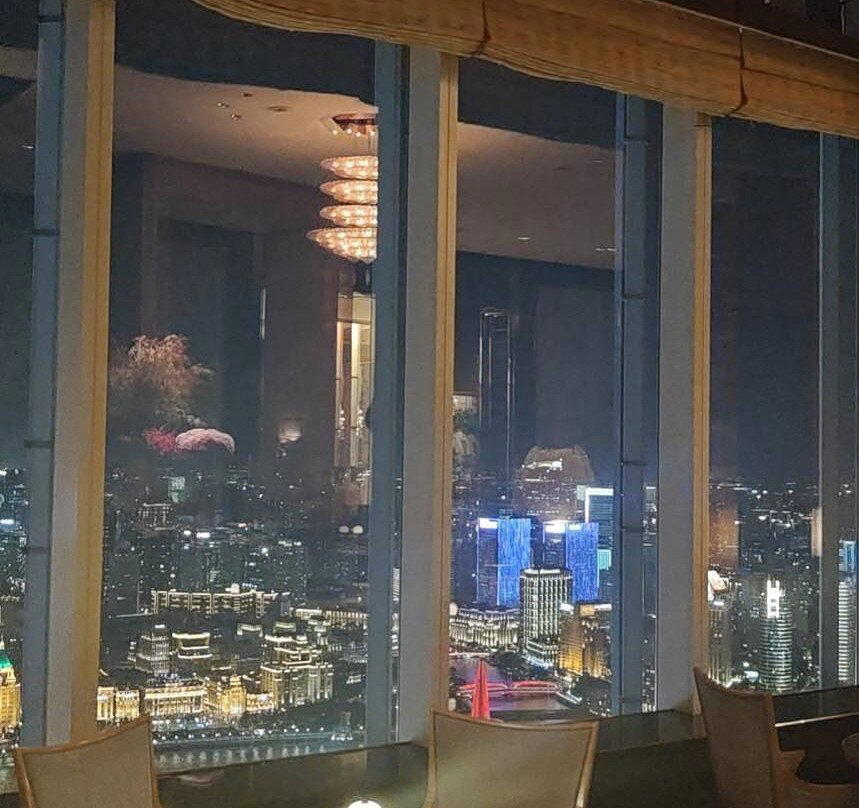
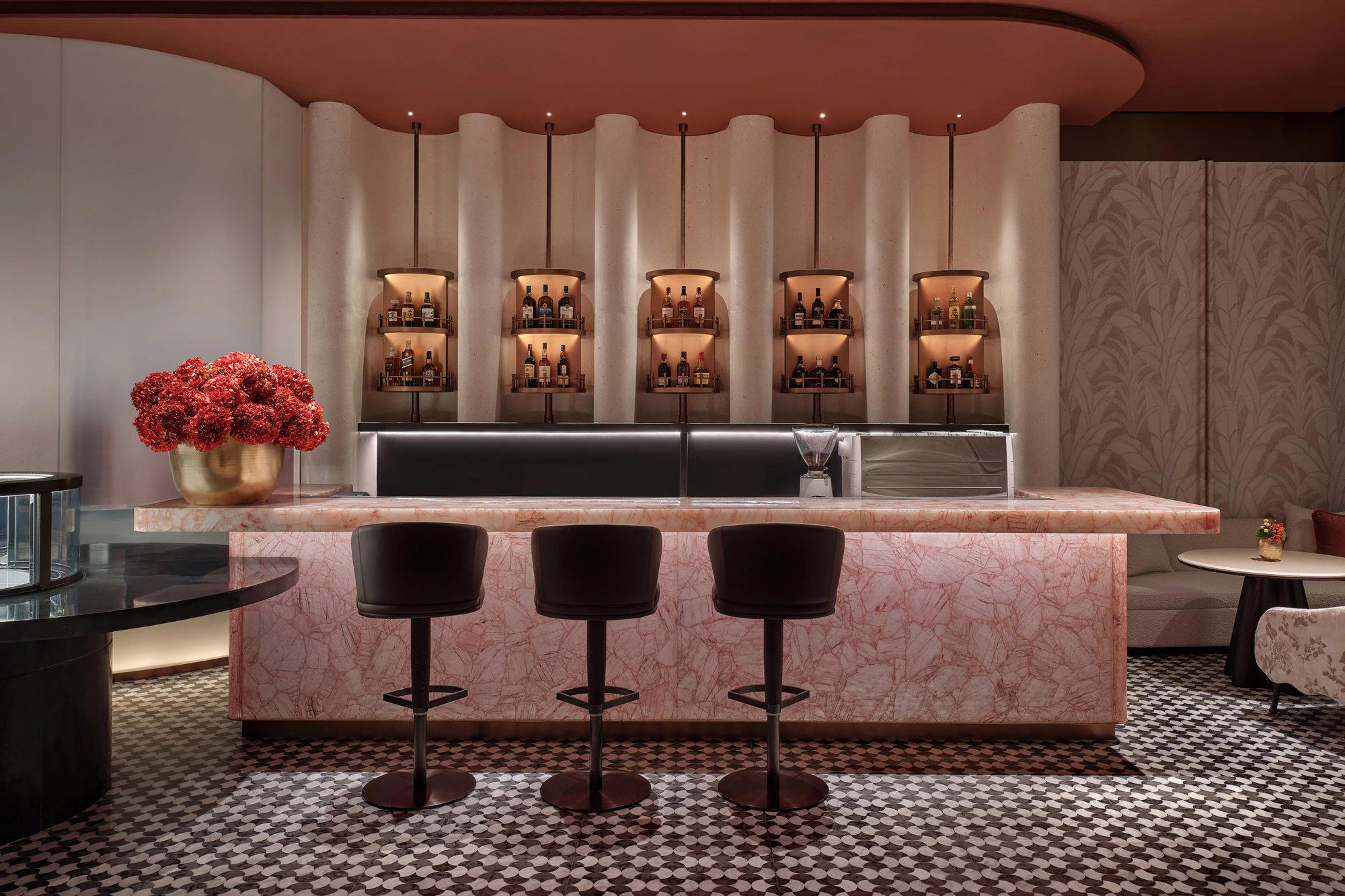
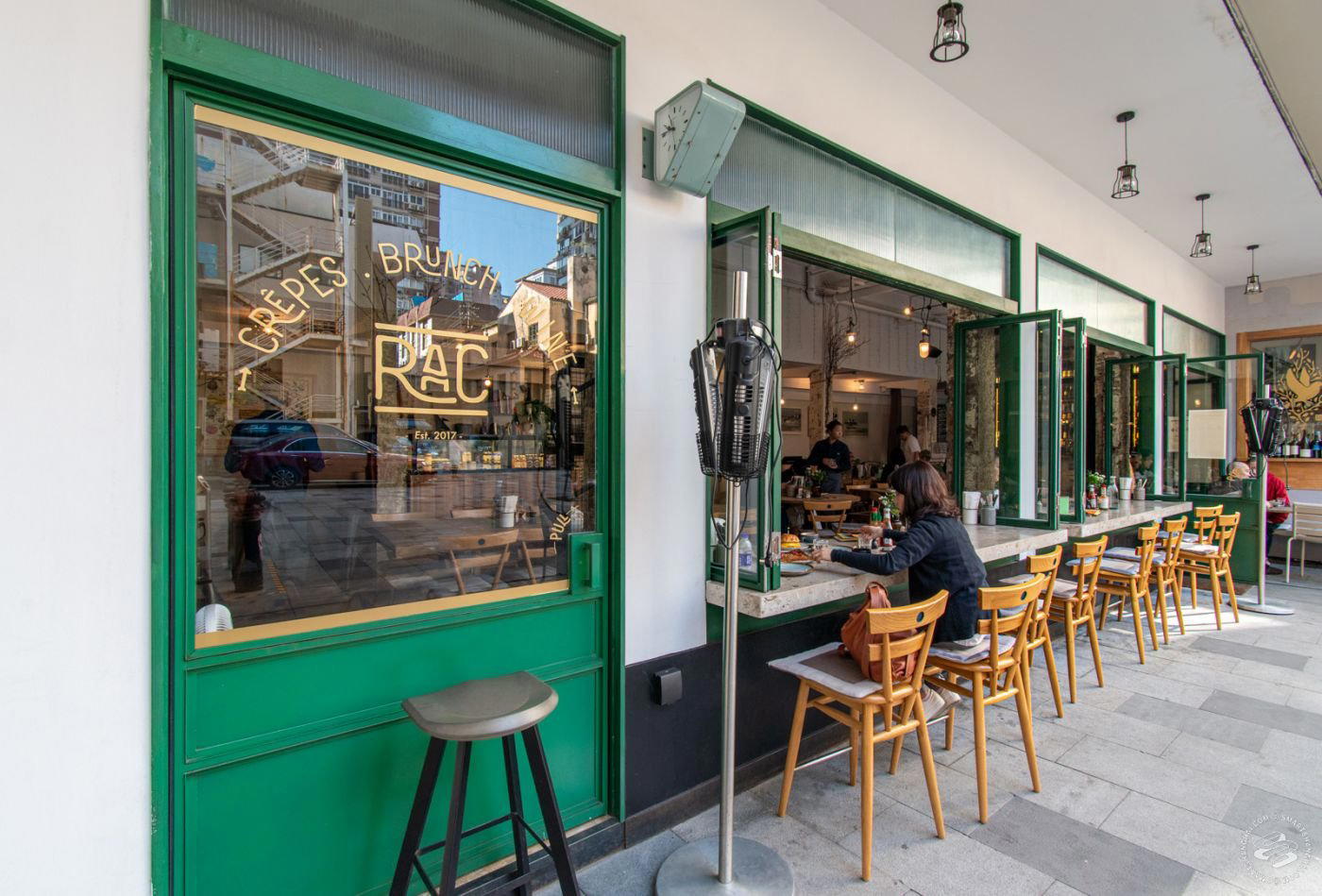
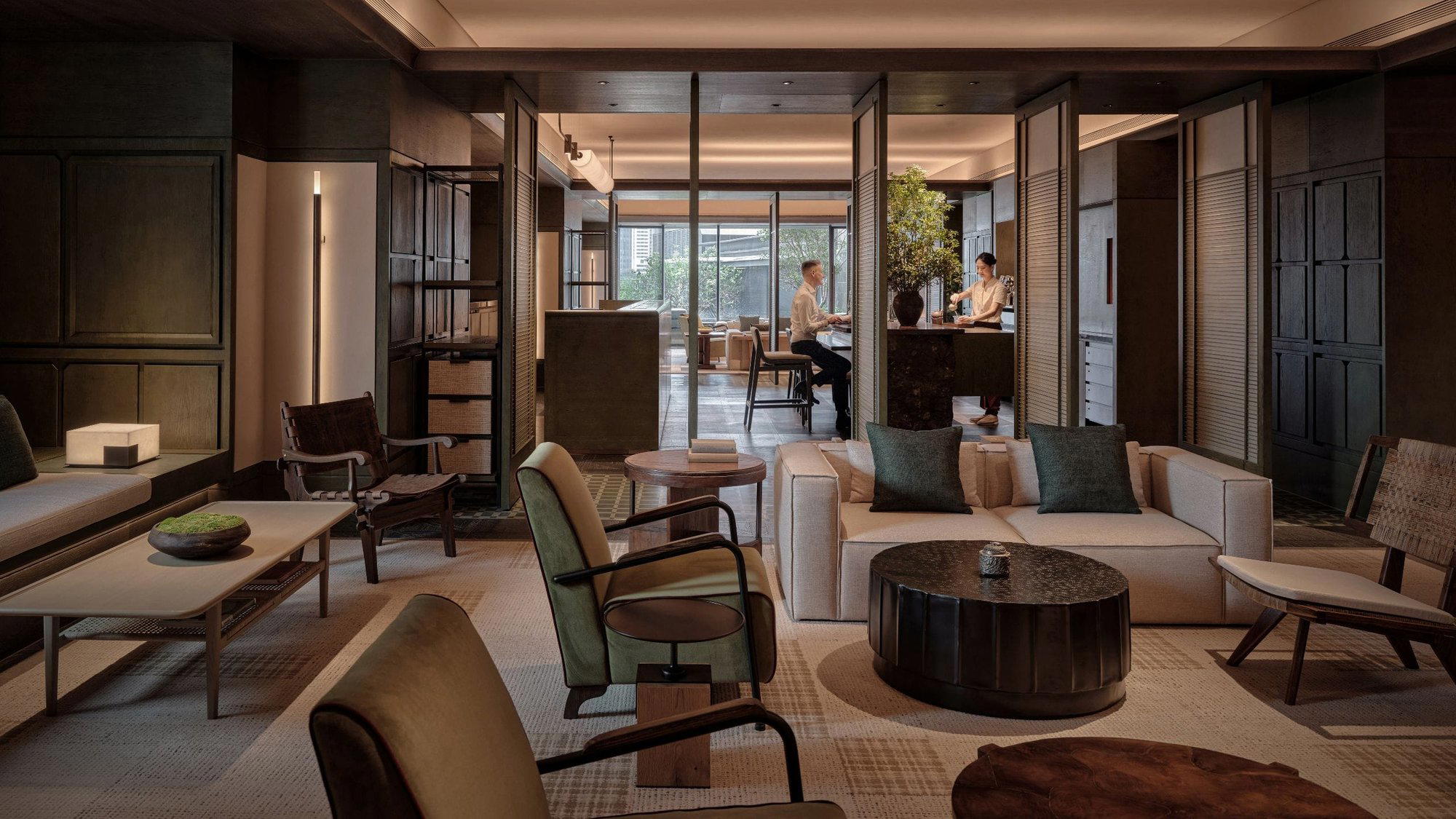
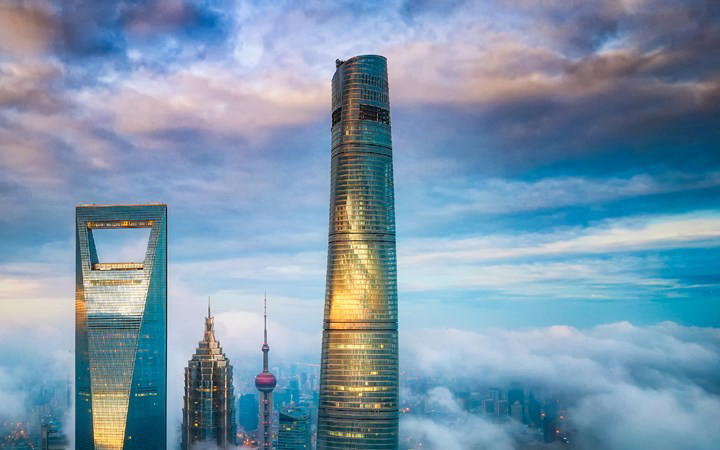
At a Glance
- Elegant
- Sophisticated
- Scenic
- Special Occasion
- Date Night
- Business Dinner
- Panoramic View
- Hotel Restaurant
- Extensive Wine List
- Local Sourcing
- Skyline
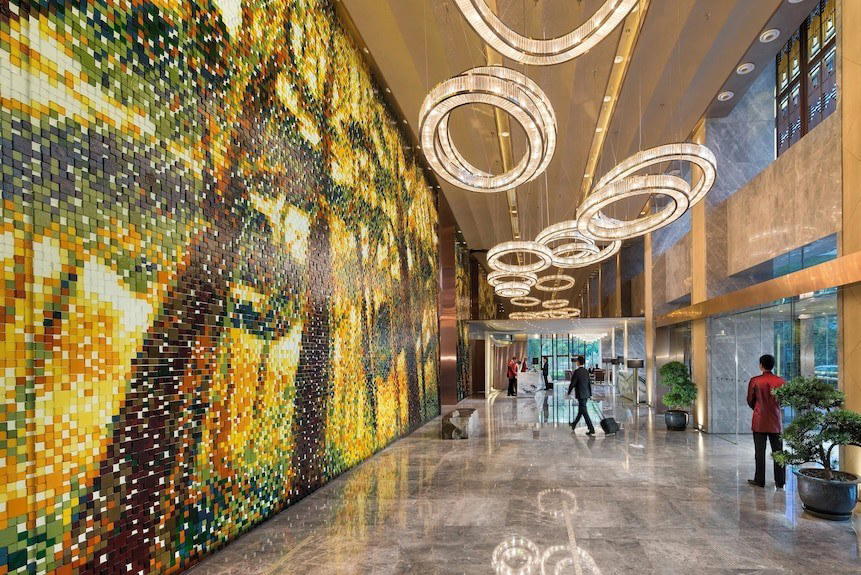
Sophisticated atmosphere with far-reaching 180° views of The Bund, enhanced by polished service and elegant high-floor setting.