ヴィラ アイーダ sits in Iwade, Wakayama Prefecture, at a point where Italian cooking and Japanese agricultural precision converge. The restaurant draws from the surrounding Kinokawa valley for its produce, placing it within a small but serious tier of destination restaurants that require planning well in advance. Readers researching farm-sourced dining in the Kansai region will find it a compelling subject.
Pearl is the En Primeur Club membership app — saves, bookings, and concierge access live there. Same editors, same standards.
- Address
- 71-5 Kawashiri, Iwade, Wakayama 649-6231, Japan
- Phone
- +81736632227
- Website
- villa-aida.jp
 Saves & bookings on Pearl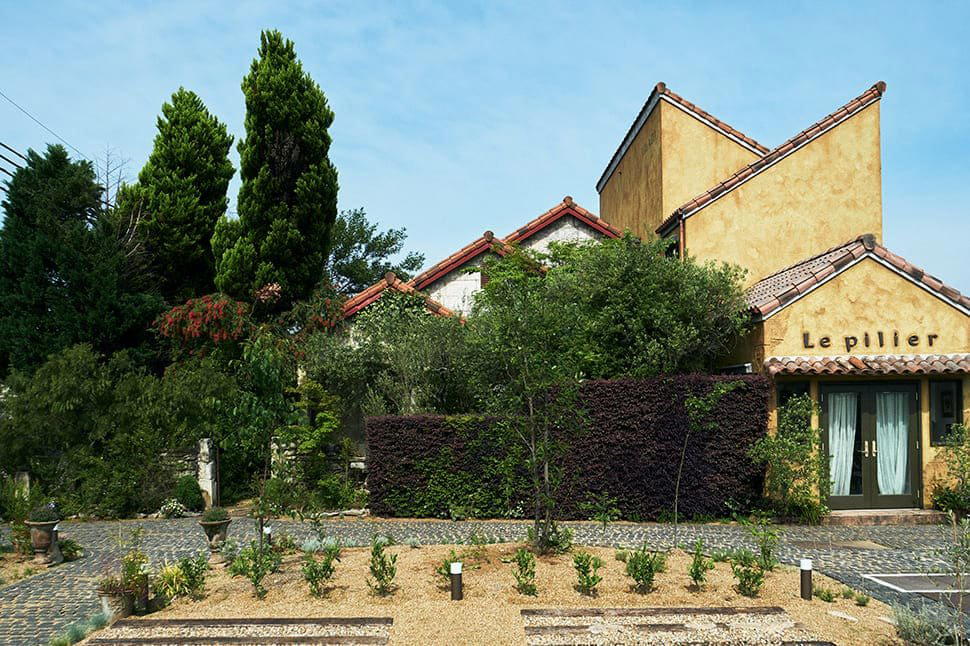
Where the Kinokawa Valley Meets the Plate
Wakayama Prefecture occupies an unusual position in Japan's fine-dining conversation. It is not Kyoto, with its centuries of kaiseki codification, nor Osaka, where restaurants like HAJIME operate at the intersection of French technique and Japanese precision within easy metropolitan reach. Wakayama sits further south along the Kinokawa River valley, and its agricultural character has historically defined what ends up on the table more than any urban dining trend. ヴィラ アイーダ is a restaurant in Iwade, Wakayama, serving Wakayama Vegetable Omakase at about $150 per person. Villa Aida (Italian) in Iwade operates within that agricultural logic, placing it in a category of destination restaurants where the sourcing radius is as much the story as the cooking itself.
Iwade is a small city roughly 30 kilometres south of Osaka by rail, and its surrounding flatlands have long produced vegetables, persimmons, and citrus for the Kansai region. Arriving by local train from Osaka or Wakayama City, you move quickly from urban density into a quieter, more agrarian register. That shift in environment is not incidental to understanding what Villa Aida represents: it is a restaurant that makes geography its argument.
The Italian Frame in a Japanese Agricultural Context
Italy's strongest regional cooking traditions are built on the same principle that defines Villa Aida's approach: the kitchen derives its authority from proximity to producers, not from imported luxury. In Piedmont or Puglia, this means the chef knows the farmer's name and the field's orientation. In Iwade, the same logic applies, except the produce is Wakayama vegetables, and the technique filtering that produce draws from Italian rather than kaiseki tradition.
This positioning is worth holding against the broader Japanese restaurant scene. Most of Japan's high-end Italian restaurants operate in Tokyo or Osaka, anchoring themselves to city-centre locations and importing prestige ingredients from Europe or Hokkaido. A restaurant like akordu in Nara demonstrates a related impulse, drawing on European technique within a traditional Japanese town setting. Villa Aida takes that logic further out of the urban centre and into territory where the surrounding land is actively cultivated for the kitchen.
The result is a dining format that sits closer to the agritourism model that has made certain rural Italian destinations worth a special journey, than to the metropolitan tasting-menu circuit. Comparison venues operating in high-end urban French or innovative registers, such as Harutaka in Tokyo or Gion Sasaki in Kyoto, compete against each other for a well-travelled diner who moves efficiently between major cities. Villa Aida asks that diner to make a different kind of decision: to build an itinerary around a single destination in a place that would not otherwise appear on a standard Kansai circuit.
Ingredient Sourcing as the Central Argument
In the broader category of farm-to-table dining, sourcing claims range from genuine integration to loosely worded marketing. The distinction matters because it determines whether the menu changes meaningfully with the season, whether unusual varieties appear that no import supply chain would carry, and whether dishes reflect constraints that only hyper-local sourcing produces. Restaurants in this tier, whether in rural Japan or rural France, tend to produce menus that are harder to read in advance and harder to predict between visits.
Wakayama's agricultural profile is specific enough to make genuine local sourcing legible on a plate. The prefecture produces a range of vegetables that do not travel well and are rarely seen in metropolitan restaurant supply chains. Myoga, shiso variants, local root vegetables, and seasonal citrus appear in quantities and at qualities that differ from what an Osaka wholesale market would provide. A kitchen genuinely sourcing from this region is working with a different raw material set than its city-based peers, and that difference should show in what arrives at the table.
For readers comparing this approach to farm-sourced dining in other contexts, the parallel is less the urban fine-dining circuit and more the kind of destination restaurant that has emerged in rural Italy, regional France, or, closer to home, in prefectures like Yamagata or Nagano where agricultural identity and cooking have been deliberately linked. Restaurants like Goh in Fukuoka demonstrate how regional specificity can anchor a high-end format without metropolitan infrastructure. Villa Aida operates in that same register from a more rural starting point.
Planning a Visit: Distance, Timing, and Expectations
Destination restaurants in Japan's rural prefectures share a set of logistical realities. Access typically requires planning that a Tokyo or Osaka restaurant does not demand: train connections, timing around service hours, and decisions about whether to stay overnight nearby or return the same day. Wakayama City has hotel infrastructure adequate for an overnight stop, and the Kinokawa area itself offers ryokan options for those who want the stay to match the meal's register. Booking well ahead is standard practice for any Japanese restaurant operating at this level of specificity; readers accustomed to the reservation dynamics at venues like Harutaka will understand that rural destination restaurants can carry comparable lead times despite lower public visibility.
Readers building a wider Kansai itinerary might also reference bodai or Birdland in Sakai as part of a regional dining circuit that moves beyond the standard Kyoto-Osaka axis.
What the restaurant's location and sourcing logic imply, however, is a menu structure that changes with the growing season rather than against a fixed template, and a dining experience that rewards patience with the prefecture's agricultural calendar rather than arriving with a specific dish in mind. That is a different contract than the one a metropolitan tasting menu offers, and readers should weigh it accordingly.
For those whose interest in ingredient-sourced dining extends to international reference points, the underlying logic connects to what restaurants like Le Bernardin in New York City or Atomix demonstrate about how a defined sourcing philosophy gives a kitchen a coherent identity across a long menu. At Villa Aida, that identity is geographic before it is stylistic.
Comparable Spots, Quickly
Comparable venues nearby, for context on price, style, and recognition.
| Venue | Cuisine | Price | Awards | Notes |
|---|---|---|---|---|
| ヴィラ アイーダThis venue — the venue you are viewing | Wakayama Vegetable Omakase | $$$$ | , | |
| Villa Aida | Italian Vegetable Omakase | $$$$ | World's 50 Best #81 | Kawajiri |
| リストランテ ダ ルーポ322 | Modern Italian Fine Dining | $$$$ | , | 産所町 |
| Kagero+ | Innovative Italian with French Wine Focus | $$$$ | , | Nishiazabu |
| raffinato | Elegant seasonal Italian fine dining | $$$$ | , | Ashiya |
| Olivio | Contemporary Italian Trattoria | $$$ | , | Kutchan, Abuta District |
Continue exploring
More in Iwade
Restaurants in Iwade
Browse all →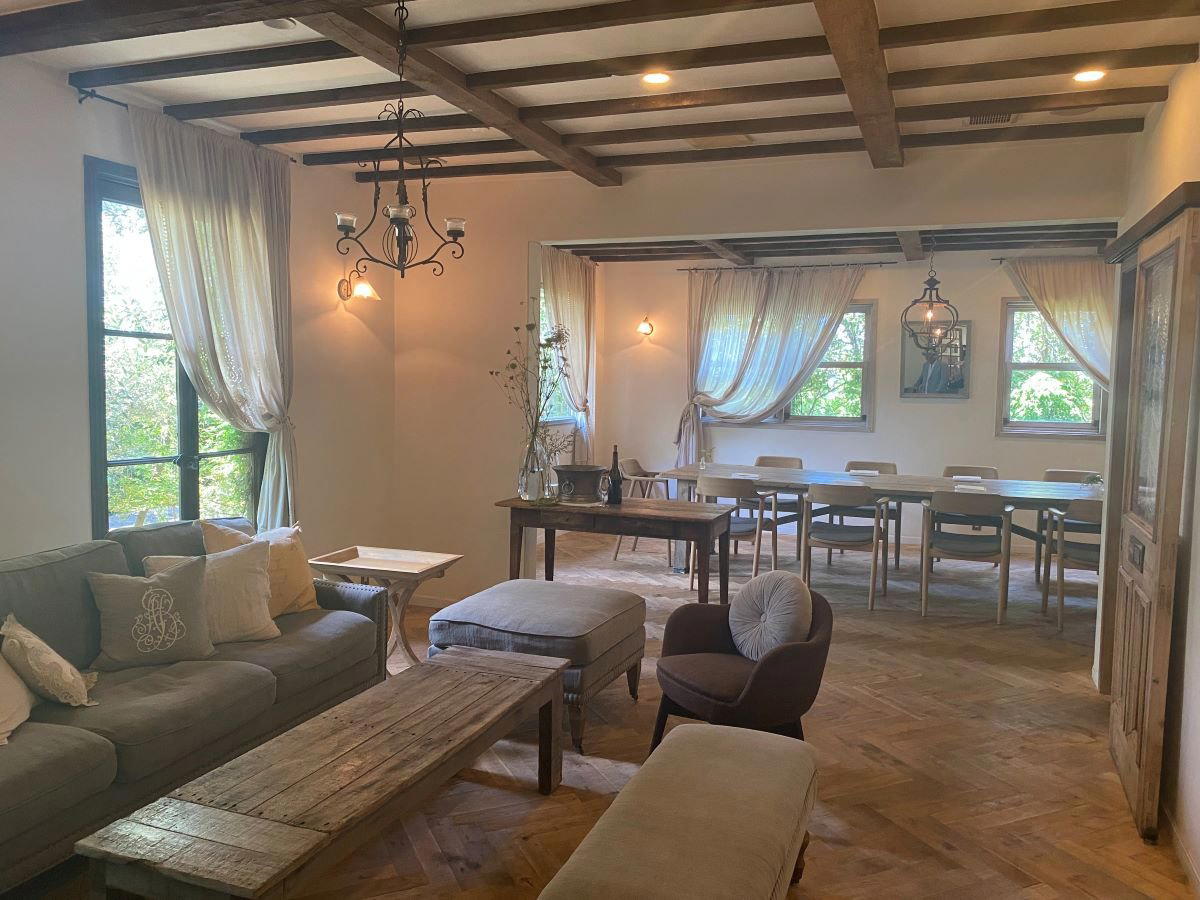

Bars in Iwade
Browse all →
Hotels in Iwade
Browse all →

Wineries in Iwade
Browse all →
At a Glance
- Intimate
- Rustic
- Elegant
- Hidden Gem
- Scenic
- Special Occasion
- Celebration
- Date Night
- Garden
- Open Kitchen
- Standalone
- Design Destination
- Extensive Wine List
- Sommelier Led
- Farm To Table
- Organic
- Local Sourcing
- Garden
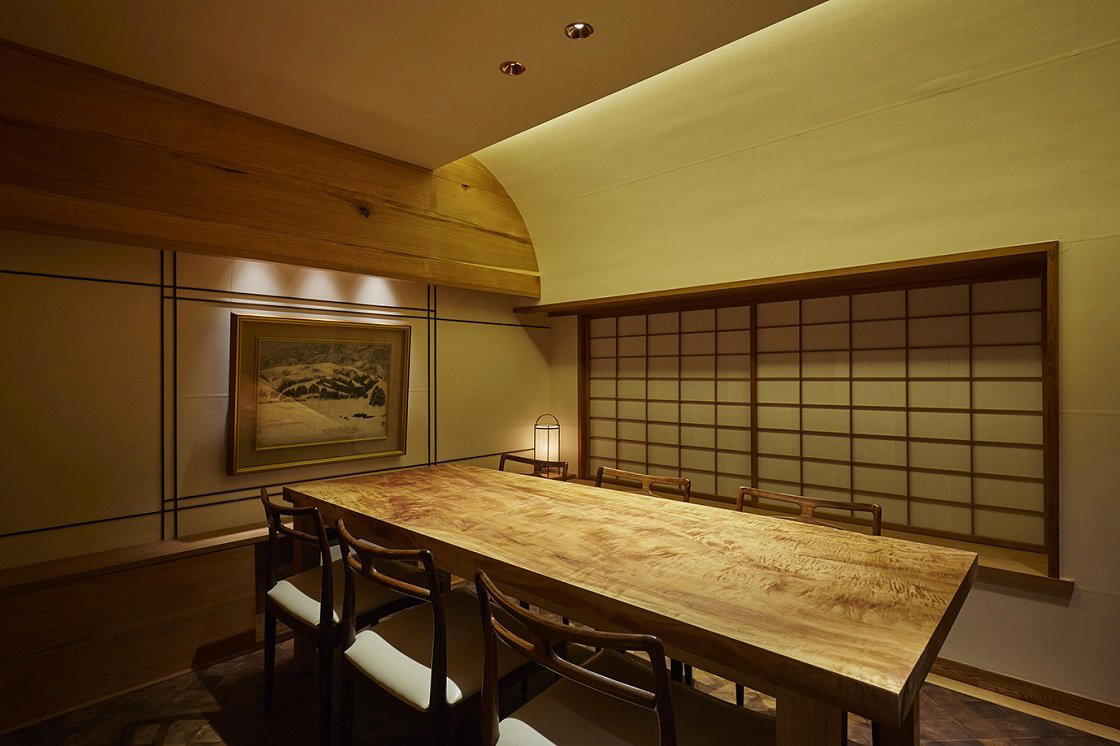
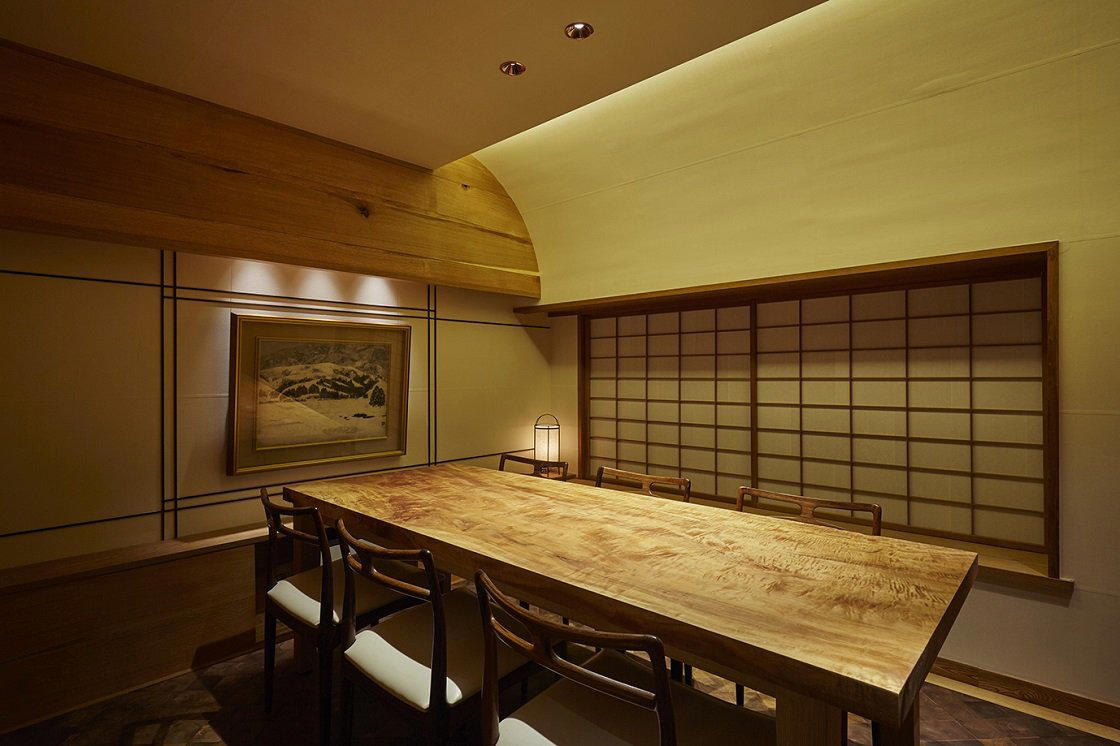
Warm, intimate setting resembling a private home with terracotta-colored walls, rustic wooden furnishings made from reclaimed Wakayama materials, and a relaxed yet refined atmosphere that emphasizes connection to the land and seasonal rhythms.