阿海鮮 operates in Taichung's Xitun District, where seafood-forward dining has quietly built a following among locals who prioritize ingredient sourcing over spectacle. The address on Shizheng North 2nd Road places it within a commercial corridor that rewards those willing to look past the neighbourhood's office-block exterior. Among Taichung's mid-range seafood options, it holds its ground on the strength of the kitchen's handling of fresh catch rather than theatrical presentation.
Pearl is the En Primeur Club membership app — saves, bookings, and concierge access live there. Same editors, same standards.
- Address
- No. 356號, Shizheng North 2nd Rd, Xitun District, Taichung City, Taiwan 407
- Phone
- +886422522127
- Website
- m.facebook.com
- Directions
- Get directions
 Saves & bookings on Pearl
Xitun's Seafood Corridor and Where 阿海鮮 Sits Within It
Taichung's Xitun District is not the city's most photographed dining quarter. The stretch of Shizheng North 2nd Road where 阿海鮮 is located, No. 356, a commercial block that reads more workaday than destination, tells you something useful about the category it occupies. This is the kind of address that filters for intent: diners who arrive here are not chasing atmosphere manufactured for social media, but rather the kind of seafood preparation that Taiwanese coastal cooking does with particular confidence when left to its own devices.
That context matters because Taichung's dining identity has been pulled in competing directions in recent years. On one end, internationally oriented tasting-menu restaurants like JL Studio in Taichung have staked the city's claim to a place in Taiwan's fine-dining conversation. On the other, neighbourhood institutions have held ground by serving the kind of food that long-term residents actually eat. 阿海鮮 belongs to the latter category, positioned in Xitun's less curated commercial corridor rather than the design-conscious blocks further south.
The Physical Container: What the Space Communicates
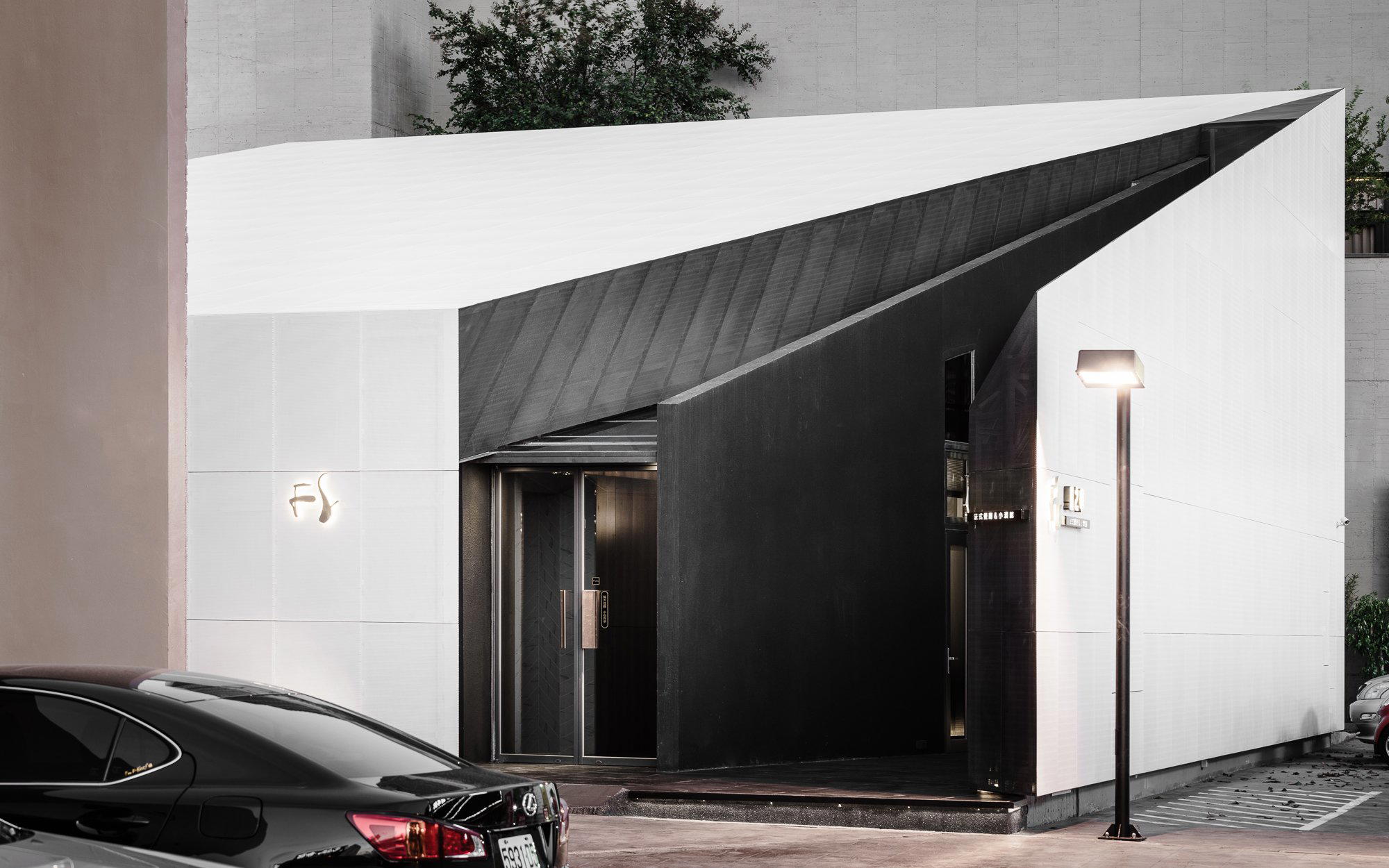
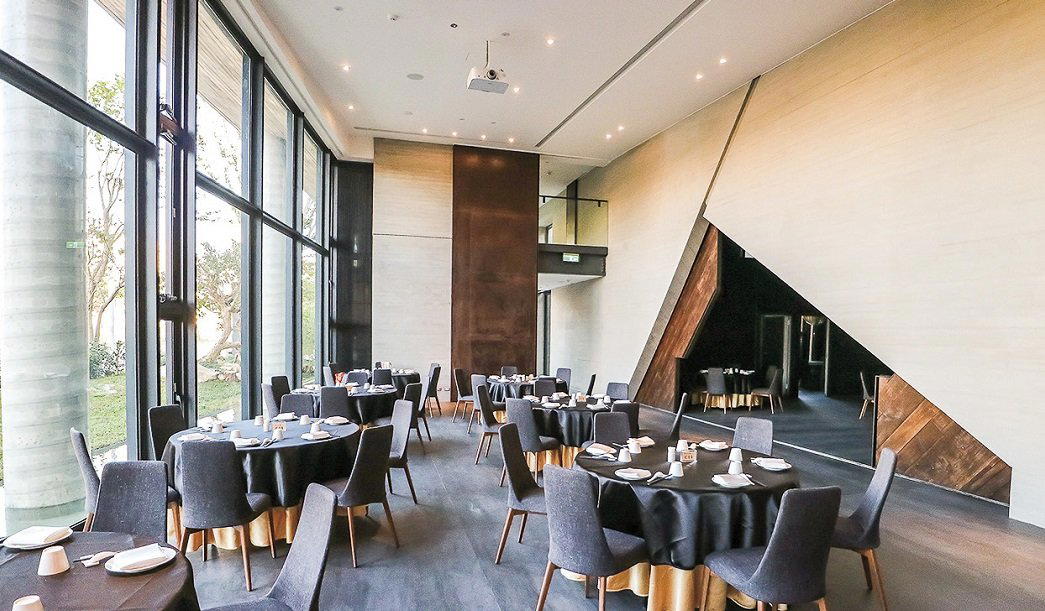
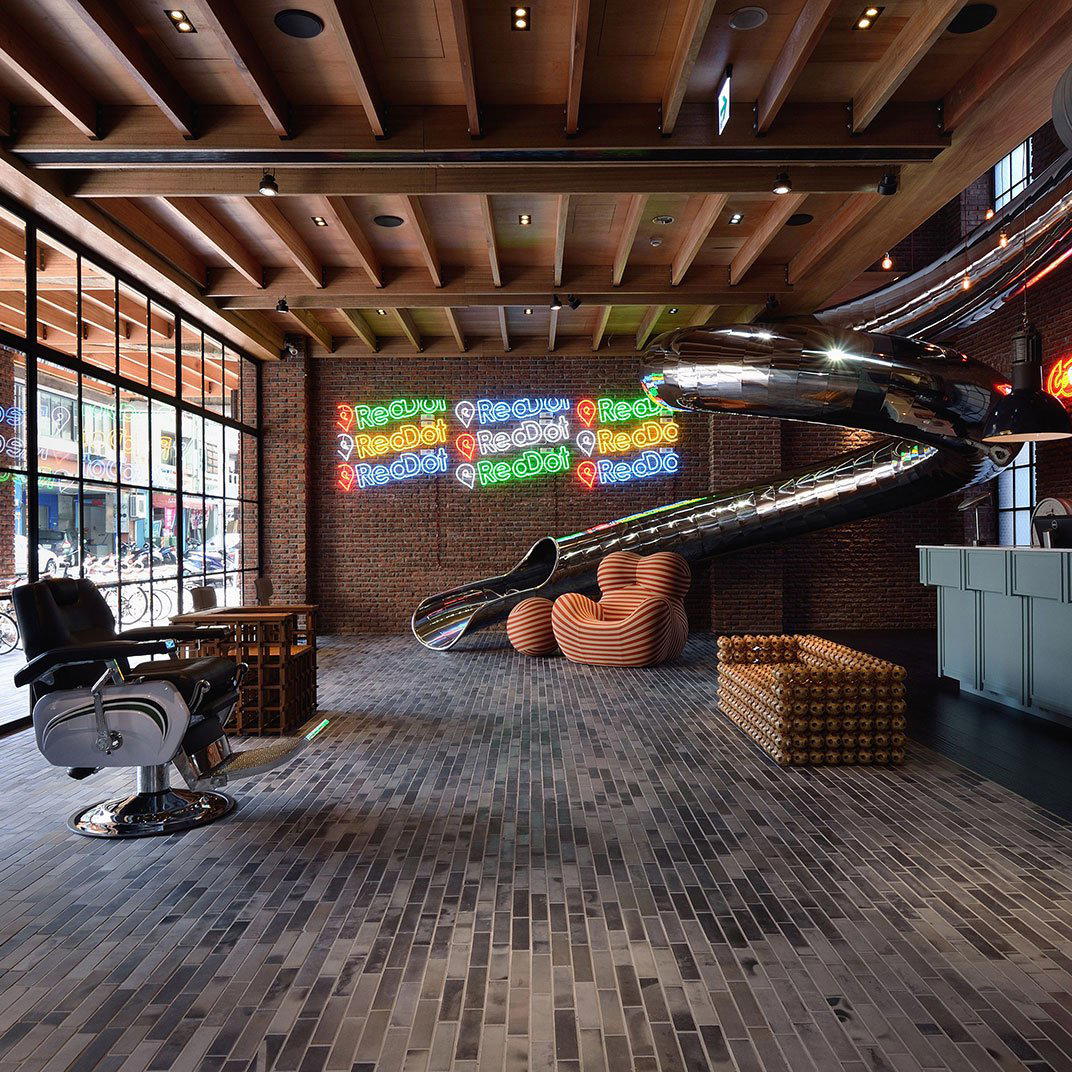
In Taiwanese seafood dining, the room itself often functions as a signal. The more deliberately designed the interior, the further the operation has moved from the fishmonger-to-table model that defines the category's credibility. Spaces that prioritise ingredient display over interior architecture, tanks along walls, catch presented at the entrance, tables arranged for practical throughput rather than aesthetic composition, tend to indicate that the kitchen's budget has gone into sourcing rather than fit-out.
The Xitun address and the venue's general positioning within Taichung's mid-range suggest a room built around function. This is not a weakness. Across Taiwan's seafood restaurant category, from the market-adjacent operations in Tainan (where Amei in Tainan demonstrates what long-running local authority looks like) to the more rural approaches visible at places like Akame in Wutai Township, the physical container's restraint is usually proportional to the kitchen's confidence. A room that does not compete with the food is, in its own way, a design statement.
What that means practically: 阿海鮮 is not a venue where the architecture is the draw. The seating arrangements serve groups eating family-style rather than couples seeking a refined dining experience. The space communicates efficiency and familiarity, which in the context of Taiwanese seafood cooking reads as a positive credential rather than a limitation.
Taichung's Broader Seafood Context
Taiwan's seafood dining culture operates across a wide price and formality spectrum. At the high end, ingredients sourced from specific fishing ports command significant premiums and appear on tasting menus with provenance notes. At the neighbourhood level, which is where 阿海鮮 operates, the emphasis shifts from provenance storytelling to execution: how the fish is handled between boat and plate, whether the kitchen times steamed preparations correctly, and how the accompanying sauces and vegetables are calibrated against the catch's natural salinity.
Taichung sits at some distance from Taiwan's fishing ports, which means inland seafood restaurants are working with supply chains that introduce variables not present in Tainan or Keelung. The quality differential between operators is therefore more pronounced: kitchens that maintain sourcing discipline across those supply chains produce noticeably better results than those that do not. Among Taichung's seafood-forward restaurants, this is the operational question that matters most, and it is the lens through which 阿海鮮's position in the local market should be understood.
For a broader picture of what Taichung's dining scene covers across categories, the full Taichung City restaurants guide maps the range from neighbourhood noodle operations like A Kun Mian to yakiniku specialists like Abura Yakiniku, and casual formats like Burger Joint and cafe crotchet. The range illustrates how Taichung has developed a diversified dining identity without the concentrated fine-dining cluster that defines Taipei.
Positioning Against Taiwan's Wider Dining Circuit
Visitors familiar with Taiwan's more internationally documented dining destinations will find Xitun's seafood corridor operating on different terms than the venues that dominate coverage. In Taipei, logy in Taipei represents the kind of technically sophisticated, internationally referenced cooking that attracts awards attention. In Kaohsiung, GEN in Kaohsiung sits in a comparable tier. 阿海鮮 is not competing in that space, and the Xitun address makes no claim to be.
This is worth stating plainly because the distinction shapes how the visit should be framed. Arriving at 阿海鮮 with expectations calibrated for a destination tasting-menu experience produces the wrong frame. Arriving as someone interested in how Taichung's working-neighbourhood seafood category operates produces the right one. The comparison set is not Le Bernardin in New York City or Lazy Bear in San Francisco; it is the cluster of similarly positioned Xitun restaurants where local families eat fish on weekday evenings.
Across Taiwan's regional dining circuits, this category of neighbourhood seafood restaurant has proven more durable than many higher-profile operations. The model does not depend on chef celebrity, rotating seasonal menus, or award-cycle attention. It depends on consistent sourcing, kitchen muscle memory, and a customer base that returns because the food is reliable. Those are not glamorous credentials, but they are, in the context of restaurant longevity, more substantial than most.
Planning a Visit
阿海鮮 is located at No. 356, Shizheng North 2nd Road in Taichung's Xitun District. The address is accessible by road and sits within a commercial zone that is navigable by the city's main transit options, though Xitun is generally car and scooter-friendly rather than walkable from central transit hubs.
For those building a broader Taiwan itinerary, the regional comparison is useful context: Bebu in Hsinchu County, Chi Yuan in New Taipei, Dongmen Rice Noodle Soup in Hsinchu City, Shen Yen in Yilan, and Volando Urai Spring Spa and Resort in Wulai District each represent different nodes on the island's regional dining map, and together they sketch how Taiwan's food culture distributes itself outside the capital's concentrated dining pressure.
Compact Comparison
Comparable venues nearby, for context on price, style, and recognition.
| Venue | Cuisine | Price | Notes |
|---|---|---|---|
| 響海鮮This venue — the venue you are viewing | Not listed | $$$ | Not listed |
| Abura Yakiniku | Jilong, Japanese Yakiniku | $$$ | Not listed |
| ä¸æµ·æªå麵é»é ¸æ¢ 湯 | Gongyuan, Modern Taiwanese Noodle Bar | $$$ | Not listed |
| 樂沐法式餐廳 Le Moût Restaurant | Not listed | $$$$ | West District (西區), Contemporary French Fine Dining |
| 千味海鮮 | Fengle, Taiwanese Seafood | Not listed | Not listed |
| Gubami | Not listed | $$$ | West District, Gourmet Taiwanese Beef Noodle |

At a Glance
- Elegant
- Intimate
- Sophisticated
- Date Night
- Special Occasion
- Chefs Counter
- Open Kitchen
- Sake Program
- Local Sourcing
- Sustainable Seafood
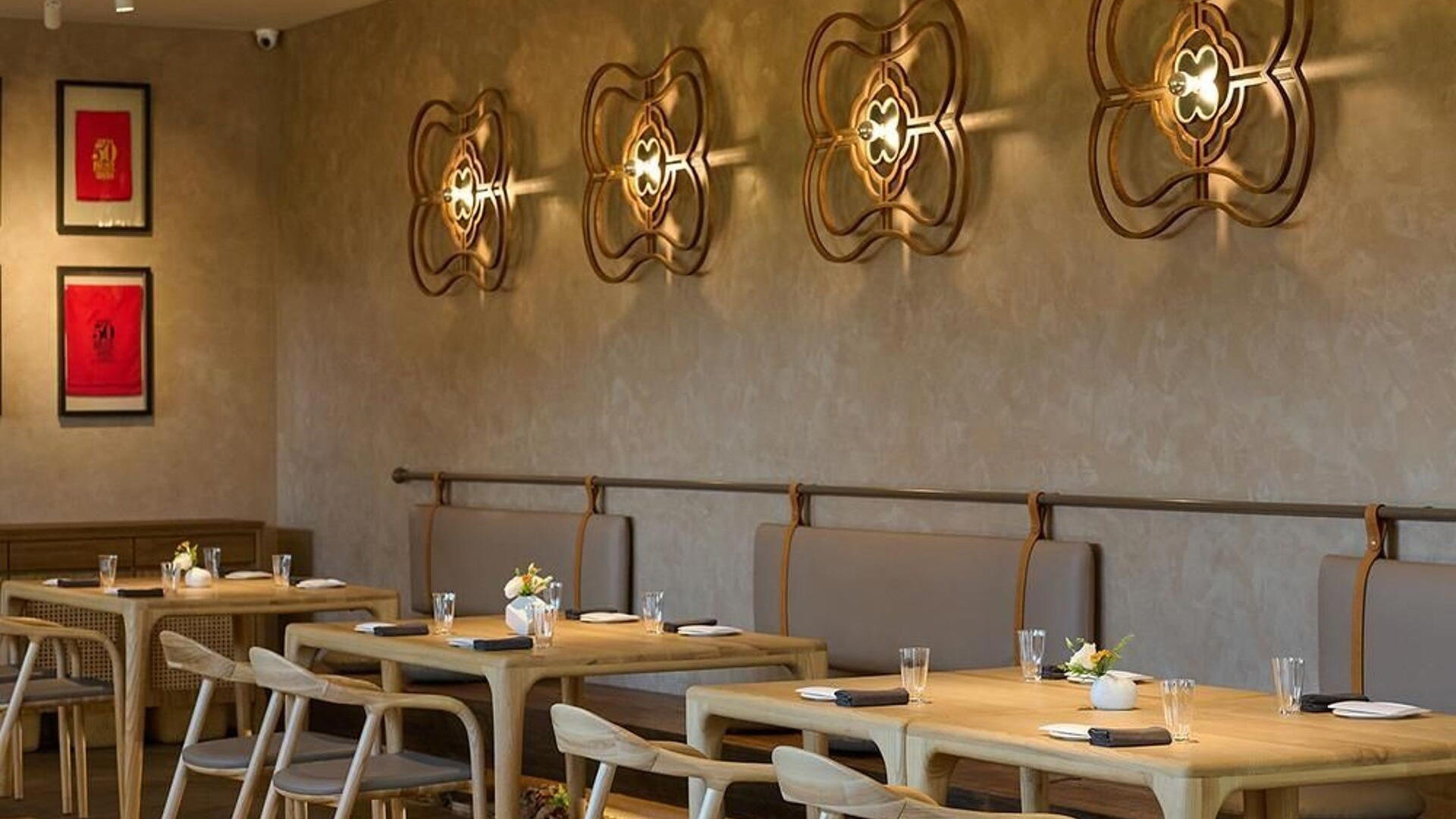
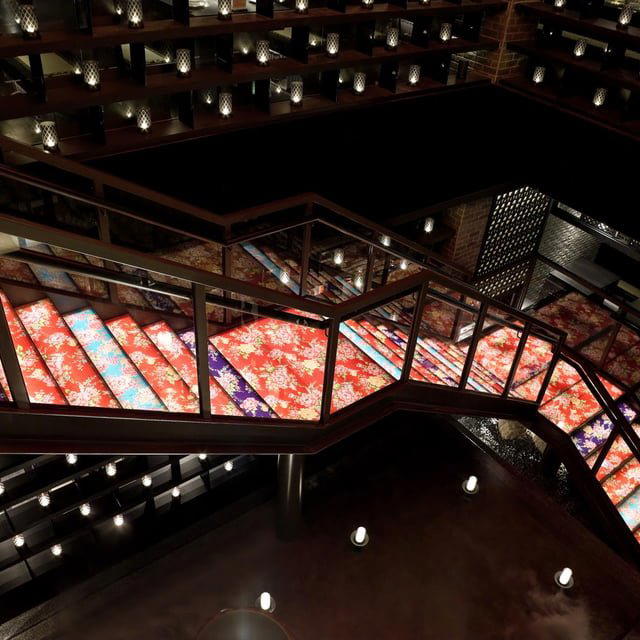
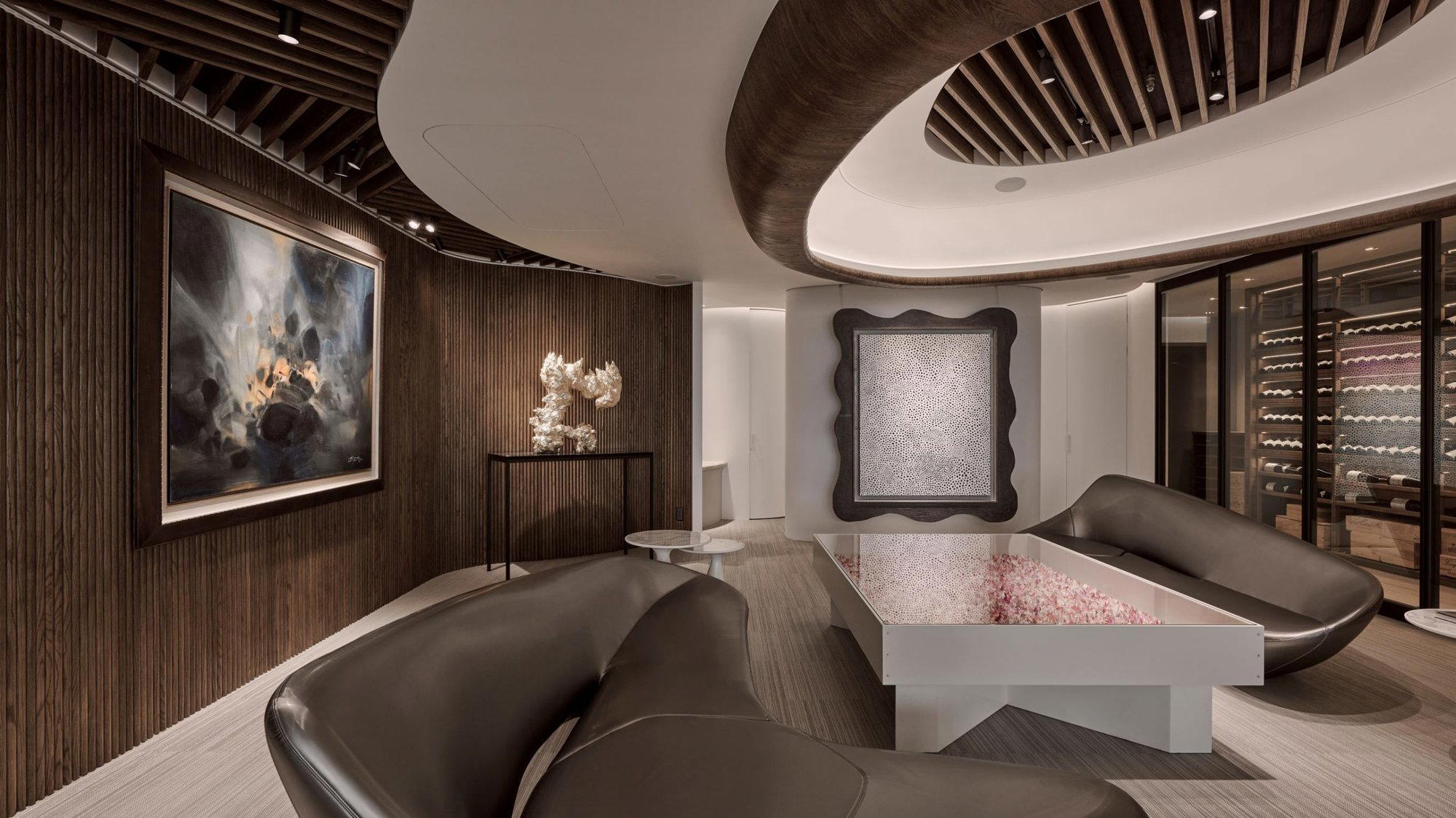
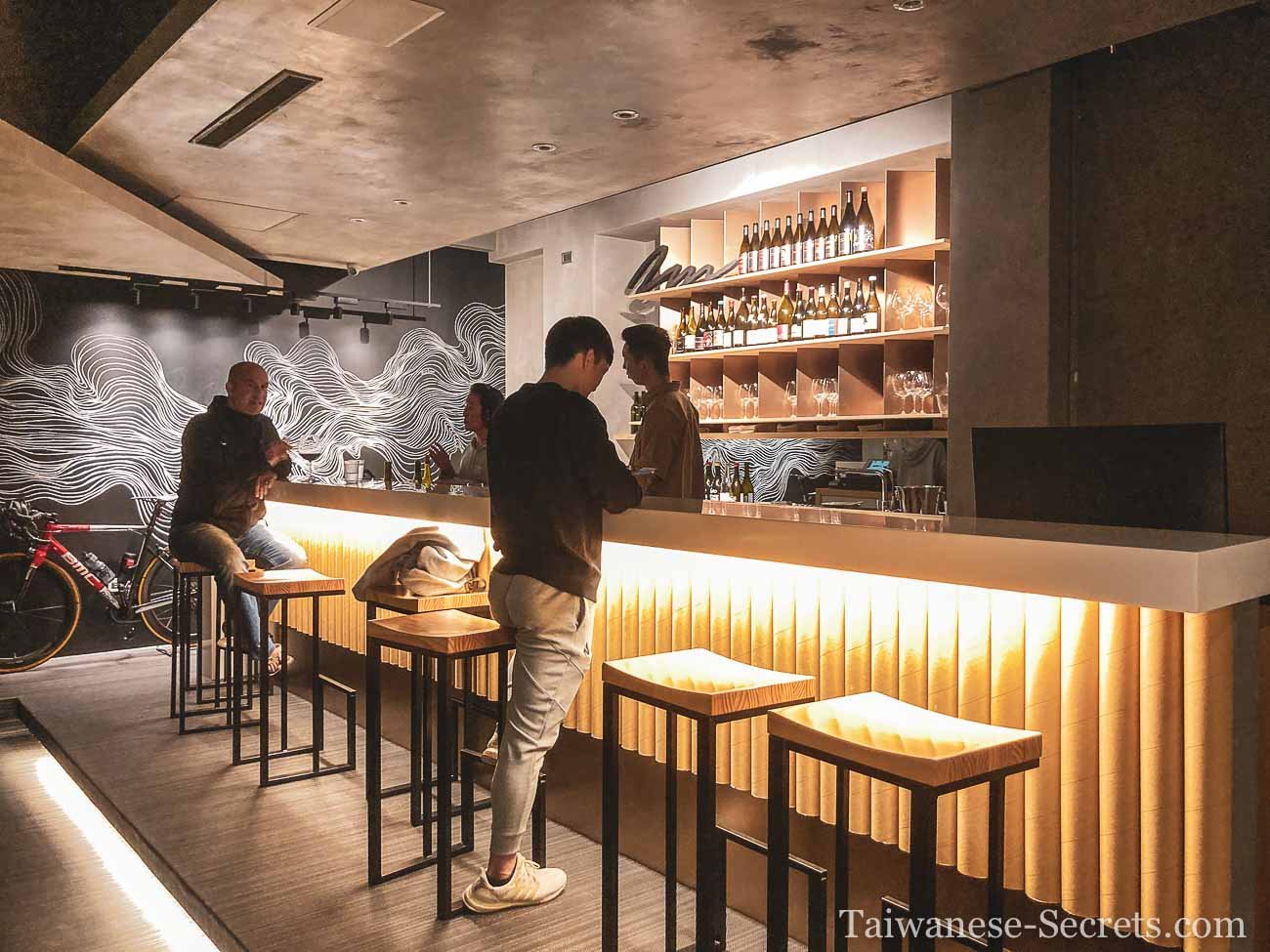
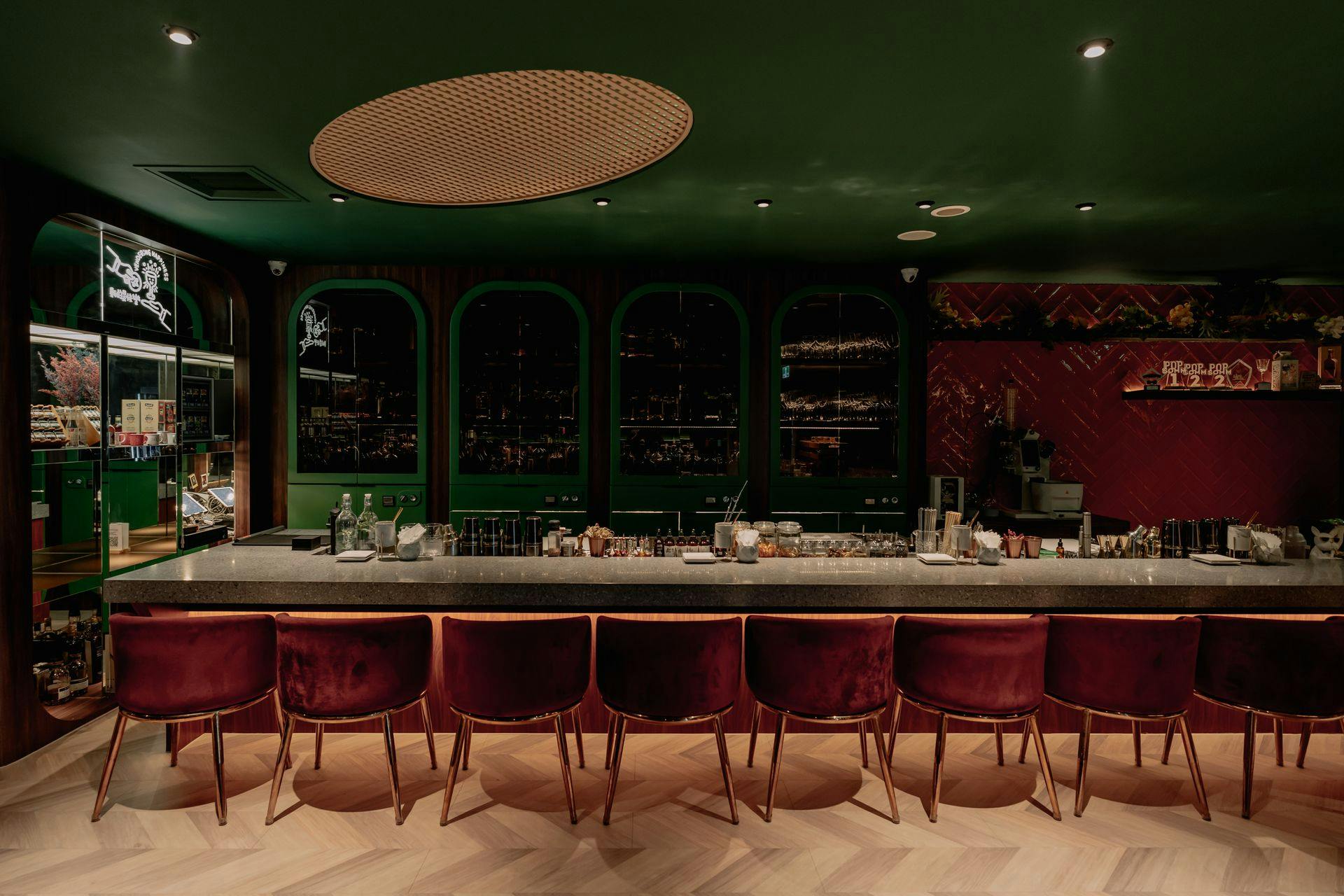
Dimly lit, minimalist space with warm wood accents creating a serene and refined atmosphere.