A Taichung noodle and fermented-rice hotpot specialist on Shifu Road in the Central District, 上海爿頭麵疙瘩酸菜湯 sits in a neighbourhood eating tradition that prizes slow-cooked broths and pickled brassica as structural ingredients rather than condiments. The format places it alongside Taichung's casual but serious soup-noodle houses, where the bowl is the whole point and the room is built around the act of eating.
Pearl is the En Primeur Club membership app — saves, bookings, and concierge access live there. Same editors, same standards.
- Address
- No. 69號, Shifu Rd, Central District, Taichung City, Taiwan 400
- Phone
- +886422250377
- Website
- facebook.com
- Directions
- Get directions
 Saves & bookings on Pearl
Where Shifu Road Eats Its Soup
Central District Taichung has never been the city's most photographed quarter, but it holds a denser concentration of old-form noodle houses than most visitors realise. Shifu Road, running through the administrative heart of the district, is lined with the kind of low-signage shopfronts that have fed office workers and market vendors since before Taichung's design-hotel era began. ä¸æµ·æªå麵é»é ¸æ¢ 湯 sits in that corridor, at No. 69號, operating in a tradition that treats fermented cabbage broth not as a regional novelty but as a structural base, the thing the meal is built around.
The format itself belongs to a lineage that ran from Shanghai through postwar Taiwan, arriving in cities like Taichung via the wave of mainland migrants who settled here in the late 1940s and 1950s. That history matters when you sit down to eat, because the sour-cabbage hotpot style, where the tang of 酸菜 (suancai) anchors the broth rather than simply flavouring it, is a different culinary logic from the beef-noodle and pork-rib soup traditions that define most of Taiwan's street-level noodle culture. The two traditions have coexisted in Taichung for decades, but they serve different appetites and attract different regulars.
The Physical Container
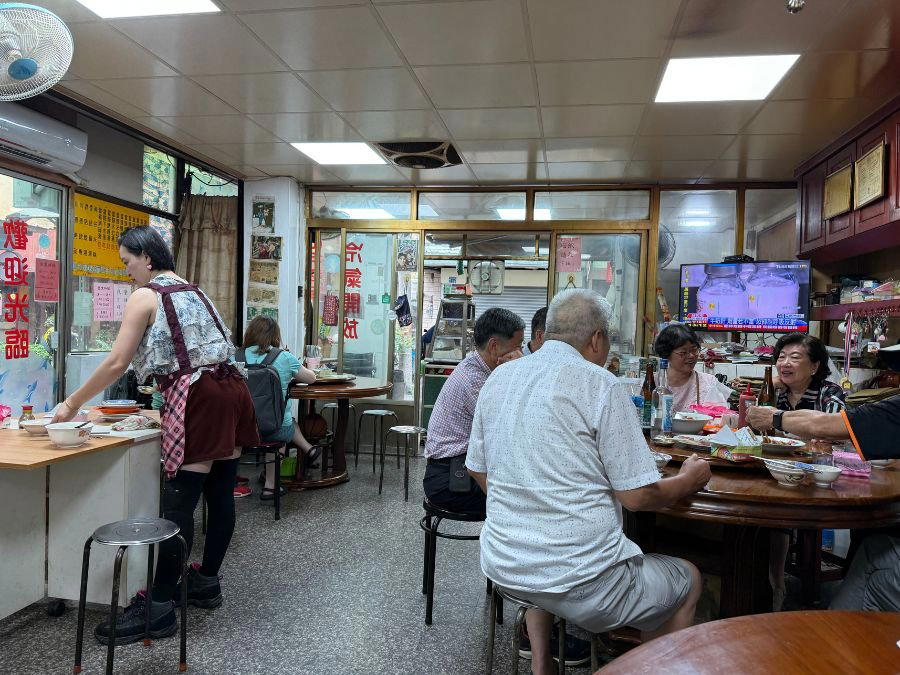
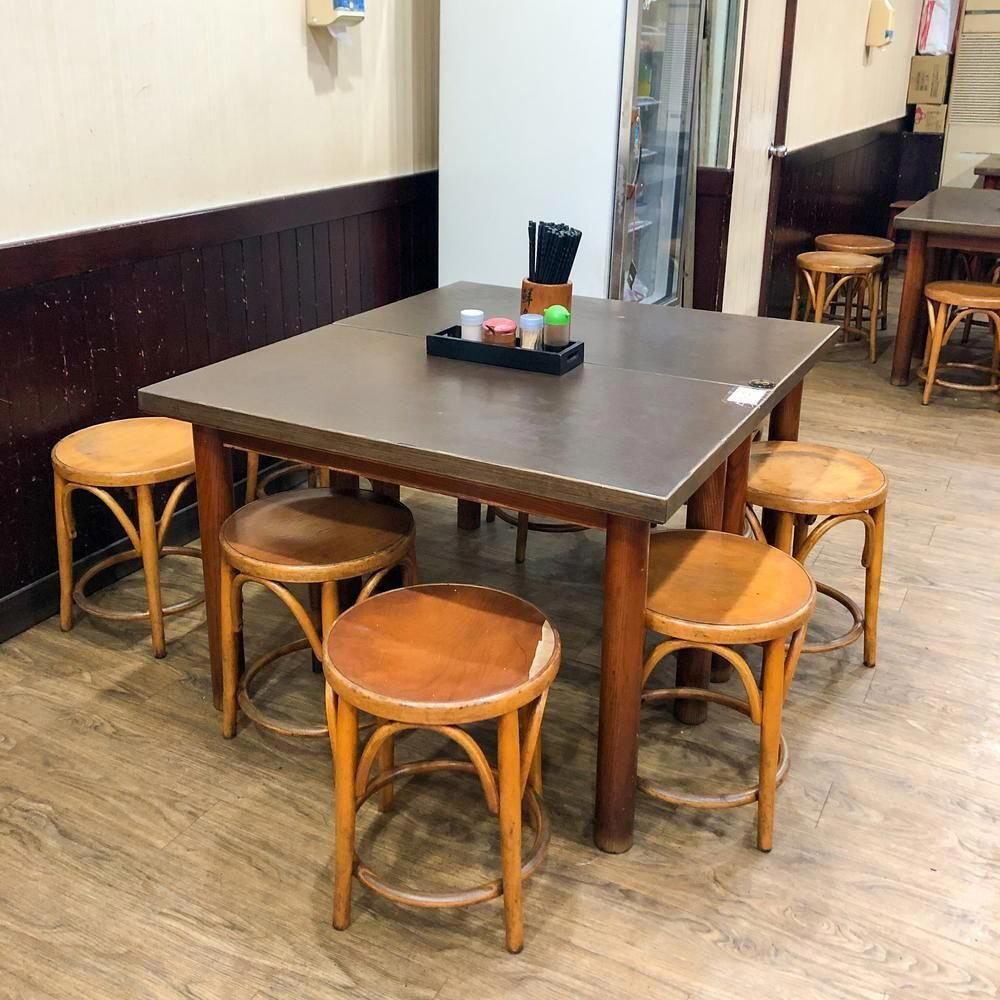
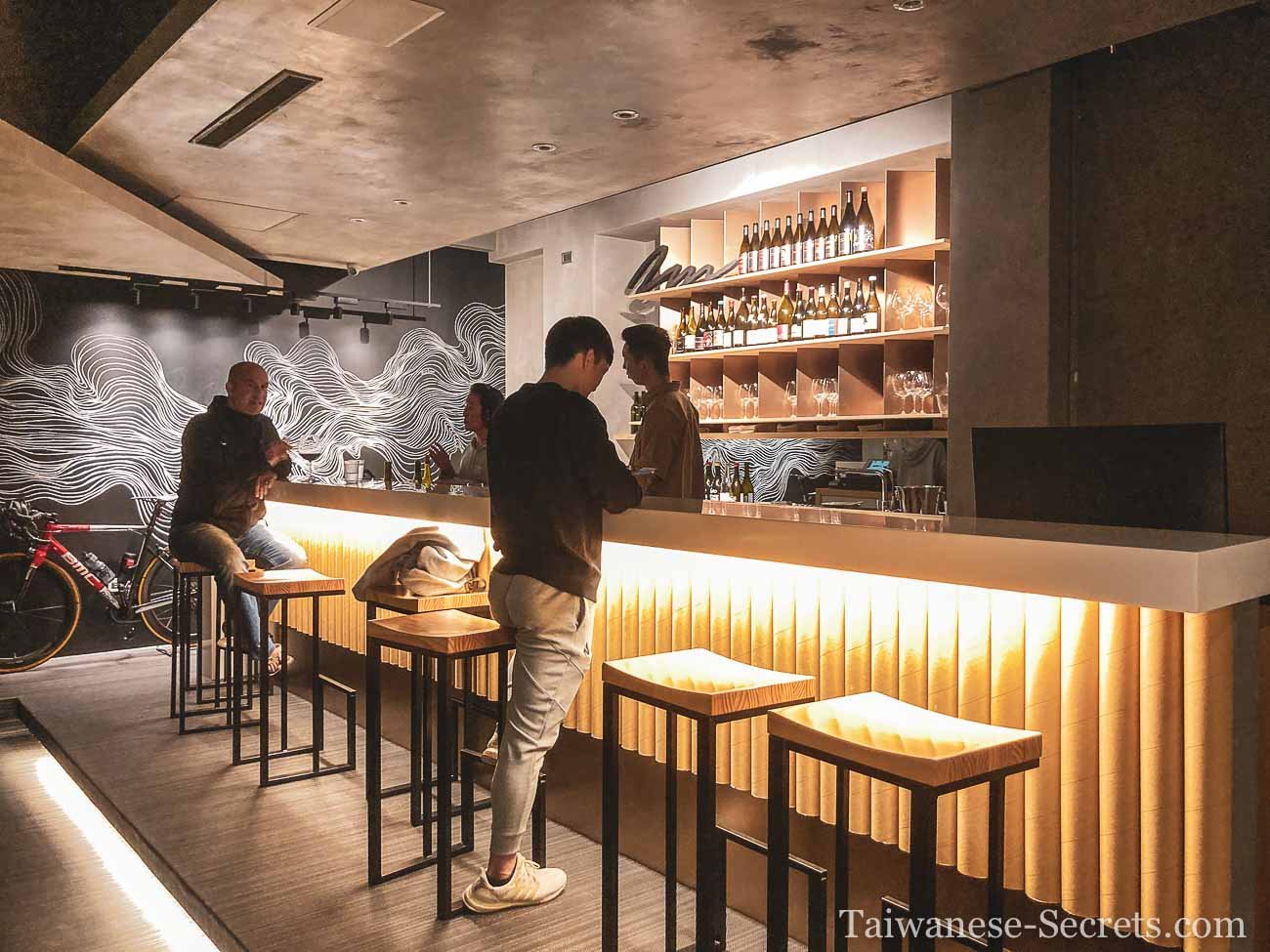
Taichung's serious soup houses tend to fall into one of two spatial registers: the bright, tiled, deliberately utilitarian room where the absence of decoration is itself a statement, and the slightly older format where accumulated years of operation have made the space feel lived-in without any deliberate effort. 上海爿頭麵疙瘩酸菜湯 belongs to the second type. The interior communicates function: tables positioned for turnover rather than lingering, a cooking station that remains the visual centre of the room, and a noise level that rises and falls with the lunch and dinner rushes rather than being managed down by soft furnishings or music.
This is not incidental. In Taichung's noodle-house tradition, the design of the space is a form of editorial commitment. A room that strips away ambient softening is telling you that the bowl justifies the visit without assistance. Diners who arrive expecting the curated warmth of somewhere like cafe crotchet in the same city will find a different register entirely, and that difference is the point. The room's architecture enforces a specific contract with the guest: come for the broth, stay for as long as the broth requires, leave when you are done.
The seating arrangement, dense and practical, creates an incidental sociability that more deliberately designed rooms often fail to generate. Shared tables and close proximity produce the kind of overheard conversations and neighbour-glances that have characterised Taiwanese communal eating for generations. It is a spatial logic that JL Studio in Taichung, at the formal end of the city's dining register, deliberately inverts: where JL Studio uses space to create distance and ceremony, a soup house like this one uses compression to create community.
The Soup-Noodle Category in Taichung
Taichung sits in a competitive position within Taiwan's noodle geography. Taipei has the density of recognised beef-noodle institutions and the critical mass to support destination dining at every price point, from street stalls to the kind of contemporary Taiwan cuisine represented by logy in Taipei. Tainan has its own ancient-city gravity and specialities like those found at A Xia in Tainan. Kaohsiung has GEN in Kaohsiung and a port-city eating culture with its own logic. Taichung's identity is less loudly branded but no less real: it is a city of serious everyday eating, where the mid-tier and casual tiers often outperform their equivalents elsewhere in Taiwan.
Within that context, the sour-cabbage noodle house occupies a specific niche. It is not the accessible crowd-pleaser that a beef-noodle shop serves, nor is it the quick lunch stop that a simple noodle counter like A Kun Mian provides. The fermented-cabbage hotpot format asks for a slightly longer engagement, it is a meal with some ceremony to it, even in a utilitarian room. Regulars know to pace themselves against the broth, which is typically served in a state that intensifies as the meal continues. That dynamic, where the eating itself changes the dish, is what separates the format from faster noodle categories.
For diners who want to map Taichung's full casual register, the Central District offers a useful cross-section. DIN YUE RESTAURANT represents a different point on the same casual-eating continuum, while Abura Yakiniku and Burger Joint show the range of formats competing for the same lunch and dinner appetite. The full Taichung City restaurants guide maps those options across the city's distinct neighbourhoods.
The Shanghai-Taiwan Noodle Tradition
The 麵疙瘩 (mian geda) format, thick, hand-torn or hand-formed dough pieces cooked directly in broth, is one of the older portable noodle traditions in Chinese cooking. Unlike pulled or rolled noodles, which require equipment and skill to standardise, the torn-dough format was historically a home kitchen technique, a way of using wheat dough without specialist tools. Its presence in Taichung is a direct consequence of the postwar migration that brought Shanghai and northern Chinese cooking techniques south into a subtropical climate where local ingredients, particularly pickled vegetables, met northern methods head-on.
The 酸菜 component in this format carries a different flavour profile from the northeastern Chinese sauerkraut that non-Taiwanese audiences sometimes conflate with it. Taiwanese fermented mustard greens bring a cleaner, more mineral sourness than the lactic depth of longer-fermented cabbage preparations. That distinction matters in the bowl: the broth reads as sharp rather than funky, which allows the dough pieces to carry their own texture without being overwhelmed. It is a balance that takes practice to maintain at volume, which is one reason that the format has remained in the hands of specialists rather than spreading widely across the casual dining sector.
Planning a Visit
Address, No. 69乙, Shifu Road, Central District, places the restaurant within walking distance of Taichung's old civic core. The Central District is not a primary tourist destination, which means lunch and early-dinner crowds here are drawn predominantly from local office workers and neighbourhood regulars rather than visitors following a dining guide. That audience self-selects for efficiency: the turnover is real, and arriving slightly outside peak lunch hours (before noon or after 1:30pm) is the practical approach for anyone who prefers to eat without a wait. Venues in this category across Taiwan, compare the format with operations like åºå°äºé¯è飯 in Sanchong District or å»å£é´¨é¦é£¯ in Hsinchu City, tend to operate on tight daily schedules tied to ingredient prep, so sell-outs before closing time are a genuine risk.
A Lean Comparison
Comparable venues nearby, for context on price, style, and recognition.
| Venue | Cuisine | Price | Notes |
|---|---|---|---|
| ä¸æµ·æªå麵é»é ¸æ¢ 湯This venue — the venue you are viewing | Gongyuan, Modern Taiwanese Noodle Bar | $$$ | Not listed |
| Moon Mucang | Chaoyang, High-End Hot Pot | $$$ | Not listed |
| Gubami | Not listed | $$$ | West District, Gourmet Taiwanese Beef Noodle |
| Chun Shui Tong | Not listed | $$ | West District, Traditional Taiwanese teahouse & bubble tea |
| 東方龍古味今品料理 | Gouqian, Authentic Mongolian Flavors | Not listed | Not listed |
| Abura Yakiniku | Jilong, Japanese Yakiniku | $$$ | Not listed |
At a Glance
- Trendy
- Modern
- Intimate
- Sophisticated
- Date Night
- Special Occasion
- Solo
- Chefs Counter
- Open Kitchen
- Sake Program
- Craft Cocktails
- Local Sourcing
Current opening hours
- Monday
- 11 AM–7:30 PM
- Tuesday
- 11 AM–7:30 PM
- Wednesday
- 11 AM–7:30 PM
- Thursday
- Closed
- Friday
- 11 AM–7:30 PM
- Saturday
- 11 AM–7:30 PM
- Sunday
- 11 AM–7:30 PM
Hours can change for holidays and private events. Last verified .
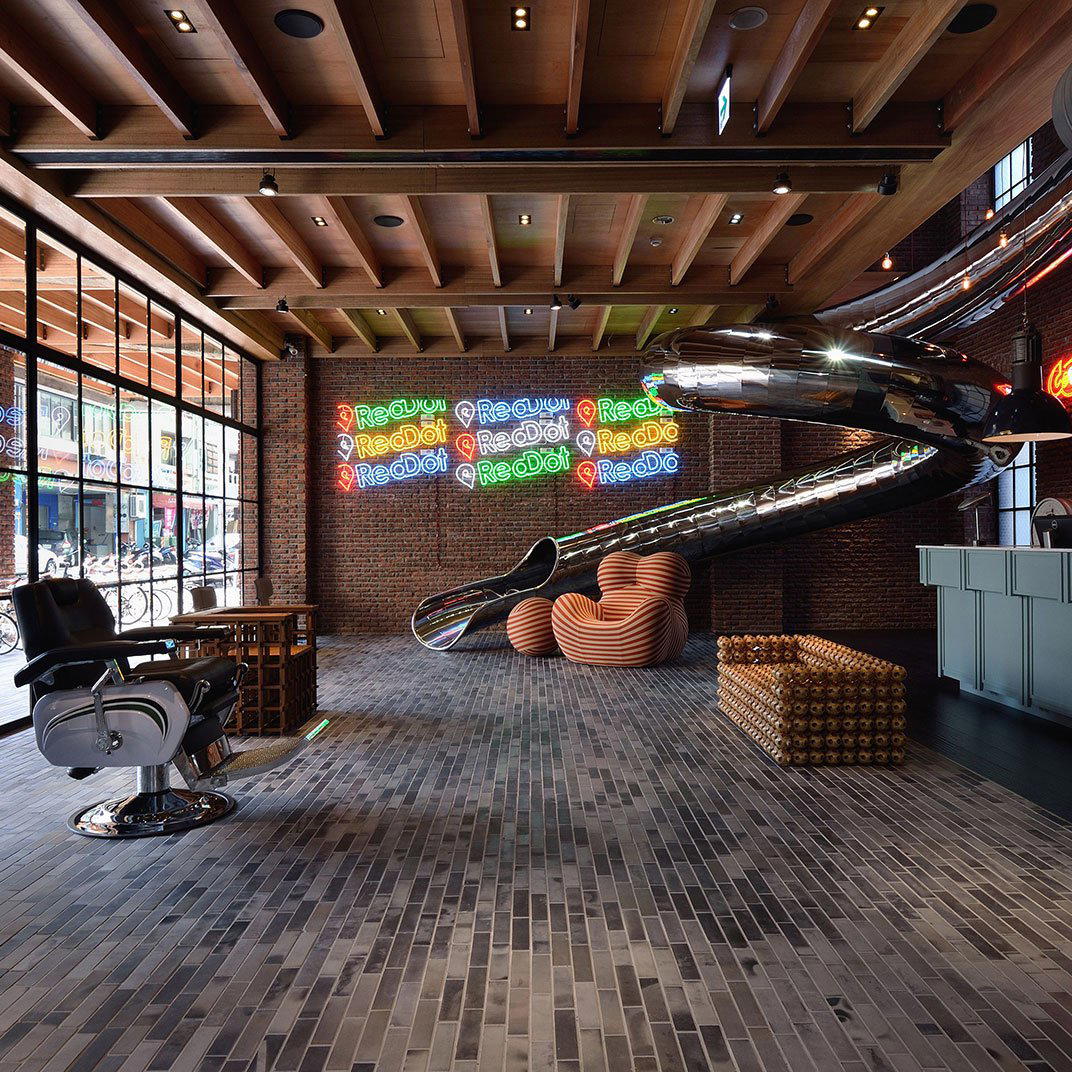
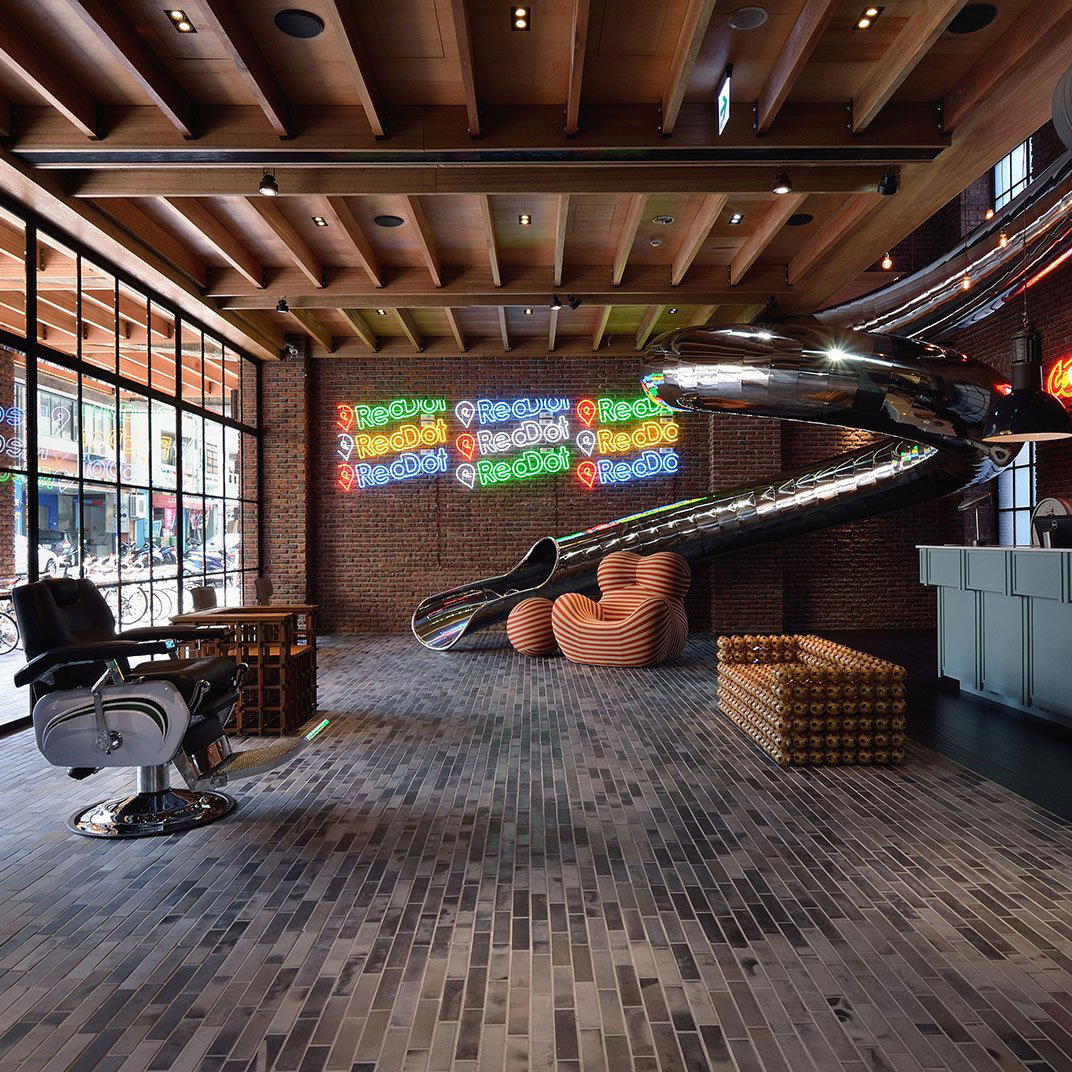
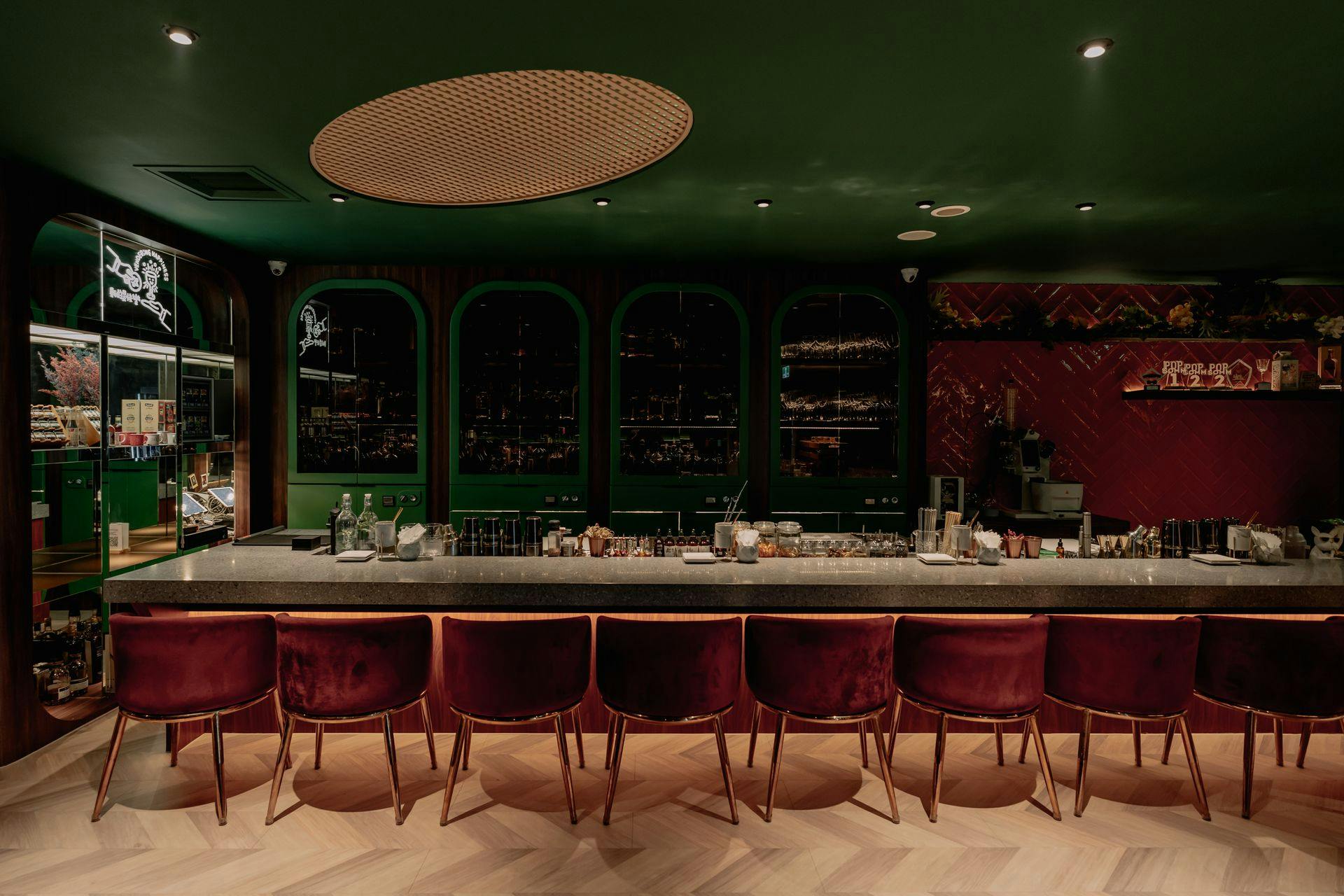
Dimly lit, minimalist interior with sleek counter seating and an intimate, focused atmosphere centered on the open kitchen.