Michelin Plate
Our verdict
NOTA_RESTO by Tomasz Leśniak holds consecutive Michelin Plate recognition (2024 and 2025) and sits in Kraków's €€€ modern cuisine tier alongside a small group of restaurants pushing Polish ingredients through a contemporary lens. It has earned consistent public endorsement to match its guide recognition. Book ahead; walk-in availability at this level in Kraków is limited.

Pearl is the En Primeur Club membership app, where members save venues, book tables and use the concierge.
Where Kraków's Modern Cuisine Scene Is Now
Kraków's restaurant scene has reorganised itself over the past decade into something more stratified than the Old Town tourist circuit once suggested. At the leading sits a small cohort of modern cuisine addresses holding Michelin recognition, each working through a similar set of questions: how much to anchor a menu in Polish agricultural tradition, how far to push technique, and how to price against a city where the dining public is increasingly well-travelled but still price-sensitive by Western European standards. NOTA_RESTO by Tomasz Leśniak has held a Michelin Plate in both 2024 and 2025, placing it inside that cohort and alongside names such as Copernicus in the €€€ bracket. The Plate designation, while below star level, is a consistent signal from the Guide that inspectors regard the cooking as worth a detour. Two consecutive years of that signal is a meaningful data point, not a one-off.
The Case for Ingredient-Led Modern Cooking in Southern Poland
Modern cuisine in central Europe is at its most compelling when it treats regional sourcing not as a marketing device but as a structural constraint that forces creativity. Southern Poland, and Lesser Poland (Małopolska) in particular, sits within reach of mountain-grazed dairy from the Tatra foothills, river fish from the Vistula basin, forest mushrooms from the Beskidy range, and a seasonal produce calendar that is shorter and more demanding than Mediterranean equivalents. Kitchens that commit to this geography produce menus that shift meaningfully with the calendar rather than offering a static repertoire dressed in seasonal garnishes.
This is the tradition NOTA_RESTO operates within. Modern Polish cooking at the €€€ level increasingly asks whether French or Scandinavian technique can be applied to ingredients that are not French or Scandinavian in character, and the better answers tend to treat the ingredient as the fixed variable rather than the method. For context on how this approach plays out at the Michelin-starred tier elsewhere in Poland, Arco by Paco Pérez in Gdańsk and Muga in Poznań represent the northern and western poles of the same broader conversation. In Warsaw, hub.praga approaches it from a different neighbourhood register. The question of what ingredient sourcing actually means in practice, traceable provenance versus loose regionality versus genuine supplier relationships, is the live debate across all of them.
The Dining Room: Format and Atmosphere
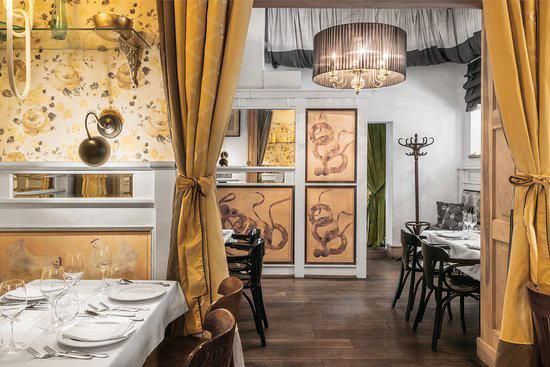
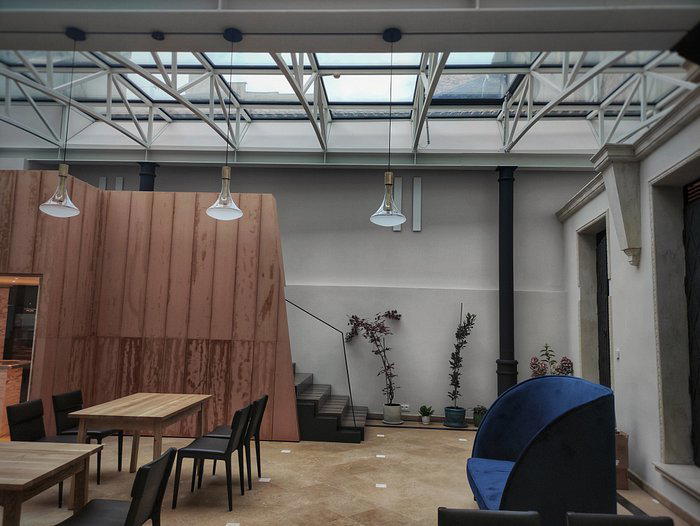
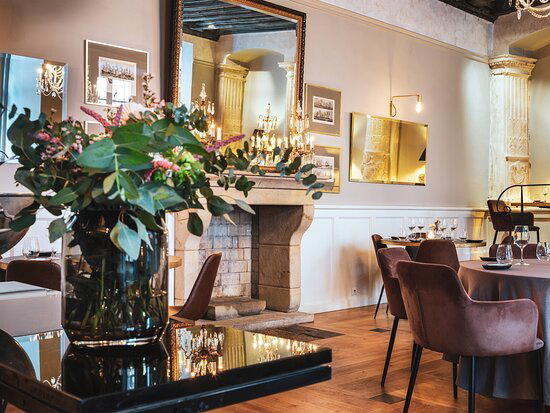
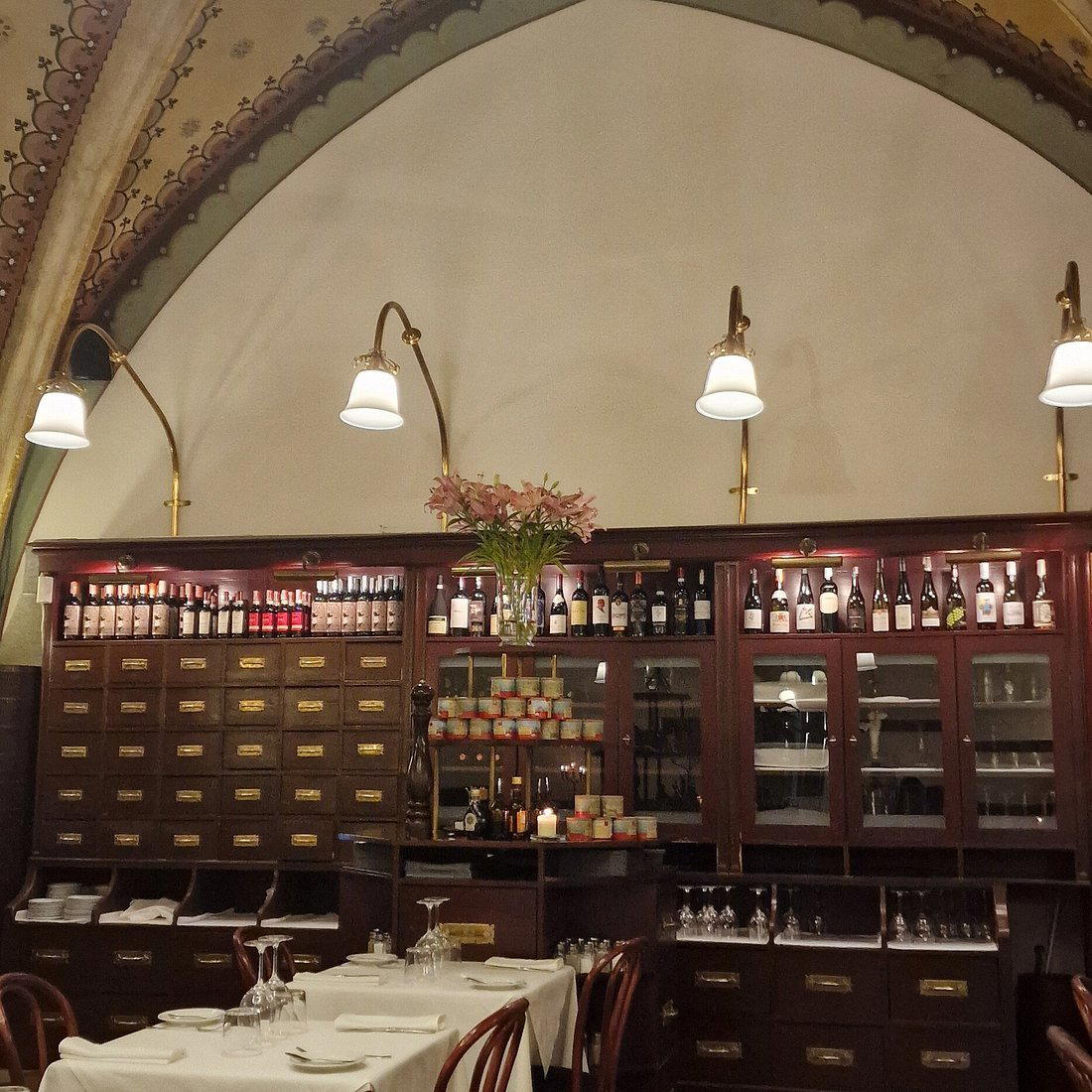
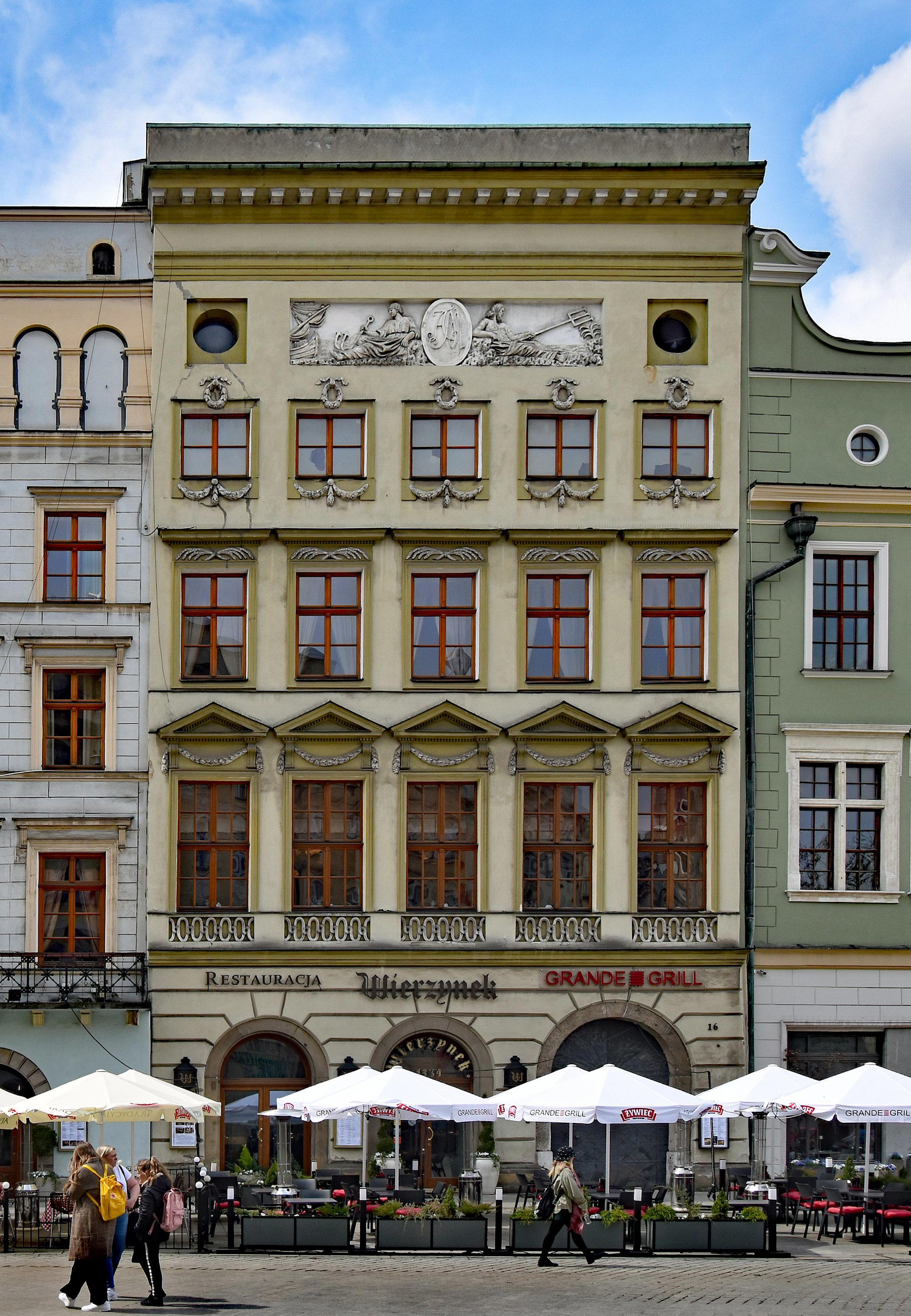
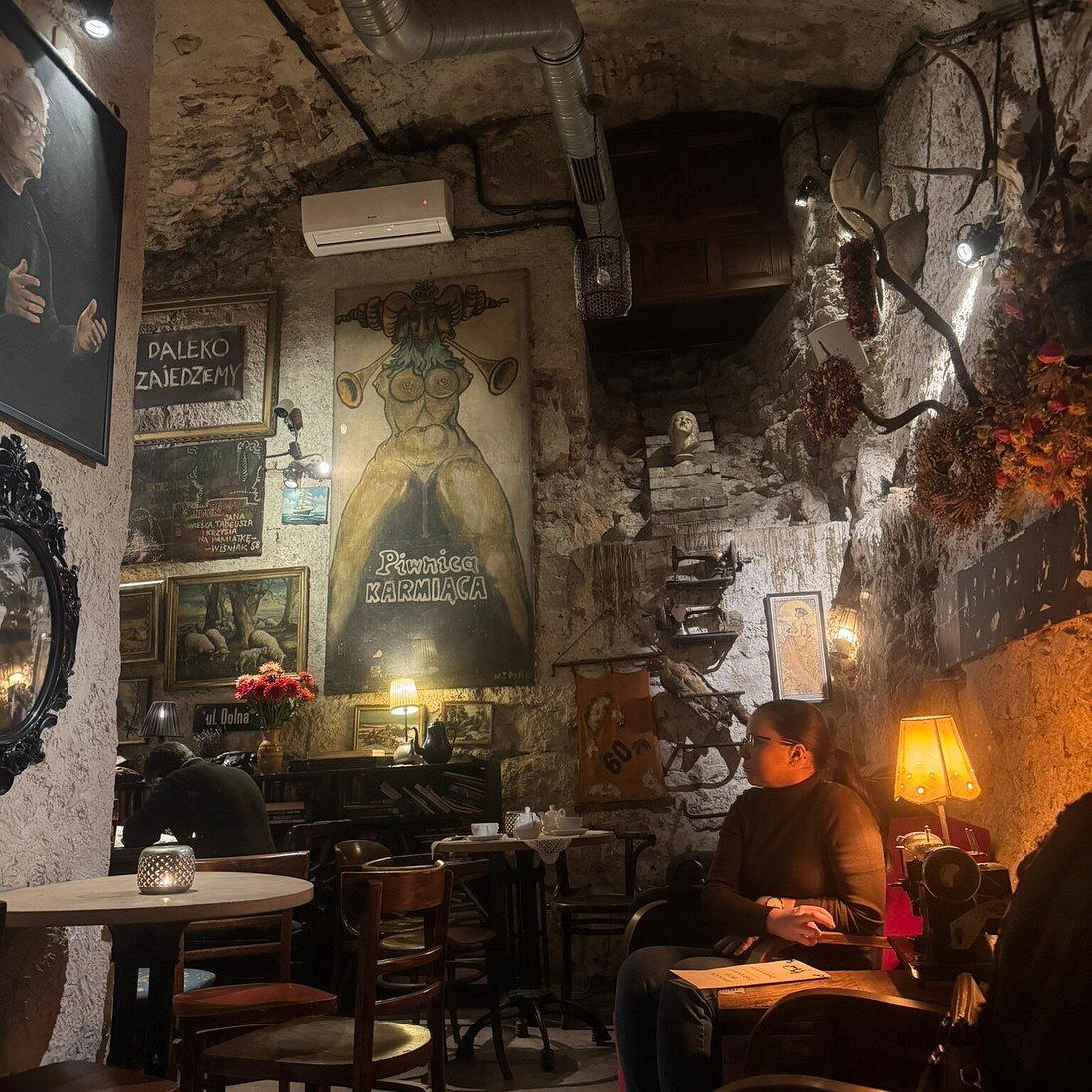
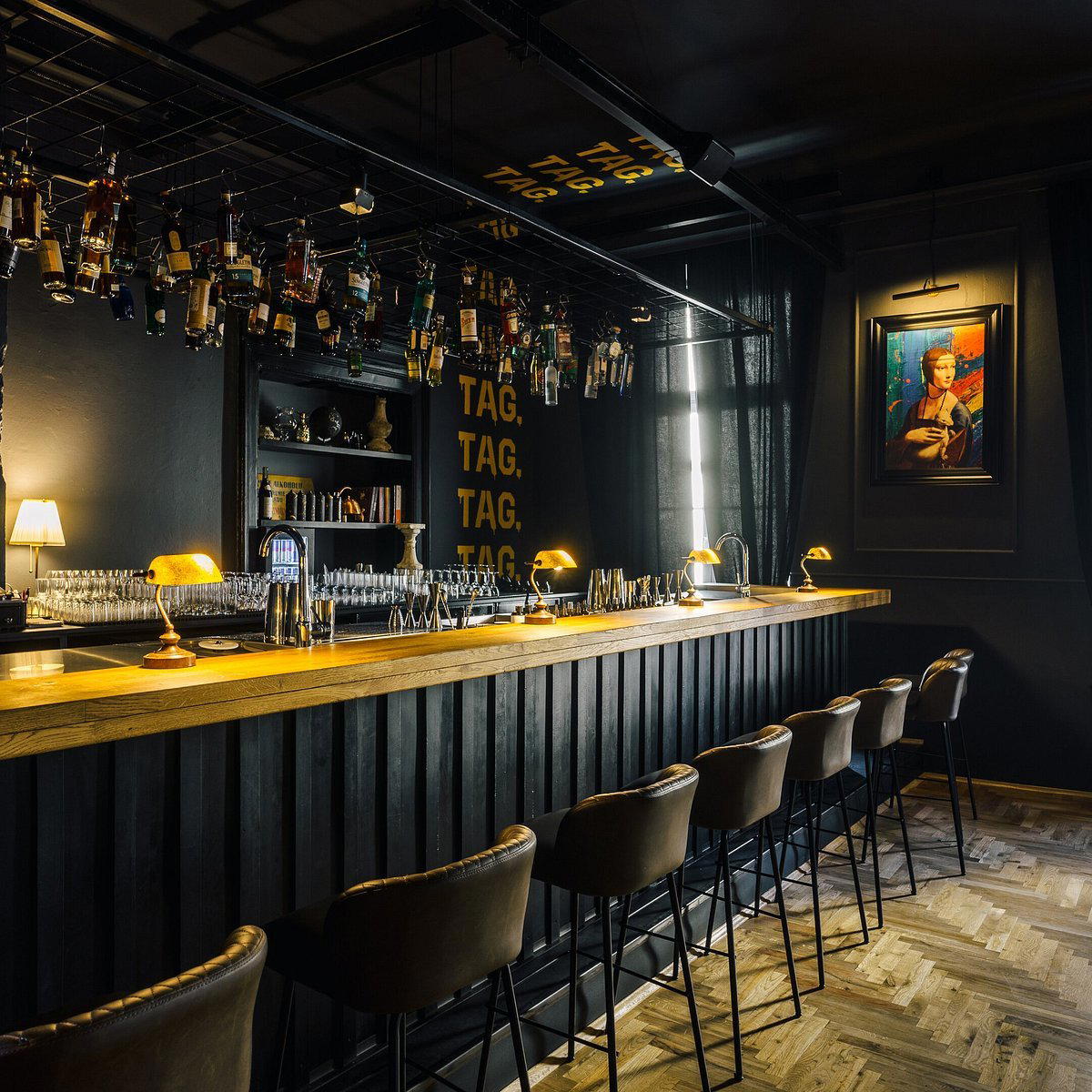
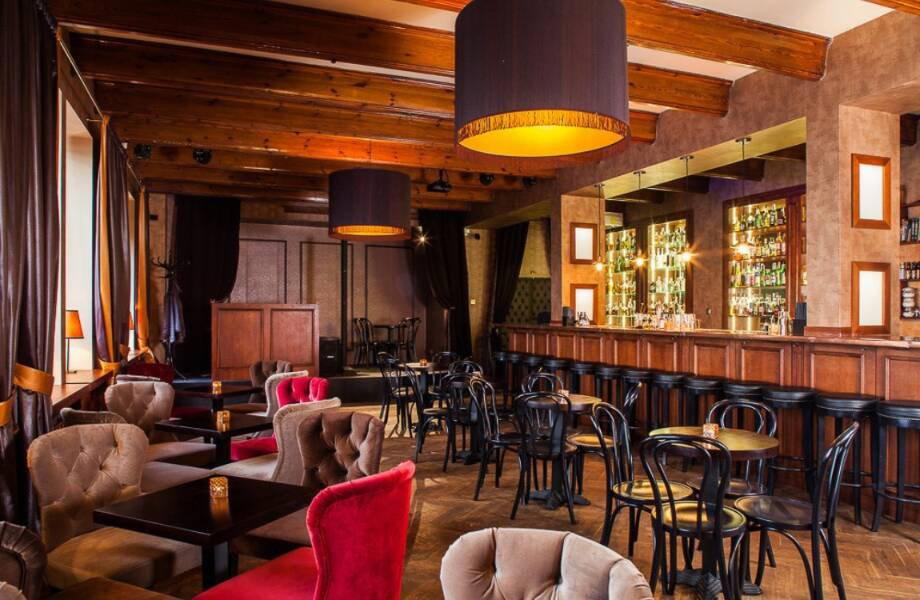
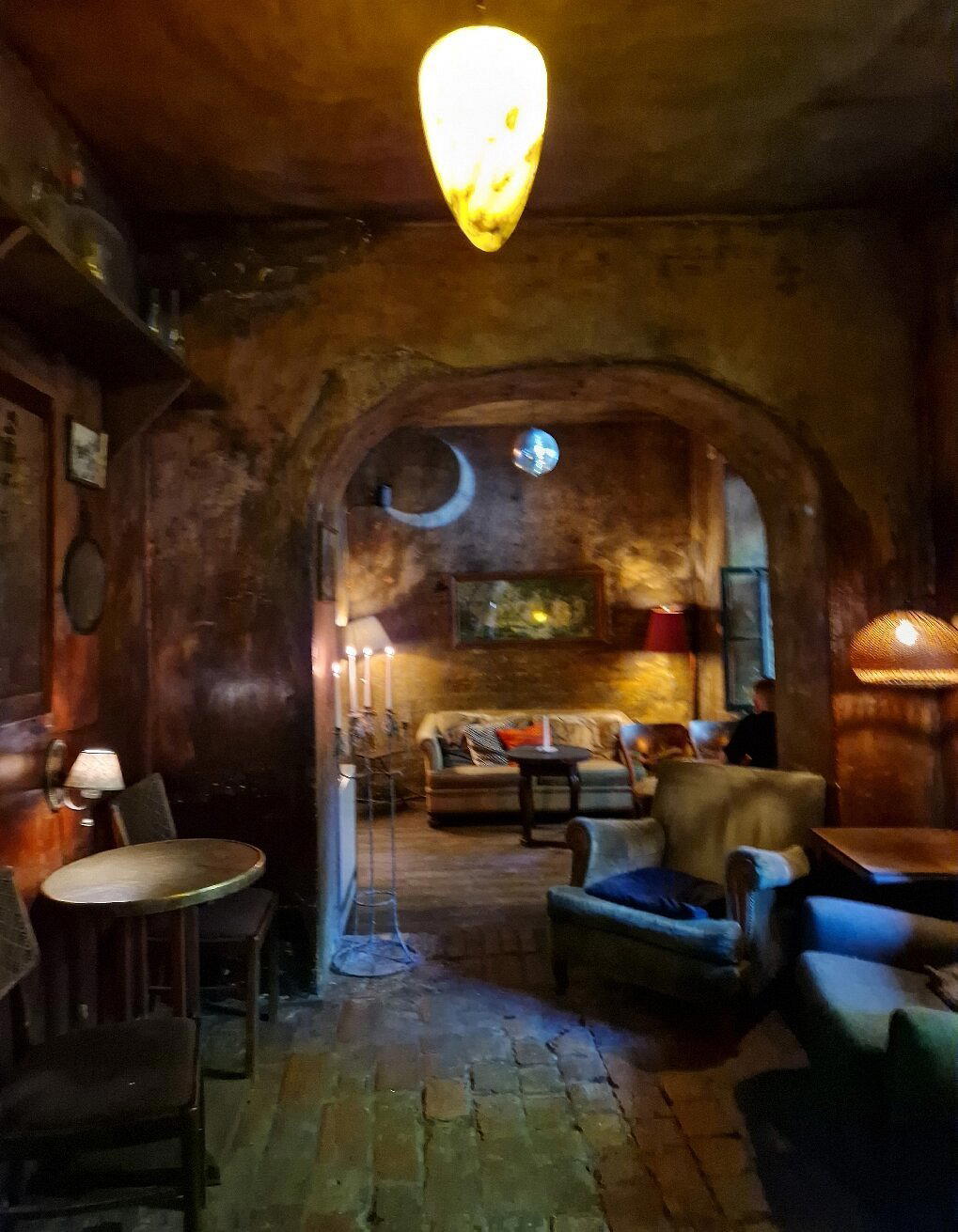
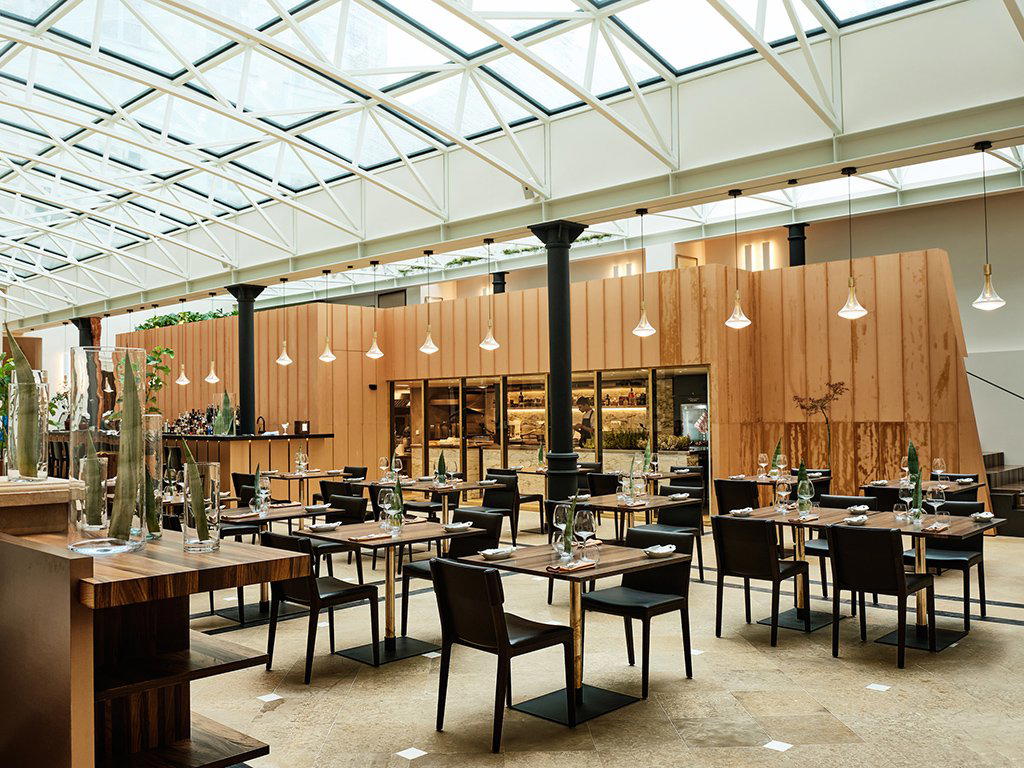
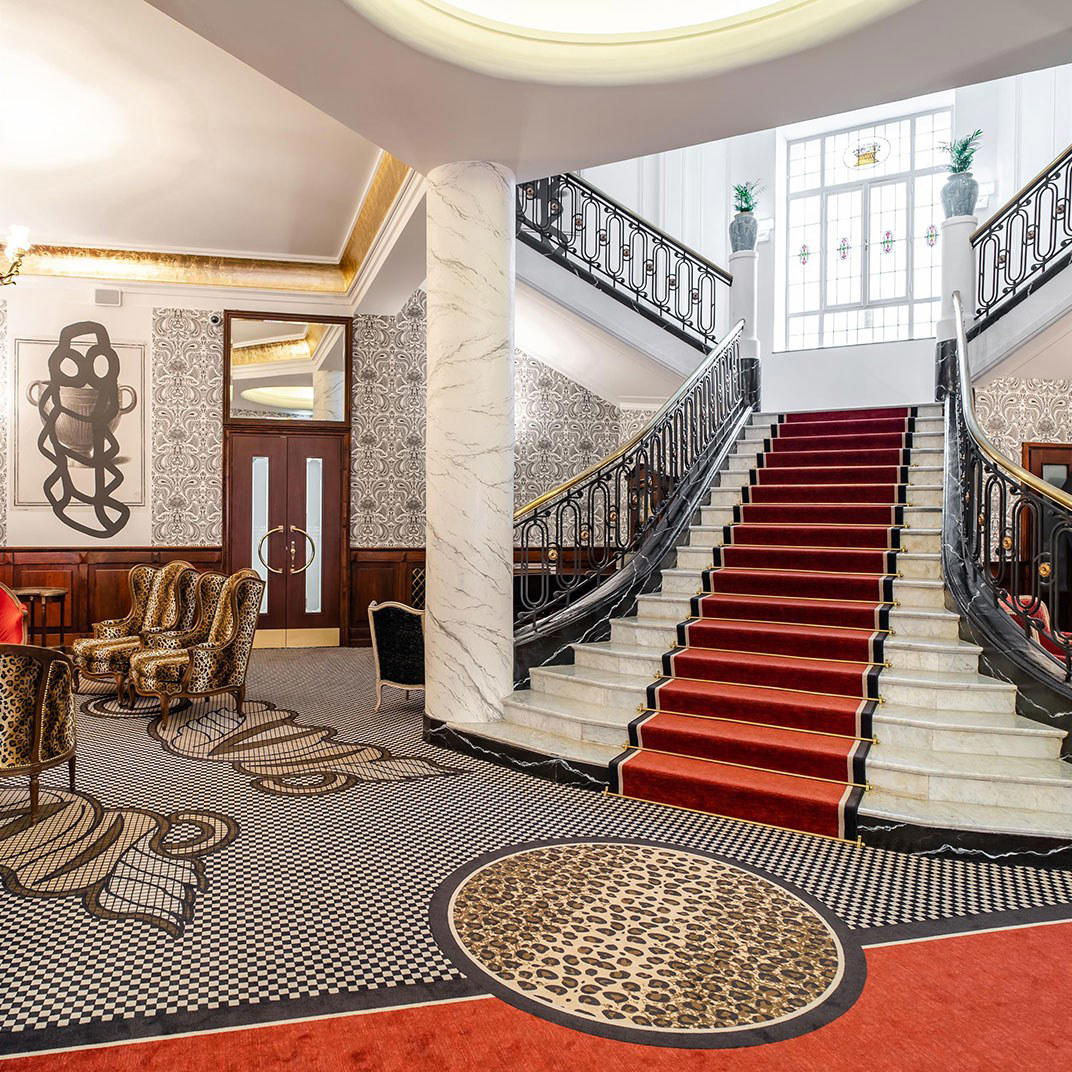
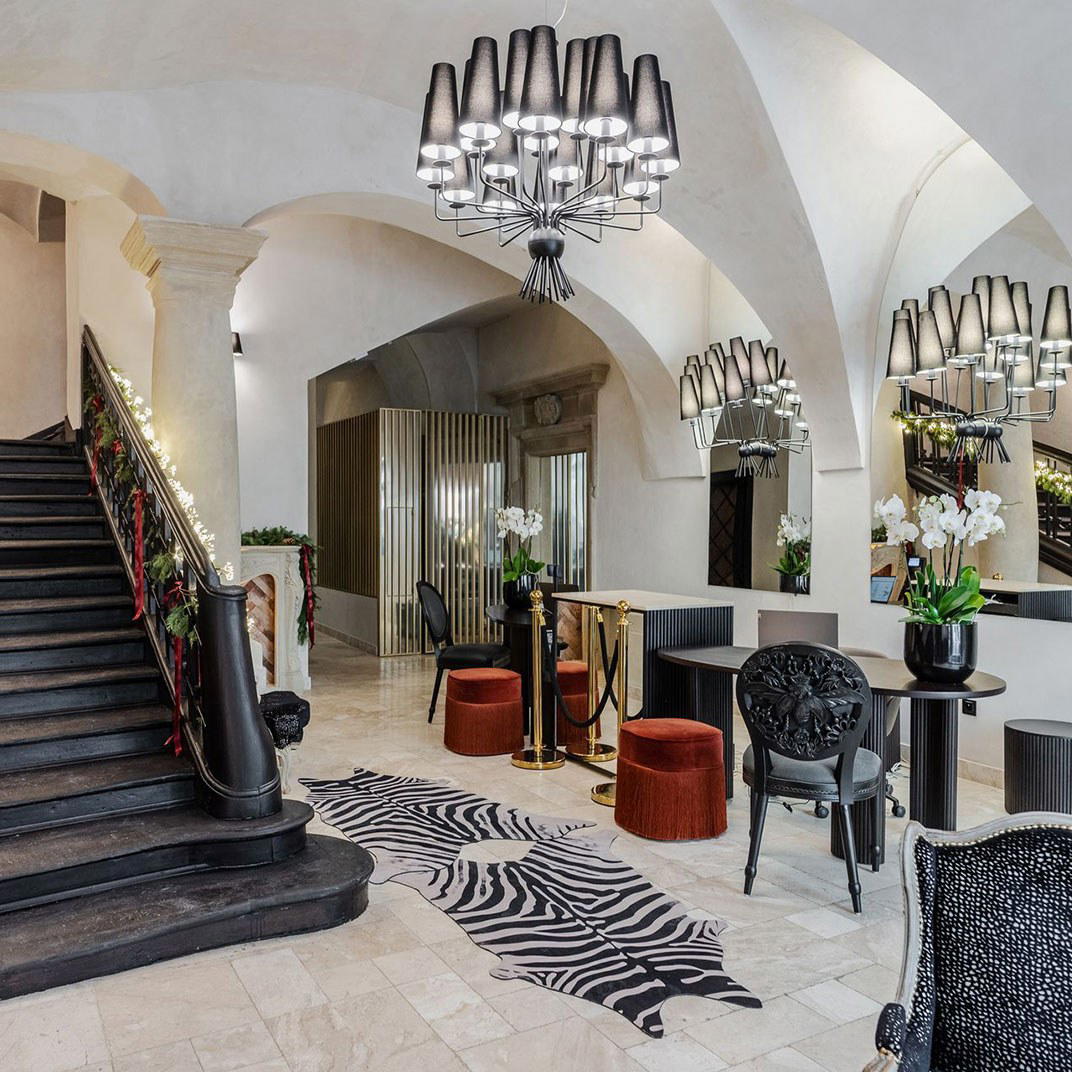
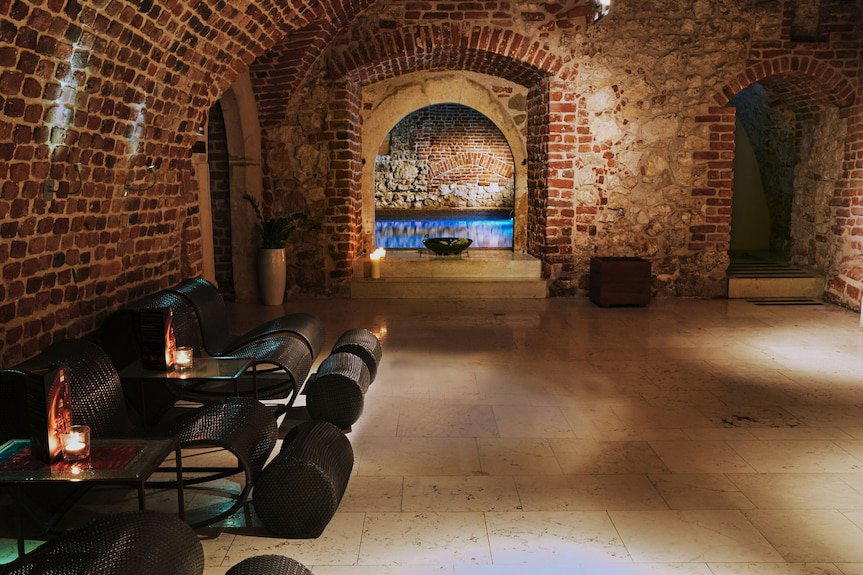
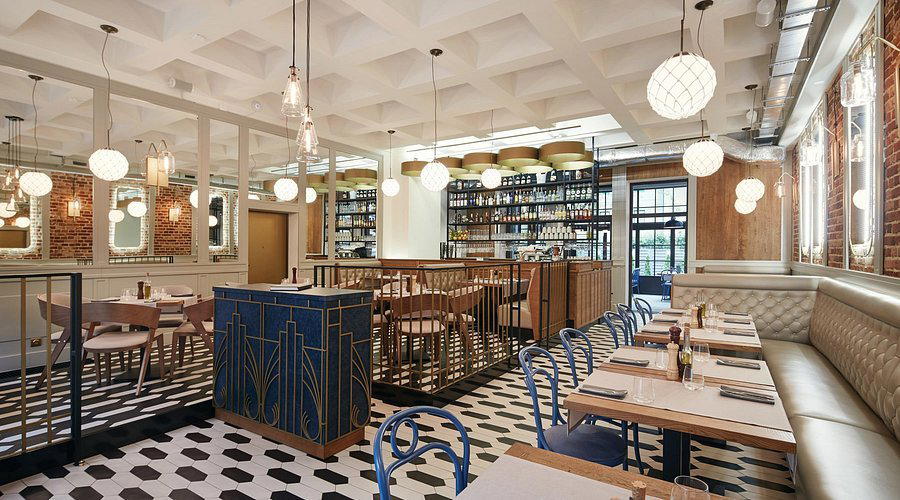
Modern cuisine restaurants in Kraków's €€€ tier tend to occupy one of two physical registers: renovated historic interiors in the Old Town and Kazimierz districts, where the architecture does a significant share of the atmospheric work, or cleaner, more contemporary spaces in which the room recedes and the plate takes precedence.
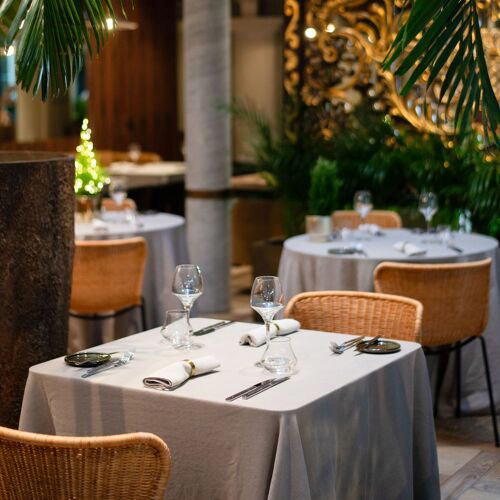
The atmosphere that emerges from Michelin Plate-level modern cuisine rooms in Poland generally runs formal enough to signal the occasion without the stiffness that characterised fine dining in the country a generation ago. Service has professionalised considerably at this tier across Polish cities, and the better rooms now operate with a pace and attentiveness that matches what you would expect from equivalent addresses in Wrocław or at internationally recognised modern cuisine benchmarks such as Frantzén in Stockholm or FZN by Björn Frantzén in Dubai.
The €€€ modern cuisine tier in Kraków is not large. Copernicus occupies a similar price bracket with a more hotel-anchored format. Amarylis approaches the creative end of the local scene from a different angle. At the creative €€€€ tier, Filipa 18 pushes further on format and price. More casual addresses such as Folga and Bufet KRK serve the same ingredient-conscious audience at a lower price point, confirming that the appetite for sourcing-led cooking in Kraków now runs across multiple budget brackets rather than concentrating at the leading.
What distinguishes the Michelin Plate holders from this broader group is inspector-level consistency: the Guide's Plate designation requires that the quality hold across multiple anonymous visits, not just on the nights when everything aligns. Two consecutive years of that recognition from NOTA_RESTO indicates a kitchen running to a reliable standard, which in a city with strong seasonal variation in produce availability is a more demanding bar than it might appear. For a wider view of how Kraków's restaurant scene is structured, our full Kraków restaurants guide maps the key addresses across price tiers and cuisines.
Beyond the city, the mountain restaurant Giewont in Kościelisko and 1911 Restaurant in Sopot show how the modern Polish sourcing conversation plays out in geographically specific contexts. The highland ingredients available to Giewont, in particular, represent the kind of direct-from-landscape supply chain that southern Polish kitchens in the Kraków orbit can access when they choose to commit to it.
Planning Your Visit
NOTA_RESTO by Tomasz Leśniak sits in the €€€ bracket, which in Kraków translates to a price point that is meaningful without approaching the outlier costs of the capital. At this tier in the city, advance booking is advisable: Michelin Plate recognition generates sustained demand, and dinner slots at recognised addresses here fill several weeks ahead rather than days. Lunch, if offered, typically provides better availability. Kraków's dining options extend well beyond the restaurant table; our full Kraków bars guide covers the pre- and post-dinner drinking context, while our full Kraków hotels guide and our full Kraków experiences guide round out the stay. For those whose interests extend to wine production in the region, our full Kraków wineries guide covers what is an emerging and still underexplored part of the Polish wine picture.
Frequently asked questions
What is the atmosphere like at NOTA_RESTO by Tomasz Leśniak?
NOTA_RESTO sits in Kraków's €€€ modern cuisine tier, which typically signals a considered, composed room rather than a casual neighbourhood spot. Two consecutive Michelin Plate recognitions (2024 and 2025) point to a kitchen that takes its format seriously, and the dining room format tends to follow that register. Expect a focused, chef-driven atmosphere rather than a celebratory crowd scene.
What style of cooking does NOTA_RESTO by Tomasz Leśniak do?
What awards or recognition does NOTA_RESTO by Tomasz Leśniak have?
NOTA_RESTO by Tomasz Leśniak has received recognition including: Michelin Plate (2025); Michelin Plate (2024).
What should I eat at NOTA_RESTO by Tomasz Leśniak?
The kitchen operates under a modern cuisine framework, which in central Europe at this price point tends to mean ingredient-led cooking with regional sourcing as a structural foundation rather than a decorative label. The Michelin Plate distinction, held across both 2024 and 2025, signals consistent execution worth tracking through the current menu. Check the venue directly for the live offering before visiting.
Is NOTA_RESTO by Tomasz Leśniak expensive?
Pricing at NOTA_RESTO by Tomasz Leśniak is listed as €€€.
Where do I go for NOTA_RESTO by Tomasz Leśniak?
NOTA_RESTO by Tomasz Leśniak is located at NOTA_RESTO by Tomasz Leśniak, Krakow, Lesser Poland Voivodeship, Poland, Kraków.
Can I walk in to NOTA_RESTO by Tomasz Leśniak?
At the €€€ level in Kraków's modern cuisine tier, advance reservations are standard practice rather than optional, particularly for a Michelin Plate-recognised address. Contacting the restaurant directly before arrival is advisable.
Budget and Context
| Venue | Cuisine | Price | Awards | Notes |
|---|---|---|---|---|
| NOTA_RESTO by Tomasz LeśniakThis venue (the venue you are viewing) | Modern European Fine Dining | $50–100 | Michelin Plate | Not listed |
| Bottiglieria 1881 Restaurant | Modern Polish Fine Dining | $200–300 | 2 Michelin Stars · La Liste Top Restaurants | Modern Polish |
| Copernicus | Modern Polish Royal Cuisine | $30–50 | Michelin Plate | Modern Cuisine |
| Farina | Modern Seafood with Polish Influences | $50–100 | Michelin Plate · Wine Spectator Best of Award of Excellence | Seafood |
| MOLÁM | Modern Thai Canteen | $20–30 | Michelin Bib Gourmand | Thai |
| Artesse | Modern Historical Polish Fine Dining | Not listed | Michelin Plate | Creative |
Recognition history
Dated appearances from independent guides and award organizations, with the underlying list record or original source where available.
Michelin Plate
Michelin
Full recognition history (2 entries)
Michelin Plate
Michelin