Located on Daren 2nd Road in Kaohsiung's Qianjin District, 阿鴻神仙飯 sits within a neighbourhood known for direct, ingredient-led Taiwanese cooking. The restaurant draws attention for its approach to sourcing and the kind of unpretentious execution that defines the better end of Kaohsiung's everyday dining scene. It belongs to a city where provenance often matters more than ceremony.
Pearl is the En Primeur Club membership app — saves, bookings, and concierge access live there. Same editors, same standards.
- Address
- 801, Taiwan, Kaohsiung City, Qianjin District, 大同二路26號
- Phone
- +88672727263
- Website
- facebook.com
- Directions
- Get directions
 Saves & bookings on Pearl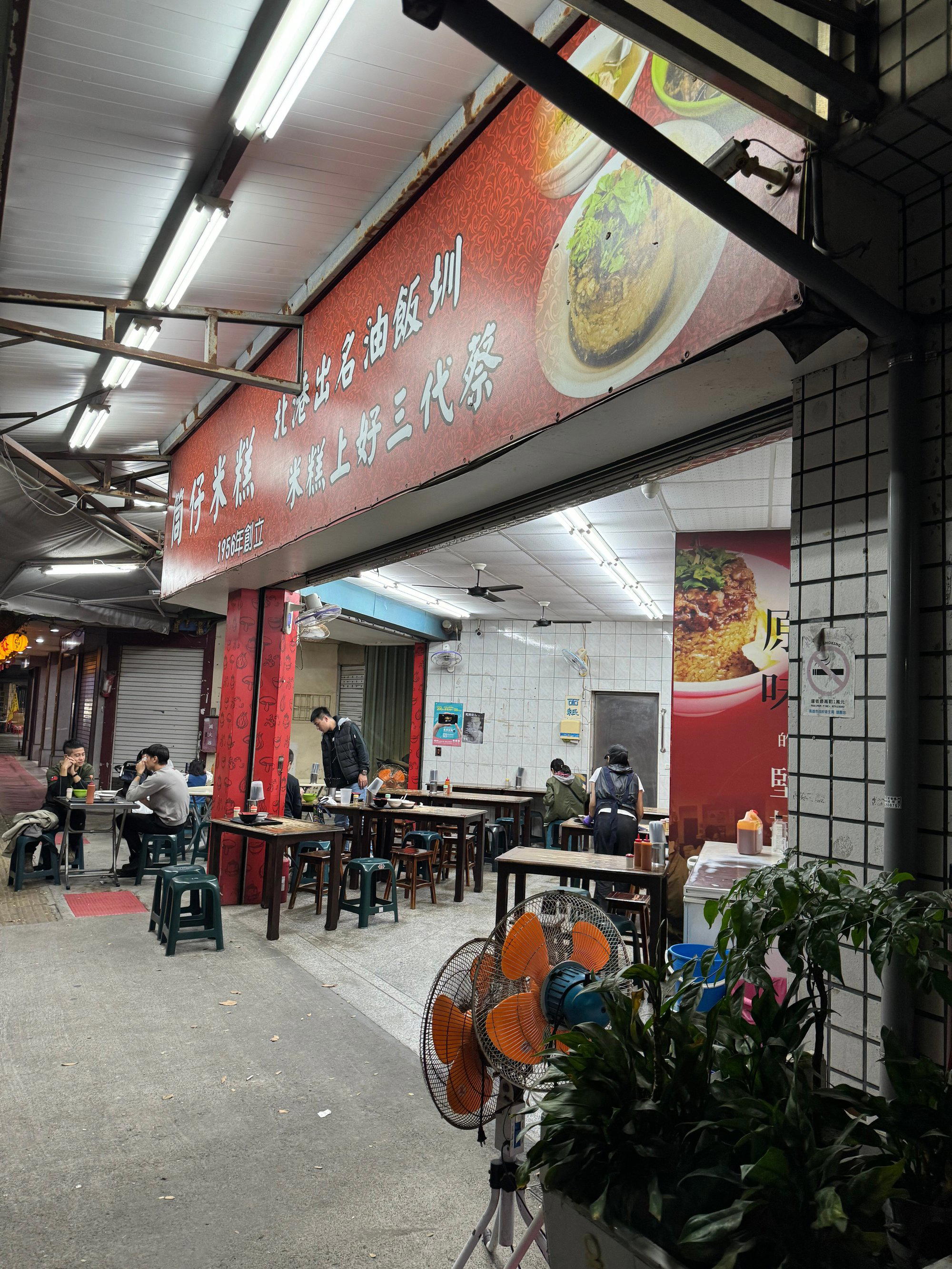
Qianjin's Approach to Honest Ingredients
In Kaohsiung, instructive dining tends to happen in districts where there is no performance to sustain. Qianjin, the older commercial quarter running north from the Love River toward the port, has long been a neighbourhood where food earns its reputation through repetition rather than spectacle. Regulars return because the sourcing is consistent, the preparation is direct, and the kitchen does not attempt to dress modest ingredients in borrowed prestige. 前金肉燥飯, on Daren 2nd Road, belongs to that tradition.
Taiwan's broader food culture has always placed unusual emphasis on where ingredients come from. The island's geography, compressed from high-mountain ranges down to coastal flatlands within relatively short distances, means that pork from specific highland farms, rice from particular eastern valleys, and seafood from identifiable fishing ports carry real distinctions, distinctions that experienced diners in a port city like Kaohsiung are positioned to appreciate and expect. Restaurants that source carefully, even without telegraphing it through menu copy, tend to develop the kind of loyal local following that tourist-facing venues cannot replicate.
Where Kaohsiung Sits in Taiwan's Dining Picture
Kaohsiung occupies a specific position in Taiwan's restaurant hierarchy. Taipei dominates in international recognition, logy in Taipei represents the kind of refined contemporary format that draws global attention, but Kaohsiung's strength has always been in confident, regionally rooted cooking that does not require a Michelin citation to justify its presence. Tainan, a two-hour drive north, is often treated as Taiwan's historical food capital, and venues like Amei in Tainan demonstrate how deep culinary tradition can coexist with contemporary ambition. Kaohsiung's answer tends to be less nostalgic and more grounded in the present: a port city's pragmatism applied to the table.
Within Kaohsiung itself, the dining tiers are reasonably well defined. At the higher end, restaurants such as GEN (Cantonese) and Sho (Japanese) operate at price points ($$$$) that position them against a comparable set of regional fine dining. Haili (Modern Cuisine) sits one tier below ($$$) with a contemporary format, and venues like Anchovy (European Contemporary) fill out the mid-range with imported technique applied to local produce. Further down the price range, restaurants like A Fung's Harmony Cuisine demonstrate that Taiwanese home-style cooking at an accessible price point can carry genuine depth. 阿鴻神仙飯 belongs to this part of the market, where the argument for a place is made through consistency of supply and execution rather than format or credentials.
The Sourcing Logic Behind Everyday Taiwanese Cooking
The ingredient sourcing argument is worth taking seriously in this context. Taiwanese rice, to take one obvious example, is not a generic commodity. Varieties from Chishang in Taitung County or Fuli in Hualien carry Protected Geographical Indication status and trade at premiums that reflect both soil conditions and careful cultivation practices. A rice-based dish at a neighbourhood restaurant in Kaohsiung is therefore a more geographically specific proposition than it might appear. The same logic applies to braised pork, pickled vegetables, and the range of proteins that define the Taiwanese comfort-food register. When a kitchen sources these things well, the result is not dramatic, it is simply noticeably correct.
This is the tier of dining that Taiwan does better than almost anywhere else in the world. The density of good, inexpensive, ingredient-aware cooking in southern Taiwan's cities has been remarked upon by serious food writers for decades. Venues like Dongmen Rice Noodle Soup in Hsinchu City illustrate how a single-dish specialist can achieve near-permanent local authority through supply chain discipline alone. That model, applied in Kaohsiung's Qianjin district, is the context in which 阿鴻神仙飯 should be read.
Kaohsiung Compared to Taiwan's Broader Ingredient-Driven Scene
Across Taiwan, the venues that generate particularly durable reputations in the non-fine-dining tier tend to share a common characteristic: they have a settled, long-term relationship with their suppliers. Akame in Wutai Township demonstrates this at the indigenous-ingredient end of the spectrum, using foraged and farmed materials from the surrounding mountains with a specificity that has drawn significant critical attention. Bebu in Hsinchu County and Shen Yen in Yilan represent how regional produce specificity can define a restaurant's identity even without formal fine-dining trappings. Chi Yuan in New Taipei works a similar approach in an urban setting. The pattern across all of these is consistent: provenance is not decoration, it is structure.
For readers arriving in Kaohsiung from elsewhere in Taiwan, or from abroad, the comparison with something like JL Studio in Taichung is instructive. JL Studio operates in a highly conscious, technique-forward mode where Singaporean-Taiwanese fusion is explicitly the point. 阿鴻神仙飯 operates from the opposite direction: the technique is absorbed into habit, and the sourcing is the argument. Neither approach is inherently superior; they address different dining intentions entirely.
Planning a Visit to Qianjin
Qianjin District is accessible from central Kaohsiung via the city's MRT network, with connections to the Orange Line placing visitors within walking distance of the Daren 2nd Road area. The neighbourhood rewards arriving with time to explore beyond a single stop: the market streets in this part of the city carry the kind of daytime food density that explains why the area has maintained its reputation for unpretentious, ingredient-forward cooking over multiple generations.
Le Bernardin in New York City and Lazy Bear in San Francisco operate at price points and ambition levels that make direct comparison absurd, but they share the underlying conviction that supply chain decisions are the first creative decisions a kitchen makes. In Qianjin, at a fraction of the price and without any of the ceremony, that same conviction is what separates the places worth returning to from the ones that merely fill a gap.
How It Stacks Up
Comparable venues nearby, for context on price, style, and recognition.
| Venue | Cuisine | Price | Awards | Notes |
|---|---|---|---|---|
| 前金肉燥飯This venue — the venue you are viewing | Taiwanese | Not listed | Not listed | Not listed |
| 港園牛肉麵 | Taiwanese Beef Noodles | $$ | Not listed | Yancheng |
| 侯記鴨肉飯 | Taiwanese | Not listed | Not listed | Kaohsiung |
| 賣塩é å°è-æ£å®å°è | 正宗台菜 (Authentic Taiwanese Cuisine) | Not listed | Not listed | Kaohsiung |
| 台南旺海鮮料理餐廳 | Seafood Hot Pot | Not listed | Not listed | Kaohsiung |
| Tien Shan (Sinsing) | Taiwanese Home-Style | $$ | Michelin Plate | Sinsing District |
Continue exploring
More in Kaohsiung
Restaurants in Kaohsiung
Browse all →
Bars in Kaohsiung
Browse all →




At a Glance
Current opening hours
- Monday
- Closed
- Tuesday
- Closed
- Wednesday
- 4:30–11:30 AM
- Thursday
- 4:30–11:30 AM
- Friday
- 4:30–11:30 AM
- Saturday
- 4:30–11:30 AM
- Sunday
- 4:30–11:30 AM
Hours can change for holidays and private events. Last verified .