Located on Ziqiang 1st Road in Kaohsiung's Sanmin District, 侯記館蒸飯 sits within a stretch of the city where everyday Taiwanese dining traditions hold steady against the pressure of trendier formats. The restaurant draws a local clientele for steamed rice dishes rooted in southern Taiwan's comfort-food canon, making it a reference point for the neighbourhood rather than a destination import.
Pearl is the En Primeur Club membership app — saves, bookings, and concierge access live there. Same editors, same standards.
- Address
- No. 201, Ziqiang 1st Rd, Qiansui Village, Sanmin District, Kaohsiung City, Taiwan 807
- Phone
- +886 7 282 7588
- Directions
- Get directions
 Saves & bookings on Pearl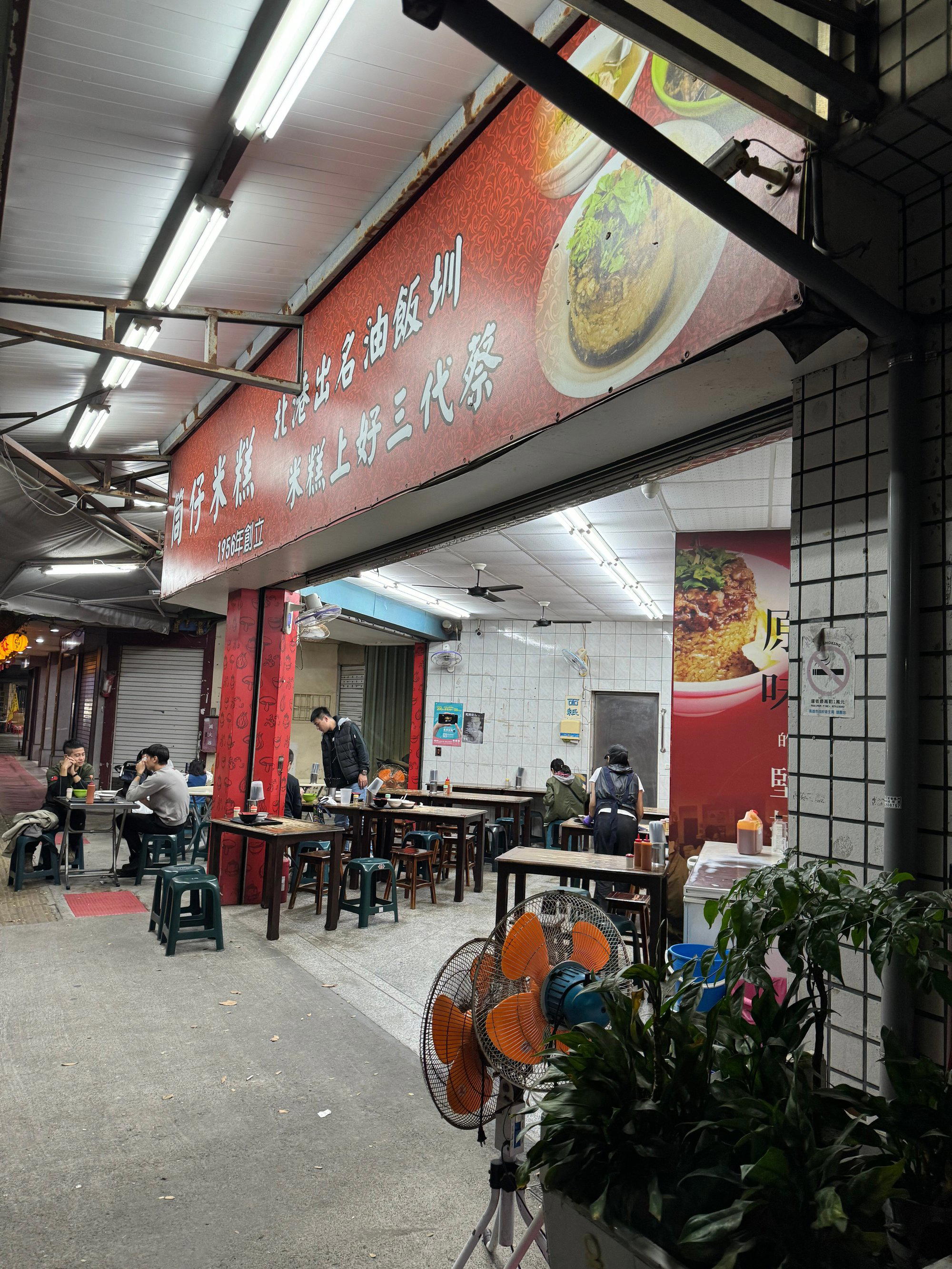
Sanmin District and the Everyday Dining Tradition It Preserves
侯記鴨肉飯 is a Taiwanese restaurant in Kaohsiung's Sanmin District at No. 201, Ziqiang 1st Rd, Taiwan 807. Kaohsiung's dining identity is often discussed through its higher-profile openings, the Cantonese precision of GEN, the modern sensibility of Haili, or the Japanese formality of Sho. But the city's culinary character is also shaped by what fills the gaps between those formats: the mid-century rice shops, the steamed-dish counters, the family-run lunch spots that have served the same working neighbourhoods for decades. Sanmin District, where 侯記館蒸飯 operates from No. 201 Ziqiang 1st Road, belongs to that less-discussed half of the city.
Sanmin sits inland from the Zuoying and Lingya districts that tend to attract visitors. Its commercial streets are functional rather than curated, populated by hardware suppliers, covered markets, and the kind of rice-and-dish restaurants that exist primarily for residents rather than out-of-district traffic. This is the context that gives 侯記鴨肉飯 its cultural footing: it is a neighbourhood restaurant operating within a tradition of Taiwanese everyday dining that remains structurally important in Kaohsiung's less-gentrified districts.
The Cultural Logic of Steamed Rice Dining in Southern Taiwan
Steamed rice-based dining, known in various regional forms across Taiwan, occupies a specific cultural register. It sits between the full-service restaurant and the street stall, offering more variety than a single-dish hawker but less ceremony than a formal dining room. The format typically involves a central steamer or clay pot setup from which dishes are served warm, with diners choosing from a rotating selection of proteins, preserved vegetables, and braised items to accompany their rice. In southern Taiwan, where Hokkien and Hakka food traditions have shaped local tastes over generations, this kind of meal is less a dining-out occasion than an extension of home cooking logic, prioritising restraint in seasoning, the quality of the base ingredient, and the slow accumulation of flavour through steaming rather than wok heat.
That tradition sits in a different competitive category from the higher-spend restaurants drawing attention in Kaohsiung's Xinxing and Lingya districts. Where A Fung's Harmony Cuisine or Anchovy operate within a more conscious, sometimes international frame, 侯記鴨肉飯 belongs to the category that requires no positioning statement. It is a neighbourhood restaurant rooted in local habits, which is exactly the point.
Across Taiwan, this kind of restaurant is under quiet pressure. In Taipei, traditional rice shops have been displaced by convenience formats or absorbed into brunch-and-bowl trends. In Tainan, historic establishments like A Xia have evolved toward more curated expressions of the same base traditions. Kaohsiung, particularly its older residential districts, has retained a higher concentration of unreconstructed examples, and Sanmin is among the last areas where this remains the dominant dining pattern rather than the exception.
Where 侯記館蒸飯 Sits in Kaohsiung's Broader Dining Picture
Kaohsiung's restaurant scene in the 2020s has developed along two distinct tracks. One is the tier visible in international coverage: multi-course tasting menus, Michelin recognition (the guide entered Kaohsiung in 2023), and chef-driven formats that compete with Taipei and Taichung counterparts. The other is the dense, affordable, neighbourhood-facing tier that makes up the daily food infrastructure of a city with over two million residents. 侯記館蒸飯 operates on the second track, where local loyalty, consistency, and the logic of repeat visits matter more than editorial recognition.
That does not place it in competition with venues like JL Studio in Taichung or logy in Taipei, which occupy a different axis entirely. It does, however, make it a more accurate representative of how most Kaohsiung residents actually eat on any given weekday. For a visitor whose itinerary is weighted toward the higher-spend tier, a meal at a neighbourhood steamed-rice counter offers a recalibration: the food is grounded, the setting unpretentious, and the prices reflect a part of Taiwan's food economy that high-end dining coverage tends to skip over.
Planning a Visit: What to Know Before You Go
Ziqiang 1st Road is accessible from central Kaohsiung, running through Sanmin District east of the Love River. The address at No. 201 places 侯記館蒸飯 within walking distance of local markets and transit links into the broader city. Visitors combining this stop with exploration of Sanmin's covered market lanes or the night market corridor along Ziqiang itself will find the geography compact and walkable.
Given the neighbourhood-facing nature of the restaurant and the format of steamed-rice dining in Taiwan generally, the meal fits naturally around a midday or early evening schedule, when this category of establishment typically runs at full pace.
Diners accustomed to the price points at Kaohsiung's higher-end addresses should expect a significant shift downward. Steamed-rice formats in Sanmin and comparable districts generally operate at the lower end of the city's dining range, in the tier occupied by everyday Taiwanese restaurants rather than destination dining. This makes 侯記館蒸飯 a practical counterpoint to an itinerary otherwise built around the city's more formal options.
Price and Recognition
Comparable venues nearby, for context on price, style, and recognition.
| Venue | Cuisine | Price | Notes |
|---|---|---|---|
| 侯記鴨肉飯This venue — the venue you are viewing | Taiwanese | Not listed | Not listed |
| Niu Lao Da | Qianjin District, Taiwanese Beef Hotpot | $$ | Not listed |
| 台南旺海鮮料理餐廳 | Kaohsiung, Seafood Hot Pot | Not listed | Not listed |
| Gang Yuan Beef Noodle Restaurant | Not listed | $ | Yancheng District, Taiwanese Beef Noodle Soup |
| 賣塩é å°è-æ£å®å°è | Not listed | Not listed | Kaohsiung, 正宗台菜 (Authentic Taiwanese Cuisine) |
| Summer house | Not listed | $$ | Cianjhen District, Taiwanese Double-Boiled Soups |
Continue exploring