
Michelin Plate
Our verdict
A Kaohsiung institution with over four decades behind it, Tien Shan in Sinsing District is now in the hands of its second-generation owners and serves Taiwanese home-style cooking alongside offal specialties and rare ingredients that most restaurants in the city no longer bother with. The signature Silkie chicken claypot soup, simmered with Chinese herbs and rice wine, anchors a menu that rewards curiosity.

Pearl is the En Primeur Club membership app — saves, bookings, and concierge access live there. Same editors, same standards.
The menu
What to order
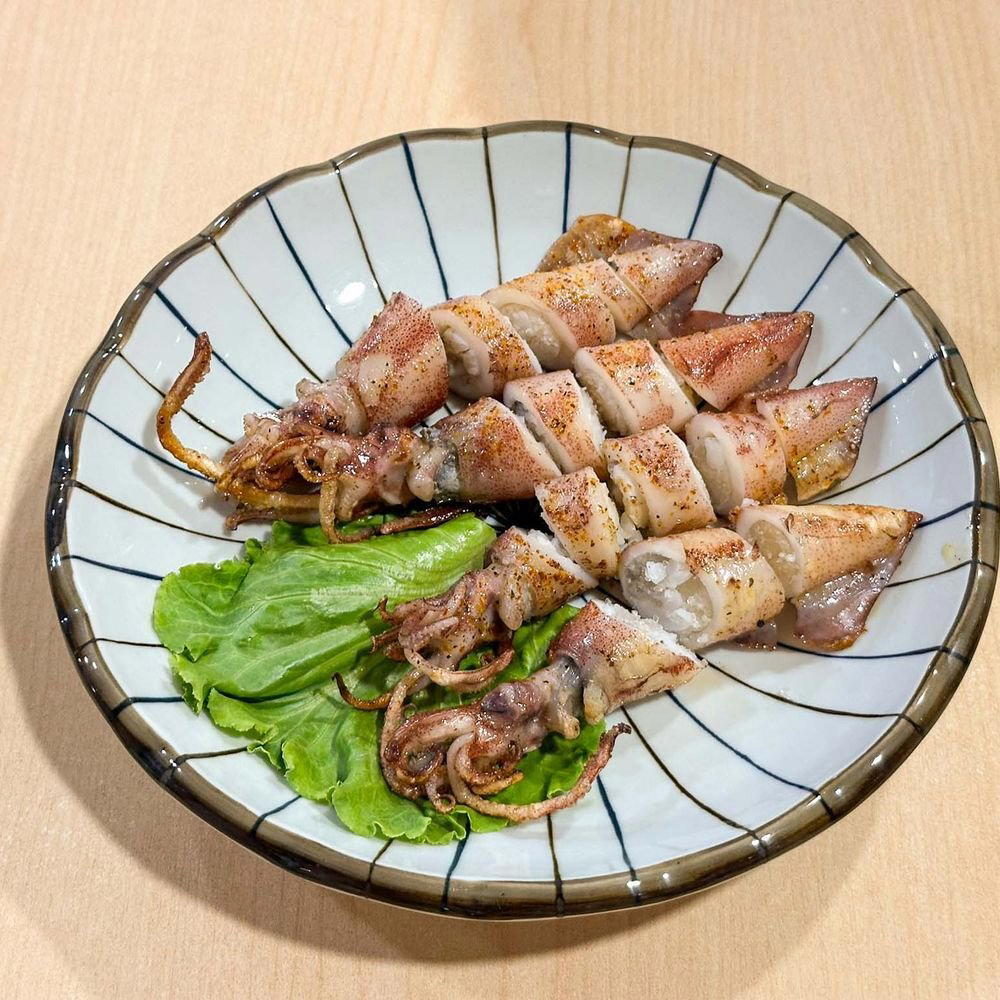
- Silkie chicken claypot soup
- Virgin crabs
- Shark fin and black-boned chicken soup
What Forty Years Looks Like on Luoyang Street
Arrive at 67 Luoyang Street in Kaohsiung's Sinsing District and you will not find anything designed to signal arrival. The frontage is modest, the signage functional, and the interior stripped of the decorative ambition that marks newer restaurants in the city's more polished dining corridors. That absence is, in itself, a statement. Tien Shan has been operating for over four decades, long enough to have watched entire categories of Taiwanese cooking come in and out of fashion. The room communicates one thing clearly: the kitchen is the point.
In Taiwan's broader dining conversation, this kind of long-standing neighbourhood institution sits in a category that receives far less coverage than the Michelin-tracked tasting menus of Taipei or the ambitious modern Taiwanese cooking that has drawn international attention over the past decade. Places like logy in Taipei or JL Studio in Taichung represent one direction the island's food culture has taken. Tien Shan represents something older and, for certain dishes, irreplaceable.
The Cultural Logic of the Menu
Taiwanese home-style cooking, or jiācháng cài, occupies a distinct position in the island's culinary tradition. It draws from southern Fujianese immigrant cooking, layered over decades with Japanese colonial influence, and shaped further by the postwar wave of mainland Chinese regional styles. The result is a kitchen vocabulary that prizes slow-cooked broths, fermented and preserved ingredients, and nose-to-tail use of protein in ways that are considered entirely ordinary by home cooks but have been quietly disappearing from commercial menus as restaurant economics have shifted.
At Tien Shan, that vocabulary remains intact. Bean noodle soup and taro balls appear alongside dishes that require considerably more sourcing and preparation: swim bladder of grey mullet, a ingredient with deep roots in southern Taiwan's coastal cooking, and gizzard, prepared in a tradition where texture and internal organ quality matter more than visual presentation. These are not novelty items placed on a menu to attract food tourists. They are dishes that reflect how Taiwanese households have cooked for generations, and that context matters when reading the menu.
The comparison point is not other offal-forward restaurants in Kaohsiung but rather the home kitchens and market stalls that once made these preparations common. That tradition has a strong regional anchor in Tainan, where establishments like Zhu Xin Ju have long sustained similar approaches to heritage Taiwanese ingredients. Kaohsiung's dining scene has trended toward more contemporary formats in recent years, with venues like Haili at the modern cuisine end and GEN holding the premium Cantonese tier. Tien Shan sits in a different register entirely, closer to the working-kitchen tradition than to either of those.
The Silkie Chicken Claypot Soup
In Taiwanese cooking, the claypot soup prepared with Silkie chicken and Chinese medicinal herbs belongs to a culinary lineage that is as much about health philosophy as flavour. Silkie chickens, with their dark flesh and concentrated flavour, have been used in Chinese medicinal cooking for centuries, valued for their tonic properties and their capacity to carry the aromas of astragalus, goji berries, angelica root, and rice wine through long, slow heat. The cooking process matters as much as the ingredients: the extended simmer that rounds the broth and softens the bones into something that carries flavour differently than a quick stock ever could.
At Tien Shan, this soup is the dish that has sustained the restaurant's reputation across generations of regular diners. For those who want to push further into the register of the dish, additions of chicken testicles or abalone are available, each shifting the soup's character in a different direction. These are options for a diner who knows what they are ordering, not casual add-ons. The willingness to offer them speaks to the restaurant's assumption about its core audience: people who cook or have grown up eating this food, not first-time visitors to Taiwanese cuisine.
This kind of institutional knowledge, embedded in a kitchen now run by the second generation of the founding family, is harder to replicate than any specific technique. The continuity between generations at operations like this one is what keeps the preparation consistent over decades, the kind of consistency that takes years of repetition to produce and that no newly opened restaurant can approximate. For comparison, the similarly multigenerational approach to Taiwanese snack foods is visible at places like A Gan Yi Taro Balls in New Taipei, where generational handover has similarly sustained a specific product across time.
Where Tien Shan Sits in Kaohsiung's Dining Scene
Kaohsiung's restaurant scene has diversified considerably in recent years. The city now hosts high-end Japanese cooking at venues like Sho, European contemporary at Anchovy, and Taiwanese interpretations that range from casual to ambitious, including A Fung's Harmony Cuisine. Against that range, Tien Shan occupies the no-frills, deeply local end of the spectrum, where price points are low and the value proposition rests entirely on what comes out of the kitchen.
The Sinsing District location places it away from the waterfront development zones and newer commercial districts where most dining investment has been concentrated. Luoyang Street is a working-neighbourhood address, which is appropriate for a restaurant that has never positioned itself as a destination for visitors first. Diners arriving from outside Kaohsiung would do well to approach it the way a local would: arrive without expectations shaped by the premium dining context, order the claypot soup, and work outward from there.
For those building a broader picture of what to eat and where to drink across the city, our full Kaohsiung restaurants guide covers the range from Tien Shan's register to the city's most formal dining rooms. The Kaohsiung bars guide, hotels guide, wineries guide, and experiences guide round out the picture for a longer stay. Elsewhere in Taiwan, the indigenous-ingredient-driven cooking at Akame in Wutai Township and the mountain setting of Volando Urai Spring Spa and Resort represent other facets of the island's culinary geography worth mapping alongside a visit to Kaohsiung.
Tien Shan is on Luoyang Street in Sinsing District.
Frequently asked questions
Is Tien Shan (Sinsing) a family-friendly restaurant?
The setting at 67 Luoyang Street is no-frills and communal, which suits multi-generational groups well. The menu spans straightforward Taiwanese home-style dishes like taro balls and bean noodle soup alongside more adventurous options such as chicken testicles and grey mullet swim bladder, so there is range for different appetites at the same table.
What's the overall feel of Tien Shan (Sinsing)?
Unpretentious and neighbourhood-rooted. The Sinsing District address has been operating for over forty years, and the second-generation owners have kept the format consistent: modest frontage, home-style cooking, and a menu that prioritises flavour over presentation. Expect a canteen-like atmosphere rather than a formal dining room.
What's Tien Shan (Sinsing) known for in terms of accolades?
Tien Shan (Sinsing) has received recognition including: In business for over 40 years, this no-frills spot is now run by the second-generation owners. On top of Taiwanese home-style favourites like bean noodle soup and taro balls, the menu also offers rare gems such as gizzard or swim bladder of….
What dish is Tien Shan (Sinsing) famous for?
The Silkie chicken claypot soup is the kitchen's signature, simmered for hours with Chinese medicinal herbs and rice wine. Optional additions include chicken testicles or abalone, which extend the dish into more ceremonial territory. The grey mullet swim bladder is also considered a rarity among Kaohsiung restaurants at this price level.
Where is Tien Shan (Sinsing) located?
Tien Shan (Sinsing) is located at 67 Luoyang Street, Sinsing District, Kaohsiung.
Do they take walk-ins at Tien Shan (Sinsing)?
No booking information is published for this address. Given the venue's forty-year standing in Sinsing District and its reputation among locals for the claypot soup, arriving early or during off-peak hours on weekdays is the practical approach if you cannot confirm a table in advance.
Budget and Context
Comparable venues nearby, for context on price, style, and recognition.
| Venue | Cuisine | Price | Awards | Notes |
|---|---|---|---|---|
| Tien Shan (Sinsing)This venue — the venue you are viewing | Taiwanese Home-Style | $30–50 | Michelin Plate | Not listed |
| Syan Syang | Traditional Taiwanese Game & Wild Greens | $30–50 | Michelin Plate | Jiaxian District, Traditional Taiwanese Game & Wild Greens |
| Hai Guang | Refined Jiangzhe Chinese | Not listed | Michelin Plate | Zuoying, Refined Jiangzhe Chinese |
| Joes (Gangshan) | Traditional Taiwanese Goat Hot Pot | $20–30 | Michelin Bib Gourmand | Gangshan District, Traditional Taiwanese Goat Hot Pot |
| Paul's Canteen | Refined Taiwanese with Cantonese Twists | Not listed | Michelin Plate | Lingya District, Refined Taiwanese with Cantonese Twists |
| Niu Lao Da | Taiwanese Beef Hotpot | $20–30 | Michelin Bib Gourmand | Qianjin District, Taiwanese Beef Hotpot |
Recognition history
Dated appearances from independent guides and award organizations, with the underlying list record or original source where available.
Michelin Plate
Michelin
Continue exploring
More in Kaohsiung
Restaurants in Kaohsiung
All restaurants in Kaohsiung →
Bars in Kaohsiung
All bars in Kaohsiung →

Details
- Classic
- Cozy
- Group Dining
- Family
- Celebration
- Private Dining
- A La Carte
Current opening hours
- Monday
- 11:30 AM–2 PM, 5:30–9:30 PM
- Tuesday
- 11:30 AM–2 PM, 5:30–9:30 PM
- Wednesday
- 11:30 AM–2 PM, 5:30–9:30 PM
- Thursday
- 11:30 AM–2 PM, 5:30–9:30 PM
- Friday
- 11:30 AM–2 PM, 5:30–9:30 PM
- Saturday
- 11:30 AM–2 PM, 5:30–9:30 PM
- Sunday
- 11:30 AM–2 PM, 5:30–9:30 PM
Hours can change for holidays and private events. Last verified .
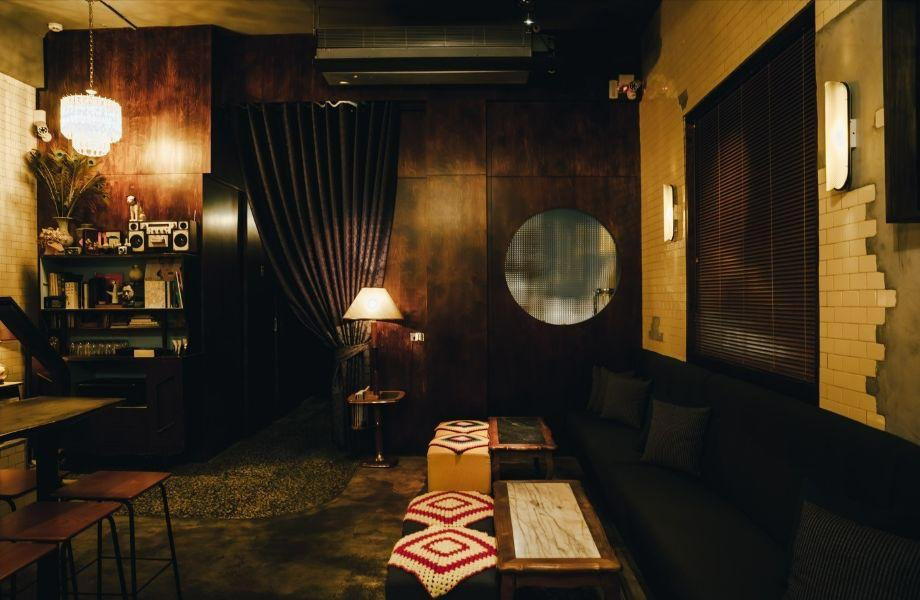
No-frills traditional Chinese restaurant with private rooms on the second floor, offering a retro and intimate atmosphere for family gatherings and entertaining.