In Kaohsiung's Yancheng District, 港園牛肉麵 occupies a specific tier in Taiwan's beef noodle tradition: the kind of neighbourhood shop that earns its reputation through consistency rather than ceremony. Positioned below the city's fine-dining tier occupied by venues like GEN and Sho, it draws a local crowd to Dacheng Street for a bowl that traces its lineage to the post-war Shandong cooking that shaped southern Taiwan's street food identity.

Pearl is the En Primeur Club membership app — saves, bookings, and concierge access live there. Same editors, same standards.
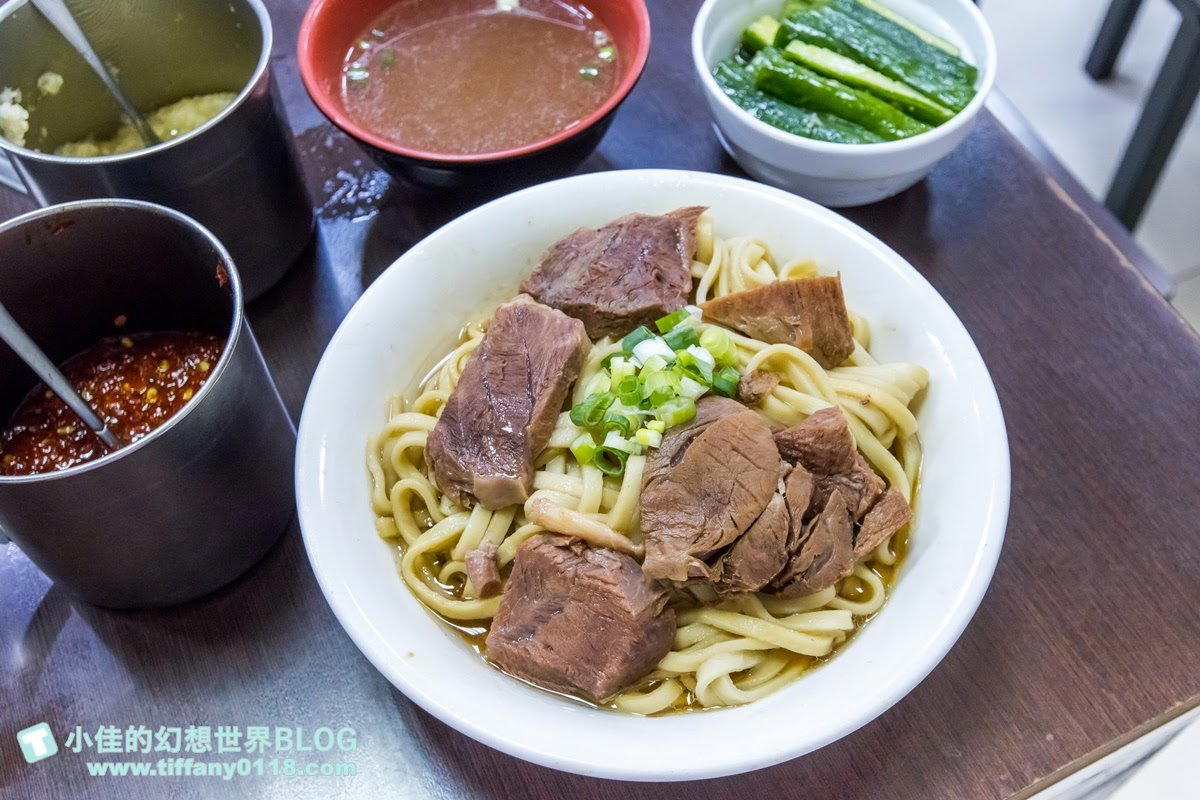
Where Yancheng's Street Kitchen Still Runs on Its Own Terms
Dacheng Street in Kaohsiung's Yancheng District has the texture of a neighbourhood that resisted the renovation cycle that swept through adjacent areas. The shopfronts here are low, practical, and largely unchanged in spirit from the postwar decades when this part of the city was feeding dock workers and market traders rather than tourists. 港園牛肉麵 sits on this street at number 55, in a context where the measure of a bowl is repetition, not spectacle, how many times the same person comes back, not how many influencers photograph the broth.
Beef Noodle as a Southern Taiwan Tradition
Taiwan's beef noodle culture is frequently discussed through the lens of Taipei, where flagship competitions and media cycles have concentrated international attention. But the form has deep roots across the island, including in Kaohsiung, where postwar migration from mainland China, particularly from Shandong and Sichuan provinces, established regional interpretations that diverged quietly from the capital's style. The southern approach tends toward clarity of broth over accumulated complexity, and toward a directness of seasoning that suits the city's heat and its historically working-class dining culture.
Within Kaohsiung's own restaurant scene, the tiers are sharply defined. At the upper end, venues like GEN (Cantonese), Sho (Japanese), and Anchovy (European Contemporary) operate at price points and levels of technical ambition that bear comparison with Taiwan's most recognised fine-dining addresses, including JL Studio in Taichung and logy in Taipei. 港園牛肉麵 sits at an entirely different coordinate, closer in spirit to the community-anchored eating places documented across Taiwan's smaller cities and districts, such as A Xia in Tainan or the noodle and rice shops found throughout Taichung City. The comparison is instructive: it clarifies what 港園 is optimised for, and what it is not.
The Sustainability Argument for the Neighbourhood Shop
Venues like 港園牛肉麵, which operate within a limited menu, a fixed customer base, and a supply rhythm tied to local market sourcing, produce a significantly smaller food-system footprint than high-volume tourist-facing operations. Beef noodle shops at this tier typically work with whole cuts purchased daily from local wet markets, using the braising process to extract value from secondary cuts that would otherwise present disposal challenges for suppliers. The broth itself is the clearest signal of this logic: long-cooked, repeatedly adjusted, and economically structured around minimising waste from the primary protein.
Taiwan's wet market infrastructure, which remains more intact in cities like Kaohsiung than in many comparable Asian urban centres, supports this model directly. The Yancheng District's proximity to the old Qianjin fish and produce markets means that small restaurant operators in this part of the city maintain sourcing relationships with individual vendors rather than through centralised distributors, a supply chain with lower transport and packaging overhead than the import-heavy model that characterises much of Taiwan's fine-dining tier. Similar arguments apply to comparable operations across Taiwan: see operations in Sanchong District and Hsinchu City that follow analogous low-waste kitchen structures.
Reading the Room at Yancheng
The Yancheng District is one of Kaohsiung's older commercial zones, historically tied to the port and the trading activity that made this city Taiwan's southern economic engine through much of the twentieth century. Its dining character reflects that history: practical, dense, and oriented toward the rhythms of working life rather than leisure consumption. Restaurants here open early, move quickly, and measure success in daily throughput rather than average spend per cover. The Haili (Modern Cuisine) and A Fung's Harmony Cuisine (Taiwanese) entries in the city represent a different register of the same southern Taiwanese instinct, thoughtful, grounded cooking that draws on local ingredients without performing them. 港園 operates at one unpretentious end of that spectrum.
The area is compact enough to cover on foot, and Dacheng Street itself runs parallel to Wufu 4th Road, which functions as the neighbourhood's main commercial artery.
Where 港園牛肉麵 Sits in the Wider Picture
Taiwan's food press has spent the better part of a decade documenting the island's fine-dining ascent, tracking venues from Taipei to Tainan as they accumulated international recognition. That story is real and worth following. But the institutional knowledge embedded in a neighbourhood beef noodle shop in Yancheng represents a different kind of food culture value, one that resists quantification through award tiers and tasting menus. Shops like 港園牛肉麵, alongside comparable operations such as GARDENh in Yonghe District, Volcanic rock in Zhubei City, or Chenggong Douhua in Chenggong, belong to a category of place where the editorial value is contextual rather than competitive. They are evidence of what Taiwan's food culture looks like at street level, which is the level where most of it actually lives.
Le Bernardin in New York City and Atomix in New York City operate in a register where every element of sourcing and presentation is documented and communicated as part of the offering. At 港園牛肉麵, the sourcing logic is equally considered, and more materially grounded, but communicated through the bowl itself rather than through any surrounding narrative. That is a meaningful distinction in the current dining moment, when the gap between sustainability as story and sustainability as practice has become a reasonable test of a kitchen's integrity. Venues anchored in local agricultural areas like Hengshan draw on related principles at different scales and formats.
Planning Your Visit
港園牛肉麵 is located at 鹽埕區大成街55號, in the Yancheng District of Kaohsiung. The shop operates within the informal rhythms of the neighbourhood. No reservations are taken; walk in is the standard approach. One reliable approach is to treat it as a destination worth pairing with a broader walk through Yancheng, where the neighbourhood's remaining old-city character rewards unhurried movement.
The Essentials
Comparable venues nearby, for context on price, style, and recognition.
| Venue | Cuisine | Price | Notes |
|---|---|---|---|
| 港園牛肉麵This venue — the venue you are viewing | Yancheng, Taiwanese Beef Noodles | $$ | Not listed |
| æ©ä»é é»å®¶èç¥é£¯ç¸½åº | Kaohsiung, Traditional Taiwanese | $$$ | Not listed |
| 賣塩é å°è-æ£å®å°è | Not listed | Not listed | Kaohsiung, 正宗台菜 (Authentic Taiwanese Cuisine) |
| Tainan Wang | Not listed | $$ | Qianjin District, Traditional Taiwanese Seafood with Tainan Eel |
| 鴨肉珍 | Not listed | $ | Yancheng District, Traditional Taiwanese Duck Rice |
| 台越美食 | Not listed | $$ | Sanmin District, Vietnamese Pho & Spring Rolls |
Continue exploring
More in Kaohsiung
Restaurants in Kaohsiung
Browse all →
Bars in Kaohsiung
Browse all →
At a Glance
- Classic
- Well Known
- Casual Hangout
- Historic Building
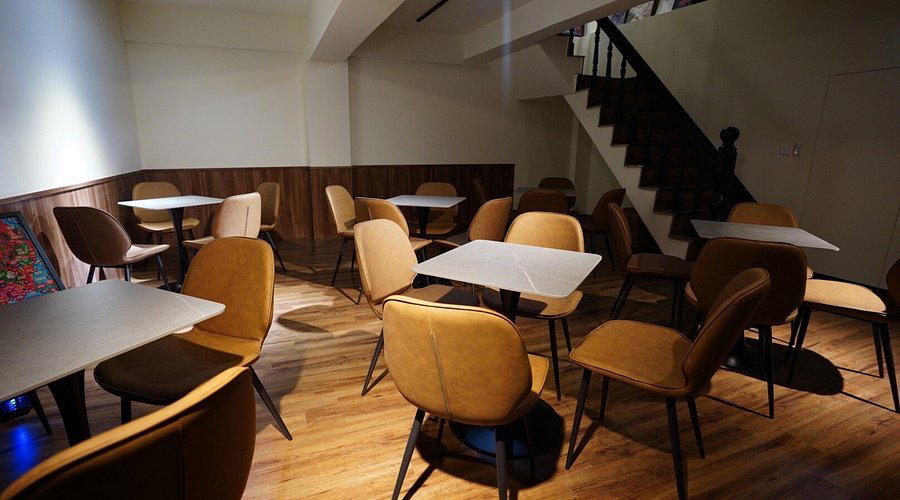
Casual, bustling local eatery with a nostalgic old-school atmosphere and constant queue during peak hours.