
Tabelog Bronze #358
Our verdict
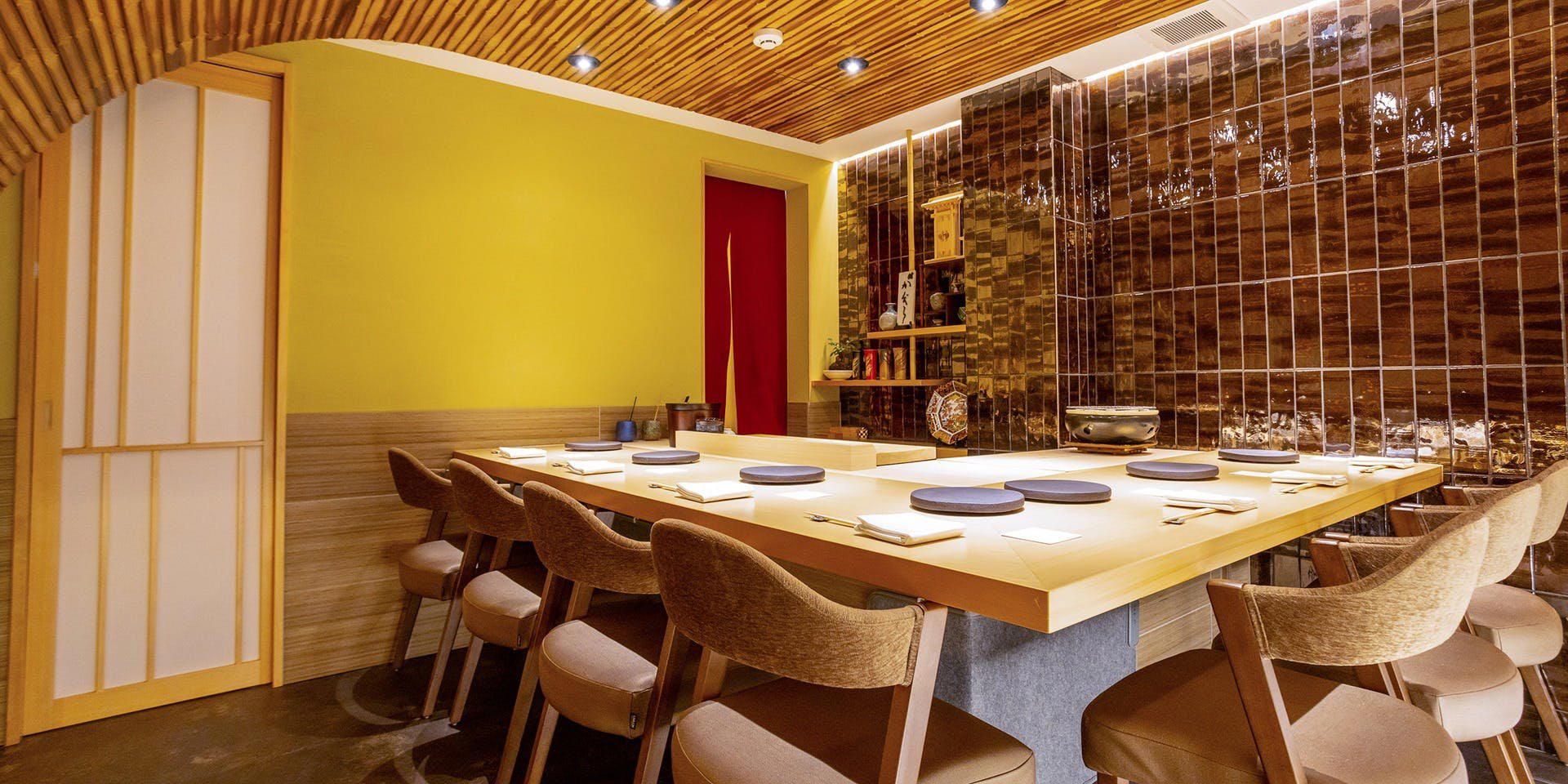
Restaurant Arena places modern French technique inside Fukuoka’s compact Nishinakasu dining quarter, with wine treated as part of the meal rather than an afterthought. The appeal is its small-scale format, Tabelog Award 2026 Bronze recognition, 10-seat room, 10-dish course structure, and late cheese-and-wine service, all at a dinner tier of JPY 20,000 to JPY 29,999.

Pearl is the En Primeur Club membership app, where members save venues, book tables and use the concierge.
Nishinakasu changes character after dark: office traffic thins, the riverfront softens, and the neighbourhood’s small buildings begin to read as a map of compact dining rooms rather than nightlife noise. Restaurant Arena belongs to that Fukuoka scale. It is not a grand French room transplanted into Kyushu, but a 10-seat address where the city’s ingredient culture, wine appetite, and counter-level intimacy meet in a narrow register.
Fukuoka has long been read through ramen, fish markets, yatai, and casual izakaya culture, but its higher-priced dining has become more interesting when it resists Tokyo mimicry. The sharper rooms here work with Kyushu’s agricultural and maritime proximity while borrowing French structure for pacing, sauce work, and wine. That is the more useful frame for this restaurant: French and wine bar by category, Fukuoka by circumstance.
Modern French structure, Kyushu-scale intimacy
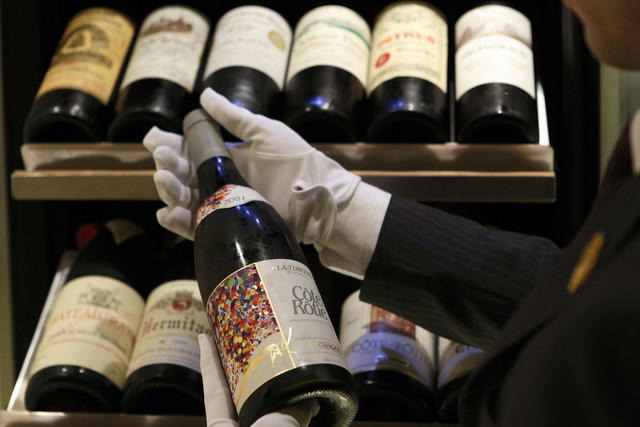
The format is disciplined rather than sprawling. A modern gastronomic French course runs to 10 dishes, with AOC wines positioned as part of the experience. That matters in Fukuoka, where the local dining rhythm often favours immediacy and informality; here, the meal asks for attention to sequence. The room’s 10-seat capacity also changes the calculation. Small restaurants in Japan can feel ceremonial or cramped depending on execution, but the significance is practical as much as atmospheric: service has little margin for drift, and the wine programme has to work closely with the kitchen rather than sit in a separate, encyclopaedic cellar culture.
The Tabelog Award 2026 Bronze listing and 4.14 score place the restaurant in a recognised national conversation without turning it into a trophy address. Tabelog’s award system is especially relevant in Japan because it reflects a local dining audience that is exacting about value, consistency, and reservation-worthiness. For a French-and-wine-bar hybrid in Fukuoka, that recognition signals more than popularity; it suggests the restaurant has found a convincing register between destination dining and neighbourhood scale.
Terroir angle is less about rusticity than translation. French cuisine gives the kitchen grammar: courses, sauces, temperature control, wine logic. Fukuoka supplies the pressure point: a city close to Kyushu farms, fishing ports, and a dining public that expects seasonality to be legible rather than decorative. The restaurant’s stated modern gastronomic style fits that middle ground. It does not need to perform Frenchness through excess; the interesting proposition is how French technique can make regional produce feel precise without flattening it into international hotel dining.
Wine is not a side category here
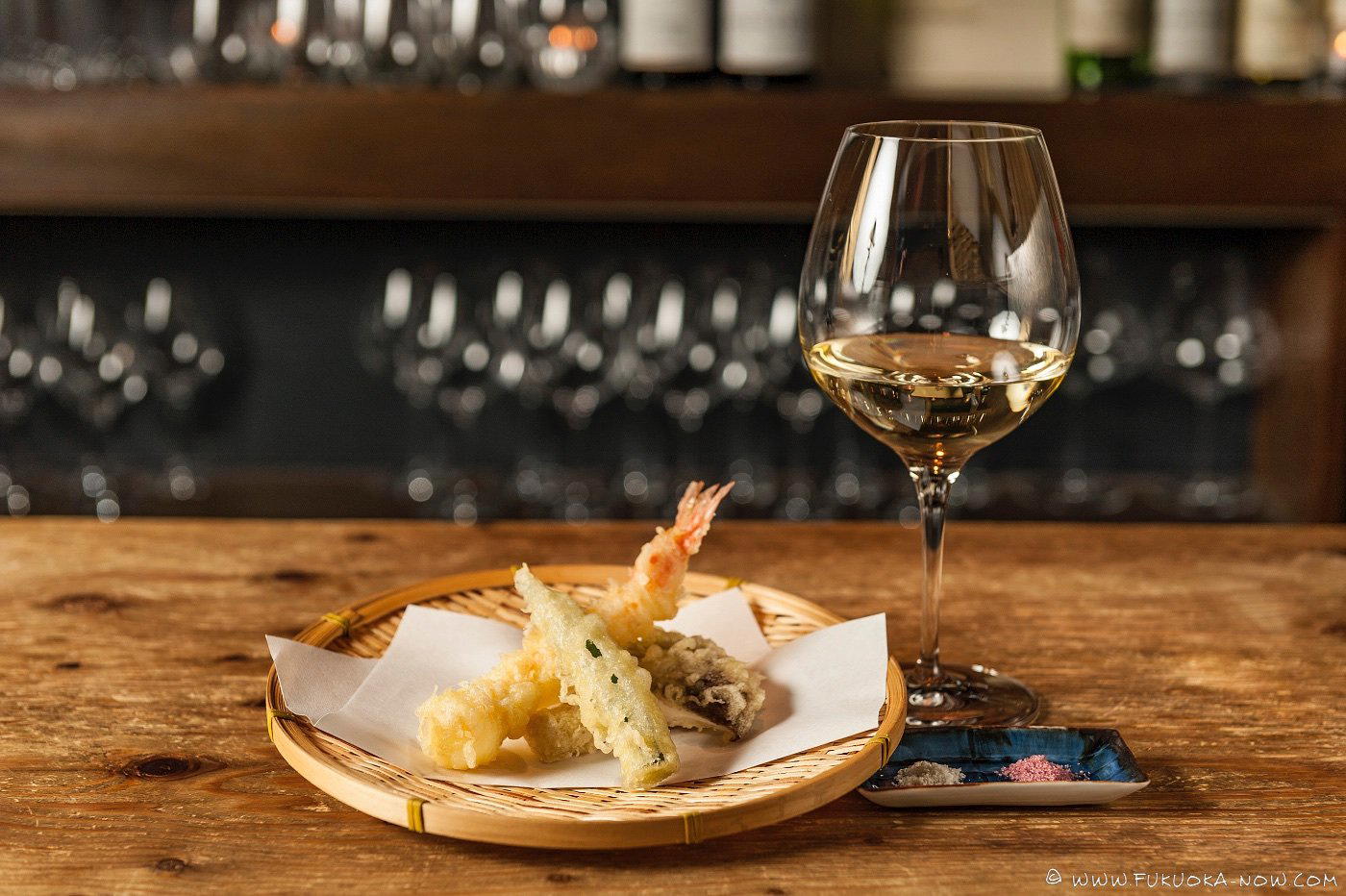
Fukuoka’s wine-focused restaurants occupy a different lane from the city’s beer-and-shochu social rooms. At this level, wine must carry more than prestige labels. Restaurant Arena’s identity as both French restaurant and wine bar gives the pairing culture structural weight: AOC wines, sommelier service, and a later cheese-and-wine window create two modes under one roof. The dinner course is the more formal expression; the late service gives the room a second life for drinkers who want wine and cheese without committing to a full sequence.
That duality is useful in Nishinakasu. The area sits close to Tenjin’s commercial energy but has a tighter, more nocturnal dining personality, with small rooms that reward planning. A 10-seat restaurant in this neighbourhood is not trying to solve every occasion. It is better read as a focused answer to a specific Fukuoka question: where does a serious wine dinner fit in a city better known internationally for speed, broth, and street-level appetite?
The answer is partly economic. Dinner sits in the JPY 20,000 to JPY 29,999 bracket, with a listed course price of JPY 20,000 and a service charge included in the course fee. In Fukuoka, that places the meal above casual discovery and into deliberate-night territory, but below the uppermost Tokyo-style luxury ceiling. The value judgment depends on whether the reader wants a wine-led French course in a small room rather than a larger, more theatrical restaurant. For travellers building a wider itinerary, it pairs better with restrained days than maximalist ones.
How to place it in a Fukuoka itinerary
Restaurant Arena is strongest for diners who want Fukuoka beyond the usual shorthand. The city’s appeal is breadth: South Indian cooking at 106 South Indian Fukuoka tenjin ten, spice-led cooking at Afterglow, local Japanese meals at Aji Dokoro Taro Gen Sougyou ten, fried fish at Aji Furai Shokudo Kaba, and tonkatsu culture at Aji no Katsueda. Against that spread, a French wine room is not a replacement for Fukuoka’s informal strengths; it is a counterpoint, especially for a second or third night in the city.
The practical rhythm is simple. Dinner runs in the evening, Sunday is closed, cards are accepted, and smoking is not permitted. Course meals require reservation completion by the previous day, while the cheese-and-wine service can accommodate same-day use when available. Cancellations close to the reservation carry the full course fee, so this is a poor choice for loose itineraries or travellers expecting to change plans after arrival.
For broader planning, use our full Fukuoka restaurants guide alongside our full Fukuoka hotels guide, our full Fukuoka bars guide, our full Fukuoka wineries guide, and our full Fukuoka experiences guide. Travellers extending the Japan food map can also compare regional formats through -Grilled beef Sukiyaki- KAMAKURA TANUKIAN 鎌倉 たぬき庵 in Kamakura. 鮪と炭火焼き うお炭 秋葉原店 in Tokyo.cafe in Osaka.know in Kumamoto, (Shoku) Vietnam in Kawasaki, and [Curry Senmon Ten] Maruyama Kyoju. in Sapporo. For a North American sake-and-Japanese-casual contrast, Jōdo Saké Bar in Los Angeles and Onigiri Time in Pasadena show how Japanese formats change once removed from their home dining ecology.
Frequently asked questions
Would Restaurant Arena be comfortable with kids?
Yes, if they can handle a course meal by themselves. The restaurant in Fukuoka allows children who can enjoy a course meal, and its dining format centers on a 10-dish French course.
Is Restaurant Arena formal or casual?
It sits on the formal side of dining, though the room is described as a relaxing space rather than a stiff one. Expect a reservation-led dinner format, a sommelier, and a price range of JPY 20,000–JPY 29,999 at Nishinakasu, Fukuoka.
What should I expect cuisine-wise at Restaurant Arena?
Restaurant Arena serves French, Wine bar cuisine.
What should I budget for a meal at Restaurant Arena?
Pricing at Restaurant Arena is listed as JPY 20,000 - JPY 29,999.
Side-by-Side Snapshot
Comparable venues nearby, for context on price, style, and recognition.
| Venue | Cuisine | Price | Awards | Notes |
|---|---|---|---|---|
| Restaurant ArenaThis venue (the venue you are viewing) | Modern French Gastronomy | $150–200 | Tabelog Bronze #358 | Not listed |
| Restaurant Hana no Ki | Classic French Fine Dining | $50–100 | Tabelog 100 #66 | Chūō |
| ル・シュッド | South French Seafood & Vegetable Omakase | $50–100 | Tabelog 100 #33 | Chūō |
| Syn | Modern French Cuisine Voyage | $300–500 | Tabelog Bronze #440 | Chūō |
| GEORGES MARCEAU | Modern French | $50–100 | Tabelog 100 #12 | Chūō |
| Restaurant Hiramatsu Hakata | French Fine Dining | $100–150 | Tabelog 100 #10 | Hakata |
Recognition history
Dated appearances from independent guides and award organizations, with the underlying list record or original source where available.
Tabelog Bronze #358
Tabelog
Continue exploring
More in Fukuoka
Restaurants in Fukuoka
All restaurants in Fukuoka →
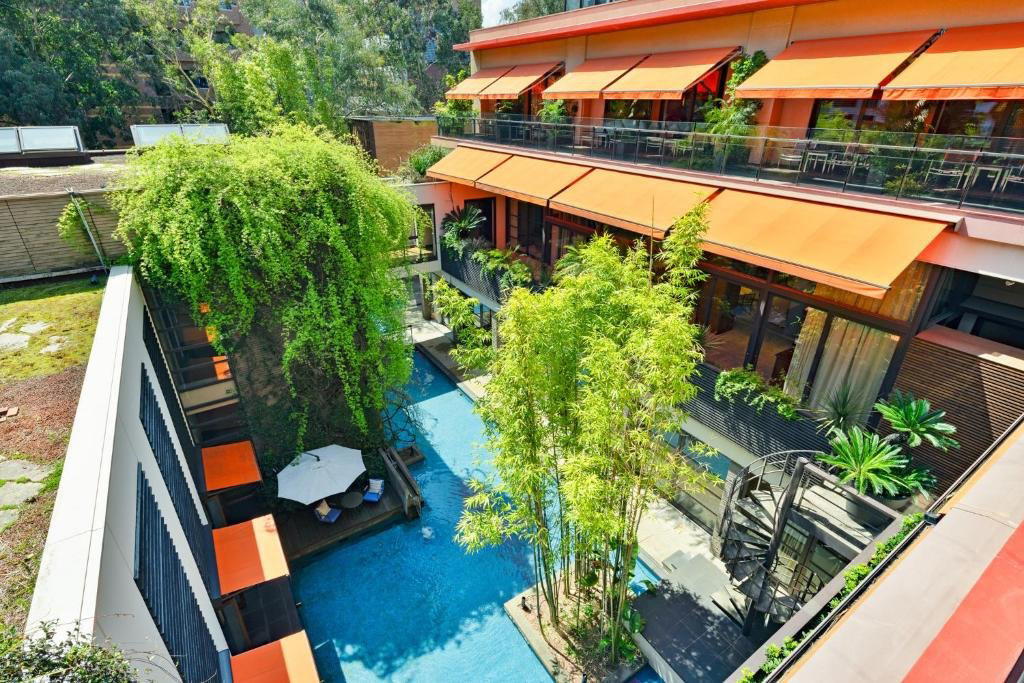
Restaurant Arena
The wine
- Wine program
- Deep wine list
- Sommelier-led
- Sake program
Details
- Elegant
- Sophisticated
- Intimate
- Modern
- Date Night
- Special Occasion
- Sake Program
- Sommelier Led
- Tasting Menu
- Wine
Current opening hours
- Monday
- 6–10:30 p.m.
- Tuesday
- 6–10:30 p.m.
- Wednesday
- 6–10:30 p.m.
- Thursday
- 6–10:30 p.m.
- Friday
- 6–10:30 p.m.
- Saturday
- 6–11:30 p.m.
- Sunday
- Closed
Hours can change for holidays and private events. Hours as of .
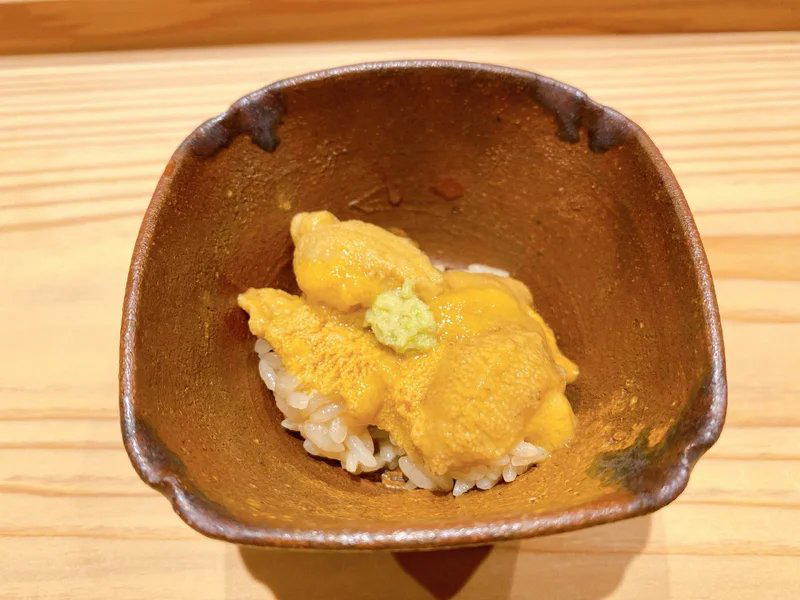
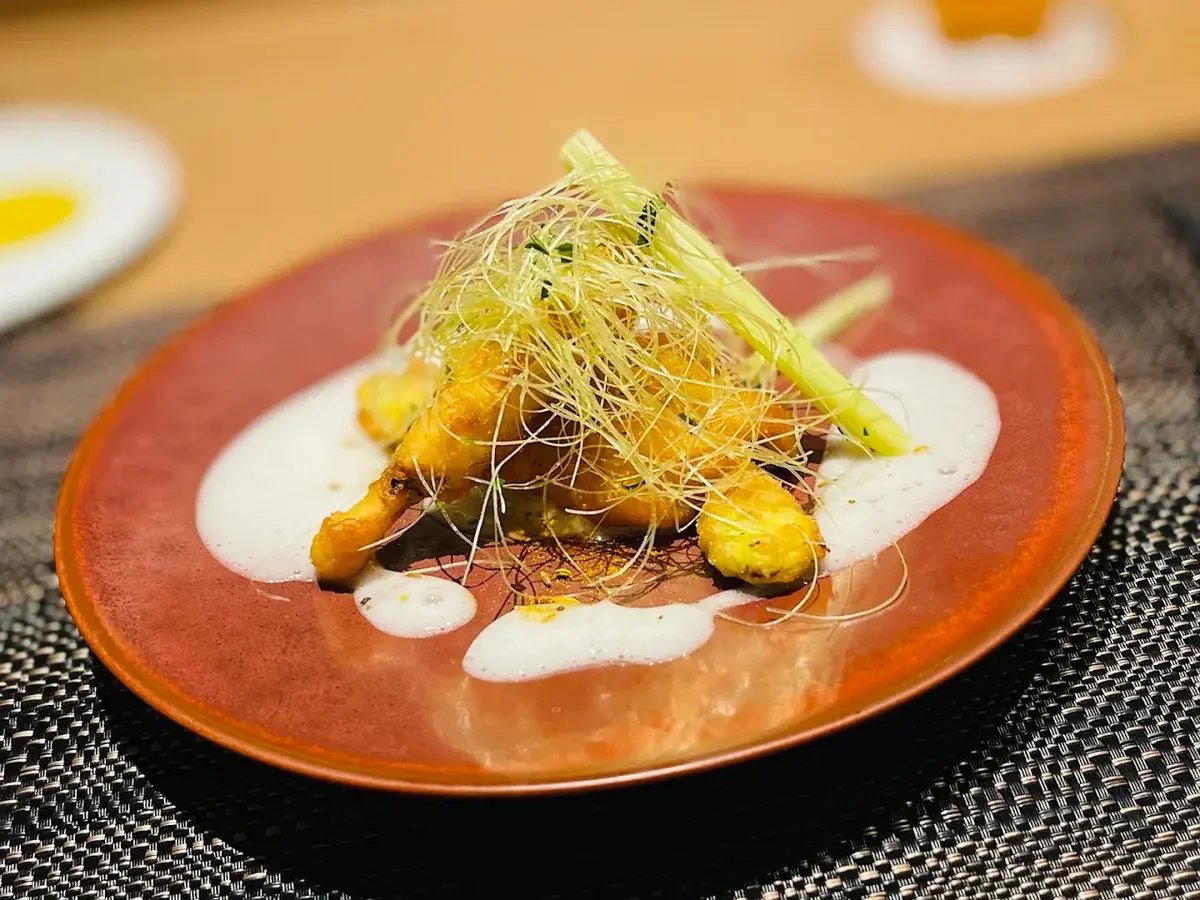
Relaxing space with beautifully presented dishes like works of art on a pristine white stage.