
Restaurant Hana no Ki brings French technique into Fukuoka’s Ohori Park dining context, with fish-led cooking, wine and nihonshu service, private rooms, and recognition in Tabelog French WEST “Tabelog 100” 2025. The appeal is less about imported formality than about how western-course dining has been absorbed into a city better known for ramen, seafood counters, and late-night casual eating.
Pearl is the En Primeur Club membership app — saves, bookings, and concierge access live there. Same editors, same standards.
- Address
- 福岡県福岡市中央区大濠公園1-3 ボートハウス大濠パーク
- Phone
- +81927513340
- Website
- hananoki-f.jp
 Saves & bookings on Pearl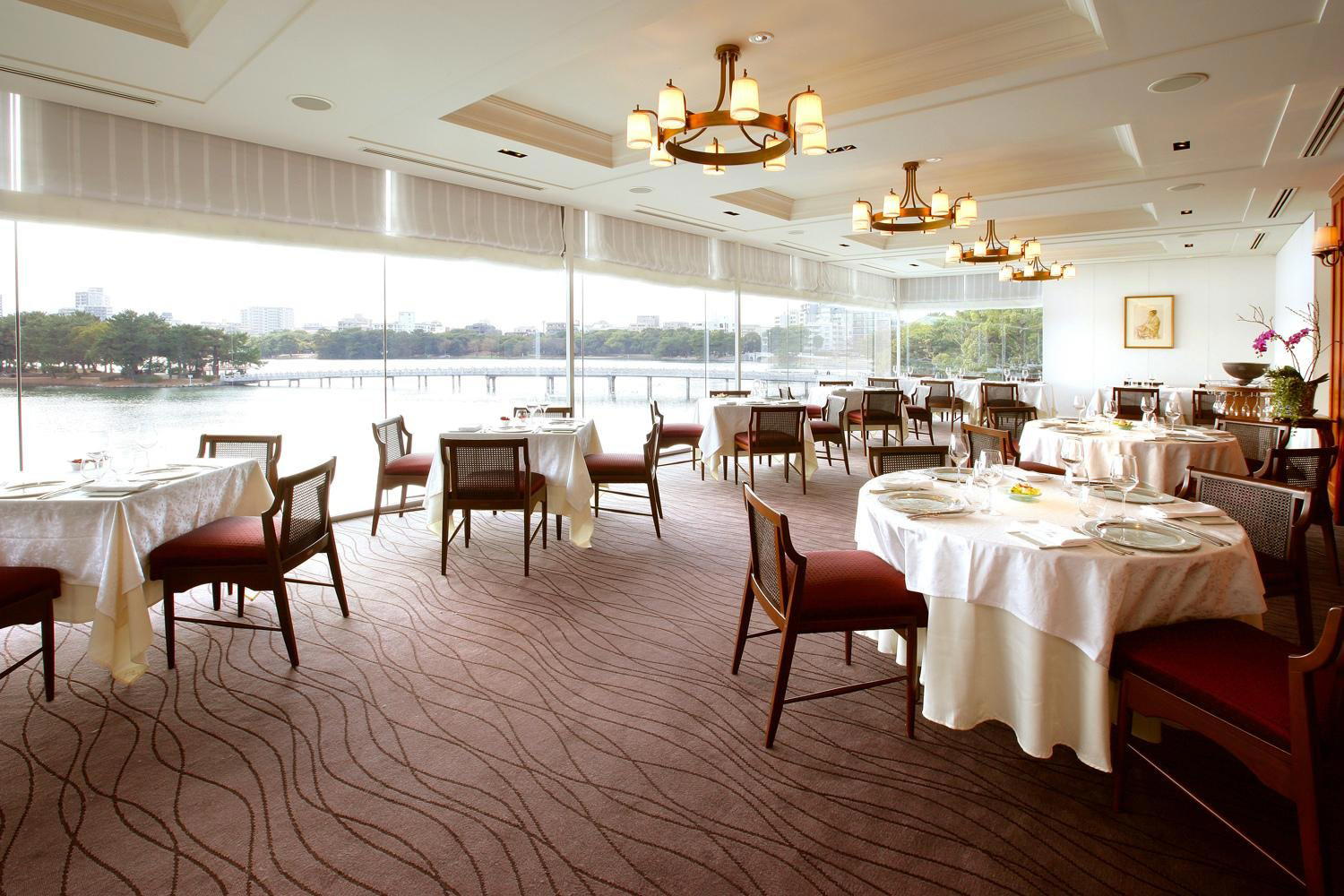
Approaching the boathouse side of Ohori Park changes the tempo of dining in Fukuoka. The city’s sharper food rhythms usually belong to counter seats, yatai steam, Hakata ramen queues, and market-adjacent seafood; here, the setting asks for a slower register. Restaurant Hana no Ki sits in that lakeside frame, and the room’s appeal comes from the way French dining has been placed inside a civic park rather than a hotel tower or nightlife district.
That matters in Fukuoka. Western-course cooking in Japan has never been a simple copy of Parisian convention. In Kyushu, the genre often works through local seafood, controlled pacing, and a softer relationship with formality than diners find in Tokyo’s luxury French rooms. The category listed here spans French, yoshoku, and cake, which says something useful: the restaurant belongs to a Japanese lineage of western cooking as much as to the imported grammar of sauces, courses, and wine service.
French formality, filtered through Fukuoka's fish culture
Fukuoka’s dining identity is built on proximity to water. Genkai Sea fish, casual fried horse mackerel shops, sushi counters, and izakaya menus have trained local diners to read freshness and seasonality without theatrical explanation. A French restaurant in this city has to negotiate that expectation. The listed emphasis on fish puts Hana no Ki inside that local conversation rather than outside it, using the structure of French dining to frame ingredients that Fukuoka already understands well.
The stronger point is cultural rather than decorative. Japan’s yoshoku tradition made western dishes domestic over generations, from cutlets and stews to course restaurants that adjusted service, portions, and seasoning to Japanese dining habits. In Fukuoka, that adaptation has a different accent from Kansai or Tokyo: less grand salon, more connection to neighborhood occasion dining. Private rooms, family use, and celebration service make sense in that context. The restaurant is not merely serving French food in Fukuoka; it reflects how French dining has become one accepted format for local milestones.
Recognition in Tabelog French WEST “Tabelog 100” 2025 places the restaurant in a regional French category rather than a catch-all luxury list. That distinction is useful for readers. It signals across western Japan, where classical technique, consistency, and local adaptation are judged against restaurants in cities with different dining economies. A Tabelog score of 3.75 also indicates meaningful local traction in a platform where incremental score differences can carry weight among Japanese diners.
Where it fits in a city that usually eats faster
Fukuoka is often read too narrowly by visitors: ramen at one end, sushi and seafood at the other, with yatai as the atmospheric shorthand. The city is broader than that. South Indian cooking at 106 South Indian Fukuoka tenjin ten, spice-driven dining at Afterglow, old-school local eating at Aji Dokoro Taro Gen Sougyou ten, fried aji specialization at Aji Furai Shokudo Kaba, and tonkatsu-era comfort at Aji no Katsueda all point to a dining culture that rewards specialization. Hana no Ki occupies a different lane: occasion-led, seated, western-course dining with a broader beverage frame.
Among the supplied local comparison set, the price architecture clarifies the decision. Jacques Oohori ten sits in a far more casual bracket, while Yakitori Choji belongs to a grilled counter economy. L’Ermita operates in a higher Spanish bracket, and TTOAHISU gives Fukuoka another French reference point. Hana no Ki’s position is not about chasing the hardest reservation in town; it is about choosing a formal yet locally legible setting when the meal needs more structure than a counter and less spectacle than destination fine dining.
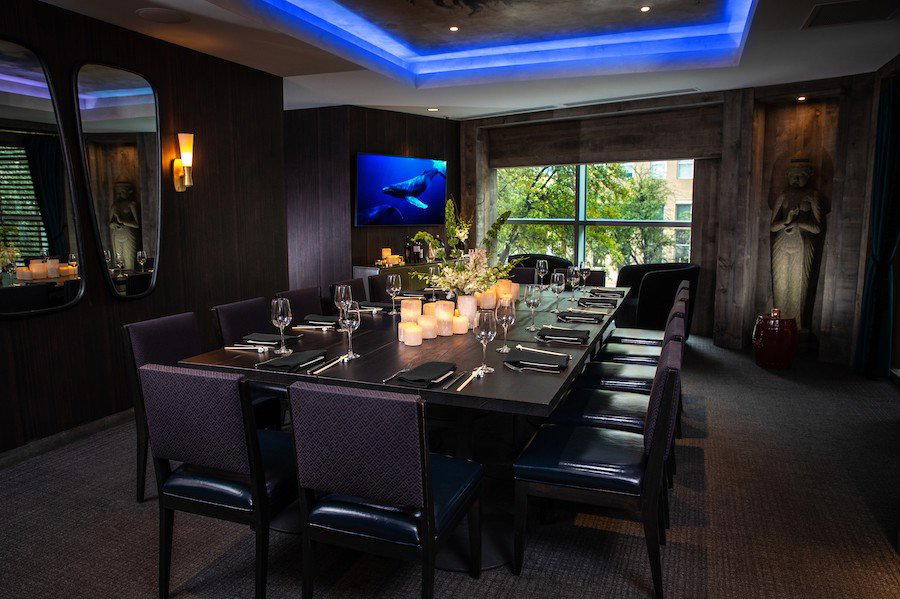
The room’s scale also shapes expectations. Forty-six seats is substantial for a Japanese restaurant with serious recognition, which usually means the experience is less about hushed scarcity than about reliable occasion dining. The presence of a sommelier, wine, nihonshu, BYO, private rooms, wheelchair access, and non-smoking service points to a restaurant designed for mixed groups as much as couples. That is an important distinction in Japan, where many acclaimed restaurants are optimized for small parties, fixed counters, and narrow booking rules.
The reader decision: occasion dining over trophy dining
The strongest case for Hana no Ki is the combination of setting, category, and regional recognition. It suits diners who want Fukuoka through a quieter, western-course lens rather than another meal built around speed, queue culture, or counter intimacy. The park location gives the evening an urban pause, while the French-yoshoku overlap keeps the cooking connected to Japan’s own history of adapting European food.
Travelers building a fuller Fukuoka itinerary should treat this as one part of the city’s range, not a replacement for its casual strengths. Use Our full Fukuoka restaurants guide to balance formal meals with neighborhood specialists, then pair dining plans with Our full Fukuoka hotels guide, Our full Fukuoka bars guide, Our full Fukuoka wineries guide, and Our full Fukuoka experiences guide. For wider Japan context, compare how regional dining formats shift at -Grilled beef Sukiyaki- KAMAKURA TANUKIAN 鎌倉 たぬき庵 in Kamakura. 鮪と炭火焼き うお炭 秋葉原店 in Tokyo.cafe in Osaka.know in Kumamoto, (Shoku) Vietnam in Kawasaki, [Curry Senmon Ten] Maruyama Kyoju. in Sapporo, Jōdo Saké Bar in Los Angeles, and Onigiri Time in Pasadena.
The editorial read is clear: this is a restaurant for travelers interested in how French dining becomes local once it leaves the capital. The appeal sits in the intersection of Fukuoka fish culture, Japanese western-food history, and a lakeside room built for occasions. Choose it when the goal is not culinary conquest, but a composed meal that shows another side of the city’s appetite.
Booking and Cost Snapshot
Nearby venues at a similar price tier for orientation.
| Venue | Cuisine | Price | Notes |
|---|---|---|---|
| Restaurant Hana no KiThis venue — the venue you are viewing | Chūō, Classic French Fine Dining | $$$ | Not listed |
| ル・シュッド | Not listed | $$$ | Chūō, South French Seafood & Vegetable Omakase |
| Restaurant Hiramatsu Hakata | Hakata, French Fine Dining | $$$ | Not listed |
| Jacques Oohori ten | Chūō, Traditional French patisserie | $$ | Not listed |
| Patisserie Au Fil Du Jour | Chūō, French Patisserie | $$ | Not listed |
| ローブランシュ | Hakata, Modern French Gastronomy | $$$$ | Not listed |
Recognition history
Dated appearances from independent guides and award organizations, with the underlying list record or original source where available.
Tabelog 100 #66 · No. 66
Tabelog · Tabelog 100 - French - WEST - 2025
At a Glance
- Classic
- Scenic
- Elegant
- Sophisticated
- Romantic
- Date Night
- Business Dinner
- Group Dining
- Celebration
- Private Event
- Waterfront
- Private Dining
- Historic Building
- Standalone
- Extensive Wine List
- Sommelier Led
- Local Sourcing
- Waterfront
Classic, refined, and scenic, with dining rooms oriented toward the pond at Ohori Park and a traditionally elegant French-restaurant feel.