Hilltop winery blends seafood with farm produce.
Pearl is the En Primeur Club membership app — saves, bookings, and concierge access live there. Same editors, same standards.
- Address
- Japan, 〒935-0061 Toyama, Himi, Yokawa, 字北山238
- Phone
- +81766728288
- Website
- saysfarm.com
 Saves & bookings on Pearl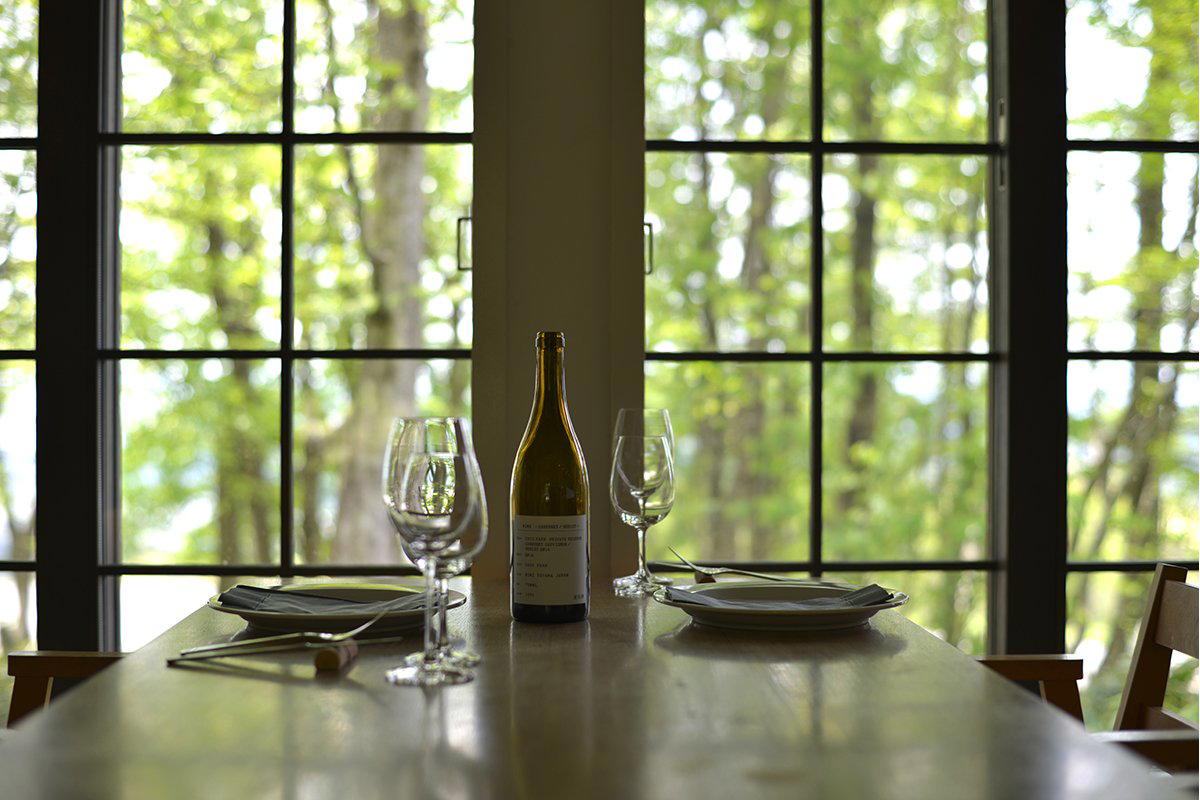
Where Toyama Bay Meets the Table
The drive into Himi from the Noto Peninsula side crosses rice paddies that flatten toward a grey-blue coastline. In winter, the mountains behind the town hold snow, and the bay in front of it holds something more valuable to anyone paying close attention to Japanese regional cooking: buri, the yellowtail that migrates through Toyama Bay in the coldest months and carries a fat content that makes even seasoned fish buyers stop and recalibrate. This is the broader context for understanding what セイズファーム represents, not as an isolated destination, but as one expression of a regional food culture that has always oriented itself toward what arrives from the sea and what grows in the fields between the coast and the mountains.
Himi sits in Toyama Prefecture, on the western shore of Noto Peninsula territory, and it operates on a different register than the urban fine dining circuits that cluster around Tokyo counters like Harutaka or Osaka tasting menus like HAJIME. Those venues exist in cities that aggregate talent and build reputations through Michelin visibility and reservation scarcity. Himi's dining identity is built on something more elemental: proximity to source.
The Ingredient Logic of Toyama Prefecture
Japan's regional farm-and-sea sourcing argument is strongest in prefectures where geography compresses the distance between production and plate. Toyama is one of those cases. The prefecture receives heavy snowmelt from the Hida mountain range, which feeds rivers that carry cold, mineral-rich water into the bay, creating conditions that support both high-quality freshwater agriculture and a fishery that has supplied Kyoto kaiseki kitchens for centuries via the old kitokito routes. The term kitokito, Toyama dialect for fresh and lively, appears on fishing market signage throughout the region and functions as a local quality standard rather than a marketing phrase.
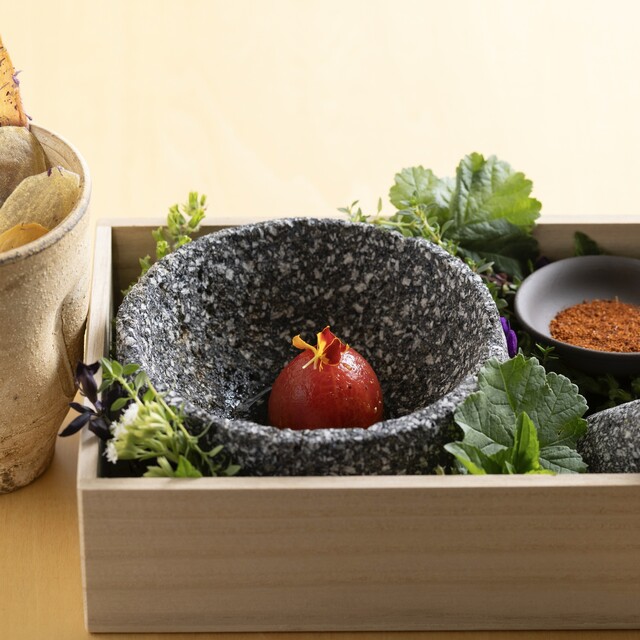
セイズファーム, addressed at 字北山238 in Yokawa, Himi, positions itself within this sourcing logic. The property operates at the intersection of agriculture and hospitality that characterises a growing tier of Japanese rural dining destinations. These are not farms that opened restaurants as an afterthought; they are operations where the growing or raising of ingredients is the primary activity, and the dining program exists to give those ingredients their most direct expression.
What Farm-Origin Dining Means in Practice
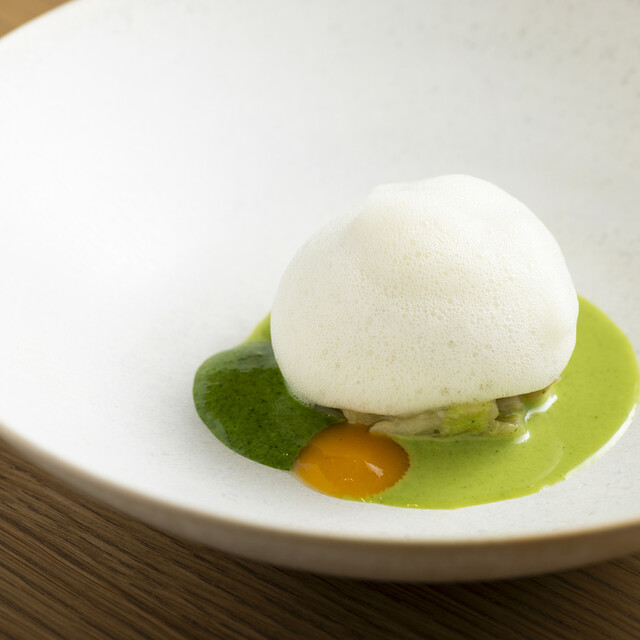
The ingredient sourcing argument matters because it changes the hierarchy of decisions on the plate. In a city restaurant, the chef selects from what is available in a market and applies technique to shape the outcome. In a farm-origin context, the sequence reverses: what is ready, what is at peak condition, what the season has produced in excess or in rarity, becomes the primary constraint and, by extension, the primary creative input. This produces menus that shift not by chef whim but by harvest and catch cycle.
For a property in Himi, this means a calendar shaped by buri season in winter, by the mountain vegetables and bamboo shoots that push through in spring, by the summer abundance of local rice and field crops, and by the autumn mushroom and root cycles. This is not abstract farm-to-table rhetoric; it is a logistical and culinary reality for any serious dining operation in this part of Toyama. The approach finds parallels in Nara, where akordu has built its identity around regional sourcing, and in Kyoto, where Gion Sasaki treats seasonal specificity as an editorial discipline. Sourcing is the structural commitment.
The Setting and Its Logic
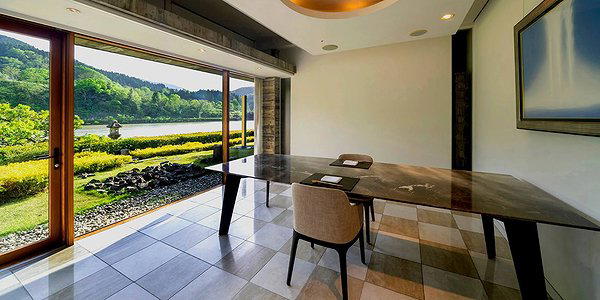
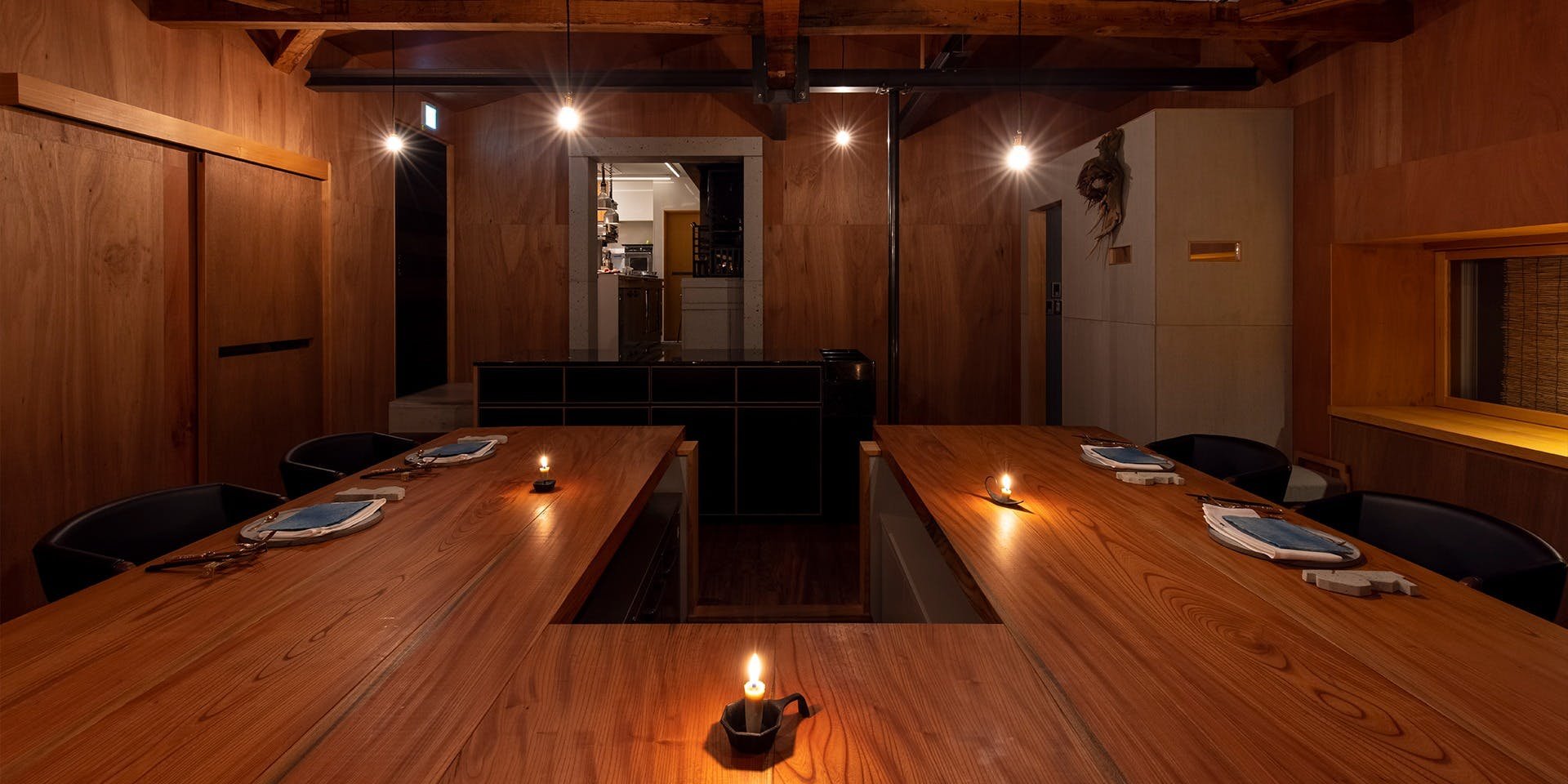
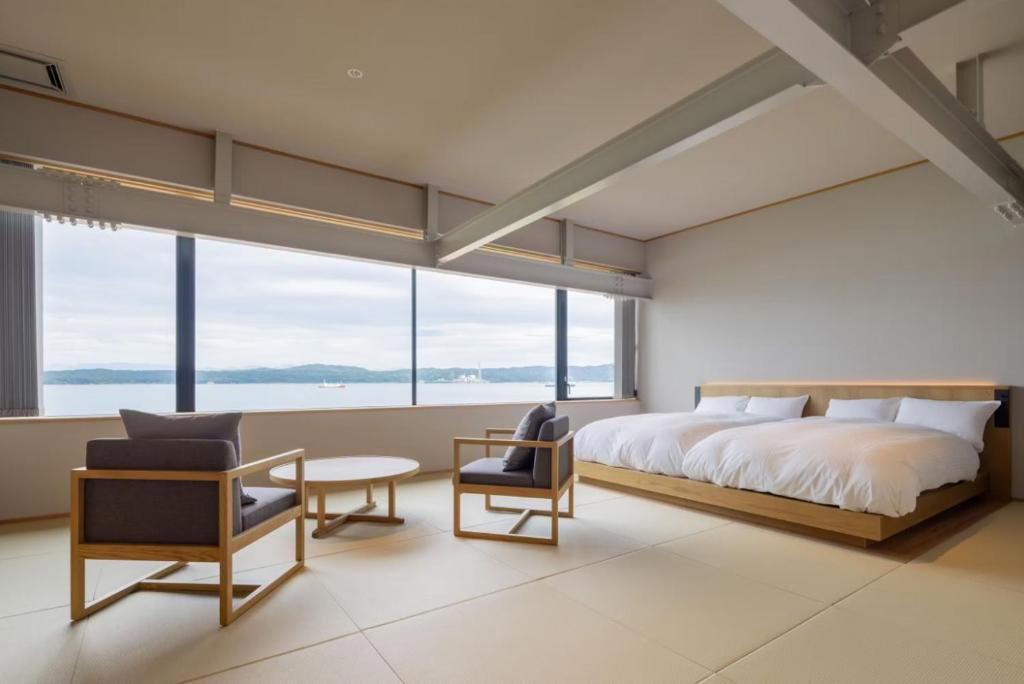
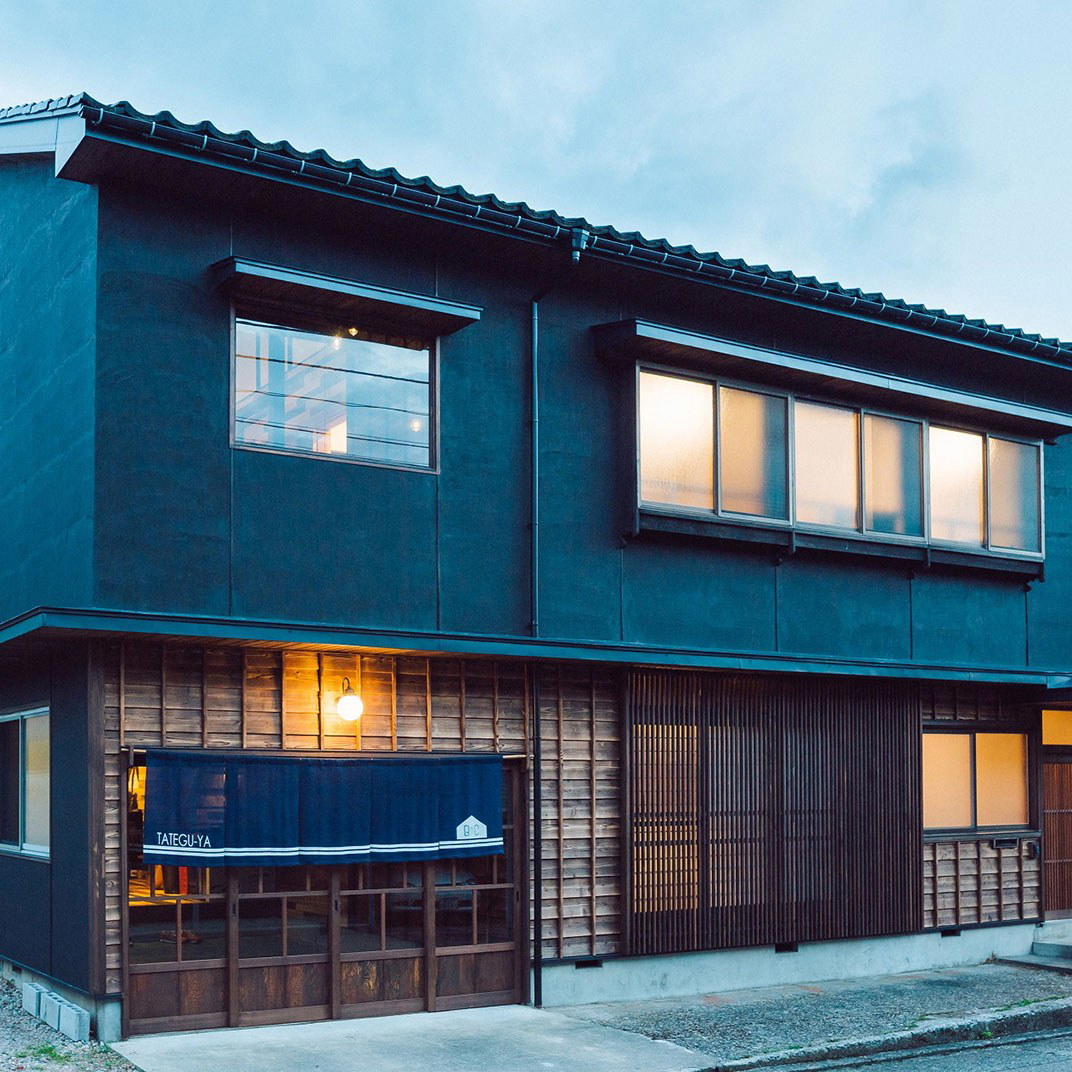
Rural Toyama dining destinations occupy a different kind of space than the polished counter seats of urban Japan. The Yokawa area of Himi, where セイズファーム is located, is agricultural and coastal rather than developed, and the physical approach to properties in this zone tends to frame the meal before the first course arrives. The view toward Toyama Bay, the presence of working land, the relative quiet of a district that does not run on tourism volume: these are environmental conditions that shape expectations and, in turn, the dining experience itself.
This kind of setting attracts travelers who have moved through marquee urban dining rooms and are now looking for something slower, more geographically specific, and less mediated by urban prestige.
Planning a Visit
Himi is accessible from Takaoka Station, which connects to Kanazawa and Osaka via the Hokuriku Shinkansen. The single-track Himi Line runs from Takaoka to Himi Station in approximately 30 minutes, though the Yokawa address of セイズファーム sits outside easy walking distance of the station, making a rental car or taxi the practical choice for the final approach. As with most farm-origin dining operations in rural Japan, advance contact to confirm availability and format is the expected approach rather than walk-in or same-day booking. Visitors combining this stop with Noto Peninsula exploration, particularly given Nanao's proximity, will find the coastal routing efficient.
How It Stacks Up
Comparable venues nearby, for context on price, style, and recognition.
| Venue | Cuisine | Price | Notes |
|---|---|---|---|
| セイズファームThis venue — the venue you are viewing | Italian-based Farm-to-Table with Local Toyama Ingredients | $$$ | Not listed |
| Himi Uoichiba Shokudo | Japanese seafood market canteen | $$ | Himi |
| Tonjinchi (貪瞋癡) | Traditional Himi Niboshi Ramen | $ | Himi |
| Tonjinchi | Himi niboshi ramen & casual dining bar | $ | Himi |
| Taco Rice Cafe Kijimuna | Okinawan Taco Rice | $$ | American Village |
| 和食-タイ料理 ほんま家 | 和食-タイ料理 Fusion | $$ | 小西町 |
Continue exploring
More in Himi
Restaurants in Himi
Browse all →
At a Glance
- Scenic
- Rustic
- Cozy
- Special Occasion
- Sake Program
- Farm To Table
- Local Sourcing
- Vineyard
- Waterfront
- Mountain
Current opening hours
- Monday
- 10 AM–5 PM
- Tuesday
- 10 AM–5 PM
- Wednesday
- 10 AM–5 PM
- Thursday
- 10 AM–5 PM
- Friday
- 10 AM–5 PM
- Saturday
- 10 AM–5 PM
- Sunday
- 10 AM–5 PM
Hours can change for holidays and private events. Last verified .
Relaxing natural surroundings with fabulous views and open terrace.