Our verdict
A Room That Argues for a Particular Era Rome's Via di San Basilio runs quietly between the noise of Via Veneto and the tourist density of the Trevi fountain area, and it is precisely this in-between quality that defines the addresses along it. Restaurants that choose a street like this are rarely angling for foot traffic. The name 1930s Restaurant signals something deliberate about aesthetic positioning: a period reference that, in Rome, carries weight. The interwar decades produced an Italian design vocabulary still visible across the city's rationalist architecture, and kitchens that invoke that era are usually making a statement about restraint, formality, and a certain kind of seriousness at the table. In a city where dining rooms range from casual trattoria benches to the white-glove formality of La Pergola, a period-named establishment sits somewhere in the middle of that register, though the specific format here warrants direct investigation before booking. The Via di San Basilio address places it geographically close to the Borghese gardens district and within walking distance of the Spanish Steps, making it accessible from most of Rome's central hotel concentrations. Where Sourcing Becomes the Argument The most consequential shift in Italian fine dining over the past fifteen years has not been stylistic but agricultural. Kitchens that once competed on technique alone now compete on provenance: which small producer supplies the cheese, which coastal fishery provides the catch, which hill farm raises the breed. This shift has reshaped how serious restaurants across Italy position themselves, from Osteria Francescana in Modena at the experimental end to Dal Pescatore in Runate, where a multi-generational kitchen maintains relationships with producers across the Po Valley that span decades. In Rome specifically, the sourcing argument cuts through the noise because the city sits at a geographic crossroads. Lazio's volcanic soils produce some of Italy's most characterful pecorino and a vegetable tradition, particularly around Castelli Romani, that remains underappreciated by international visitors. The Tyrrhenian coast delivers fish within hours. The Apennine hill towns supply cured meats and legumes that appear on serious menus throughout the capital. A kitchen on Via di San Basilio that takes ingredient origin seriously has access to all of this, and the question worth asking of any restaurant in this part of Rome is how deliberately it draws on that geography versus defaulting to generic Italian fine-dining repertoire. For comparison, Acquolina has built its identity almost entirely around coastal sourcing, while Il Pagliaccio and Enoteca La Torre both operate in the creative tier where sourcing credibility underpins the tasting menu format. Achilli al Parlamento represents a different model altogether, where the cellar depth takes priority. Each of these addresses answers the sourcing question differently, and diners planning a Rome visit benefit from understanding where each property sits before committing to a reservation. The Roman Fine Dining Tier in Context Rome's serious dining scene operates on a narrower band than Milan or Florence. The city has fewer Michelin-starred restaurants per capita than its northern counterparts, partly because Roman food culture remains more invested in neighbourhood osterie and generational trattatorie than in formal tasting menu formats. This means the restaurants that do occupy the upper tier tend to be more conspicuous, and the competition for serious diners is concentrated among a smaller group of addresses. Nationally, that conversation reaches well beyond Rome. Properties like Le Calandre in Rubano, Uliassi in Senigallia, Reale in Castel di Sangro, Piazza Duomo in Alba, and Atelier Moessmer Norbert Niederkofler in Brunico represent Italy's highest-recognition tier and are worth anchoring any serious food itinerary around. In this broader Italian context, a Rome address needs to earn its place on a discerning itinerary against real competition. Quattro Passi in Marina del Cantone and Enrico Bartolini in Milan illustrate how Italian fine dining has spread across formats and geographies, making the case for any single address that much harder and more specific. Outside Italy, the sourcing-first approach visible in the country's leading kitchens has influenced restaurants far beyond the peninsula. Enoteca Pinchiorri in Florence remains the reference point for Italian wine-driven fine dining. Le Bernardin in New York City and Lazy Bear in San Francisco demonstrate how sourcing credibility has become the primary organising principle in ambitious restaurants across different culinary traditions entirely. Planning a Visit to Via di San Basilio The address, Via di San Basilio 15 in the 00187 postcode, places 1930s Restaurant within Rome's first municipio and within comfortable walking distance of both Piazza Barberini (served by Metro Line A) and the Via Veneto hotel strip. Visitors staying in the Spanish Steps or Repubblica areas will find the walk manageable; those coming from Trastevere or Testaccio should factor in a taxi or the metro. For the broader Rome dining picture, including neighbourhood-level guidance and category comparisons, the EP Club Rome restaurants guide provides additional context. For Rome's upper dining tier, advance booking of several weeks is standard practice, particularly on weekend evenings. Frequently Asked Questions Would 1930s Restaurant be comfortable with kids? The period name and fine dining positioning of this address suggest an atmosphere oriented toward adult diners. In Rome's higher price tiers, kitchens that invest in formal atmosphere and multi-course formats tend to draw a clientele where children are the exception rather than the rule. Families planning a Rome visit with young children would likely find the city's trattoria tradition a more practical fit. If the format here leans toward tasting menus, the duration alone makes it a challenge for younger diners. Is 1930s Restaurant formal or casual? In Rome, a restaurant that signals a decade as its name carries an implicit dress expectation: the 1930s aesthetic in Italian dining is associated with a particular seriousness at the table, not with informality. Rome's comparable addresses, including the €€€€-tier kitchens like Enoteca La Torre and Il Pagliaccio, typically expect smart dress as a minimum. Contacting the venue directly before arrival is advisable. What do people recommend at 1930s Restaurant? EP Club's verified data does not include confirmed signature dishes or chef attribution for this address, so specific dish recommendations cannot be made responsibly here. What the sourcing-focused approach associated with serious Italian kitchens in this part of Rome tends to produce is a menu that changes with seasonal supply: Lazio's spring artichokes, summer courgette flowers, autumn porcini, and winter citrus from further south all appear in the repertoire of kitchens operating at this level. The most reliable approach is to trust the kitchen's current selection rather than arriving with fixed expectations. Does 1930s Restaurant take its name from a specific historical connection to the decade? The name places the restaurant within a distinct Italian cultural reference: the 1930s in Rome corresponded with a period of rationalist architecture, formal civic dining culture, and a particular aesthetic discipline still visible in the city's built environment. Prospective visitors with a specific interest in the historical context would do well to raise the question directly with the restaurant, where the answer would carry far more authority than any external speculation.

Pearl is the En Primeur Club membership app — saves, bookings, and concierge access live there. Same editors, same standards.
- Address
- Via di S. Basilio, 15, 00187 Roma RM, Italy
- Directions
- Get directions
The menu
What to order
- Carbonara
- Amatriciana
- Cacio e Pepe
- Saltimbocca alla Romana
- Carciofi alla Giudia
- Baccalà
A Room That Argues for a Particular Era
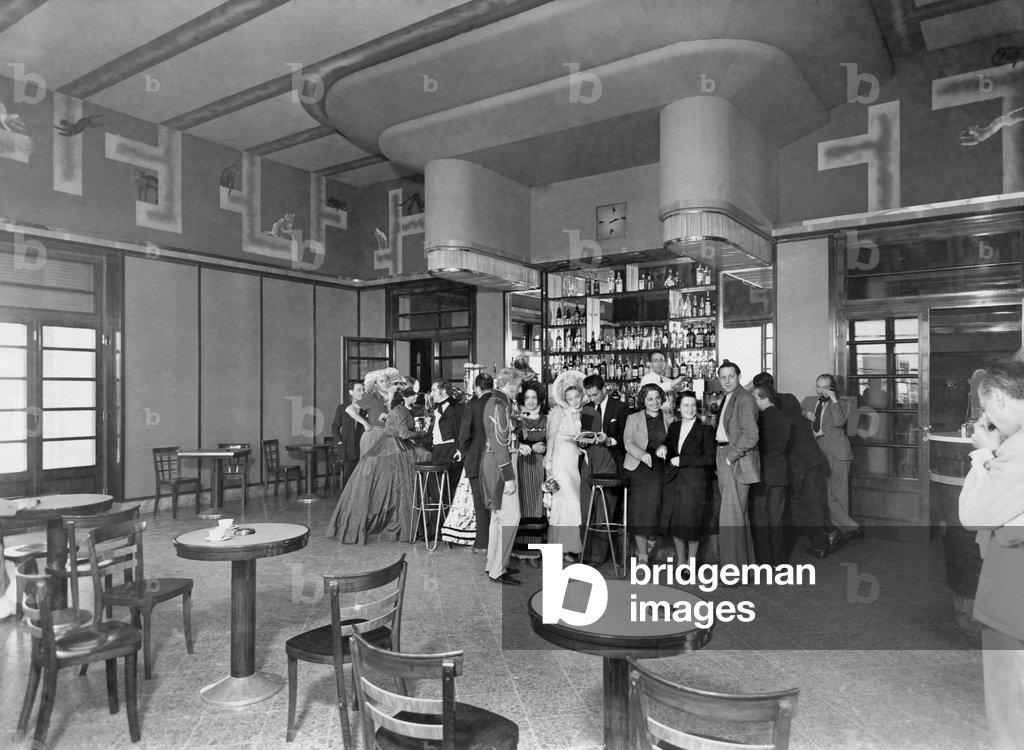
Rome's Via di San Basilio runs quietly between the noise of Via Veneto and the tourist density of the Trevi fountain area, and it is precisely this in-between quality that defines the addresses along it. Restaurants that choose a street like this are rarely angling for foot traffic. The name 1930s Restaurant signals something deliberate about aesthetic positioning: a period reference that, in Rome, carries weight. The interwar decades produced an Italian design vocabulary still visible across the city's rationalist architecture, and kitchens that invoke that era are usually making a statement about restraint, formality, and a certain kind of seriousness at the table.
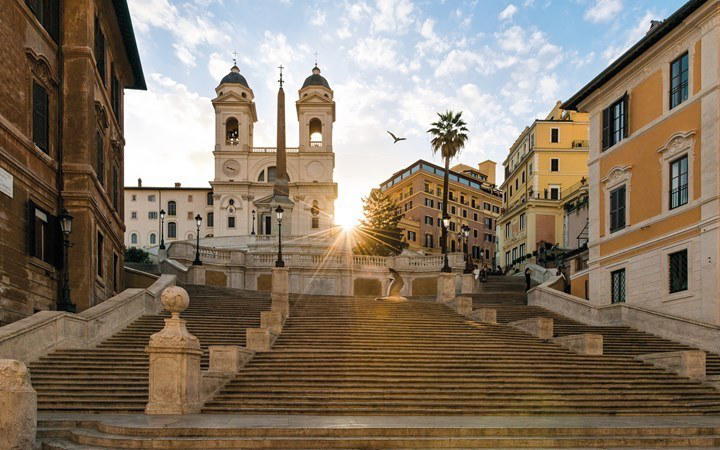
In a city where dining rooms range from casual trattoria benches to the white-glove formality of La Pergola, a period-named establishment sits somewhere in the middle of that register, though the specific format here warrants direct investigation before booking. The Via di San Basilio address places it geographically close to the Borghese gardens district and within walking distance of the Spanish Steps, making it accessible from most of Rome's central hotel concentrations.
Where Sourcing Becomes the Argument
The most consequential shift in Italian fine dining over the past fifteen years has not been stylistic but agricultural. Kitchens that once competed on technique alone now compete on provenance: which small producer supplies the cheese, which coastal fishery provides the catch, which hill farm raises the breed. This shift has reshaped how serious restaurants across Italy position themselves, from Osteria Francescana in Modena at the experimental end to Dal Pescatore in Runate, where a multi-generational kitchen maintains relationships with producers across the Po Valley that span decades.
In Rome specifically, the sourcing argument cuts through the noise because the city sits at a geographic crossroads. Lazio's volcanic soils produce some of Italy's most characterful pecorino and a vegetable tradition, particularly around Castelli Romani, that remains underappreciated by international visitors. The Tyrrhenian coast delivers fish within hours. The Apennine hill towns supply cured meats and legumes that appear on serious menus throughout the capital. A kitchen on Via di San Basilio that takes ingredient origin seriously has access to all of this, and the question worth asking of any restaurant in this part of Rome is how deliberately it draws on that geography versus defaulting to generic Italian fine-dining repertoire.
For comparison, Acquolina has built its identity almost entirely around coastal sourcing, while Il Pagliaccio and Enoteca La Torre both operate in the creative tier where sourcing credibility underpins the tasting menu format. Achilli al Parlamento represents a different model altogether, where the cellar depth takes priority. Each of these addresses answers the sourcing question differently, and diners planning a Rome visit benefit from understanding where each property sits before committing to a reservation.
The Roman Fine Dining Tier in Context
Rome's serious dining scene operates on a narrower band than Milan or Florence. The city has fewer Michelin-starred restaurants per capita than its northern counterparts, partly because Roman food culture remains more invested in neighbourhood osterie and generational trattatorie than in formal tasting menu formats. This means the restaurants that do occupy the upper tier tend to be more conspicuous, and the competition for serious diners is concentrated among a smaller group of addresses.
Nationally, that conversation reaches well beyond Rome. Properties like Le Calandre in Rubano, Uliassi in Senigallia, Reale in Castel di Sangro, Piazza Duomo in Alba, and Atelier Moessmer Norbert Niederkofler in Brunico represent Italy's highest-recognition tier and are worth anchoring any serious food itinerary around. In this broader Italian context, a Rome address needs to earn its place on a discerning itinerary against real competition. Quattro Passi in Marina del Cantone and Enrico Bartolini in Milan illustrate how Italian fine dining has spread across formats and geographies, making the case for any single address that much harder and more specific.
Outside Italy, the sourcing-first approach visible in the country's leading kitchens has influenced restaurants far beyond the peninsula. Enoteca Pinchiorri in Florence remains the reference point for Italian wine-driven fine dining. Le Bernardin in New York City and Lazy Bear in San Francisco demonstrate how sourcing credibility has become the primary organising principle in ambitious restaurants across different culinary traditions entirely.
Planning a Visit to Via di San Basilio
The address, Via di San Basilio 15 in the 00187 postcode, places 1930s Restaurant within Rome's first municipio and within comfortable walking distance of both Piazza Barberini (served by Metro Line A) and the Via Veneto hotel strip. Visitors staying in the Spanish Steps or Repubblica areas will find the walk manageable; those coming from Trastevere or Testaccio should factor in a taxi or the metro. For the broader Rome dining picture, including neighbourhood-level guidance and category comparisons, the EP Club Rome restaurants guide provides additional context.
For Rome's upper dining tier, advance booking of several weeks is standard practice, particularly on weekend evenings.
Frequently asked questions
Would 1930s Restaurant be comfortable with kids?
The period name and fine dining positioning of this address suggest an atmosphere oriented toward adult diners. In Rome's higher price tiers, kitchens that invest in formal atmosphere and multi-course formats tend to draw a clientele where children are the exception rather than the rule. Families planning a Rome visit with young children would likely find the city's trattoria tradition a more practical fit. If the format here leans toward tasting menus, the duration alone makes it a challenge for younger diners.
Is 1930s Restaurant formal or casual?
In Rome, a restaurant that signals a decade as its name carries an implicit dress expectation: the 1930s aesthetic in Italian dining is associated with a particular seriousness at the table, not with informality. Rome's comparable addresses, including the €€€€-tier kitchens like Enoteca La Torre and Il Pagliaccio, typically expect smart dress as a minimum. Contacting the venue directly before arrival is advisable.
What do people recommend at 1930s Restaurant?
EP Club's verified data does not include confirmed signature dishes or chef attribution for this address, so specific dish recommendations cannot be made responsibly here. What the sourcing-focused approach associated with serious Italian kitchens in this part of Rome tends to produce is a menu that changes with seasonal supply: Lazio's spring artichokes, summer courgette flowers, autumn porcini, and winter citrus from further south all appear in the repertoire of kitchens operating at this level. The most reliable approach is to trust the kitchen's current selection rather than arriving with fixed expectations.
Does 1930s Restaurant take its name from a specific historical connection to the decade?
The name places the restaurant within a distinct Italian cultural reference: the 1930s in Rome corresponded with a period of rationalist architecture, formal civic dining culture, and a particular aesthetic discipline still visible in the city's built environment. Prospective visitors with a specific interest in the historical context would do well to raise the question directly with the restaurant, where the answer would carry far more authority than any external speculation.

1930s Restaurant
The wine
- Wine program
- Curated wine list
- Extensive wine list
- Craft cocktails
- Beer program
Details
- Classic
- Elegant
- Lively
- Bohemian
- Date Night
- Casual Hangout
- After Work
- Group Dining
- Open Kitchen
- Historic Building
- Design Destination
- Craft Cocktails
- Extensive Wine List
- Beer Program
- Local Sourcing
- A La Carte
- Small Plates
- Craft Cocktails
- Italian Wines
- Craft Beers
- Vintage Liqueurs
- Vegetarian Friendly
- Pescatarian Friendly
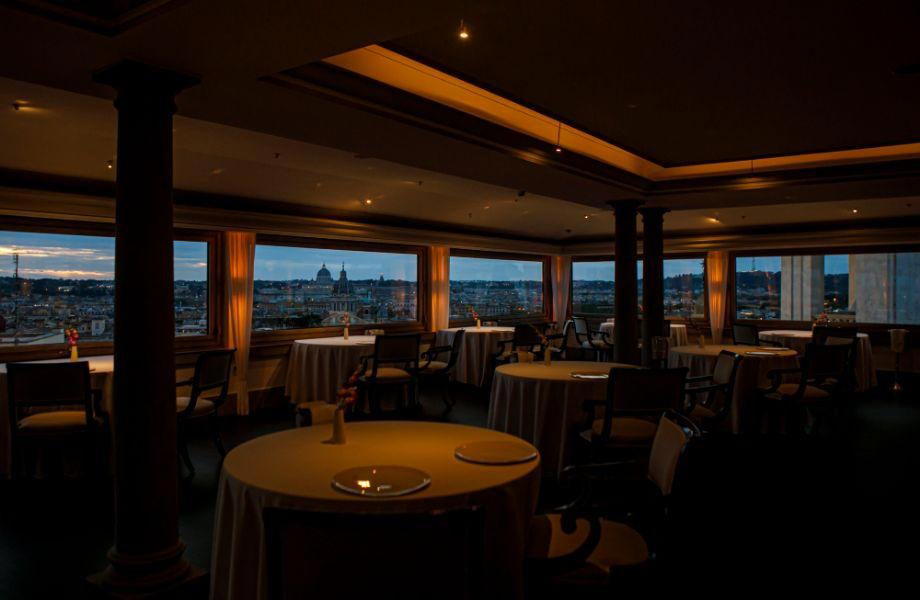
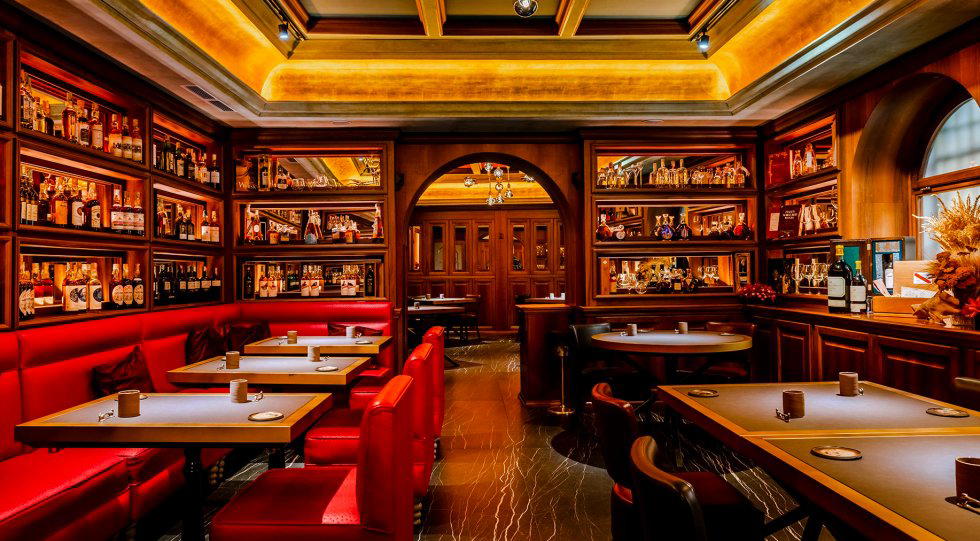
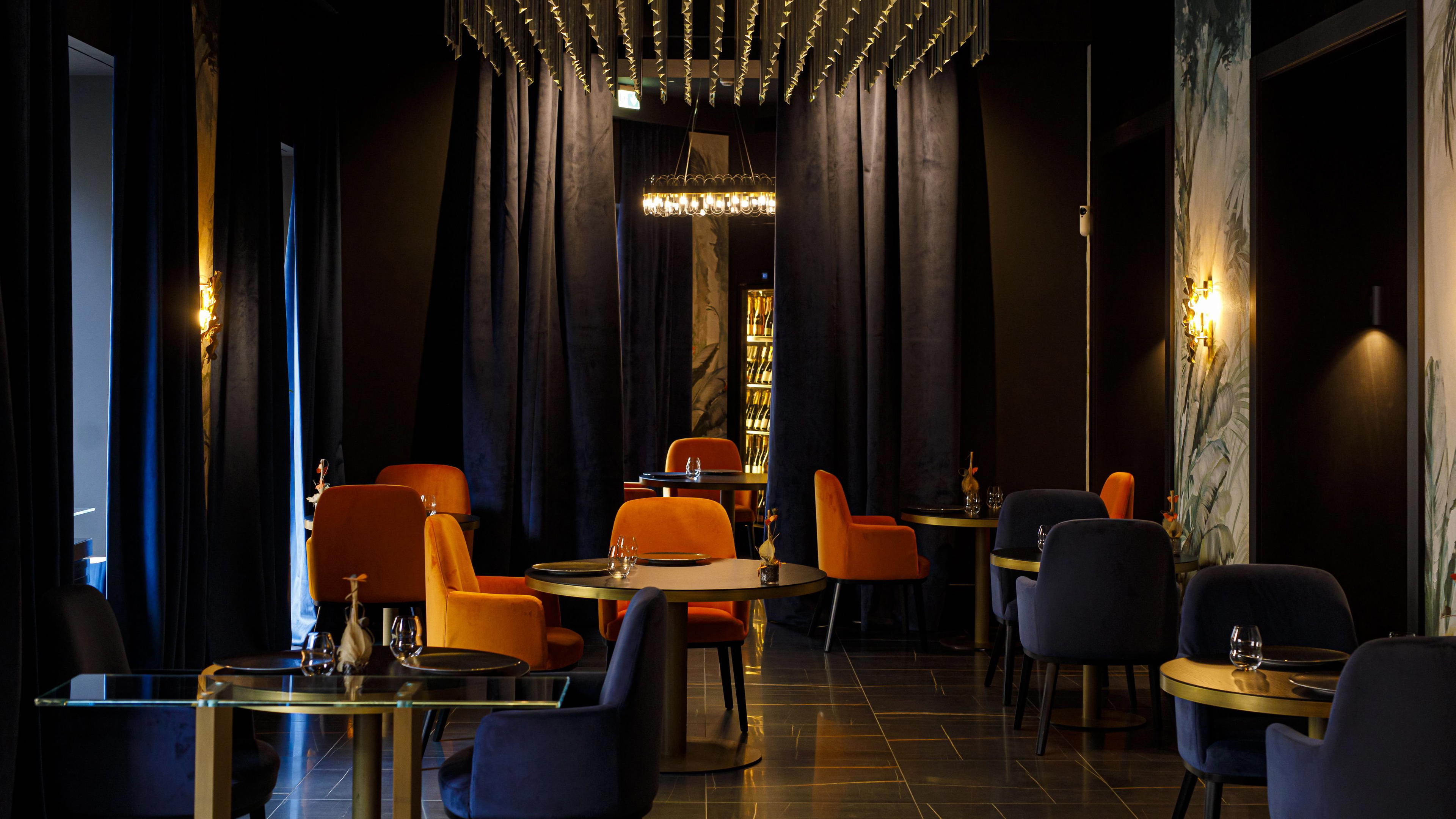
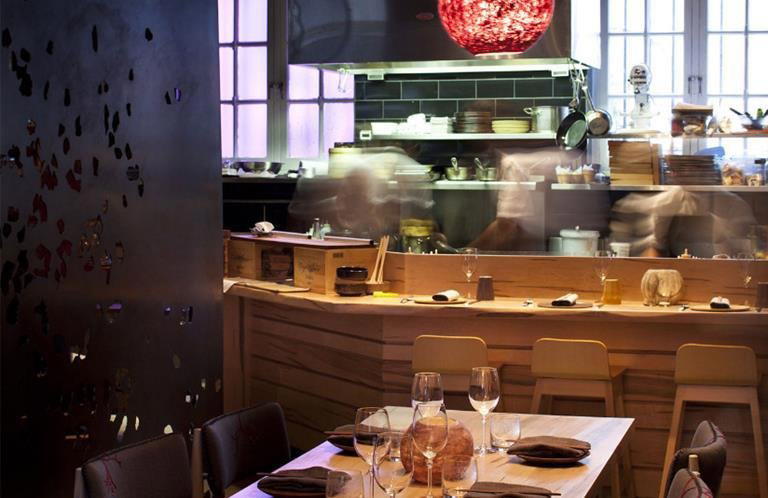
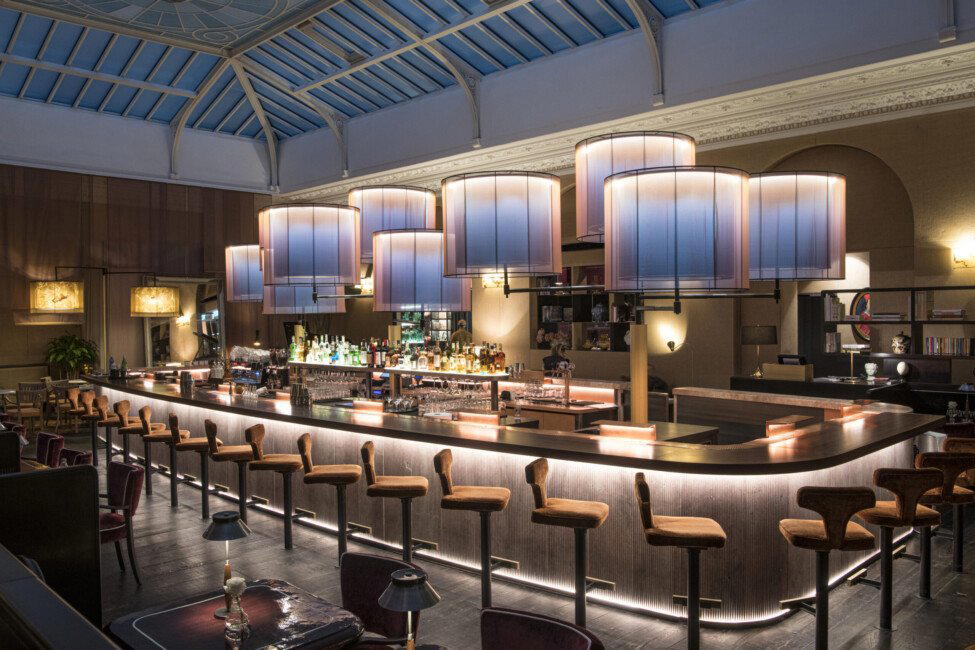
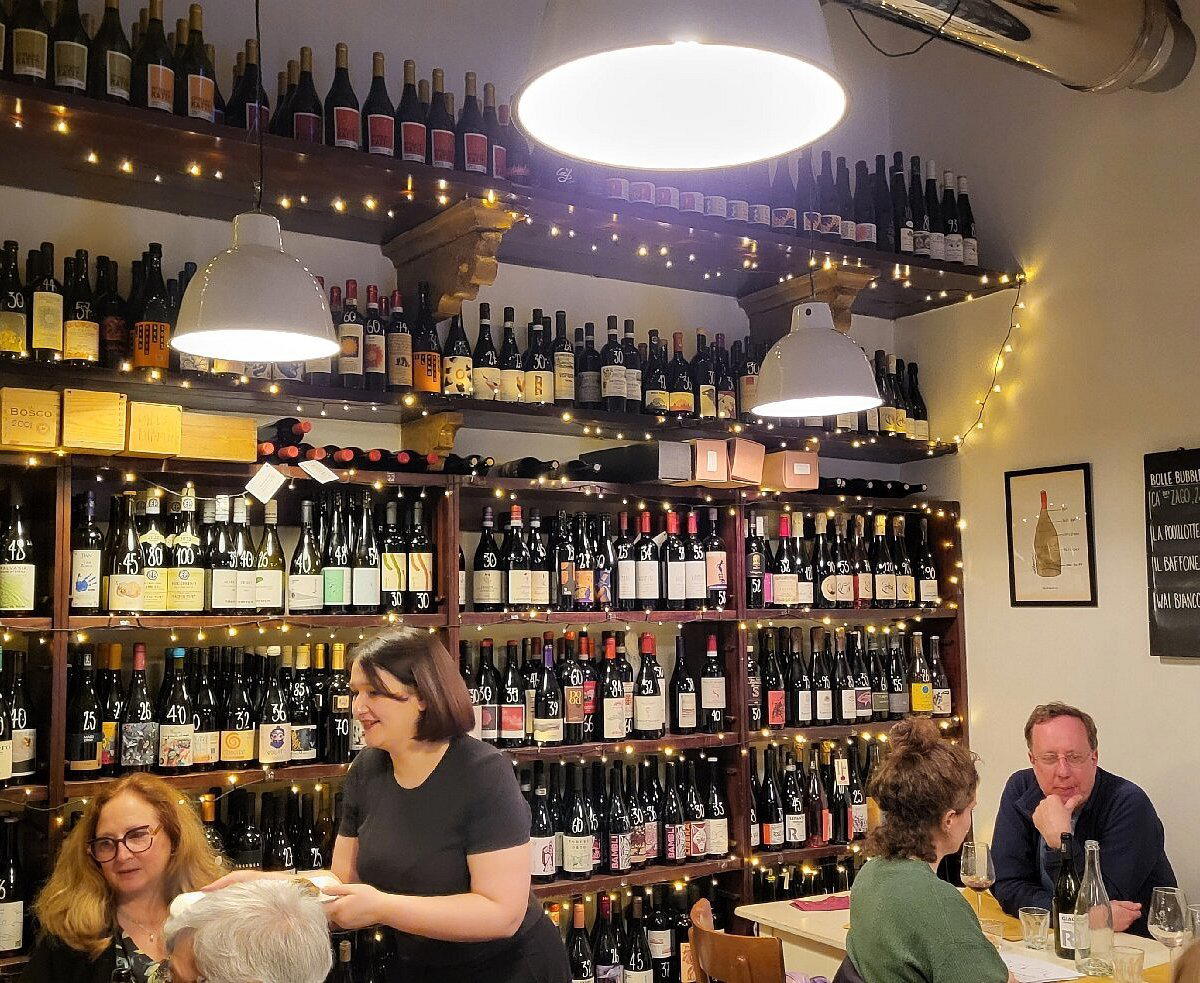
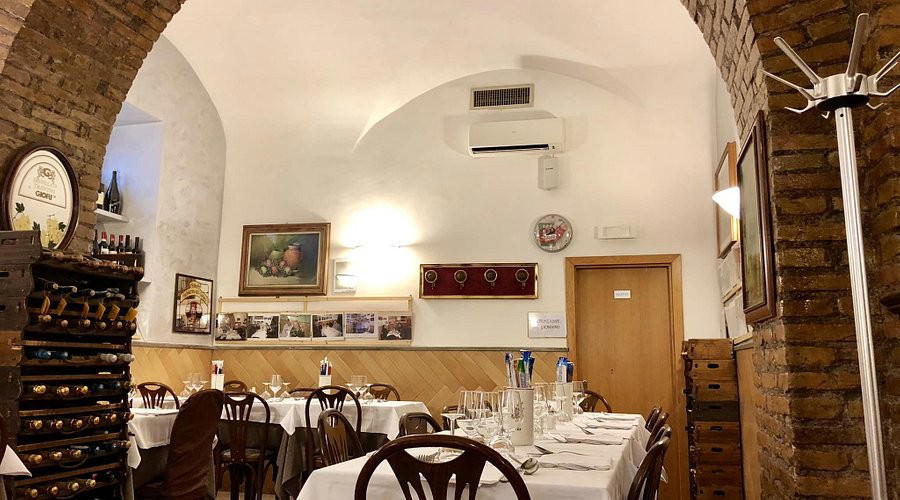
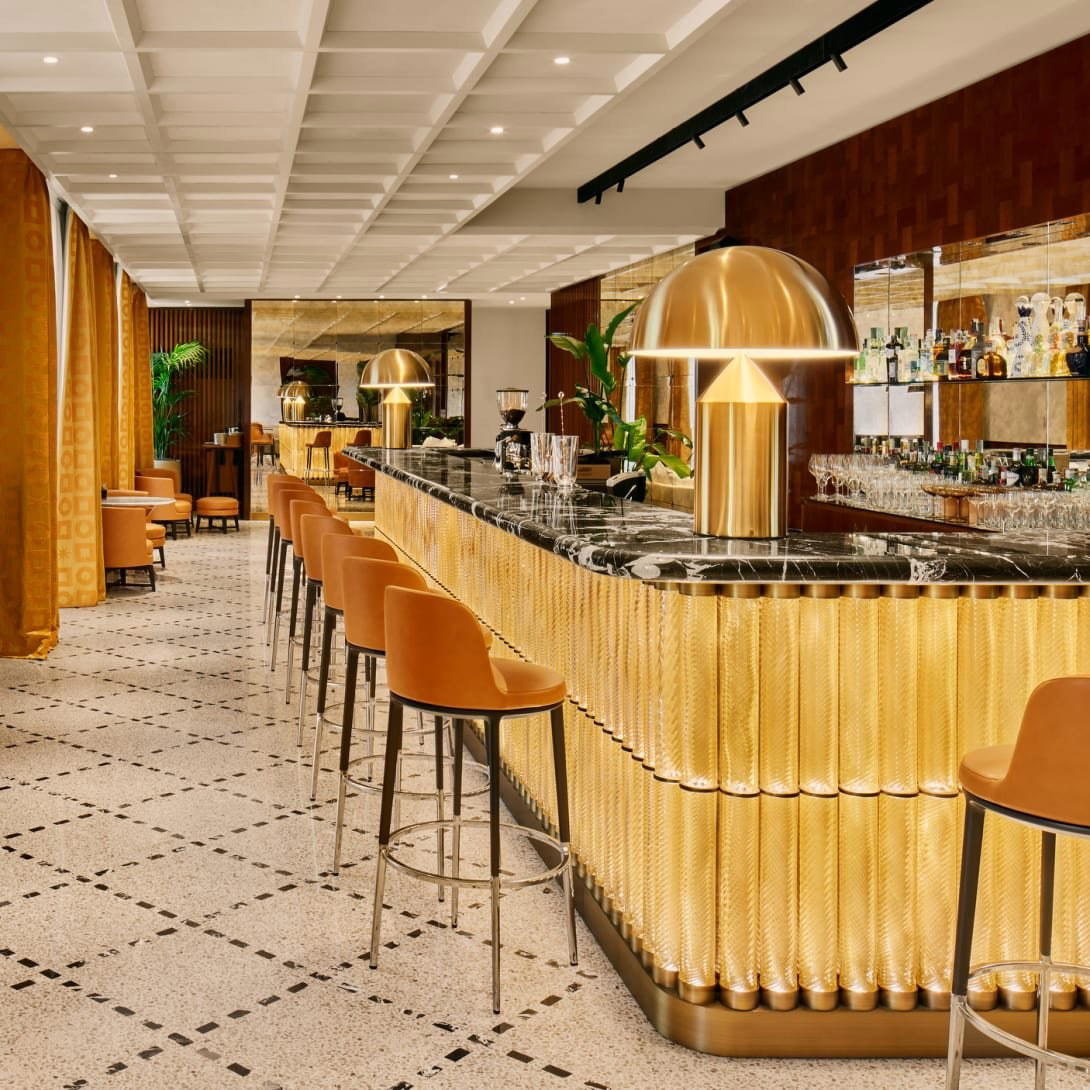
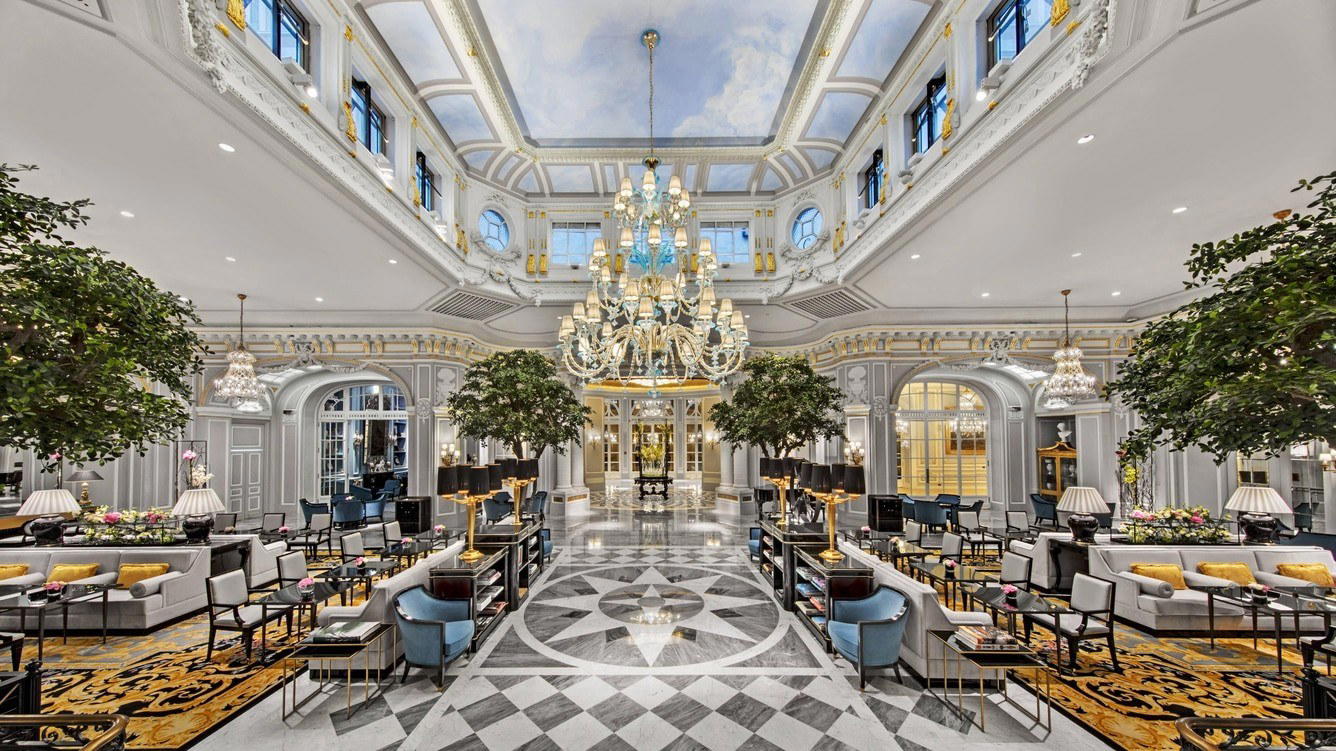
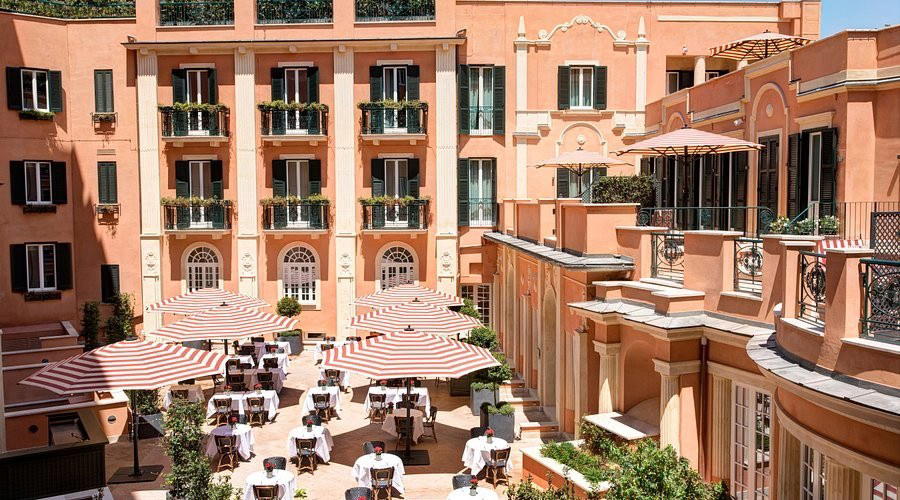
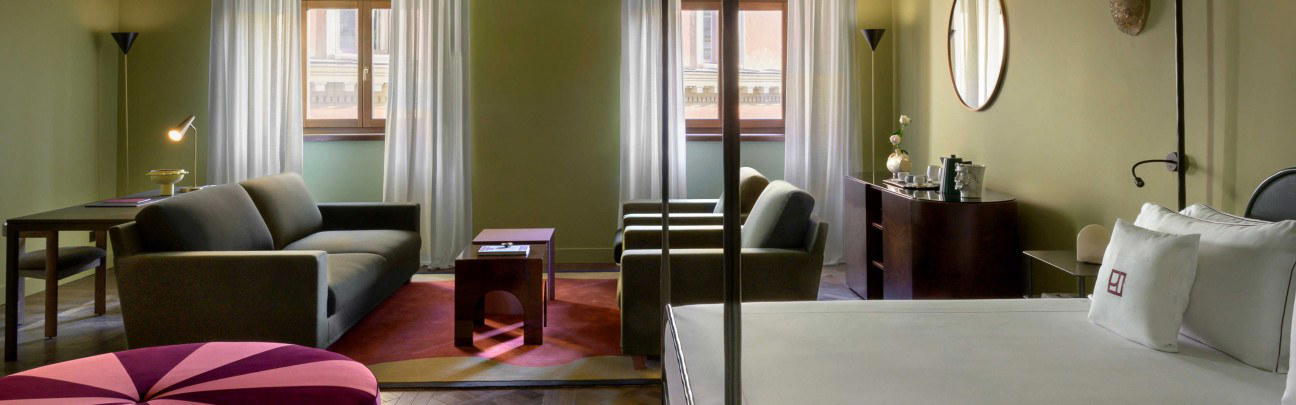
Glamorous 1930s Art Deco design with lime green accents, monochromatic palm leaf motifs, marble flooring, gold inserts, bright colored armchairs, and an open kitchen creating a sophisticated yet relaxed atmosphere.