A Street, a Year, a Region's Pantry Metzgergasse — the butcher's lane — is not an accidental address for a restaurant serious about its ingredients. Lana's old town carries its market-town identity in its street names, and arriving at ground level on this narrow passage puts you immediately inside a culinary geography that stretches from the apple orchards ringing the valley floor up to the high-altitude pastures where South Tyrol's most characterful cheeses and cured meats are produced. The building's name reaches back to 1477, placing it inside a tradition of hospitality in this part of the Alto Adige that long predates the region's current recognition on Italian dining circuits. South Tyrol has become one of Italy's most closely watched food regions over the past decade. The concentration of Michelin-starred restaurants per capita is higher here than in almost any comparable Alpine area, and the underlying reason is the same across the spectrum: ingredient quality tied to specific altitude, microclimate, and centuries of farming practice. Places like Atelier Moessmer Norbert Niederkofler in Brunico have brought global attention to the argument that mountain ingredients can anchor serious tasting menus, while across the border in the broader Italian fine-dining conversation, kitchens from Osteria Francescana in Modena to Piazza Duomo in Alba have reinforced the idea that place-rooted sourcing is not a trend but the baseline condition for cooking at a high level. Reichhalter operates in this same current, closer to the trattoria register than to the destination tasting-menu format, but anchored in the same regional logic. What the Valley Floor and the High Pastures Provide The Adige Valley around Lana produces apples on a commercial scale, the Val di Non and surrounding zones account for a significant share of Italy's certified apple output, but the more interesting ingredients for a kitchen like this sit at the margins of that dominant crop. Speck Alto Adige IGP, the cold-smoked and air-dried ham cured at altitude with a specific ratio of smoke to mountain air, is produced in the immediate hinterland and represents one of the clearest markers separating genuine South Tyrolean cooking from its imitators further south. Graukäse, the low-fat grey cheese with its sharp, almost barnyard acidity, comes from small dairies in the higher valleys above Lana and rarely travels far. Schlutzkrapfen, the half-moon pasta filled with spinach and ricotta typical to this arc of the Alps, depends for its character on the quality of dairy from pasture-fed herds. A kitchen at ground level on Metzgergasse, operating in a building that has fed people since the late fifteenth century, is positioned to source these ingredients with the directness that distance makes difficult. Gasthaus Rafflerhof, Pfefferlechner, Brandiskeller, and Stadele each interpret South Tyrolean tradition with varying degrees of formality, and the town rewards a comparative approach across multiple meals. The broader Italian fine-dining reference points, from the seafood precision of Uliassi in Senigallia to the Campanian rigour of Quattro Passi in Marina del Cantone, operate in different ingredient zones, which is exactly the point: Italian cooking's strength lies in geographic specificity, and Reichhalter's address locks it into among the more distinct of those zones. The Atmosphere on Metzgergasse Ground-floor restaurants on historic lanes in small South Tyrolean towns share a particular quality: low ceilings, stone or rendered walls that hold the cool of the mountain even in summer, and a domestic scale that makes the dining room feel borrowed from a private house rather than designed for commerce. The 1477 reference in the name signals that this building pre-dates modern hospitality infrastructure, and the physical environment reflects that. Arriving in the evening, when Lana's old town quiets relative to its daytime market activity, the approach down Metzgergasse carries the low-key formality of a place that does not need to advertise itself loudly to the people who already know it. That atmosphere places Reichhalter closer to the quiet-evening register than to high-energy trattorias built around table turnover. The room configuration and scale of a building this age typically produce a limited number of covers, which means the kitchen can operate with the kind of attention that larger, higher-volume rooms make difficult. For visitors comparing their options in Lana, this is a consideration worth factoring alongside the menu: the physical and atmospheric register here is one of considered unhurriedness, not performance. Planning a Visit Lana sits in the Burggrafenamt district of South Tyrol, roughly equidistant between Bolzano to the south and Merano to the north, both of which are accessible by regional rail. The address at Metzgergasse 2 is in the historic centre and walkable from the main piazza. South Tyrol's dining culture leans toward earlier service times than the Italian national norm, with many kitchens beginning dinner service around 18:30 or 19:00 and closing the kitchen before midnight. For visitors building a broader picture of what this region offers at table, our full Lana restaurants guide maps the town's options across format and price tier. Reservation practice at traditional South Tyrolean restaurants favours advance booking, particularly through summer and during the autumn apple harvest season when the valley draws visitors. Phone and in-person booking remain common at this scale and format, though practices vary. Arriving without a reservation on a weekend evening during high season carries more risk than a midweek lunch in the shoulder months of spring. Frequently Asked Questions Is 1477 Reichhalter Restaurant suitable for children?South Tyrolean gasthouses at this price point and format generally accommodate families, particularly at lunch, though the quieter evening atmosphere on Metzgergasse leans adult. Lana itself is a family-oriented market town, and the regional kitchen, dishes built around cured meats, hearty pasta, and dairy-led preparations, tends to translate well across age groups. If children are part of the group, a lunchtime visit will likely fit the room's rhythm better than a Saturday dinner reservation.Is 1477 Reichhalter Restaurant better suited to a quiet evening or a lively one?The building's age, the narrow-lane address, and the domestic scale of a ground-floor room in a fifteenth-century structure all point toward the quieter end of the spectrum. This is not a venue for high-decibel celebrations. Compared to more animated options in the Lana area, Reichhalter's atmosphere is one of measured conviviality. For a lively group dinner, the town offers other registers; for a focused, unhurried meal that lets the kitchen's sourcing work speak, this address fits the brief well.What do regulars tend to order at 1477 Reichhalter Restaurant?Specific menu details are not available for independent verification, so no individual dishes can be named with confidence here. What the South Tyrolean tradition at this address suggests is a kitchen anchored in regional staples: speck-led starters, pasta formats native to the Alto Adige, and meat preparations drawing on high-altitude livestock. Kitchens in this tradition tend to follow seasonal availability, which means ordering with the season rather than to a fixed expectation produces particularly representative results. For current menu intelligence, contacting the restaurant directly before visiting is the reliable approach.What makes 1477 Reichhalter Restaurant distinct within Lana's dining scene?The 1477 name anchors this address to one of the older documented hospitality sites in the Lana old town, placing it in a different historical register from more recently established restaurants in the same market. That provenance, combined with a ground-floor position on Metzgergasse, historically the commercial and craft heart of the town, connects the kitchen to the supplier relationships and local knowledge that longer-established venues accumulate over time. Visitors interested in how South Tyrolean cooking connects to place over centuries rather than seasons will find that framing useful when choosing between Lana's options.
Pearl is the En Primeur Club membership app — saves, bookings, and concierge access live there. Same editors, same standards.
- Address
- Metzgergasse 2, Lana 39011, Italy (ground floor)
- Directions
- Get directions
 Saves & bookings on Pearl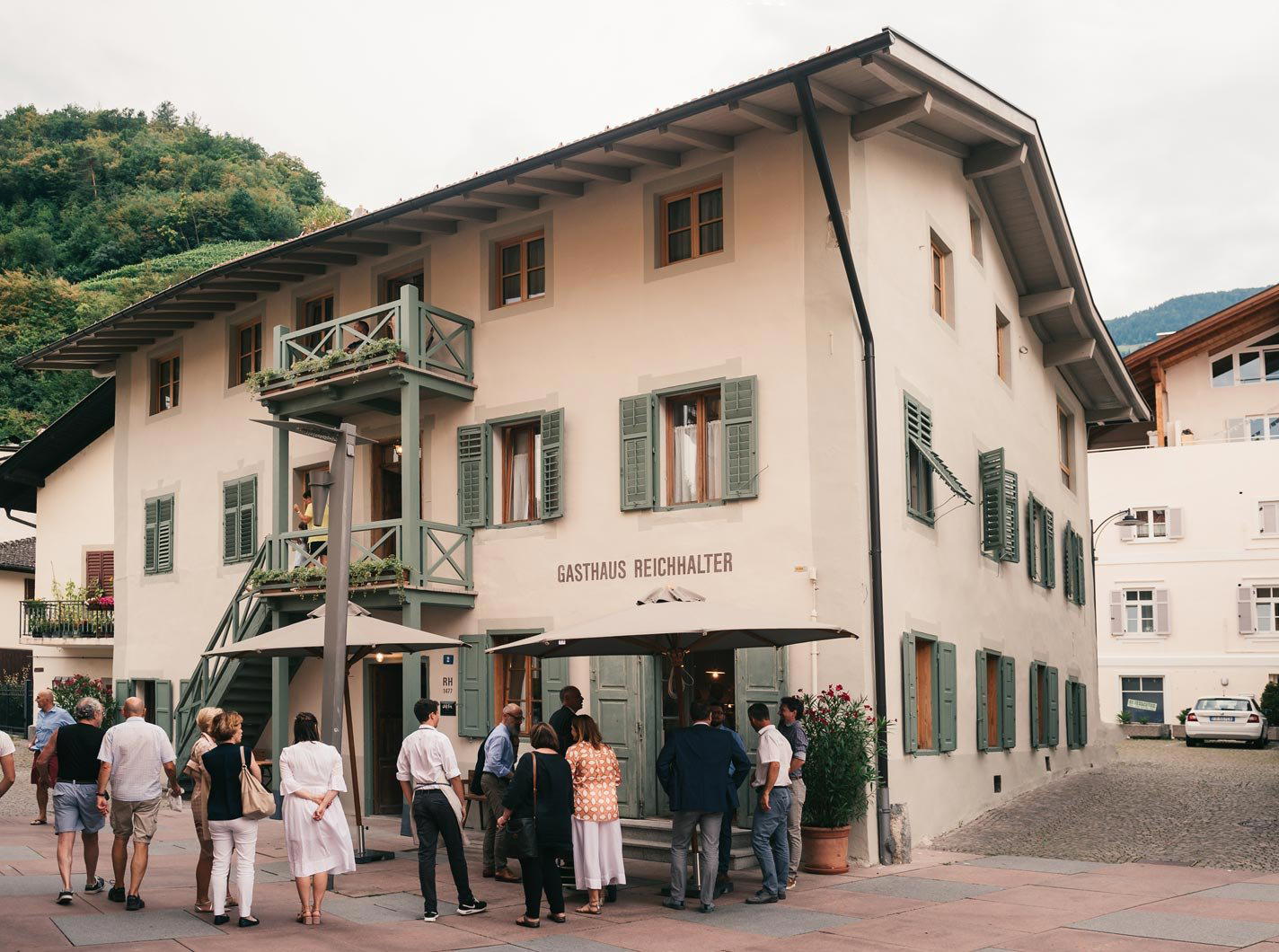
A Street, a Year, a Region's Pantry
Metzgergasse — the butcher's lane — is not an accidental address for a restaurant serious about its ingredients. Lana's old town carries its market-town identity in its street names, and arriving at ground level on this narrow passage puts you immediately inside a culinary geography that stretches from the apple orchards ringing the valley floor up to the high-altitude pastures where South Tyrol's most characterful cheeses and cured meats are produced. The building's name reaches back to 1477, placing it inside a tradition of hospitality in this part of the Alto Adige that long predates the region's current recognition on Italian dining circuits.
South Tyrol has become one of Italy's most closely watched food regions over the past decade. The concentration of Michelin-starred restaurants per capita is higher here than in almost any comparable Alpine area, and the underlying reason is the same across the spectrum: ingredient quality tied to specific altitude, microclimate, and centuries of farming practice. Places like Atelier Moessmer Norbert Niederkofler in Brunico have brought global attention to the argument that mountain ingredients can anchor serious tasting menus, while across the border in the broader Italian fine-dining conversation, kitchens from Osteria Francescana in Modena to Piazza Duomo in Alba have reinforced the idea that place-rooted sourcing is not a trend but the baseline condition for cooking at a high level. Reichhalter operates in this same current, closer to the trattoria register than to the destination tasting-menu format, but anchored in the same regional logic.
What the Valley Floor and the High Pastures Provide
The Adige Valley around Lana produces apples on a commercial scale, the Val di Non and surrounding zones account for a significant share of Italy's certified apple output, but the more interesting ingredients for a kitchen like this sit at the margins of that dominant crop. Speck Alto Adige IGP, the cold-smoked and air-dried ham cured at altitude with a specific ratio of smoke to mountain air, is produced in the immediate hinterland and represents one of the clearest markers separating genuine South Tyrolean cooking from its imitators further south. Graukäse, the low-fat grey cheese with its sharp, almost barnyard acidity, comes from small dairies in the higher valleys above Lana and rarely travels far. Schlutzkrapfen, the half-moon pasta filled with spinach and ricotta typical to this arc of the Alps, depends for its character on the quality of dairy from pasture-fed herds. A kitchen at ground level on Metzgergasse, operating in a building that has fed people since the late fifteenth century, is positioned to source these ingredients with the directness that distance makes difficult.
Gasthaus Rafflerhof, Pfefferlechner, Brandiskeller, and Stadele each interpret South Tyrolean tradition with varying degrees of formality, and the town rewards a comparative approach across multiple meals. The broader Italian fine-dining reference points, from the seafood precision of Uliassi in Senigallia to the Campanian rigour of Quattro Passi in Marina del Cantone, operate in different ingredient zones, which is exactly the point: Italian cooking's strength lies in geographic specificity, and Reichhalter's address locks it into among the more distinct of those zones.
The Atmosphere on Metzgergasse
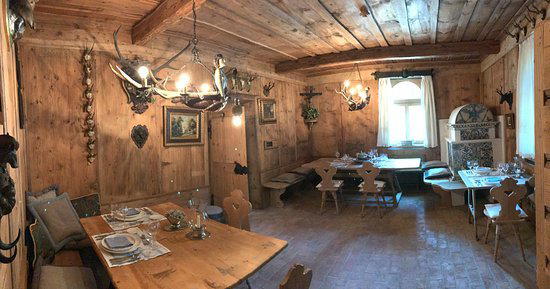
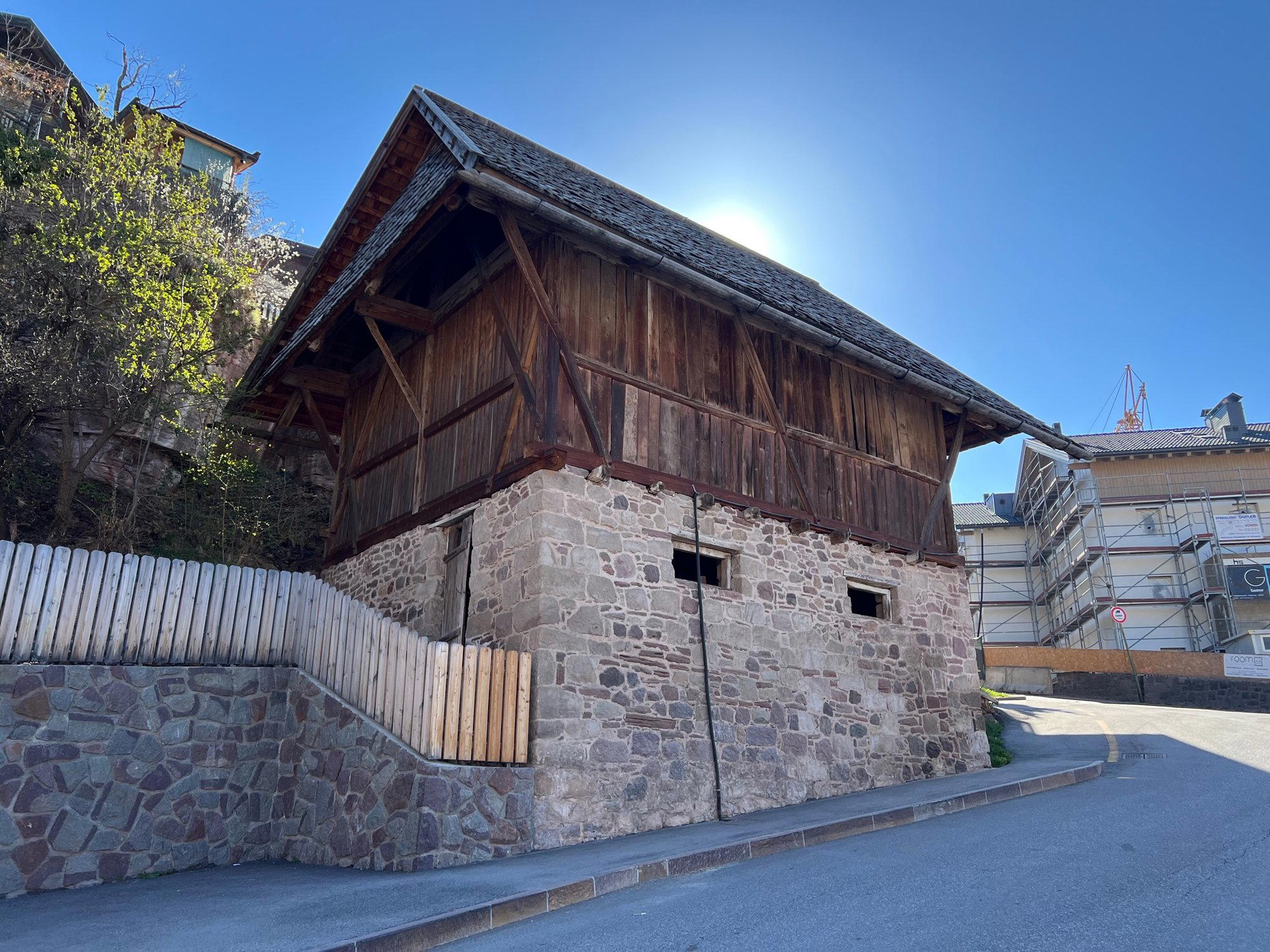
Ground-floor restaurants on historic lanes in small South Tyrolean towns share a particular quality: low ceilings, stone or rendered walls that hold the cool of the mountain even in summer, and a domestic scale that makes the dining room feel borrowed from a private house rather than designed for commerce. The 1477 reference in the name signals that this building pre-dates modern hospitality infrastructure, and the physical environment reflects that. Arriving in the evening, when Lana's old town quiets relative to its daytime market activity, the approach down Metzgergasse carries the low-key formality of a place that does not need to advertise itself loudly to the people who already know it.
That atmosphere places Reichhalter closer to the quiet-evening register than to high-energy trattorias built around table turnover. The room configuration and scale of a building this age typically produce a limited number of covers, which means the kitchen can operate with the kind of attention that larger, higher-volume rooms make difficult. For visitors comparing their options in Lana, this is a consideration worth factoring alongside the menu: the physical and atmospheric register here is one of considered unhurriedness, not performance.
Planning a Visit
Lana sits in the Burggrafenamt district of South Tyrol, roughly equidistant between Bolzano to the south and Merano to the north, both of which are accessible by regional rail. The address at Metzgergasse 2 is in the historic centre and walkable from the main piazza. South Tyrol's dining culture leans toward earlier service times than the Italian national norm, with many kitchens beginning dinner service around 18:30 or 19:00 and closing the kitchen before midnight. For visitors building a broader picture of what this region offers at table, our full Lana restaurants guide maps the town's options across format and price tier.
Reservation practice at traditional South Tyrolean restaurants favours advance booking, particularly through summer and during the autumn apple harvest season when the valley draws visitors. Phone and in-person booking remain common at this scale and format, though practices vary. Arriving without a reservation on a weekend evening during high season carries more risk than a midweek lunch in the shoulder months of spring.
Continue exploring
More in Lana
Restaurants in Lana
Browse all →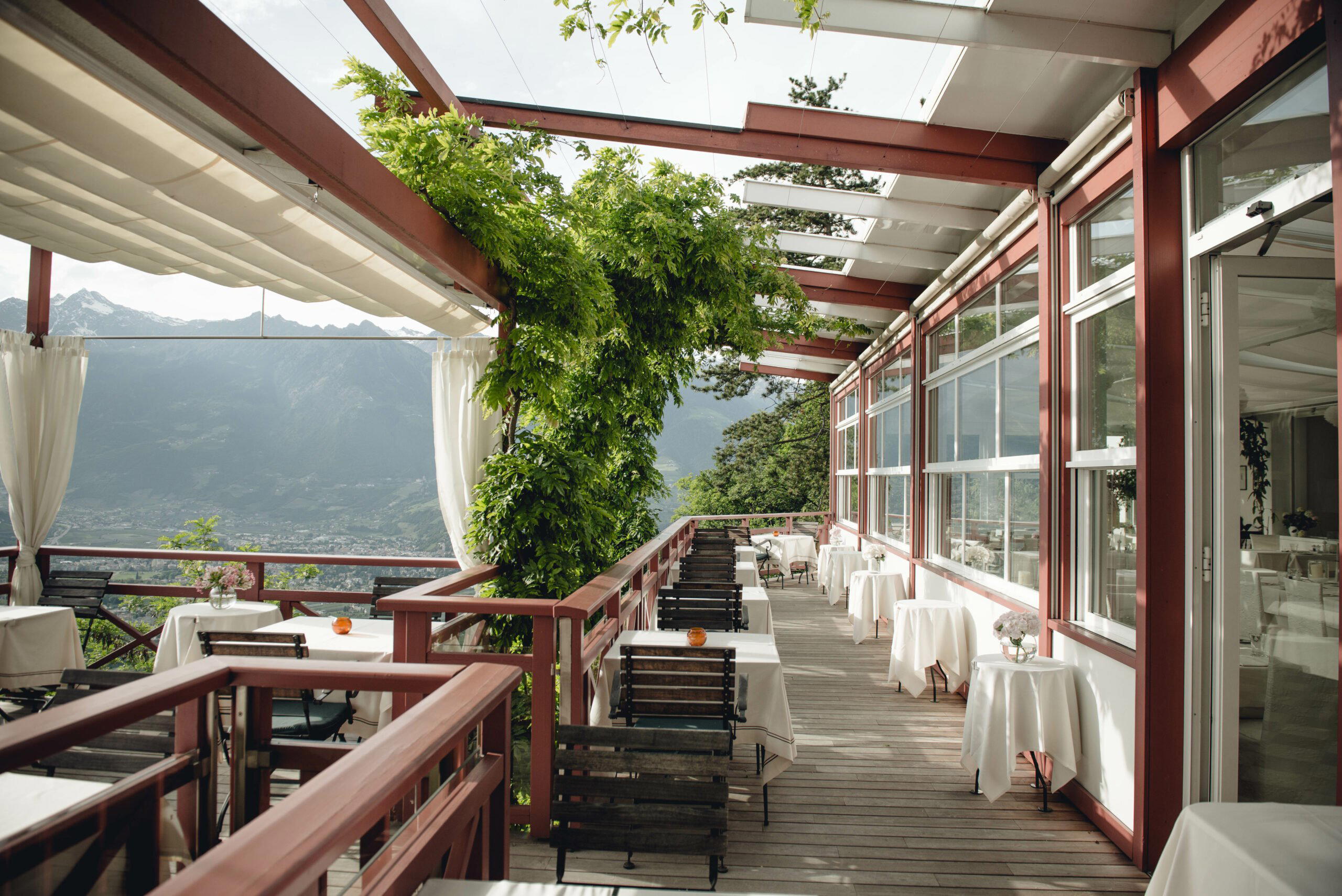
Bars in Lana
Browse all →
Hotels in Lana
Browse all →
At a Glance
- Cozy
- Intimate
- Elegant
- Historic
- Sophisticated
- Brunch
- Business Dinner
- Date Night
- Solo
- Casual Hangout
- Historic Building
- Design Destination
- Hotel Restaurant
- Terrace
- Beer Program
- Local Sourcing
- Farm To Table
- Garden
- Street Scene
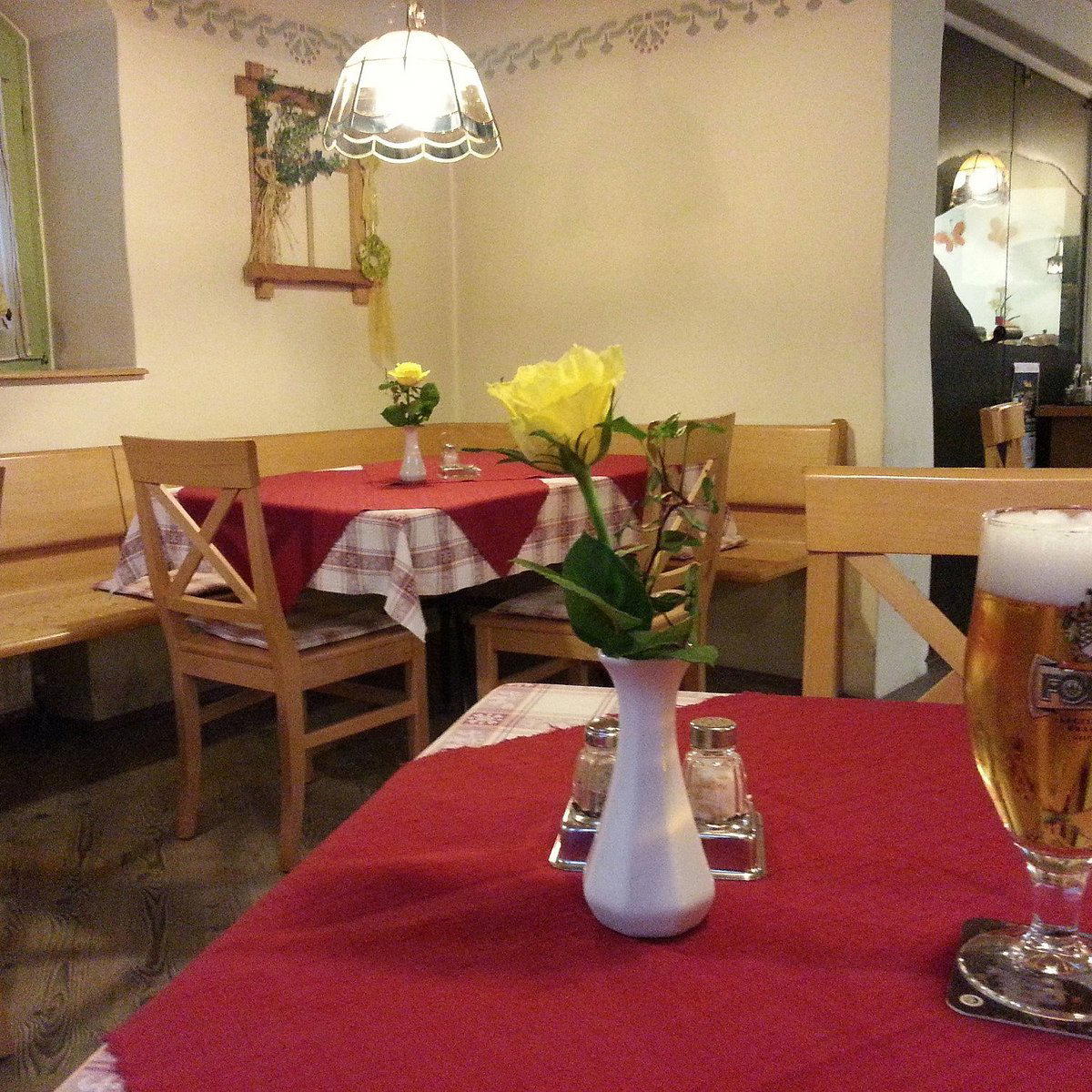
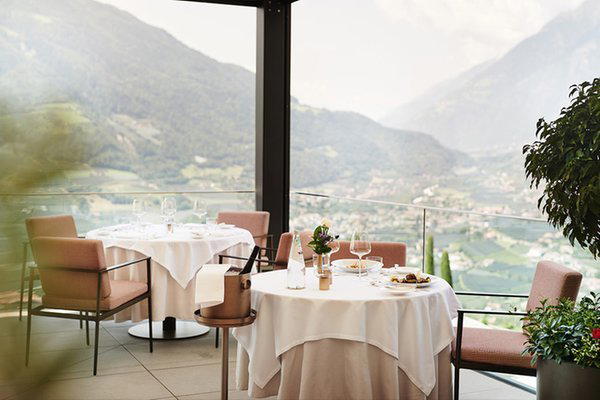
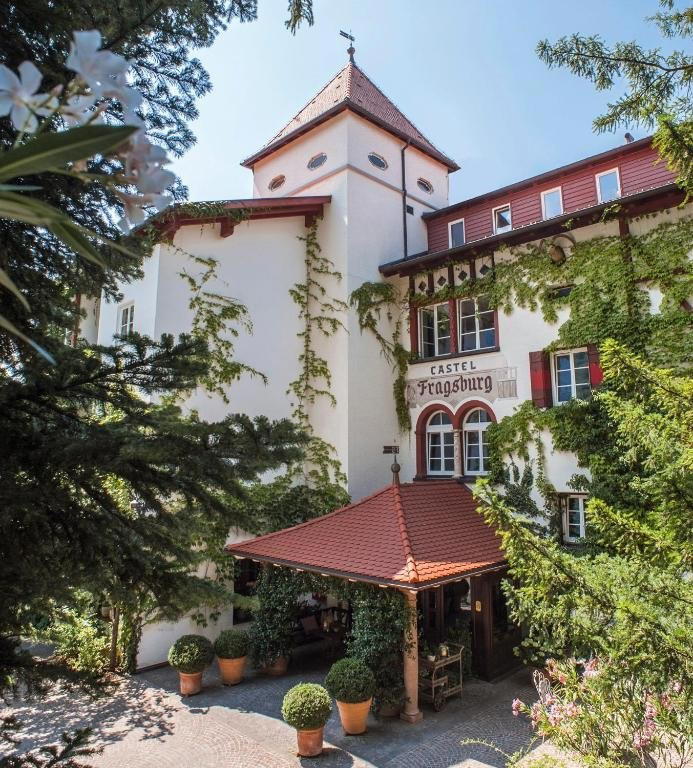
Historic and intimate, with a cozy inn-like atmosphere that blends South Tyrolean heritage with contemporary comfort; reviews and press describe it as warm, refined, and convivial, with rustic tables, traditional stube dining rooms, and a pergola-covered terrace.