10G
Our verdict
Yeongdeungpo and the New Geography of Seoul Dining Seoul's premium dining scene has never been as neatly contained as the Gangnam-or-nothing narrative once suggested. Over the past decade, serious restaurants have seeded themselves across districts that tourists rarely map in advance: Mapo, Seongsu, and now, with increasing frequency, Yeongdeungpo. The district built its reputation on the International Financial District's glass towers and the retail weight of Times Square Seoul, but its restaurant culture is in the middle of a slower, quieter recalibration. 10G, addressed at 10 Gukjegeumyung-ro, sits inside that shift, occupying a position that says something about where ambitious Seoul dining is choosing to put down roots when rents and clientele align in unexpected ways. Arriving at this part of Yeongdeungpo, you feel the particular tension of a neighbourhood between identities. The towers press in from one direction; residential blocks and older commercial streets hold their ground from the other. The approach to 10G carries that same dual register, the kind of address that rewards a visitor who already knows where they are going rather than one stumbling in from a main boulevard. In Seoul dining terms, that is not unusual. Some of the city's most consequential counters and tasting rooms have always required a small act of navigation, and the dining experience often begins in that approach. Seoul's Ingredient-Led Fine Dining Tier Context matters here. Seoul's upper dining tier has developed a consistent grammar over the past several years: sourcing from named Korean farms and coastal producers, seasonal menus adjusted to what those producers actually deliver, and a format that positions the kitchen's relationship with raw material as the editorial spine of the meal. This is the framework you find at Mingles and Kwonsooksoo, where Korean culinary heritage and ingredient provenance anchor menus that might otherwise read as pure technique. It is the same logic that shapes Jungsik's contemporary Korean approach and informs the more experimental work at Soigné and alla prima. Within this context, ingredient sourcing is not a marketing device; it is an organizing principle. Korean producers have developed a sophisticated relationship with restaurant buyers, particularly over the last ten years as high-end dining has created reliable demand for heritage grains, single-farm proteins, and coastal catches that would previously have been absorbed entirely by local markets or private buyers. The geography of that supply chain matters: Jeju Island producers have become especially prominent, alongside coastal suppliers from the south and east who have found consistent buyers in Seoul's tasting-room tier. Venues like Palate in Busan and the regional dining addresses dotted across the peninsula, from Double T Dining in Gangneung to Badang Lounge in Jeju, demonstrate how ingredient culture has become a nationwide conversation rather than a Seoul-centric one. What this means for a venue like 10G is that it enters a scene where the sourcing story is already expected, not optional. Seoul diners at this tier are accustomed to knowing where their beef came from, who fermented their doenjang, and which season's catch is on the plate. That expectation shapes how restaurants build their menus and how they communicate with guests throughout a meal. It is a more demanding framework than it looks from the outside, and kitchens that take it seriously produce dining that rewards attention in proportion to that seriousness. The Competitive Set Yeongdeungpo does not yet have the density of fine dining that Cheongdam or Hannam can claim. That means 10G operates with fewer direct neighbours in its immediate tier, which carries both an advantage and a risk. The advantage is distinctiveness within its postcode; the risk is that it must draw diners who are willing to cross district lines for a restaurant they cannot easily triangulate against others on the same street. Seoul's dining public is capable of that kind of dedicated travel, as the sustained queues at well-regarded destinations across multiple districts demonstrate, but it requires a restaurant to earn that commitment through reputation rather than proximity. Peer comparison, at the price-point signalled by the address and the format, places 10G in the same broad conversation as Korean-contemporary venues across the city. The Korean-French hybrid register explored by Soigné and the ingredient-forward contemporary work at alla prima represent adjacent points on the same spectrum. Internationally, the structural comparison points toward kitchens like Lazy Bear in San Francisco, where format discipline and sourcing rigour define the experience, or the sustained technical precision that has made Le Bernardin in New York City a reference point for ingredient-centred fine dining across decades. What to Know Before You Go Practical intelligence on 10G is limited in publicly available form, which reflects a broader pattern among Seoul's more reserved fine-dining addresses. Many venues in this tier operate without prominent online booking infrastructure, relying instead on direct contact, local reservation platforms such as Catch Table, or word-of-mouth channels. For visitors, the practical advice is consistent across the tier: allow more lead time than you might expect, particularly if you are travelling from outside Korea and need to plan around a fixed itinerary. Seoul's premium dining rooms at this level do not absorb walk-in traffic, and the compressed tourism calendar around national holidays in spring and autumn means availability tightens significantly in those windows. Yeongdeungpo is accessible from central Seoul by subway on Line 5 and the Airport Railroad, which makes the district more reachable than its distance from Gangnam might suggest. For visitors combining 10G with broader Seoul dining exploration, the district pairs naturally with the kind of itinerary that also reaches into less-trafficked neighbourhoods, rather than one anchored entirely in Apgujeong or Cheongdam. For a fuller picture of where 10G sits within the capital's dining geography, our full Seoul restaurants guide maps the scene across districts and price tiers. Regional comparisons worth holding in mind extend to Market Café in Incheon and the Jeju circuit anchored by producers who supply Seoul kitchens: Black Pork BBQ in Seogwipo, 88돼지, and 삼보식당 in 서귀포시 each illustrate the island's role as a sourcing origin for restaurants operating several hundred kilometres north. Further afield, Gobojeong Galbi in Suwon, 해운대암소갈비집 in Busan, and Thank You Chicken in Gyeongju round out a picture of Korean dining that extends well beyond the capital's tasting-room tier. Frequently Asked Questions What kind of setting is 10G?10G is located in Yeongdeungpo, one of Seoul's financial and commercial districts, at 10 Gukjegeumyung-ro. The address places it outside the traditional fine-dining corridors of Gangnam and Hannam, which has become a deliberate positioning choice for a certain tier of Seoul restaurant. The setting reflects a broader trend of Seoul's more considered dining addresses dispersing across the city rather than clustering in established premium postcodes.Do I need a reservation for 10G?At this tier in Seoul's dining scene, advance reservations are standard practice. Many premium addresses operate through Korean platforms such as Catch Table or require direct contact rather than global booking aggregators. Given 10G's location in a district where fine dining remains relatively sparse, and given Seoul's general pattern of tightly held tables at recognised restaurants, booking ahead is the practical baseline, particularly during peak travel seasons.What's the signature dish at 10G?Seoul's ingredient-led tasting-room tier typically builds menus around seasonal provenance rather than fixed signatures, meaning the kitchen's output shifts with supply. Comparable kitchens in the city, including Mingles and Jungsik, operate on a similar seasonal-menu logic.Is 10G suitable for children?Seoul's tasting-menu tier generally assumes an adult dining context, with extended multi-course formats, minimal ambient noise management, and no specific accommodation for young diners. Families travelling with children may find more flexible options across other price tiers in Seoul's extensive restaurant culture.What's the signature at 10G?Seoul kitchens at this level tend to treat the sourcing relationship itself as the through-line of the meal, with individual dishes as expressions of that provenance rather than fixed set pieces. Peer venues such as Kwonsooksoo and alla prima illustrate how this approach functions in practice.How does 10G's Yeongdeungpo location compare to Seoul's more established fine-dining districts?Yeongdeungpo has historically been underrepresented in Seoul's premium dining map relative to Gangnam, Cheongdam, and Hannam. A venue positioned at 10 Gukjegeumyung-ro operates with fewer immediate peer comparisons in its postcode, which can translate to a more standalone experience than you would find in districts where multiple tasting-room addresses cluster within walking distance. For Seoul diners familiar with the city's geography, the location signals a restaurant that is earning its audience through reputation rather than neighbourhood adjacency, a pattern seen at other Seoul addresses that have built followings outside the traditional fine-dining corridors.

Pearl is the En Primeur Club membership app — saves, bookings, and concierge access live there. Same editors, same standards.
The menu
What to order
- Salt Bread
- Ruben Sandwich
- Specialty Latte
- Fresh Salads
Yeongdeungpo and the New Geography of Seoul Dining
Seoul's premium dining scene has never been as neatly contained as the Gangnam-or-nothing narrative once suggested. Over the past decade, serious restaurants have seeded themselves across districts that tourists rarely map in advance: Mapo, Seongsu, and now, with increasing frequency, Yeongdeungpo. The district built its reputation on the International Financial District's glass towers and the retail weight of Times Square Seoul, but its restaurant culture is in the middle of a slower, quieter recalibration. 10G, addressed at 10 Gukjegeumyung-ro, sits inside that shift, occupying a position that says something about where ambitious Seoul dining is choosing to put down roots when rents and clientele align in unexpected ways.
Arriving at this part of Yeongdeungpo, you feel the particular tension of a neighbourhood between identities. The towers press in from one direction; residential blocks and older commercial streets hold their ground from the other. The approach to 10G carries that same dual register, the kind of address that rewards a visitor who already knows where they are going rather than one stumbling in from a main boulevard. In Seoul dining terms, that is not unusual. Some of the city's most consequential counters and tasting rooms have always required a small act of navigation, and the dining experience often begins in that approach.
Seoul's Ingredient-Led Fine Dining Tier
Context matters here. Seoul's upper dining tier has developed a consistent grammar over the past several years: sourcing from named Korean farms and coastal producers, seasonal menus adjusted to what those producers actually deliver, and a format that positions the kitchen's relationship with raw material as the editorial spine of the meal. This is the framework you find at Mingles and Kwonsooksoo, where Korean culinary heritage and ingredient provenance anchor menus that might otherwise read as pure technique. It is the same logic that shapes Jungsik's contemporary Korean approach and informs the more experimental work at Soigné and alla prima.
Within this context, ingredient sourcing is not a marketing device; it is an organizing principle. Korean producers have developed a sophisticated relationship with restaurant buyers, particularly over the last ten years as high-end dining has created reliable demand for heritage grains, single-farm proteins, and coastal catches that would previously have been absorbed entirely by local markets or private buyers. The geography of that supply chain matters: Jeju Island producers have become especially prominent, alongside coastal suppliers from the south and east who have found consistent buyers in Seoul's tasting-room tier. Venues like Palate in Busan and the regional dining addresses dotted across the peninsula, from Double T Dining in Gangneung to Badang Lounge in Jeju, demonstrate how ingredient culture has become a nationwide conversation rather than a Seoul-centric one.
What this means for a venue like 10G is that it enters a scene where the sourcing story is already expected, not optional. Seoul diners at this tier are accustomed to knowing where their beef came from, who fermented their doenjang, and which season's catch is on the plate. That expectation shapes how restaurants build their menus and how they communicate with guests throughout a meal. It is a more demanding framework than it looks from the outside, and kitchens that take it seriously produce dining that rewards attention in proportion to that seriousness.
The Competitive Set
Yeongdeungpo does not yet have the density of fine dining that Cheongdam or Hannam can claim. That means 10G operates with fewer direct neighbours in its immediate tier, which carries both an advantage and a risk. The advantage is distinctiveness within its postcode; the risk is that it must draw diners who are willing to cross district lines for a restaurant they cannot easily triangulate against others on the same street. Seoul's dining public is capable of that kind of dedicated travel, as the sustained queues at well-regarded destinations across multiple districts demonstrate, but it requires a restaurant to earn that commitment through reputation rather than proximity.
Peer comparison, at the price-point signalled by the address and the format, places 10G in the same broad conversation as Korean-contemporary venues across the city. The Korean-French hybrid register explored by Soigné and the ingredient-forward contemporary work at alla prima represent adjacent points on the same spectrum. Internationally, the structural comparison points toward kitchens like Lazy Bear in San Francisco, where format discipline and sourcing rigour define the experience, or the sustained technical precision that has made Le Bernardin in New York City a reference point for ingredient-centred fine dining across decades.
What to Know Before You Go
Practical intelligence on 10G is limited in publicly available form, which reflects a broader pattern among Seoul's more reserved fine-dining addresses. Many venues in this tier operate without prominent online booking infrastructure, relying instead on direct contact, local reservation platforms such as Catch Table, or word-of-mouth channels. For visitors, the practical advice is consistent across the tier: allow more lead time than you might expect, particularly if you are travelling from outside Korea and need to plan around a fixed itinerary. Seoul's premium dining rooms at this level do not absorb walk-in traffic, and the compressed tourism calendar around national holidays in spring and autumn means availability tightens significantly in those windows.
Yeongdeungpo is accessible from central Seoul by subway on Line 5 and the Airport Railroad, which makes the district more reachable than its distance from Gangnam might suggest. For visitors combining 10G with broader Seoul dining exploration, the district pairs naturally with the kind of itinerary that also reaches into less-trafficked neighbourhoods, rather than one anchored entirely in Apgujeong or Cheongdam.
For a fuller picture of where 10G sits within the capital's dining geography, our full Seoul restaurants guide maps the scene across districts and price tiers. Regional comparisons worth holding in mind extend to Market Café in Incheon and the Jeju circuit anchored by producers who supply Seoul kitchens: Black Pork BBQ in Seogwipo, 88돼지, and 삼보식당 in 서귀포시 each illustrate the island's role as a sourcing origin for restaurants operating several hundred kilometres north. Further afield, Gobojeong Galbi in Suwon, 해운대암소갈비집 in Busan, and Thank You Chicken in Gyeongju round out a picture of Korean dining that extends well beyond the capital's tasting-room tier.
Frequently asked questions
What kind of setting is 10G?
Do I need a reservation for 10G?
What's the signature dish at 10G?
Is 10G suitable for children?
What's the signature at 10G?
How does 10G's Yeongdeungpo location compare to Seoul's more established fine-dining districts?
Continue exploring
More in Seoul
Restaurants in Seoul
All restaurants in Seoul →
Bars in Seoul
All bars in Seoul →
Details
- Cozy
- Modern
- Quiet
- Brunch
- After Work
- Casual Hangout
- Solo
- Hotel Restaurant
- Open Kitchen
- Craft Cocktails
- A La Carte
- Specialty Coffee
- Seasonal Drinks
- Fresh Juices
- Vegetarian Friendly
- Gluten Free Options
- Allergy Accommodating
Current opening hours
- Monday
- 6:30 AM–10 PM
- Tuesday
- 6:30 AM–10 PM
- Wednesday
- 6:30 AM–10 PM
- Thursday
- 6:30 AM–10 PM
- Friday
- 6:30 AM–10 PM
- Saturday
- 6:30 AM–10 PM
- Sunday
- 6:30 AM–10 PM
Hours can change for holidays and private events. Last verified .
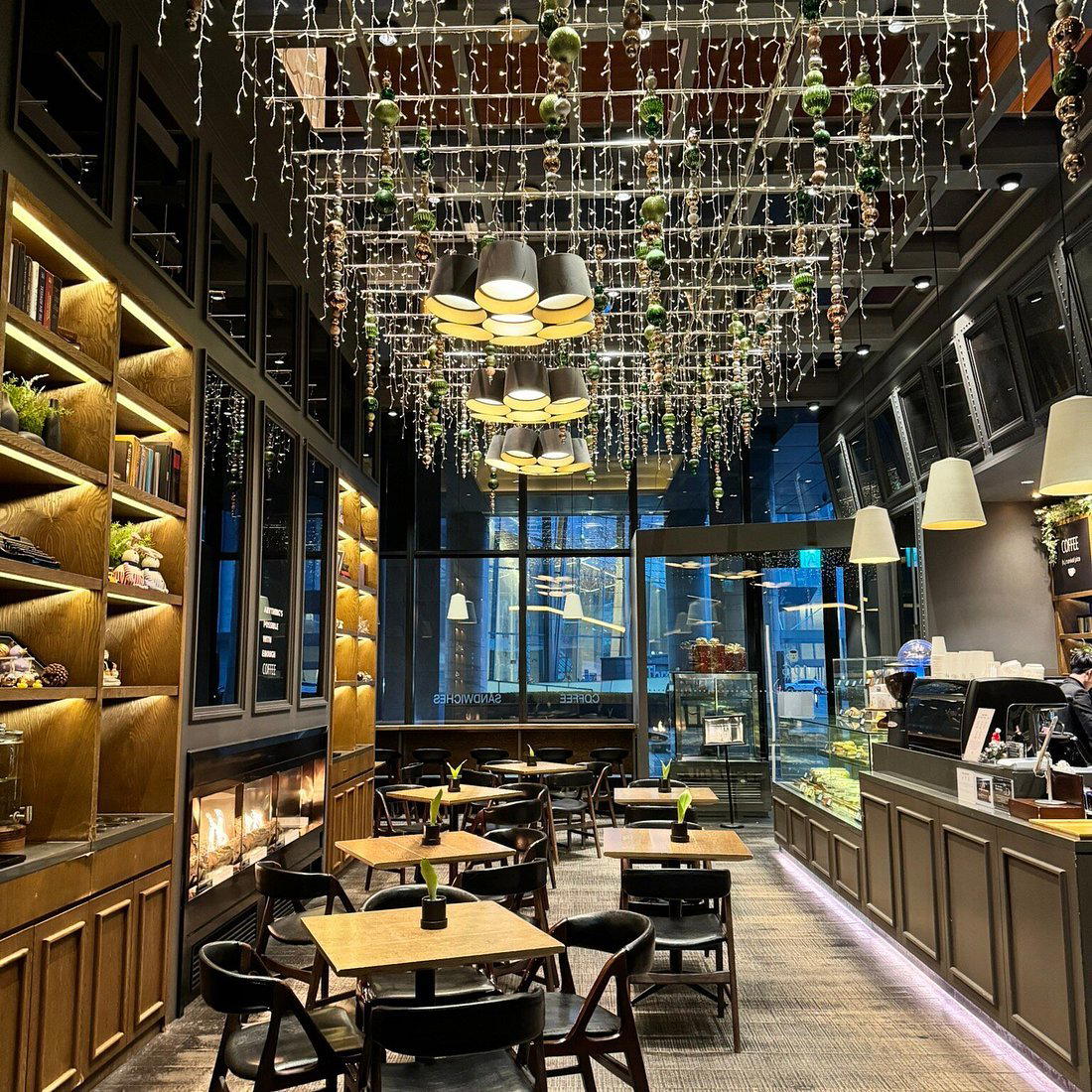
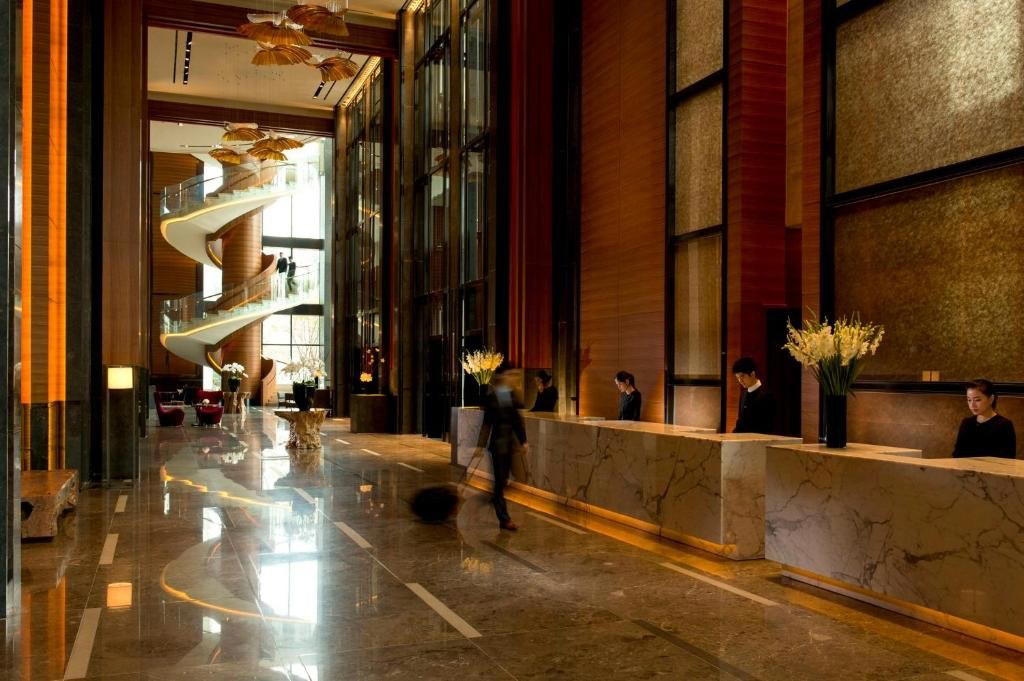
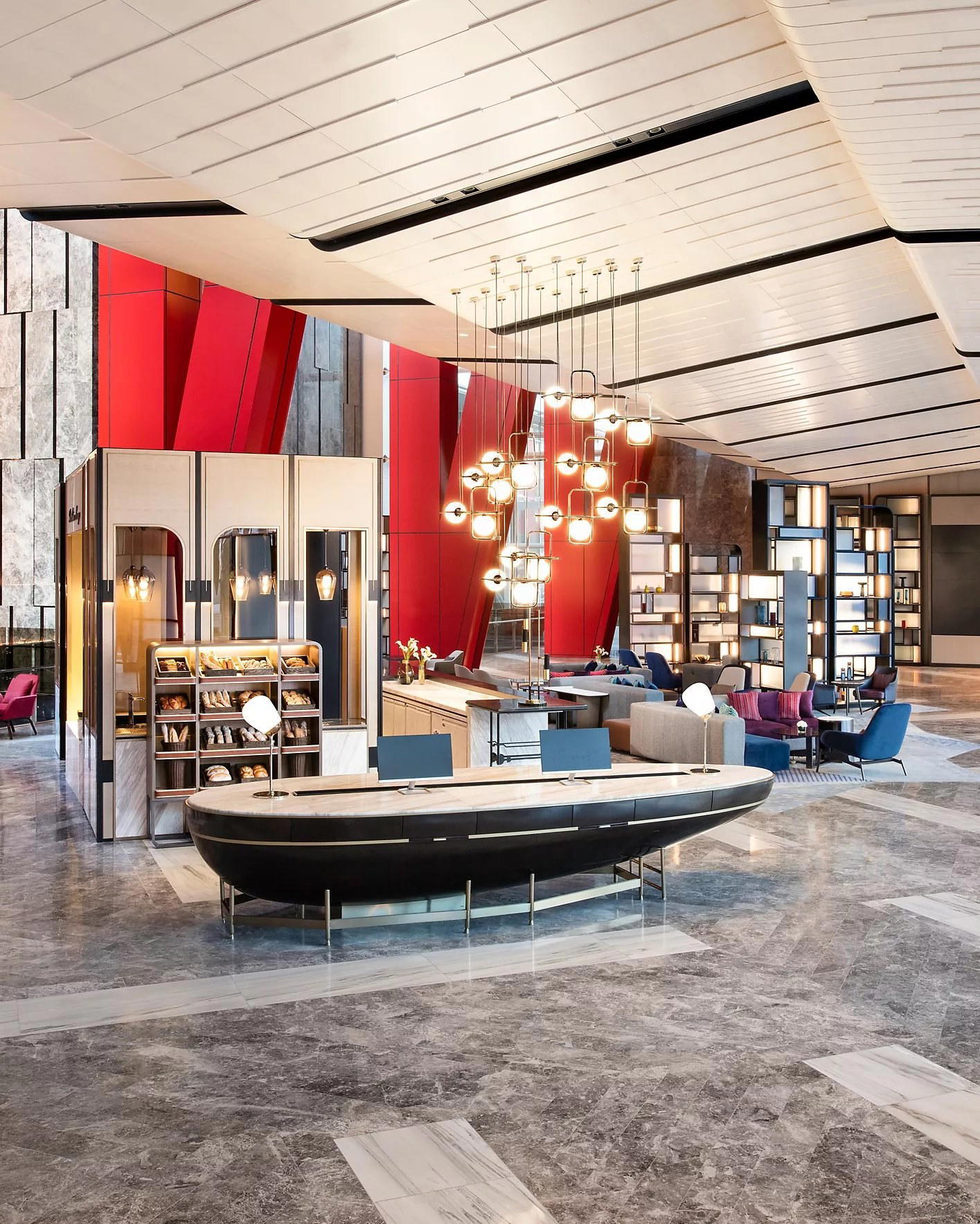
Warm and inviting with soft lighting, a decorative fireplace, and stylish yet comfortable furnishings; designed as a sophisticated yet relaxed retreat within the Conrad Seoul's luxury lobby.