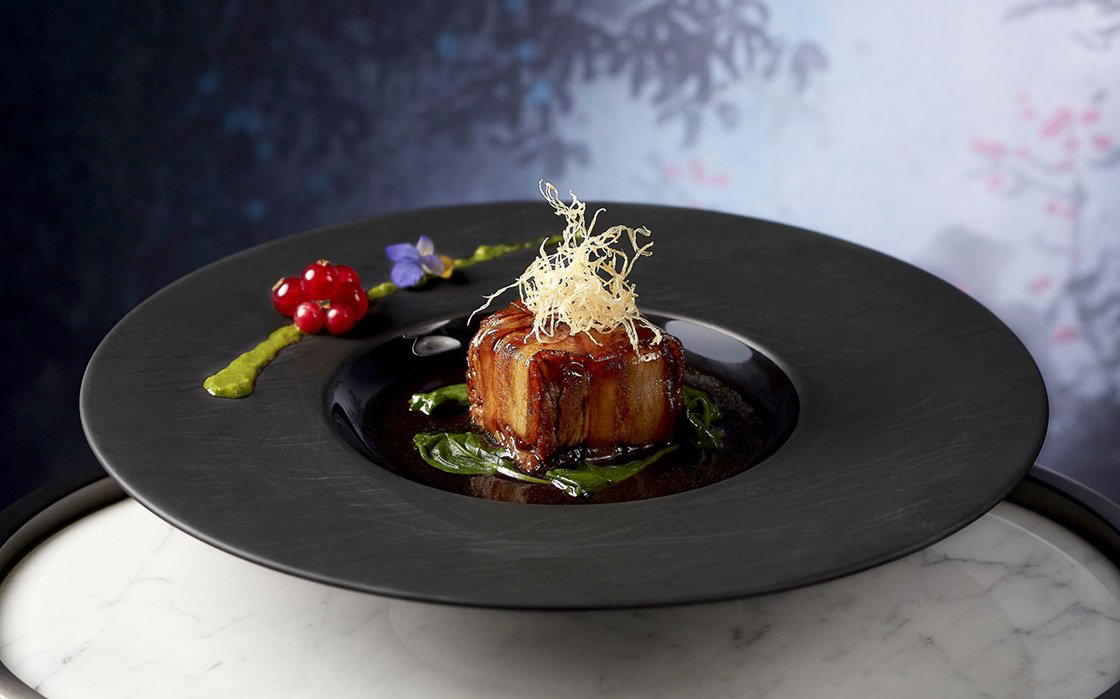
Guang Xing Pork Knuckle

Located on Guangxing Street in Sanchong District, 禾苙菓釀庫 sits within New Taipei City's quieter residential grid, away from the tourist circuits that dominate central Taipei. The kitchen draws from Taiwan's agricultural interior, placing ingredient provenance at the centre of its approach. For visitors willing to cross the Danshui River, it represents a grounded alternative to the capital's more performance-driven dining scene.
Pearl is the En Primeur Club membership app — saves, bookings, and concierge access live there. Same editors, same standards.
- Address
- No. 223號, Guangxing St, Sanchong District, New Taipei City, Taiwan 241
- Phone
- +886229737085
- Directions
- Get directions
 Saves & bookings on Pearl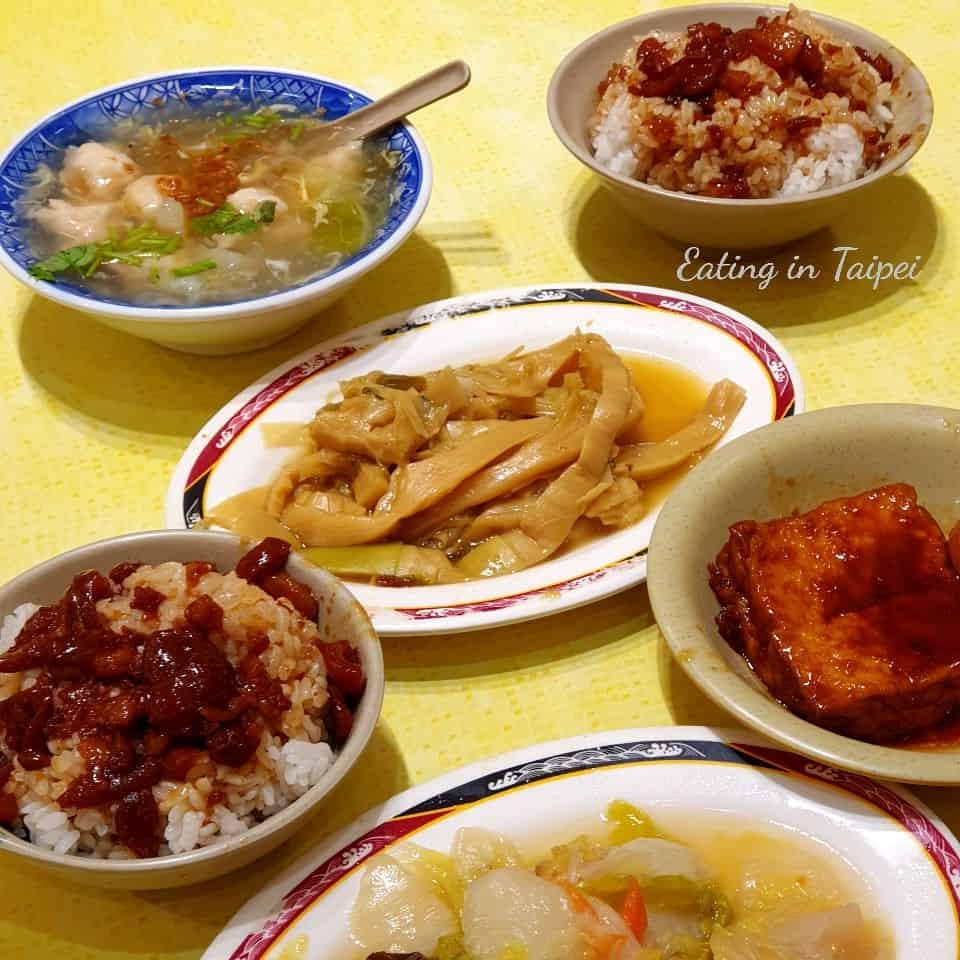
Sanchong's Dining Position Within Greater Taipei
Sanchong District occupies the left bank of the Danshui River, administratively part of New Taipei City but functionally continuous with Taipei's urban fabric. The area rarely appears on itineraries built around Michelin-flagged addresses or night market tourism, which means its restaurants operate under different commercial pressures than their counterparts across the water. In districts like Sanchong, the dining conversation tends to stay local: regulars who return weekly, sourcing relationships with nearby producers, and menus that shift when supply shifts rather than when a season officially turns on a calendar. This is the context in which 禾苙菓釀庫, at No. 223號, Guangxing St, Sanchong District, New Taipei City, Taiwan 241, operates.
For reference, the upper tier of Taiwan's restaurant scene now clusters in central Taipei and select cities like Taichung and Tainan. logy in Taipei and JL Studio in Taichung represent the Michelin-recognised, tasting-menu end of the spectrum, where sourcing is documented, credited on menus, and often cited in award citations. Further afield, A Xia in Tainan and GEN in Kaohsiung show how regional cities have developed independent dining identities with distinct ingredient vocabularies. Sanchong sits outside all of those circuits, which is precisely what shapes 禾苙菓釀庫's positioning.
Ingredient Sourcing as Structural Logic
The name 禾苙菓釀庫 gives the clearest indication of what the kitchen prioritises. Parsed character by character, it references grain, vegetation, fruit, and fermentation, not a decorative branding exercise, but a programme statement. Restaurants that embed sourcing language into their name at this level of specificity are making a claim about method: that what arrives in the kitchen determines what appears on the plate, not the reverse.
Taiwan's agricultural geography gives any kitchen serious sourcing options. The island's central mountain range creates dramatic elevation gradients within short distances, producing tea, rice, citrus, and indigenous vegetables in microclimates that would take weeks to traverse in continental farming regions. Coastal areas contribute shellfish and brackish-water species. Fermentation traditions, miso-adjacent pastes, rice wines, and pickled preparations that predate Japanese colonial influence and evolved through it, add a preserved-food dimension that northern Taiwanese kitchens have historically incorporated more cautiously than those in the south. A kitchen whose name invokes fermentation (釀) alongside fresh produce (菓, 苙) is positioning itself within that longer tradition rather than simply adopting a contemporary natural-food aesthetic.
This sourcing orientation connects 禾苙菓釀庫 to a broader movement across Taiwan's mid-tier dining scene, where kitchens outside the major hotel and tasting-menu circuits have built loyal followings by maintaining direct producer relationships and seasonal menu discipline. GARDENh in Yonghe District, also within the New Taipei City administrative area, operates with a comparable orientation, and Volcanic Rock in Zhubei City represents a similar approach applied to a different ingredient base further south. Sanchong's version carries the added character of a neighbourhood where dining rooms are not built around visiting critics or foreign tourists.
What the Address Tells You
Guangxing Street in Sanchong is residential in character, the kind of address where a lane number and alley designation matter more than a main-road frontage. Restaurants that choose these locations are making a deliberate trade: lower rents and a more local clientele in exchange for lower footfall from passing traffic. The format that tends to succeed at these addresses is one where the food itself is the draw, word-of-mouth does the marketing work, and the dining room does not depend on walk-in volume to cover costs.
Comparable neighbourhood dining in the broader Taiwan context includes Chenggong Douhua in Chenggong and Ah Zhen Rou Bao in Lukang, both of which operate as embedded local institutions rather than destination restaurants in the conventional sense. The difference with 禾苙菓釀庫 is the fermentation-and-produce framing, which suggests ambitions that extend beyond simple neighbourhood comfort food. That combination, local address, specialist sourcing language, fermentation emphasis, tends to attract a clientele that already understands what it is looking for.
Planning a Visit to Sanchong
Sanchong is accessible from central Taipei via the MRT Sanchong Line or by bus across the Taipei Bridge, putting the district within 20 to 30 minutes of most Taipei accommodation without requiring a taxi for the full journey. Guangxing Street itself is within the district's residential grid, so allow additional navigation time from the nearest station. Nearby dining within the district includes 仿大魯閣餐廳 and 廚房二號餐廳, which offer useful reference points for the district's broader dining register.
禾苙菓釀庫 is walk-in friendly, so an in-person visit is one direct approach. Restaurants at this address type in Taiwan frequently operate on reduced weekly schedules, so a midweek visit without confirmation carries some risk.
Side-by-Side Snapshot
Comparable venues nearby, for context on price, style, and recognition.
| Venue | Cuisine | Price | Notes |
|---|---|---|---|
| å èè ¿åº«This venue — the venue you are viewing | chinese | $ | Not listed |
| 店小二魯肉飯 | Taiwanese Braised Small Intestine | $ | Sanchong District |
| 今大魯肉飯 | Taiwanese Shark Meat Rice | $$ | Sanchong District |
| Ke’s Scallion Pancake | Taiwanese Scallion Pancakes | $ | Jiaoxi |
| 86碳烤雞排 @逢甲夜市 | Taiwanese Carbon Grilled Chicken Cutlet | $ | 逢甲夜市 |
| 王罔麵線糊 | Traditional Taiwanese Mi Fen Hu | $ | Lukang |
Recognition history
Dated appearances from independent guides and award organizations, with the underlying list record or original source where available.
Michelin Bib Gourmand
Michelin
Continue exploring