Whitworth Locke, Civic Quarter
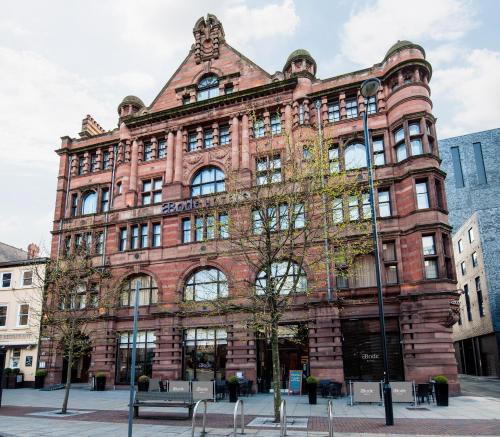
Whitworth Locke occupies a converted Victorian warehouse on Princess Street, placing guests within walking distance of Manchester's Civic Quarter institutions and the Northern Quarter's independent scene. The aparthotel format, full kitchens, generous floor areas, sits in a different tier from conventional hotel rooms, drawing longer-stay visitors and those who prefer space over hotel-service formality. Among Manchester's design-led options, it reads as the city's most address-conscious extended-stay proposition.
Pearl is the En Primeur Club membership app — saves, bookings, and concierge access live there. Same editors, same standards.
- Address
- 74 Princess St, Manchester M1 6JD, United Kingdom
- Phone
- +44 161 823 0530
- Website
- lockeliving.com
- Directions
- Get directions
 Saves & bookings on Pearl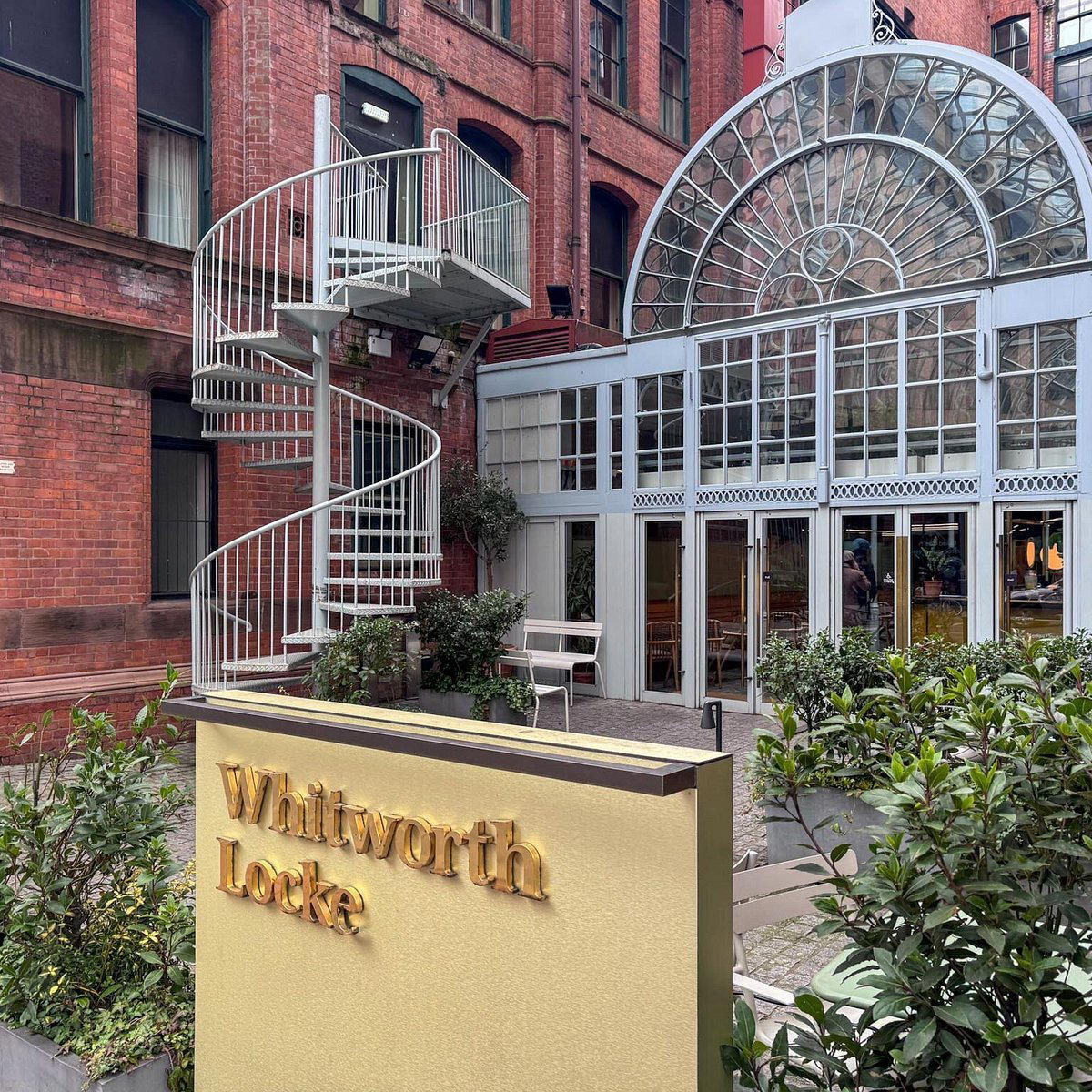
Princess Street as a Starting Point, Not a Backdrop
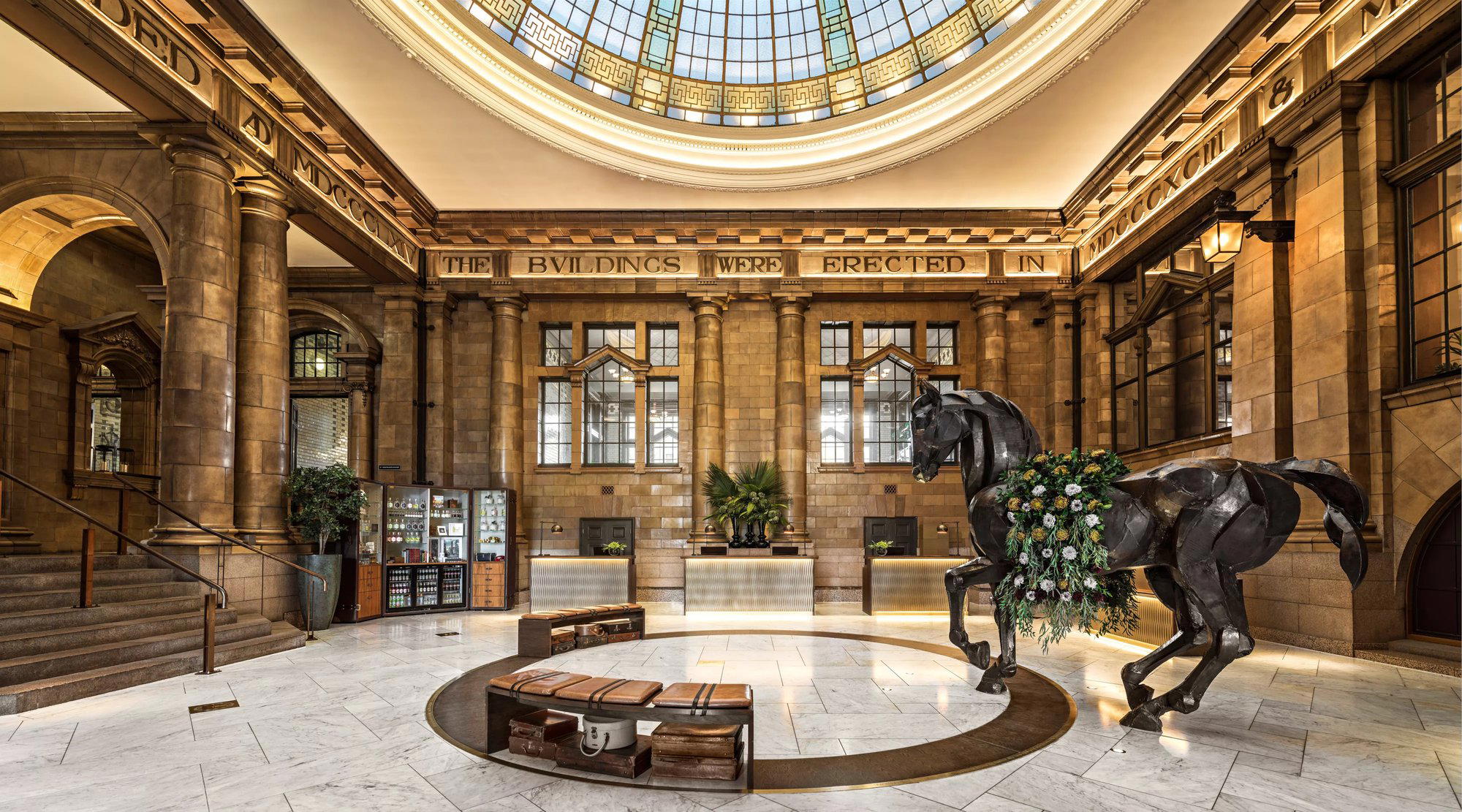
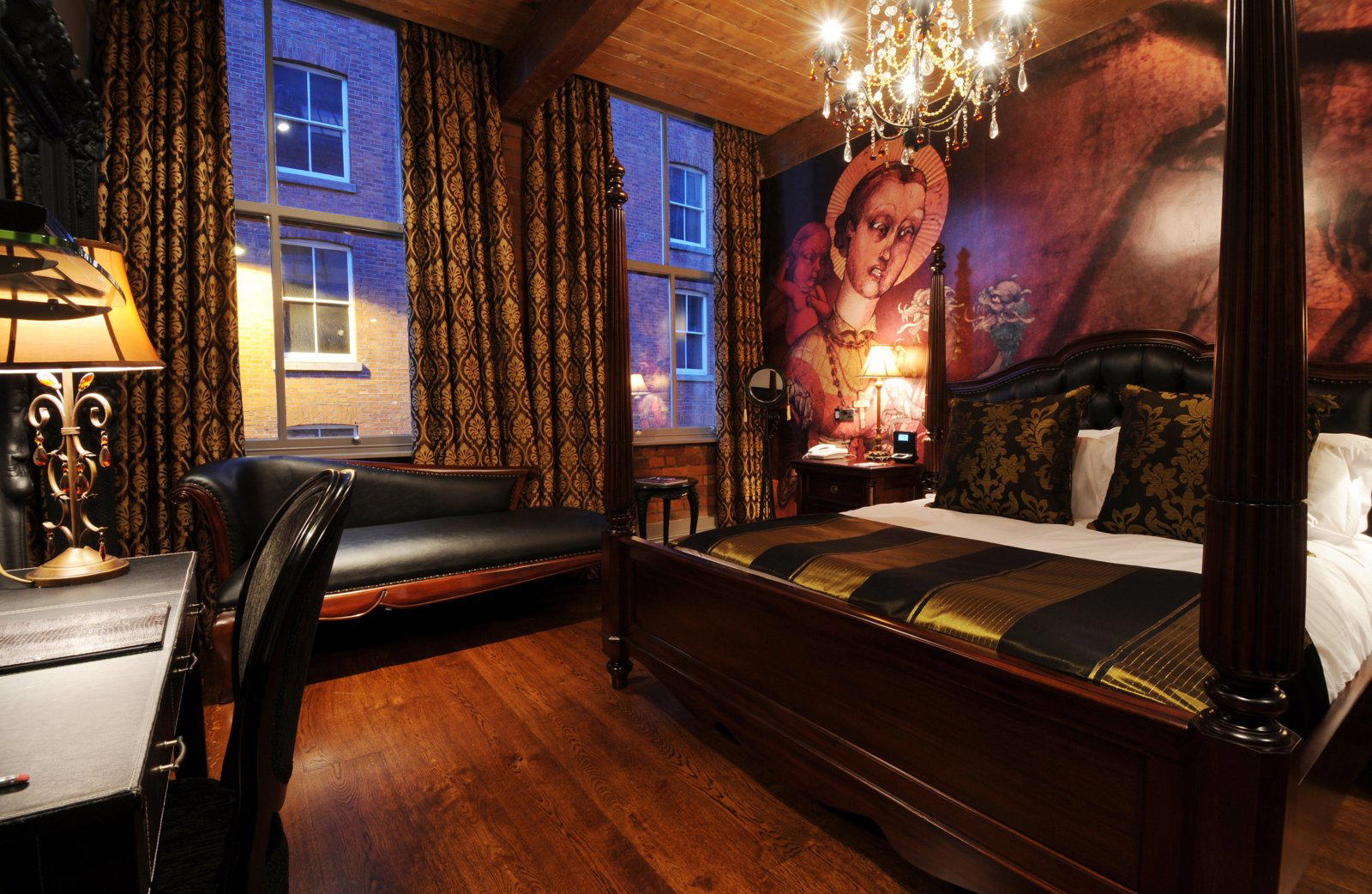
Manchester's mid-city accommodation market has bifurcated sharply over the past decade. On one side sit the heritage-heavy full-service hotels, Hotel Gotham Manchester, Kimpton Clocktower Hotel, and The Edwardian Manchester, which trade on grand interiors, full concierge infrastructure, and dining rooms built for occasion. On the other sits an emerging cohort of aparthotels that use architectural conversion rather than service volume as their primary credential. Whitworth Locke, at 74 Princess Street in the Civic Quarter, is one prominent example of that second category in Manchester. The aparthotel is rated 4 stars and sits in Manchester's Civic Quarter.
The address is the argument. Princess Street runs through a corridor that connects the city's cultural institutions, the Manchester Art Gallery sits within a few minutes' walk, the Whitworth gallery (from which the hotel takes half its name) anchors the southern end of Oxford Road not far beyond. The Canal Street neighbourhood begins immediately to the east. The result is a location that offers genuine pedestrian access to museums, galleries, independent restaurants, and transport hubs without requiring a car or a lengthy Metrolink journey. For guests orientating themselves against the city rather than against a hotel lobby, that geometry matters considerably.
What the Aparthotel Format Actually Delivers
The Locke group has built its positioning across multiple UK and European cities on a specific proposition: design-led spaces with apartment functionality, pitched at travellers who find conventional hotel rooms reductive rather than relaxing. At Whitworth Locke, that translates into apartments with full kitchens and living areas rather than a double bed and a desk pushed against a wall. The format draws a distinct demographic, creative professionals on extended assignments, couples spending a long weekend who want to cook breakfast rather than queue for it, city visitors who measure comfort in square footage first.
This is worth contextualising against Manchester's broader offer. Properties like King Street Townhouse Hotel and Didsbury House Hotel compete on personality and intimate scale, with the service infrastructure of a full hotel. Whitworth Locke operates on a different axis entirely: it is not competing on room service depth or spa programming, but on the logic that a well-designed apartment in a well-chosen building on a well-placed street is a more useful base than a smaller, more serviced alternative.
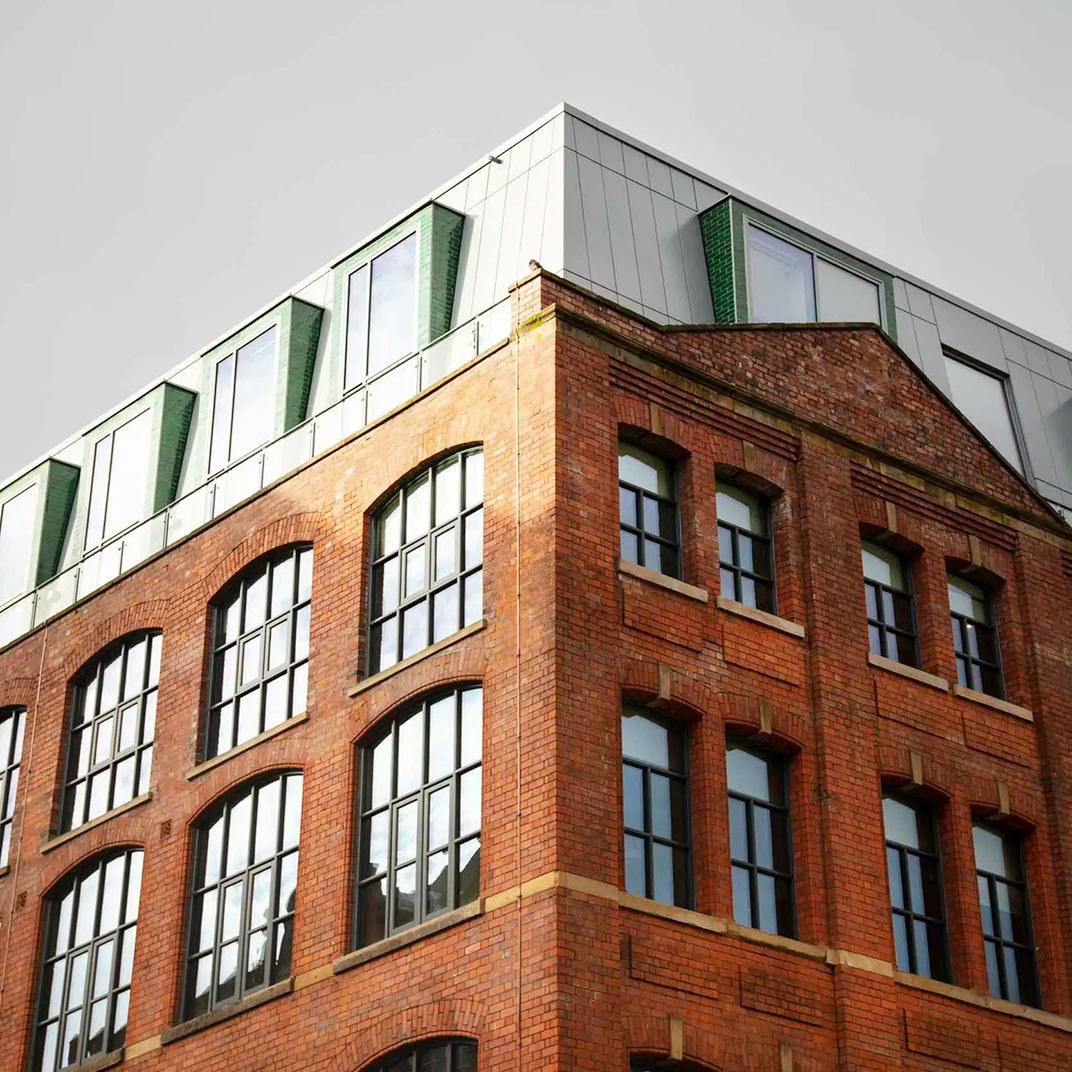
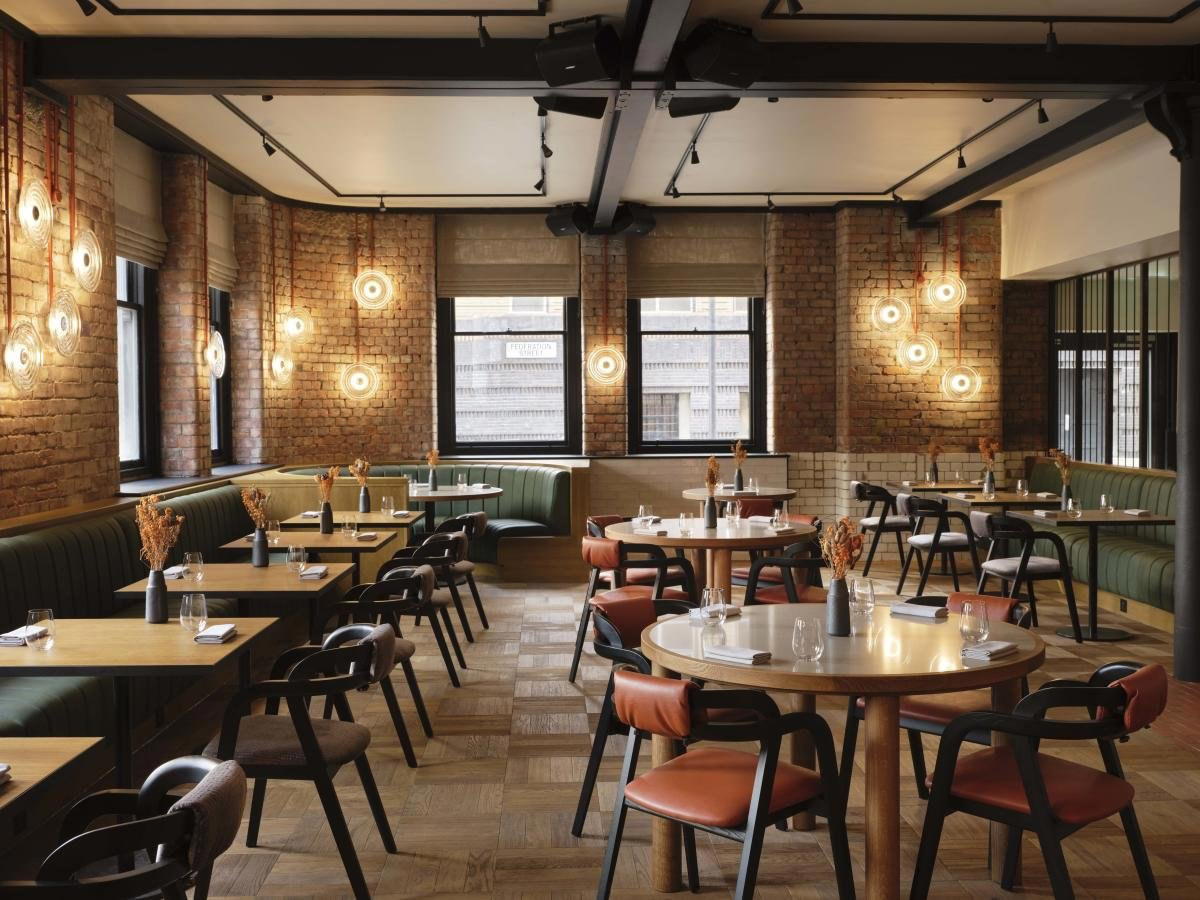
Across the Locke group's wider portfolio, which includes properties in London, Dublin, Edinburgh, and several European cities, the brand has consistently prioritised industrial or heritage conversions over purpose-built blocks. That approach generates a particular kind of spatial character: high ceilings, original brickwork or ironwork, generous natural light from windows that were designed for warehousing or commerce rather than hotel-scale fenestration. At the Princess Street address, the Victorian bones of the building supply that atmosphere without the developer having to manufacture it.
The Civic Quarter and What Surrounds It
The Civic Quarter designation covers the cluster of public buildings around St Peter's Square, including the Central Library and Manchester Town Hall, both of which underwent major restoration programmes in the 2010s. Staying at this address puts guests within easy reach of that civic infrastructure, which matters less for tourism than it does for orientation: the quarter sits at the junction of several of Manchester's most walkable neighbourhoods.
Heading north from Princess Street takes you into the retail core of Market Street and the Arndale. Heading east reaches the Northern Quarter's concentration of independent bars, coffee shops, and record stores within ten to fifteen minutes on foot. The university district and Oxford Road corridor extend south, providing access to student-led food and drink at lower price points than the city centre. Few central Manchester addresses sit this neutrally between those competing zones, which gives Whitworth Locke a flexibility that more location-specific hotels, the Gotham on King Street, the Townhouse on the same stretch, cannot replicate.
For comparison, those visiting the north of England and considering a base for multiple-city exploration might note that Hope Street Hotel in Liverpool occupies a similar design-forward, architecturally converted position in that city, roughly forty minutes by train from Manchester Piccadilly. The two properties share a sensibility, locally rooted, design-conscious, independent of global chain formula, that distinguishes them from the branded international tier represented by, say, Claridge's in London or, further afield, Aman New York in New York City.
Guests planning longer UK itineraries will find Whitworth Locke most useful as an urban anchor. Those looking to extend into the countryside might consider Lime Wood in Lyndhurst, The Newt in Somerset in Castle Cary, or for Scotland-based travel, Gleneagles in Auchterarder as counterparts that provide a different register entirely.
The aparthotel model means Whitworth Locke suits certain travel patterns better than others. Stays of two nights or more extract greater value from the kitchen and living-space infrastructure. Solo travellers on single-night business stops may find the format more space than necessary, though the design quality and central address remain competitive arguments at that duration. The Princess Street location puts guests within a ten-minute walk of Manchester Piccadilly station, making arrival by rail from London Euston (approximately two hours on faster services) or from Leeds and Liverpool direct without taxi dependency.
Those comparing aparthotel options against more traditional formats can explore the full Manchester comparable set through EP Club's property guides, including Kimpton Clocktower Hotel and Hotel Gotham Manchester for full-service alternatives. International travellers weighing Whitworth Locke against luxury flagships elsewhere might consult our guides to Estelle Manor in North Leigh, Muir, A Luxury Collection Hotel, Halifax in Halifax, or Aman Venice in Venice for a sense of where the format sits on the global scale.
At a Glance
Comparable venues nearby, for context on price, style, and recognition.
| Venue | Price | Notes |
|---|---|---|
| Whitworth Locke, Civic QuarterThis venue — the venue you are viewing | $$$ | Not listed |
| Malmaison Manchester | $$$ | Piccadilly, Victorian warehouse turned stylish boutique hotel |
| King Street Townhouse | $$$$ | Deansgate, Design-led luxury boutique hotel housed in a restored Grade II listed Italian Renaissance building from 1872, combining heritage architecture with contemporary interiors. |
| Dakota Manchester | $$$$ | Piccadilly, Relaxed luxury with refined style and charming service |
| Leven Manchester | $$$$ | Piccadilly, Design-led lifestyle hotel in revitalized historic warehouse |
| The Edwardian Manchester, A Radisson Collection Hotel | $$$$ | city centre, Historic landmark reimagined as a modern luxury lifestyle destination |
At a Glance
- Modern
- Trendy
- Industrial
- Minimalist
- Business Trip
- Weekend Escape
- Historic Building
- Design Destination
- Wi Fi
- Fitness Center
- Restaurant
- Concierge
- Street Scene
- Wi Fi
- Fitness Center
- Restaurant
- Concierge
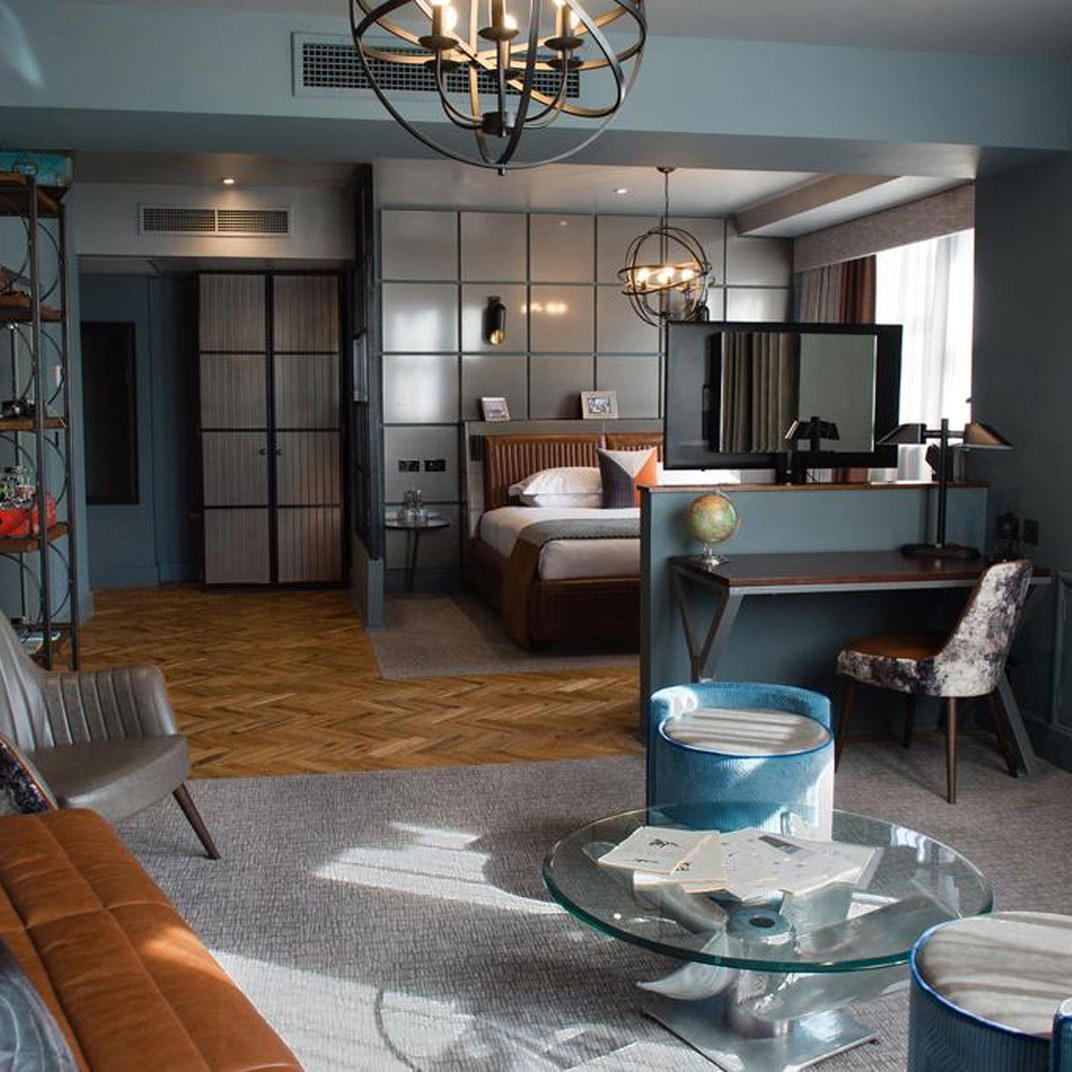
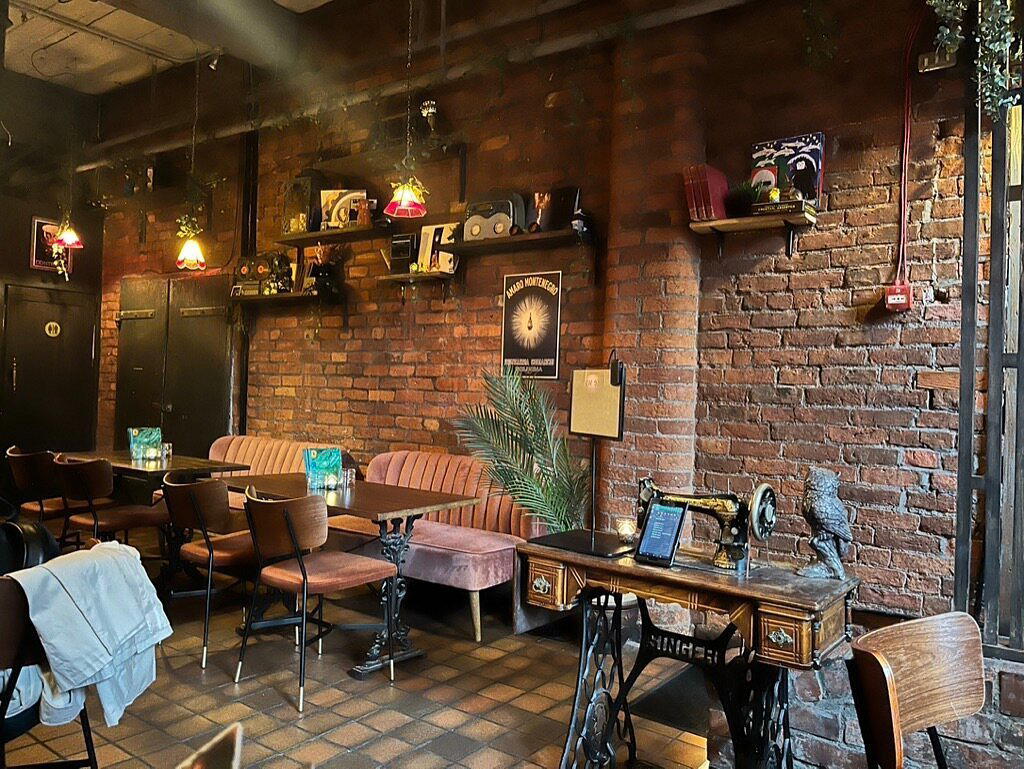
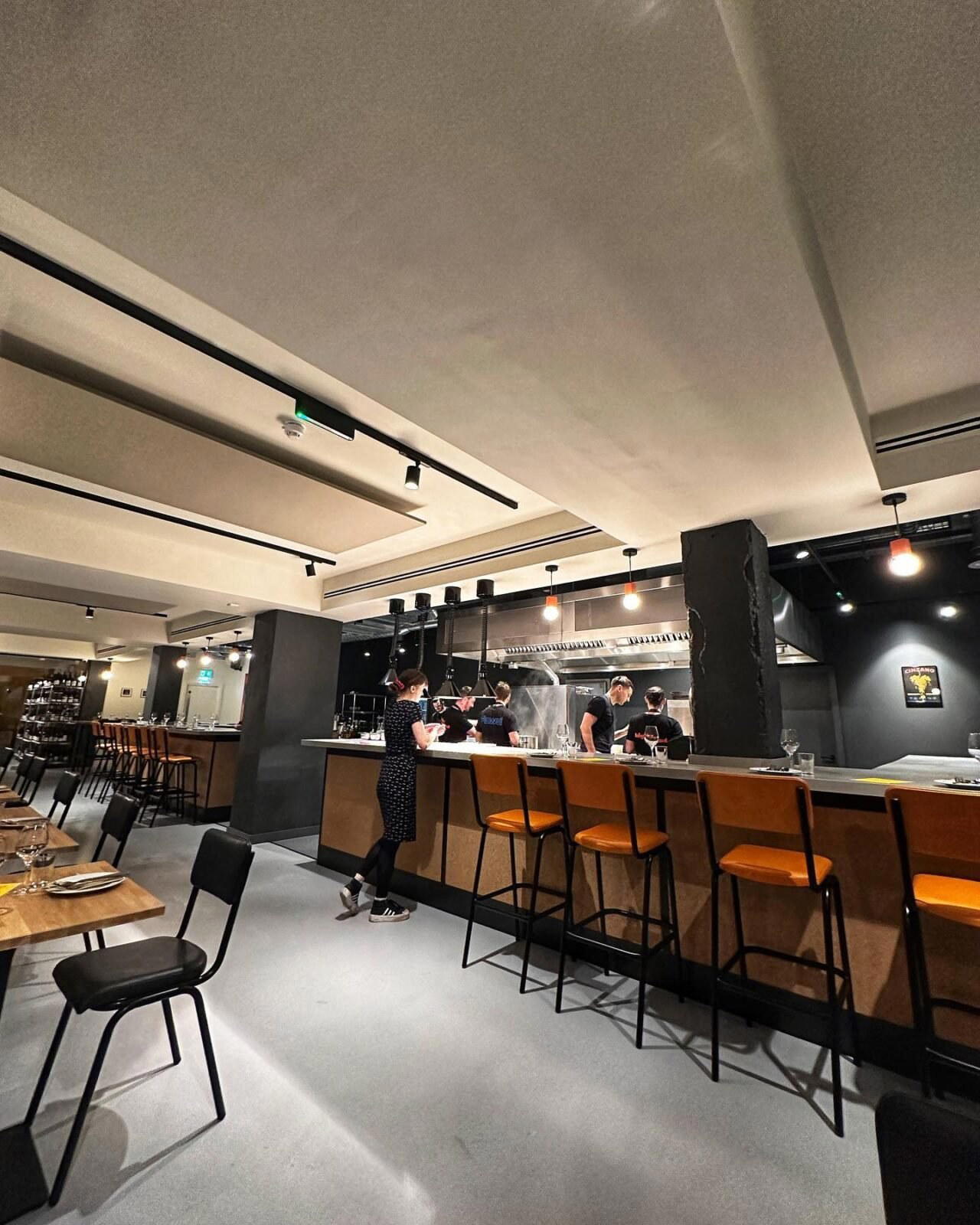
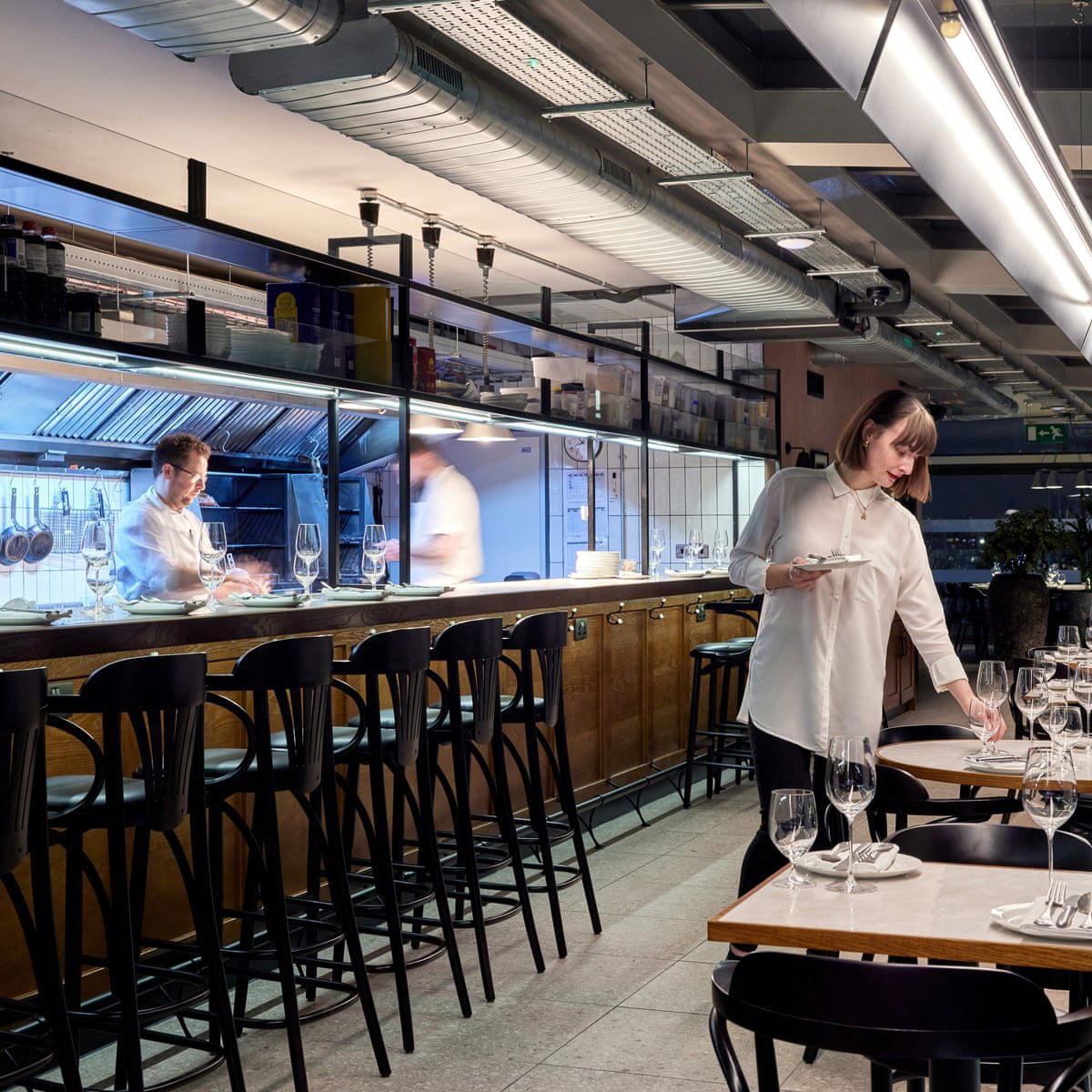
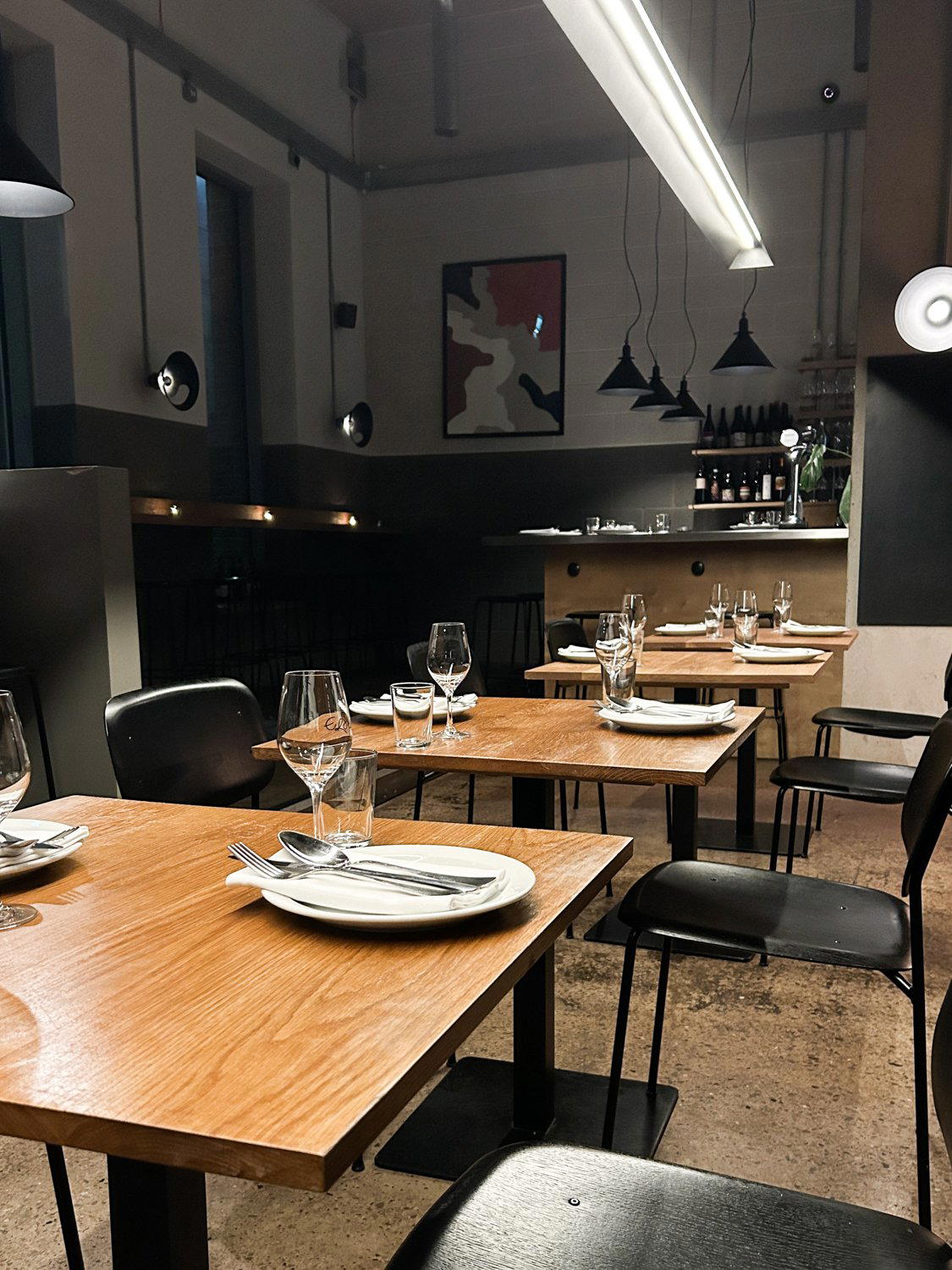
Light and bright with earthy tones, original industrial features softened by pastels, creating a contemporary warehouse-style atmosphere.