Didsbury House Hotel
Didsbury House Hotel occupies a Victorian townhouse on Didsbury Park, one of south Manchester's most composed residential addresses. The property sits apart from the city centre hotel cluster, trading urban proximity for a quieter, more residential character that suits guests arriving for rest as much as activity. Its position in Didsbury places it within walking distance of the village's independent restaurants and green spaces.
Pearl is the En Primeur Club membership app — saves, bookings, and concierge access live there. Same editors, same standards.
- Address
- Didsbury Park, Didsbury, Manchester M20 5LJ, United Kingdom
- Phone
- +44 161 448 2200
- Website
- didsburyhouse.co.uk
- Directions
- Get directions
 Saves & bookings on Pearl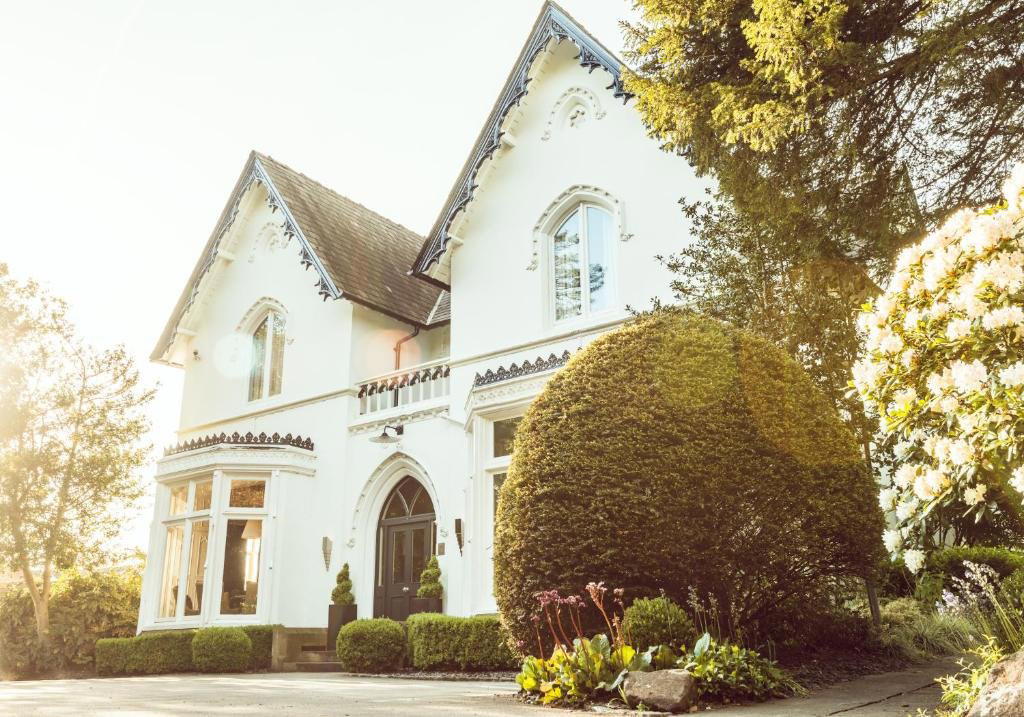
South Manchester's Quieter Register
Manchester's hotel offer divides along a familiar fault line: the city centre cluster, where properties like Hotel Gotham Manchester, the Kimpton Clocktower Hotel, King Street Townhouse Hotel, and The Edwardian Manchester compete on proximity to Spinningfields, the Northern Quarter, and the main rail termini, and a smaller suburban cohort that trades those advantages for neighbourhood calm. Didsbury House Hotel belongs firmly to the second category. The address, Didsbury Park in M20, sits roughly four miles south of Piccadilly, far enough from the centre to function as a genuine retreat rather than a convenient crash pad between meetings.
That positioning is not a concession. Didsbury is among the most settled and architecturally consistent suburbs in Greater Manchester, a neighbourhood of Victorian and Edwardian terraces, mature plane trees, and an independent high street that has held its character through several waves of city-wide regeneration. Arriving at Didsbury House Hotel, a converted Victorian townhouse set back from the park, the contrast with the centre's glass-and-steel tempo is immediate. The building reads as a residential property that has been adapted rather than gutted, which is precisely the register that suits a guest looking for recovery rather than stimulation.
The Retreat Argument for Suburban Stays
Across British boutique hospitality, the strongest case for properties outside the urban core has increasingly been made on wellness and recovery grounds. Properties like Lime Wood in Lyndhurst and The Newt in Somerset have built significant reputations precisely because they remove guests from urban noise rather than placing them inside it. Didsbury House operates at a smaller scale and without the rural acreage those properties command, but the underlying logic is similar: the absence of a city-centre address is, for the right guest, the point.
Didsbury Park itself acts as an extension of the property's appeal. The park's green space is walkable from the front door, and the surrounding streets offer the kind of low-key morning or evening circuit that city-centre stays rarely permit. For guests arriving for a rest-led visit rather than a packed itinerary, the neighbourhood provides what no in-house facility can replicate: quiet, green, residential pace. Compare this with the Whitworth Locke in the Civic Quarter, which positions itself around arts adjacency and co-working, and the distinction becomes clear. These are hotels for different travel modes.
Victorian Architecture as Hospitality Asset
The townhouse format carries specific advantages for guests prioritising rest. Original Victorian proportions tend toward generous ceiling heights and deeper-than-average room footprints, characteristics that smaller purpose-built hotels in the city centre often cannot match. The building on Didsbury Park has been converted with those proportions intact, which gives the property a spatial generosity that matters when a stay is oriented around sleep, work-free decompression, or recovery from travel.
Across the UK, the conversion of period residential properties into boutique hotels has produced some of the more interesting entries in the mid-market and above. Hope Street Hotel in Liverpool and Drakes Hotel in Brighton both demonstrate how period architecture, handled carefully, produces a character that purpose-built properties struggle to replicate on budget. Didsbury House sits within that tradition, though at a neighbourhood scale that makes it a more private, less destination-driven address than those coastal or city-centre peers.
Didsbury as a Base for South Manchester
Guests choosing Didsbury House over a city-centre hotel accept a trade-off on convenience and gain one on character. The Metrolink tram connects Didsbury to the city centre in under twenty minutes, which makes the suburb genuinely viable for guests with business or cultural commitments in town. The East Didsbury tram stop is the operational access point for most itineraries. That frequency matters: the suburb is not isolated, it is simply separate, which is a different thing.
The village itself offers a self-sufficient dining and drinking circuit for guests who prefer to stay local. Didsbury has accumulated a concentration of independent restaurants and neighbourhood bars that punches above the suburb's size, meaning an evening spent entirely within walking distance of the hotel is not a compromise. For a broader view of what the city offers across its centre and inner suburbs, our full Manchester restaurants guide maps the range from neighbourhood bistro to higher-end destination dining.
Where Didsbury House Sits in the Wider UK Boutique Picture
Positioning Didsbury House against its city-centre Manchester peers tells only part of the story. The more useful comparison is with the broader cohort of UK boutique properties that have made a deliberate choice to occupy residential or semi-rural addresses rather than compete on urban centrality. Burts Hotel in Melrose and Lifeboat Inn in St Ives both operate on the principle that the right address, even a modest-scale one, generates a loyalty and repeat-visit pattern that larger urban competitors cannot easily replicate. Didsbury House works within the same logic, applied to Manchester's most composed suburban quarter.
For guests whose frame of reference runs to larger-scale retreat properties, the contrast is instructive. Gleneagles in Auchterarder and Estelle Manor in North Leigh represent the upper end of the destination-retreat tier, with full spa programming and extensive grounds. Didsbury House operates at a different scale entirely, without those facilities, but it shares the underlying orientation: the stay is meant to slow you down rather than fill your schedule.
Planning a Stay
Guests arriving by train from Manchester Piccadilly have a direct route: the Metrolink tram from Piccadilly Gardens to East Didsbury covers the journey in roughly eighteen to twenty minutes, with services running at frequent intervals through most of the day. For guests driving in, south Manchester's residential streets require patience during school-run hours, typically 8 to 9am and 3 to 4pm on weekdays. The hotel's Didsbury Park address places it on a quieter stretch away from the main Wilmslow Road corridor, which keeps ambient noise low. Those with broader UK itineraries can cross-reference regional properties including Avon Gorge by Hotel du Vin in Bristol or, further afield internationally, Aman Venice for a sense of how the boutique-in-a-residential-setting format scales across different contexts and price tiers.
Accolades, Compared
| Venue | Awards |
|---|---|
| Didsbury House HotelThis venue — the venue you are viewing | This venue |
At a Glance
- Elegant
- Intimate
- Sophisticated
- Romantic Getaway
- Business Trip
- Wedding
- Anniversary
- Historic Building
- Garden
- Terrace
- Wi Fi
- Room Service
- Concierge
- Spa
- Garden
- Garden
- Wi Fi
- Room Service
- Concierge
- Spa
- Garden
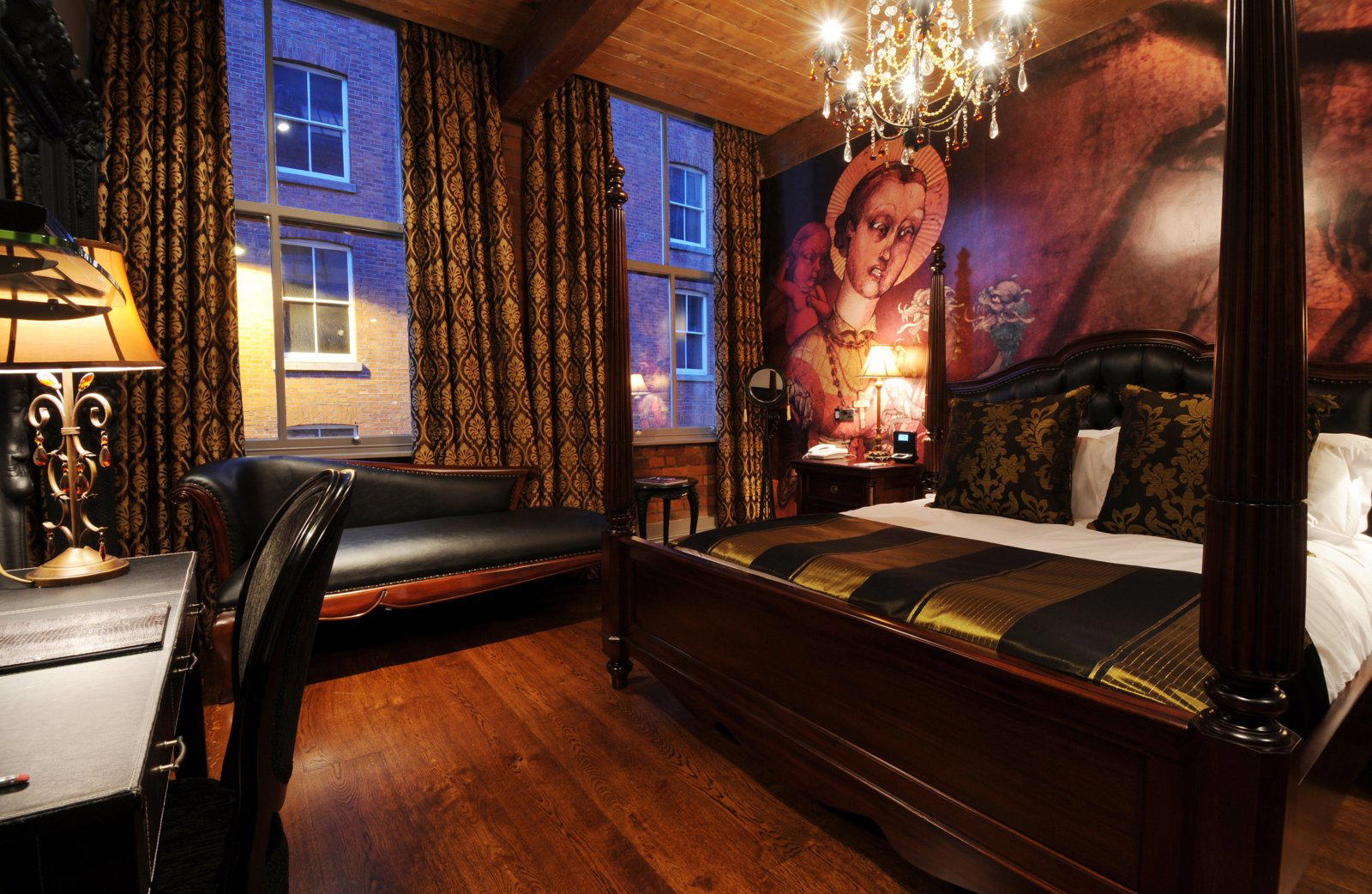
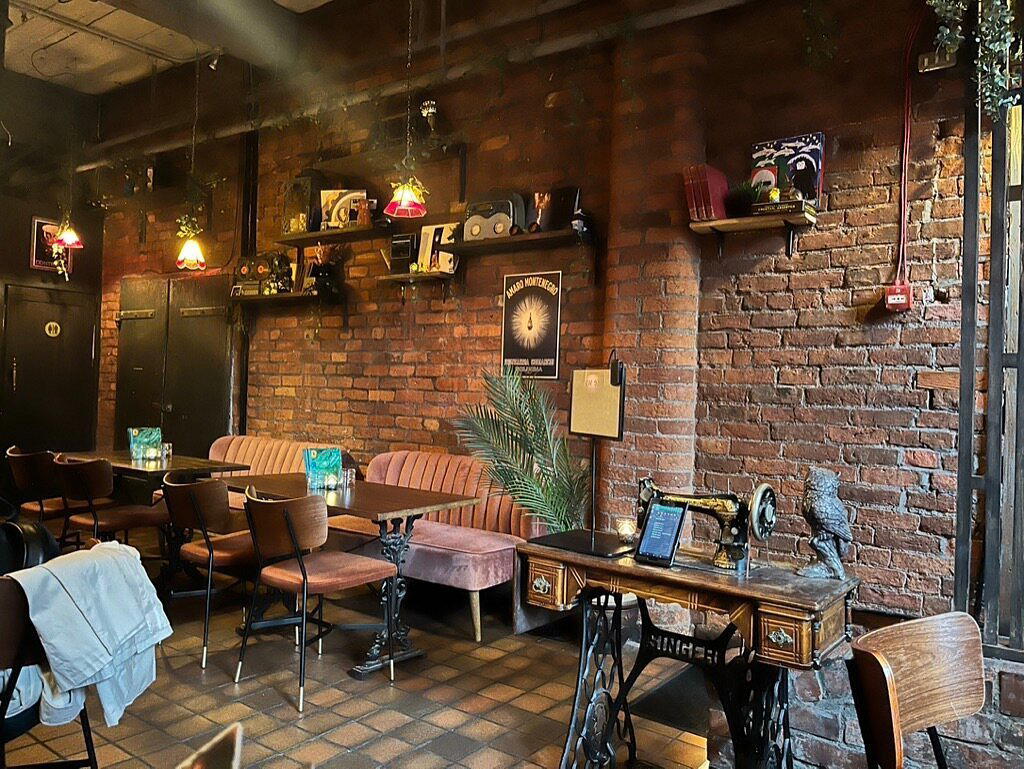
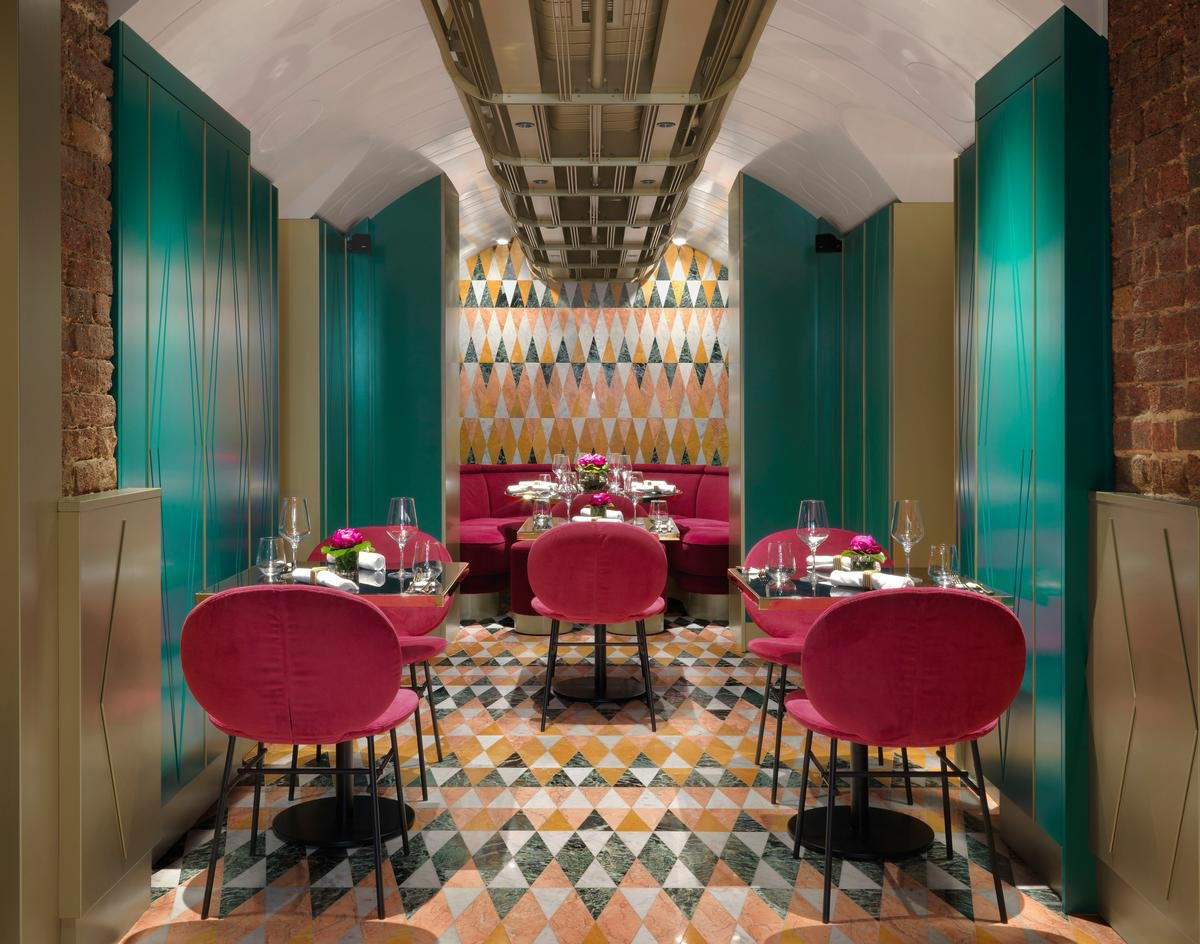
Elegant and cozy with eclectic interiors, original Victorian features, and a welcoming atmosphere enhanced by fireplaces and lounges.
Know Before You Go
- Getting there
- Didsbury Park, Didsbury, Manchester M20 5LJ, United Kingdom