Kimpton Clocktower Hotel

Michelin Selected
A Victorian Gothic landmark on Oxford Street, the Kimpton Clocktower Hotel occupies one of Manchester's most architecturally significant buildings. The hotel sits at the intersection of heritage preservation and contemporary hospitality, with a dining programme that reflects the city's broader shift toward serious food and drink. For visitors who want proximity to the city centre without forfeiting character, it positions itself firmly in the upper tier of Manchester's independent-spirited luxury options.

Pearl is the En Primeur Club membership app, where members save venues, book tables and use the concierge.
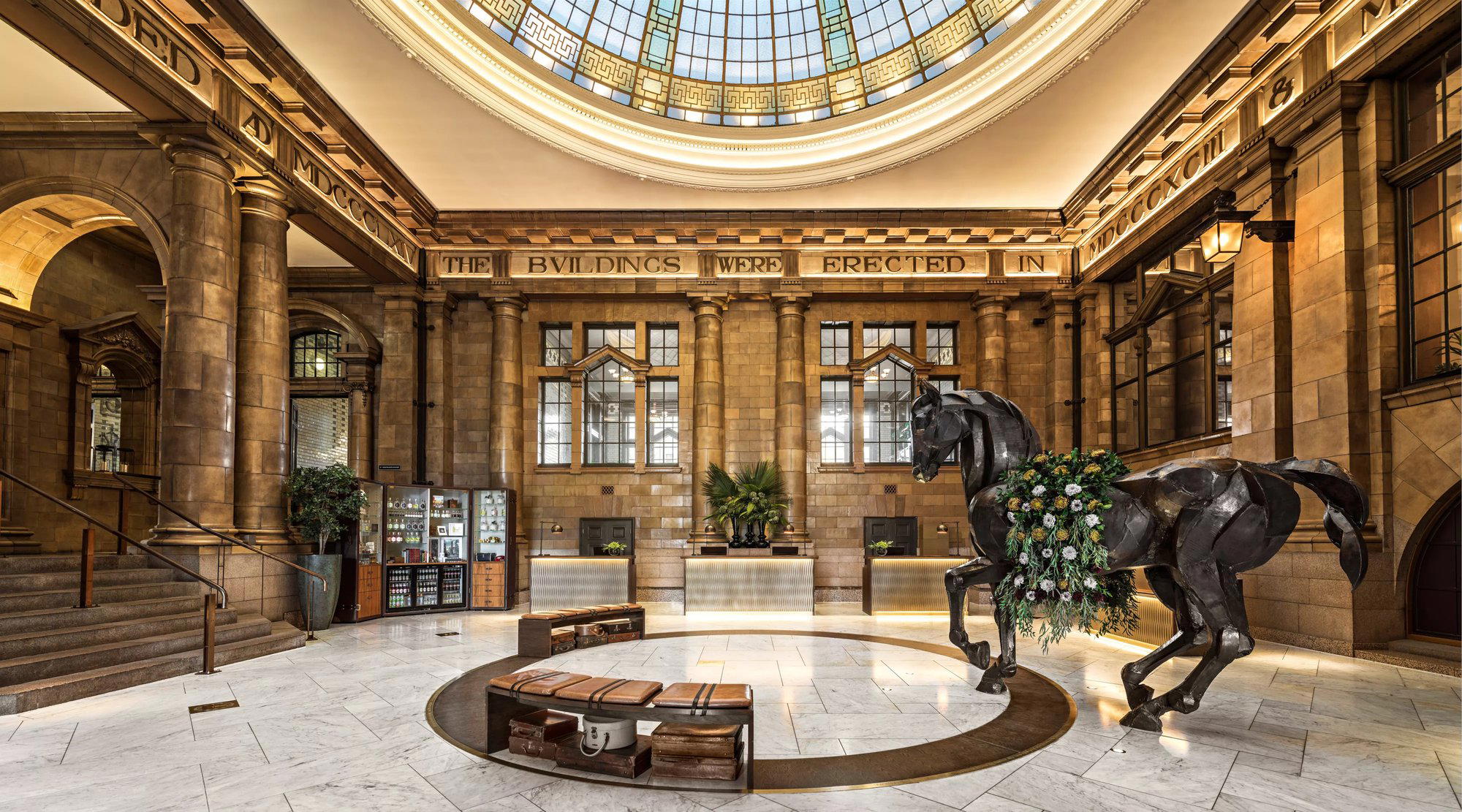
A Victorian Landmark in the Heart of the City
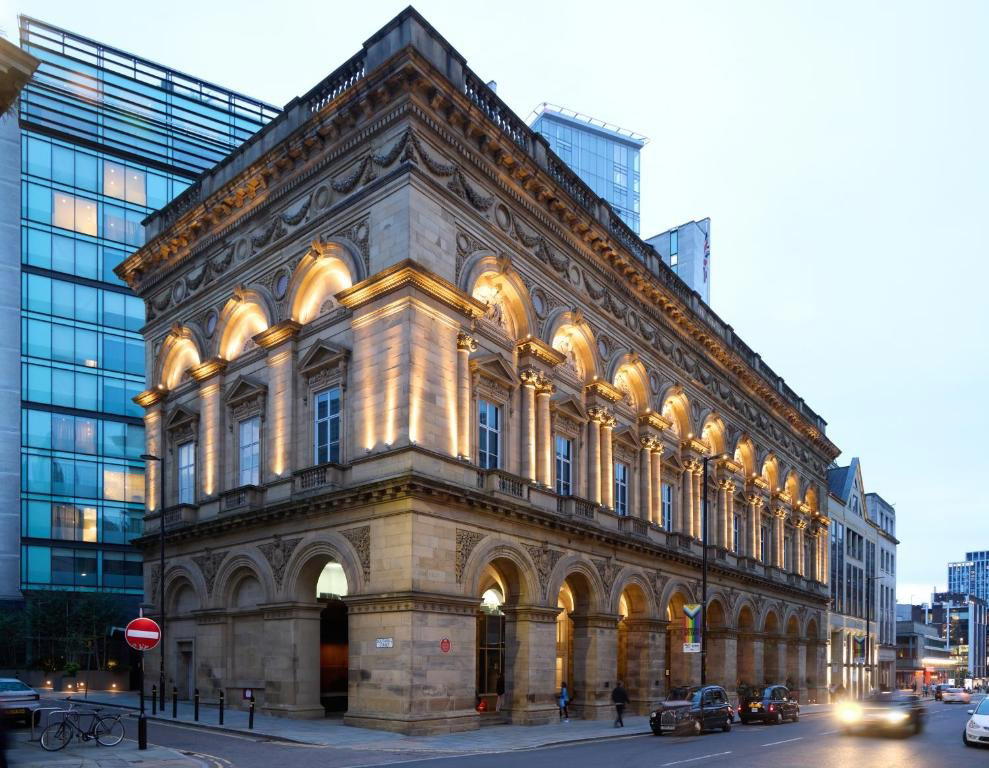
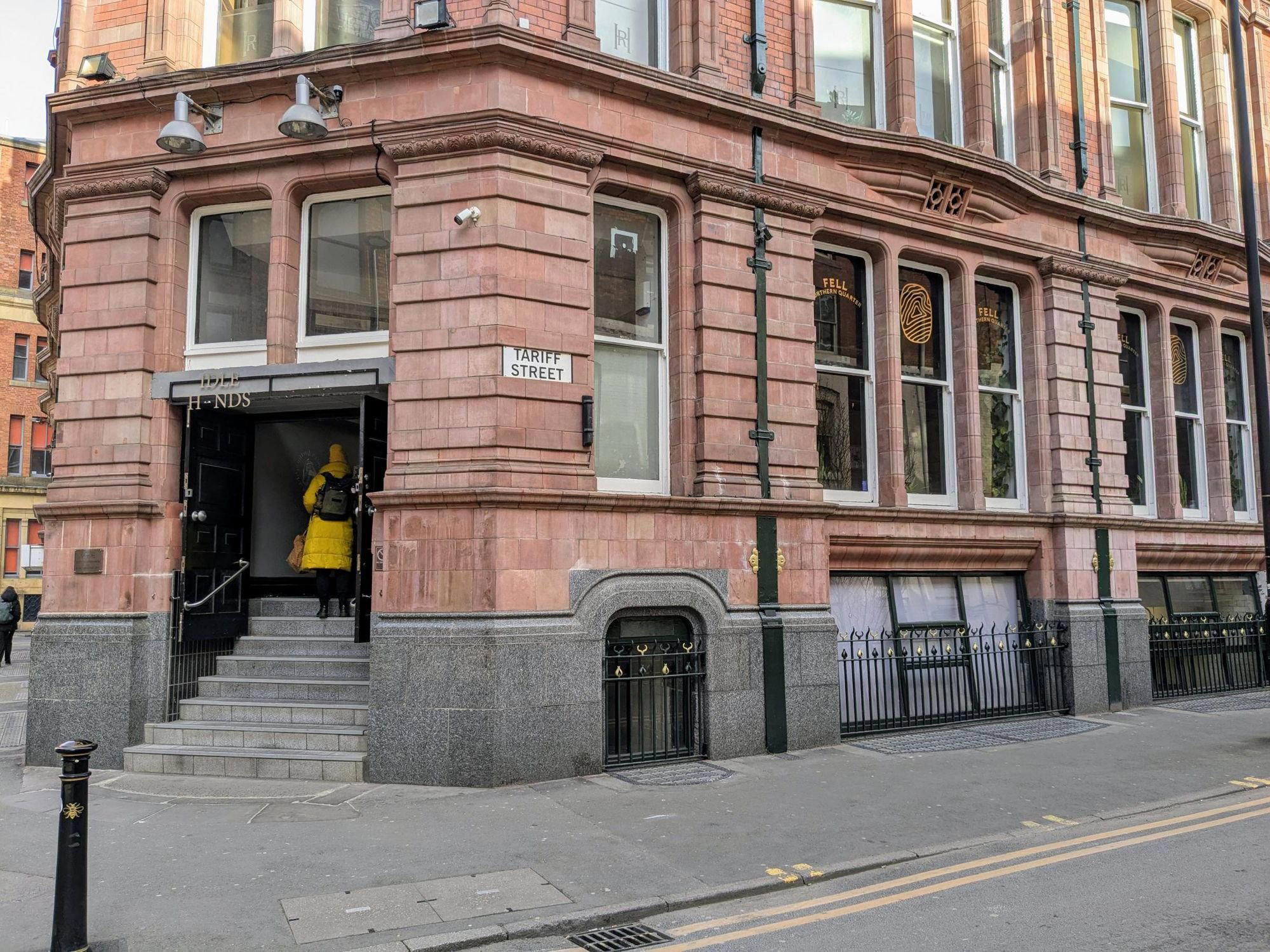
Manchester's Oxford Street has always carried a particular civic weight. The building that now houses the Kimpton Clocktower Hotel was completed in 1903 as the Refuge Assurance Company headquarters, and its terracotta facade, clock tower, and Baroque detailing were designed to project institutional permanence. That architectural seriousness is still the first thing a guest experiences: the tower visible from several blocks away, the entrance framed by stonework that rewards a slower approach. Hotels of this type, where the building predates the brand by a century, occupy a distinct category in British hospitality, one where the structure itself sets the register for everything inside.
Manchester has developed a clear upper tier of heritage hotel conversions over the past decade, with properties like Hotel Gotham Manchester and King Street Townhouse Hotel staking their identities to specific architectural periods. For contrast, Whitworth Locke, Civic Quarter and Didsbury House Hotel represent the neighbourhood-retreat end of the Manchester spectrum. The Clocktower is emphatically central, emphatically present.
The Dining Programme: Eating and Drinking at the Clocktower
Across British hospitality, the relationship between heritage hotel conversions and serious food has shifted considerably. Where grand Victorian and Edwardian properties once treated their restaurants as secondary amenities, the expectation now is that a credible upper-tier hotel runs a dining programme that can hold its own against the city's standalone restaurant scene. Manchester's food culture has matured enough that this standard is genuinely applied: guests arriving from cities like London, where properties such as Claridge's have long set a template for hotel dining as a destination in itself, will bring equivalent expectations.
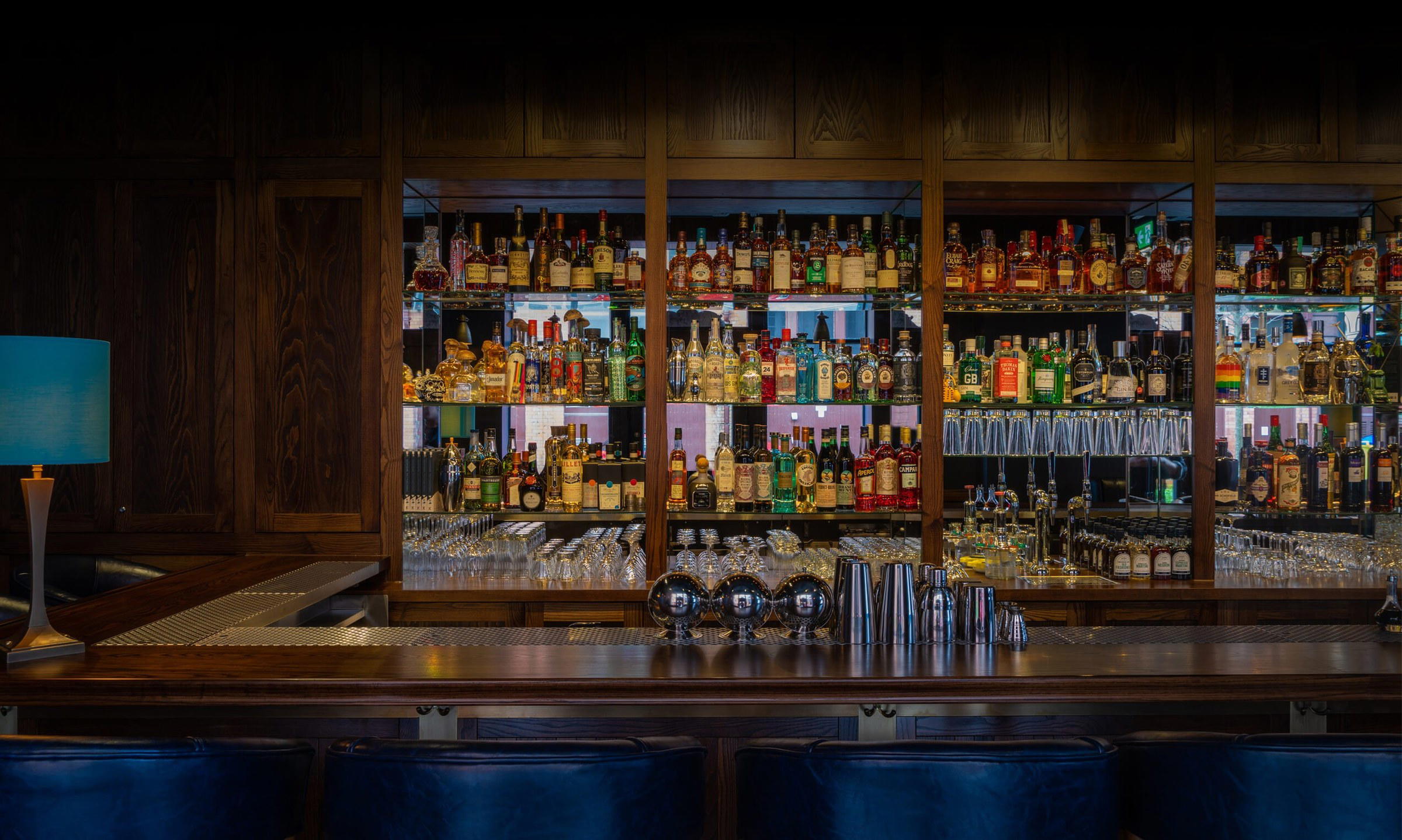
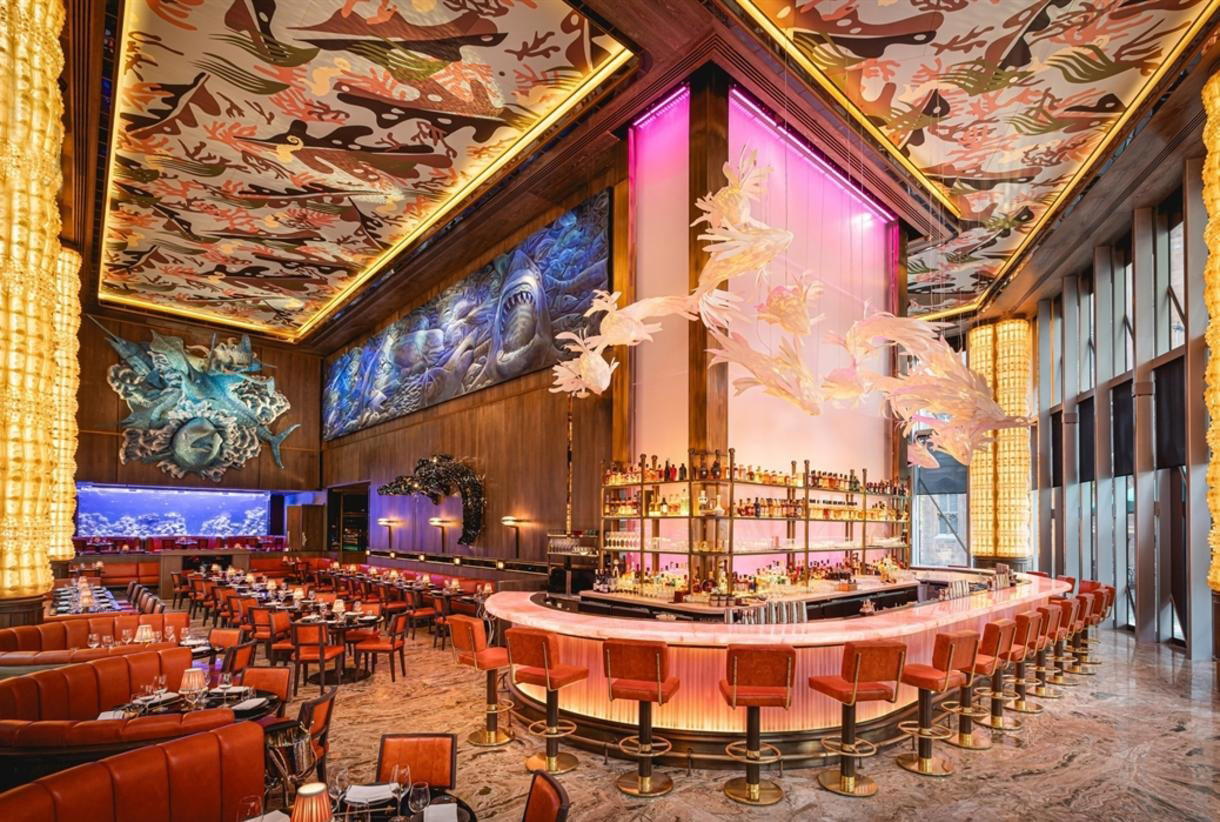
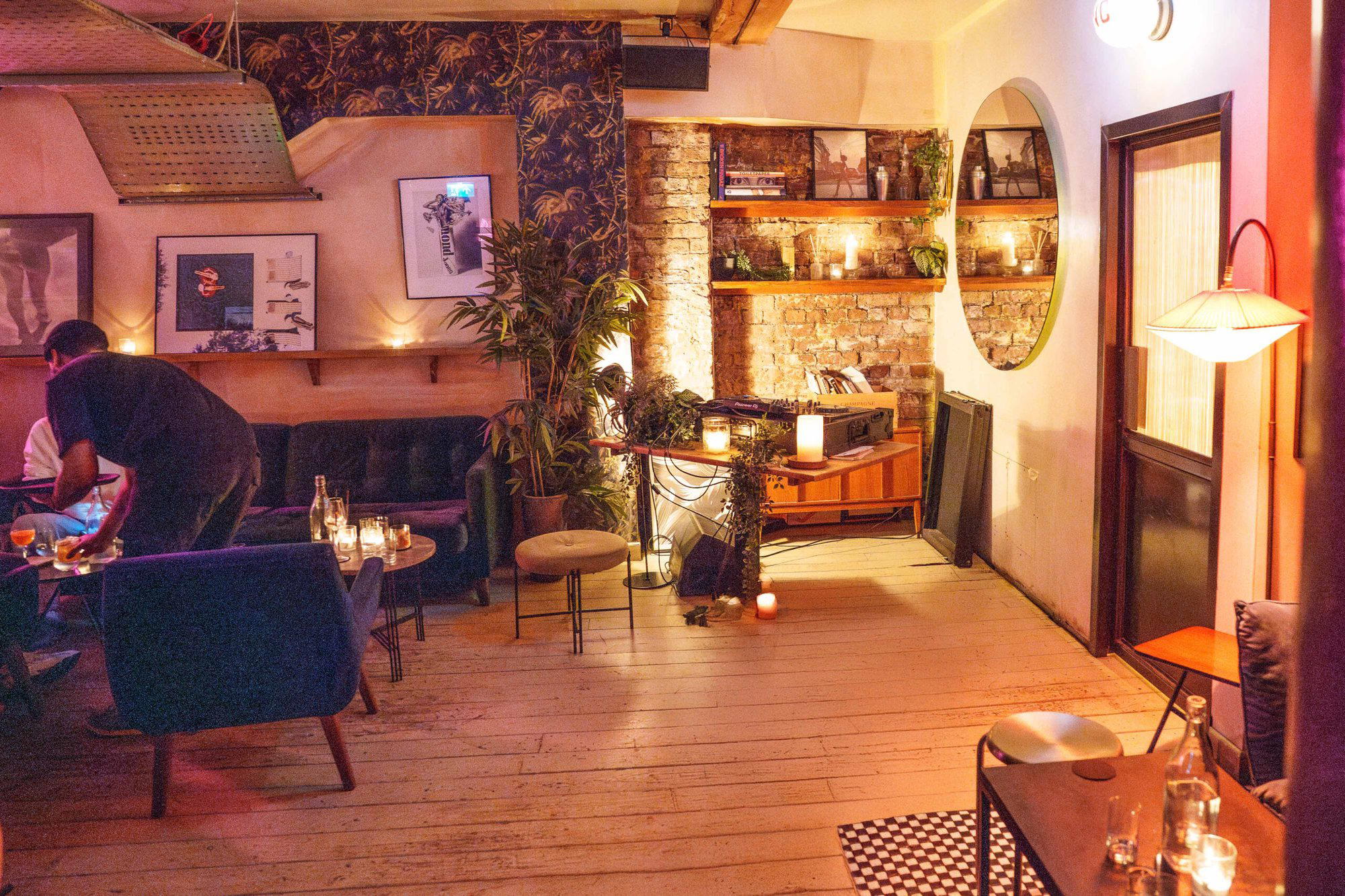
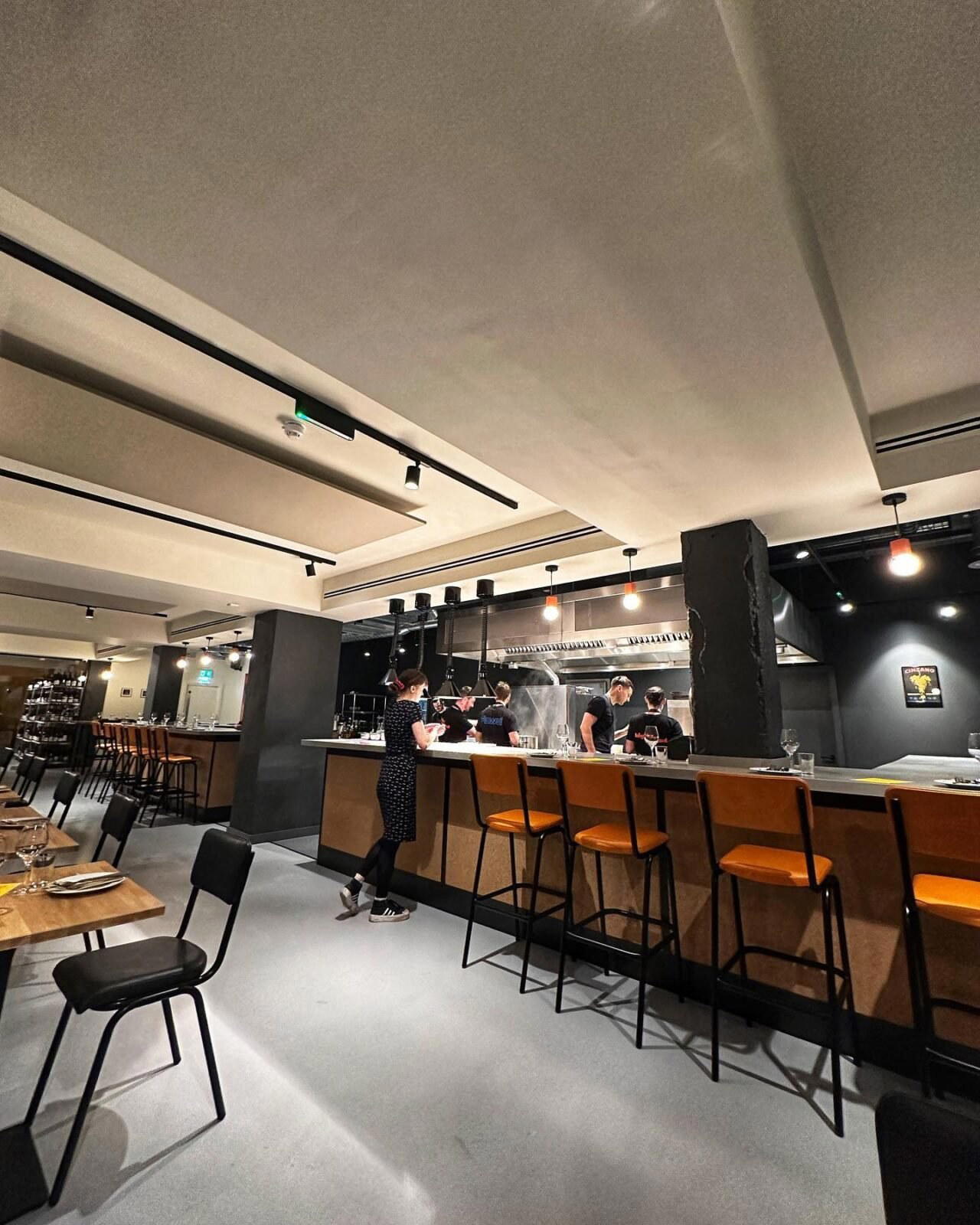
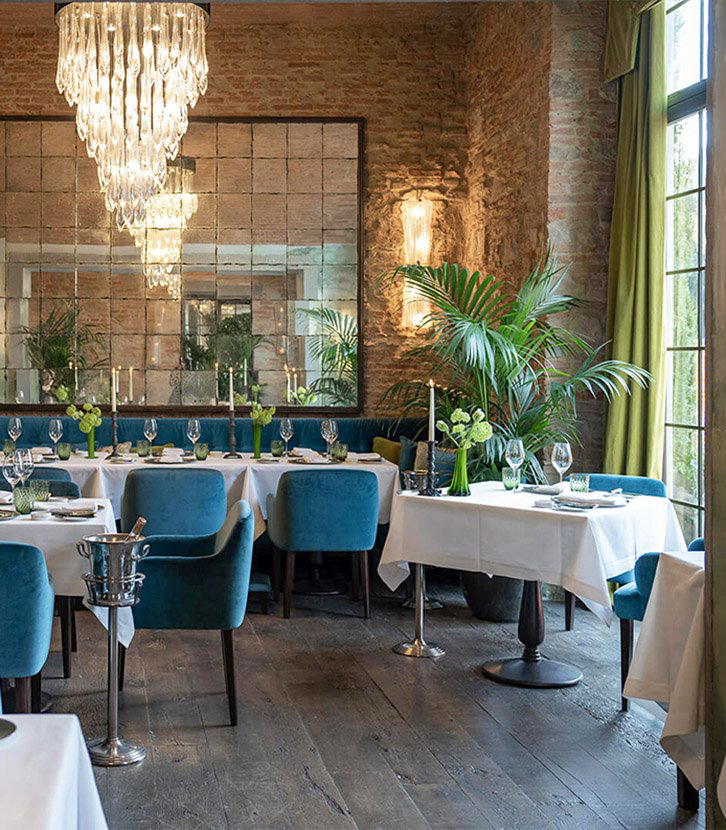
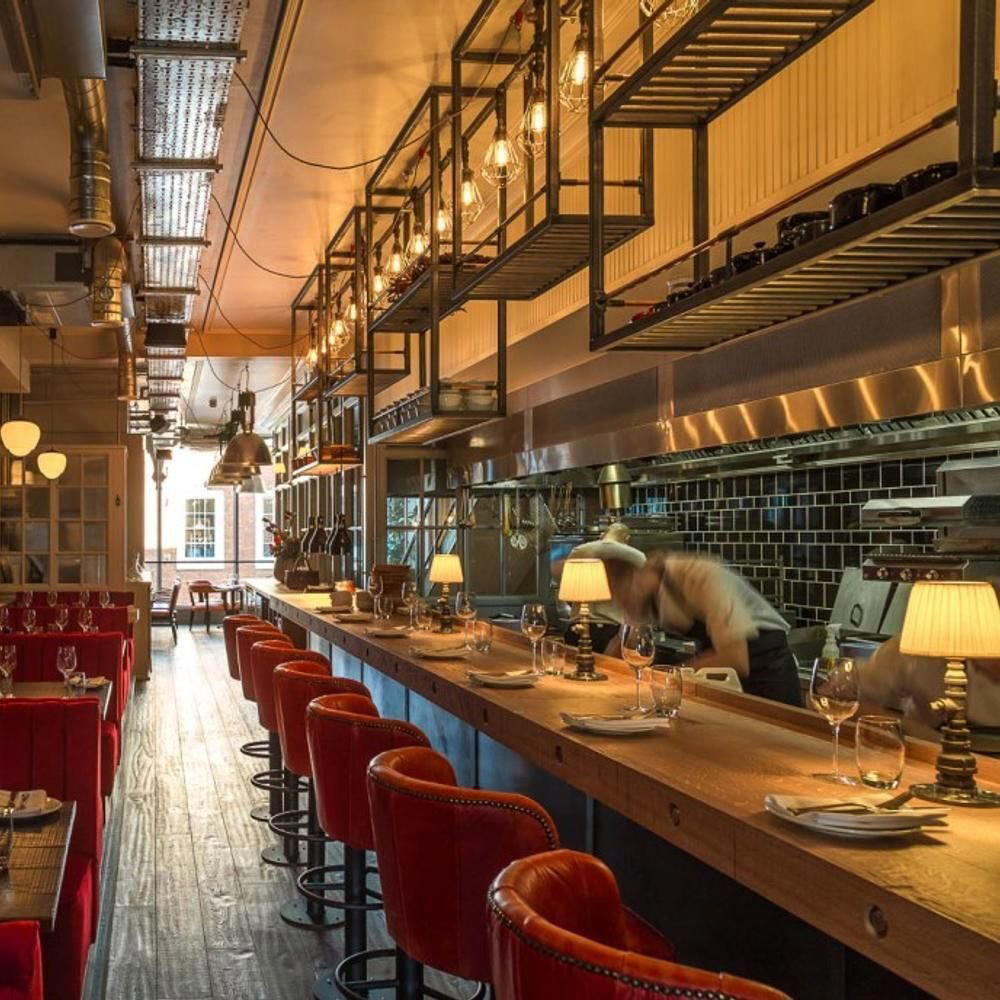
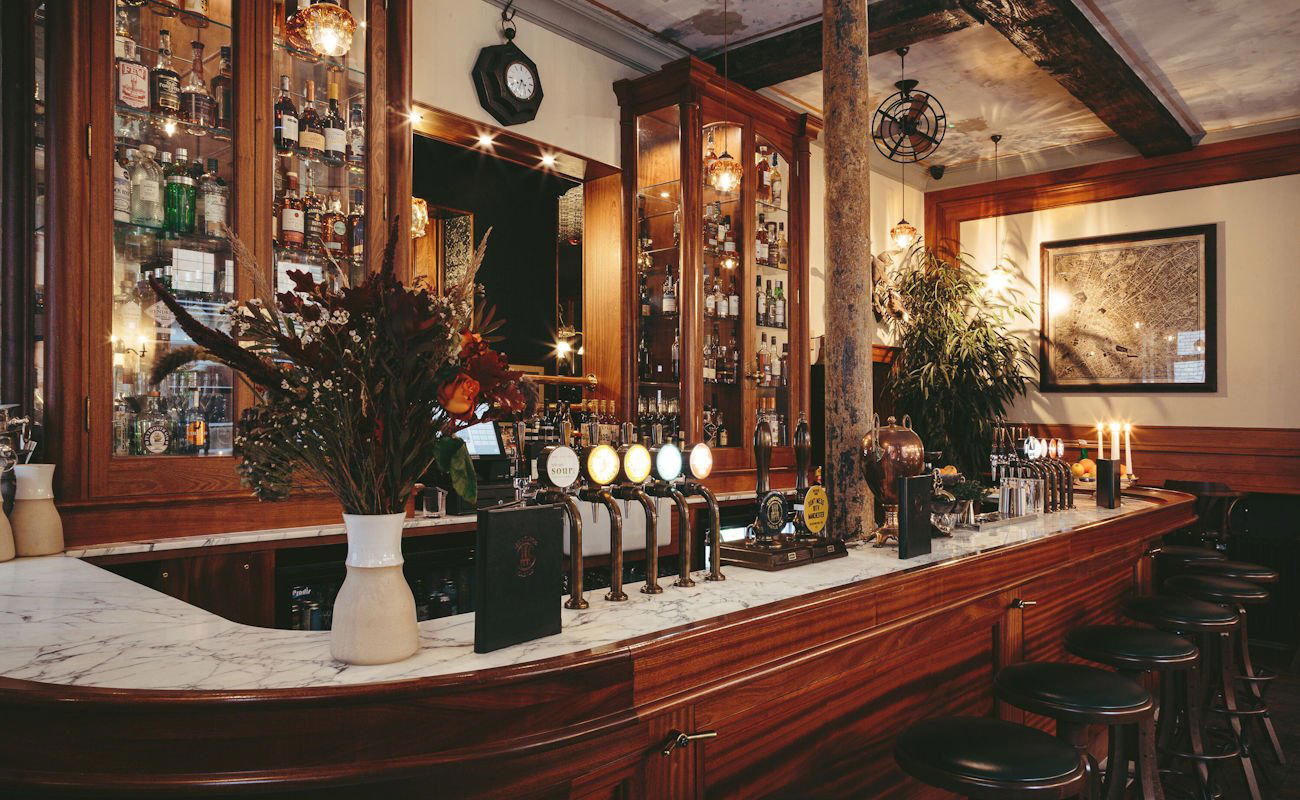
The Clocktower's dining spaces inherit the building's drama directly. High ceilings and original architectural details create a different baseline than purpose-built hotel restaurants; the physical environment does some of the work that design budgets have to accomplish in newer builds. This is particularly relevant to bar programming, where atmosphere and proportion matter as much as what is in the glass. Manchester's cocktail culture has grown more technically serious over the same period that its food scene has matured, and hotel bars operating in grand period rooms occupy a specific niche in that evolution.
For visitors assessing Manchester's dining scene more broadly, our full Manchester restaurants guide maps the city's key areas and formats, from the Northern Quarter's independent operators to the more formal addresses around Spinningfields. The Clocktower's central location on Oxford Street places it within reach of most major dining districts on foot.
Positioning Within Manchester's Upper Hotel Tier
Understanding where the Clocktower sits requires mapping its competition honestly. The Edwardian Manchester operates at a comparable city-centre pitch, with its own significant building and established food and beverage operation. Hotel Gotham occupies a more intimate, members'-club-inflected register. The Clocktower, under the Kimpton brand (part of IHG's portfolio), brings American boutique-hotel sensibility into a Victorian shell: an approach that prioritises character and informality over the more formal codes that older grand hotels often maintain.
That informality is a meaningful point of differentiation. Kimpton as a brand has built its identity around relaxed luxury rather than hierarchical service, which tends to attract guests who want the physical quality of a grand hotel without the codes of conduct that sometimes accompany it. The demographic this addresses overlaps with the guest base that, elsewhere in the UK, might choose Estelle Manor or Lime Wood in Lyndhurst over more traditional country house properties: people for whom quality and comfort matter more than ceremony.
The Building as the Experience
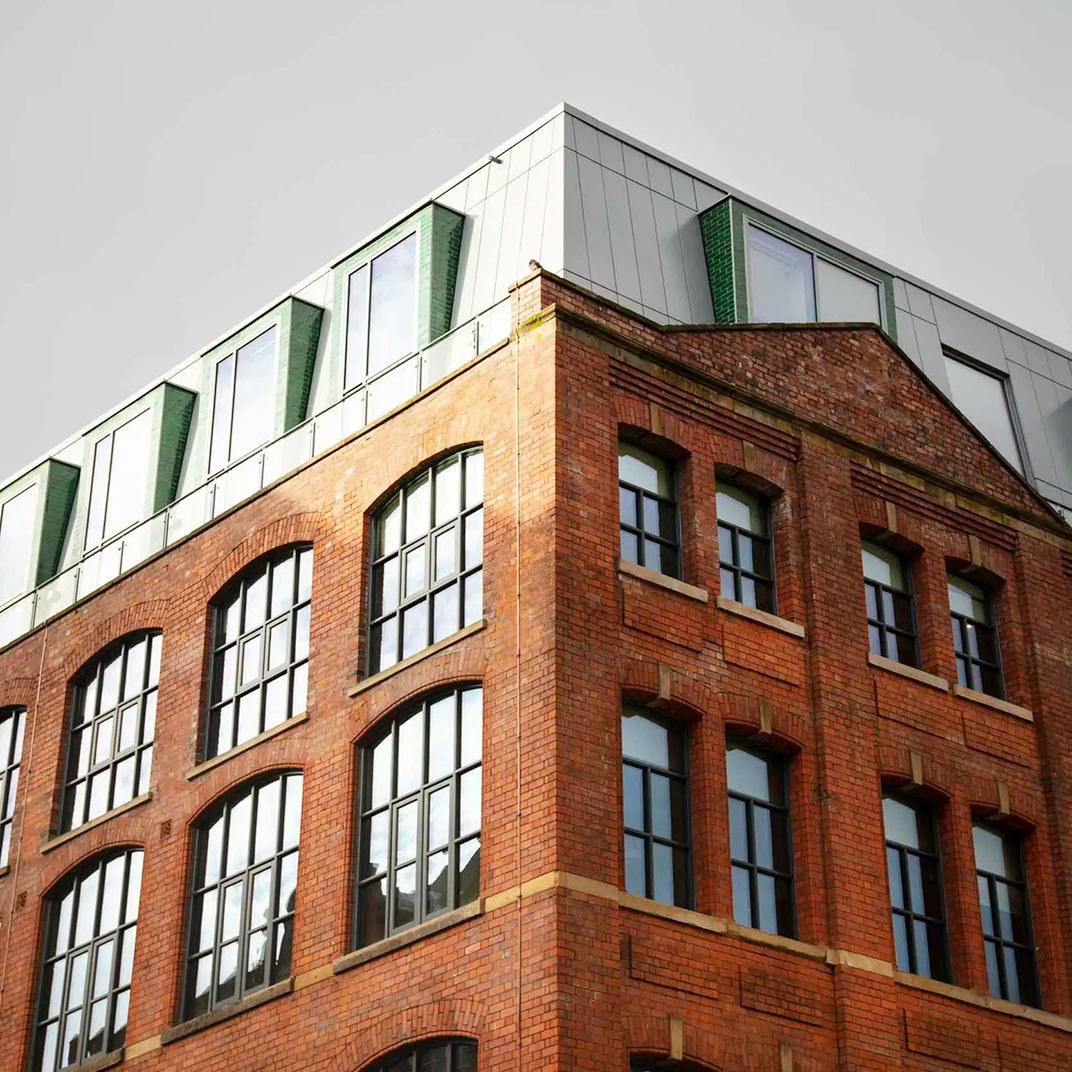
Victorian Gothic commercial architecture in British cities went through a long period of neglect before adaptive reuse programmes brought buildings like the old Refuge Assurance back into active use. Manchester was earlier than many British cities in recognising the hospitality potential of its Victorian civic and commercial stock, and the Clocktower's preservation and conversion represents a particular strain of that effort. The clock tower itself, visible across the surrounding area, functions as a kind of orientation point in that part of the city, in the way that heritage hotel conversions in Edinburgh, Glasgow, and Liverpool have similarly anchored specific neighbourhoods. Guests staying at Hope Street Hotel in Liverpool or Glasgow Grosvenor Hotel will recognise a broadly parallel dynamic: the building's civic history lending the hotel a local authority that no amount of interior design can replicate from scratch.
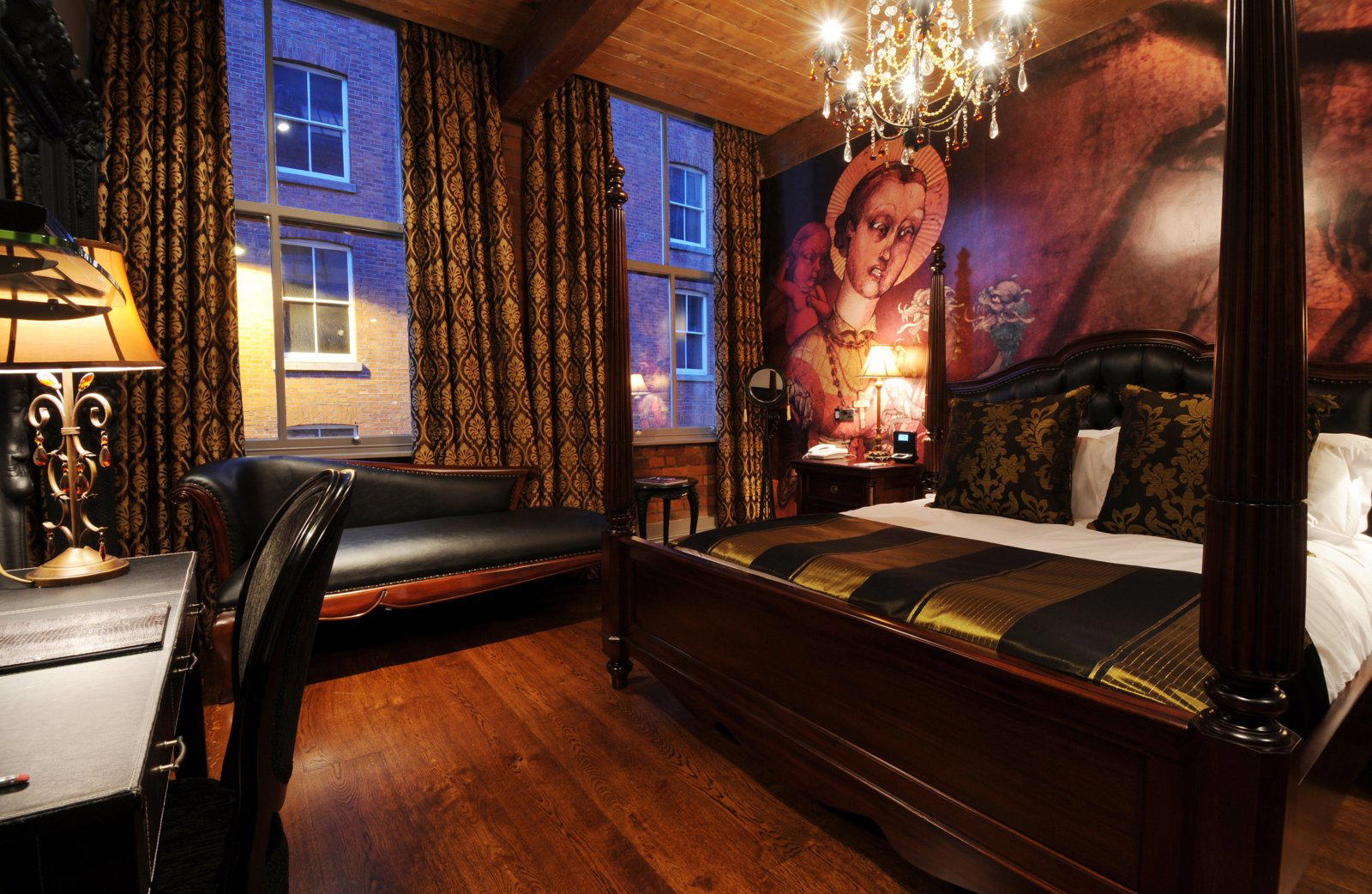
Inside, the challenge with converted Victorian buildings is always the tension between preservation and functionality. Ceiling heights, load-bearing walls, and protected facades constrain room layouts in ways that modern builds do not. The better heritage conversions work with those constraints rather than against them, allowing the idiosyncrasies of the original structure to persist where they add character. Whether that balance is achieved in specific rooms or floors at the Clocktower is something leading assessed against current guest documentation, but the building's scale allows for more variation in room configuration than most purpose-built hotels can offer.
Planning a Stay: What to Know Before Booking
The Clocktower's Oxford Street address in Manchester city centre puts it within walking distance of Piccadilly Gardens, the Northern Quarter, and the main retail and cultural zones. Manchester Piccadilly station is approximately fifteen minutes on foot, making it practical for visitors arriving by rail from London, Leeds, or Liverpool. Visitors considering the Clocktower against alternatives in more residential areas Didsbury House Hotel sits further south in a quieter suburb, should weigh proximity to the city centre against the trade-off of a busier immediate environment. For those travelling from further afield and comparing it to peer properties in other UK cities, the broader EP Club UK hotel coverage includes entries from Gleneagles in Scotland to Avon Gorge by Hotel du Vin in Bristol, which helps calibrate expectations across different price brackets and formats. Booking through the Kimpton's direct channel typically unlocks IHG loyalty benefits, and weekend rates in Manchester's hotel market are generally higher than midweek, reflecting the city's strong leisure demand on Fridays and Saturdays.
Price and Positioning
| Venue | Price | Awards |
|---|---|---|
| Kimpton Clocktower HotelThis venue (the venue you are viewing) | $100–200 | Michelin Selected |
| The Edwardian Manchester | Not listed | Michelin Selected · Virtuoso Luxury Hotel Partner |
| King Street Townhouse Hotel | $200–300 | Michelin Selected · Mr & Mrs Smith Seal of Approval |
| Didsbury House Hotel | $200–300 | Not listed |
Recognition history
Dated appearances from independent guides and award organizations, with the underlying list record or original source where available.
Michelin Selected
Michelin
Continue exploring
More in Manchester
Hotels in Manchester
All hotels in Manchester →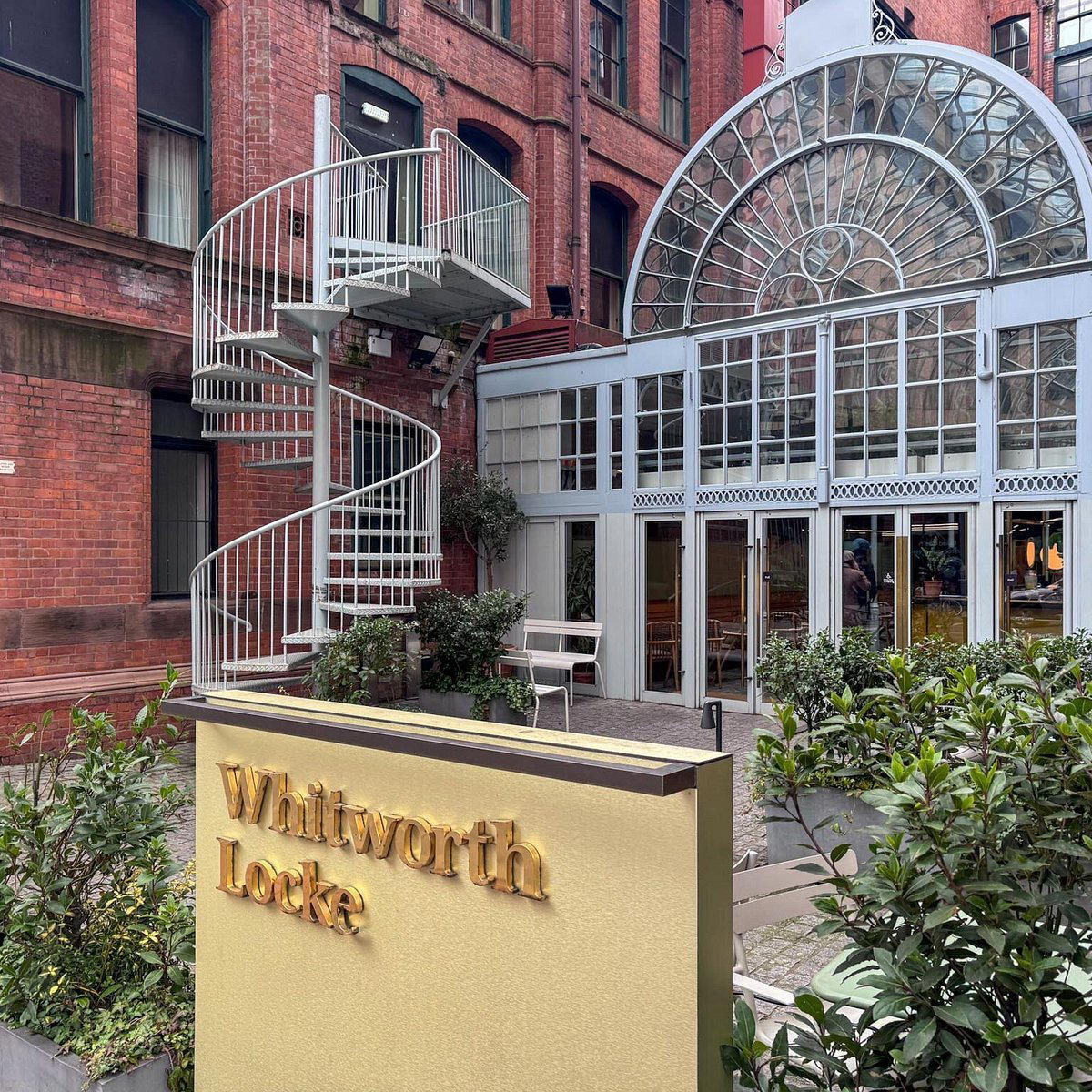
Details
- Elegant
- Sophisticated
- Historic
- Well Known
- Romantic Getaway
- Family Vacation
- Business Trip
- Weekend Escape
- Historic Building
- Wi Fi
- Fitness Center
- Room Service
- Concierge
Light-drenched lobby with glass dome, natural light in Winter Garden, and a mix of heritage elements like glazed bricks and stained glass with contemporary touches.