Hotel Kontor

Michelin Selected
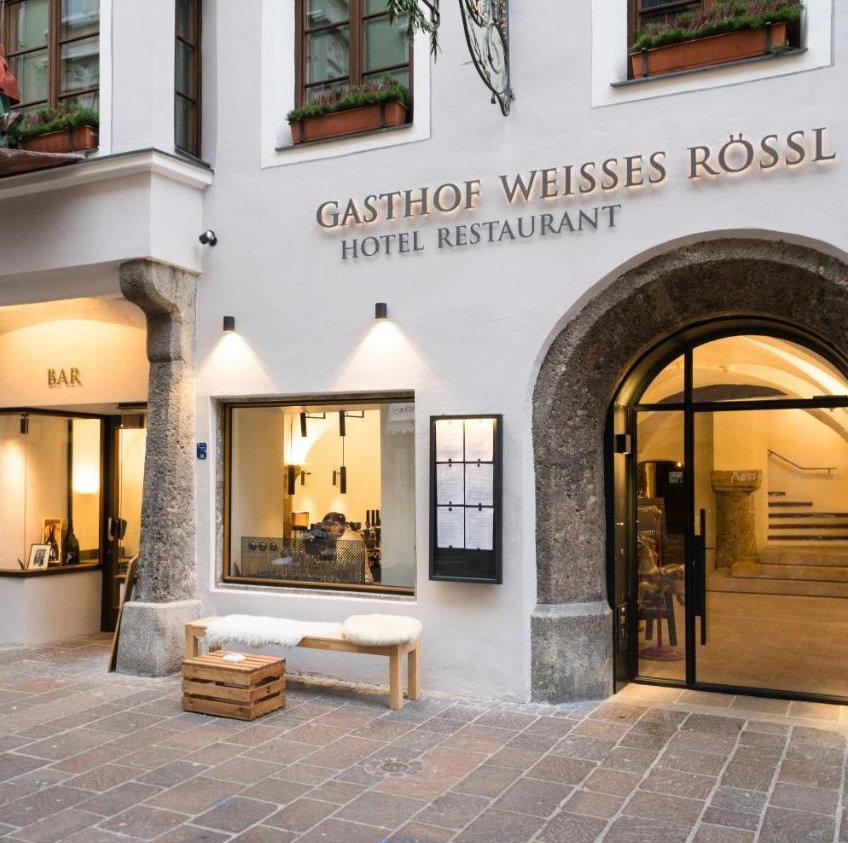
Hotel Kontor occupies a historic building on Unterer Stadtplatz in Hall in Tirol, a medieval silver-mining town that sits just east of Innsbruck. Michelin Selected for 2025, the property belongs to a small tier of design-conscious Austrian hotels that position themselves against mountain-resort peers through urban character and architectural identity rather than altitude or spa scale.

Pearl is the En Primeur Club membership app — saves, bookings, and concierge access live there. Same editors, same standards.
- Address
- Unterer Stadtpl. 7a, 6060 Hall in Tirol, Austria
- Phone
- +43 5223 23801
- Website
- hotel-kontor.at
- Directions
- Get directions
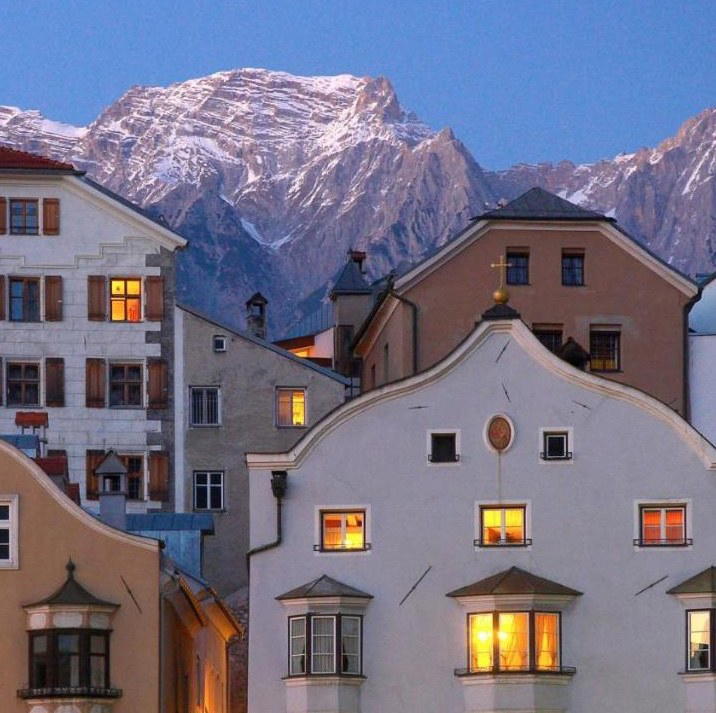
A Medieval Town Square, Reframed
Hall in Tirol earns less international attention than Innsbruck, its larger neighbour roughly 10 kilometres to the west, yet its preserved medieval core is among the most coherent in the Austrian Alps. The Unterer Stadtplatz, where Hotel Kontor sits at number 7a, has functioned as a commercial and civic gathering point since the town's silver-coining era in the fourteenth and fifteenth centuries. Arriving on foot from the old town's cobbled lanes, you read the building first as part of that streetscape, a structure shaped by centuries of mercantile use, before you register it as a hotel at all. That sequence matters. Hotels in historic Alpine towns increasingly split between properties that wear their heritage as decoration and those where the architecture sets the actual programme. Hotel Kontor belongs to the latter category.
The Architecture as Argument
Across Austrian city-centre and market-town hotels, a consistent design tension has emerged over the past decade. The reflex toward Alpine vernacular, exposed timber beams, wool textiles, antler references, remains commercially safe and geographically legible. A smaller cohort of properties has pushed in the opposite direction, stripping back surface ornament to let structural bones and spatial sequence carry the experience. Hotel Kontor reads as part of that second current. The name itself signals orientation: Kontor, the German word for a merchant's counting house or trading office, frames the building's commercial history as the central design idea rather than as context to be softened or romanticised.
Where comparable Tyrolean properties often impose a resort aesthetic onto historic fabric, a Kontor-model approach keeps interventions legible as interventions. Materials conversations at this tier in Austria tend toward local stone, pale plaster, and considered use of patinated metal, allowing age and new installation to remain in honest dialogue. That restraint, when executed with discipline, produces spaces that feel more like occupied history than like a hospitality product arranged around a historical backdrop. For travellers whose reference points include Rosewood Schloss Fuschl in Hof bei Salzburg or Schloss Mönchstein in Salzburg, Hotel Kontor sits in a different register entirely: more compact, more urban, less reliant on landscape spectacle as its primary draw.
Hall in Tirol as a Base
The case for Hall in Tirol over Innsbruck as an accommodation base has strengthened as Innsbruck's centre has become denser with short-stay tourism. Hall's old town retains a scale and pedestrian texture that larger Alpine cities have largely traded away. The Stadtplatz functions as a genuine neighbourhood square, with weekly markets and daily foot traffic unrelated to tourism, which gives the area a different social register than a resort village or a historic city that operates primarily for visitors.
From Unterer Stadtplatz, the Nordkette cable car system in Innsbruck is accessible in under 30 minutes by regional train or car, connecting guests to high-altitude terrain without requiring a mountain resort stay. The Inn Valley corridor also places the Zillertal and Stubaital valleys within practical day-trip range. For those comparing stays, properties like Aktiv & Wellnesshotel Bergfried in Tux or Naturhotel Waldklause in Längenfeld offer deeper mountain immersion, while Hotel Kontor trades that altitude for historic urban fabric and proximity to Innsbruck's cultural programme. The choice depends on whether the Alpine outdoors or the built environment is the primary draw. For our full Hall in Tirol restaurants guide, the surrounding neighbourhood offers additional context on the town's dining character.
Michelin Selection and What It Signals
Hotel Kontor's inclusion in the Michelin Selected Hotels list for 2025 places it within a tier that Michelin defines by quality standards rather than scale or category prestige. Michelin Selected is not a star classification, but its inclusion criteria, which cover comfort, service consistency, and physical quality, function as a credible independent baseline. At this tier, the recognition tends to confirm what the property already signals through design and positioning rather than to introduce it to a new competitive set.
Among Tyrolean Michelin-recognised hotels, the dominant profile remains the large-format alpine resort: properties like LEADING Hotel Hochgurgl in Hochgurgl, Alpen-Wellness Resort Hochfirst in Obergurgl, or Grand Tirolia Kitzbühel in Kitzbühel, each of which anchors its proposition in altitude, sport, or spa infrastructure. Hotel Kontor occupies a distinct niche within that recognised set: smaller footprint, historic-urban address, design-led identity. The Michelin recognition positions it against peers like Hotel Almhof Schneider in Lech or Nidum Hotel in Seefeld In Tirol in terms of quality baseline, while its market position remains meaningfully different.
For context outside Austria, the Michelin Selected tier at similar historic-urban properties includes addresses like Hotel Das Weitzer in Graz and Imlauer Hotel Schloss Pichlarn in Aigen im Ennstal, both of which illustrate how the designation applies across a range of Austrian property types and scales.
Planning a Stay
Hall in Tirol sits on the main Innsbruck to Salzburg rail corridor, making it accessible by train without a car. The town is compact and walkable from any central accommodation address, with the old town's principal sights within a few minutes of Unterer Stadtplatz. Seasonal demand follows the broader Tyrolean pattern: winter skiing access and summer hiking bring the highest occupancy to the region, and properties at this quality tier in the Inn Valley tend to book ahead during school holiday periods. Booking directly through the hotel's own channels, once you have confirmed room availability, generally provides the most reliable access to room preferences. For comparable properties across the Austrian spectrum, from Hotel Sacher Wien in Vienna to Grand Resort Zürserhof in Zürs am Arlberg, the principle holds: direct contact resolves specific room or configuration questions more efficiently than third-party platforms.
At-a-Glance Comparison
Comparable venues nearby, for context on price, style, and recognition.
| Venue | Cuisine | Price | Awards | Notes |
|---|---|---|---|---|
| Hotel KontorThis venue — the venue you are viewing | Chic boutique hotel in a protected historic trading house with 4-star furnishings. | Not listed | Michelin Selected | Not listed |
| Therme Laa | Modern 4-star superior spa hotel embedded in Weinviertel vineyards | $200–300 | Michelin Guide New Hotels New Hotel · Michelin Selected | Weinviertel |
| Huber's Boutiquehotel | Modern Alpine boutique hotel with family-run charm | Not listed | Michelin Selected | Mayrhofen |
| Miiro Spittelberg | Lifestyle hotel with atelier-style approach in historic neighborhood | $100–200 | Not listed | Spittelberg |
| Walch's Rote Wand Gourmet Hotel | Contemporary Alpine luxury blending centuries-old Walser tradition with modern minimalist design; six interconnected historic buildings unified by underground passages. | Not listed | 1 Michelin Key | Zug am Arlberg |
| The Harmonie Vienna, BW Premier Collection | Renovated classic building blending Viennese elegance with modern comfort | Not listed | Michelin Selected | Servitenviertel |
Recognition history
Dated appearances from independent guides and award organizations, with the underlying list record or original source where available.
Michelin Selected
Michelin
Continue exploring
More in Hall in Tirol
Hotels in Hall in Tirol
Browse all →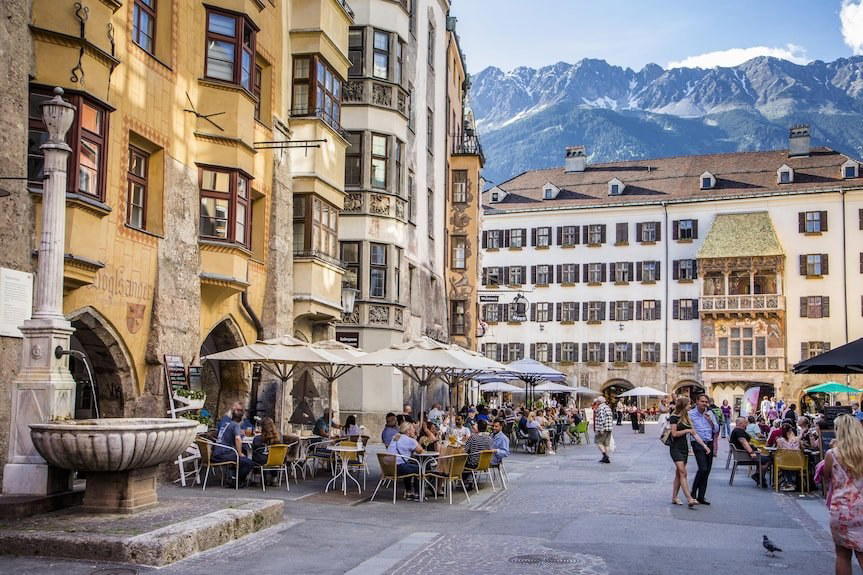
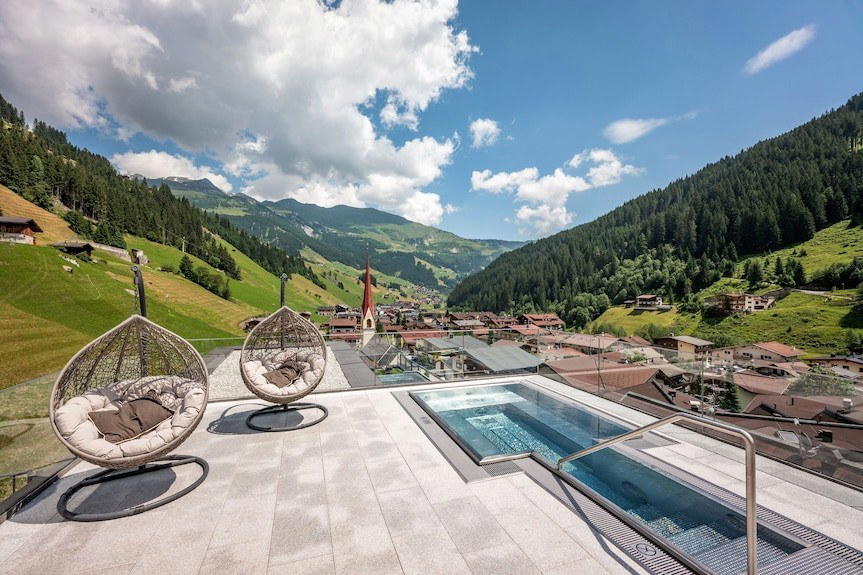
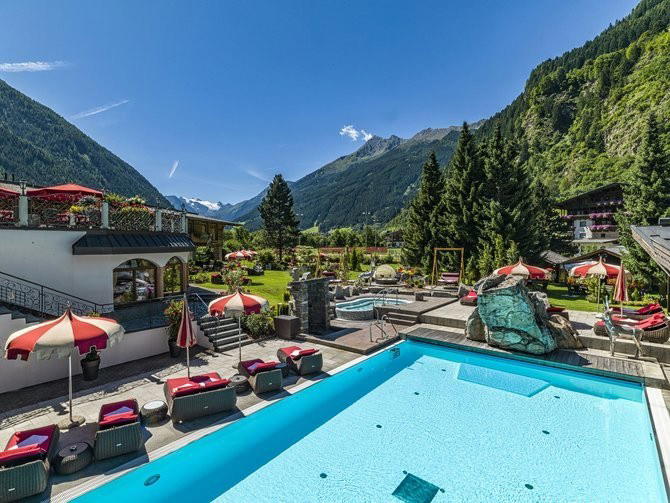
Bars in Hall in Tirol
Browse all →

Restaurants in Hall in Tirol
Browse all →

Details
- Modern
- Quiet
- Elegant
- Cozy
- Romantic Getaway
- Weekend Escape
- Historic Building
- Design Destination
- Wi Fi
- Street Scene
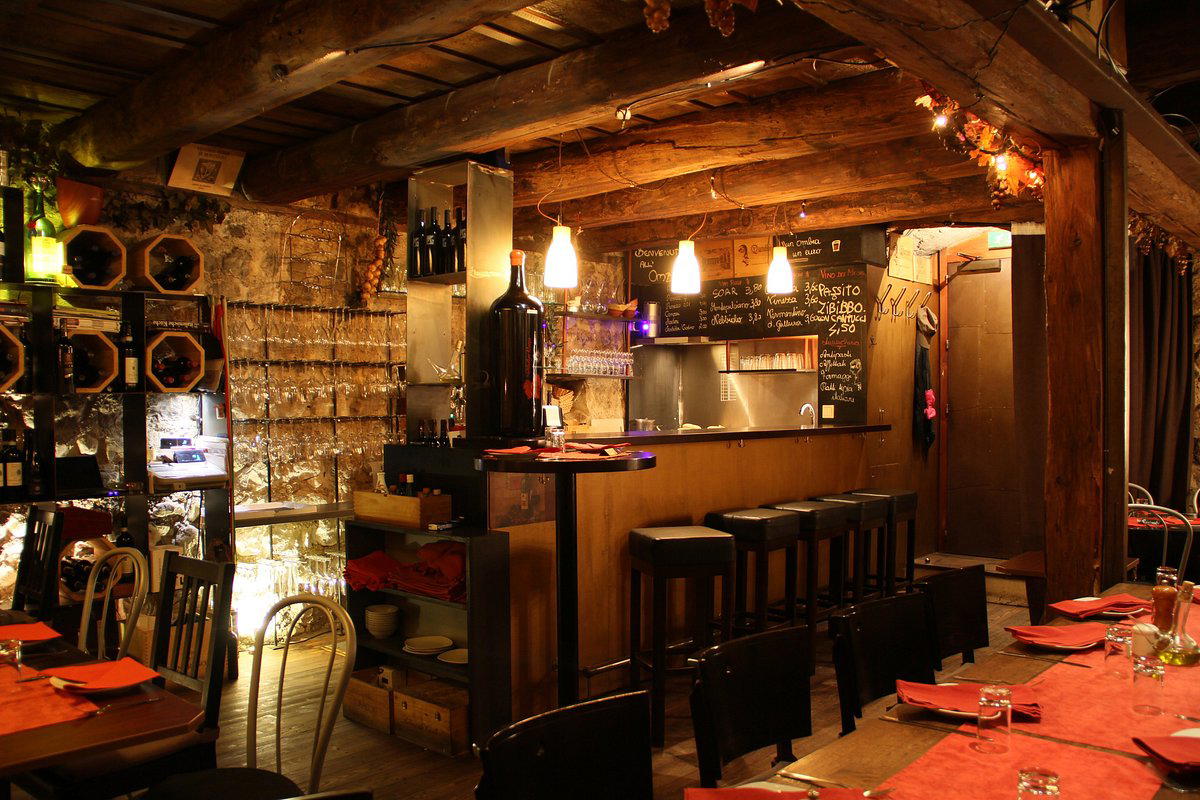
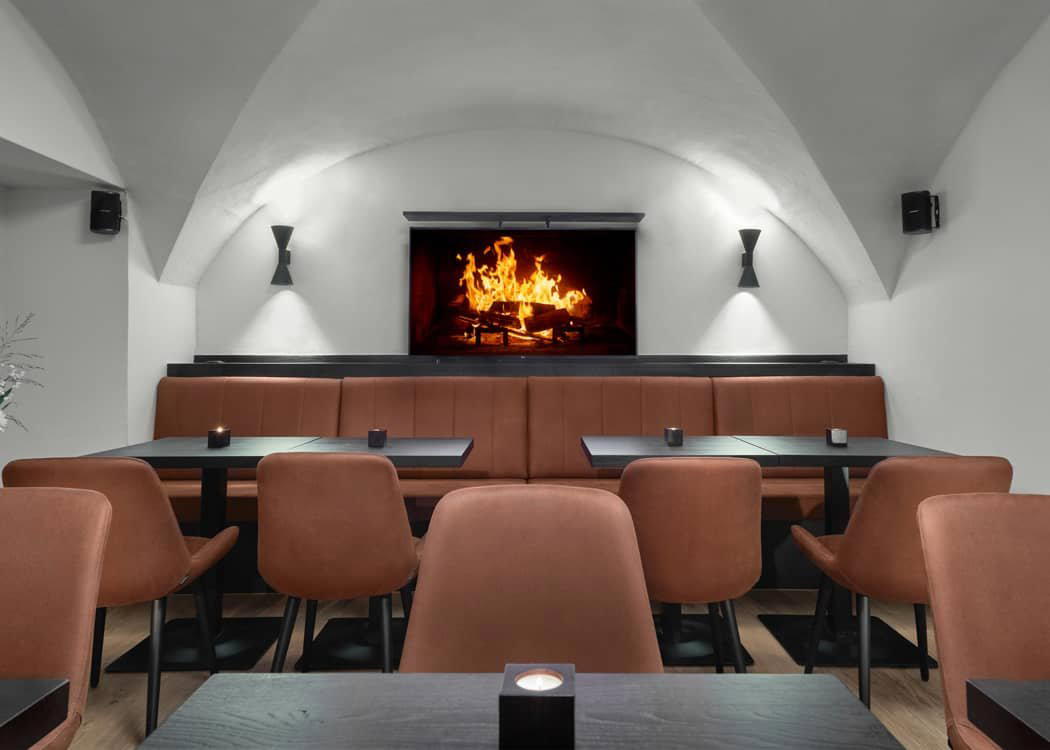
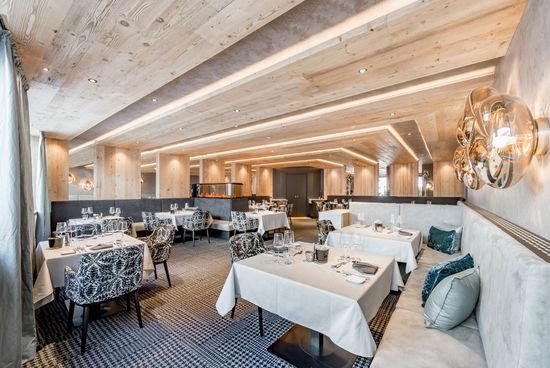
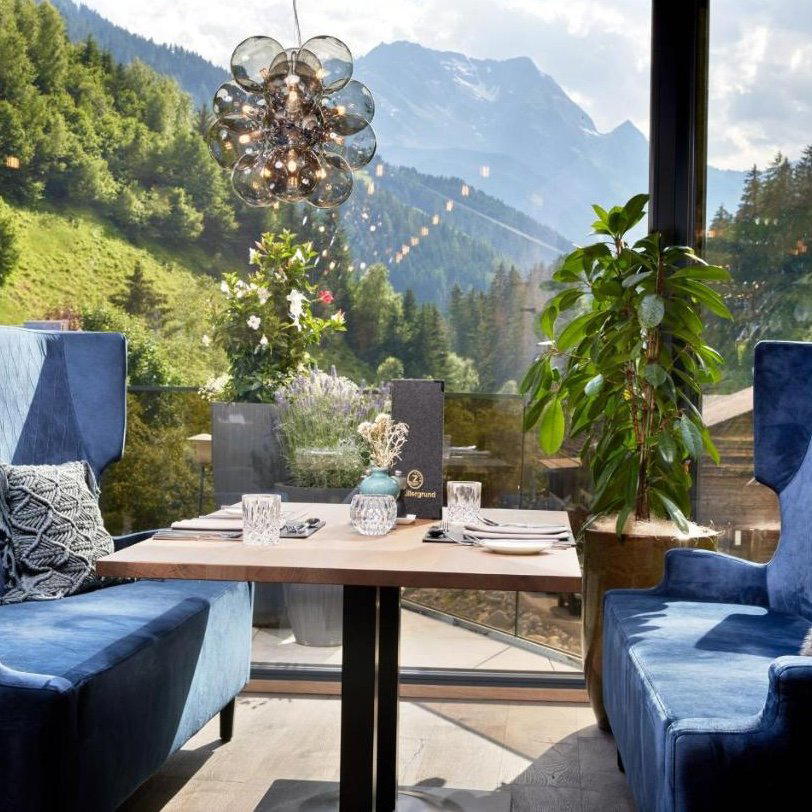
Quiet and elegantly simple with minimalist contemporary design, bespoke carpentry, and timeless elegance enhanced by modern comforts.