Hotel Almhof Schneider 5*S

Our verdict
Where the Alps Meet the Table: Dining in Lech am Arlberg Arriving at Lech am Arlberg in winter, the village operates at a register that most Alpine resorts have stopped attempting: a controlled density of properties, a relative absence of the...

Pearl is the En Primeur Club membership app, where members save venues, book tables and use the concierge.
The menu
What to order
- Wiener Schnitzel
- Stubenküken auf Heubett
- Tafelspitz
Where the Alps Meet the Table: Dining in Lech am Arlberg
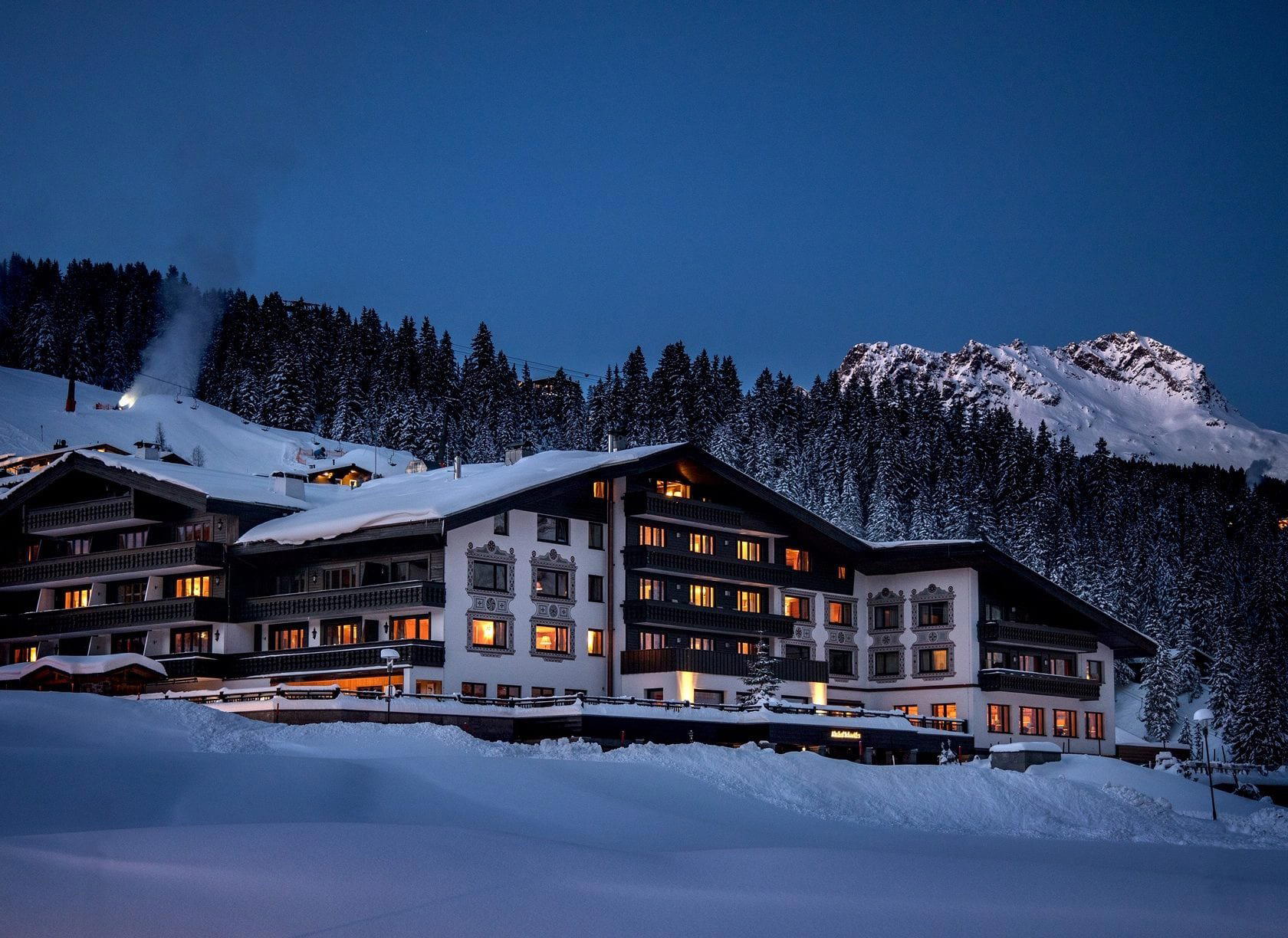
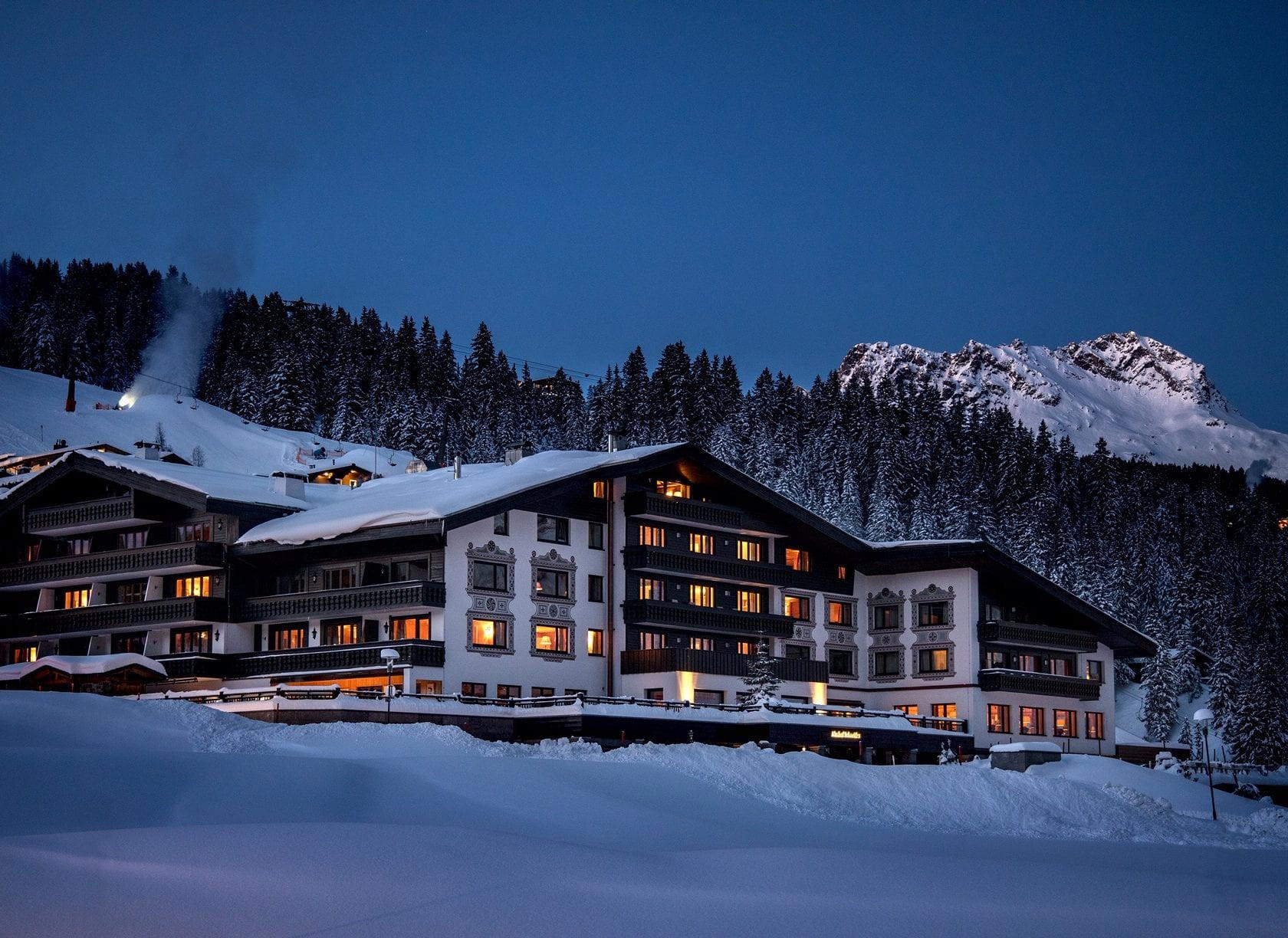
Arriving at Lech am Arlberg in winter, the village operates at a register that most Alpine resorts have stopped attempting: a controlled density of properties, a relative absence of the mass-market infrastructure that defines larger ski destinations, and a persistent emphasis on long stays over quick turnovers. The road into Tannberg rises through snow-banked lanes flanked by timber-faced buildings that have largely kept their proportions. In this context, Hotel Almhof Schneider sits within the upper tier of Lech’s accommodation stock, holding a 5-Star Superior classification and a Three-Star Accreditation from the World of Fine Wine & Lifestyle Awards, a credential that signals a serious wine program within a property that already operates at the top of the regional scale.
Lech’s dining scene has, over the past decade, pulled significantly above what the village’s population would ordinarily sustain. The reason is seasonal compression: a concentrated influx of high-spending guests during winter and a smaller but discerning summer market means that kitchens here are expected to perform at a level more consistent with urban fine dining than mountain refuges. Griggeler Stuba in Lech represents one node of this ambition, and Almhof Schneider operates within the same refined stratum, where the expectation is not rustic convenience but considered hospitality with serious sourcing behind it.
Sourcing at Altitude: The Logic of Alpine Ingredients
Across Austria’s western Alpine corridor, the most compelling kitchens have built their identity not around technique alone but around the specificity of what grows, grazes, and ferments at altitude. The Vorarlberg and Tyrolean supply chains that feed restaurants in this corridor are genuinely distinct: mountain dairy from small-scale producers working with breeds adapted to high pastures, game from managed Alpine forests, and a preserved-food tradition rooted in necessity that has become, in contemporary kitchens, a form of culinary currency. Kitchens operating at the level Almhof Schneider occupies in Lech are expected to engage with this supply chain rather than bypass it for standardised hotel provisioning.
This matters because the ingredient sourcing question is the one that separates convincing Alpine fine dining from resort food with fine-dining pricing. Properties like Gourmetrestaurant Tannenhof in Sankt Anton am Arlberg, the neighbouring resort down the valley, have made regional provenance a distinguishing feature. The same expectation applies here: at the 5-Star Superior level in this region, the kitchen’s sourcing decisions carry weight that they simply would not in a city hotel of equivalent classification, because the landscape’s ingredients are both proximate and genuinely differentiated from lowland alternatives.
Austria’s broader fine dining conversation, anchored in Vienna by addresses like Steirereck im Stadtpark and periodically extended westward through destination restaurants such as Ikarus in Salzburg or Obauer in Werfen, has consistently returned to the question of what Austrian terroir actually means on the plate. In the Alpine west, that question resolves toward dairy, game, lake fish from the Bodensee corridor, and root vegetables that develop a particular density at altitude. Properties positioned in Lech at this price tier are participants in that larger argument, whether or not they frame it in those terms.
The Wine Program and What the Accreditation Signals
The Three-Star Accreditation from the World of Fine Wine & Lifestyle Awards is not given for cellar size. The WBWL assessment framework focuses on the coherence and quality of a wine program relative to the food offering, the depth of the list, and the competence of service in presenting it. For a property in Lech, where guests arrive with high baseline expectations shaped by comparable stays in the Alps and beyond, this accreditation positions Almhof Schneider’s wine offering within a peer group that includes properties doing serious work with Austrian vineyards, international fine wine, and sommelier-led pairing structures.
Austria’s wine identity has shifted considerably over the past two decades. Grüner Veltliner and Riesling from the Wachau and Kamptal now occupy a recognised position in international fine dining, and the Burgenland’s red wine output, particularly around Blaufränkisch, has developed a following among buyers who previously looked only westward. A hotel wine program at this accreditation level in Austria is expected to reflect that evolution, not simply fill the list with recognisable French labels as shorthand for quality. For comparisons on how Austrian kitchens approach wine integration, Landhaus Bacher in Mautern an der Donau, situated within the Wachau wine corridor, offers a useful reference point for how deeply a serious Austrian program can embed regional viticulture into the dining experience.
Lech in the Broader Austrian Alpine Context
Understanding Almhof Schneider requires placing it within the specific dynamics of Lech am Arlberg as a destination. Lech sits at 1,450 metres, connected to Zürs and the wider Ski Arlberg circuit, which at roughly 305 kilometres of marked runs constitutes one of the more extensive linked systems in the Alps. The resort’s guest profile skews toward repeat visitors, extended stays, and a demographic that is explicitly multi-generational, with families returning across decades. This shapes what the hotel’s hospitality offer has to do: it is not optimised for the three-night destination visitor but for guests with longer time horizons and accumulated familiarity with what the region offers.
That context explains the 5-Star Superior designation, which in Austria’s hotel classification system sits above the standard five-star category and requires compliance with additional criteria around service quality, facilities, and programming. Properties at this level in Lech are competing not against ski lodges but against peer sets in comparable Alpine destinations, including those in the Swiss Engadin, the French Trois Vallées, and select Italian Dolomite villages. The Hotel Almhof Schneider GmbH restaurant operates within this broader hospitality envelope as the primary dining expression of a property that has clearly invested in positioning itself at the upper end of that competitive set.
Other Austrian fine dining reference points in the mountain corridor include Kräuterreich by Vitus Winkler in Sankt Veit im Pongau, which has built a program almost entirely around Alpine herb sourcing, and Schwarzer Adler in Hall in Tirol, which operates in the Tyrolean tradition with a more classical framework. Internationally, the sourcing-first ethos that defines the upper tier of this genre has parallels in kitchens as different as Le Bernardin in New York City, where product quality functions as the primary argument, and in the way Emeril’s in New Orleans built a regional supply relationship into a hotel dining context. The methodologies differ but the underlying logic, that provenance is the foundation rather than the garnish, connects them. For further mountain region references, Restaurant 141 by Joachim Jaud in Mieming and Ois in Neufelden represent distinct approaches to the Austrian regional kitchen.
Planning Your Stay
Almhof Schneider is located at Tannberg 59 in 6764 Lech, Austria, within the Tannberg section of the village, which sits slightly above the main resort centre and is generally quieter during peak season. Lech is accessible by road from Bregenz or Innsbruck, with the nearest international airports at Innsbruck and Zürich; during winter, road access can be subject to chain requirements. The property operates at a price tier consistent with 5-Star Superior mountain hotels in Austria, which means rates during peak winter weeks reflect both the classification and the demand compression of the ski season. Given the resort’s popularity with European and international repeat visitors, advance booking during December through February and in July and August is advisable. For further orientation on what the destination offers, our full Lech am Arlberg hotels guide, our full Lech am Arlberg restaurants guide, our full Lech am Arlberg bars guide, our full Lech am Arlberg wineries guide, and our full Lech am Arlberg experiences guide provide coverage across the destination’s main categories.
Frequently asked questions
Can I bring kids to Hotel Almhof Schneider 5*S?
Almhof Schneider is a five-star property in Lech am Arlberg, a village that functions primarily as an upscale ski destination. The hotel's positioning and WBWL 3-Star wine accreditation indicate a guest profile oriented toward serious hospitality rather than family resort programming.
What's the vibe at Hotel Almhof Schneider 5*S?
The property sits in the Tannberg section of Lech am Arlberg, slightly above the main resort centre at 1,450 metres. At this address and classification level, the register is measured Alpine comfort rather than high-gloss resort spectacle, Lech itself enforces a controlled density that keeps the village quieter than comparable Austrian ski towns. The WBWL 3-Star Accreditation further signals that the wine program is taken seriously, which typically shapes the broader dining atmosphere toward considered rather than casual.
What's Hotel Almhof Schneider 5*S known for in terms of accolades?
Hotel Almhof Schneider 5*S has received recognition including:
What do people recommend at Hotel Almhof Schneider 5*S?
The wine program is the most formally recognised element of the offering, backed by a 3-Star Accreditation from the World of Fine Wine & Lifestyle Awards, an assessment that focuses on program depth and service quality, not cellar volume alone.
Where is Hotel Almhof Schneider 5*S located?
Hotel Almhof Schneider 5*S is located at Tannberg 59, 6764 Lech, Austria, Lech am Arlberg.
Can I walk in to Hotel Almhof Schneider 5*S?
At a five-star property in Lech am Arlberg, walk-in availability for dining or accommodation is unlikely without prior arrangement, particularly during the winter ski season when Lech operates at capacity. Booking in advance is the standard approach for properties at this classification.
Side-by-Side Snapshot
| Venue | Cuisine | Price | Awards | Notes |
|---|---|---|---|---|
| Hotel Almhof Schneider 5*SThis venue (the venue you are viewing) | Refined Austrian Trattoria | Not listed | Not listed | Not listed |
| Steirereck im Stadtpark | Modern Austrian Fine Dining | $200–300 | 3 Michelin Stars · World's 50 Best #33 | Creative |
| Ikarus | Guest Chef Fine Dining | $200–300 | 2 Michelin Stars · La Liste Top Restaurants | Modern European, Creative |
| Konstantin Filippou | Modern Fish-Led Fine Dining | $200–300 | 2 Michelin Stars · La Liste Top Restaurants | Modern European, Modern Cuisine |
| Landhaus Bacher | Classic Austrian Fine Dining | $100–150 | 2 Michelin Stars · La Liste Top Restaurants | Austrian, Classic Cuisine |
| Mraz & Sohn | Contemporary Austrian Fusion | $150–200 | 2 Michelin Stars · La Liste Top Restaurants | Modern Austrian, Creative |
Recognition history
Dated appearances from independent guides and award organizations, with the underlying list record or original source where available.
World's Best Wine Lists Awards WBWL Category Winner
World's Best Wine Lists Awards
Full recognition history (5 entries)
World's Best Wine Lists Awards WBWL 3-Star
World's Best Wine Lists Awards
World's Best Wine Lists Awards WBWL 3-Star
World's Best Wine Lists Awards
World's Best Wine Lists Awards WBWL 3-Star
World's Best Wine Lists Awards
World's Best Wine Lists Awards WBWL 3-Star
World's Best Wine Lists Awards
Continue exploring
More in Lech am Arlberg
Restaurants in Lech am Arlberg
All restaurants in Lech am Arlberg →
Bars in Lech am Arlberg
Browse all →

Hotel Almhof Schneider 5*S
The wine
- Wine program
- Deep wine list
- Extensive wine list
- Sommelier-led
Details
- Elegant
- Cozy
- Classic
- Sophisticated
- Special Occasion
- Date Night
- Family
- Hotel Restaurant
- Terrace
- Extensive Wine List
- Sommelier Led
- Local Sourcing
- Mountain
- A La Carte
- Vegetarian Friendly
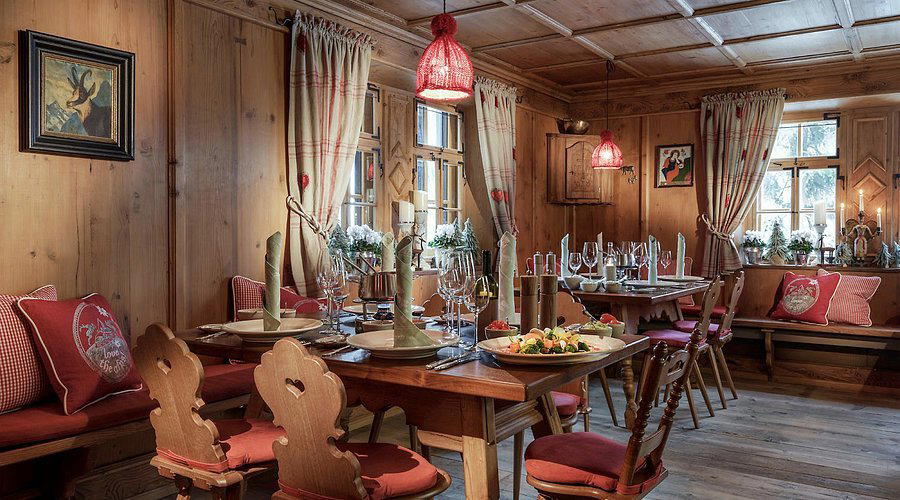
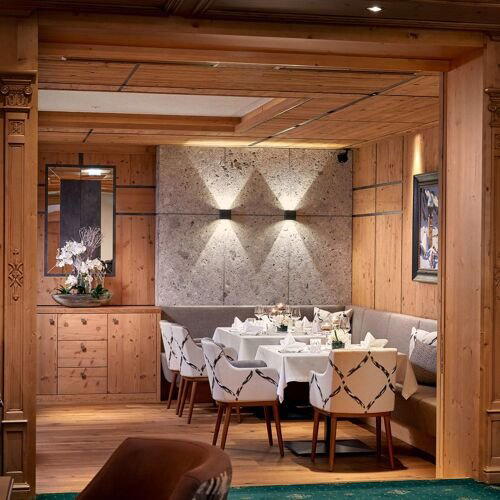
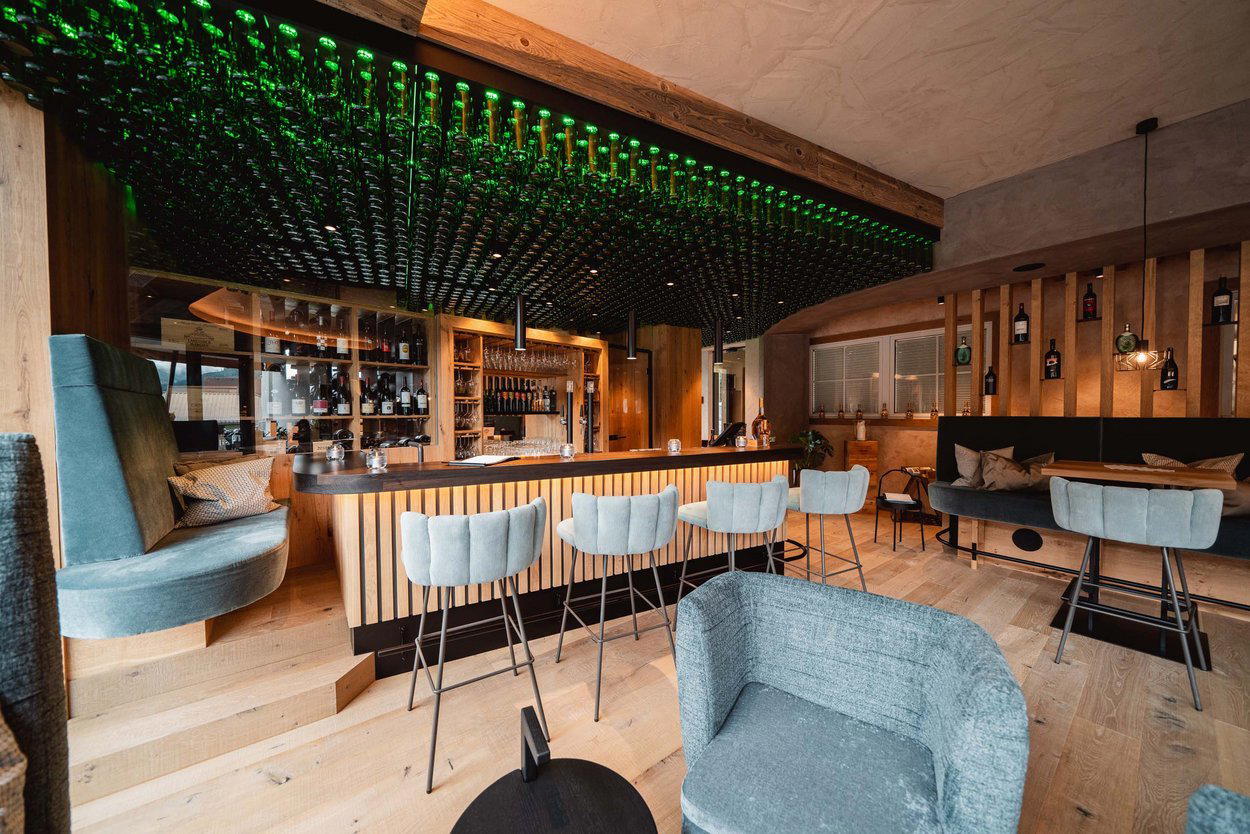
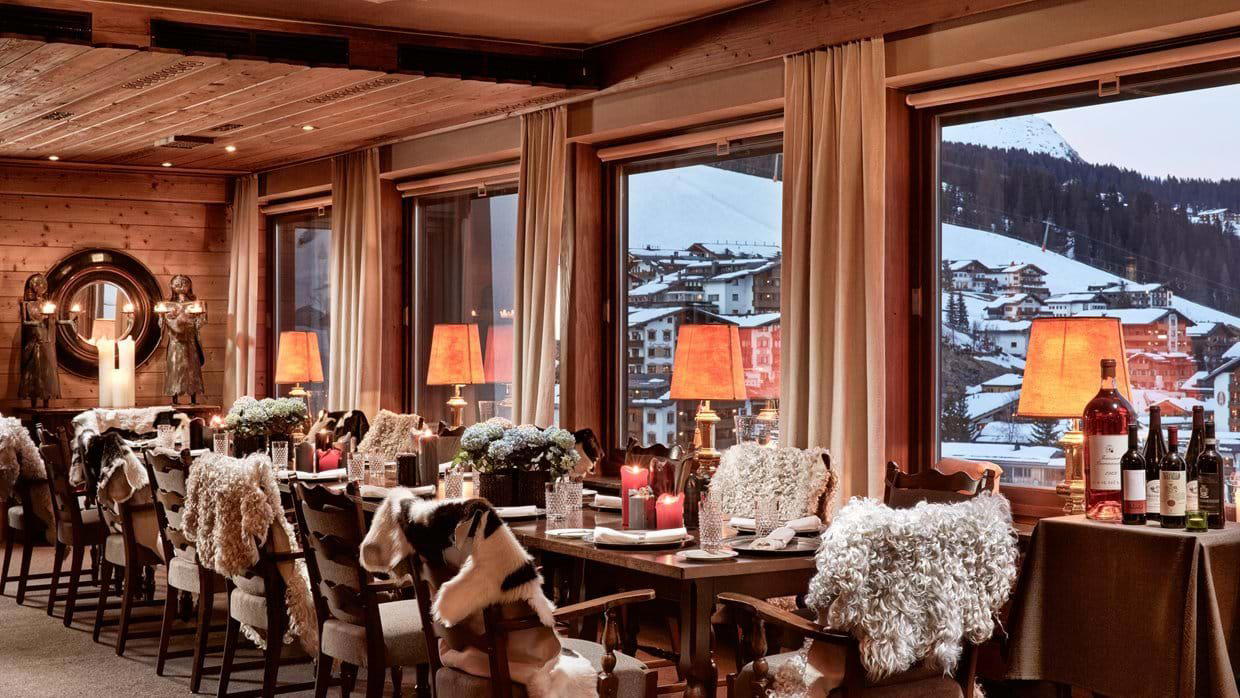
Stilsicheres, elegant atmosphere with good lighting, classical music, and artistic decor including woodcuts and frescoes, cozy yet sophisticated.