Hotel Almhof Schneider

2 Michelin Keys
Hotel Almhof Schneider holds Two MICHELIN Keys in the 2025 Michelin guide, placing it among a select tier of Austrian alpine properties where hospitality craft is judged as seriously as the kitchen. Located in Lech am Arlberg at Tannberg 59, the hotel represents the understated, family-shaped end of Lech's luxury accommodation spectrum, where longevity and anticipatory service carry more weight than grand gestures.

Pearl is the En Primeur Club membership app, where members save venues, book tables and use the concierge.
Where Lech's Service Tradition Runs Deepest
Lech am Arlberg has long operated at a different register from the broader Austrian ski resort market. The village attracts a European clientele that returns annually, often for decades, and the hospitality culture has shaped itself accordingly: less transactional, more relational. Within that context, certain properties have built reputations not through scale or spectacle but through the kind of service that anticipates rather than reacts. Hotel Almhof Schneider sits at that end of the spectrum, and the Michelin recognition it carries in 2025 reflects how seriously that hospitality tradition is now being evaluated against international peers.
Michelin awarded the property Two Keys in its 2025 hotel guide, a distinction that places it inside a small group of Austrian alpine properties where the guest experience, rather than room count or spa square footage, drives the classification. Across the Alps, Two Keys properties tend to share certain characteristics: owner-operated or family-directed management, staff tenure longer than industry average, and a consistency of experience that holds across seasons and across different guest profiles. The Almhof Schneider fits that pattern, and the award functions as external validation of what regular Lech guests have understood for some time.
The Physical Approach and What It Signals
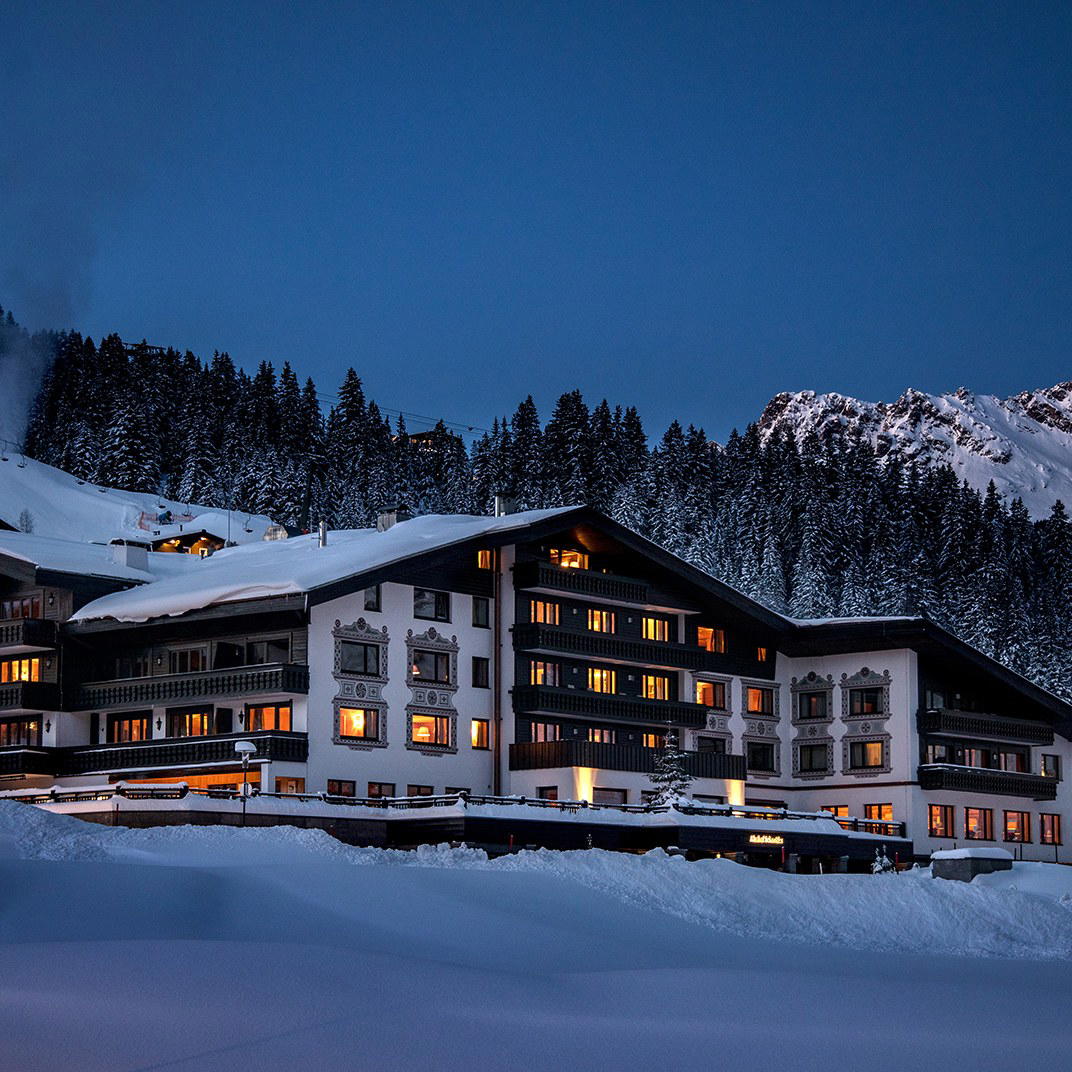
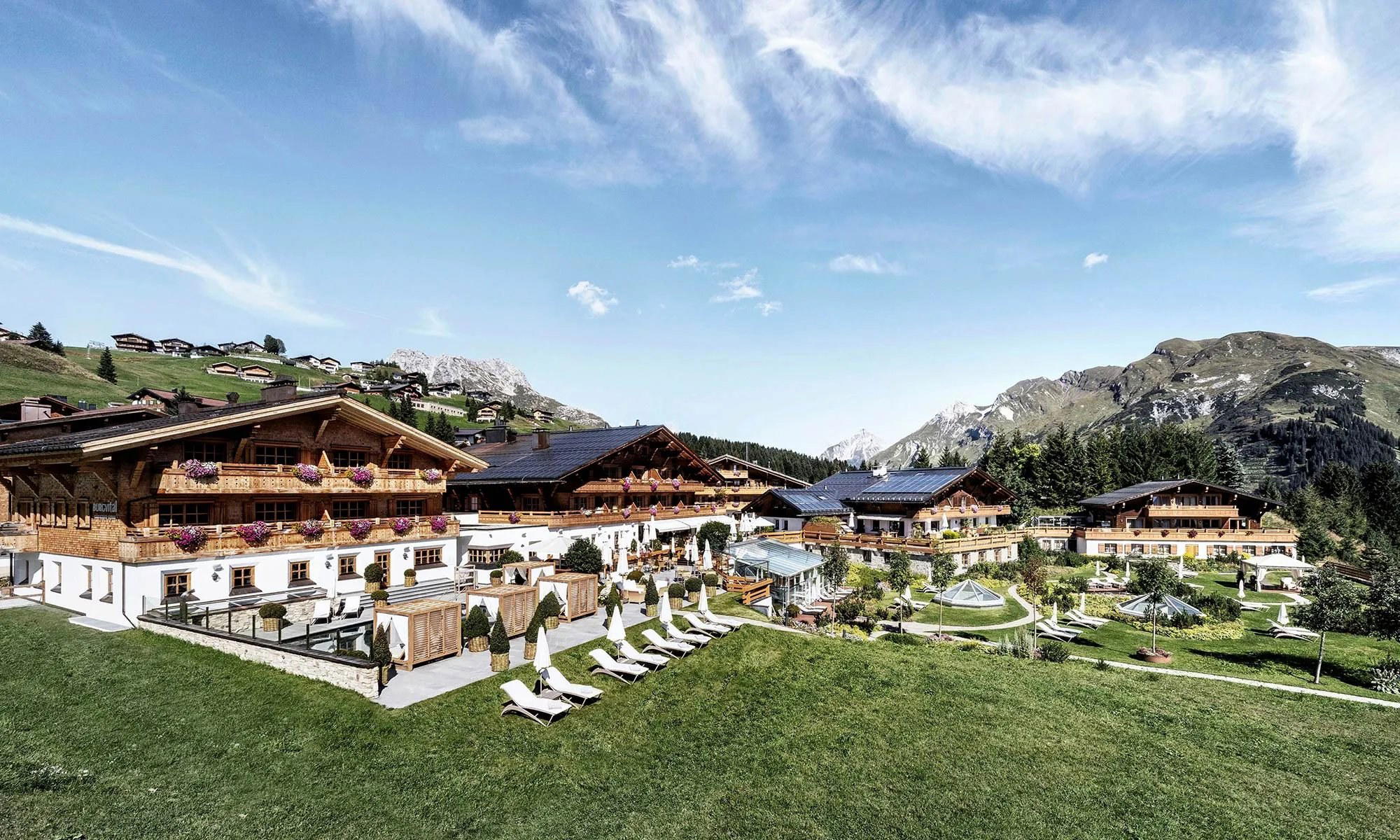
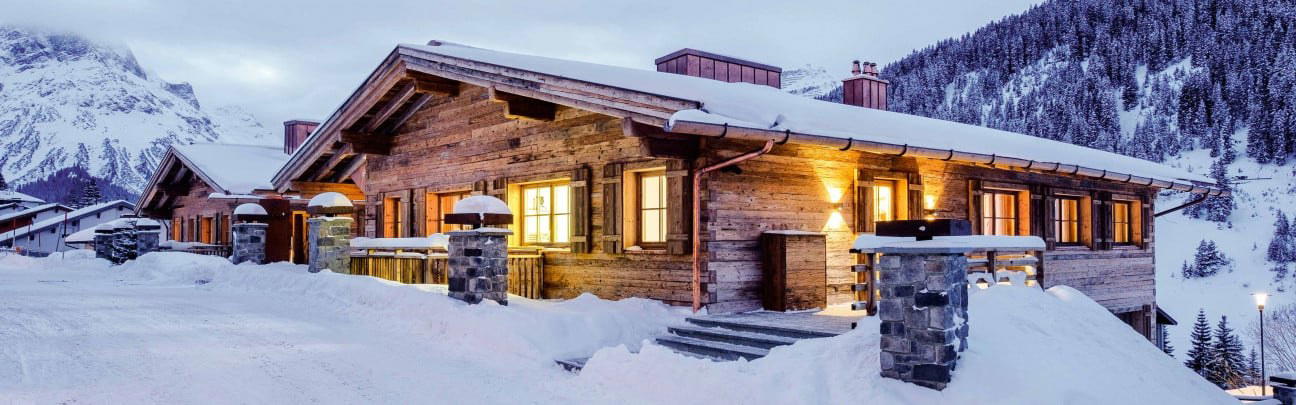
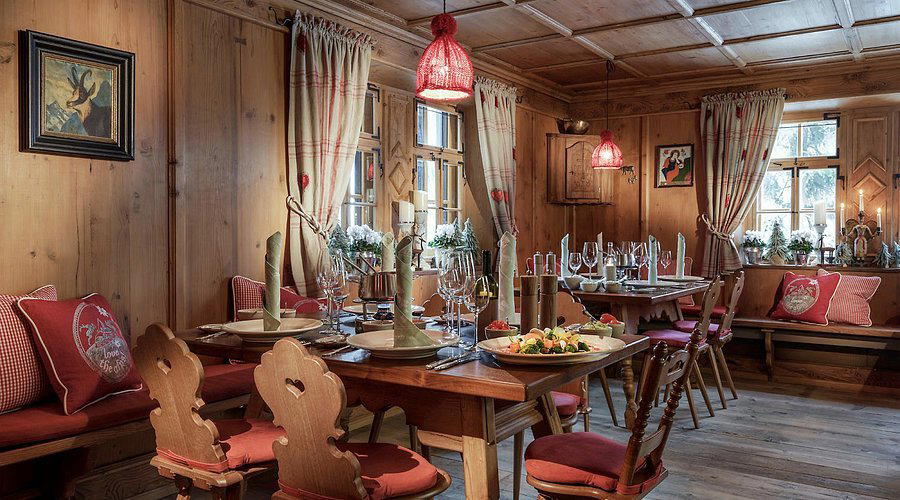
Tannberg 59 places the hotel in the upper reaches of Lech's traditional village footprint, where the architecture still reads as alpine rather than resort-contemporary. Arriving here, the visual register is timber, pitched roofline, and snow-weighted eaves rather than the glass-and-steel vocabulary that has crept into newer Arlberg developments. That choice of aesthetic, or more accurately, the choice to preserve it, is itself a service signal. It tells guests, before they've crossed the threshold, that the property is not in the business of reinventing itself for trend cycles.
Lech sits at roughly 1,450 metres in the Vorarlberg region of western Austria, accessed most directly via the Arlberg Pass or through Zürich and Innsbruck by rail and road transfer. The village's ski connection to Zürs, St. Anton, and the wider Ski Arlberg network makes it one of the largest linked ski areas in the Alps, with over 300 kilometres of marked runs. For non-skiers, the summer hiking season draws a quieter but devoted cohort. Hotels like the Almhof Schneider serve both, which is itself a logistical and staffing challenge, maintaining service consistency across the cultural shift between winter and summer guests requires genuine operational depth.
Service Architecture at the Two-Keys Level
The editorial angle that Michelin's Two Keys distinction invites is a question about what service actually means at this tier. In alpine luxury, it has historically meant two things in tension: warmth and formality. The properties that earn sustained recognition tend to resolve that tension by choosing warmth as the foundation and letting formality emerge from competence rather than protocol. The guest who has stayed in Lech for fifteen consecutive winters does not want to be greeted as a new arrival; they want their preferences acknowledged before they've stated them. That kind of memory, of room preferences, dietary patterns, preferred table positions, skiing schedules, is the actual product at properties like this one, and it cannot be manufactured by systems alone.
Within Lech's competitive set, the Almhof Schneider sits alongside properties including Kristiania Lech, Hotel Goldener Berg, Walch's Rote Wand Gourmet Hotel, and Burg Vital Resort. Each occupies a slightly different position: the Rote Wand property carries its identity through its restaurant program; the Goldener Berg leans into its mountain-view positioning; the Kristiania has long been associated with a particular type of private, low-profile luxury. The Almhof Schneider's Two Keys distinction places it in a peer conversation with properties elsewhere in Austria that have earned similar recognition, including Rosewood Schloss Fuschl in Hof bei Salzburg and Hotel Sacher Wien in Vienna, though the alpine operational context is distinct from both.
Seasonality and the Logic of Booking
Lech operates on a compressed calendar. The winter season runs from December through April, with peak weeks around Christmas, New Year, and February half-term filling the highest-demand properties months in advance. Summer bookings, while less pressured, still reward early planning for July and August when the hiking trails and mountain-biking networks draw consistent demand. For a property at the Two Keys tier, lead times of three to four months for peak winter weeks are standard across the competitive set; last-minute availability, when it appears, typically reflects cancellations rather than structural slack in demand.
Across Austria more broadly, the Michelin hotel guide has begun reshaping how the market is read by international travellers who previously relied on star ratings or brand affiliations as proxies for quality. Properties like the Naturhotel Waldklause in Längenfeld, LEADING Hotel Hochgurgl, and Alpen-Wellness Resort Hochfirst in Obergurgl each carry their own Michelin distinctions, and taken together they suggest that the Tyrolean and Vorarlberg alpine corridor is being evaluated as a serious hospitality region rather than simply a ski infrastructure play.
What the Two Keys Mean in Practice
Michelin's hotel key system, launched at scale in the 2024 and 2025 guides, distinguishes properties on the basis of the overall stay experience rather than facilities checklists. One Key denotes a property worth knowing; Two Keys signals that the experience consistently exceeds expectations across multiple touchpoints. Three Keys, the highest tier, is reserved for properties where every element of the stay is considered exceptional. The Almhof Schneider's Two Keys placement puts it in a tier that Michelin describes as covering properties with a strong personality and high-quality accommodation, a formulation that, in practice, tends to favour owner-managed properties with clear identity over anonymous luxury chains.
For travellers comparing Lech against other Alpine options, that distinction matters. The major Swiss resort hotels, Badrutt's Palace Hotel in St. Moritz and comparable properties, operate at a different scale and brand register. Lech's appeal has always rested on relative restraint and genuine privacy, and the Almhof Schneider's position within that village culture is consistent with those values.
For guests approaching the Austrian alpine market from outside the region, a useful frame is to look at how Lech's Two Keys properties compare against their counterparts in Kitzbühel, including the Grand Tirolia Kitzbühel, or against city properties like Schloss Mönchstein in Salzburg. The Michelin framework creates a cross-context comparison point that cuts through the noise of star classifications and brand marketing, and the Almhof Schneider's Two Keys standing means it holds its position in that broader Austrian conversation.
For the full picture of dining and hotel options across the village, see our full Lech am Arlberg guide.
Planning Your Stay
Hotel Almhof Schneider is located at Tannberg 59, Lech am Arlberg, Austria. The village is accessible by road via the Arlberg Pass (closed in severe winter conditions, with the tunnel as an alternative), and by rail to Langen am Arlberg followed by a short transfer. Given the property's Michelin Two Keys recognition and Lech's compressed high-season calendar, enquiries for peak winter weeks should be made well in advance of the season. The hotel's standing within the village's established hospitality community also means that direct contact, rather than third-party platforms, tends to yield the most responsive booking experience for returning guests.
Cuisine-First Comparison
Comparable venues nearby, for context on price, style, and recognition.
| Venue | Cuisine | Price | Awards | Notes |
|---|---|---|---|---|
| Hotel Almhof SchneiderThis venue (the venue you are viewing) | Family-owned alpine heritage hotel with contemporary reinterpretation of vernacular style. | $1,000–1,500 | 2 Michelin Keys | Not listed |
| Kristiania Lech | Alpine chalet with private residence feel | Not listed | Michelin Selected · Virtuoso Luxury Hotel Partner | Lech am Arlberg |
| Hotel Goldener Berg | Family-run 4-star superior alpine luxury hotel combining historical heritage with contemporary design innovation. | $500–750 | Michelin Selected | Oberlech |
| Walch's Rote Wand Gourmet Hotel | Contemporary Alpine luxury blending centuries-old Walser tradition with modern minimalist design; six interconnected historic buildings unified by underground passages. | Not listed | 1 Michelin Key | Zug am Arlberg |
| Burg Vital Resort | Family-run luxury chalets blending privacy and expansive mountain living | $750–1,000 | 1 Michelin Key · La Liste Top Hotels | Oberlech |
| Hotel Salzburgerhof | Family-run luxury heritage hotel blending traditional Austrian hospitality with contemporary wellness and culinary excellence. | $300–500 | Michelin Selected | Zell am See center |
Recognition history
Dated appearances from independent guides and award organizations, with the underlying list record or original source where available.
Michelin 2 Keys
Michelin
Full recognition history (2 entries)
Michelin 2 Keys
Michelin
Continue exploring
More in Lech am Arlberg
Hotels in Lech am Arlberg
All hotels in Lech am Arlberg →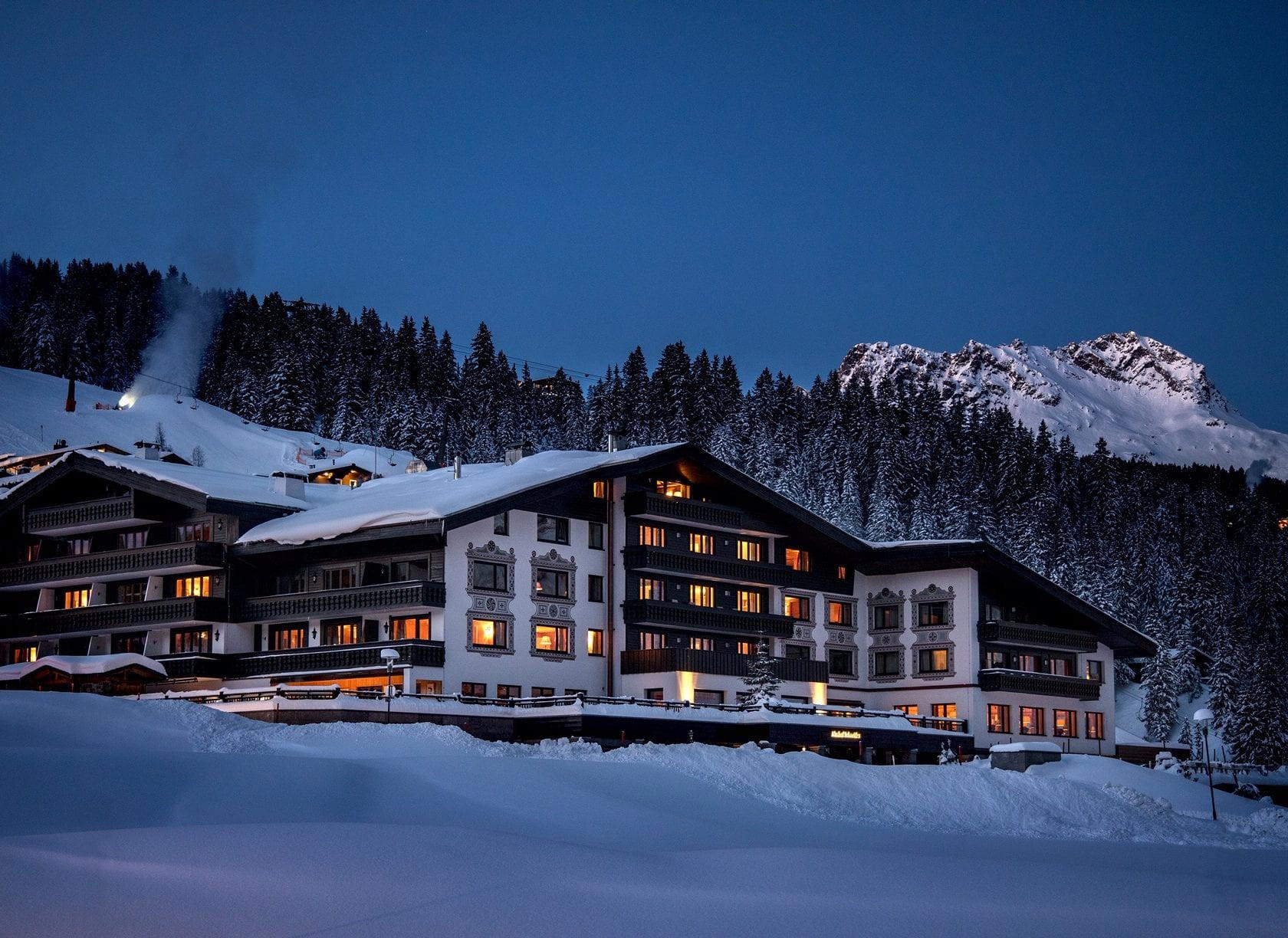
Bars in Lech am Arlberg
Browse all →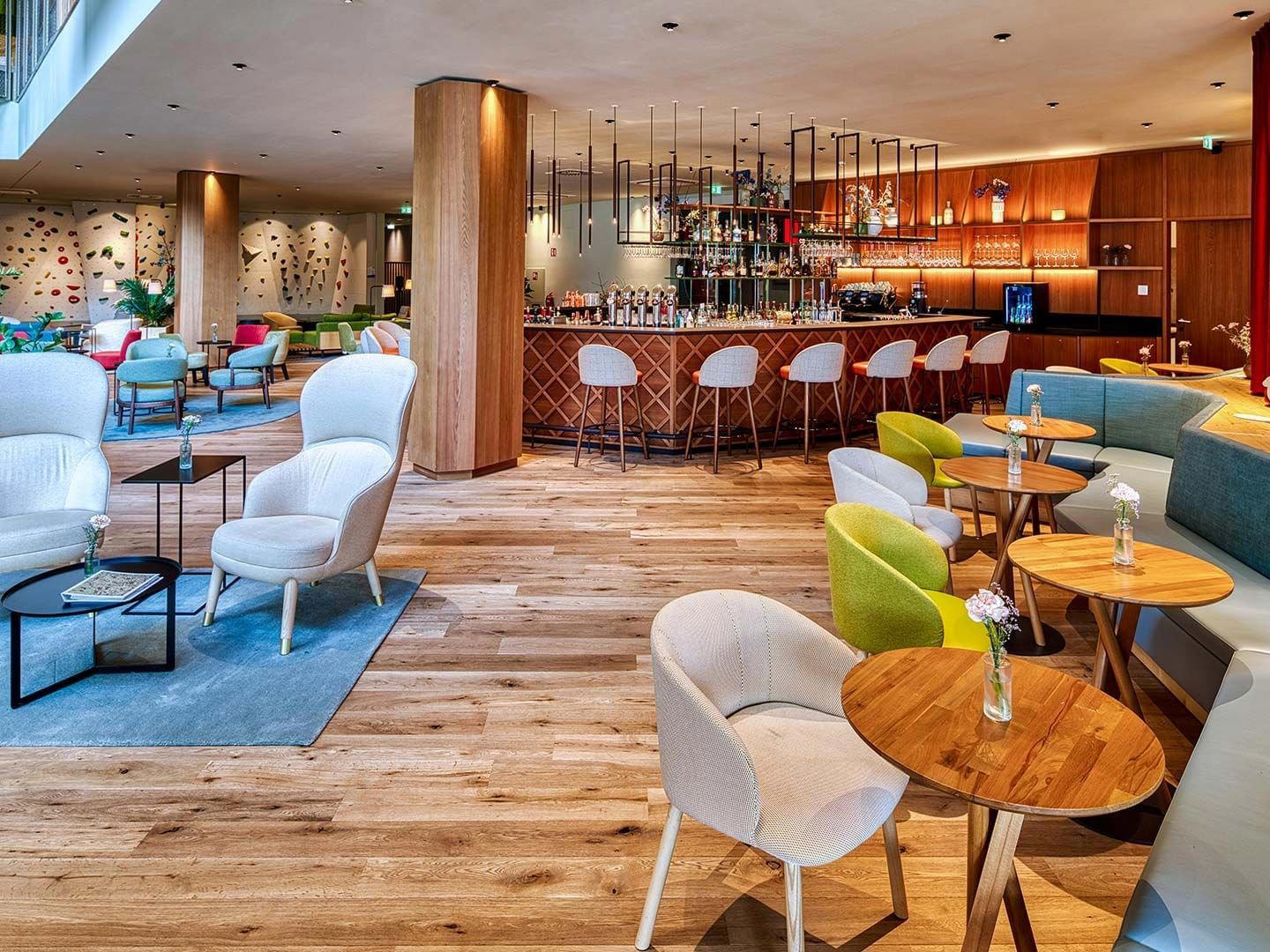

Details
- Cozy
- Elegant
- Rustic
- Scenic
- Sophisticated
- Family Vacation
- Romantic Getaway
- Weekend Escape
- Ski In Ski Out
- Panoramic View
- Terrace
- Spa
- Pool
- Sauna
- Fitness Center
- Room Service
- Concierge
- Wi Fi
- Kids Club
- Mountain
- Street Scene
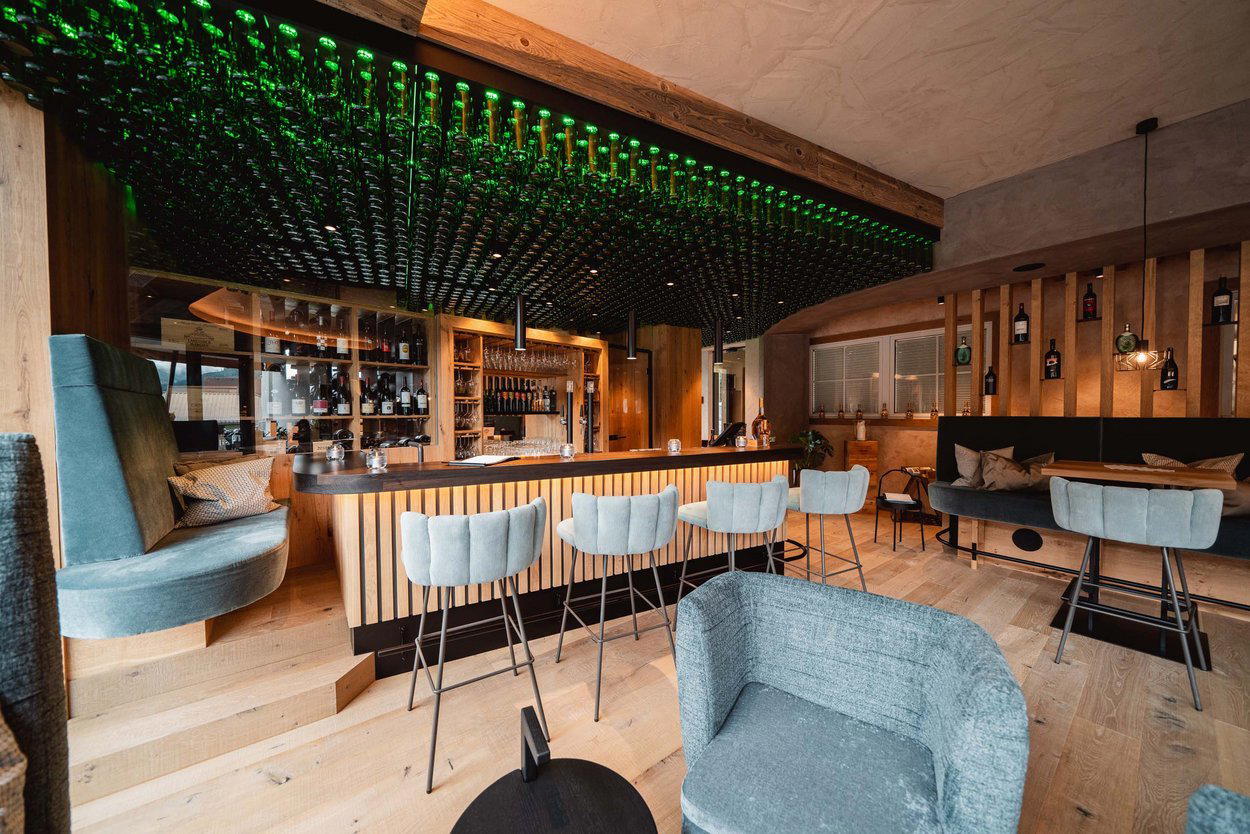
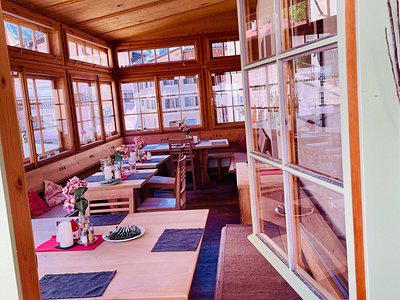
Warm and inviting with light-flooded, spacious interiors featuring crafted natural materials, timber, stone, and alpine architecture, creating a cozy yet elegant mountain retreat.