

A converted historic palazzo on Via Liguria, W Rome brings the brand's high-energy design format into one of Europe's most architecturally dense cities. The property's 157 rooms sit behind a classical facade that gives little away, while Giano Restaurant, the rooftop WET Deck, and Giardino Clandestino operate as distinct scenes within the building. For travellers who want Rome's history alongside a contemporary program, the address occupies an interesting position in the city's luxury hotel tier.
Pearl is the En Primeur Club membership app — saves, bookings, and concierge access live there. Same editors, same standards.
- Address
- 26/36 Via Liguria
- Phone
- +39 06 894121
- Directions
- Get directions
 Saves & bookings on Pearl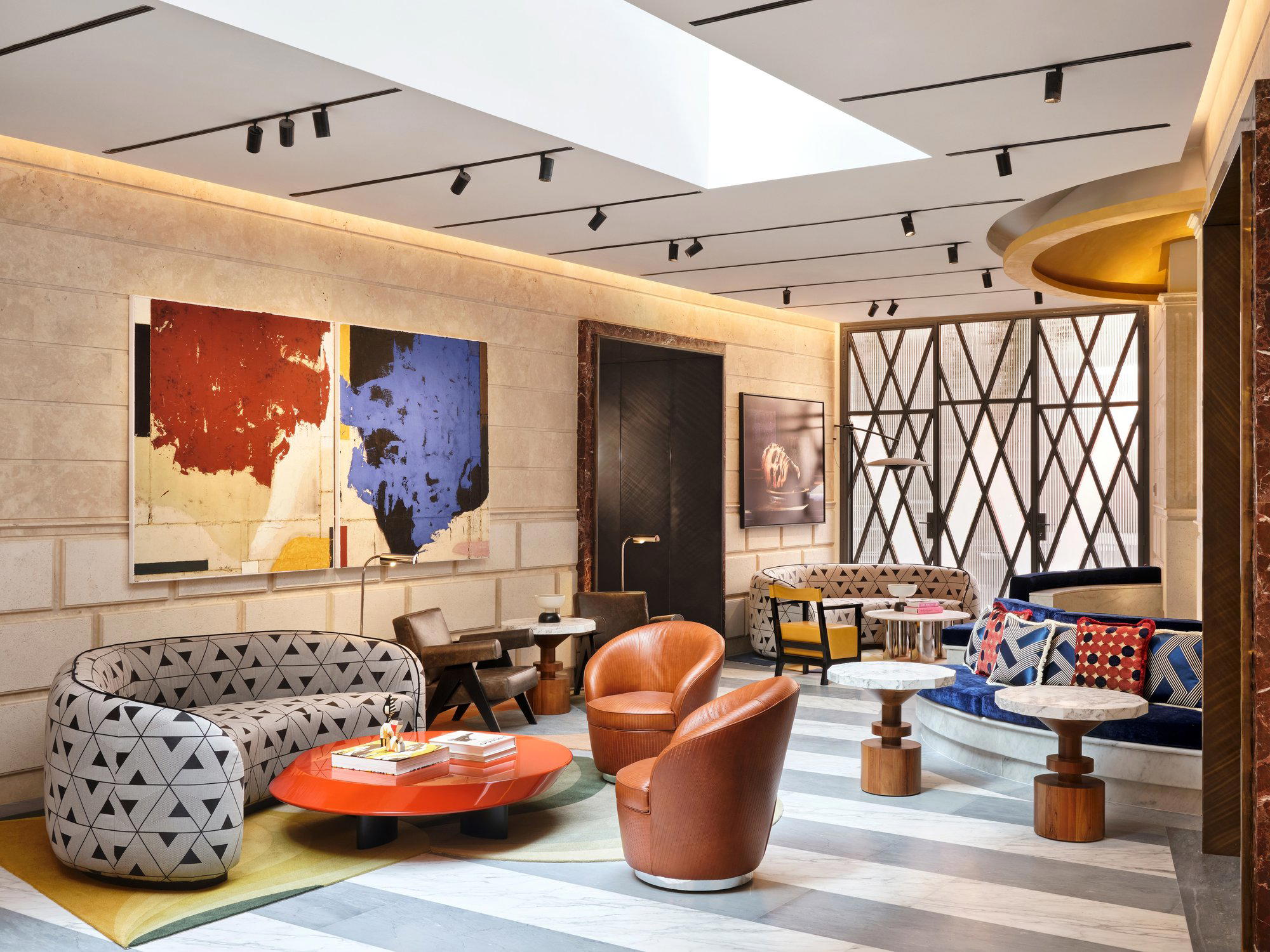
A Classical Shell, Rewritten From the Inside Out
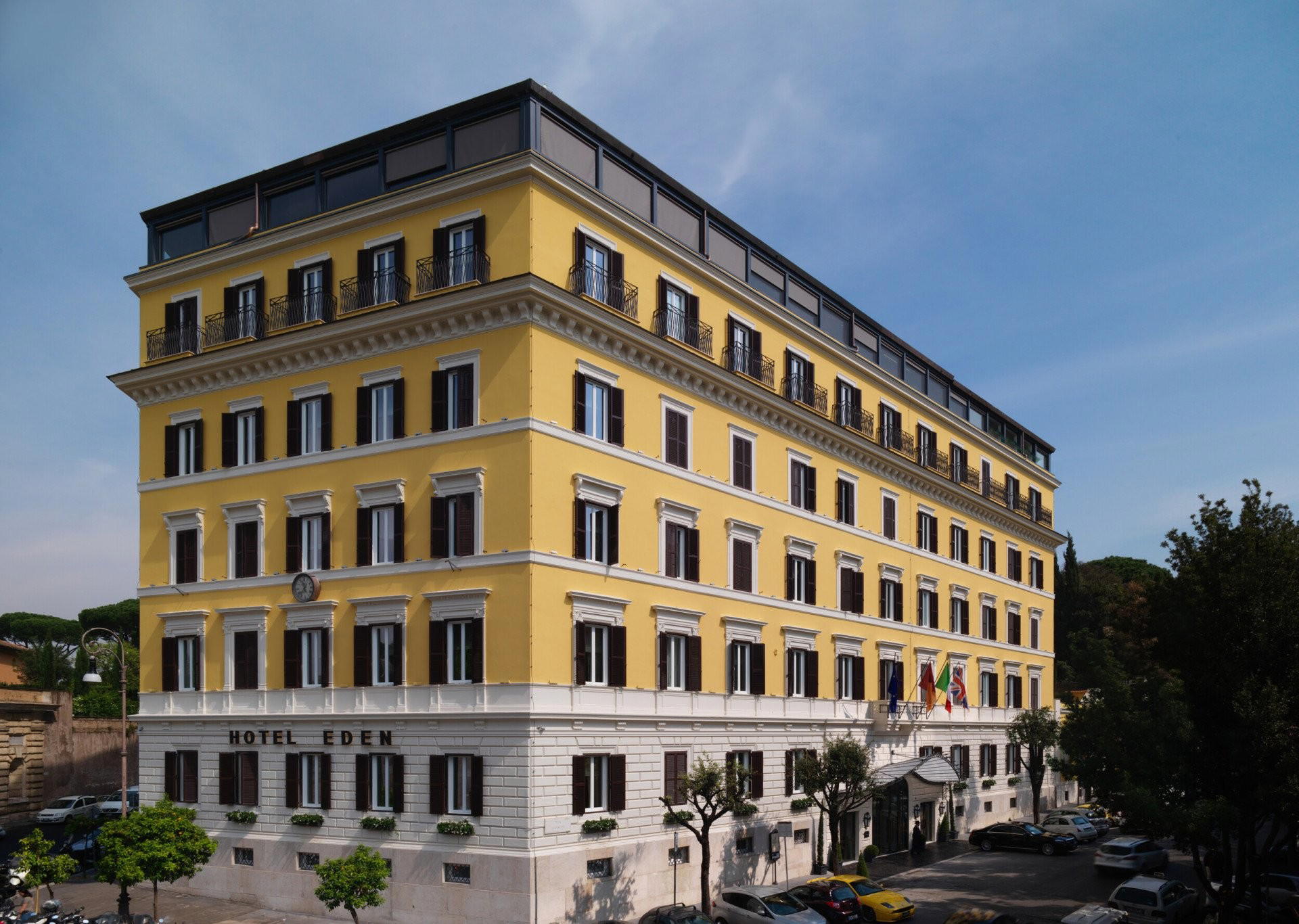
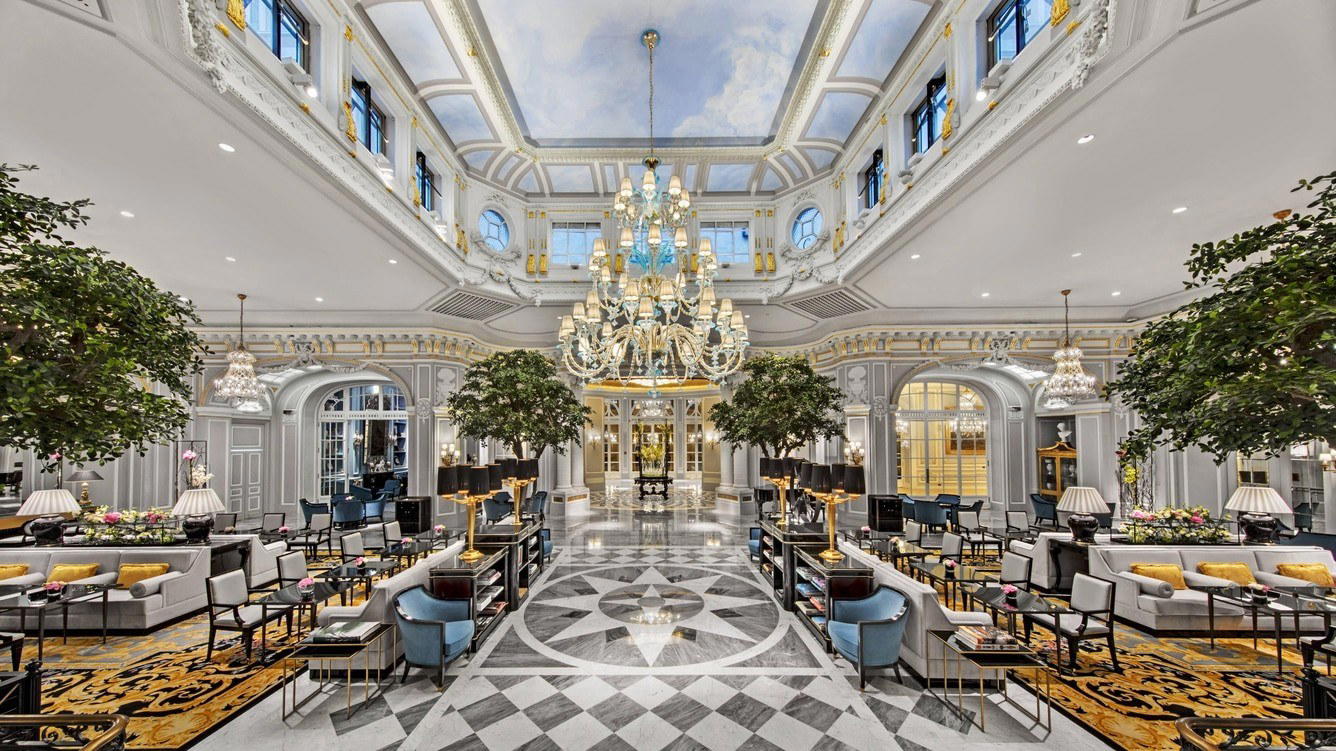
Rome's luxury hotel sector has long been divided between two camps: the grand traditional houses that trade on heritage and ceremony, and the newer wave of design-led properties that treat the city's historic fabric as backdrop rather than blueprint. W Rome is a 5-star hotel at 26/36 Via Liguria in Rome's Ludovisi district. The building's exterior retains its classical proportions, stone detailing, and period articulation. Cross the threshold and the register shifts entirely, which is precisely the architectural argument the property is making.
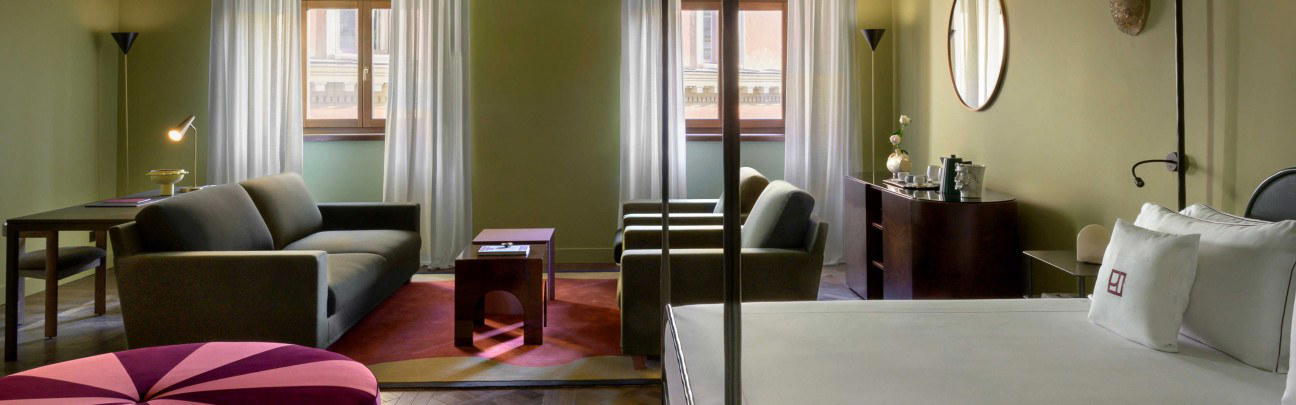
This tension between container and contents is not distinctive to Rome, but the city makes it more charged than most. When a hotel sits within walking distance of the Trevi Fountain and the Spanish Steps, the decision to apply a bold, contemporary interior language rather than a sympathetic restoration reads as a deliberate editorial stance. W Rome's 162 rooms and suites are the result of that stance, and understanding the property means understanding that choice first.
The Design Logic of Via Liguria
The Ludovisi district, where W Rome is located, has its own architectural character distinct from the centro storico. Developed in the late 19th century as Rome expanded beyond its medieval core, the neighbourhood's grid of wide streets and palazzo-scale buildings has historically attracted embassies, luxury retailers, and international hotels. The Via Veneto runs through it, carrying associations with the postwar dolce vita period that shaped Rome's image abroad for decades. W Rome does not lean into that nostalgia; it places itself in deliberate contrast to it.
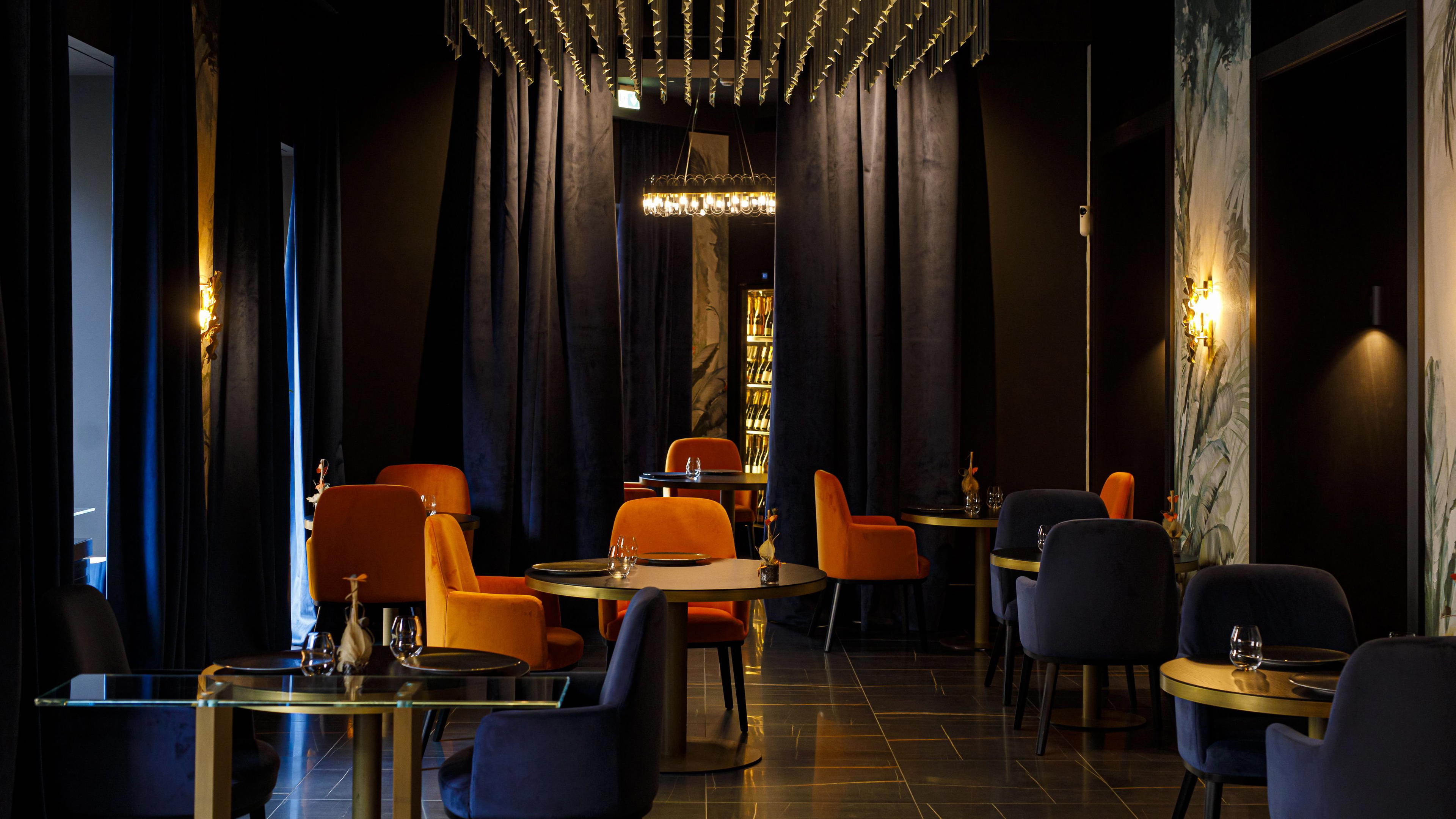
Inside, the W brand's signature design vocabulary applies: strong graphic language, high-contrast materials, and spaces configured to encourage movement and social interaction rather than quiet retreat. For properties in this tier of the W portfolio, the approach is consistent, the design is meant to be read as a destination in itself, not simply a container for sleep and breakfast. Whether that approach resonates depends on what a traveller is seeking from Rome accommodation. Those who want the city's patina and quietude intact will look elsewhere. Those who want an active, designed environment as their Roman base will find it here.
Among Rome's luxury field, properties like Bulgari Hotel Roma, Hotel Vilòn, and JK Place Roma take a different line, favouring intimate scale and restrained contemporary refinement over brand-driven energy. Hassler Roma and Hotel Eden anchor the traditional grand-hotel end of the spectrum. W Rome occupies a separate tier altogether, one that prioritises activation and experience programming over the quieter codes of the classic Roman luxury house.
Giano Restaurant and the Sicilian Argument
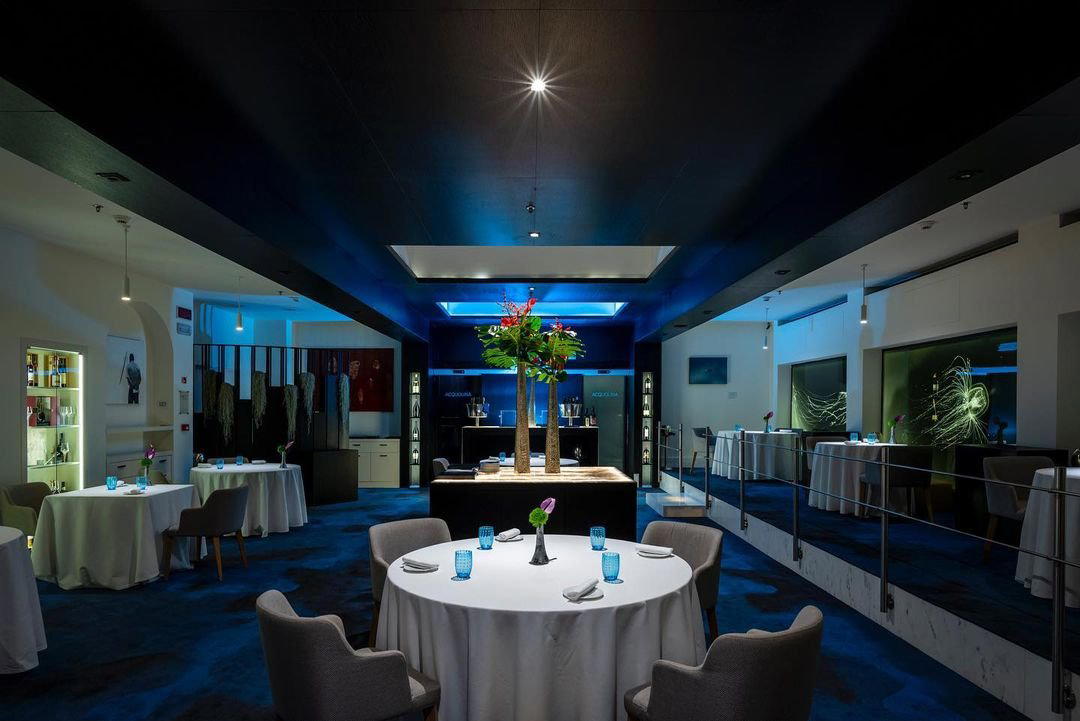
The decision to anchor W Rome's food program around Sicilian cooking rather than Roman cuisine is worth examining as a culinary strategy. Rome has a well-defined indigenous food culture: offal traditions, carbonara and cacio e pepe, supplì, seasonal Roman Jewish cooking. A hotel choosing to lead with a regional cuisine from 1,200 kilometres south is making a deliberate differentiation play. Chef Ciccio Sultano, who brings Sicilian credentials to the Giano kitchen, positions the restaurant as something that does not compete directly with the trattorie and osterie of Trastevere or Testaccio, but instead offers a different Italian culinary argument within the same city.
This positioning is increasingly common in European luxury hotels: rather than attempting to replicate or improve on the surrounding city's dominant food culture, the restaurant builds its identity around a distinct regional tradition imported by a named chef. The approach sidesteps direct comparison with the local scene while still offering something authentically Italian. Whether Giano executes that strategy at the level warranted by its hotel tier is a question that individual visits will resolve differently, but the strategic logic is sound.
For broader context on where Giano and W Rome's other food and drink spaces sit within Rome's restaurant picture, the EP Club Rome guide maps the city's dining and hotel scene in full.
Beyond the Restaurant: The W Program in Practice
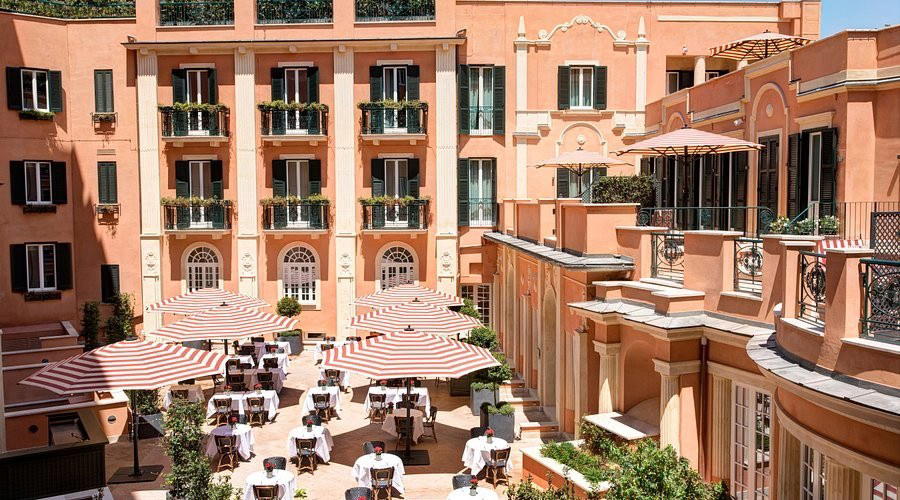
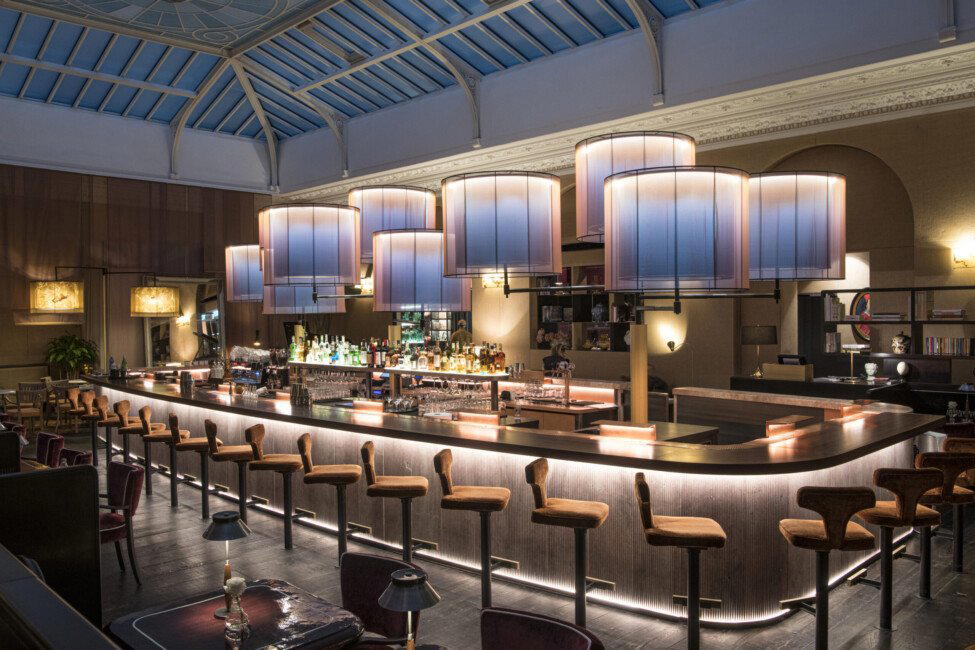
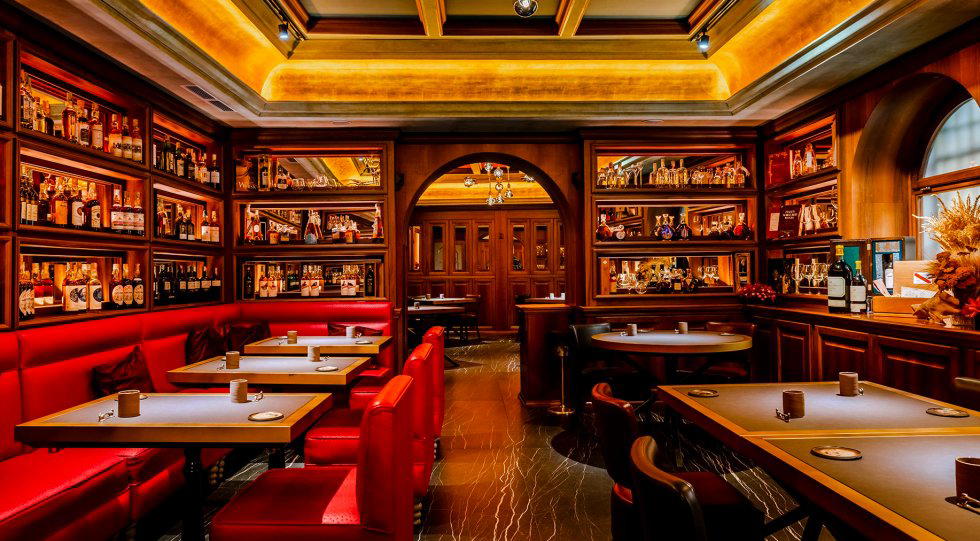
W Hotels as a brand has built its commercial identity around properties that function as multi-venue social environments. W Rome follows that model with several distinct spaces operating inside the palazzo footprint. Zucchero, a patisserie collaboration with pastry chef Fabrizio Fiorani, addresses a different part of the day and a different type of visitor. The W Lounge runs a cocktail and music program, configuring itself as an evening destination with a soundtrack. Giardino Clandestino adds a live entertainment dimension.
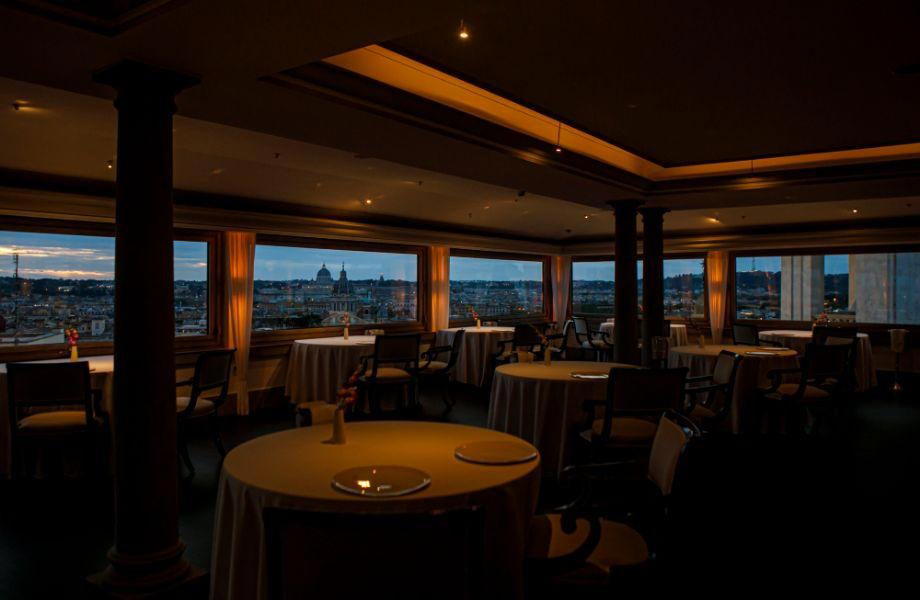
The rooftop, housing both a restaurant and the WET Deck pool, is the property's most spatially compelling offering. Rooftop access with Roman skyline views is a genuinely scarce resource in the centre of the city, and W Rome's position in the Ludovisi district gives it a vantage point with few obstructions. This is where the property's argument for its design-led, experience-first approach is made most concretely: a rooftop pool with views over Rome's layered skyline is a proposition that works on its own terms, regardless of whether the wider brand vocabulary appeals.
Travellers building a wider Italian itinerary around W Rome will find the country's design-led luxury hotel scene richly varied. Aman Venice represents the canal-palazzo end of the spectrum in the north. Four Seasons Hotel Firenze occupies a Renaissance convent in Florence. On the Amalfi Coast, Borgo Santandrea and Il San Pietro di Positano in Positano work with the cliff terrain in ways that make their architecture inseparable from their identity. In Umbria, Castello di Reschio in Lisciano Niccone takes restoration as its primary design language. In Montalcino, Rosewood Castiglion Del Bosco integrates wine estate and hotel entirely. For something on a smaller scale close to Rome, Corte della Maestà in Civita di Bagnoregio offers a quieter alternative. Further south, Borgo Egnazia in Puglia and JK Place Capri represent the island and southern coastal ends of Italy's premium accommodation tier.
Planning Your Stay
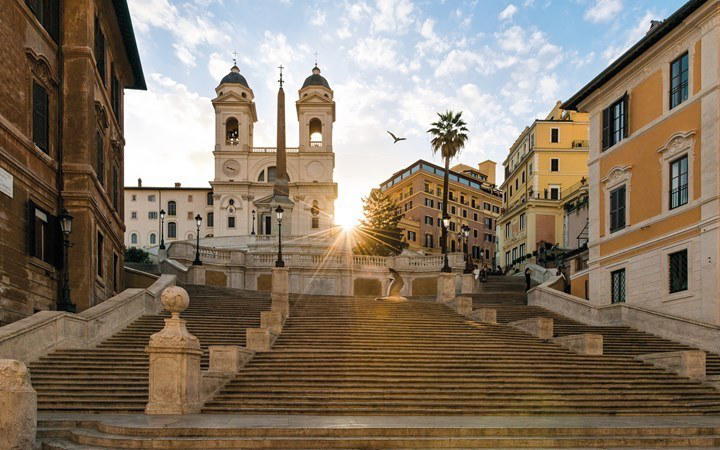
W Rome sits at 26/36 Via Liguria, a short walk from Via Veneto and roughly ten minutes on foot from the Spanish Steps. The Ludovisi district is well connected by taxi and offers direct access to some of Rome's densest concentrations of high-end retail and dining. Properties in this neighbourhood tend to attract a mix of international leisure and corporate travellers, and the area's wide streets and palazzo scale give it a different pace from the tighter medieval quarters further south. Those who prefer the atmosphere of Trastevere or the centro storico at night may find themselves walking or taking taxis frequently, which is worth factoring into a Rome itinerary. For Rome hotel comparisons that include quieter, more architecturally intimate options, Hotel Locarno, Maalot Roma, and Portrait Roma each take a different approach to the city's luxury hotel question.
Reputation Context
Comparable venues nearby, for context on price, style, and recognition.
| Venue | Cuisine | Price | Awards | Notes |
|---|---|---|---|---|
| W RomeThis venue — the venue you are viewing | Modern luxury in historic palazzo | $$$$ | 5-Star | Not listed |
| Corso 281 | Luxury boutique residence converted from a historic 18th-century palazzo, emphasizing personalized hospitality and intimate scale over corporate hotel structure. | $$$$ | 5-Star | Trevi |
| Palazzo Dama | Historic palazzo with modern luxury renovations | $$$$ | 5-Star | Campo Marzio |
| Rocco Forte House, Piazza di Spagna Roma | Contemporary Roman palazzo apartments blending tradition with luxury. | $$$$ | 5-Star | Campo Marzio |
| Hotel Aldrovandi | Historic urban resort blending aristocratic past with modern luxury | $$$$ | 5-Star | Pinciano |
| The First Roma Dolce | 19th-century private home with bespoke 5-star service | $$$$ | 5-Star | Campo Marzio |
Recognition history
Dated appearances from independent guides and award organizations, with the underlying list record or original source where available.
Virtuoso Luxury Hotel Partner
Virtuoso
Michelin Selected
Michelin

At a Glance
- Modern
- Trendy
- Elegant
- Sophisticated
- Energetic
- Romantic Getaway
- Business Trip
- Weekend Escape
- Rooftop Pool
- Terrace
- Historic Building
- Panoramic View
- Wi Fi
- Pool
- Fitness Center
- Room Service
- Concierge
- Restaurant
- Garden
- Wi Fi
- Pool
- Fitness Center
- Room Service
- Concierge
- Restaurant
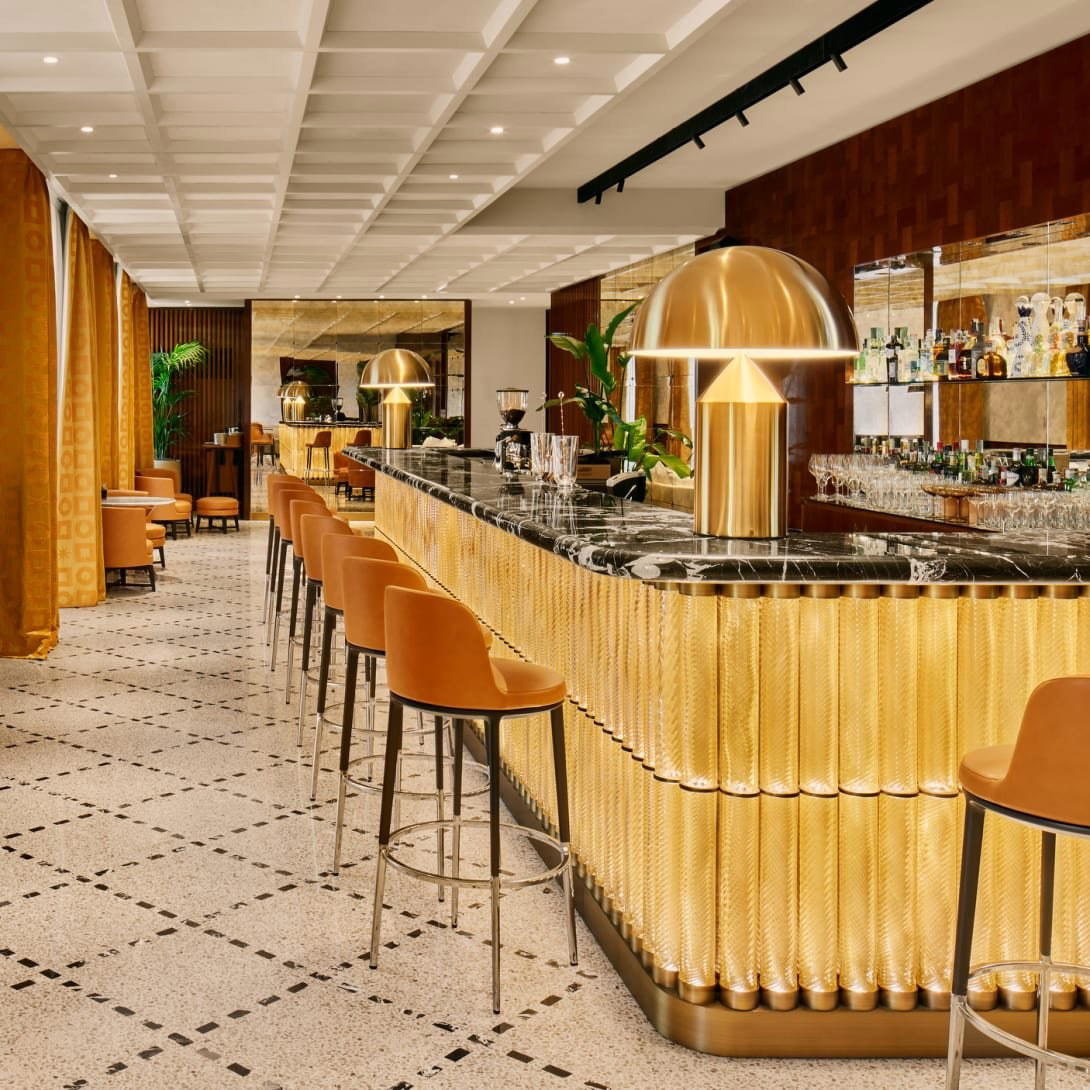
Sleek modern lighting with chic, energetic atmosphere blending urban vibe and relaxation in stylish lounges and rooftop spaces.