
Volve Hotel Bangkok holds MICHELIN Selected status for 2025, placing it within a comparable set of Bangkok properties recognised for quality above their price tier. Located on Sukhumvit 53 in the Wattana district, the hotel positions itself as a considered, smaller-scale alternative to the city's larger luxury towers, with a Thonglor-adjacent address that suits both leisure and business travellers.
Pearl is the En Primeur Club membership app — saves, bookings, and concierge access live there. Same editors, same standards.
- Address
- 26/1 Sukhumvit 53, Khlong Tan Nuea, Wattana, Bangkok, Thailand
- Phone
- +66 2 000 1000
- Website
- volvehotel.com
 Saves & bookings on Pearl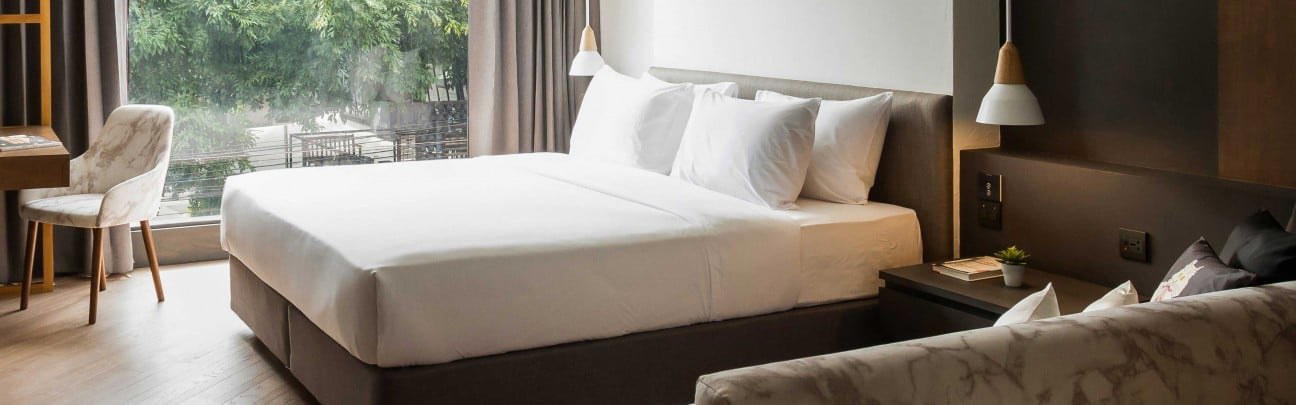
A Quieter Register on Sukhumvit 53
Bangkok's premium hotel market has long cleaved in two directions: the grand riverside monuments, where properties like the Mandarin Oriental Bangkok and Capella Bangkok anchor themselves to Chao Phraya ceremony, and the mid-city vertical hotels that trade river views for neighbourhood proximity. Volve Hotel Bangkok belongs to neither category in the conventional sense. Sitting at 26/1 Sukhumvit 53 in the Wattana district, it occupies a position closer to the Thonglor and Ekkamai pocket that has, over the past decade, become Bangkok's most self-consciously considered residential and dining quarter. The immediate environment is walkable by Bangkok standards, with the BTS Thonglor station within reach and the neighbourhood's density of independent restaurants, coffee shops, and wellness venues forming a practical urban backdrop.
Volve Hotel Bangkok holds MICHELIN Selected status for 2025, reflecting the guide's emphasis on physical quality, service consistency, and a clear sense of place. Volve Hotel Bangkok's inclusion in the Michelin Selected Hotels 2025 list places it in a competitive set defined less by room count and more by the kind of attentiveness that bigger operations struggle to sustain. Within Bangkok, the Michelin hotel selection spans categories from the trophy-class, properties like Rosewood Bangkok and Park Hyatt Bangkok, to more intimate, neighbourhood-rooted options. Volve sits toward that latter end of the spectrum.
The Smaller-Scale Bet in a City of Towers
Bangkok luxury has historically defaulted to scale. The The Peninsula Bangkok and Four Seasons Bangkok at Chao Phraya River represent the high-volume, high-amenity model where the sheer range of facilities, multiple restaurants, spas, pools, ballrooms, is itself the proposition. For a certain kind of traveller, that model works precisely because it minimises the need to engage with the city at all. Volve operates from a different premise. A Sukhumvit 53 address implies a hotel that expects its guests to use the neighbourhood, not merely pass through it. The Thonglor corridor, which begins a few hundred metres to the north, has accumulated enough quality dining and drinking to constitute a genuine culinary scene, and Wattana broadly offers the kind of urban texture that rewards a traveller with curiosity and reasonable feet.
This positioning, smaller, neighbourhood-anchored, Michelin-acknowledged, reflects a broader pattern visible across Southeast Asian cities. Regional luxury has fractured between international-branded towers and design-considered smaller properties, and Bangkok has developed both categories in parallel. Volve Hotel Bangkok makes the case for the latter without requiring the volume of amenities that the The Okura Prestige Bangkok or The Siam deploy to justify their rates.
Responsibility as a Lens, Not a Marketing Layer
Among the shifts visible in Bangkok's premium accommodation sector over the past few years, sustainability has moved from optional branding exercise to actual selection criterion. Michelin's hotel selection process, which considers the overall guest experience and property quality, increasingly overlaps with a traveller profile that reads environmental positioning not as a bonus but as a baseline expectation. Properties in this tier are under more scrutiny than they were five years ago, and MICHELIN Selected status in 2025 implies a level of scrutiny that goes beyond thread counts.
Thailand's broader hospitality sector has produced some of the region's more credible sustainability models, Soneva Kiri in Trat operates among the more cited zero-waste programs in Southeast Asian resort hospitality, and Keemala in Phuket has framed its entire design around ecological sensitivity. Resort properties have structural advantages here: land, gardens, on-site food production, and community employment programs are easier to build into a 40-villa hillside property than a city hotel on a dense urban street. For an urban Bangkok property at Volve's scale, responsible practice tends to manifest differently, in procurement decisions, energy management, local supplier relationships, and the kind of waste reduction that doesn't generate press releases but does shape long-term operational quality.
What the Michelin selection signal provides, in the absence of detailed operational data about specific environmental programs, is a quality threshold indicator. Properties that reach this level of editorial recognition tend to have made deliberate choices across their operation, including how they source, how they staff, and how they present themselves to guests who have multiple options in the same district and price tier. That competitive pressure in Wattana and the Sukhumvit corridor is real: the neighbourhood hosts enough quality accommodation that a property earning Michelin attention has done something to distinguish its offer.
Thailand in Context: Where Volve Sits
For travellers assembling a Thailand itinerary, Bangkok is typically an entry or exit point rather than the sole destination. The city connects efficiently to the country's resort regions, Phulay Bay, A Ritz-Carlton Reserve in Krabi represents the high-end Andaman coast option, while Four Seasons Resort Chiang Mai in Chiang Mai anchors the northern cultural circuit. In the Gulf of Thailand, Samujana Villas in Koh Samui and Cape Fahn Hotel, Koh Samui in Surat Thani serve different ends of the villa market. Further south, Pimalai Resort & Spa in Koh Lanta and The Sarojin Thailand in Phang Nga attract travellers who prioritise quieter coastlines over resort infrastructure. At the northern edge of the country, Anantara Golden Triangle Elephant Camp & Resort in Chiang Rai has built its identity around conservation-adjacent programming that few properties in Thailand can credibly match.
Within Bangkok itself, the contrast between Volve's Sukhumvit address and the riverside properties is worth articulating clearly. The riverside cluster, Mandarin Oriental, Capella, Four Seasons, offers a Bangkok that is partially insulated from the city's density. The Sukhumvit corridor, by contrast, deposits guests into the working rhythm of the city's most internationally frequented district. For travellers who want Bangkok to feel like Bangkok, the Wattana location is the correct choice. For those seeking ceremonial remove, the river remains the alternative. Neither is wrong; they answer different questions about what a city stay is for.
Beyond Thailand, for EP Club members comparing this property class across markets, the same independent-scale Michelin-acknowledged format appears in places like The Fifth Avenue Hotel in New York City and Badrutt's Palace Hotel in St. Moritz, where recognition functions as a quality signal above the noise of a crowded market. The mechanism is the same: editorial endorsement from a source with rigorous criteria narrows the decision set for a traveller who doesn't want to audit every property themselves.
Planning a Stay
The hotel is located at 26/1 Sukhumvit 53, Khlong Tan Nuea, Wattana, Bangkok, Thailand. The BTS Skytrain system, with Thonglor station as one practical entry point, puts the property within the city's transit grid without requiring reliance on taxis or ride-hail for every movement. For travellers arriving from Suvarnabhumi Airport, the Airport Rail Link connects to the BTS network at Phaya Thai, placing the Wattana district within approximately 45 to 60 minutes of the terminal depending on onward connection. The Thonglor and Ekkamai dining corridor, among the densest concentrations of quality independent restaurants in Bangkok, is accessible on foot from Sukhumvit 53, making the address particularly practical for food-focused itineraries. Booking through the hotel's own channel is advisable for stays during high season (November through February), when demand across Bangkok's Michelin-acknowledged properties tightens across all tiers. For a complete overview of Bangkok's dining and hotel options, the EP Club Bangkok guide covers the city's full range across neighbourhoods and price points. Those with a broader Thailand itinerary in mind should also consider Sri Panwa Phuket Luxury Pool Villa Hotel in Tambon Wichit, InterContinental Hua Hin Resort in Hua Hin, VALA Hua Hin in Petchburi, and Veranda Pattaya - MGallery in Pattaya City for coastal extensions within driving or short-flight distance of the capital. For European reference points in the same editorial tier, Hôtel de Paris Monte-Carlo in Monte Carlo illustrates how Michelin hotel recognition operates as a consistent quality signal across entirely different markets and price categories.
A Pricing-First Comparison
Comparable venues nearby, for context on price, style, and recognition.
| Venue | Price | Awards | Notes |
|---|---|---|---|
| Volve Hotel BangkokThis venue — the venue you are viewing | $$$ | 4-Star | Not listed |
| sala rattanakosin Bangkok | $$$ | 4-Star | Rattanakosin Island, Contemporary boutique in converted riverfront warehouse |
| Public House Bangkok | $$$ | 4-Star | Khlong Toei Nuae, Seventies and Eighties-inspired boutique with vintage influences and modern touches |
| ASAI Bangkok Chinatown | $$ | 3-Star | Talat Noi, Affordable lifestyle hotel with thoughtfully lean concept emphasizing in-stay essentials and communal spaces over traditional luxury amenities. |
| Maison Hotel Bangkok | $$$ | 4-Star | Sukhumwit, Contemporary design hotel with Cabinet of Curiosity concept, blending traditional Thai aesthetics with modern minimalism across four room categories inspired by natural elements. |
| KROMO Bangkok, Curio Collection by Hilton | $$$$ | 5-Star | Khlong Toei Nuae, Modern boutique in lively urban setting |
Recognition history
Dated appearances from independent guides and award organizations, with the underlying list record or original source where available.
Mr & Mrs Smith Smith Seal of Approval
Mr & Mrs Smith
Michelin Selected
Michelin
Continue exploring
More in Bangkok
Hotels in Bangkok
Browse all →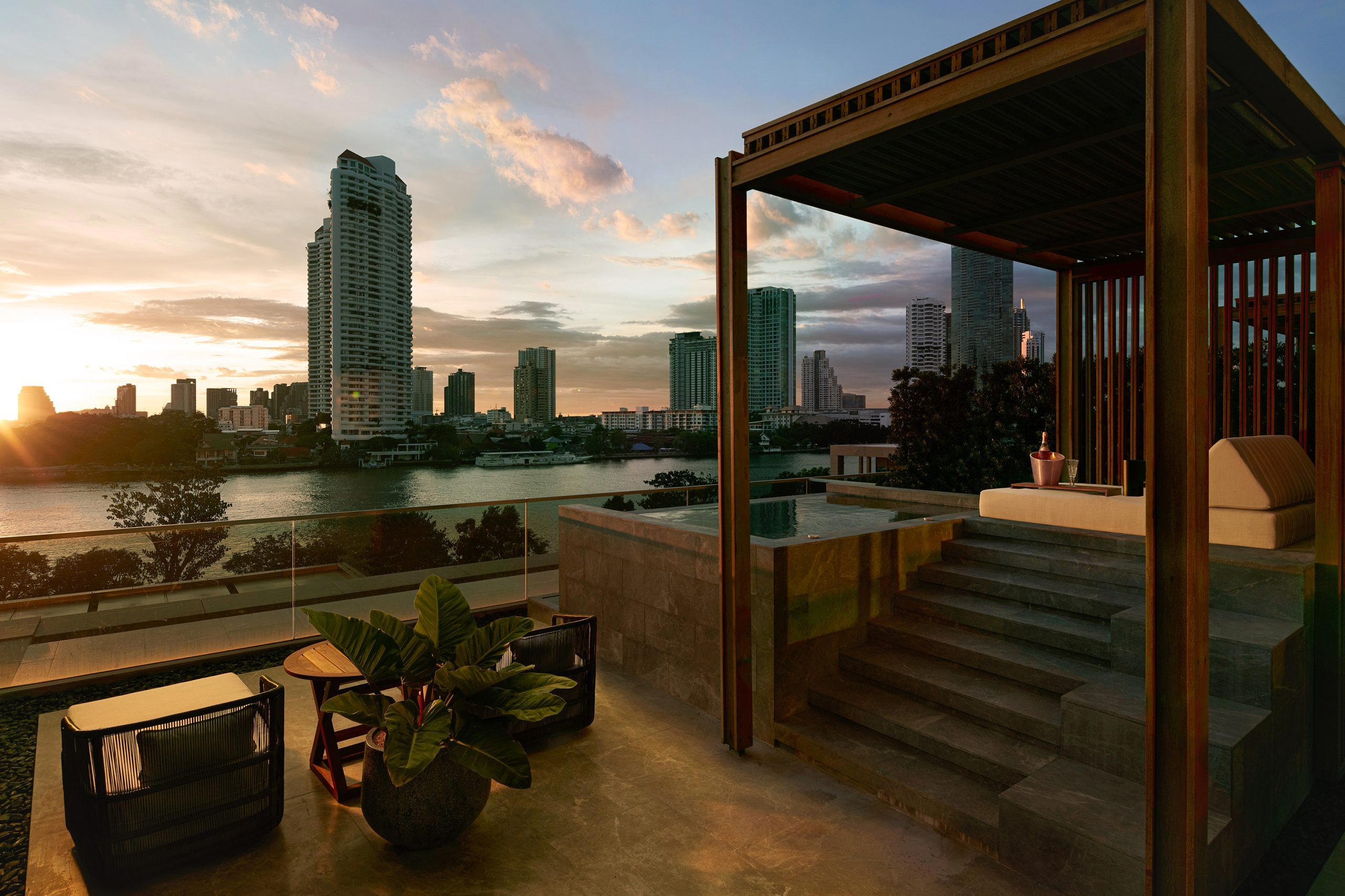
Bars in Bangkok
Browse all →
Restaurants in Bangkok
Browse all →
At a Glance
- Modern
- Trendy
- Elegant
- Sophisticated
- Cozy
- Weekend Escape
- Business Trip
- Garden
- Terrace
- Design Destination
- Wi Fi
- Room Service
- Concierge
- Restaurant
- Garden
- Wi Fi
- Room Service
- Concierge
- Restaurant
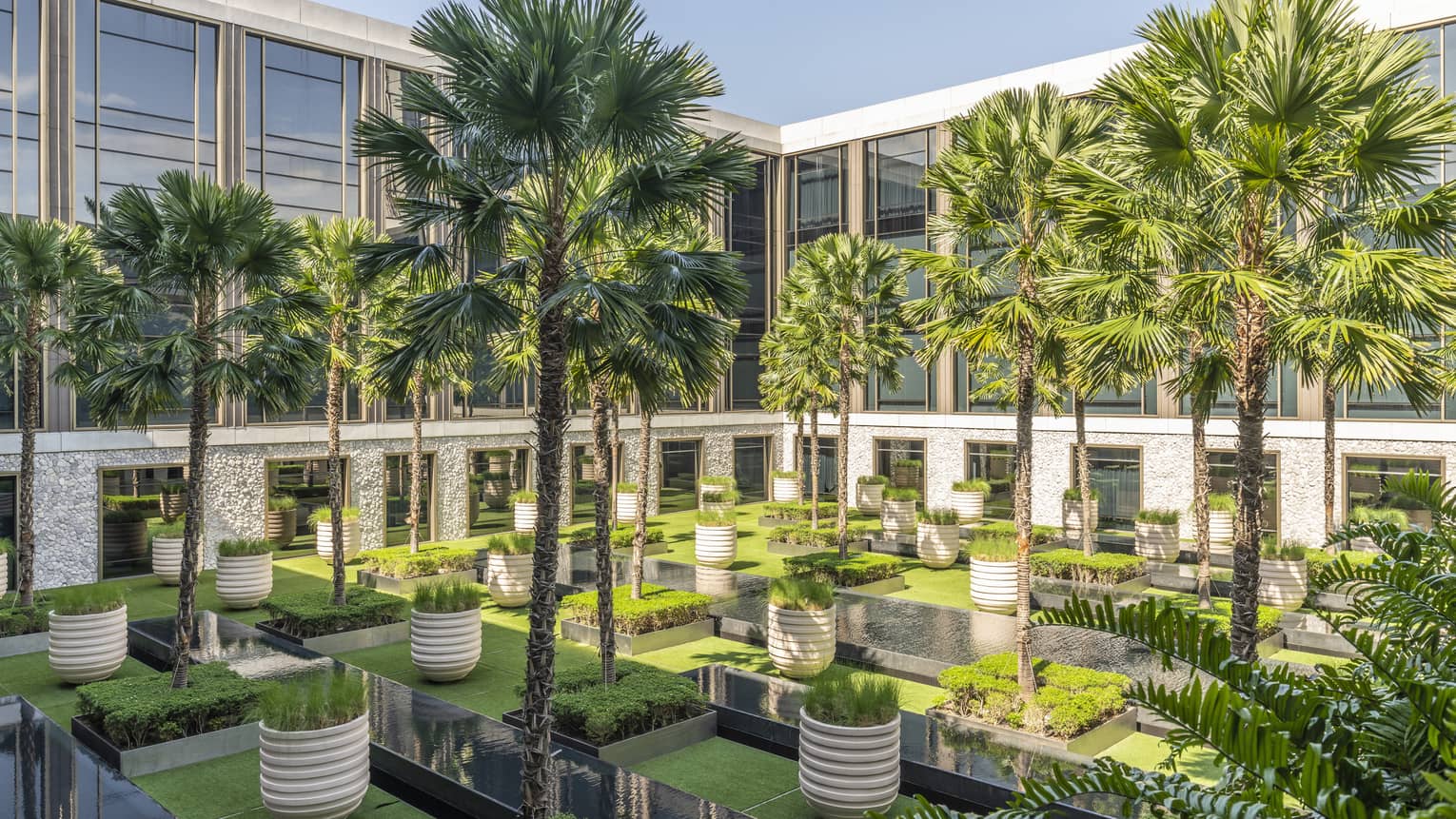
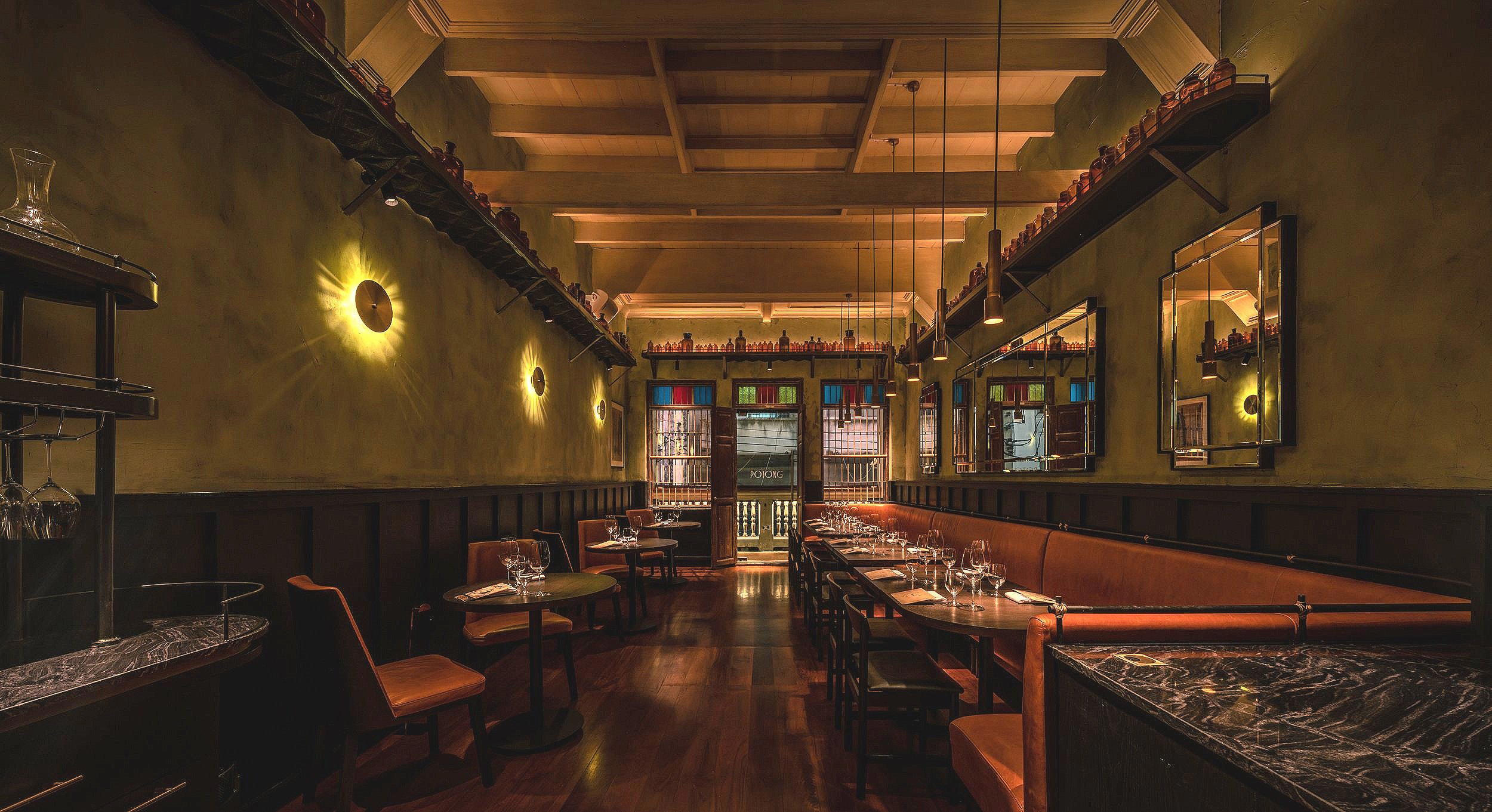
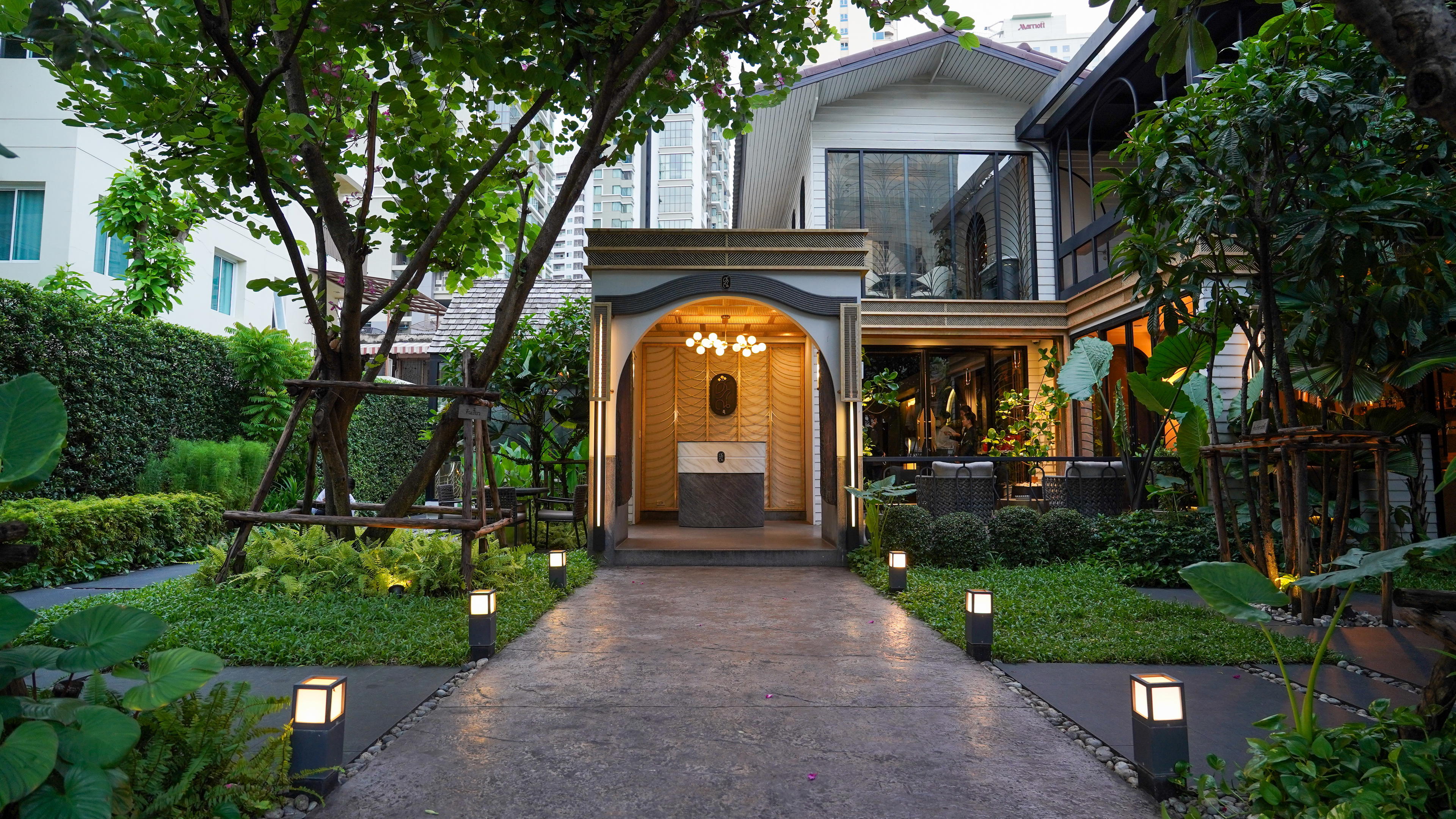
Peaceful retreat with natural light, bespoke furnishings, garden sanctuary, and stylish retro-modern interiors.