
Michelin Selected and positioned on Charoen Krung Road in the heart of Bangkok's Chinatown, ASAI Bangkok Chinatown brings a design-forward, neighbourhood-rooted approach to a district defined by century-old trade routes and street-level food culture. It occupies a distinct tier among Bangkok hotels, leaner and more locally embedded than the riverside palaces, yet carrying the editorial credibility of Michelin's 2025 hotel selection.
Pearl is the En Primeur Club membership app — saves, bookings, and concierge access live there. Same editors, same standards.
- Address
- 4th Fl, 531 ถ. เจริญกรุง Pom Prap, Pom Prap Sattru Phai, Bangkok 10100, Thailand
- Phone
- +66 2 220 8999
- Website
- dusit.com
- Directions
- Get directions
 Saves & bookings on Pearl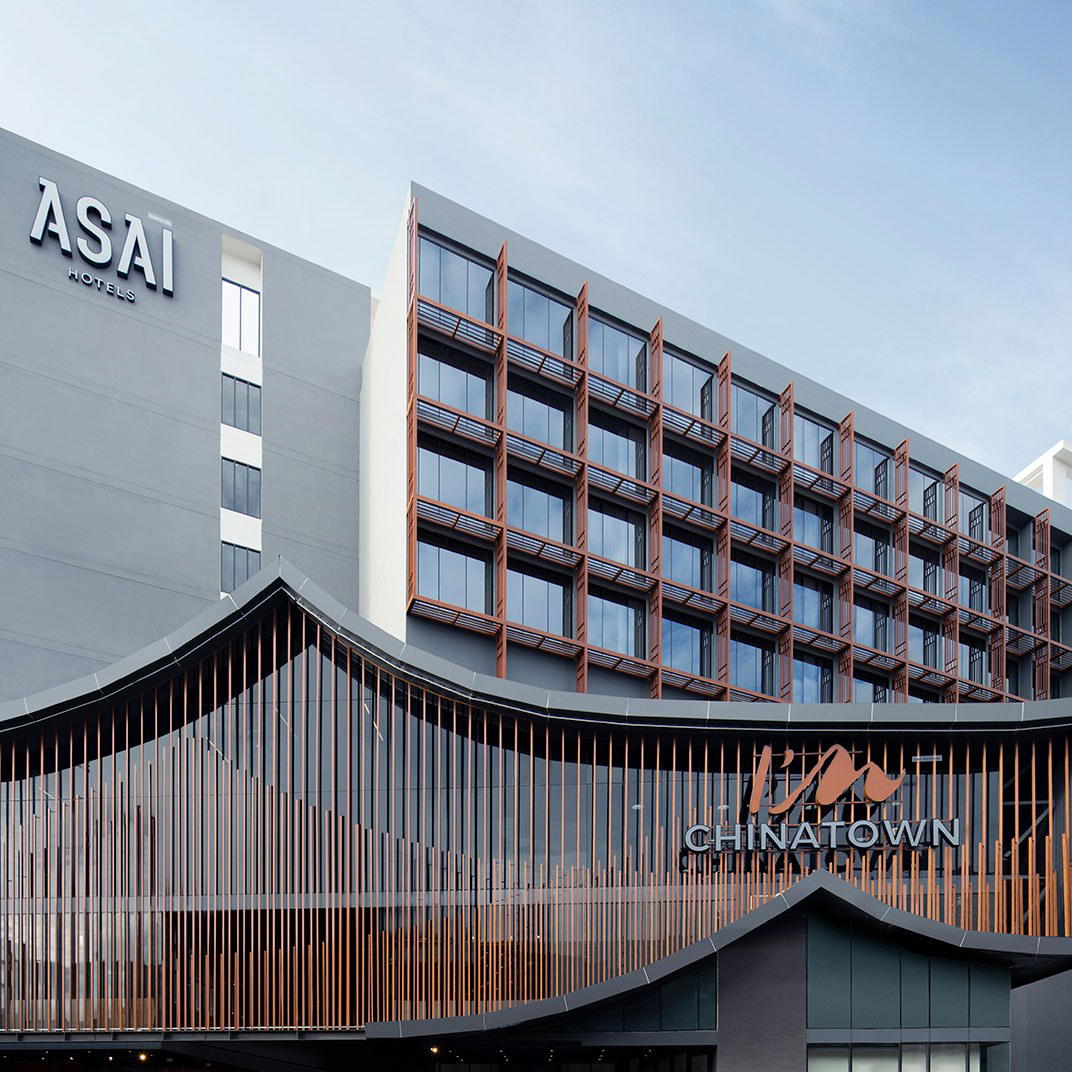
Where Chinatown's Street Logic Meets Considered Hospitality
Charoen Krung Road has always functioned as Bangkok's oldest commercial artery, the corridor along which Chinese merchant families built warehouses, temples, and trade networks that still shape the district's daily rhythm. Today, that same road carries a different kind of traffic, food tourists, photographers, and travellers who have worked out that Yaowarat's density of flavour rivals anything in the city's more polished dining quarters.
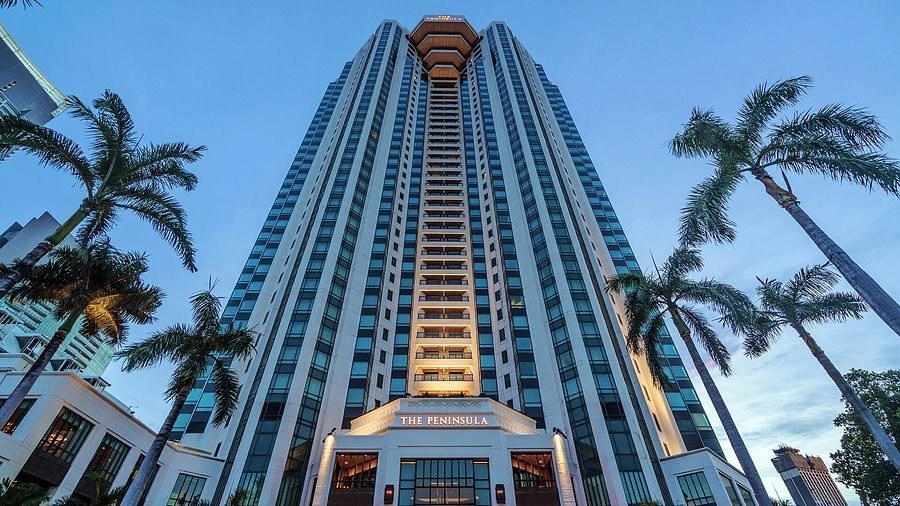
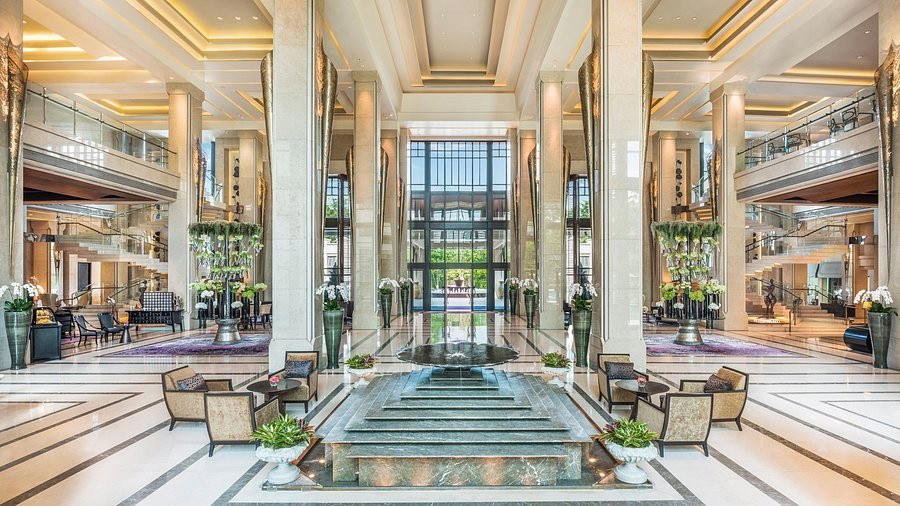
That proximity is worth pausing on. Bangkok's hotel geography has long divided along a clear line: the riverside luxury tier, anchored by institutions like the Mandarin Oriental Bangkok, Capella Bangkok, and The Peninsula Bangkok, occupies the Chao Phraya's western bank with formal architecture and white-glove service formats. On the opposite end of the spectrum, budget guesthouses absorb backpacker traffic in Banglamphu. ASAI Bangkok Chinatown sits in neither of those brackets. It belongs to a growing tier of design-led, neighbourhood-embedded properties where the building's location is itself the editorial argument, where you stay to be inside a place, not insulated from it.
The Ingredient Geography of Yaowarat
Few districts in Bangkok make the origin of food this legible. Yaowarat's wholesale markets have supplied restaurants across the city for generations: dried seafood from the shophouse rows on Yaowarat Road itself, fresh produce moving through Pak Khlong Talat before dawn, roast meats prepared in family-run operations whose methods compress decades of Teochew and Cantonese technique. Staying at ASAI Bangkok Chinatown places a traveller in direct contact with that supply chain, not as spectacle, but as operational infrastructure you can observe in real time.
This matters because the relationship between ingredient sourcing and dining quality in Bangkok's Chinatown is tighter than in most comparable districts globally. The street vendors who set up along Yaowarat Road from late afternoon are not buying from distributors: they are working with produce that arrived at market the same morning, sometimes from suppliers their families have dealt with for two or three generations. The roast duck hanging in glass cases at dusk, the char kway teow fired in woks seasoned over years, the fresh tofu prepared in soy operations tucked into side streets, the supply chain is local, compressed, and traceable in a way that has largely been engineered out of restaurant procurement in high-end Western cities.
Michelin Selection and What It Implies About comparable set
For ASAI Bangkok Chinatown, inclusion in that list places it in a specific peer conversation: properties selected for coherence of concept and neighbourhood integration rather than for volume of amenities or formal luxury signals.
Compare that positioning against the upper bracket of Bangkok's hotel market. Rosewood Bangkok, Park Hyatt Bangkok, and Four Seasons Bangkok at Chao Phraya River operate at a different scale and price architecture, properties where the lobby, the F&B; programming, and the room count are all calibrated toward a global luxury traveller seeking consistency across markets. The Okura Prestige Bangkok and The Siam each have their own defined character, but again operate in districts and at price points that serve a different traveller objective. The hotel's value proposition is built around access to a specific neighbourhood and the density of food culture that neighbourhood represents.
Planning a Stay: What to Know Before You Book
Chinatown's rhythms are worth understanding before arrival. The district runs on an early morning and late evening schedule: wholesale market activity peaks before 7am, street food energy picks up from around 5pm, and Yaowarat Road becomes genuinely congested with diners and stalls from around 7pm through to midnight. Staying on Charoen Krung Road places you within that cycle without requiring transport, which matters in a city where cross-district movement during peak hours can consume significant time.
Bangkok's high season runs from November through February, when cooler temperatures and lower humidity make street-level exploration comfortable. The Songkran period in April and major Chinese festivals, particularly Chinese New Year in late January or February, bring concentrated crowds to Yaowarat that change the district's character significantly, those with lower tolerance for density should note the timing.
For those building a broader Thailand itinerary, the hotel works well as a city anchor before or after travel to properties in other regions: Phulay Bay, A Ritz-Carlton Reserve in Krabi, Keemala in Phuket, Four Seasons Resort Chiang Mai, Soneva Kiri in Trat, or Anantara Golden Triangle Elephant Camp & Resort in Chiang Rai each represent a different register of Thailand travel. For beach-focused extensions, Samujana Villas in Koh Samui, Pimalai Resort & Spa in Koh Lanta, The Sarojin in Phang Nga, Sri Panwa Phuket, and Cape Fahn Hotel, Koh Samui cover the main southern options. For domestic coastal travel closer to Bangkok, InterContinental Hua Hin Resort and VALA Hua Hin or the Veranda Pattaya MGallery are worth considering.
For international context, the kind of neighbourhood-embedded positioning the hotel represents has analogues in markets like New York, where properties such as The Fifth Avenue Hotel operate within a defined urban character, or in European resort settings like Badrutt's Palace Hotel in St. Moritz and Hôtel de Paris Monte-Carlo, though in each case the neighbourhood argument and the price architecture differ substantially. The point of the comparison is not equivalence but positioning logic: the case for the hotel is built on place, not on amenity volume.
Cuisine Context
Comparable venues nearby, for context on price, style, and recognition.
| Venue | Cuisine | Price | Awards | Notes |
|---|---|---|---|---|
| ASAI Bangkok ChinatownThis venue — the venue you are viewing | Affordable lifestyle hotel with thoughtfully lean concept emphasizing in-stay essentials and communal spaces over traditional luxury amenities. | $$ | 3-Star | Not listed |
| sala rattanakosin Bangkok | Contemporary boutique in converted riverfront warehouse | $$$ | 4-Star | Rattanakosin Island |
| Volve Hotel Bangkok | Indie heritage boutique blending aristocratic Sukhumvit homes with modern twists. | $$$ | 4-Star | Thonglor |
| Hyatt Regency Bangkok Sukhumvit | Contemporary urban luxury with Thai hospitality | $$$ | 5-Star | Sukhumwit |
| Avani+ Riverside Bangkok Hotel | Contemporary riverside luxury hotel with panoramic views from all rooms on upper floors. | $$$ | 5-Star | Bukkhalo |
| Fairmont Bangkok Sukhumvit | Luxury urban hotel with MICE-friendly and lifestyle positioning | $$$$ | 5-Star | Sukhumvit |
Recognition history
Dated appearances from independent guides and award organizations, with the underlying list record or original source where available.
Michelin Selected
Michelin

At a Glance
- Modern
- Lively
- Minimalist
- Trendy
- Weekend Escape
- Family Vacation
- Business Trip
- Garden
- Terrace
- Design Destination
- Wi Fi
- Fitness Center
- Restaurant
- Bar
- Street Scene
- Garden
- Wi Fi
- Fitness Center
- Restaurant
- Bar
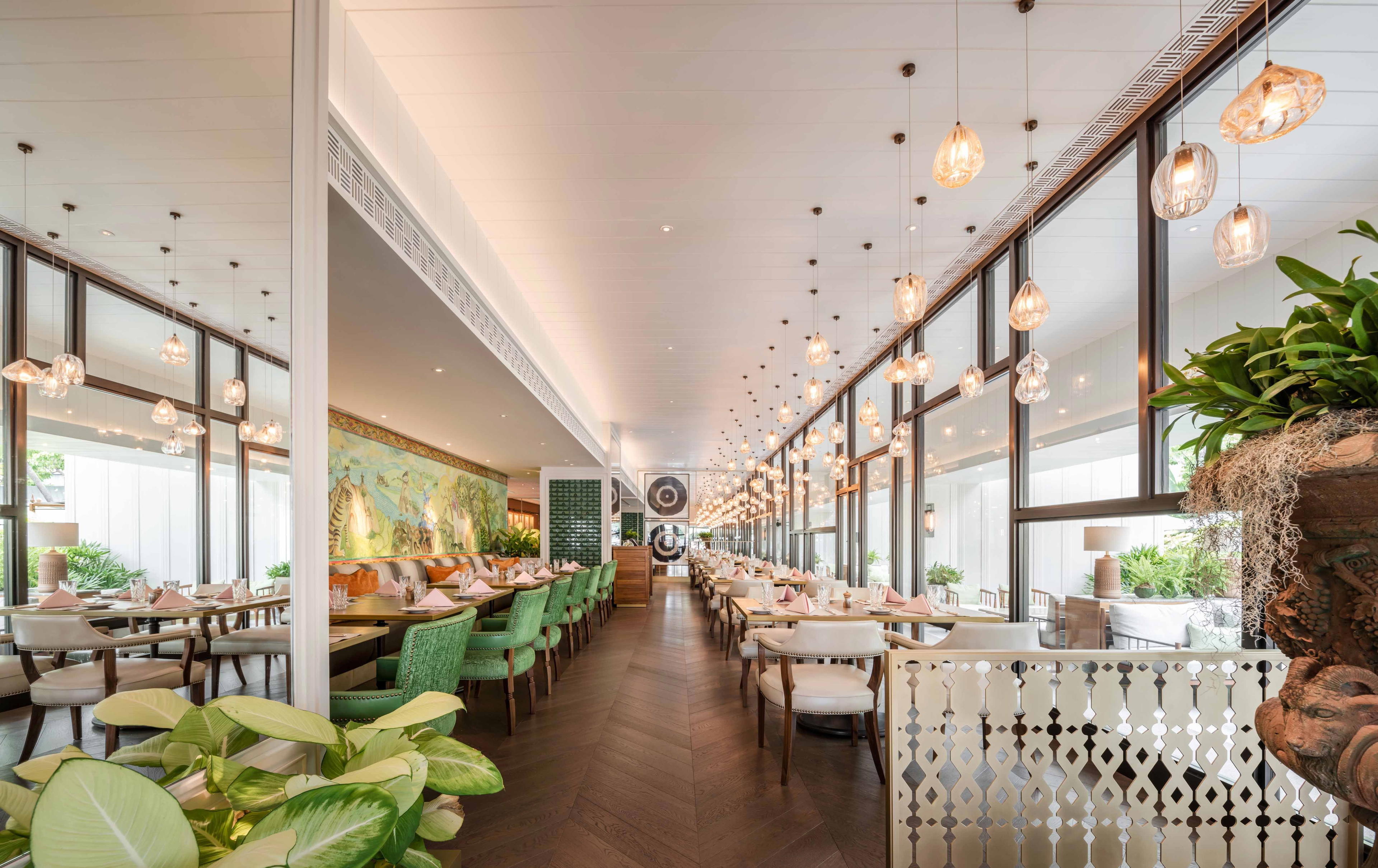
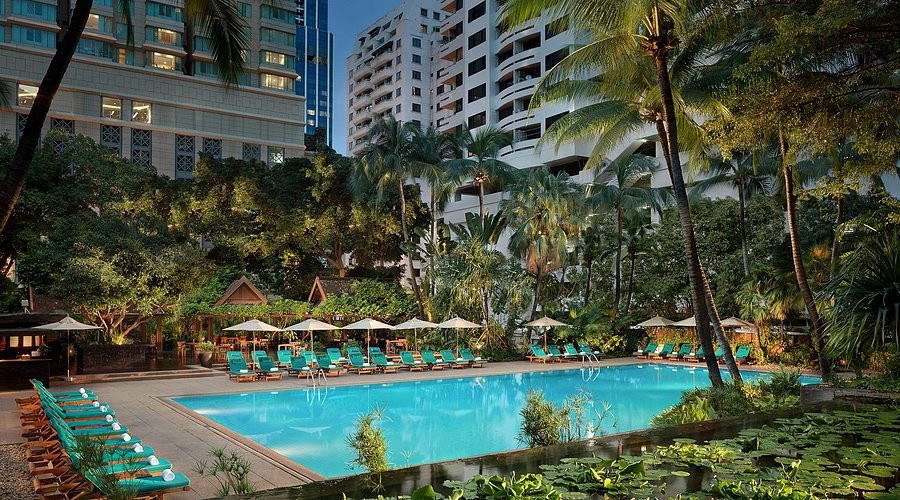
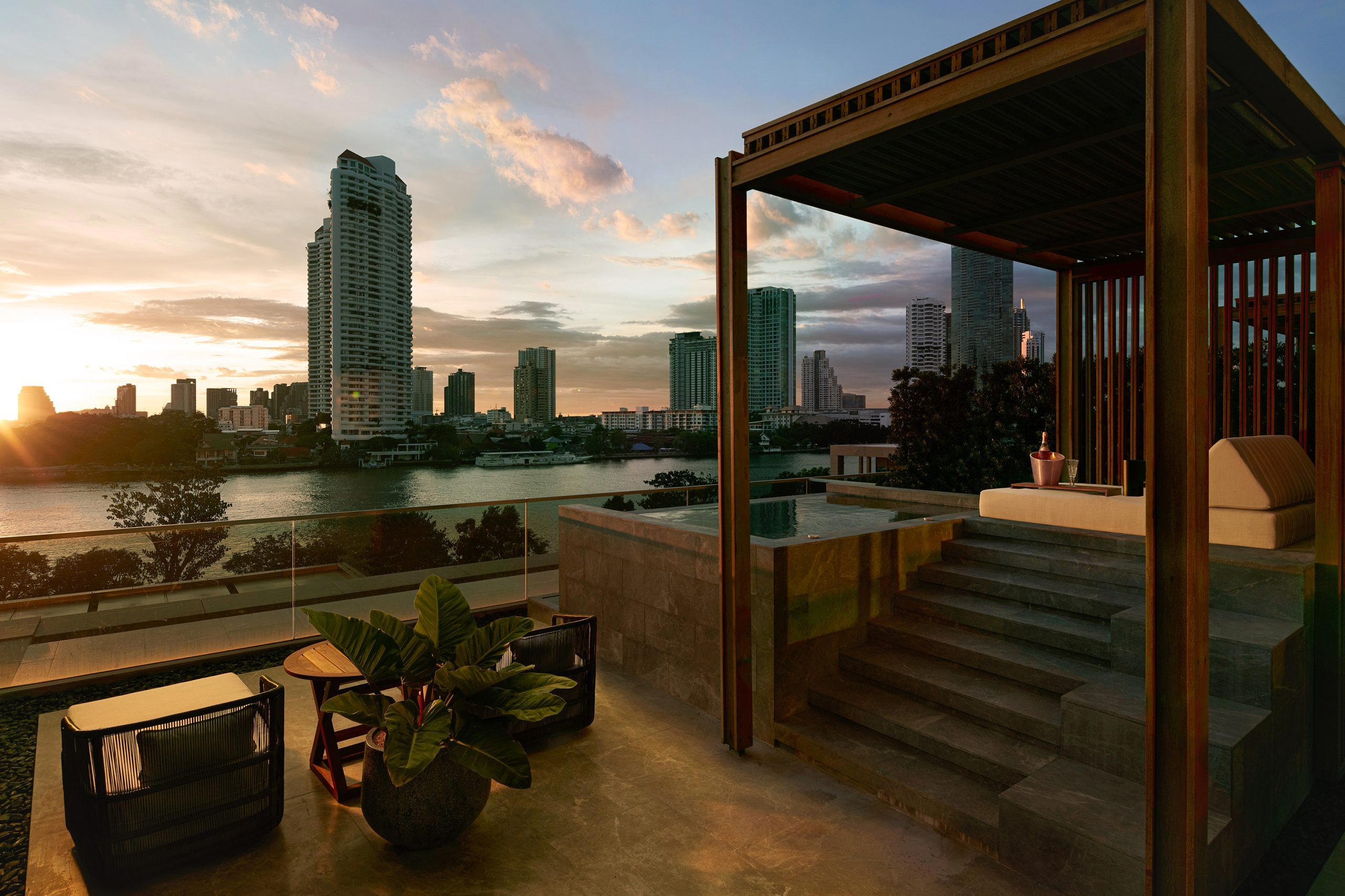
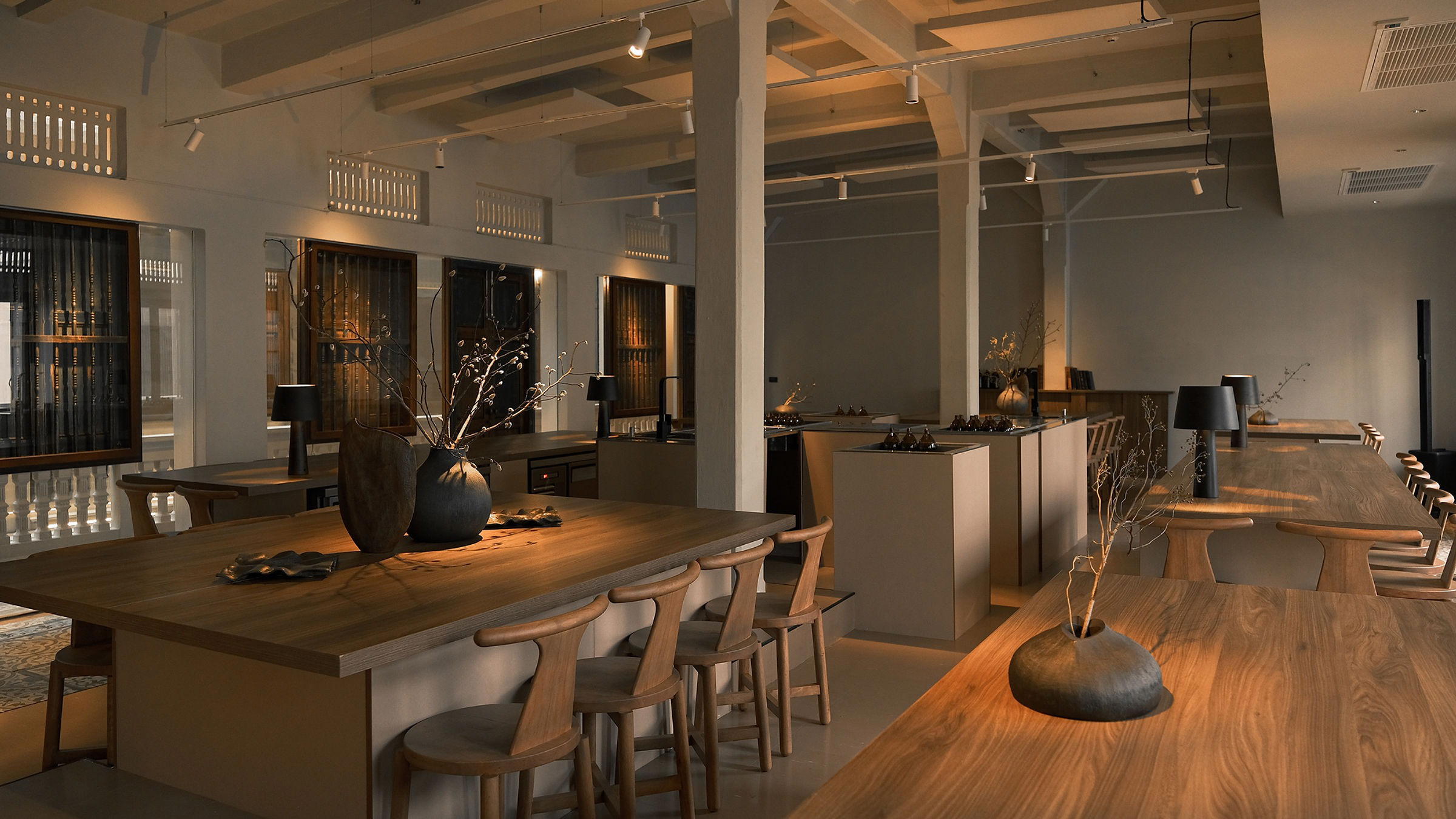
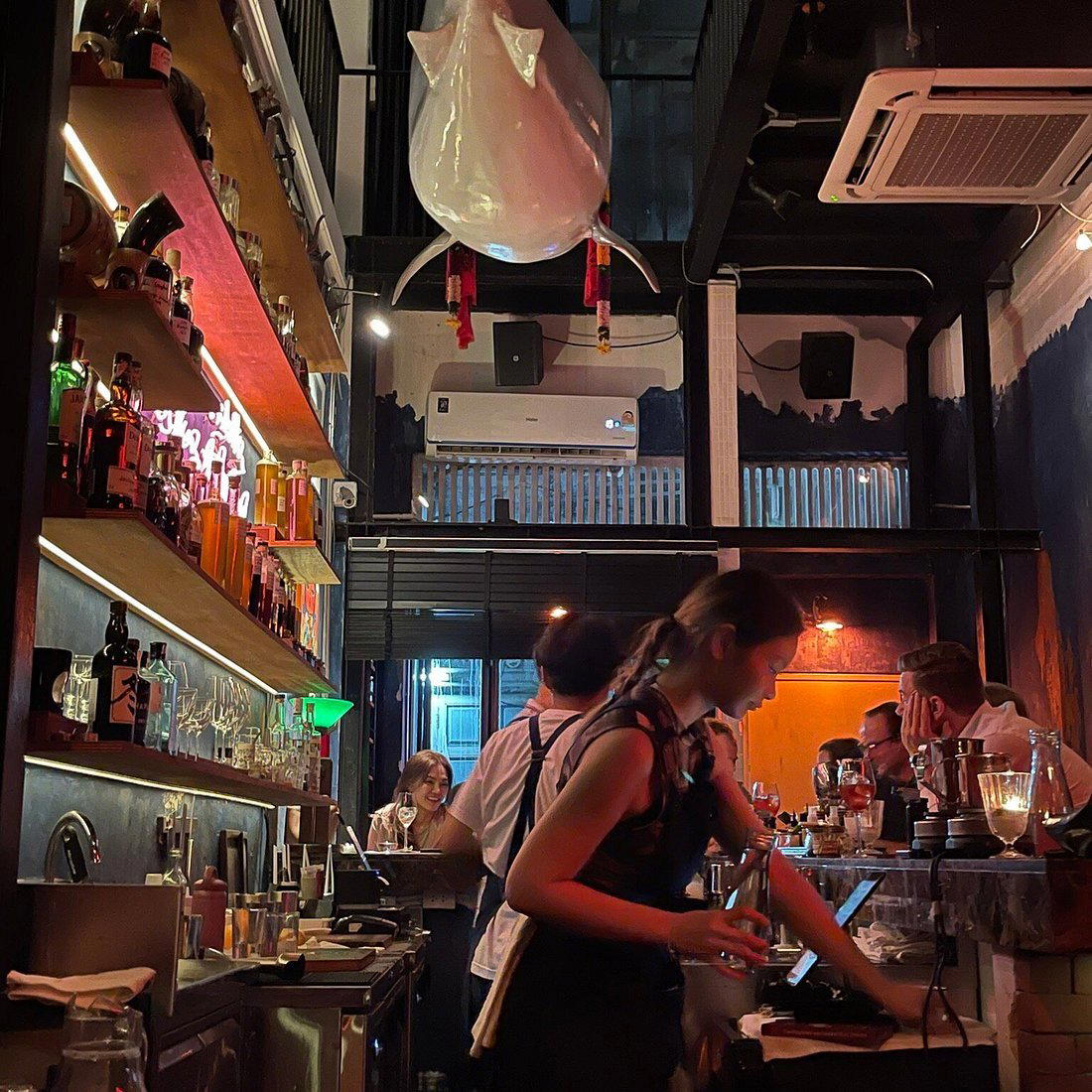
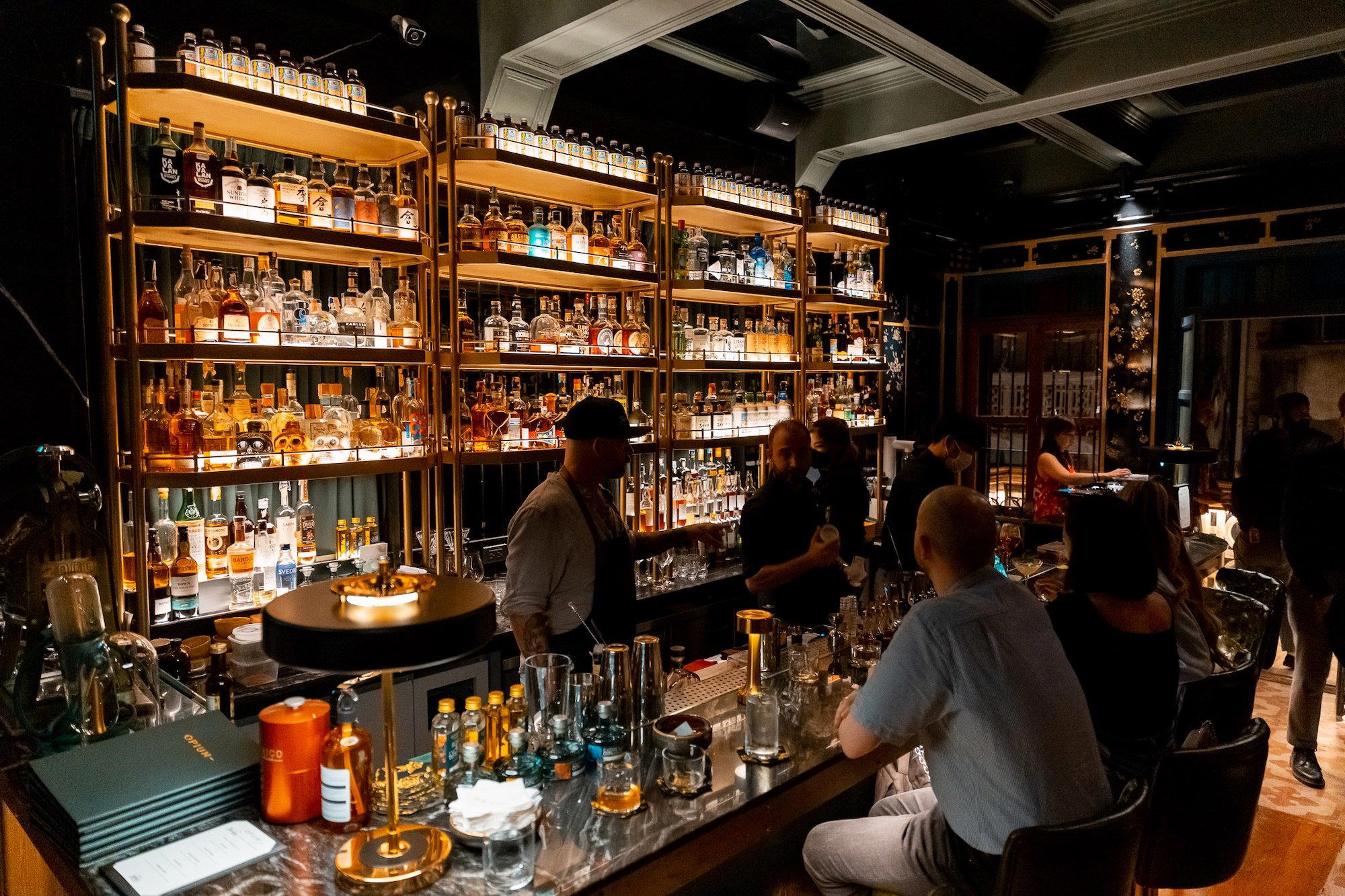
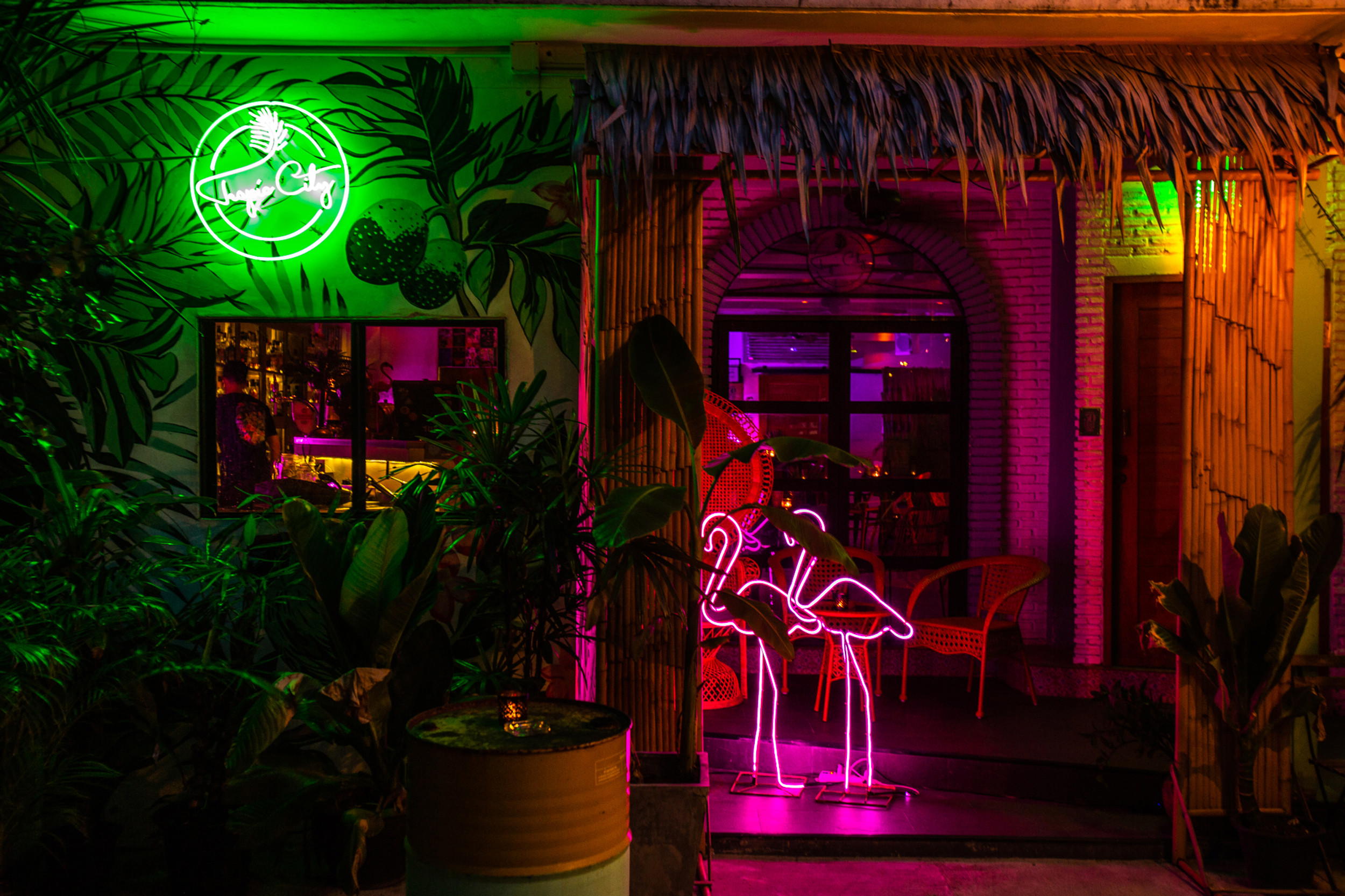
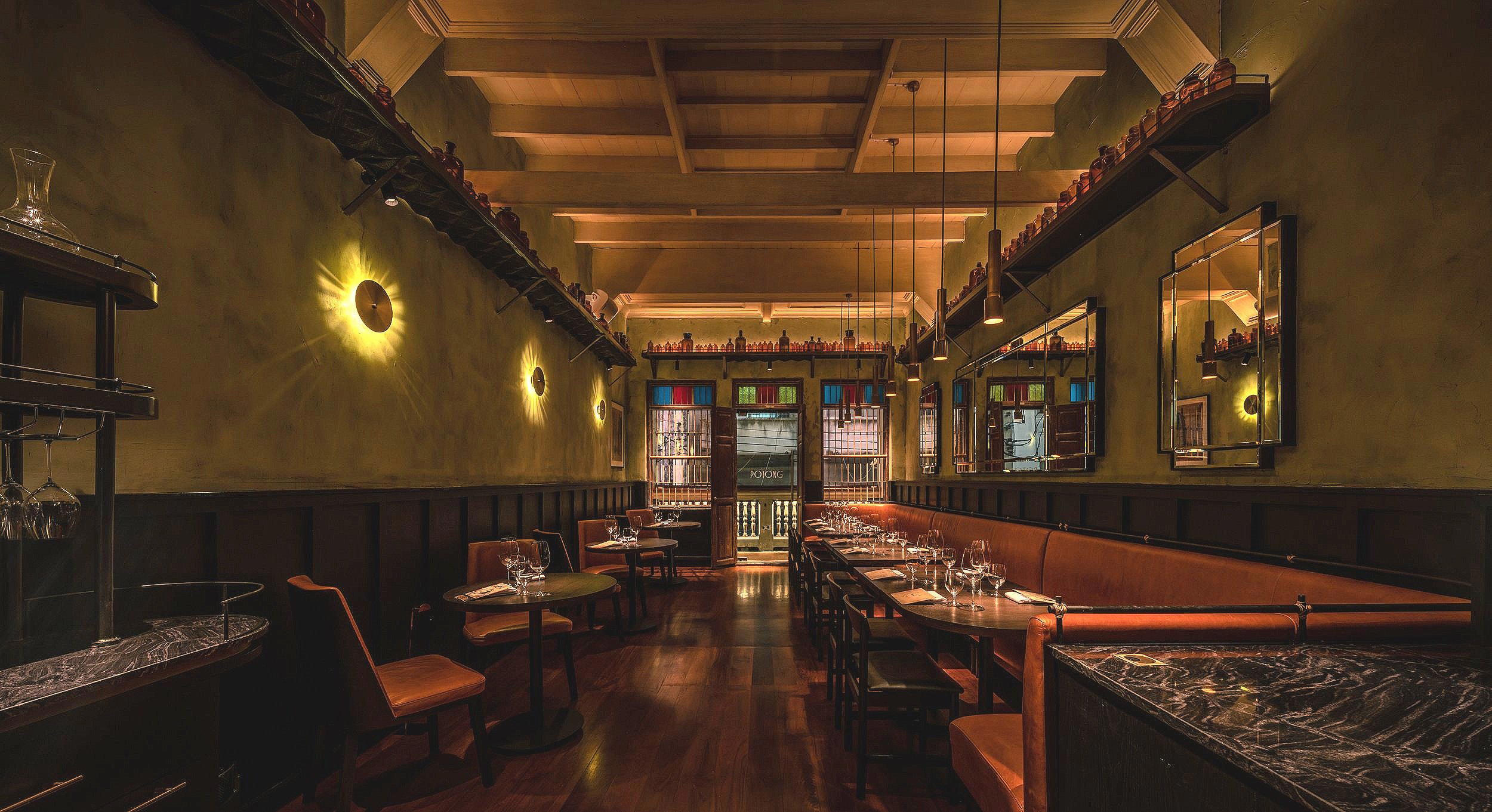
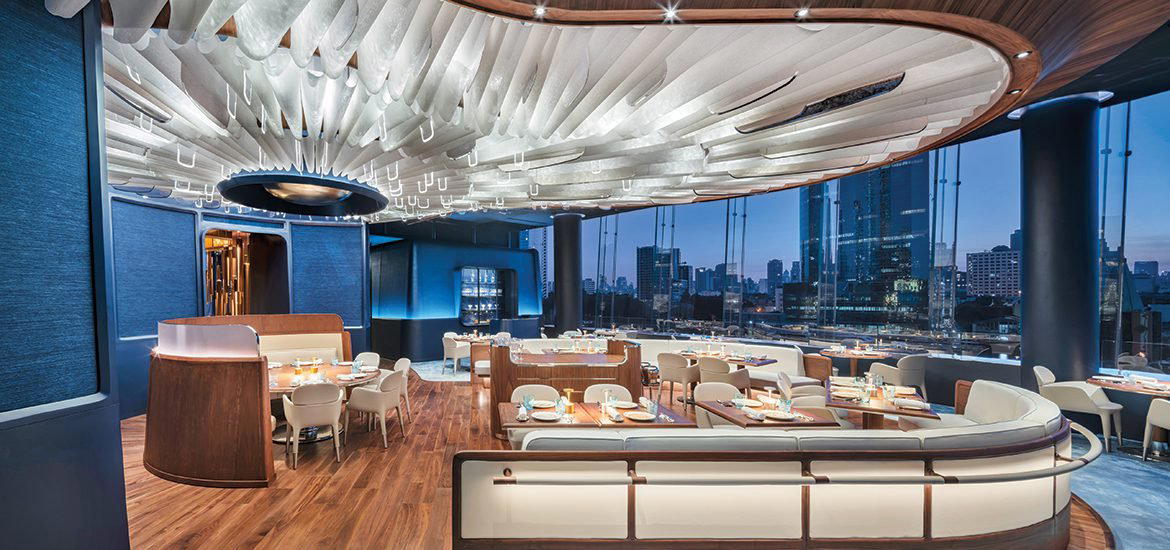
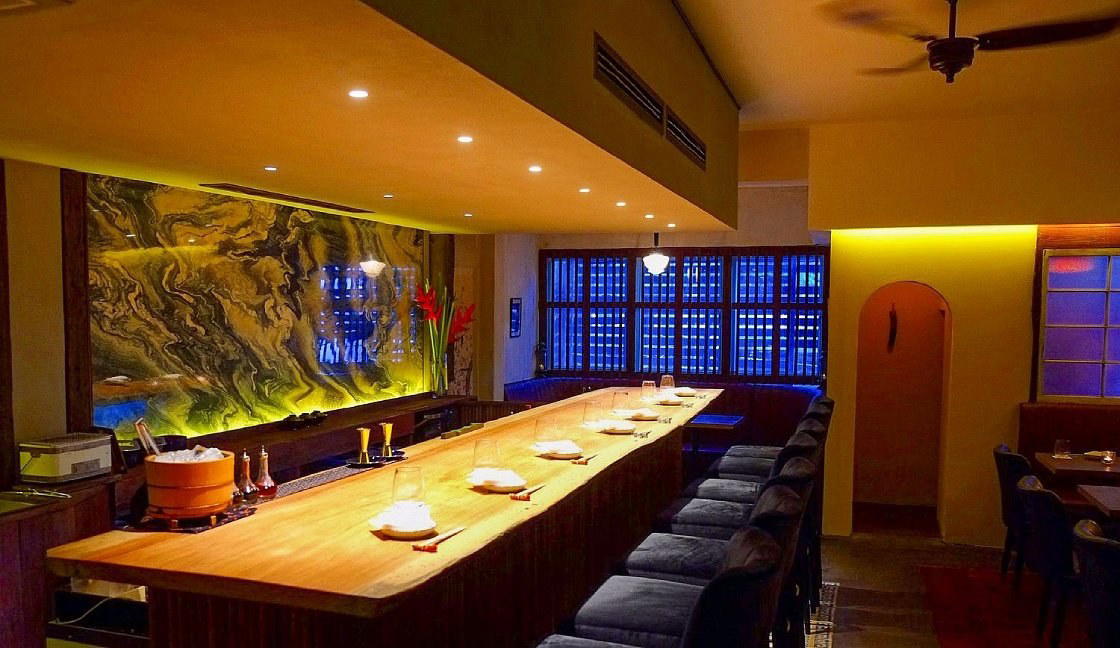
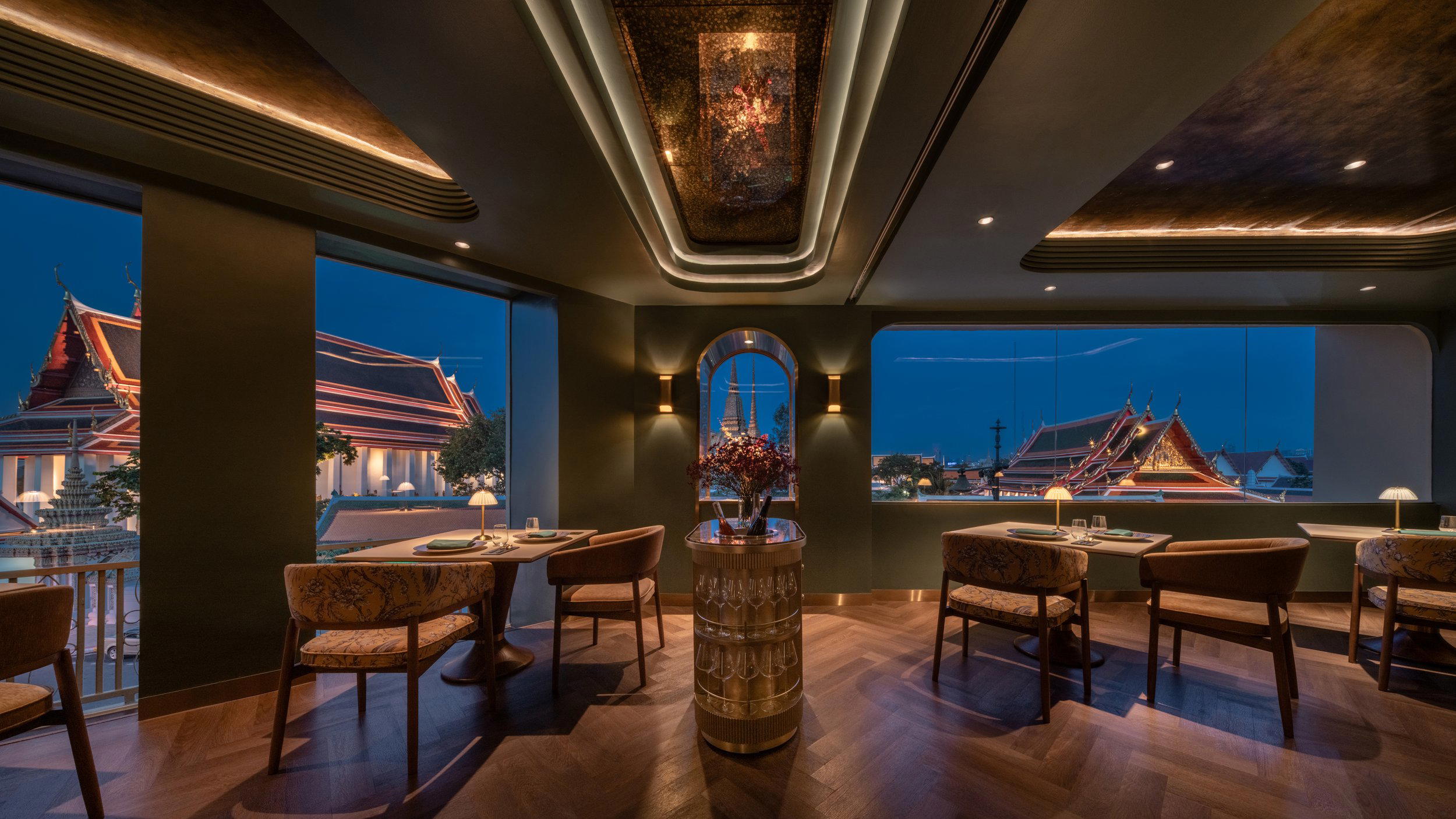
Modern, clean, and minimalist design with serene courtyard featuring organic herb garden; contemporary aesthetic balances lively Chinatown energy with peaceful interior spaces.