Tierra Atacama Hotel & Spa







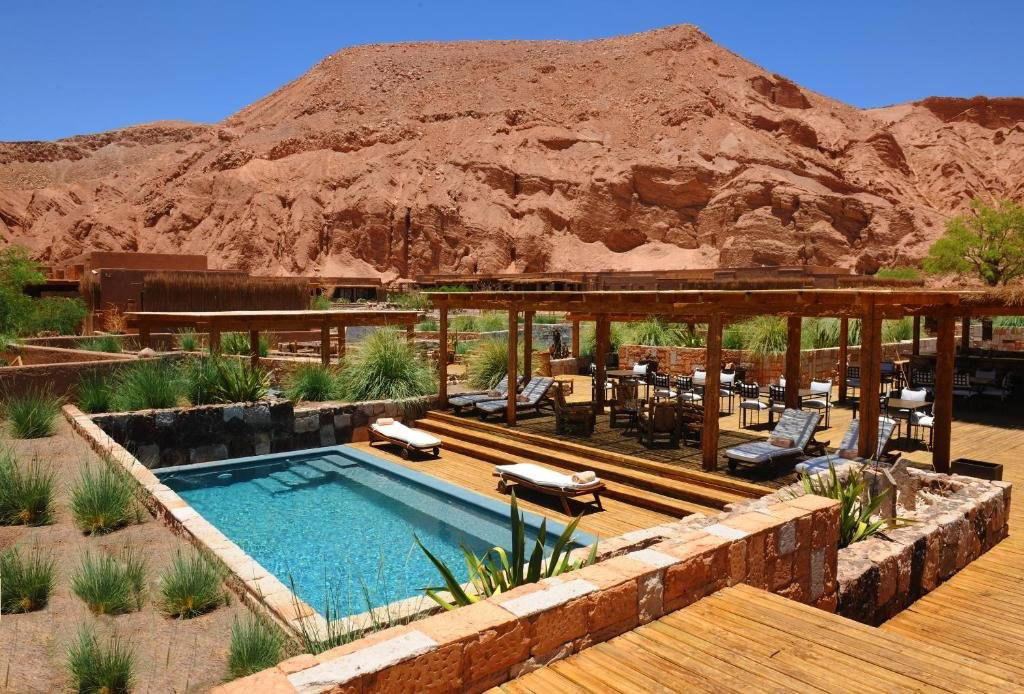
Against the severe backdrop of northern Chile's Atacama Desert, Tierra Atacama operates as a 32-room all-inclusive lodge where the address does most of the work. Positioned just outside San Pedro de Atacama, it places guests within reach of volcanic craters, salt flats, and high-altitude geysers, while the architecture, local adobe, stone, and rough-hewn wood, holds its own against a landscape that would swallow lesser buildings. La Liste ranked it 94 points in its 2026 Top Hotels selection.
Pearl is the En Primeur Club membership app — saves, bookings, and concierge access live there. Same editors, same standards.
- Address
- Ayllú de Yaye - Av. Séquitor s/n, San Pedro de Atacama, Antofagasta
- Phone
- +56 2 6469 0518
- Website
- tierrahotels.com
- Directions
- Get directions
 Saves & bookings on Pearl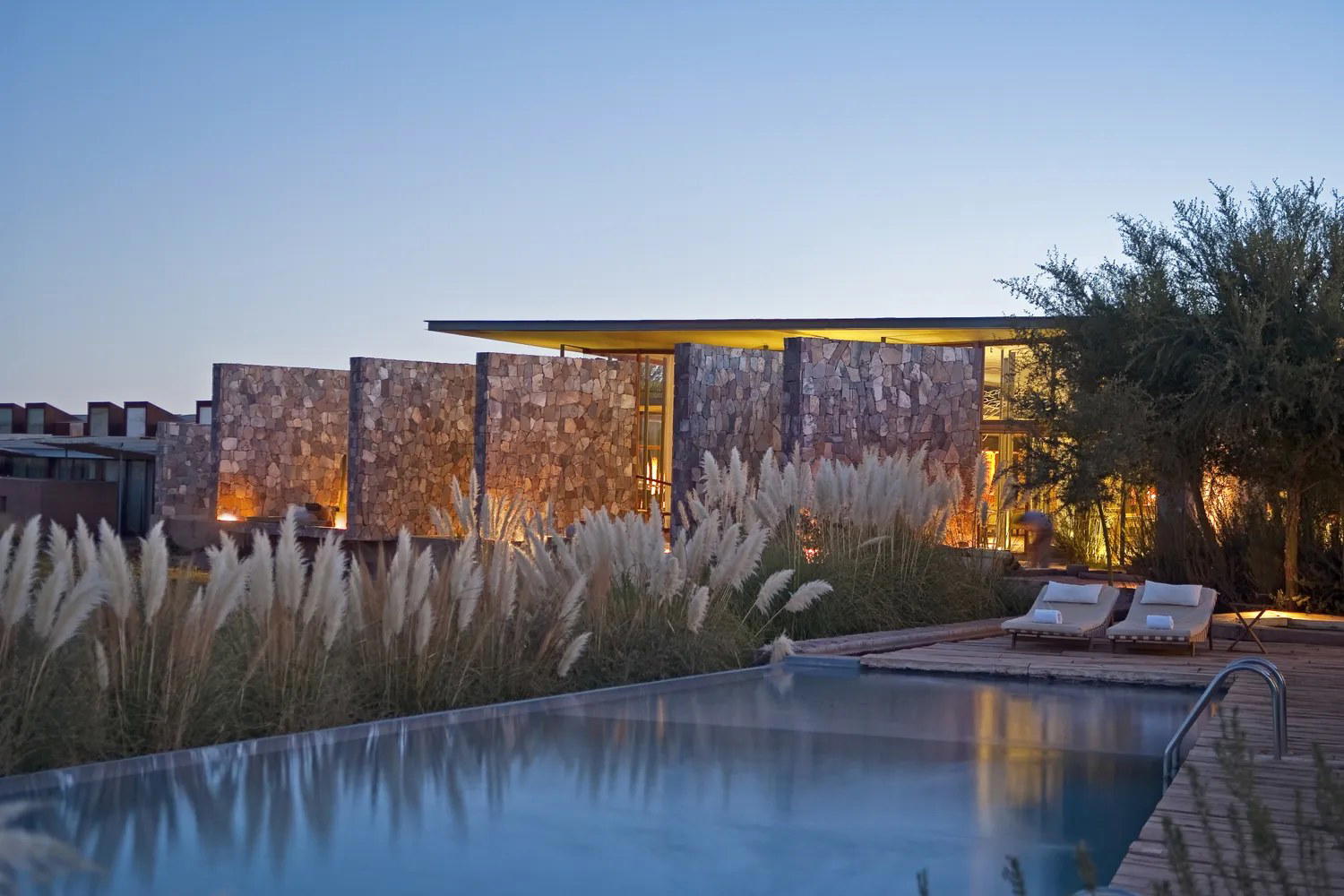
Where the Address Is the Argument
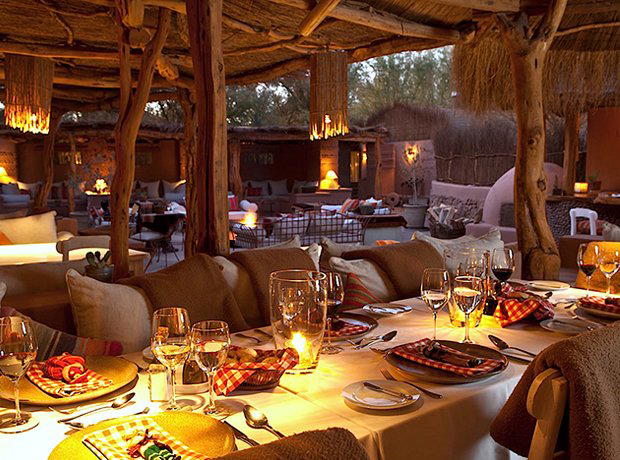
The Atacama Desert is among the driest places on Earth, a plateau of salt flats, volcanic peaks, and altiplano skies that sits at elevations where the air thins and the light turns severe. Properties that choose to operate here are making a statement through location alone, the question is whether the built environment can hold a conversation with its surroundings or simply gets absorbed by them. Tierra Atacama Hotel & Spa, a 4-star, 40-room lodge in San Pedro de Atacama, belongs to the first category. Its modernist lines, rendered in local stone, adobe, and rough-hewn timber, read as a deliberate architectural response to a landscape that demands visual credibility.
This matters because the Atacama's premium lodge market has coalesced around a small cohort of properties, among them Awasi Atacama, Explora Atacama, and Nayara Alto Atacama, all competing on access, design, and the depth of guided experience they can provide. Tierra Atacama situates itself within that comparable set through La Liste's 2026 Leading Hotels ranking, where it earned 94 points. In a destination where proximity to geysers, salt formations, and volcanic craters is the primary draw, the lodge's address on Ayllú de Yaye functions as a foundational asset rather than a background detail.
The Architecture of Restraint
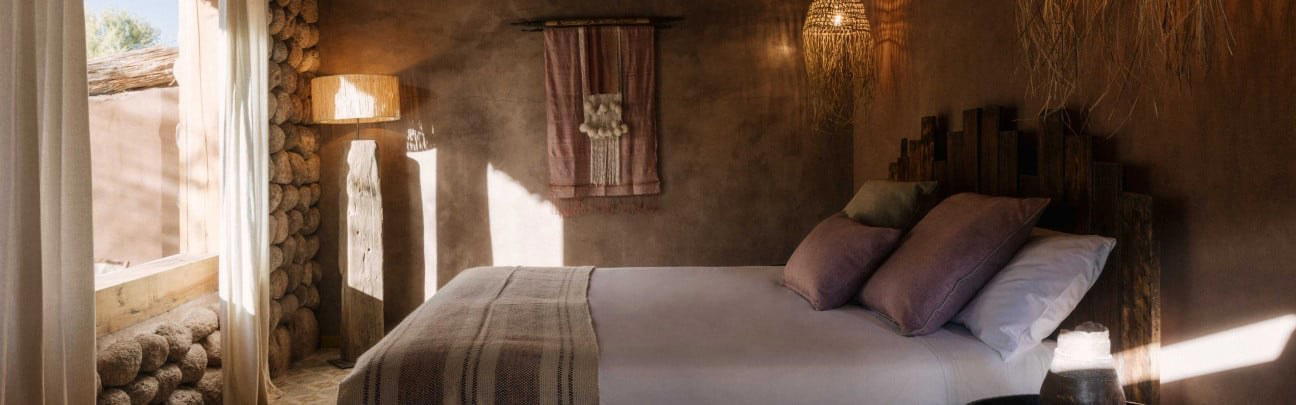
Desert lodge design can fail in two directions: it either mimics the landscape so closely it becomes invisible, or it imposes foreign materials that look transplanted from somewhere else entirely. Tierra Atacama's approach splits the difference with a minimalism that is spare but not austere. The materials are local, adobe, stone, unfinished wood, and the structural language is contemporary, with clean horizontal lines that frame the distant volcano rather than compete with it. Rooms are sparse in décor but calibrated for tactile comfort, which reflects a broader pattern across serious expedition lodges worldwide: the visual severity of the spaces and the physical quality of the furnishings are understood to be complementary, not contradictory.
For a 32-room property operating in one of South America's most photographically demanding environments, this calibration is not incidental. It is the product of a design philosophy that treats the view as the primary feature and the interior as the recovery space. Tierra Atacama Hotel & Spa has 1 Michelin Key. Guests arriving from a full-day volcanic climb or a dawn geyser visit do not need visual complexity, they need warmth, comfort, and something to look at that does not ask anything of them. Tierra Atacama's sparsely decorated rooms are built for exactly that sequence.
Location as Programming
That detail matters because Tierra Atacama is not a hotel with optional activities appended to it. The all-inclusive format here encompasses multi-course meals, an open bar, and a structured excursion program led by expert guides, which means the value calculation is different from a standard nightly-rate property. The sticker price reflects total consumption, not room cost alone.
What the address unlocks is substantial. The Atacama offers some of the highest-altitude, lowest-humidity skies in the Southern Hemisphere, making it one of the few places on Earth where stargazing is a genuine nocturnal activity rather than a marketing promise. The salt flats, the flamingo lagoons of the Los Flamencos National Reserve, the El Tatio geysers at 4,500 metres above sea level, and the Moon Valley rock formations are all within guided reach. For properties in this bracket, proximity to this range of terrain differentiates the experience more reliably than any single amenity inside the building. Tierra Atacama's guided excursion model is the architectural equivalent of a well-positioned door: the value is in what it opens onto.
Chilean properties working at this scale of landscape immersion span the country's full geography. The model finds its Patagonian equivalent at Ecocamp Patagonia in Torres del Paine and Explora Torres del Paine, lake district counterparts at andBeyond Vira Vira in Pucon and Hotel AWA in Puerto Varas, and a wine-country register at Clos Apalta Residence in Valle de Apalta. Tierra Atacama's peer within the same model is closest to the Explora family's approach, though the lodge's architectural personality and all-inclusive structure give it a distinct operational identity. Elsewhere in Chile, those seeking a city base before or after the desert can reference W Santiago or Debaines Hotel Santiago, while coastal travellers may look at Palacio Astoreca Hotel in Valparaiso. The country's full accommodation range is broad, from REMOTA in Puerto Natales to Refugia Chiloé to Noi Puma Lodge in Cachapoal, but the Atacama operates in its own climatic and experiential category.
Wellness After Altitude
The spa program at Tierra Atacama is framed around the outdoor-then-recovery sequence that defines the lodge's broader logic. Outdoor private baths with volcano views and deep tissue massage after long hikes are among the stated offerings, spa services calibrated for a guest who has spent the morning at 4,000-plus metres and is working through the physical residue of altitude and exertion. This is not a standalone spa destination; it operates as the second half of a physical day. For properties in extreme environments, that sequencing is what separates a wellness offering that makes sense from one that exists purely as a category checkbox.
Planning a Stay
Those extending into South America's wider circuit might also consider properties like Explora Rapa Nui on Easter Island or, for a different register entirely, Aman New York and Aman Venice for urban counterpoints before or after the desert. Additional Chilean alternatives for those building a longer itinerary include Futangue Hotel & Spa in Riñinahue, Puyuhuapi Lodge & Spa in Aisen, CasaMolle in El Molle, Hotel Las Majadas in Pirque, Mari Mari Natural Reserve Experience in Los Muermos, and Explora Patagonia National Park in Cochrane. For urban reference points elsewhere in the Americas, The Fifth Avenue Hotel in New York City represents the design-led city hotel end of the spectrum.
The Quick Read
Comparable venues nearby, for context on price, style, and recognition.
| Venue | Price | Notes |
|---|---|---|
| Tierra Atacama Hotel & SpaThis venue — the venue you are viewing | $$$$ | Not listed |
| Nayara Alto Atacama | $$$$ | San Pedro de Atacama, Eco-luxury desert lodge blending into the Atacama landscape |
| Awasi Atacama | $$$$ | San Pedro de Atacama, rustic adobe oasis with historic roots |
| Explora Atacama | $$$$ | San Pedro de Atacama, Desert lodge designed for immersion in the Atacama landscape on 17 hectares. |
| Our Habitas Atacama | $$$$ | San Pedro de Atacama, rustic adobe village in the Atacama Desert |
| Tierra Patagonia Hotel & Spa | $$$$ | Torres del Paine National Park, Patagonian-designed luxury wilderness lodge |
Recognition history
Dated appearances from independent guides and award organizations, with the underlying list record or original source where available.
AFAR Best New Hotels
AFAR · AFAR 40 Best New Hotels 2026
Fodor's Most Incredible Hotels in the World
Fodor's
La Liste Top Hotels
La Liste
Mr & Mrs Smith Smith Seal of Approval
Mr & Mrs Smith
Town & Country Hotel Awards
Town & Country
Travel + Leisure It List Hotels
Travel + Leisure
Virtuoso Luxury Hotel Partner
Virtuoso
Michelin 1 Key
Michelin
Continue exploring
More in San Pedro de Atacama
Hotels in San Pedro de Atacama
Browse all →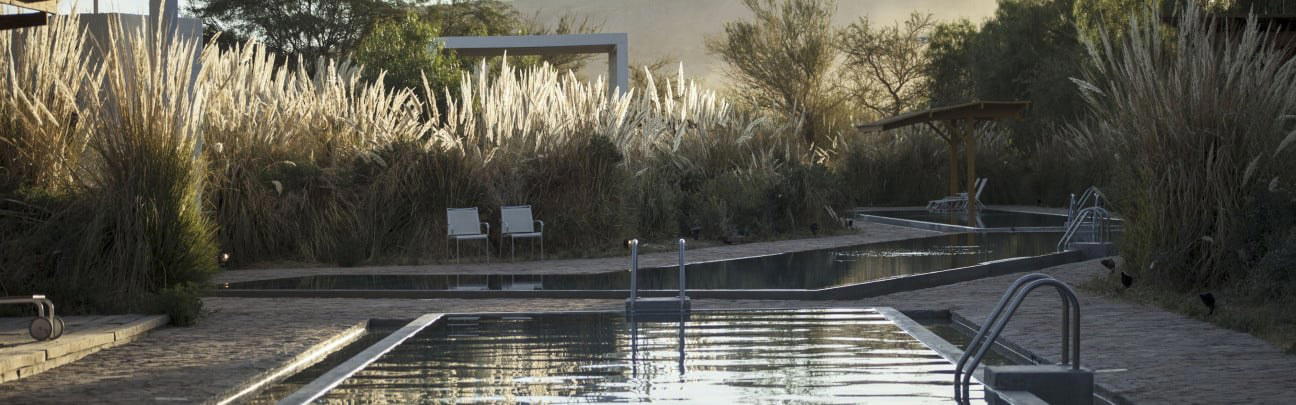
Bars in San Pedro de Atacama
Browse all →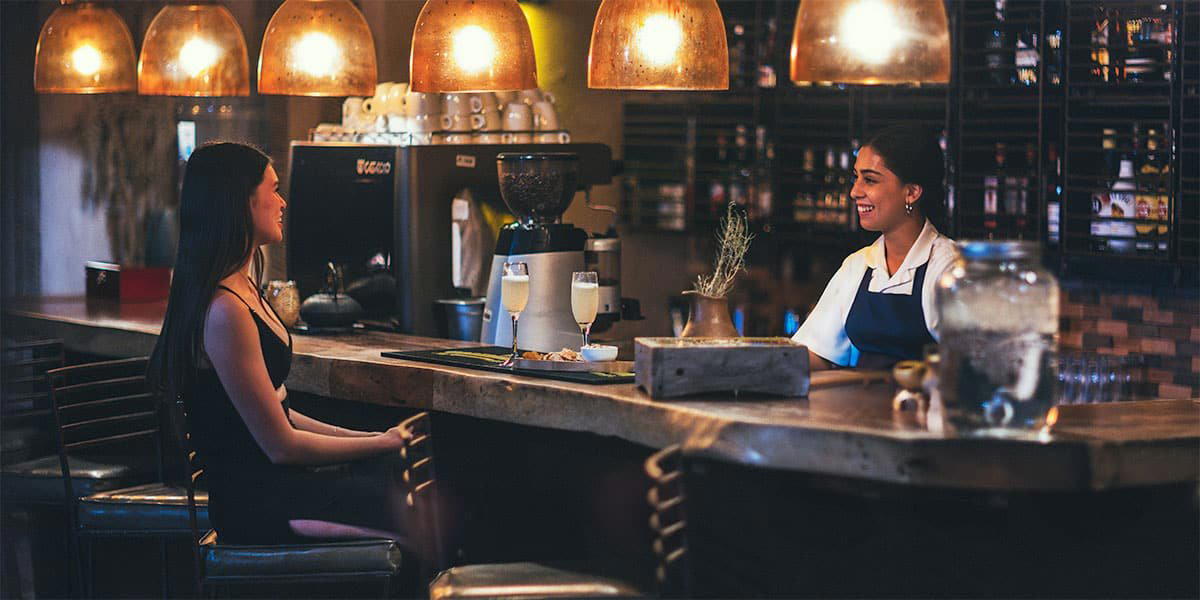

At a Glance
- Elegant
- Scenic
- Sophisticated
- Rustic
- Intimate
- Honeymoon
- Romantic Getaway
- Wellness Retreat
- Anniversary
- Infinity Pool
- Panoramic View
- Destination Spa
- Private Dining
- Wi Fi
- Pool
- Spa
- Fitness Center
- Room Service
- Concierge
- Restaurant
- Sauna
- Hot Tub
- Massage
- Garden
- Mountain
- Wi Fi
- Pool
- Spa
- Fitness Center
- Room Service
- Concierge
- Restaurant
- Sauna
- Hot Tub
- Massage
- Garden
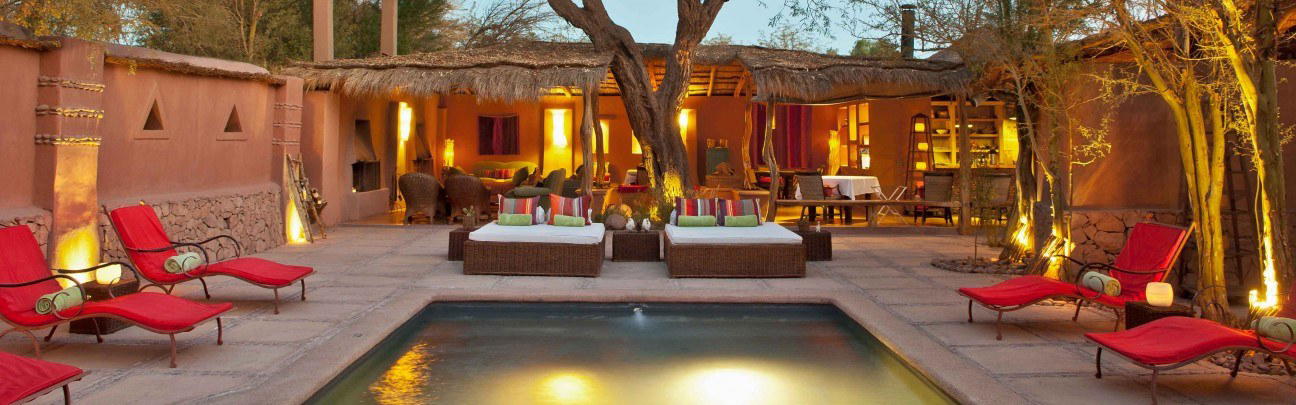
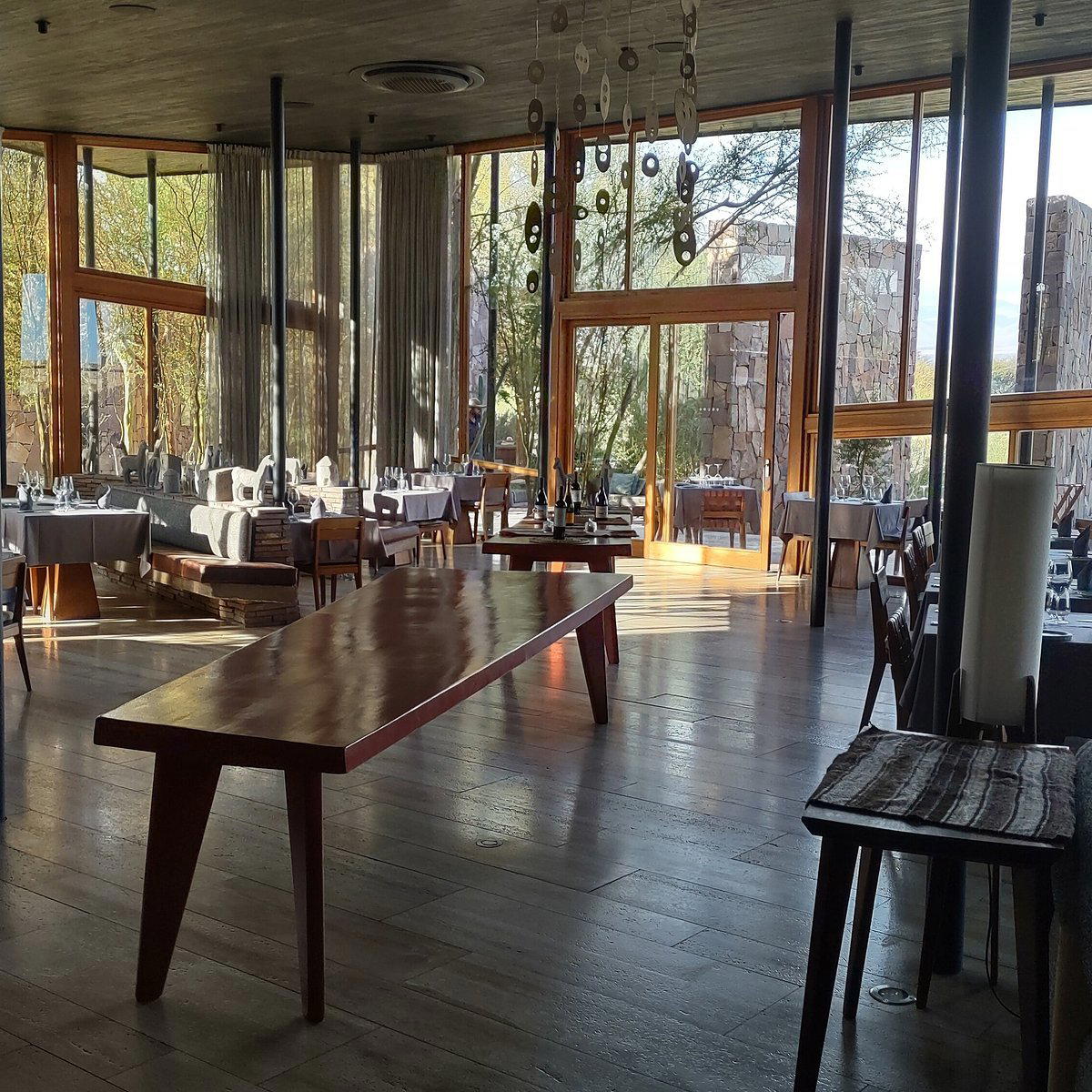
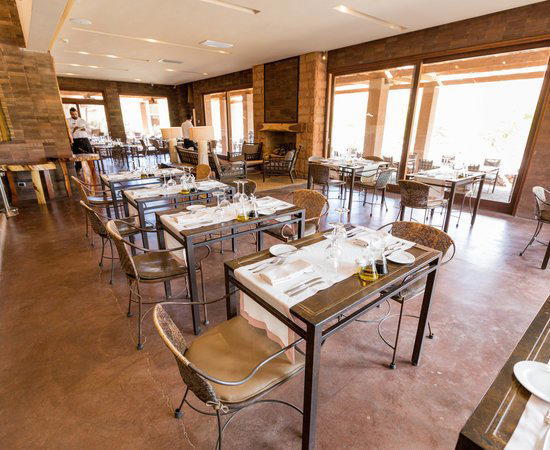
Tranquil and luxurious with natural light from large picture windows, relaxing spa atmosphere, and serene pool areas overlooking the desert.