Awasi Atacama Restaurant

Awasi Atacama Restaurant belongs to San Pedro de Atacama’s lodge-dining tier, where desert logistics shape the plate as much as culinary ambition. Its strongest argument is sourcing: Pacific seafood, indigenous ingredients, and menus adjusted to guest preferences rather than a fixed urban tasting-menu script.
Pearl is the En Primeur Club membership app — saves, bookings, and concierge access live there. Same editors, same standards.
- Address
- Tocopilla 551, San Pedro de Atacama, Antofagasta (main restaurant area)
- Phone
- +56 22 2339641
- Directions
- Get directions
 Saves & bookings on Pearl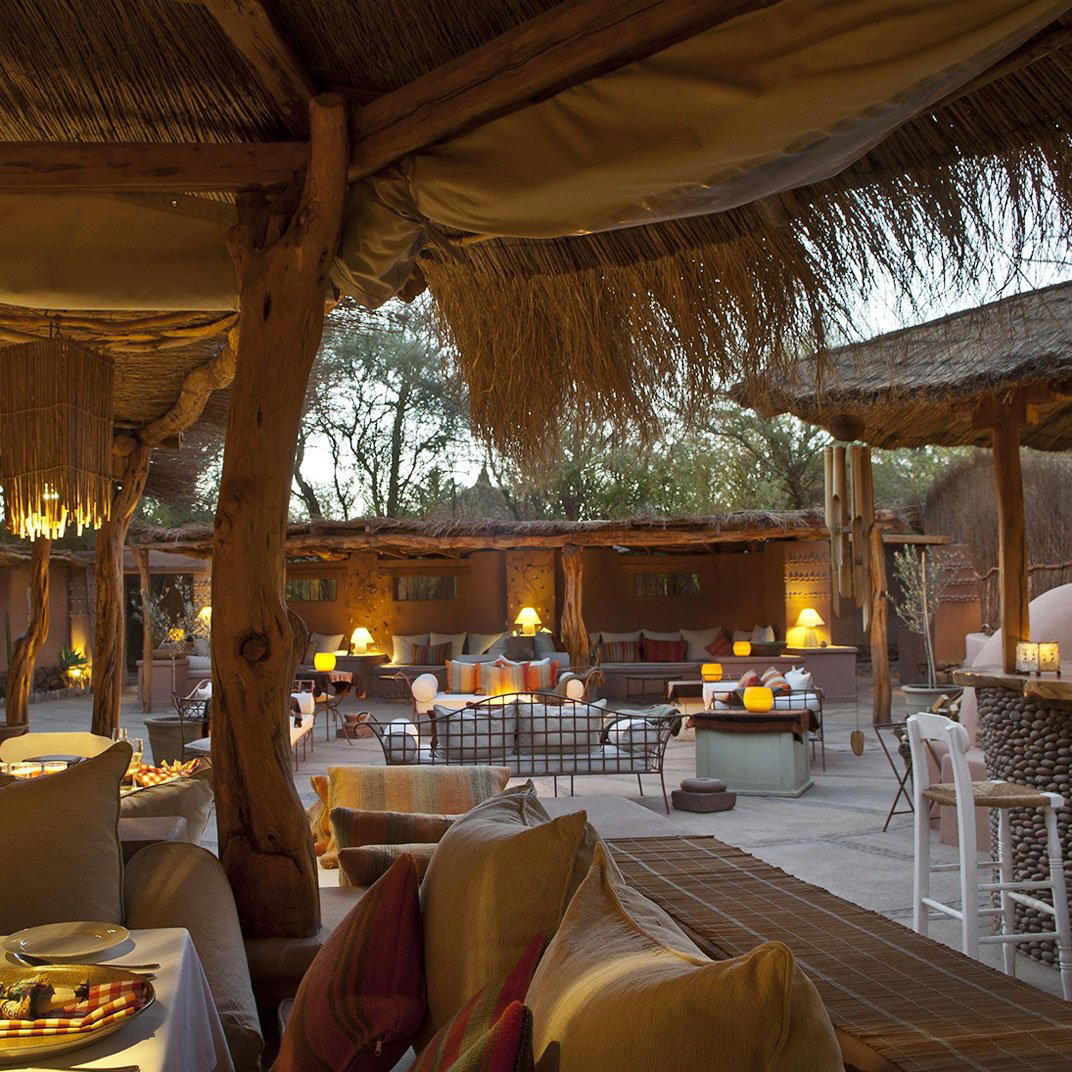
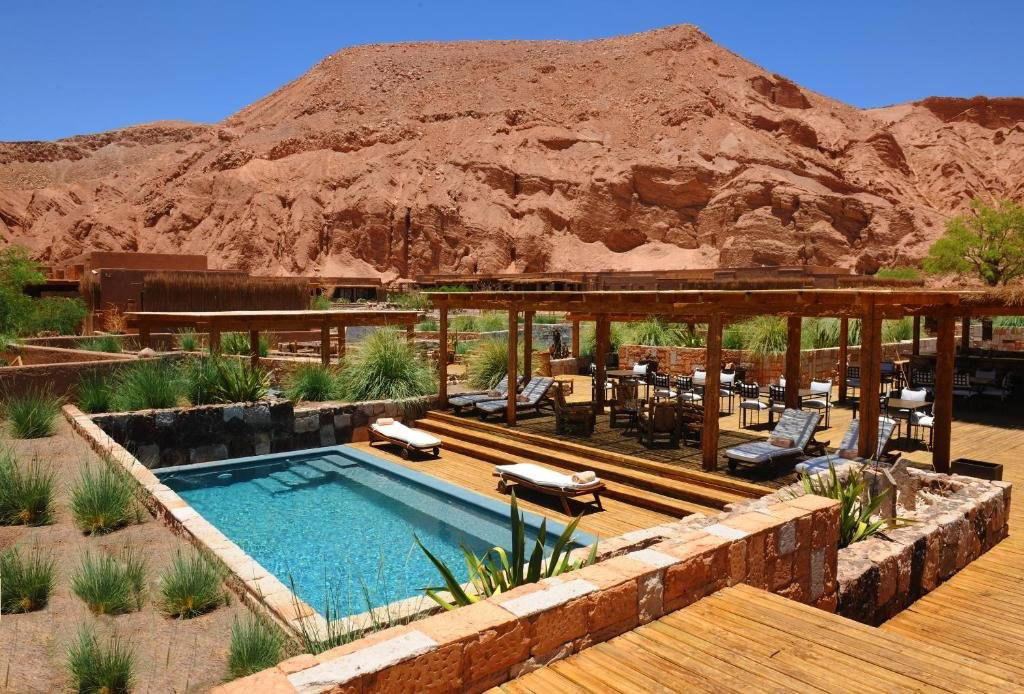
San Pedro de Atacama changes the terms of restaurant dining before a menu arrives. The town sits in a high-desert basin of adobe walls, dust, salt flats and volcanic horizons, far from the coastal markets and central-valley agriculture that define much of Chilean cooking. In that setting, dinner is not just a question of technique. It becomes a test of supply lines, altitude, guest rhythm and how convincingly a kitchen can connect the Pacific, the desert and the Andean pantry without turning the meal into theatre.
Awasi Atacama (Latin American) sits in the premium lodge-restaurant category rather than the street-facing town-restaurant circuit. That matters. San Pedro’s serious dining tends to split between independent tables built for travellers moving through town and hotel restaurants designed around multi-day stays, excursions and recovery after long desert hours. The latter format can produce more tailored cooking because the kitchen is not only feeding a table; it is feeding a guest schedule.
Pacific seafood meets an Atacama pantry shaped by distance
The restaurant’s formal recognition centres on a clear proposition: a complete change of scene, with dishes adapted to individual taste preferences and a kitchen that pays homage to the far-north Chilean setting. The stated culinary frame combines seafood from the Pacific with indigenous ingredients, which is a useful lens for reading the meal. In northern Chile, the coast and desert are close on a map but distant in temperament. Seafood brings the cold-current clarity of the Pacific; local ingredients bring altitude, aridity and the food memory of communities that cooked from scarcity, preservation and seasonality long before luxury lodges arrived.
That sourcing angle gives the restaurant a stronger identity than a generic international lodge menu. In remote luxury dining, the weak version imports the same global vocabulary found in airport hotels: beef fillet, token ceviche, a safe pasta, a dessert built for no particular place. The stronger version lets the region set limits. Atacama ingredients do not need heavy ornament. Their value is geographic: they tell the diner where the table is, and why a meal in San Pedro should not taste like Santiago with a desert view.
The emphasis on individual preferences also fits the lodge format. A fixed tasting menu can feel brittle after altitude, heat, early departures and long transfers. Preference-led cooking is more practical here, especially for guests eating on property across several nights. The editorial question is whether flexibility dilutes point of view. In this case, the stated axis of Pacific seafood and indigenous ingredients gives the kitchen a defined territory, even when the meal adjusts to the person at the table.
Where lodge dining differs from San Pedro's town tables
San Pedro de Atacama is not a conventional restaurant city. It is a base camp with an unusually demanding audience: travellers who may spend dawn at geysers, midday crossing salt flats and evening back in town with little patience for decorative excess. Dining therefore rewards restraint, logistics and a sense of place. The comparison is not with a capital-city tasting counter. It is with other high-desert hospitality kitchens that have to serve comfort, recovery and regional specificity at once.
Within that frame, Ckelar Restaurant and Tierra Atacama Restaurant help define the local competitive set: hotel-adjacent restaurants where the experience is tied to the day’s itinerary as much as to the plate. The distinction at Awasi Atacama Restaurant is the explicit language around personalised cooking and the Pacific-to-desert ingredient bridge. That makes it better understood as a controlled hospitality kitchen with regional intent than as a destination restaurant operating independently of its setting.
Chile’s broader dining map adds context. Santiago restaurants such as 99 Restaurante in Santiago can draw from a denser producer network, while coastal addresses such as Aquí Jaime in Concon or Aquí está Coco Restaurante in Vitacura operate closer to Chile’s seafood conversation. In the Atacama, those references arrive refracted through distance. The kitchen’s job is not to compete with a capital or coast restaurant on breadth; it is to make the desert location legible through what appears on the table.
How to place it in a northern Chile itinerary
The restaurant works strongest as part of an Atacama stay rather than as a stand-alone detour. That is not a limitation; it is the point of the format. San Pedro’s premium dining rhythm is tied to excursions, early mornings and long daylight. A kitchen able to adjust to preferences has an advantage over a rigid meal structure when guests are dealing with altitude, heat and variable appetite.
For travellers building a fuller northern Chile food itinerary, Antofagasta adds a coastal counterpoint through addresses such as Amares Bistro in Antofagasta, while the wider country can be read through different regional formats: Alegre in Valparaiso for port-city dining, Alto Las Leñas Restaurant in Cachapoal for inland wine-country context, andBeyond Vira Vira in Araucanía for southern lodge cooking, and 400 Pizzería in Providencia for a casual Santiago contrast. Internationally minded readers can also file it against the specialist focus of Jōdo Saké Bar in Los Angeles or Onigiri Time in Pasadena, where format discipline defines the meal as much as cuisine type.
The practical read is simple: this is a restaurant for travellers who want the Atacama to shape dinner, not merely surround it. The kitchen’s strongest claim is not spectacle, but alignment between place and plate: Pacific seafood, indigenous ingredients and guest-specific cooking in a town where distance is part of the flavour. For broader planning, use our full San Pedro de Atacama restaurants guide alongside our full San Pedro de Atacama hotels guide, our full San Pedro de Atacama bars guide, our full San Pedro de Atacama wineries guide and our full San Pedro de Atacama experiences guide.
Snapshot
Comparable venues by cuisine and price in the same metro.
| Venue | Cuisine | Price |
|---|---|---|
| Awasi Atacama Restaurant | The chef of Awasi Atacama restaurant promises guests a complete culinary change of scene, with dishes conceived to suit individuals' taste preferences. Equally authentic and creative, his cuisine pays homage to this land at the ends of the earth, with dishes combining seafood from the Pacific with delicious indigenous ingredients. | This venue |
Recognition history
Dated appearances from independent guides and award organizations, with the underlying list record or original source where available.
Relais Chateaux Award
Relais Chateaux
Continue exploring
More in San Pedro de Atacama
Restaurants in San Pedro de Atacama
Browse all →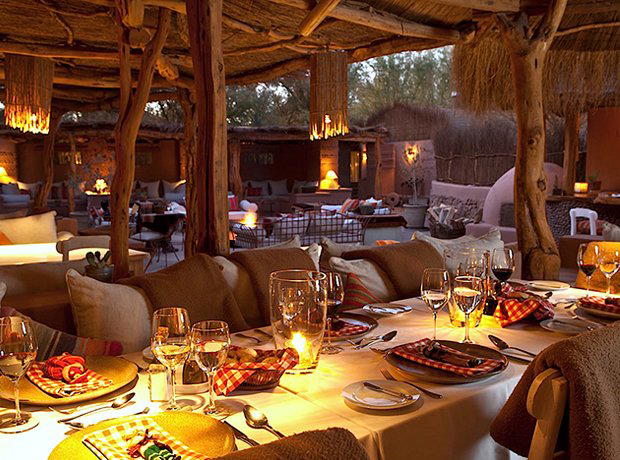

Bars in San Pedro de Atacama
Browse all →

At a Glance
- Intimate
- Elegant
- Rustic
- Scenic
- Sophisticated
- Romantic
- Date Night
- Special Occasion
- Celebration
- Business Dinner
- Hotel Restaurant
- Open Kitchen
- Terrace
- Courtyard
- Design Destination
- Extensive Wine List
- Craft Cocktails
- Local Sourcing
- Farm To Table
- Garden
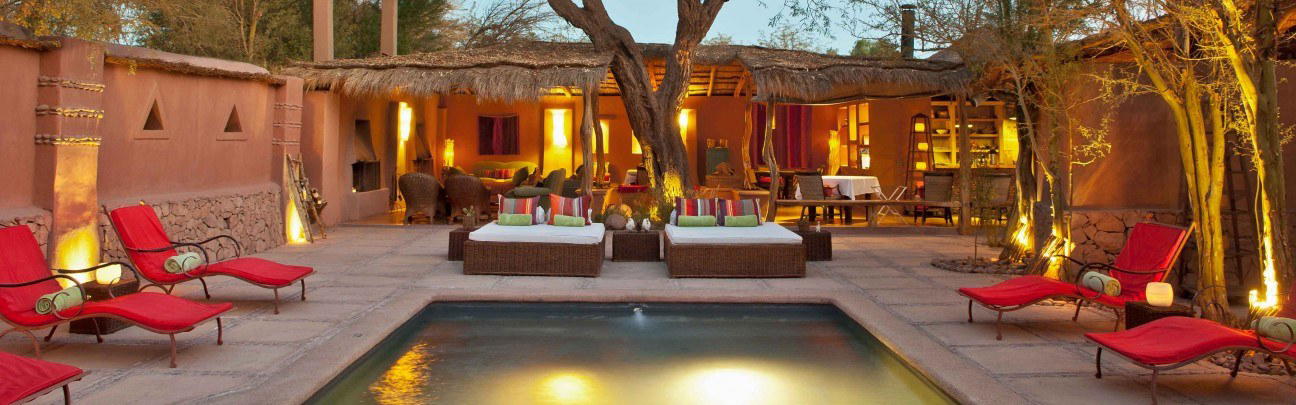
Romantic and intimate, with fireplaces, candles and warm, low lighting set within adobe walls, courtyards and tall trees that create a secluded desert oasis feel at the edge of San Pedro de Atacama.