Nayara Alto Atacama



A terracotta lodge pressed against the Cordillera de Sal in Chile's Atacama Desert, Nayara Alto Atacama operates as an all-inclusive retreat where the architecture, gardens, and restaurant program are all designed around the high-altitude desert environment. With 42 rooms, Leading Hotels of the World membership, and a three-night minimum stay, it draws guests who want serious immersion rather than a passing stopover.
Pearl is the En Primeur Club membership app — saves, bookings, and concierge access live there. Same editors, same standards.
- Address
- Camino Pukará s/n Sector Suchor, Ayllu de Quitor, San Pedro de Atacama, Provincia de El Loa, Antofagasta, Chile, 1410000
- Phone
- +56229123945
- Website
- nayararesorts.com
- Directions
- Get directions
 Saves & bookings on Pearl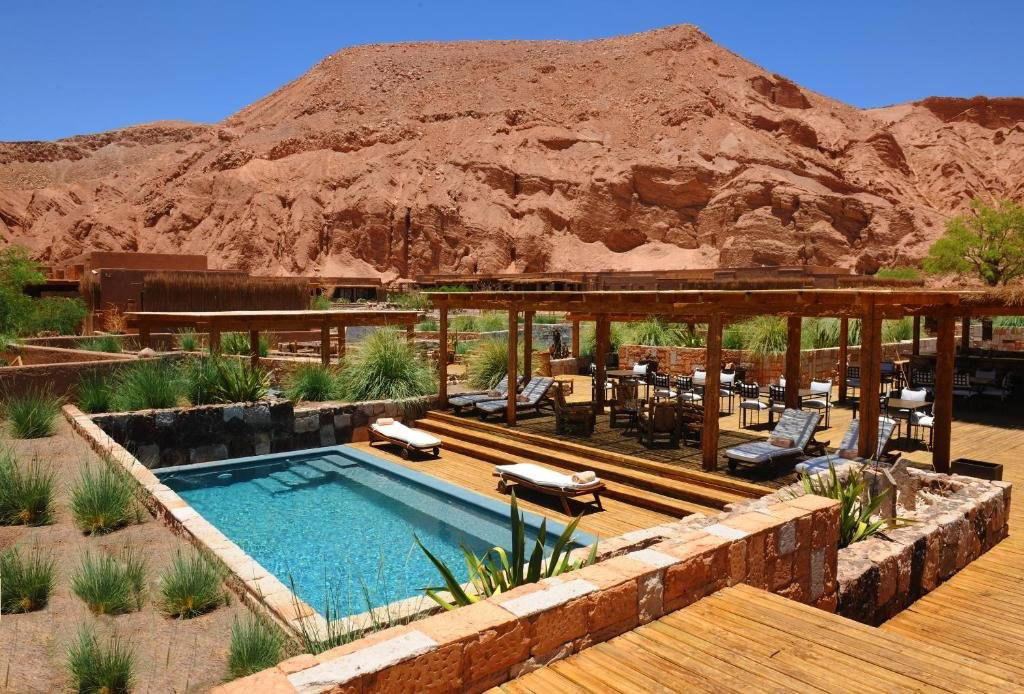
Where the Salt Mountains Set the Terms
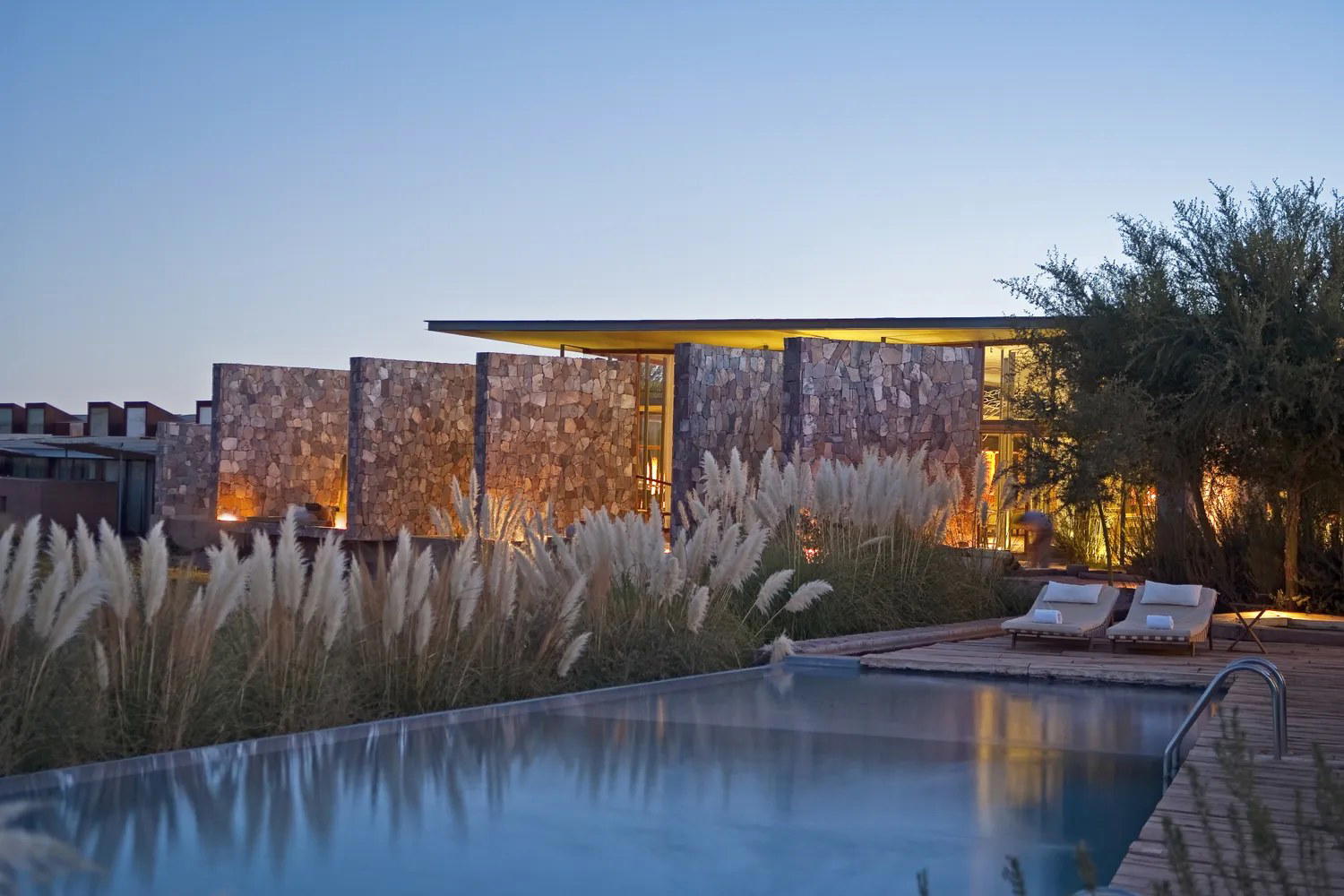
Approaching the Atacama Desert by road, the landscape shifts register in a way few environments manage. The air thins. The colour palette narrows to ochre, rust, and bleached white. By the time you reach the Cordillera de Sal, the crumbling salt ridge that frames San Pedro de Atacama to the west, the visual vocabulary of ordinary travel has been left well behind. Nayara Alto Atacama's terracotta lodge reads as an extension of that geology rather than an imposition on it. The low-profile architecture, built to mirror the red and rugged terrain of the Salt Mountains, is a deliberate design choice in a region where several competing properties have opted for grander structural statements. Here, the logic runs the other way: let the environment speak first.
The Alto Atacama Approach to Service
San Pedro de Atacama has developed a small but serious cluster of luxury desert lodges in recent years. Awasi Atacama, Explora Atacama, and Tierra Atacama Hotel & Spa all occupy this same high-altitude niche, each with its own philosophy about how much of the desert to let in. What distinguishes Nayara Alto Atacama within this comparable set is not primarily its activities program or its architecture, though both are well-considered. It is the staffing model. More than half of the hotel's team comes from indigenous communities in the region, a figure that shapes every guest interaction in ways that no amount of hospitality training can fully replicate. Local knowledge here is not a scripted amenity; it is structural. When staff describe the edible plants in the grounds, or the agricultural patterns of the altiplano, or the significance of a nearby Incan ruin, they are drawing on a relationship with the land that predates the hotel by centuries. That texture is difficult for a property to manufacture from the outside, and Nayara Alto Atacama does not have to.
The hotel holds Leading Hotels of the World membership as of 2025, a credential that places it alongside a global comparable set defined by independent, high-standard properties rather than chain consistency. That alignment matters in a region where the distinction between a well-branded resort and a genuinely rooted property is not always self-evident.
Living Inside an Andean Desert Garden
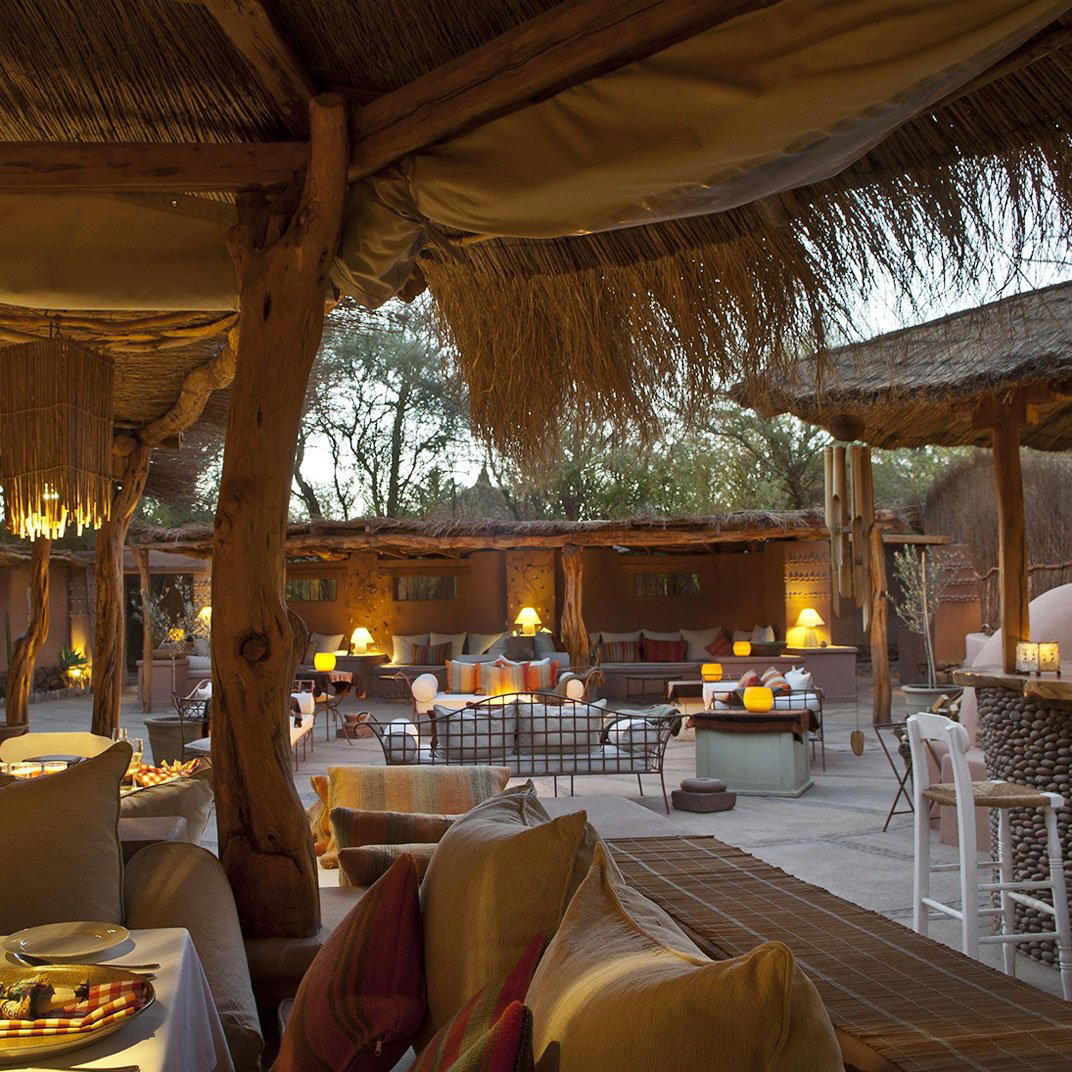
The grounds function as what the hotel describes as an Andean park: a curated landscape planted with indigenous species and structured around the traditional landscaping logic of the altiplano. This is not ornamental gardening in any conventional sense. The chañar shrub, whose small yellow fruit has been harvested in the region for millennia, grows here alongside other native desert plants. Llamas and alpacas move through the property. The overall effect is less a hotel garden and more a managed piece of high-altitude ecosystem, which is a meaningful distinction in an area where the desert's extreme conditions make every living thing a quiet argument for adaptation.
Private terraces attached to each of the 42 rooms face the Catarpe Valley. The valley shifts dramatically over the course of a day, and the desert night sky above it represents some of the clearest stargazing conditions available anywhere in the Southern Hemisphere, a function of altitude, aridity, and minimal light pollution rather than any feature of the hotel itself. San Pedro de Atacama sits at roughly 2,400 metres above sea level, and the surrounding altiplano rises considerably higher, conditions that have made this corner of northern Chile an anchor point for major astronomical observatories. Guests who want structured stargazing access can tap into that infrastructure through the hotel's activities.
Caur: The Restaurant in Context
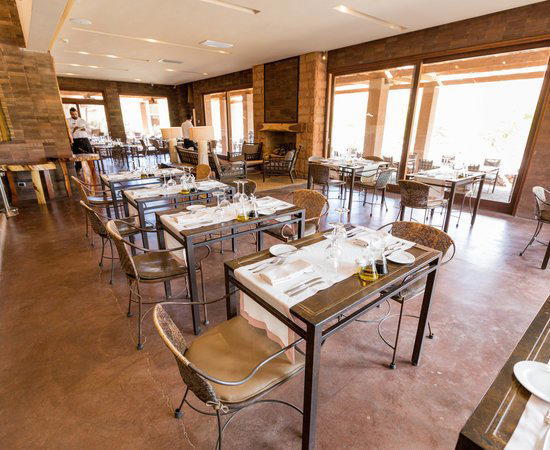
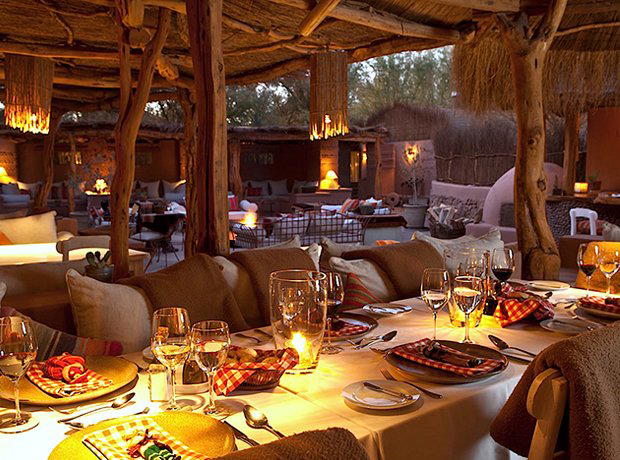
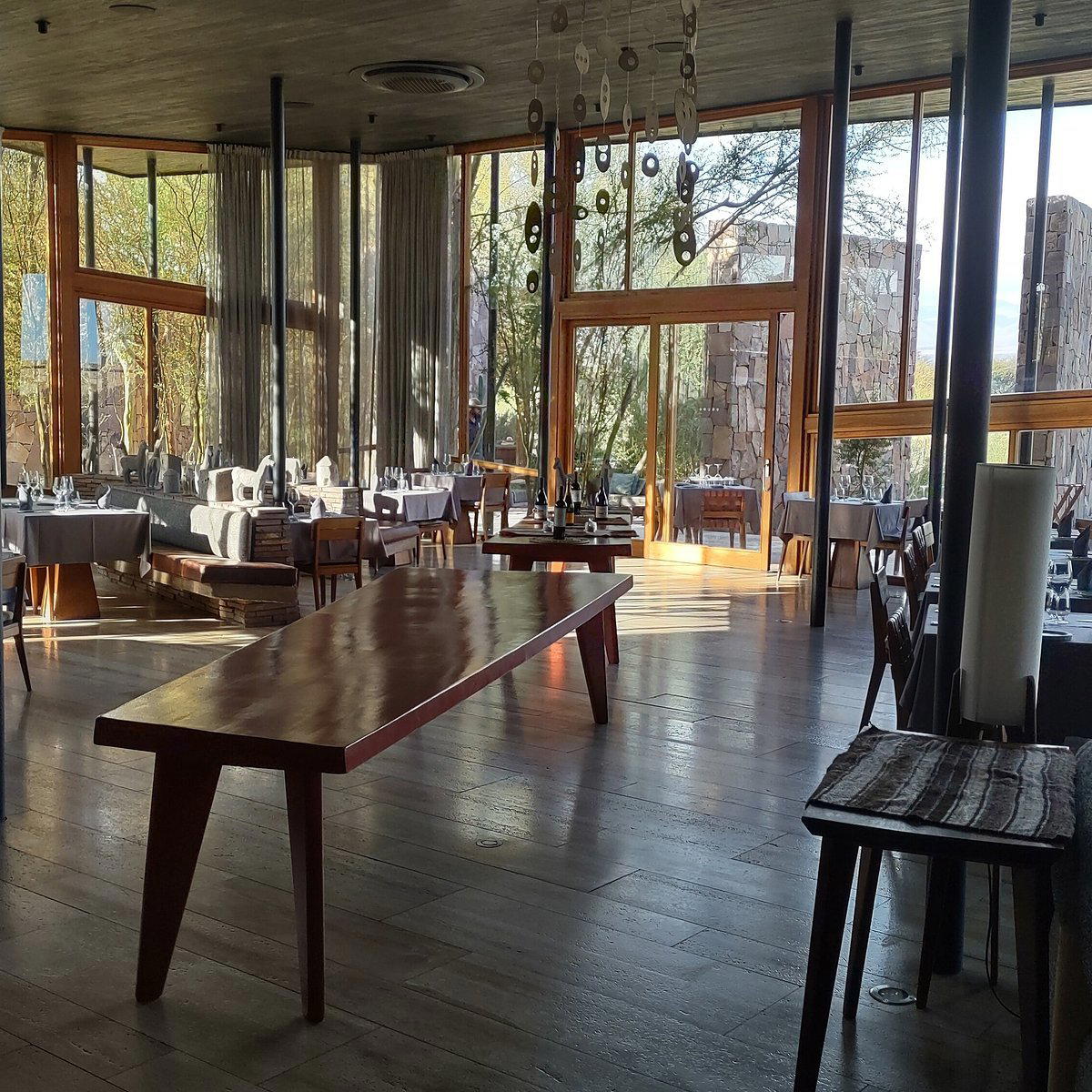
The all-inclusive structure at Nayara Alto Atacama means the restaurant, Caur, is not an optional add-on but a central part of the stay. Chef Daniel Molina's menu is built around a Mediterranean framework applied to local, organic Atacameño produce. That combination, Mediterranean technique, indigenous ingredient logic, reflects a broader pattern visible across premium South American lodges, where chefs are increasingly positioning kitchen programs as a form of cultural documentation. Molina grows some of his own herbs and fruits on the hotel grounds. Rica rica, an aromatic herb with qualities somewhere between mint and rosemary and endemic to the high Andes, appears across the menu and notably in the hotel's pisco sour, where it functions as a local modifier rather than a novelty garnish. Chilean wine, naturally, has a place at the table, the country's viticultural output from further south gives the program a regional identity that extends beyond the desert.
Spa and Physical Recovery
The Puri Spa, which includes saunas and Turkish baths alongside its treatment menu, anchors the hotel’s recovery offer after a day in the desert. After a day that might involve biking through desert canyons or hiking to pre-Columbian ruins, the case for a serious recovery facility is not an abstract one. The physical demands of high-altitude desert exploration are real, and a spa with enough range to address them is infrastructure, not luxury add-on.
Planning a Stay
A three-night minimum stay applies, which is consistent with the logic of a property that positions itself around immersion. A single-night stay here would achieve almost nothing; the desert requires time to register. Rates from $2,160 reflect the all-inclusive structure and the Leading Hotels of the World tier. Booking is recommended directly or through a specialist travel advisor given the property's minimum-stay policy and the need to coordinate activities around arrival altitude acclimatisation. The hotel sits at Camino Pukará s/n, Sector Suchor, Ayllu de Quitor, on the outskirts of San Pedro de Atacama proper.
For travellers building a longer Chilean itinerary, the hotel pairs logically with properties that share a similar approach to environment-first design elsewhere in the country. Ecocamp Patagonia in Torres del Paine, REMOTA in Puerto Natales, and andBeyond Vira Vira in Pucon occupy different ecological registers but a similar philosophy. Those looking for design-forward urban bookends might consider Debaines Hotel Santiago or W Santiago in the capital. Wine-focused stays in Chile's central valleys are served by Clos Apalta Residence in Valle de Apalta. Further afield in Chile, Explora Torres del Paine, Explora Patagonia National Park in Cochrane, and Explora Rapa Nui on Easter Island extend the expedition-lodge model across radically different landscapes. Other notable Chilean properties worth considering include Futangue Hotel & Spa in Riñinahue, Puyuhuapi Lodge & Spa in Aisen, Refugia Chiloé, Mari Mari Natural Reserve Experience in Los Muermos, Noi Puma Lodge in Cachapoal, CasaMolle in El Molle, Hotel AWA in Puerto Varas, Hotel Las Majadas in Pirque, and Palacio Astoreca Hotel in Valparaiso. For international reference points in the premium boutique tier, Aman New York, The Fifth Avenue Hotel in New York City, and Aman Venice occupy a comparable position in their respective markets.
Style and Standing
Comparable venues nearby, for context on price, style, and recognition.
| Venue | Cuisine | Price | Awards | Notes |
|---|---|---|---|---|
| Nayara Alto AtacamaThis venue — the venue you are viewing | Eco-luxury desert lodge blending into the Atacama landscape | $$$$ | Michelin 2 Key | Not listed |
| Explora Atacama | Desert lodge designed for immersion in the Atacama landscape on 17 hectares. | $$$$ | Michelin 2 Key | San Pedro de Atacama |
| Awasi Atacama | rustic adobe oasis with historic roots | $$$$ | Michelin 2 Key | San Pedro de Atacama |
| Tierra Atacama Hotel & Spa | Modern adobe architecture blending with desert landscape | $$$$ | Michelin 1 Key | San Pedro de Atacama |
| Our Habitas Atacama | rustic adobe village in the Atacama Desert | $$$$ | Not listed | San Pedro de Atacama |
| Vik Chile | Contemporary architectural landmark in wine country | $$$$ | Michelin 2 Key | San Vicente de Tagua Tagua |
Recognition history
Dated appearances from independent guides and award organizations, with the underlying list record or original source where available.
Virtuoso Luxury Hotel Partner
Virtuoso
Leading Hotels of World Member
Leading Hotels of World
Michelin 2 Keys
Michelin
Continue exploring
More in San Pedro de Atacama
Hotels in San Pedro de Atacama
Browse all →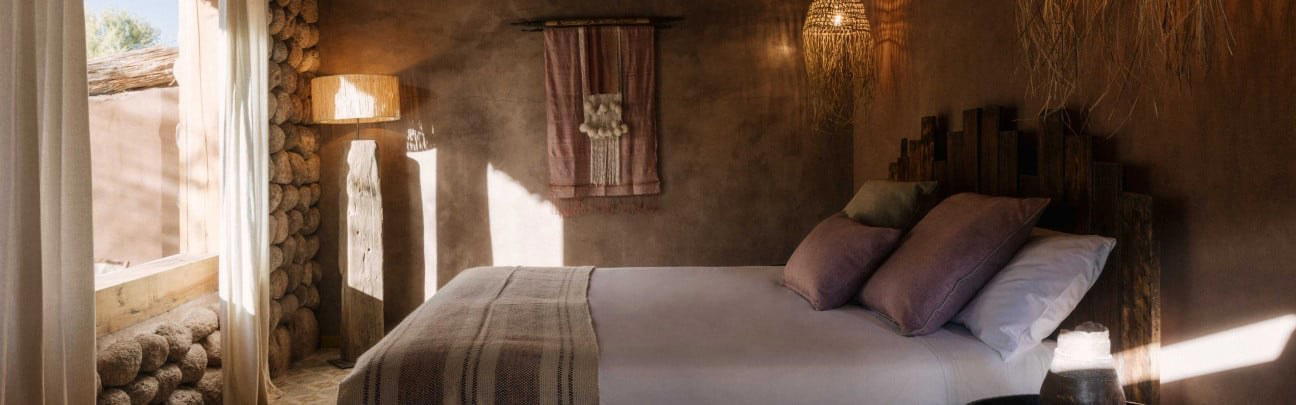
Bars in San Pedro de Atacama
Browse all →

At a Glance
- Romantic
- Quiet
- Elegant
- Rustic
- Scenic
- Intimate
- Sophisticated
- Honeymoon
- Romantic Getaway
- Wellness Retreat
- Anniversary
- Panoramic View
- Private Villa
- Destination Spa
- Wi Fi
- Pool
- Spa
- Hot Tub
- Sauna
- Restaurant
- Bar
- Concierge
- Bicycle Rental
- Garden
- Mountain
- Garden
- Wi Fi
- Pool
- Spa
- Hot Tub
- Sauna
- Restaurant
- Bar
- Concierge
- Bicycle Rental
- Garden
Serene and tranquil with natural light, raw desert aesthetics using local materials, cozy fireplaces, and peaceful mountain and river vistas.