The Webster
The Webster occupies a considered position in London's competitive luxury hotel market, where dining programme and neighbourhood character increasingly define a property's identity as much as its rooms. Located in London, it sits within a city where the gap between hotel restaurant as amenity and hotel restaurant as destination has never been wider, and where guests increasingly choose properties on the strength of both.

Pearl is the En Primeur Club membership app, where members save venues, book tables and use the concierge.
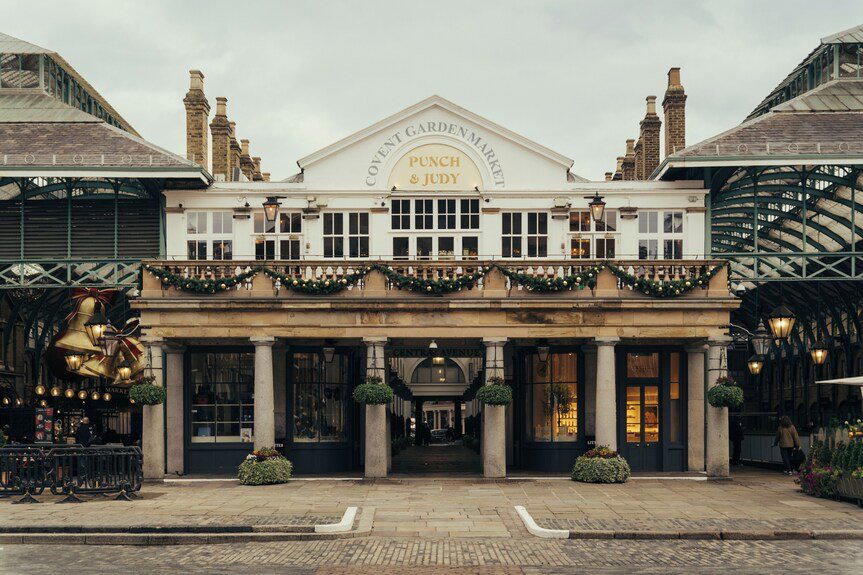
London's Hotel Dining Divide, and Where The Webster Sits
London's luxury hotel market has fractured into two increasingly distinct camps over the past decade. On one side are the grand institutional addresses Claridge's, The Savoy, The Connaught, where the dining programme is as much a part of the city's cultural fabric as any Michelin credential. On the other are newer arrivals and boutique operators, many of them design-forward and neighbourhood-rooted, which have staked their identity on a sharper, more concentrated hospitality vision. The Webster, a London address that draws attention precisely because it operates outside the obvious flagship tier, belongs to the conversation that the latter group has forced open.
This is a city where hotel restaurants have had to earn their place at the table, sometimes literally. Properties like NoMad London and Raffles London at The OWO arrived with food-first programming that set a new bar for what incoming luxury properties had to demonstrate. The result is a London hotel dining scene that rewards specificity, guests who know what kind of culinary identity they want can now match property to preference with unusual precision.
The Dining Programme as Property Identity
Across London's premium tier, the hotel dining programme has moved from being a support feature to being a primary filter for how guests choose and remember a property. At The Emory and 1 Hotel Mayfair, food and beverage programming anchors the brand story as much as the room product. At 11 Cadogan Gardens, a more intimate approach treats the dining experience as an extension of the residential quality the property is built around.
The Webster operates within this context. Without the critical mass of a large-group property or the marketing infrastructure of an international chain behind its dining operation, it must compete on the strength of the experience itself, on the credibility of whatever culinary identity it projects and how consistently that identity is delivered. In a city where guests can cross-reference dining programmes across our full London restaurants guide before booking, that credibility is the property's most testable asset.
This is not a new challenge for boutique London hotels. Properties like Estelle Manor in Oxfordshire and The Newt in Somerset have demonstrated, outside the capital, that a tightly controlled food identity built around a specific ingredient philosophy or regional provenance can anchor an entire property's reputation. The principle translates to London, though the competitive pressure is considerably higher and the guest's alternative options considerably greater.
Neighbourhood, Scale, and What Boutique Properties Trade
Boutique London hotels trade scale for specificity. They cannot compete on pool size, conference capacity, or the breadth of on-site dining options that larger properties offer. What they offer instead is a more legible sense of place, a connection to a specific neighbourhood that, at the better examples, feels earned rather than marketed.
This is particularly relevant in a city where neighbourhood character remains one of the most reliable quality signals in hospitality. The areas where properties like The Webster operate tend to attract guests who have already made a considered choice about what London they want to be inside: a particular kind of residential feel, a walkable proximity to specific cultural or retail anchors, a pace that differs from the Mayfair or Knightsbridge hotel corridors.
Across the UK more broadly, this kind of neighbourhood-rooted boutique positioning has proven durable. Hope Street Hotel in Liverpool, King Street Townhouse Hotel in Manchester, and Glasgow Grosvenor Hotel each demonstrate that a strong local identity compounds over time into a loyalty profile that larger, more anonymous properties find difficult to replicate. The model works when the property genuinely reflects its location rather than importing a generic luxury grammar onto it.
Planning and Peer Comparison
For guests approaching The Webster as part of a London stay that takes dining seriously, the relevant comparison set is not the five-star institutional tier but the cluster of boutique and mid-luxury London addresses where the room product and the dining experience are evaluated together. The table below maps The Webster against a cross-section of London properties across the key logistical considerations that most affect the planning decision.
| Property | Category | Dining Programme Focus | Scale | Notable Credential |
|---|---|---|---|---|
| The Webster | Boutique London Hotel | To be confirmed on-site | Boutique | Independent positioning |
| Raffles London at The OWO | Luxury flagship | Multi-restaurant, destination dining | Large | Historic Whitehall building |
| The Connaught | Grand luxury | Helène Darroze (Michelin-starred) | Mid | Established Mayfair institution |
| NoMad London | Design-led luxury | Restaurant-forward programme | Mid | Covent Garden address |
| 11 Cadogan Gardens | Boutique residential | Intimate, house-style dining | Small | Chelsea townhouse format |
The comparison reinforces a point worth making plainly: in London's premium tier, the dining programme is the most variable element across otherwise similar price points. Guests who arrive at a boutique property without a clear sense of the food offering sometimes find that the neighbourhood's external restaurant scene fills the gap more effectively than the in-house option. For The Webster, knowing how to use the surrounding area as an extension of the dining experience is as relevant a planning consideration as the property's own programme.
The UK Boutique Hotel Context, Beyond London
The boutique hotel model that The Webster represents has strong British precedents at every scale. Lime Wood in Lyndhurst built its reputation on a food programme that anchors everything else. Gleneagles in Auchterarder operates a multi-format dining portfolio that serves as a model for how large estates can sustain culinary ambition across multiple spaces. Smaller properties, from Burts Hotel in Melrose to Langass Lodge in Na H-Eileanan an Iar, demonstrate that the strongest independent hotel dining often comes from a single-minded focus on local sourcing and a clear sense of what the property is for.
International comparisons extend this pattern further. Aman New York and The Fifth Avenue Hotel in New York, and Aman Venice, each approach the question of hotel dining from a position of extreme selectivity, fewer covers, higher commitment, a deliberate decision to let the dining experience define the property's upper register rather than simply support it. The Webster's position in this broader conversation depends on the clarity of that same decision.
Planning Your Stay
Guests approaching The Webster for the first time are advised to confirm the current dining programme and any associated booking requirements directly with the property before arrival. London boutique hotels at this level typically operate with limited cover availability and, at the better examples, a dining experience that rewards advance planning. The neighbourhood's own restaurant options should be treated as part of the overall experience rather than as a fallback. For a fuller orientation to London's dining geography, our full London restaurants guide maps the city's key areas and the culinary traditions that define them.
Price and Recognition
| Venue | Price | Awards |
|---|---|---|
| The WebsterThis venue (the venue you are viewing) | $300–500 | Not listed |
| Raffles London at The OWO | $1,000–1,500 | 3 Michelin Keys · World's 50 Best #28 |
| The Connaught | $1,000–1,500 | 3 Michelin Keys · World's 50 Best #49 |
| 51 Buckingham Gate, Taj Suites and Residences | Not listed | Michelin Selected · La Liste Top Hotels |
| Bvlgari Hotel London | Not listed | 2 Michelin Keys · La Liste Top Hotels |
| COMO Metropolitan London | Not listed | Michelin Selected · Forbes 4-Star |
Continue exploring
More in London
Hotels in London
All hotels in London →
Bars in London
All bars in London →
Restaurants in London
All restaurants in London →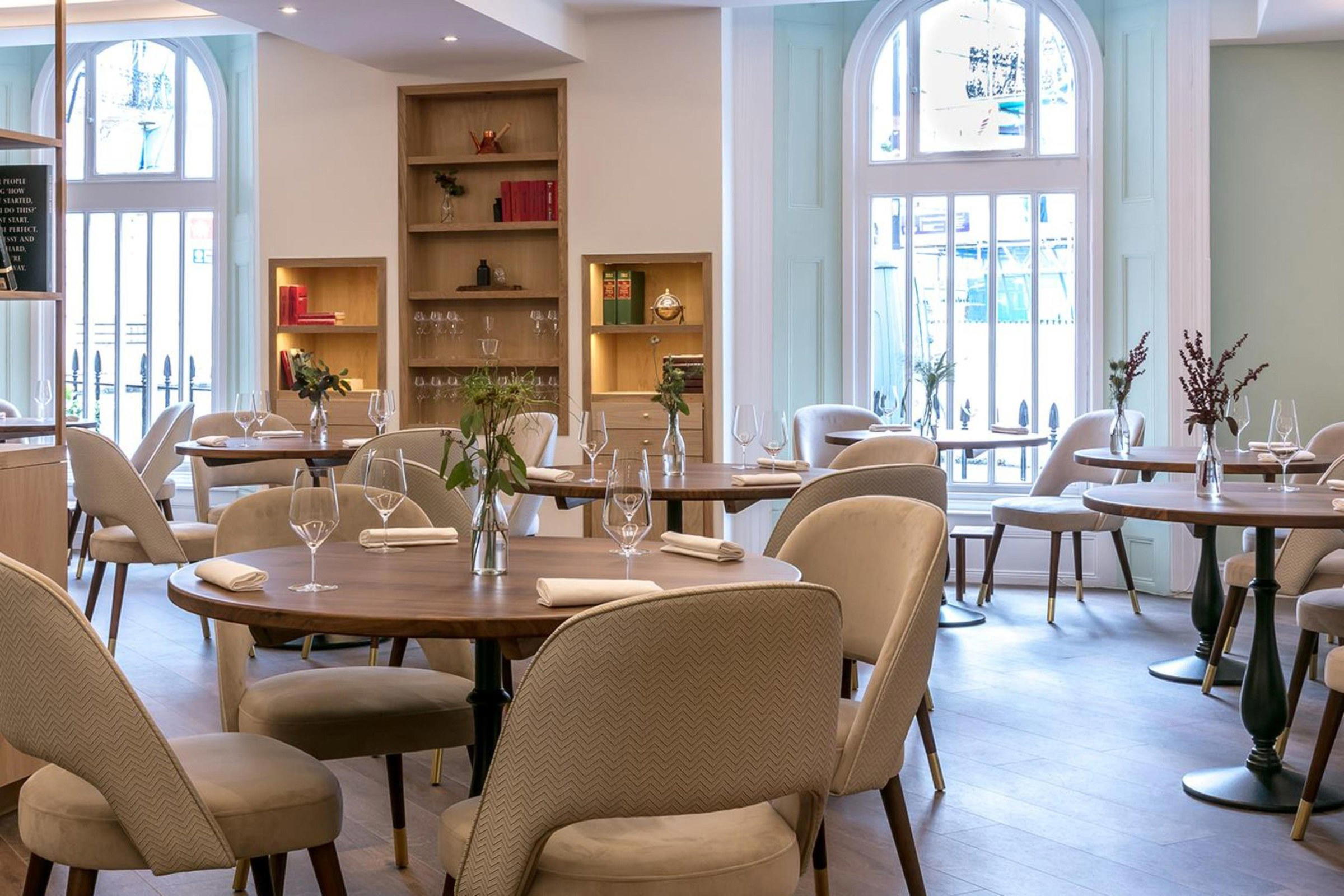



Details
- Trendy
- Modern
- Sophisticated
- Elegant
- Business Trip
- Weekend Escape
- Terrace
- Historic Building
- Design Destination
- Wi Fi
- Room Service
- Concierge
- Street Scene
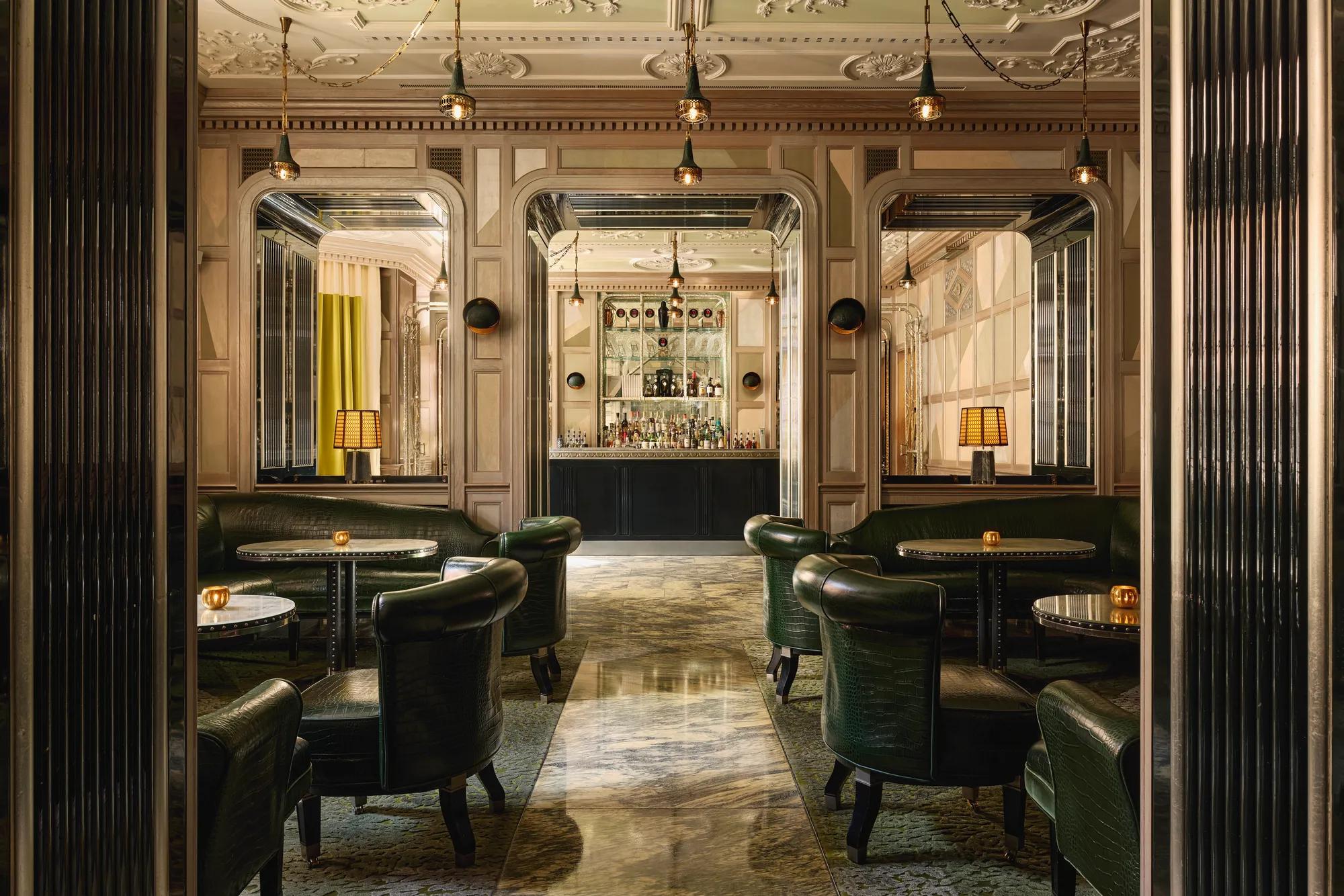
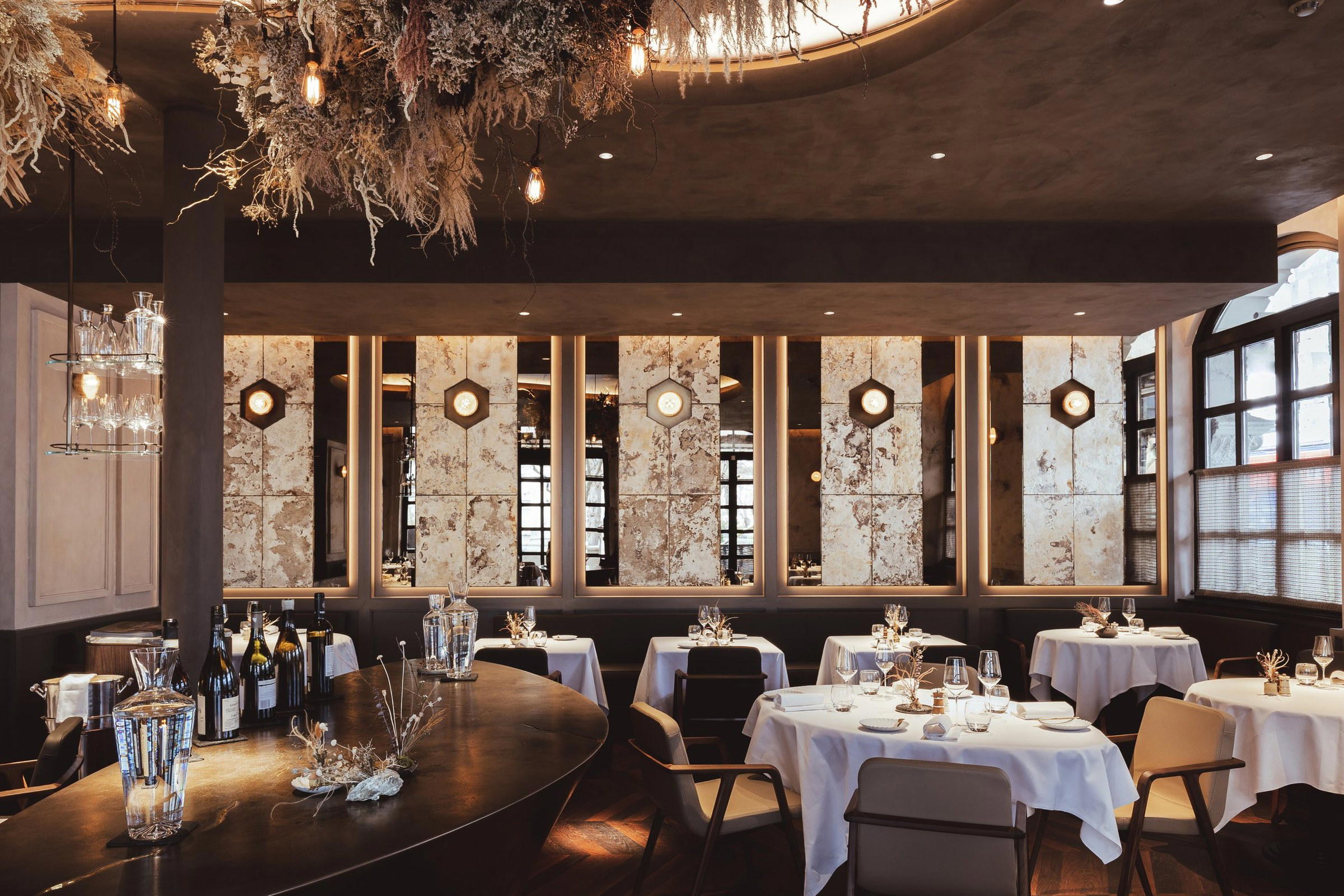
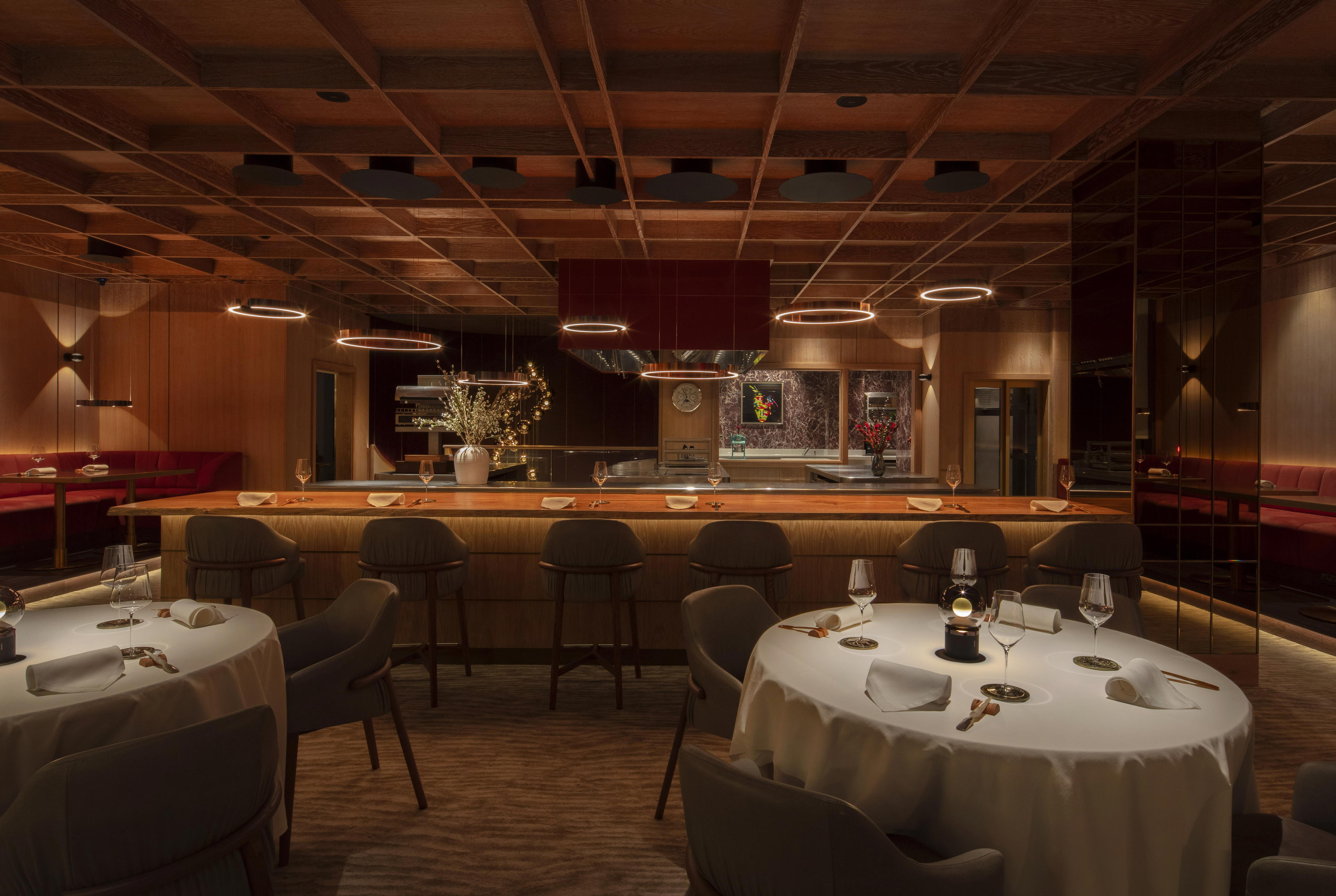
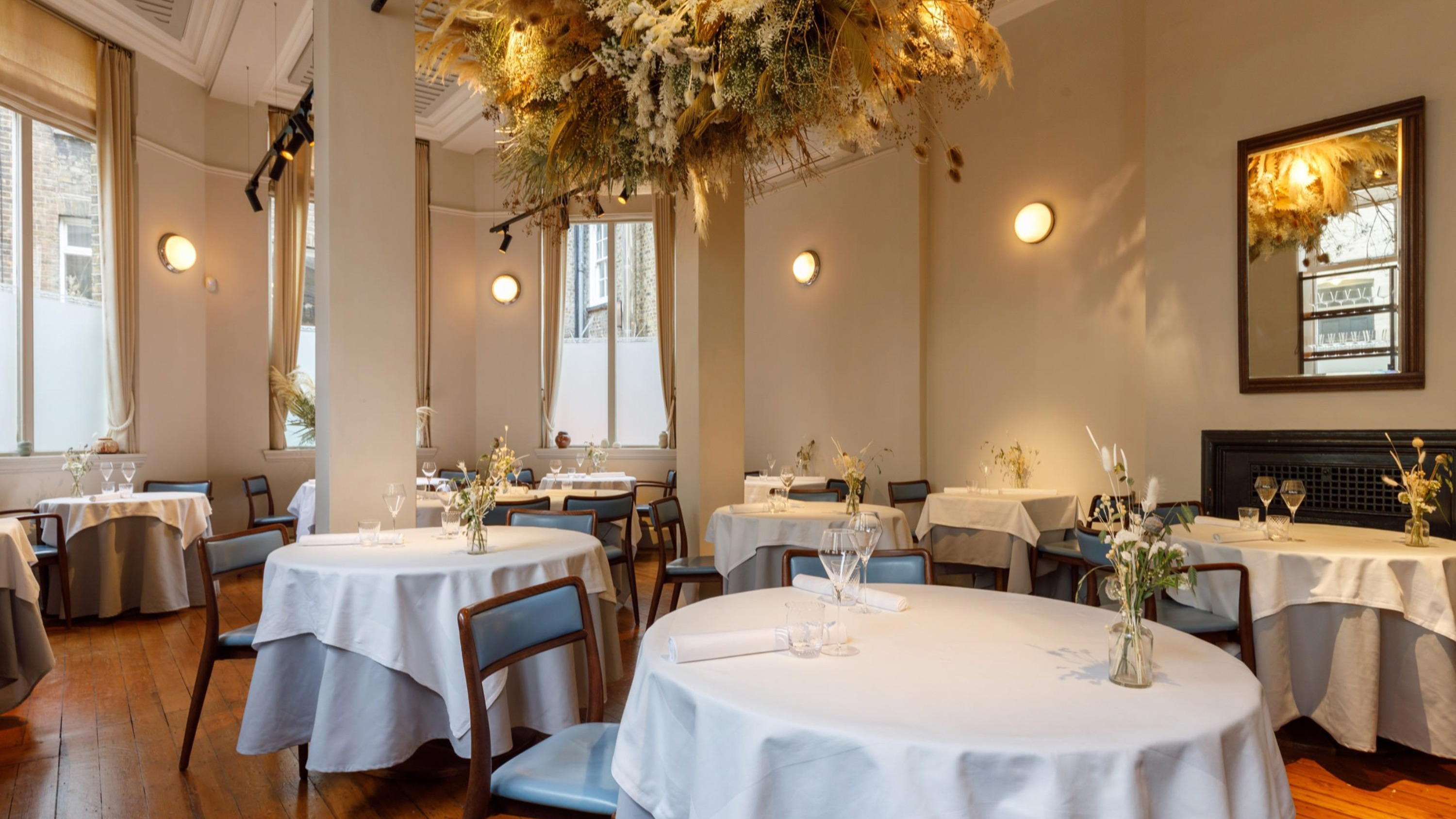
Warm textures, neutral palettes with brass and alabaster fixtures, cozy library nooks, intimate lounges, and lively social spaces fostering connection and creativity.