Home House London - Private Member’s Club

Michelin Selected
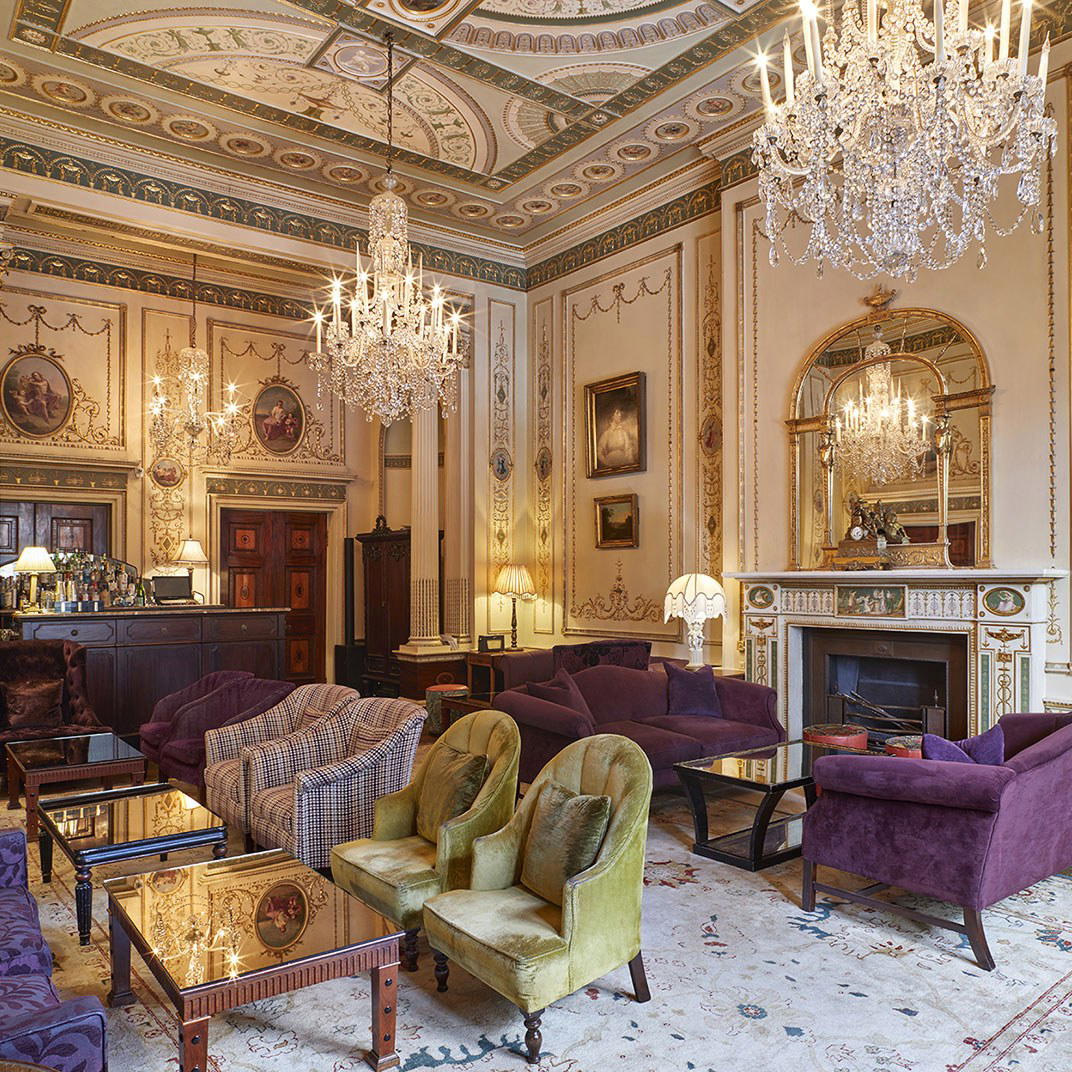
The late-18th-century interiors, attributed to Robert Adam, position the property at the intersection of London's club tradition and its growing appetite for design-led accommodation.

Pearl is the En Primeur Club membership app, where members save venues, book tables and use the concierge.
Three Georgian Houses, One Considered Address
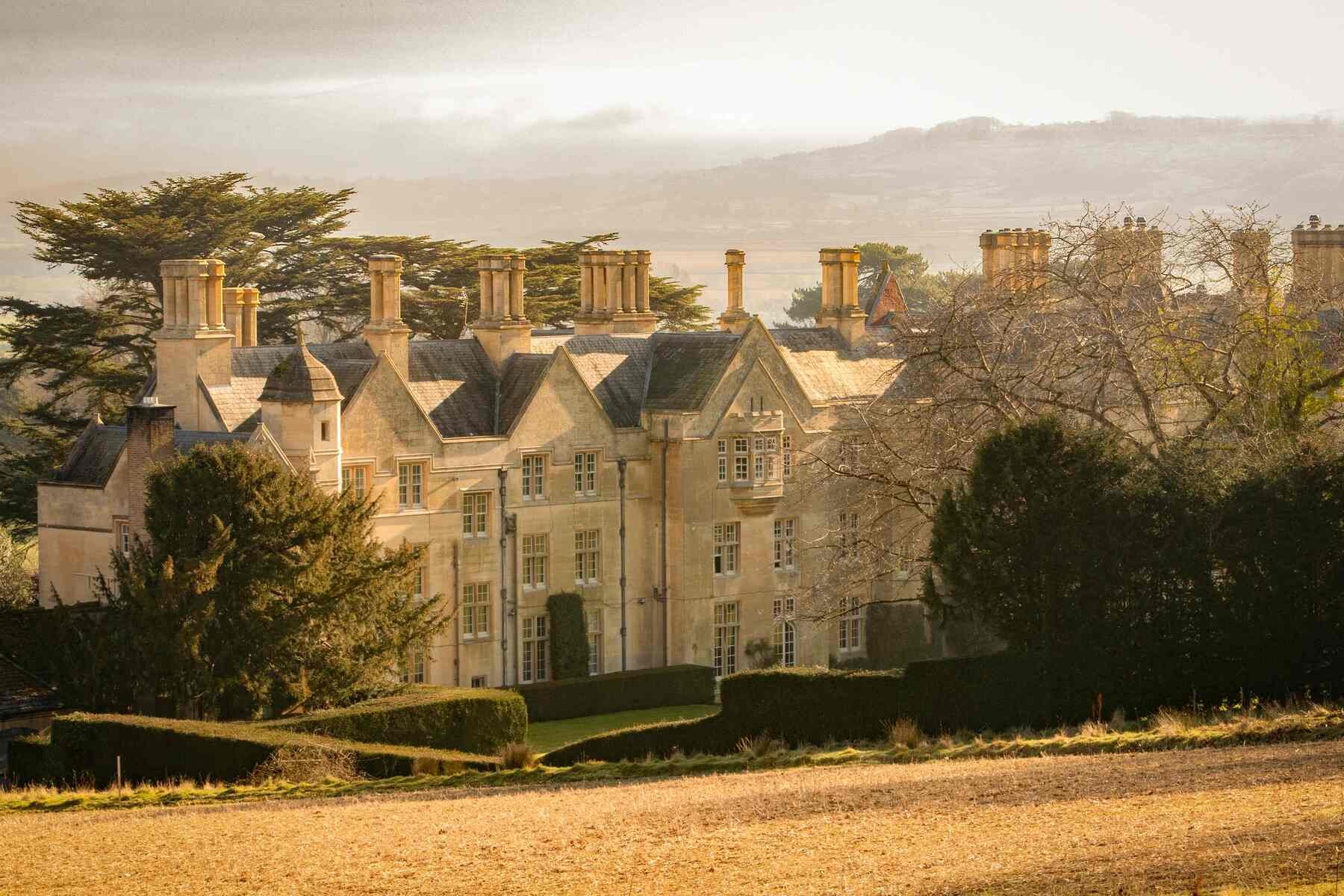
Portman Square sits on the northern edge of Mayfair, a quieter register than Berkeley Square or Grosvenor Square, and that quietness is precisely the point. When London's private members' clubs began proliferating in the 1990s and early 2000s, the most thoughtfully conceived among them sought addresses that carried Georgian credibility without the foot traffic of the main hotel corridors. Home House, occupying numbers 19, 20, and 21 Portman Square, landed in that category, a grade I listed set of townhouses whose interiors include work attributed to Robert Adam, one of the defining figures of British neoclassical design.
The Robert Adam question matters architecturally. His particular contribution to 18th-century interiors, the integration of ceiling ornament, chimney piece, door surround, and furniture arrangement into a single decorative system, is visible in the principal rooms at Portman Square in a way that separates the property from any competitor attempting period-inflected décor through reproduction. What's here predates the category it now occupies.
The Club Format in London's Wider Accommodation Picture
London's premium accommodation market has fractured meaningfully over the past decade. On one side sit the grand hotel institutions, The Savoy, The Connaught, Raffles London at The OWO, with high room counts, branded restaurants, and the infrastructure of large-scale hospitality. On the other sit a smaller cohort of residential-scale properties where the emphasis shifts from hotel service choreography to something closer to being a house guest: fewer rooms, more idiosyncratic spaces, and an operating logic shaped by membership rather than occupancy rate.
Home House sits firmly in the second category. The members' club structure means that access to the principal reception rooms, the garden, and the social programming is restricted to members and their guests, a model that creates genuine exclusivity of atmosphere rather than the performed version. For those staying as overnight guests through the accommodation offering, the experience intersects with club life in a way that large-format hotels cannot approximate. The closest residential-scale comparators in London's current market include 11 Cadogan Gardens and, in a different idiom, The Emory.
Beyond London, the format has parallels at Estelle Manor in North Leigh and The Newt in Somerset, both of which operate on the principle that a defined community of users produces a different quality of atmosphere than a transient hotel population. At the international level, the comparison point shifts toward Badrutt's Palace Hotel in St. Moritz and Hôtel de Paris Monte-Carlo, properties where the social architecture of who uses the space is as deliberate as the physical architecture.
Reading the Rooms: Adam's Interiors in Practice
The neoclassical interior tradition that Robert Adam codified in the 1770s and 1780s prioritised proportion above ornament. His ceilings at Portman Square work through a geometry of shallow plasterwork panels and painted medallions that reads as restrained from a distance and intricate up close, the opposite of the Victorian heaviness that dominates comparable Marylebone and Mayfair townhouses. That visual logic means the rooms at Home House function as social spaces in a particular way: they reward prolonged occupation rather than a quick scan.
This is a meaningful distinction for a members' club. The spaces that work leading for lingering conversation are those with enough visual complexity to sustain attention without demanding it. Adam's interiors, reproduced faithfully or otherwise, tend to produce that quality. The same tradition is visible, in a different context, in the grand public rooms at Gleneagles and, at the hotel end, in the lobbies of NoMad London, though NoMad's aesthetic is 20th-century institutional rather than 18th-century domestic.
Michelin Selection and What It Signals
The Michelin Selected designation, which Home House carries as of the 2025 hotels guide, operates differently from the starred restaurant system. It functions as an editorial inclusion signal: Michelin's inspectors consider the property worth directing readers toward, without applying a tiered distinction system. In the London hotel context, Michelin Selected status places Home House in a broad peer group that includes design-forward properties and heritage institutions alike. It is a floor signal rather than a ceiling, confirming baseline credibility rather than making a comparative claim.
What the designation confirms, alongside the architectural evidence, is that the property operates at a level of seriousness that warrants consideration by travellers making deliberate choices about where to base themselves in London. For context on how the Michelin Selected cohort maps to London's wider hotel offer, our full London guide covers the range of options across neighbourhoods and price tiers.
Portman Square and the Marylebone Framing
The neighbourhood positioning matters more than it might initially appear. Portman Square sits in the administrative boundary of Marylebone, a district that has accumulated a distinct identity over the past fifteen years, independent retail on Marylebone High Street, a cluster of serious medical practices drawing international visitors, and a residential character that attracts long-term London residents rather than tourists. That profile suits a members' club model. The surrounding streets carry less footfall than Mayfair to the south, which means the approach to the building on most days is genuinely quiet, a consideration that matters if the operating logic of the property depends on a sense of withdrawal from the city's noise.
For those combining a London stay with broader UK travel, the road and rail connections from Marylebone are practical: Marylebone station provides direct services into the Chilterns, and the proximity to Paddington (approximately fifteen minutes by taxi or the Elizabeth line from Bond Street) opens routes toward the west of England and Wales. Properties such as Lime Wood in Lyndhurst and Farlam Hall Hotel in the Lake District represent the kind of second-leg destinations that pair logistically with a central London base of this type.
Planning Your Visit
Home House operates as a private members' club at 20 Portman Square, London. Overnight accommodation is available to members and, depending on current policy, to guests of members, prospective visitors should confirm access terms directly with the club before planning a stay, as the membership model shapes what is and is not available to non-members. The Michelin Selected status in the 2025 guide provides a useful reference point for the property's positioning, and the grade I listed status of the buildings means the physical fabric of the interiors is protected and maintained to conservation standards. Those seeking design-forward alternatives with open-access booking in a similar Mayfair-adjacent location might consider 1 Hotel Mayfair as a point of comparison.
At-a-Glance Comparison
Comparable venues nearby, for context on price, style, and recognition.
| Venue | Cuisine | Price | Awards | Notes |
|---|---|---|---|---|
| Home House London - Private Member’s ClubThis venue (the venue you are viewing) | Private members' club with boutique hotel accommodations | Not listed | Michelin Selected | Not listed |
| Kettner's | Restored Georgian townhouses with art deco accents evoking 1920s French boudoir luxury. | $300–500 | Michelin Selected · Mr & Mrs Smith Seal of Approval | Soho |
| Pavilion Kensington | Offices & Members Club | Luxury business members' club with workspaces and social facilities | Not listed | Not listed | Kensington Palace Gardens |
| Dog & Fox (Hotel) | Well-known pub with boutique bedrooms hinting at Wimbledon's heritage. | Not listed | Not listed | Wimbledon |
| The Webster | Lifestyle hotel blending Beaux Arts charm with youthful energy and literary heritage. | $300–500 | Not listed | Covent Garden |
| The Zetter Bloomsbury | Georgian townhouse hotel blending period features with eclectic antiques and modern comforts | $300–500 | Michelin Selected | Bloomsbury |
Recognition history
Dated appearances from independent guides and award organizations, with the underlying list record or original source where available.
Michelin Selected
Michelin
Continue exploring
More in London
Hotels in London
All hotels in London →
Bars in London
All bars in London →



Details
- Elegant
- Sophisticated
- Ornate
- Classic
- Business Trip
- Celebration
- Historic Building
- Fitness Center
- Spa
- Room Service
Current opening hours
- Monday
- 7 AM–12 AM
- Tuesday
- 7 AM–2 AM
- Wednesday
- 7 AM–2 AM
- Thursday
- 7 AM–2 AM
- Friday
- 7 AM–3 AM
- Saturday
- 7 AM–3 AM
- Sunday
- 8 AM–12 AM
Hours can change for holidays and private events. Hours as of .
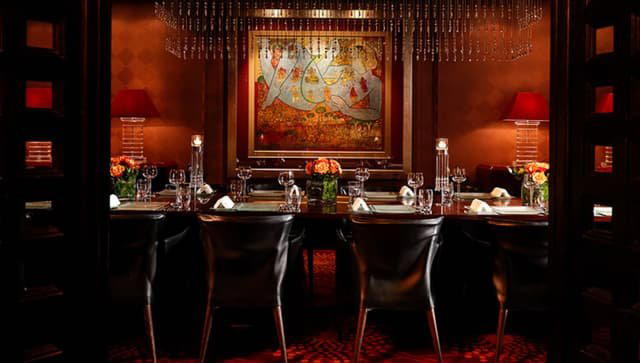
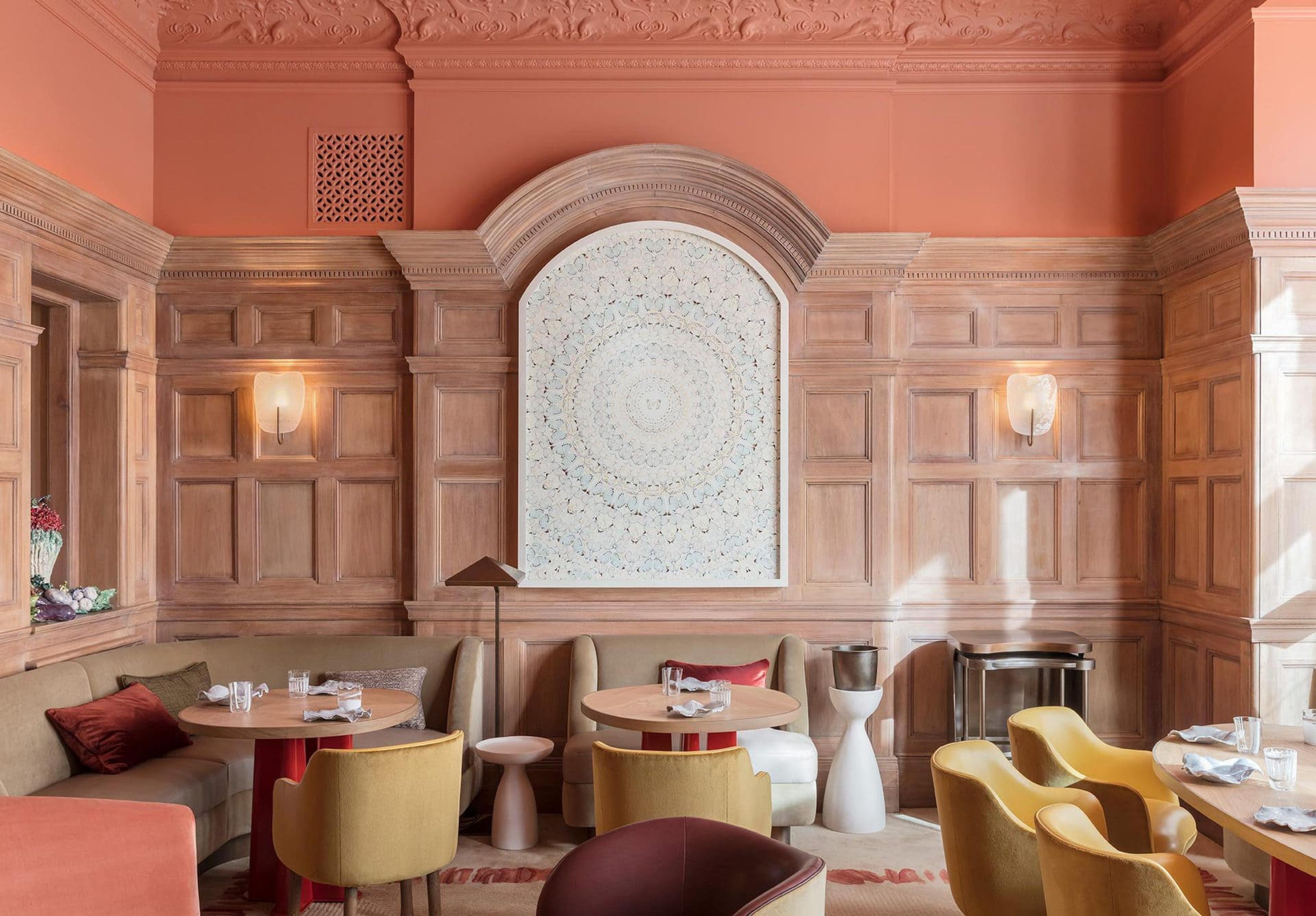
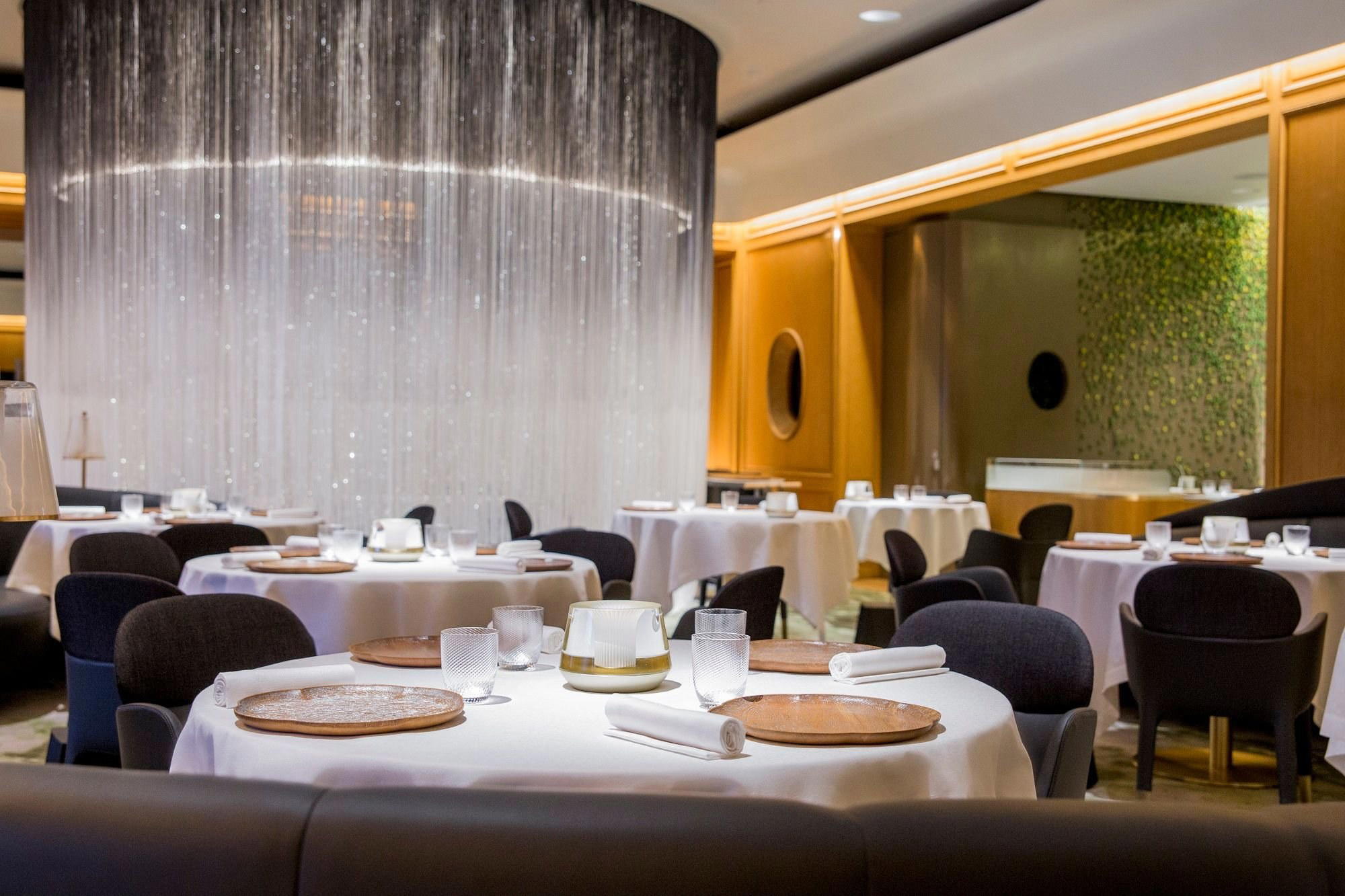
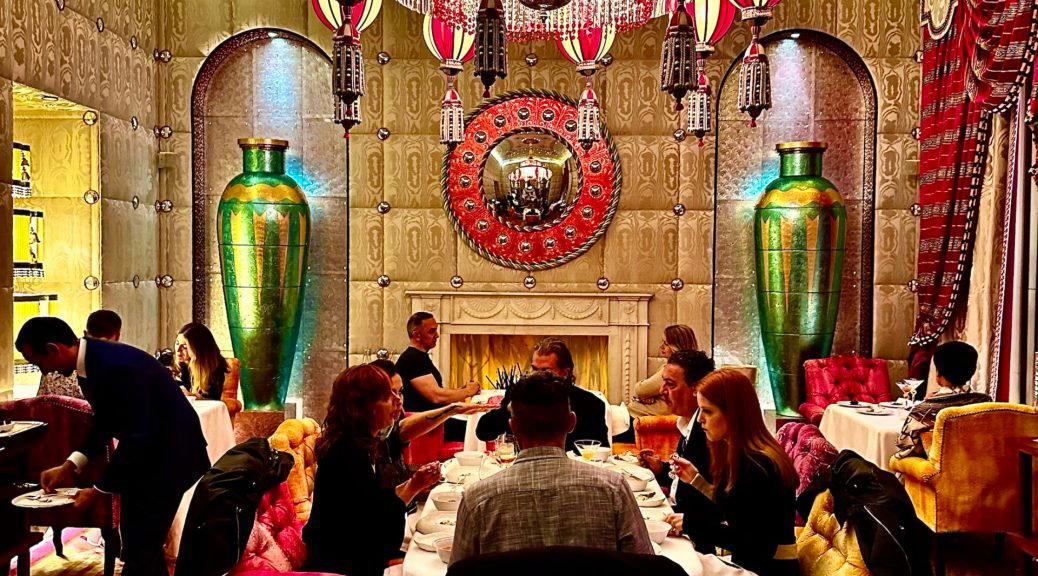
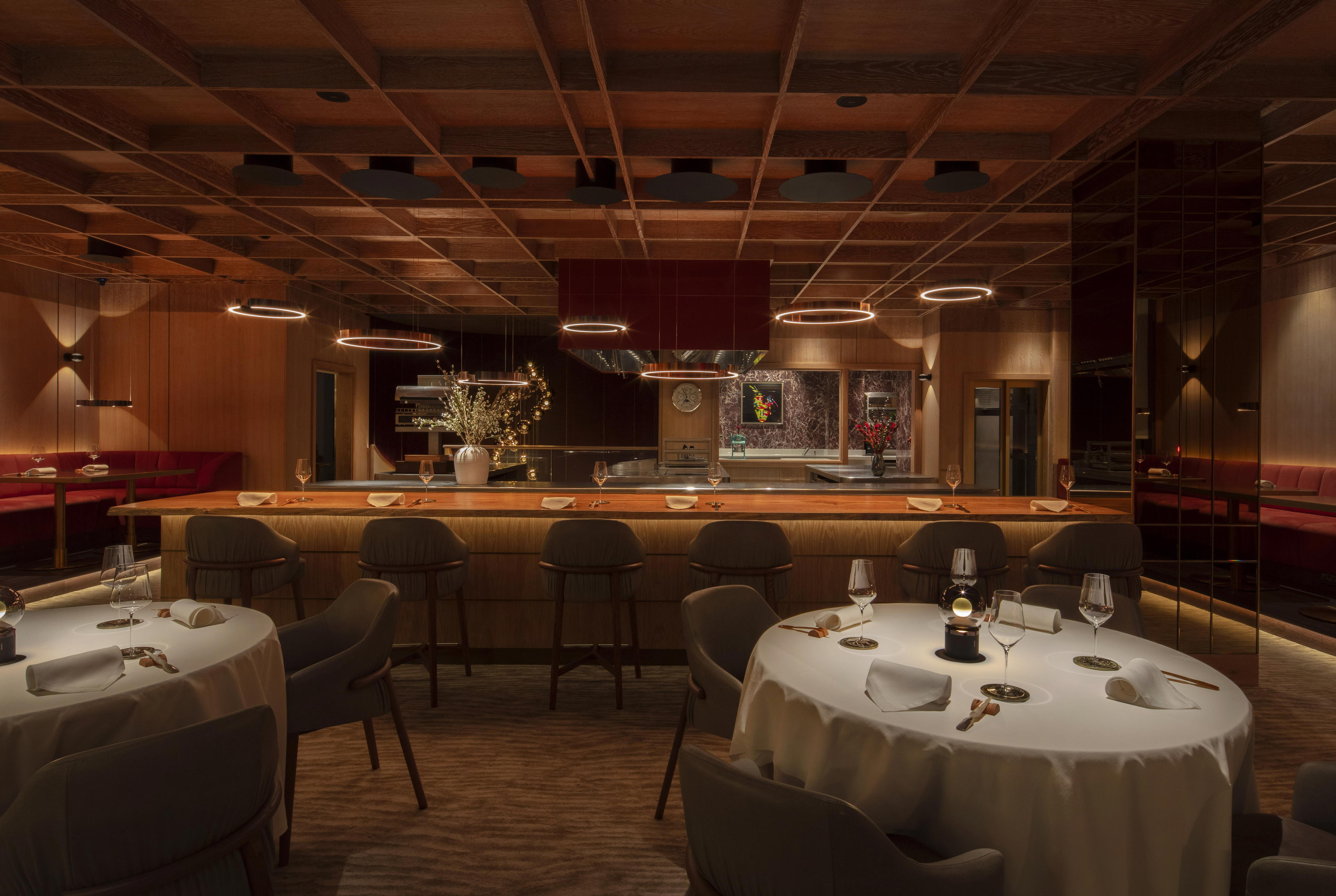
Ornate neoclassical interiors blending historical elegance with modern luxury, creating a dramatic and sophisticated atmosphere.