Google: 4.4 · 761 reviews
Kettner's
Kettner's at 29 Romilly St has shaped Soho's dining conversation since the nineteenth century, operating as one of the neighbourhood's most historically layered addresses. The space balances grand Edwardian interiors with a programme that reflects contemporary Soho's range — from late-night champagne bar to full dining room. For London visitors comparing heritage hospitality addresses, it belongs in the same consideration set as the capital's storied hotel restaurants.
 Discover on Pearl
Pearl is the En Primeur Club membership app — saves, bookings, and concierge access live there. Same editors, same standards.
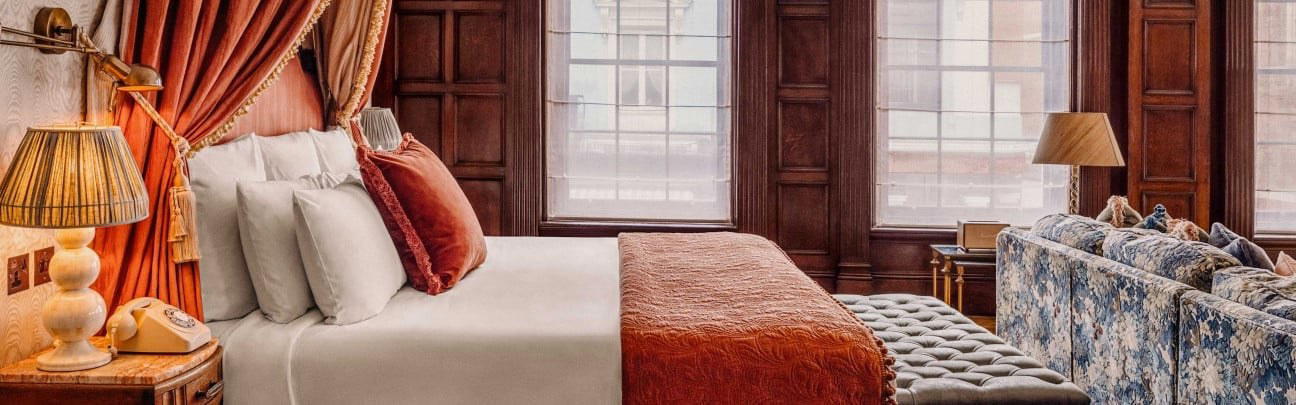
Soho's Long Room: What Kettner's Says About a Neighbourhood
Romilly Street has never been a quiet address. The stretch of Soho it occupies sits within walking distance of Carnaby Street's tourist flow and Old Compton Street's late-night pulse, yet the street itself operates at a slightly different register — more deliberate, less transactional. Kettner's, at number 29, has occupied this position for well over a century, which makes it one of the few places in central London where the building's history actively shapes what dining there feels like today. The original townhouse format, with multiple rooms across several floors, creates a kind of internal geography that most modern restaurant openings in the city cannot replicate. You move through spaces, not just into one.
That physical character matters more than it might seem. In a city where new openings increasingly favour open-plan formats and visible kitchens, Soho's older dining addresses offer something architecturally distinct: rooms with depth, with separate acoustic registers, with surfaces that have accumulated patina rather than been designed to look like they have. Kettner's falls squarely into that category, and for visitors arriving from properties like Claridge's or The Connaught in Mayfair, the move to Soho represents a genuine shift in urban register — less formal, denser in street life, with Kettner's serving as a reliable anchor point.
The Champagne Bar as Format
One of the more useful ways to read Kettner's is through the lens of the champagne bar as a standalone format. London has several of these operating at different price tiers: the hotel lobby bars of The Savoy and Raffles London at The OWO anchor the higher end, while a broader range of Soho venues operate without that institutional backing. Kettner's champagne offering has historically sat between these poles , benefiting from the building's heritage credibility without the operational weight of a full hotel group behind it. That positioning gives it a particular character: celebratory without being corporate, atmospheric without the kind of stage management that large hotel bars apply to their service.
The champagne bar format also suits Soho's temporal patterns. The neighbourhood runs later than Mayfair or Knightsbridge, and a venue that functions as both a pre-theatre stop and a post-midnight destination occupies different competitive ground than a restaurant that closes at eleven. Kettner's has historically been able to move across those time zones in a way that more rigidly formatted restaurants cannot. This is not unusual for Soho , many of the area's better addresses have learned to read the room across a long evening , but it requires a specific operational discipline that not every heritage venue manages to maintain.
Dining in a Historic Frame
The dining programme at addresses like Kettner's reflects a broader tension in London hospitality: how much should a venue's historical identity anchor its food offer, and how much should it defer to contemporary culinary trends? The most successful examples of this type , the Café Royal's various iterations, Rules in Covent Garden, Simpson's in the Strand , have generally resolved that tension by committing clearly to one side or the other rather than attempting compromise. Venues that try to be both heritage comfort and leading-edge modern restaurant often satisfy neither expectation.
For visitors planning their London dining across multiple evenings, Kettner's works leading as a complement to rather than a replacement for the city's Michelin-tracked restaurants. Properties like NoMad London and The Emory each carry dining programmes with contemporary culinary credentials; 1 Hotel Mayfair and 11 Cadogan Gardens occupy different parts of the same ecosystem. Kettner's sits apart from all of them by virtue of its standalone identity and neighbourhood position, which gives it a different use case rather than a lesser one.
Placing Kettner's in the Wider UK Hospitality Picture
The broader UK market offers useful comparisons for understanding what heritage dining addresses actually deliver. Properties like Gleneagles in Auchterarder and The Newt in Somerset have invested heavily in food programmes as part of their core identity; Lime Wood in Lyndhurst and Estelle Manor in North Leigh have done the same in different regional registers. Urban standalone restaurants operate without the captive audience and room-rate subsidy that hotel restaurants enjoy, which means their dining programmes need to generate standalone destination pull. In Soho's competitive field, that pull has historically come from a combination of atmosphere, address, and evening longevity rather than pure culinary distinction.
Elsewhere in England's cities, the same tension between heritage and contemporary identity plays out across properties from Hope Street Hotel in Liverpool to King Street Townhouse Hotel in Manchester. In Scotland, venues like Glasgow Grosvenor Hotel and Burts Hotel in Melrose manage similar balancing acts in their respective markets. Kettner's, as a London address with over a century of operating history, sits at one end of that spectrum , a venue where the architecture and address are doing significant work that a newer opening simply cannot replicate.
Planning Your Visit
Kettner's address at 29 Romilly Street, London W1D 5AL places it in the centre of Soho's dining cluster, a few minutes' walk from Leicester Square and Tottenham Court Road stations. The neighbourhood's evening density means arriving on foot from central London hotels is direct; those staying further afield in properties like Muir in Halifax or visiting from other UK cities would treat it as part of a broader Soho evening. For visitors combining London with international travel, it pairs naturally with the kind of itinerary that might also include Aman New York or Aman Venice as reference points for what atmosphere-led hospitality delivers at its ceiling. Full details on London's wider dining and hotel scene are in our full London restaurants guide.
Booking and Cost Snapshot
A fast peer set for context, pulled from similar venues in our database.
| Venue | Price | Awards | Notes |
|---|---|---|---|
| Kettner's | This venue | ||
| Raffles London at The OWO | World's 50 Best | ||
| The Connaught | World's 50 Best | ||
| 51 Buckingham Gate, Taj Suites and Residences | |||
| Bvlgari Hotel London | |||
| COMO Metropolitan London |
Continue exploring
More in London
Hotels in London
Browse all →
Bars in London
Browse all →
Restaurants in London
Browse all →
At a Glance
- Romantic
- Elegant
- Sophisticated
- Classic
- Intimate
- Opulent
- Romantic Getaway
- Anniversary
- Celebration
- Historic Building
- Room Service
- Concierge
- Street Scene
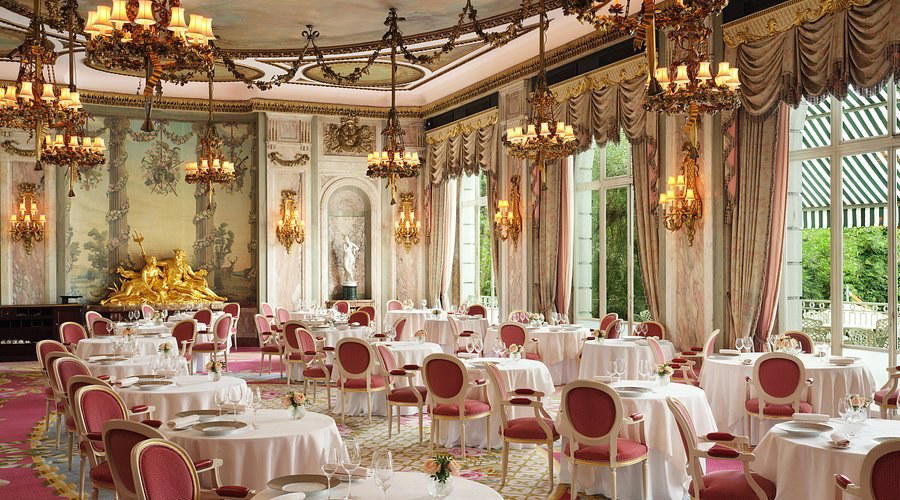
Glamorous 1920s-inspired interiors with art nouveau chandeliers, William Morris wallpaper, warm classic lounges, and a convivial, decadent atmosphere.