Apiary Residences
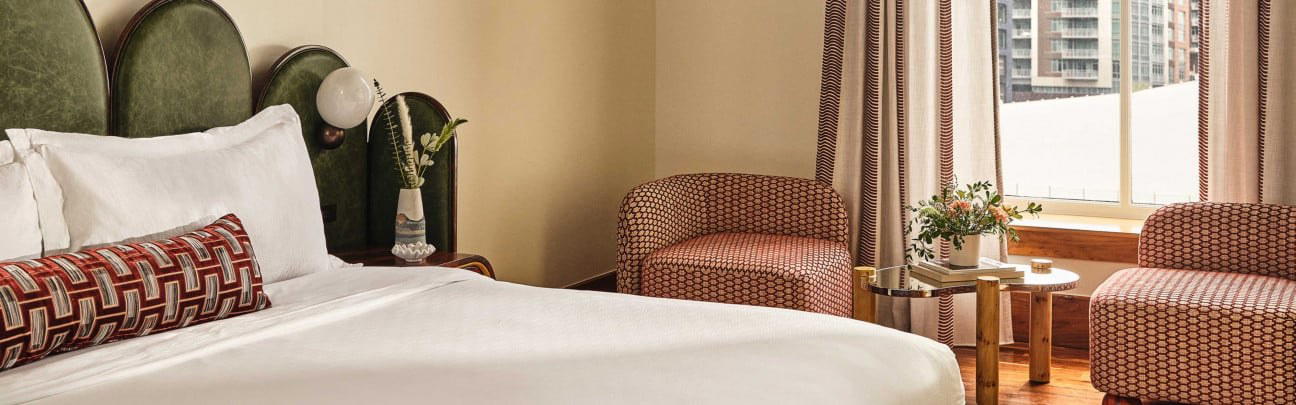
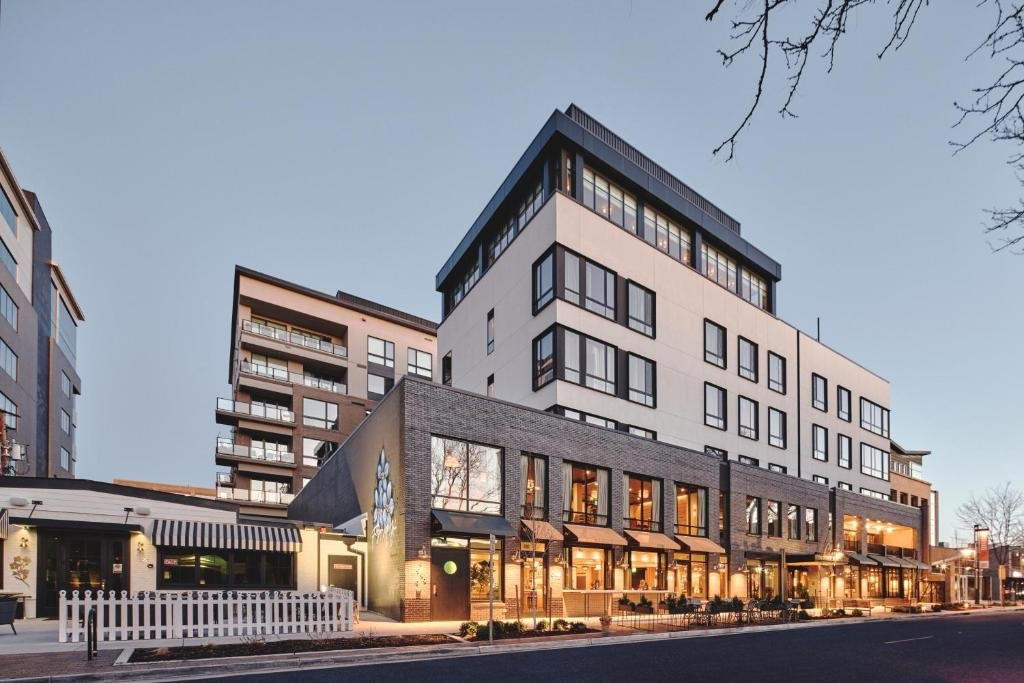
Apiary Residences brings a residential hospitality format to Denver, positioning itself within the city's growing tier of design-conscious, longer-stay properties. With Colorado's ingredient culture and a setting that draws on the region's natural character, it appeals to travelers who prefer the texture of a neighborhood stay over a conventional hotel room.

Pearl is the En Primeur Club membership app — saves, bookings, and concierge access live there. Same editors, same standards.
Denver's Residential Hotel Tier and Where Apiary Fits
Denver's hotel market has been sorting itself into clearer camps over the past several years. On one side sit the large-format flag properties, the kind represented by Four Seasons Denver and The Crawford Hotel, each anchoring a specific neighborhood identity with full-service amenities and high occupancy. On the other side, a smaller cohort of residentially framed properties has been building quietly, attracting travelers who want the discipline of a curated stay without the transactional feel of a large lobby operation. Apiary Residences belongs to this second camp.
The residential hotel format has particular appeal in a city like Denver, where the visitor profile skews toward people spending multiple nights rather than passing through. The Front Range draws extended-stay travelers: those here for the mountains, those relocating for work, those attending extended conferences at the Colorado Convention Center. A residences-style property answers that demand differently than a standard room-and-corridor hotel. Space is configured for habitation rather than overnight storage. That distinction matters when a guest is on their fourth consecutive night and the quality of kitchen access or desk layout starts to register.
Within the Denver context, Apiary Residences sits alongside properties like Apiary Hotel and Halcyon, a hotel in Cherry Creek in the design-attentive, locally rooted segment of the market. These are not properties competing primarily on points programs or brand recognition. They compete on the quality of the physical environment and the degree to which they reflect the city they occupy.
Colorado's Ingredient Culture as Architectural Logic
The intersection of local sourcing and imported technique has become a defining pattern in Denver's food and hospitality culture. Colorado produces ingredients with genuine provenance: Rocky Mountain trout, heritage grain from the San Luis Valley, bison from the eastern plains, stone fruit from the Western Slope orchards. The interesting question, for any property operating in this space, is whether that local material is treated as a marketing badge or as actual structural input into how the experience is built.
Properties that handle this well, in Denver and elsewhere, tend to follow a pattern visible across the American West's more serious hospitality tier. At Sage Lodge in Pray or SingleThread Farm Inn in Healdsburg, the ingredient sourcing is not incidental to the property's identity, it is the organizational principle around which the experience is built. The same logic, applied in Denver, would mean treating Colorado's agricultural output as the foundation of food programming rather than a footnote on the menu.
For a residences-format property, the application of this logic extends beyond restaurant programming. It shows up in the materials used in the space, in the provisions available to guests who cook in-unit, in the producers referenced when breakfast ingredients are laid out. Denver's proximity to the mountains and to a productive agricultural hinterland makes this kind of grounding possible in ways that a mid-sized city without that geography cannot replicate.
The Neighborhood Stay vs. the Hotel Stay
One of the functional differences between a residences property and a conventional hotel is the degree to which it encourages engagement with the surrounding city rather than providing a self-contained alternative to it. Properties like Denver Union Station and AC Hotel Denver Downtown are embedded in high-activity corridors where the hotel itself is a destination within the neighborhood fabric. Residences properties, by contrast, tend to position themselves as bases from which guests move through a neighborhood rather than anchors that hold guests in place.
This has specific implications for how a traveler should approach a stay at Apiary Residences. The value of the property is partially external: Denver's walkable districts, the RiNo corridor's gallery and restaurant density, the Cherry Creek retail and dining concentration, the light rail access that makes getting across the city less car-dependent than in comparable American metros. A residences-format stay in Denver works well when the guest treats the city as part of the stay rather than something to be managed from a distance.
How Apiary Residences Sits in Its Competitive Set
The competitive set for a property like Apiary Residences is not the full-service luxury tier occupied by Clayton Hotel and Members Club or the boutique-inn format. It is the mid-luxury, design-attentive, extended-stay segment that has been growing across American cities with strong in-migration and a professional traveler base. Nationally, this segment is visible in properties like Troutbeck in Amenia, which trades on a specific environment and a curated guest experience rather than brand affiliation, or Post Ranch Inn in Big Sur, where the physical setting and the experience of place are the primary product.
The Denver version of this pattern is still consolidating. Properties like All Inn Hotel represent one approach to affordable design-conscious accommodation; the higher-end residential format represents another. What differentiates them is not simply price but the degree to which the property is built around habitation rather than transit.
Planning a Stay
Denver operates on mountain time and at altitude, two facts that affect how you feel during the first day of any stay regardless of where you're based. The city's airport is well-connected nationally, with direct routes from most major American hubs, and the commute into the central city runs roughly 35 to 45 minutes by train or car depending on traffic. Booking timing for residences-format properties in Denver tends to be less compressed than for the city's most in-demand hotel rooms, but summer and ski-adjacent seasons (late November through March) tighten availability across the market. For stays timed around the mountains, properties in this format serve as a logical base for accessing both the ski resorts to the west and the cultural programming that Denver concentrates during the colder months.
A Pricing-First Comparison
Comparable venues nearby, for context on price, style, and recognition.
| Venue | Price | Awards | Notes |
|---|---|---|---|
| Apiary ResidencesThis venue — the venue you are viewing | $$$$ | Not listed | Not listed |
| Halcyon, a hotel in Cherry Creek | $$$$ | Not listed | Cherry Creek, Thoughtfully designed independent boutique capturing cosmopolitan friend's home experience in upscale Cherry Creek North. |
| The Brown Palace Hotel and Spa, Autograph Collection | $$$$ | 4-Star | Central Business District, Historic luxury hotel blending Renaissance Revival architecture with contemporary accents |
| Gravity Haus Denver | $$$$ | 4-Star | Highland, Urban oasis blending hospitality and social club vibes |
| Denver Union Station | $$$$ | 4-Star | LoDo, Historic train station repurposed as luxury boutique hotel |
| All Inn Hotel & Fino | $$$ | 4-Star | East Colfax, Adaptive reuse heritage hotel with contemporary design sensibility, positioned as a neighborhood anchor and community gathering space. |
Continue exploring
More in Denver
Hotels in Denver
Browse all →
Bars in Denver
Browse all →
Restaurants in Denver
Browse all →
Wineries in Denver
Browse all →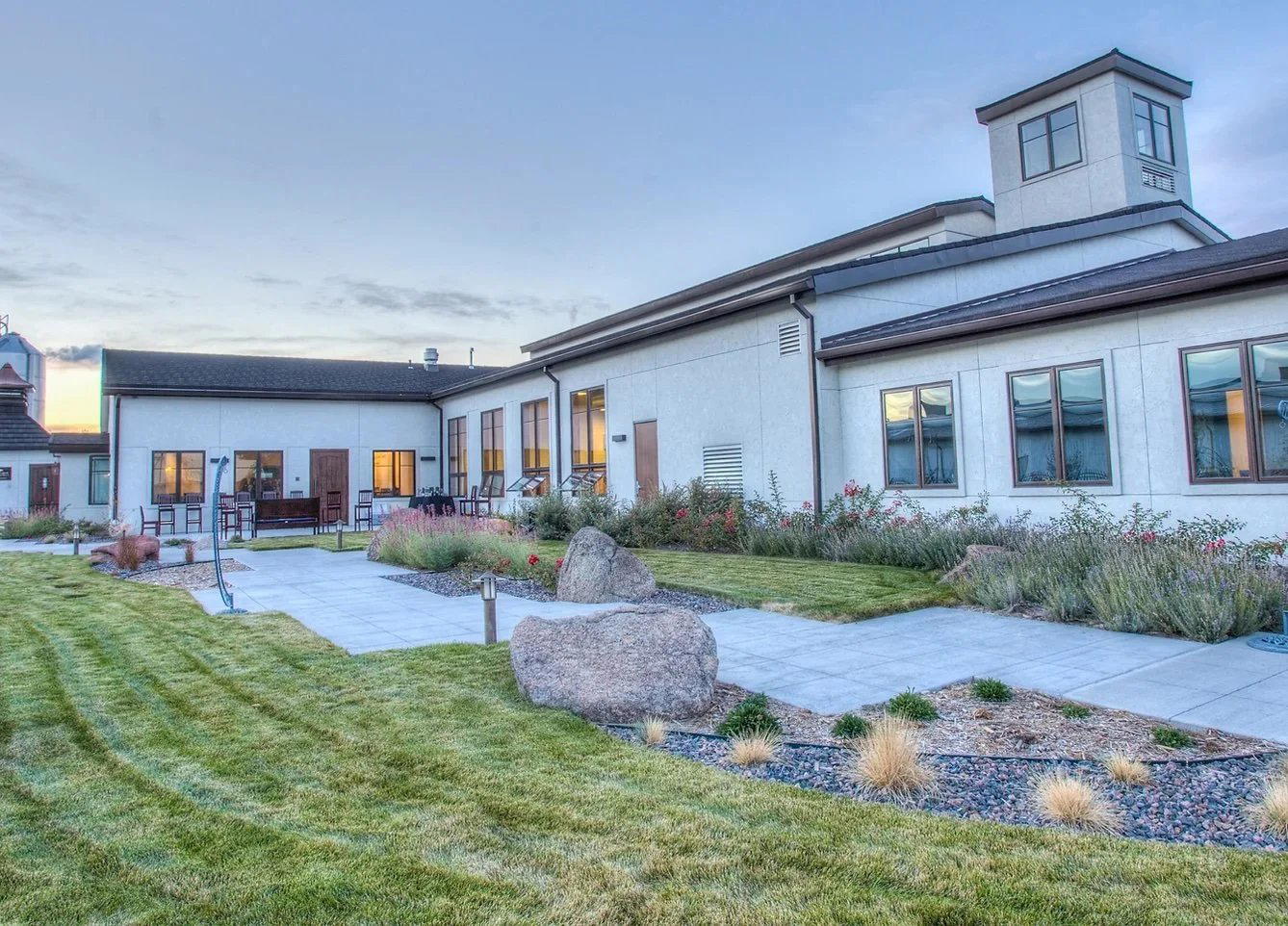

At a Glance
- Modern
- Sophisticated
- Elegant
- Business Trip
- Weekend Escape
- Rooftop Pool
- Panoramic View
- Pool
- Fitness Center
- Wi Fi
- Concierge
- Room Service
- Mountain
- Skyline
- Pool
- Fitness Center
- Wi Fi
- Concierge
- Room Service
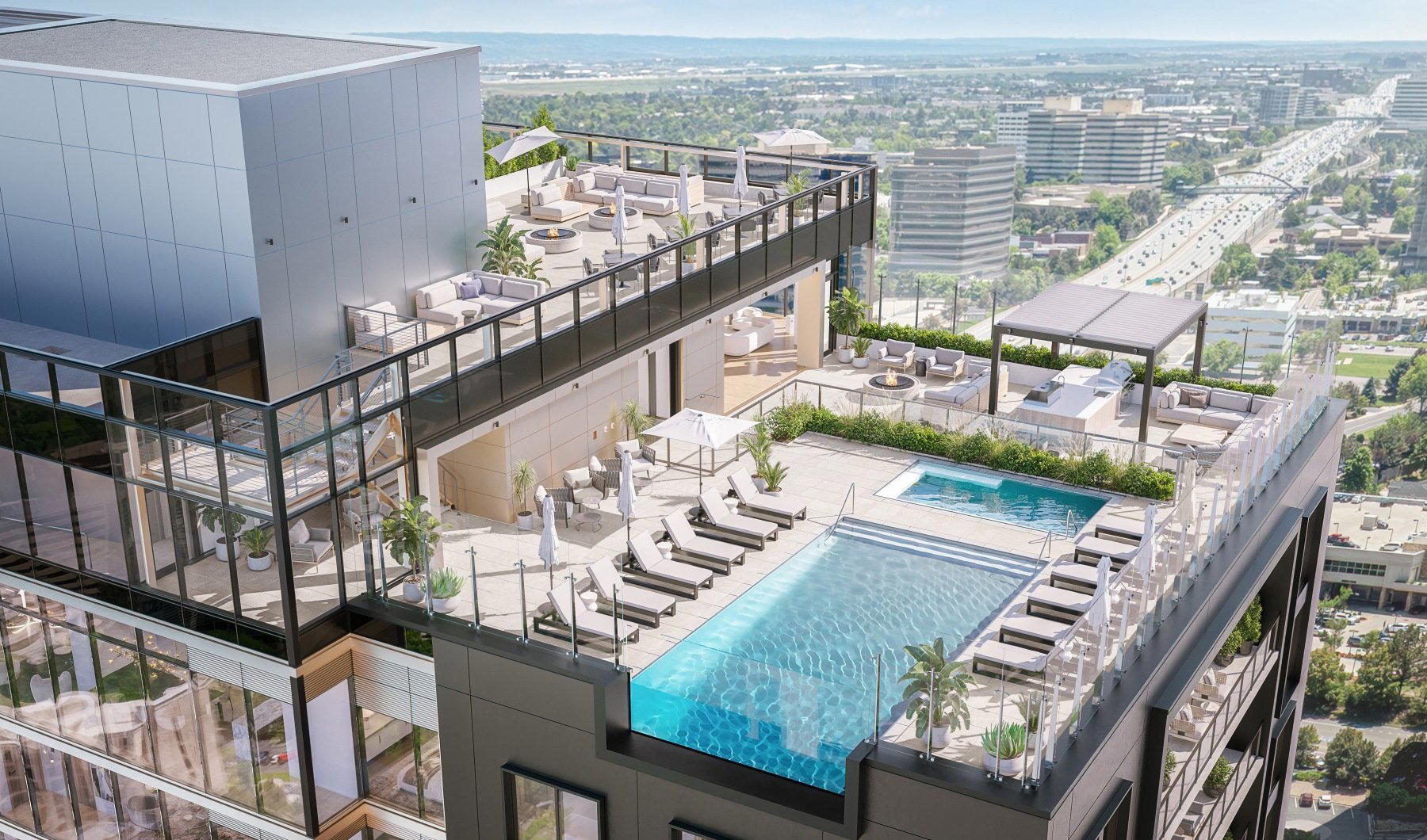
Sophisticated and light-filled with modern glass architecture, resort-style rooftop retreats, and inviting public spaces including cocktail lounge and cafe.