Trasteo

Michelin Plate
Our verdict
A Michelin Plate-recognised gastro-bar on the Cádiz coast, Trasteo brings together Asian and Latin American flavours anchored in local Andalusian produce. Set inside a space filled with recycled objects drawn from fashion, art, and surf culture, it operates à la carte only at a mid-range price point. The Vietnamese-style fried shrimp omelette and chickpea socarrat with scarlet shrimp tartare are two of its most talked-about dishes.

Pearl is the En Primeur Club membership app — saves, bookings, and concierge access live there. Same editors, same standards.
- Address
- C. María Luisa, 24, 11393 Zahara de los Atunes, Cádiz, Spain
- Phone
- +34 956 43 94 78
- Hours
- Daily Closed
- Website
- trasteozahara.es
- Directions
- Get directions
- Booking
- Book on CoverManager
The menu
What to order
- Tuna satay
- Tuna tacos with guacamole
- Vietnamese shrimp omelette
Where the Atlantic Meets Asia and Latin America
Zahara de los Atunes sits at the southern tip of the Cádiz coast, a small Atlantic-facing town long defined by tuna fishing and summer tourism rather than gastronomic ambition. Against that backdrop, the town's restaurant scene has in recent years developed a small but credible tier of places doing something more considered with the region's seafood. Trasteo occupies a distinct position within that tier: a Michelin Plate-recognised gastro-bar that routes local Andalusian produce through the flavours of Asia and Latin America rather than the conventional Andalusian or broader Spanish canon.
That kind of fusion grammar — Pacific Rim technique applied to southern Spanish raw materials — has become one of the more interesting threads in contemporary Spanish coastal cooking. Spain's leading creative restaurants, from Aponiente in El Puerto de Santa María to Quique Dacosta in Dénia, have long drawn on non-European culinary logic to reframe local ingredients. Trasteo works at a far more accessible register, but the underlying instinct is recognisably part of that broader current in Spanish cooking: take what the sea gives you locally, and apply a wider frame of reference to it.
The Space and Its Logic
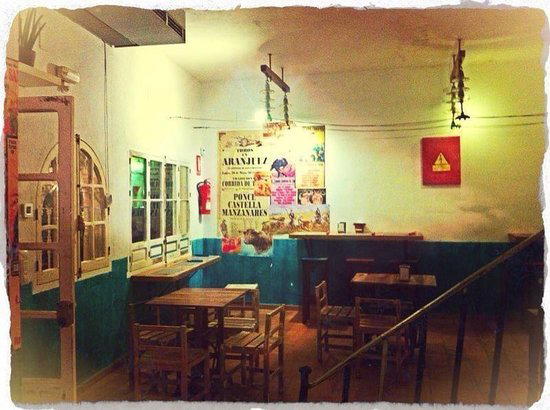
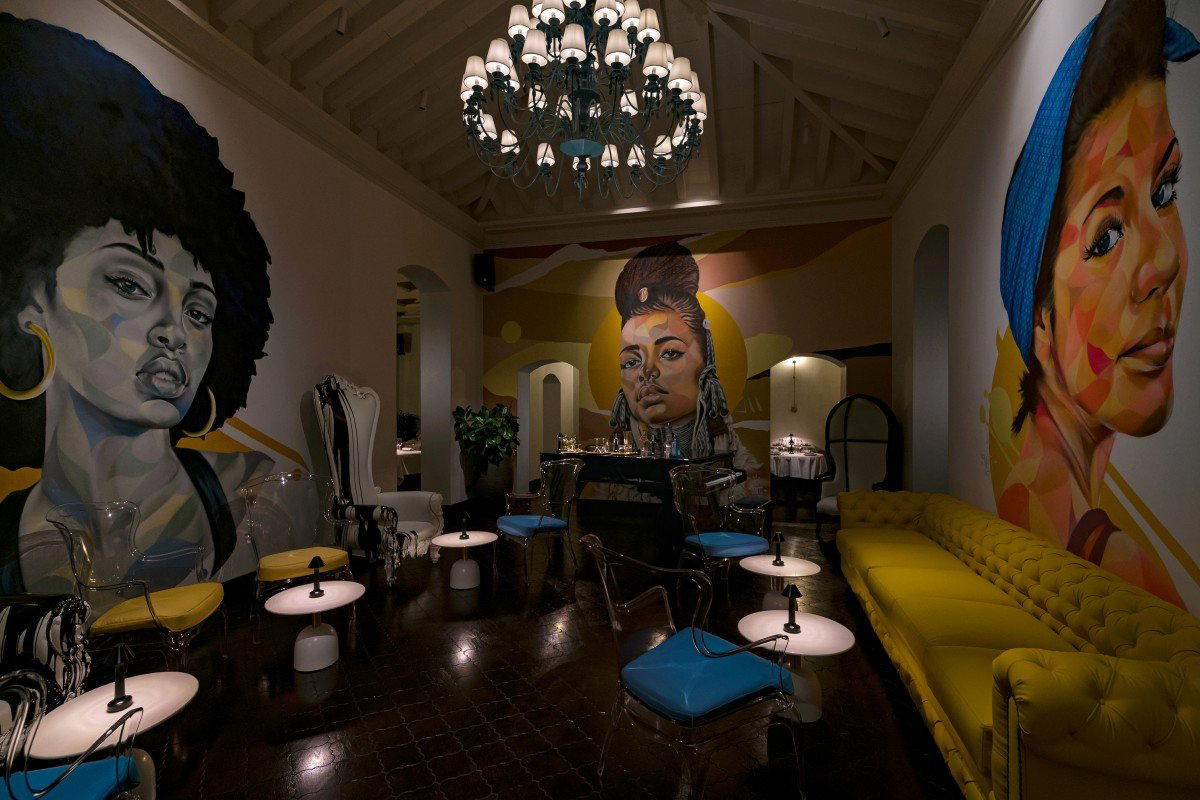
The physical environment at Trasteo carries its own editorial argument. The interior is assembled from recycled objects and furniture drawn from the worlds of fashion, art, and surfing, a combination that reads less as eclectic decoration and more as a statement about the kitchen's cross-cultural posture. Coastal Cádiz has always had a transatlantic character, shaped by centuries of trade routes between Spain, Latin America, and beyond. A dining room that mixes surf culture with fashion objects and art references is, in that sense, not simply a design choice; it reflects the same instinct that drives the menu's Asian-Latin American orientation.
The format is à la carte only, with no tasting menu option. In a region where longer tasting formats dominate at the upper end, that choice keeps Trasteo in a more casual, guest-directed register. The overall price range sits at the mid-level €€ tier, which positions it comfortably within reach for visitors to the area who want something more creative than direct fried fish without committing to a formal multi-course evening. For context, the €€€€ tier occupied by Disfrutar in Barcelona, El Celler de Can Roca in Girona, or Arzak in San Sebastián represents a fundamentally different dining proposition. Trasteo's value sits in bringing a similar creative orientation, Asian and Latin American references applied to local produce, to a format that doesn't require that level of financial commitment.
The Cultural Roots of the Menu
Fusion grammar Trasteo uses draws from two distinct traditions. Vietnamese cooking's approach to shellfish, light frying, aromatic herbs, sweet-sour balance, maps surprisingly well onto Andalusian shrimp, which carry a natural sweetness that holds up against acid and spice. The Vietnamese-style fried shrimp omelette, served with sweet and sour red peppers, is the most direct expression of that logic on the menu: a classic Vietnamese structural idea executed with Atlantic shellfish and Cádiz peppers.
Chickpea socarrat with scarlet shrimp tartare and aioli reads as a different kind of synthesis. Socarrat is the prized crust that forms at the base of a Valencian paella pan, a texture as much as a technique, and building it around chickpeas rather than rice shifts the reference point toward the pulse-heavy cooking traditions of southern Spain and the Levant. Layering that with scarlet shrimp tartare, a preparation with clear Pacific Rim DNA, and aioli, one of the defining emulsions of Mediterranean coastal cooking, produces a dish that operates simultaneously across three culinary geographies. That kind of multi-referential cooking is more ambitious than it looks at this price point.
Latin American influences in Spanish coastal cooking tend to arrive through two channels: direct migration (particularly strong in Cádiz and Seville, cities with long transatlantic histories) and the broader adoption of ceviche, tiradito, and causas by Spanish chefs who trained in or drew inspiration from Peru and Mexico. Either route brings a common sensibility: bright acidity, raw or near-raw treatment of seafood, and a comfort with heat. Trasteo's menu, as described, leans toward the lighter, more acidic end of that spectrum rather than the richer, stewed end of Latin American cooking.
For readers interested in how the Asian-Latin American-local produce fusion plays out at the highest tier elsewhere in Spain, DiverXO in Madrid and Martin Berasategui in Lasarte-Oria represent the €€€€ end of that creative spectrum. Mugaritz in Errenteria, Azurmendi in Larrabetzu, and Ricard Camarena in València extend the map of Spain's contemporary creative cooking for those building a longer itinerary. Internationally, César in New York City and Jungsik in Seoul offer reference points for contemporary cooking that similarly bridges Western and Asian culinary traditions.
Michelin Recognition and What It Signals
Trasteo holds a Michelin Plate for both 2024 and 2025, a recognition that places it in Michelin's acknowledged tier below star level but above the general restaurant population. The Plate signals quality of cooking that inspires interest, applied consistently across both years. In a small coastal town like Zahara de los Atunes, that level of sustained recognition is meaningful: Michelin inspectors travel to remote coastal addresses specifically when there is reason to do so, and a two-year Plate in this location confirms that Trasteo is operating above the local average on cooking quality.
Planning Your Visit
Zahara de los Atunes is a seasonal destination, and Trasteo's operational calendar will reflect that reality. The town fills significantly during July and August; visiting in late spring or early September tends to mean shorter waits and a less pressured atmosphere. The address is C. María Luisa, 24, placing it within the town's walkable centre. Booking ahead is advisable during summer months given the town's limited restaurant capacity at this level.
Visitors building a wider picture of the area can consult our full Zahara de los Atunes restaurants guide, along with our coverage of hotels, bars, wineries, and experiences in Zahara de los Atunes. For seafood in a more formal setting, Restaurante Hotel Antonio represents the area's more traditional fish and seafood offering.
Frequently asked questions
What's the price range at Trasteo?
Pricing at Trasteo is listed as €€.
Price and Positioning
| Venue | Cuisine | Price | Awards |
|---|---|---|---|
| TrasteoThis venue — the venue you are viewing | Mediterranean Fusion Gastrobar | $30–50 | Michelin Plate |
| Aponiente | Progressive - Seafood, Creative | Not listed | Michelin 3 Star |
| Arzak | Modern Basque, Creative | Not listed | Michelin 3 Star |
| DiverXO | Progressive - Asian, Creative | Not listed | Michelin 3 Star |
| El Celler de Can Roca | Progressive Spanish, Creative | Not listed | Michelin 3 Star |
| Quique Dacosta | Creative | Not listed | Michelin 3 Star |
Recognition history
Dated appearances from independent guides and award organizations, with the underlying list record or original source where available.
Michelin Plate
Michelin
Full recognition history (3 entries)
Michelin Plate
Michelin
Michelin Plate
Michelin
Continue exploring
More in Zahara de los Atunes
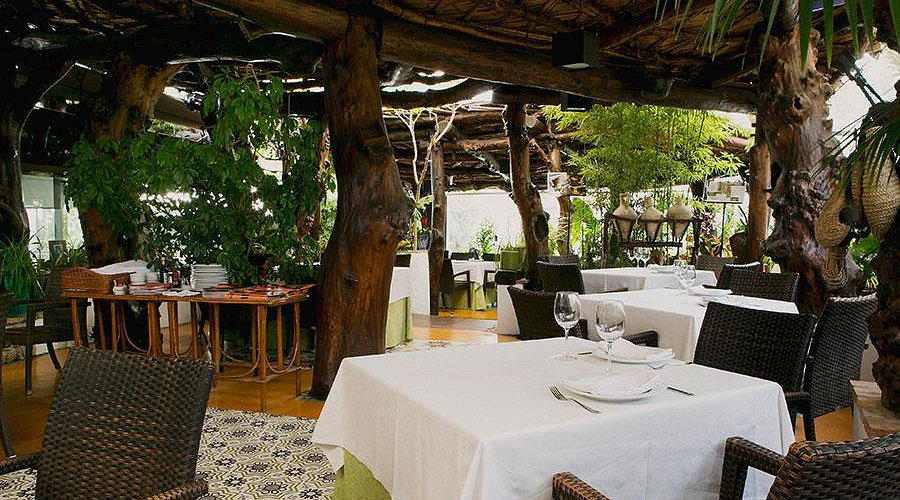
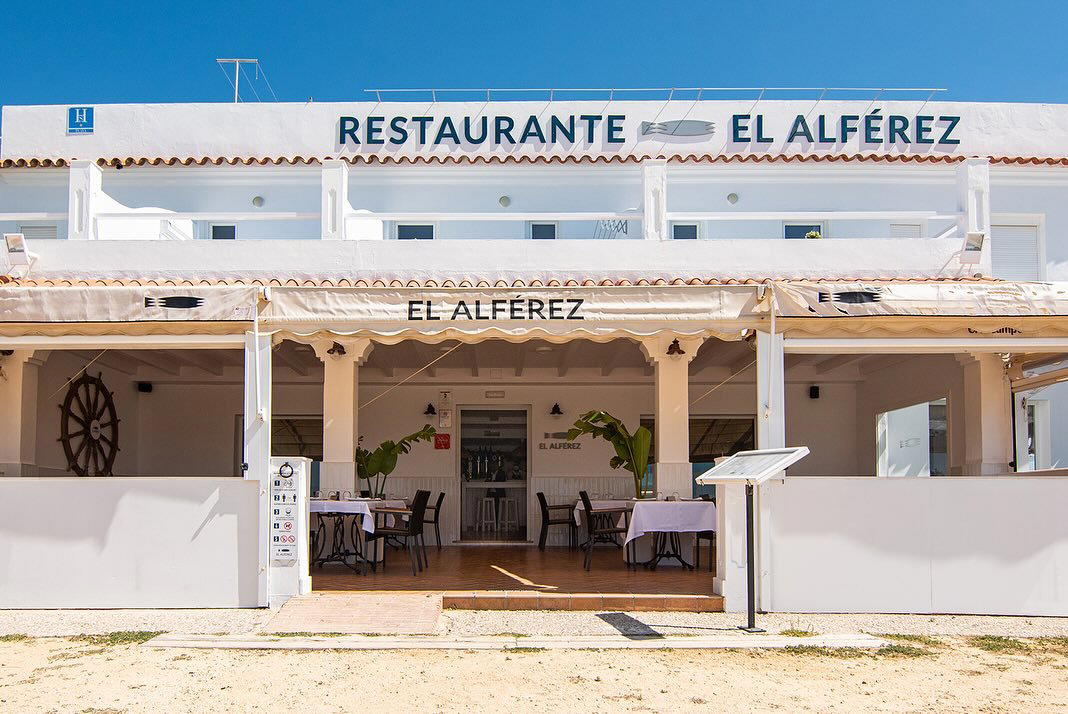
Restaurants in Zahara de los Atunes
Browse all →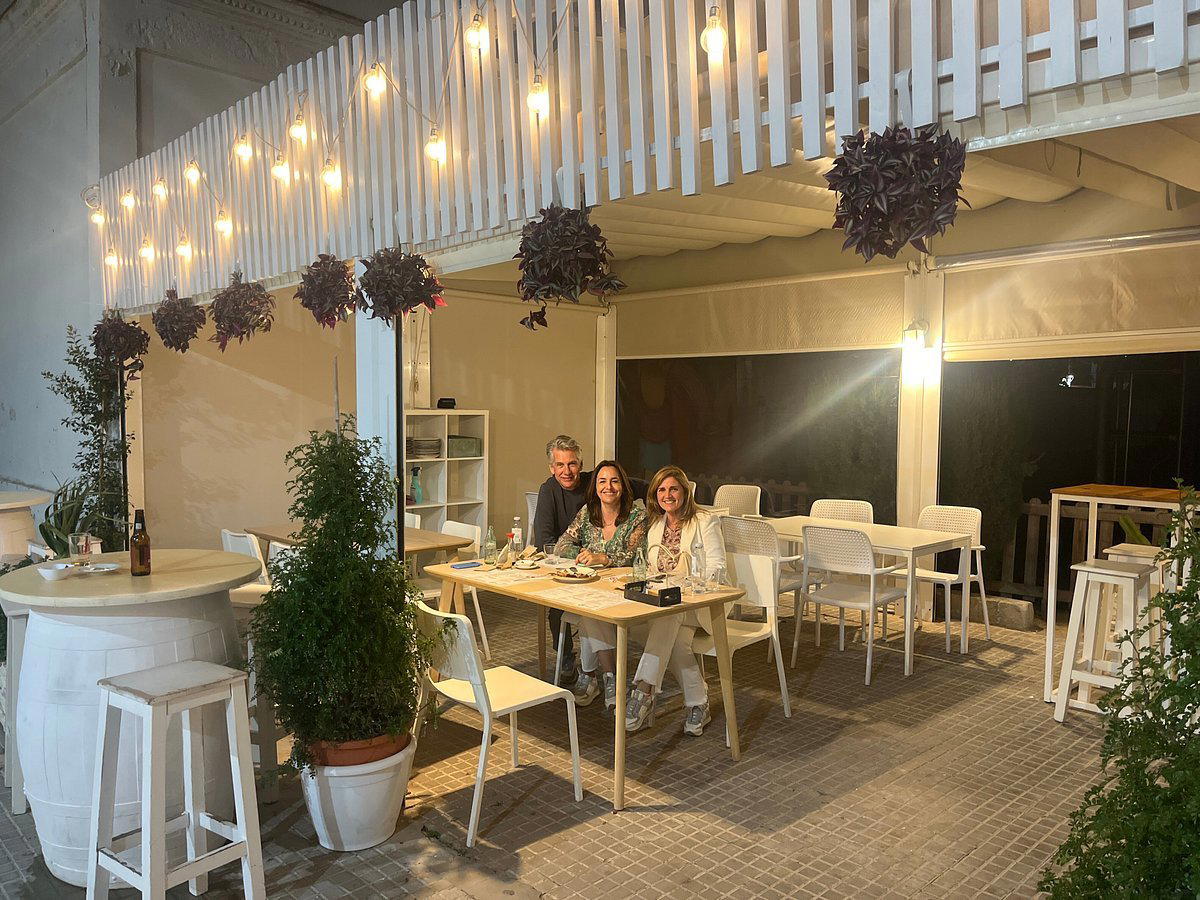
Bars in Zahara de los Atunes
Browse all →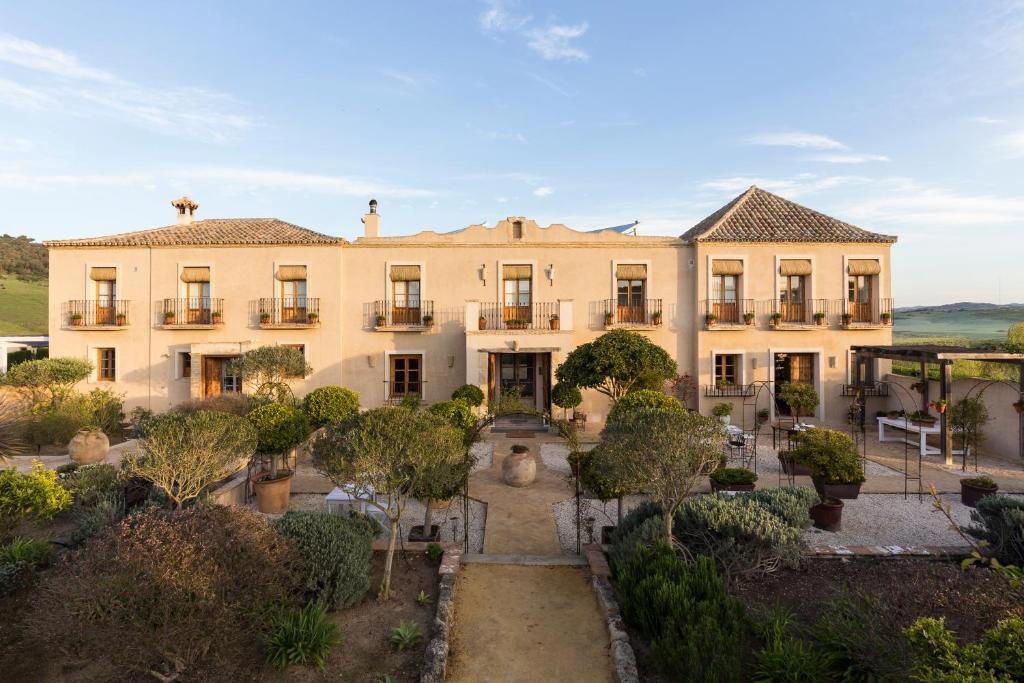
Hotels in Zahara de los Atunes
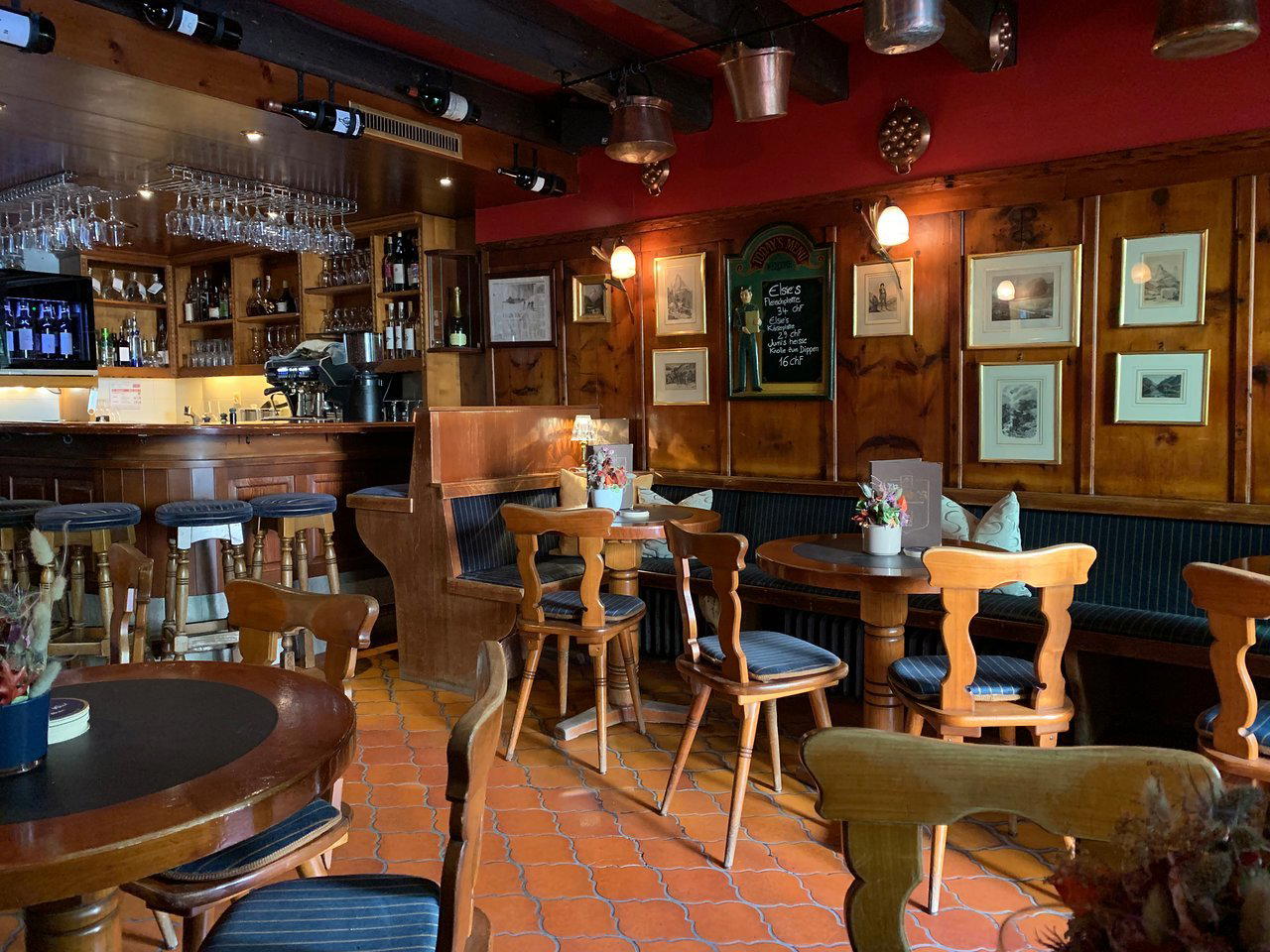
Browse all →
Details
- Rustic
- Cozy
- Bohemian
- Date Night
- Casual Hangout
- Family
- Open Kitchen
- Terrace
- Extensive Wine List
- Local Sourcing
- Sustainable Seafood
- A La Carte
- Small Plates
- Vegetarian Friendly
- Vegan Options
- Gluten Free Options
Current opening hours
- Monday
- Closed
- Tuesday
- Closed
- Wednesday
- Closed
- Thursday
- Closed
- Friday
- Closed
- Saturday
- Closed
- Sunday
- Closed
Hours can change for holidays and private events. Last verified .
Pleasant informal atmosphere with distinctive recycled furniture and objects from fashion art and surf creating a bohemian cozy vibe.