The Maritime Hotel


The Maritime Hotel occupies a converted 1966 building on West 16th Street in Chelsea, its porthole windows a persistent architectural signature in a neighbourhood that has cycled through warehouse grit and gallery polish. With 126 rooms, it sits at a scale that makes it visible without being anonymous, and its Chelsea address places it at the intersection of the High Line corridor and the Meatpacking District's western edge.
Pearl is the En Primeur Club membership app — saves, bookings, and concierge access live there. Same editors, same standards.
- Address
- 363 W 16th St, New York, NY 10011
- Phone
- +1 212-242-4300
- Website
- themaritimehotel.com
- Directions
- Get directions
 Saves & bookings on Pearl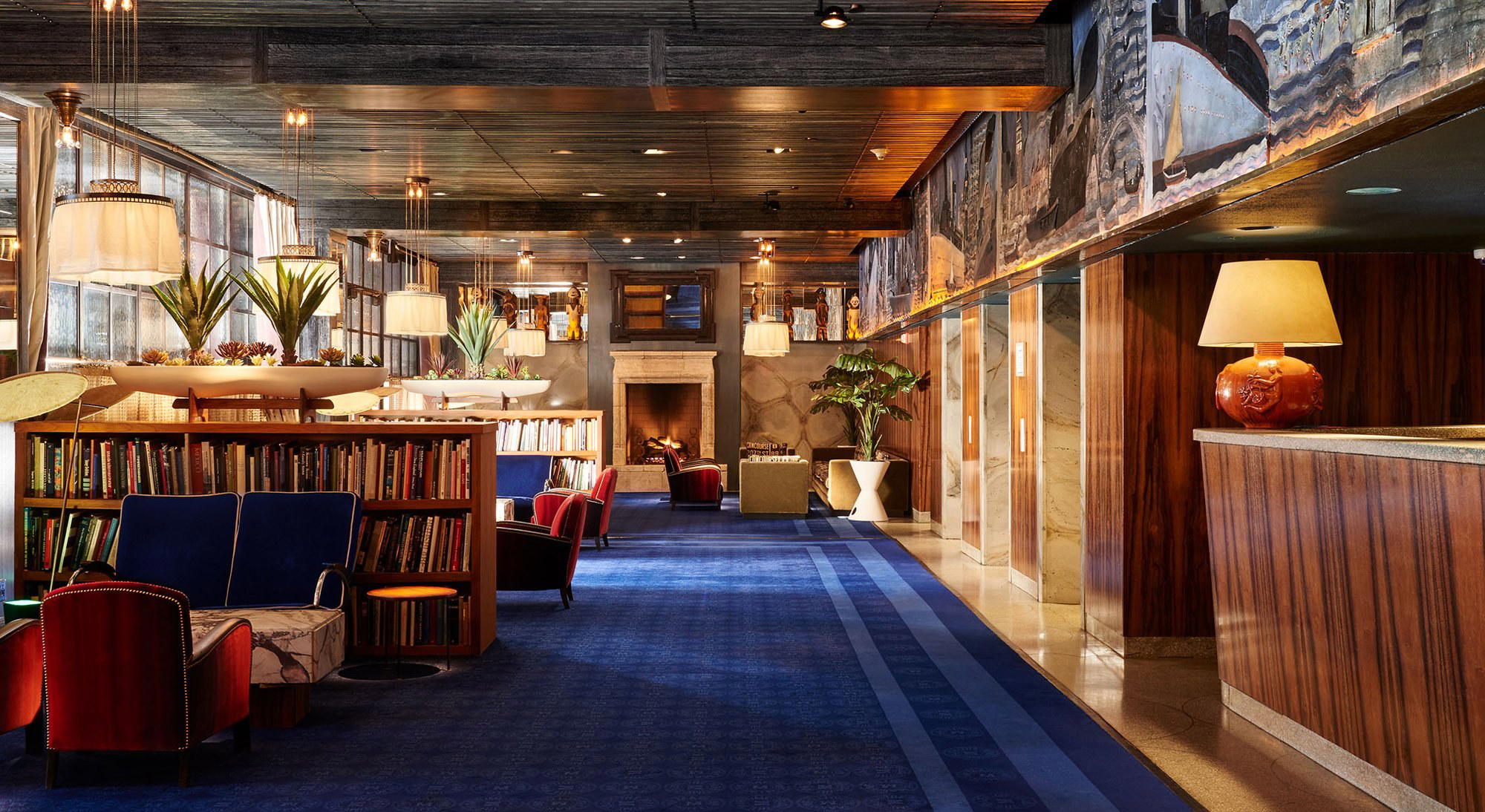
Chelsea's Architectural Holdout
Manhattan hotel development tends to erase its own history. Towers arrive, lobbies get refreshed, and the building beneath disappears into the renovation. Chelsea is more complicated. The neighbourhood absorbed the High Line's transformation, watched galleries migrate and media companies settle in, and kept a handful of structures that carry their original logic into the present. The Maritime Hotel, at 363 West 16th Street, belongs to that category. Its 1966 building, originally constructed for the National Maritime Union, carries porthole windows across its facade, a design choice rooted in the building's seafaring institutional origins that now reads as one of the more recognisable silhouettes on that stretch of the West Side.
For travellers comparing Chelsea against Midtown or the Upper East Side, the distinction is less about luxury tier and more about neighbourhood density and pace. Properties like The Carlyle, A Rosewood Hotel or The Mark operate within the cultural architecture of the Upper East Side, where the Metropolitan Museum and Central Park set the tempo. Aman New York and The Fifth Avenue Hotel anchor themselves in Midtown's commercial density. The Maritime positions itself differently: Chelsea is a working neighbourhood that happens to contain some of the city's most concentrated gallery programming, and the hotel's address reflects that character more than it chases it.
Scale, Rooms, and What 126 Means in Practice
At 126 rooms, The Maritime sits at a scale that New York's design-conscious boutique tier has largely standardised around. It is large enough to absorb demand without feeling institutional, small enough that the building's proportions remain coherent. Compare this against the 83 keys at The Greenwich Hotel in Tribeca, or the tighter counts at Crosby Street Hotel and The Whitby Hotel in Soho, and the Maritime's 126 rooms position it as the more accessible end of the boutique-leaning independent set, rather than the rarefied low-key properties.
The porthole window design, carried through from the building's original architecture, shapes how rooms feel from the inside. Circular apertures limit the view to a framed disc of Chelsea rather than a full floor-to-ceiling city panorama, which is a trade-off worth understanding before booking. Travellers who prioritise wide-angle city views will find properties with conventional window formats more satisfying; travellers who find that architectural consistency more interesting than spectacle will find the rooms coherent with the building's identity.
Where Chelsea Places This Hotel
The West 16th Street address positions The Maritime within walking range of the High Line's southern sections, the galleries of West Chelsea clustered along 20th through 26th Streets, and the Meatpacking District's restaurant and nightlife concentration immediately to the south. This is not the quietest pocket of Manhattan. The neighbourhood operates at a pace shaped by gallery openings, the Chelsea Market's food hall traffic, and proximity to Hudson Yards further north. Travellers seeking the quieter residential tempo of the Upper West Side or the self-contained hotel atmosphere of properties like Casa Cipriani New York on the waterfront will be making a different calculation.
For guests whose travel pattern involves spending mornings in galleries and afternoons working through the restaurant options of the West Village and Meatpacking District, the Maritime's location removes friction from that itinerary. Chelsea's gallery corridor is one of the highest concentrations of contemporary art programming in the country, and the hotel sits on its southern edge. See our full New York City restaurants guide for the neighbourhood dining context that fills out a stay here.
The Competitive Frame
New York's boutique hotel market has split along several axes over the past decade. On one side, design-led independents with fewer than 100 rooms and strong food-and-beverage programming have emerged as the high-intent traveller's default. On the other, larger boutique-adjacent properties with recognisable architectural identities hold a mid-tier that serves both leisure and corporate demand. The Maritime occupies this second position: it is neither the intimate specialist property nor the anonymous midscale block.
Properties at the design-driven, food-forward end of that spectrum, including The Greenwich Hotel or Crosby Street Hotel, carry restaurant programs with independent critical profiles. The Maritime's value is located elsewhere: in the building's architectural character, its Chelsea positioning, and its accessibility within the boutique range.
For travellers whose reference points extend beyond New York, the pattern of architecturally-specific boutique hotels adapting existing structures appears across the American market. Troutbeck in Amenia carries a similar logic of building character preceding brand, as does SingleThread Farm Inn in Healdsburg at the other end of the price spectrum. Internationally, Aman Venice and Badrutt's Palace Hotel in St. Moritz demonstrate how older structures anchor hotel identity in ways new construction rarely achieves. The Maritime's porthole facade is a less grand version of that same principle operating in a Chelsea context.
For American resort comparisons at different scales, Amangiri in Canyon Point, Post Ranch Inn in Big Sur, and Hotel Bel-Air in Los Angeles represent the design-led independent tradition in landscape settings. Urban equivalents like Raffles Boston and 1 Hotel San Francisco show how city boutique properties anchor themselves in building history or environmental identity. Four Seasons at The Surf Club in Surfside, Little Palm Island Resort in Little Torch Key, Sage Lodge in Pray, Canyon Ranch Tucson, Kona Village in Kailua Kona, and Auberge du Soleil in Napa fill out a broader map of where design-specific properties sit across the American market. Bvlgari Hotel Tokyo and Kona Village round out the international reference set for travellers calibrating expectations across markets.
Know Before You Go
- Address: 363 W 16th St, New York, NY 10011
- Rooms: 126
- Neighbourhood: Chelsea, near the High Line and Meatpacking District
- Note: Porthole windows are architectural originals from the 1966 building. Room light and views differ from conventional window formats.
- Booking: Contact the hotel directly or use standard travel booking platforms.
Recognition history
Dated appearances from independent guides and award organizations, with the underlying list record or original source where available.
Michelin Selected
Michelin
Preferred Hotels Member
Preferred Hotels
Continue exploring
More in New York City
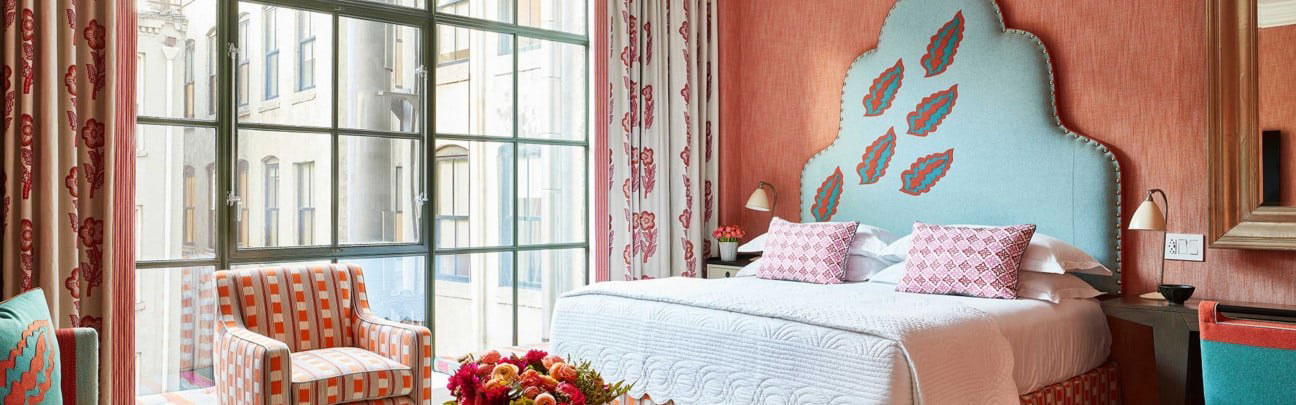
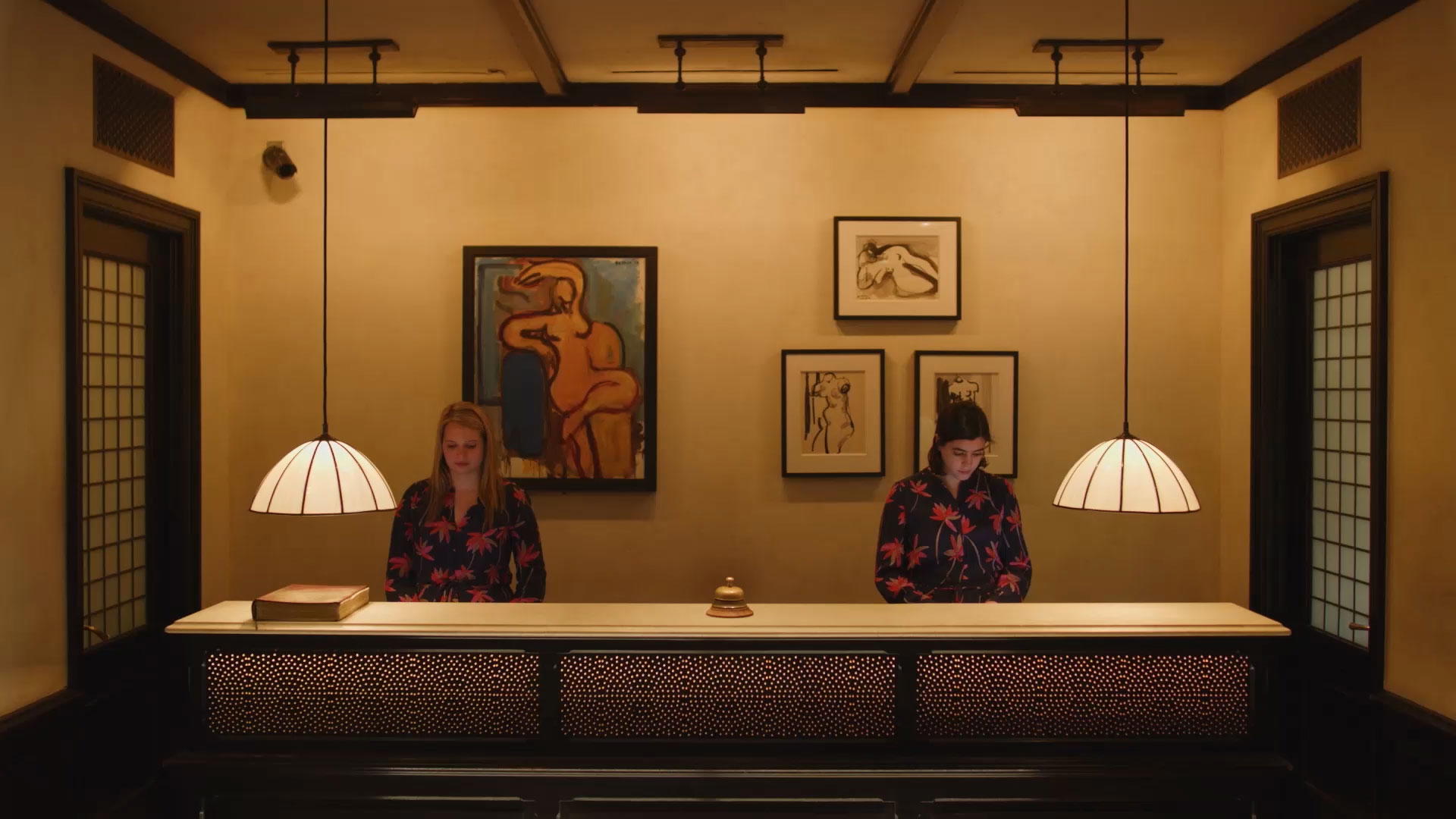
Hotels in New York City
Browse all →
Bars in New York City
Browse all →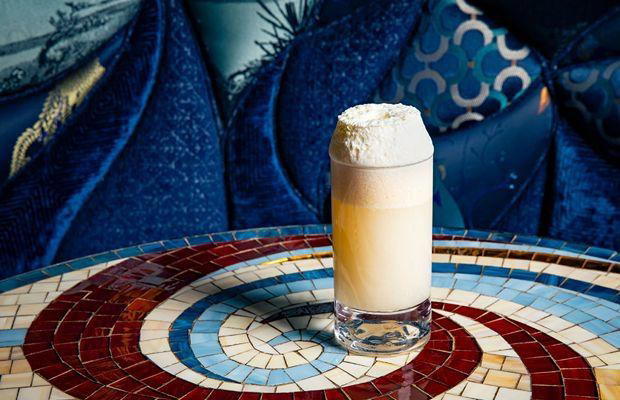
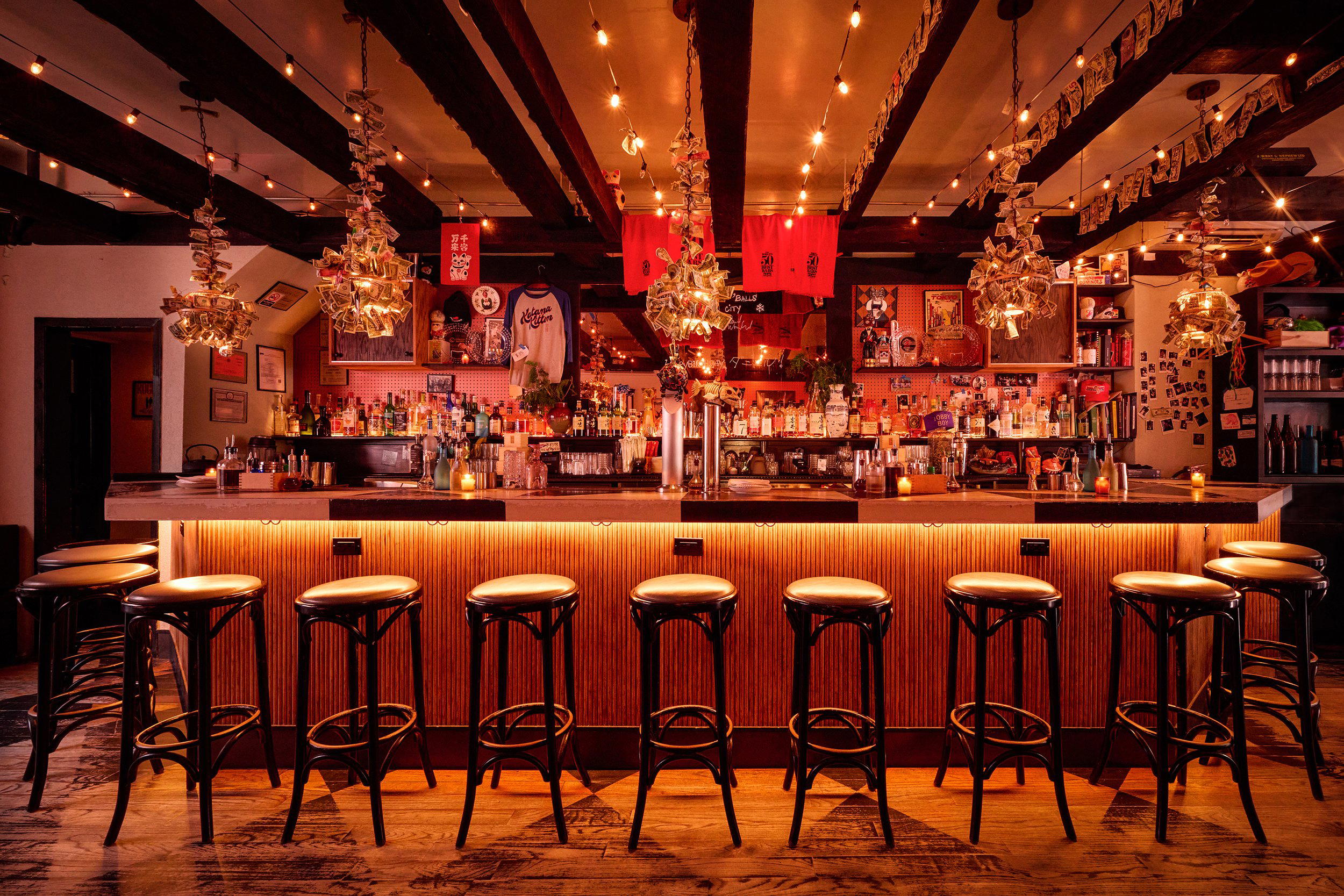
Restaurants in New York City
Browse all →




At a Glance
- Well Known
- Elegant
- Sophisticated
- Cozy
- Business Trip
- Romantic Getaway
- Weekend Escape
- Celebration
- Historic Building
- Design Destination
- Terrace
- Wi Fi
- Fitness Center
- Restaurant
- Bar
- Room Service
- Concierge
- Business Center
- Valet Parking
- Bicycle Rental
- Street Scene
- Skyline
- Wi Fi
- Fitness Center
- Restaurant
- Bar
- Room Service
- Concierge
- Business Center
- Valet Parking
- Bicycle Rental
Charming and relaxed with a ship-like aesthetic; public spaces evoke a library atmosphere with limited windows, while rooms are compact but well-designed with city views and premium bedding.
Know Before You Go
- Getting there
- 363 W 16th St, New York, NY 10011